Beicos – via tra Beicos e il Bosforo, Instanbul — History & Analysis
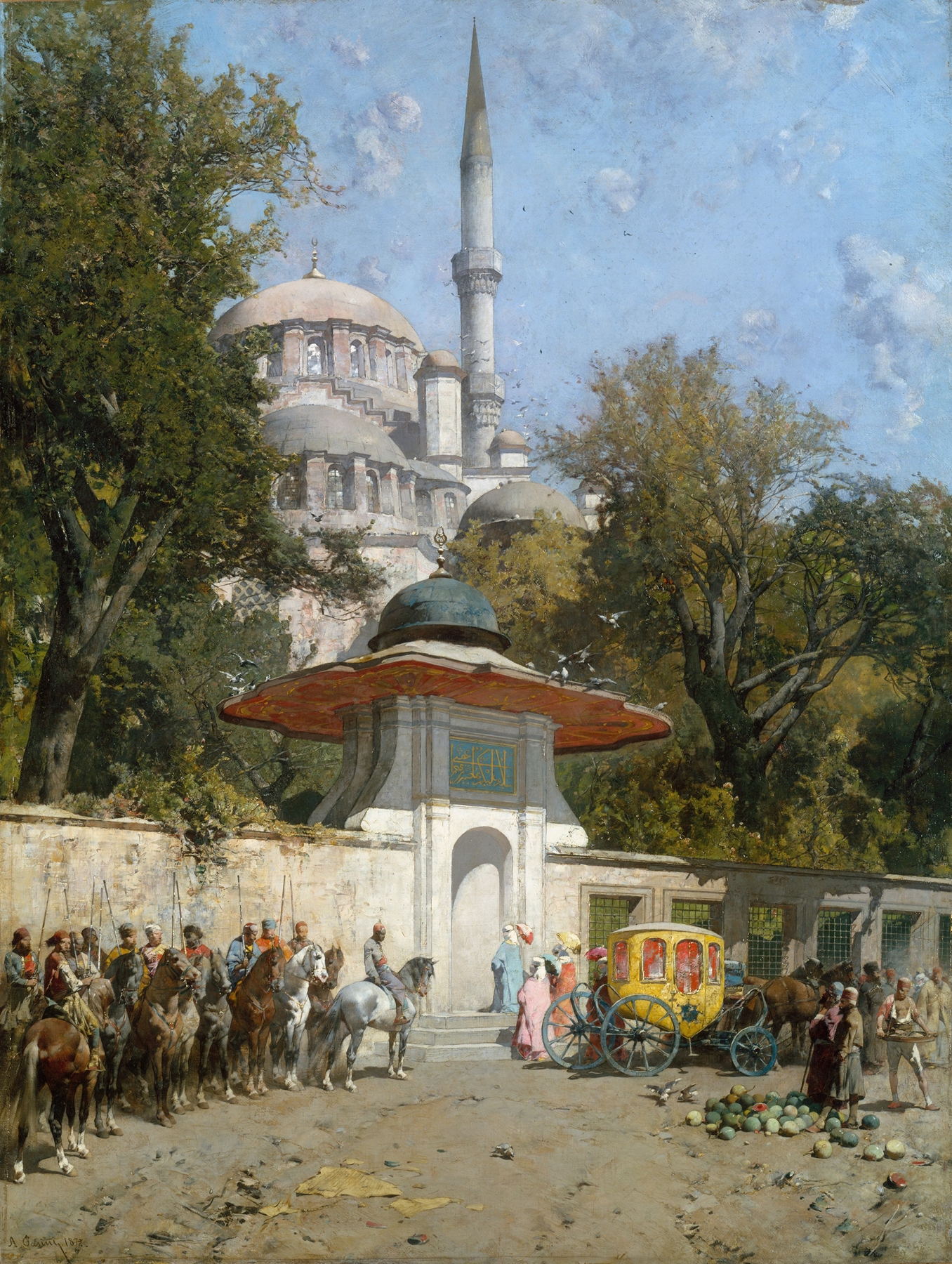
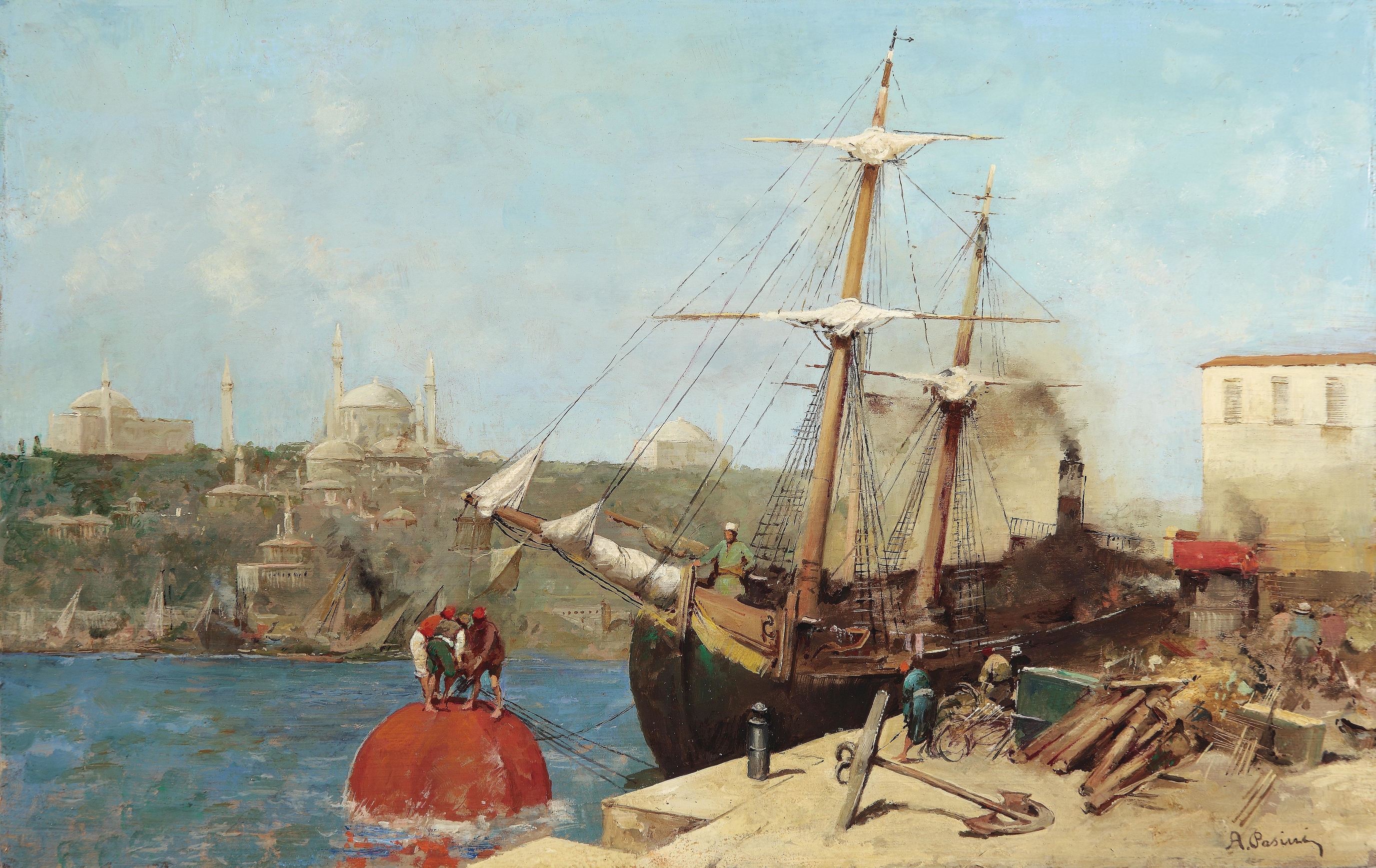
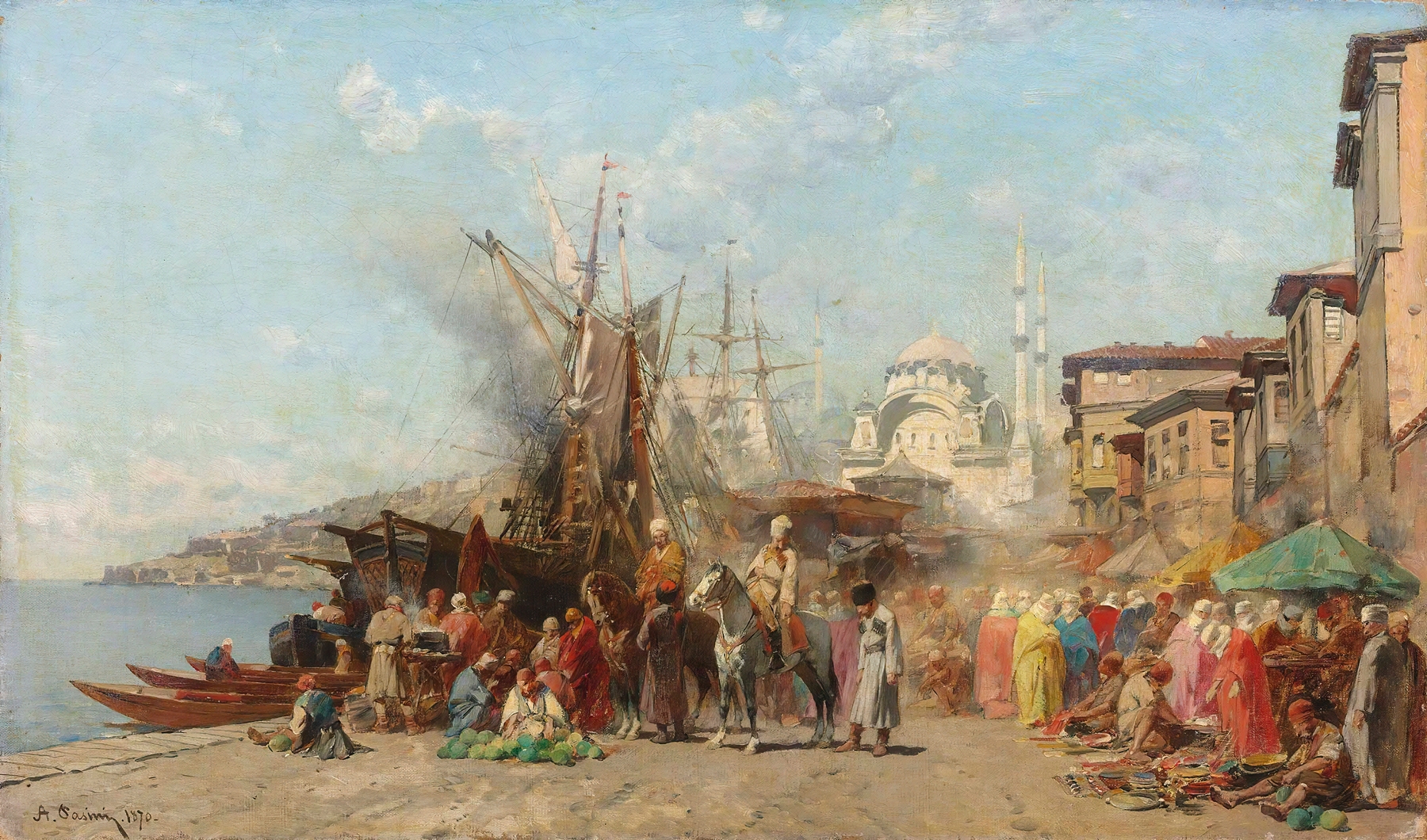
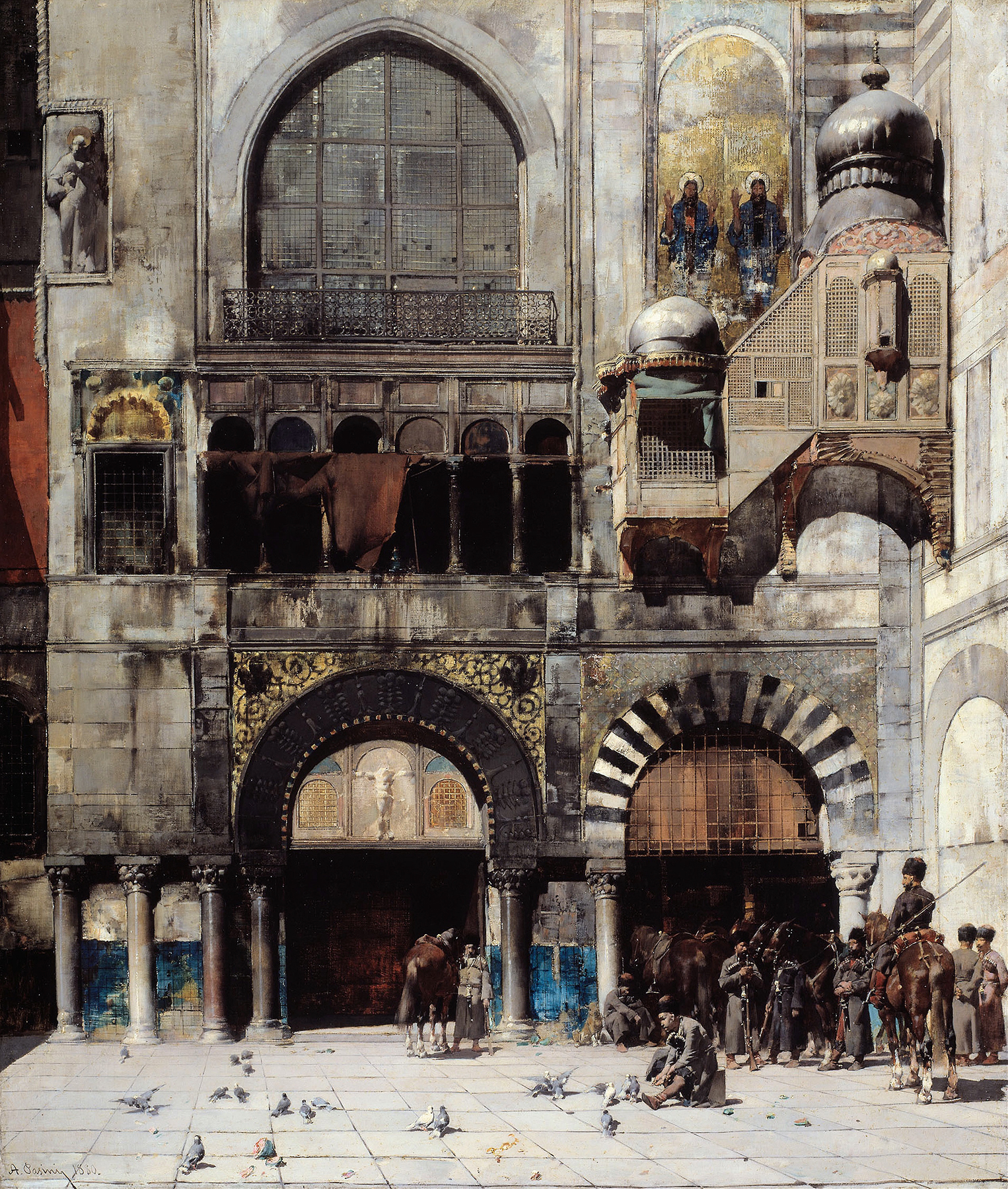
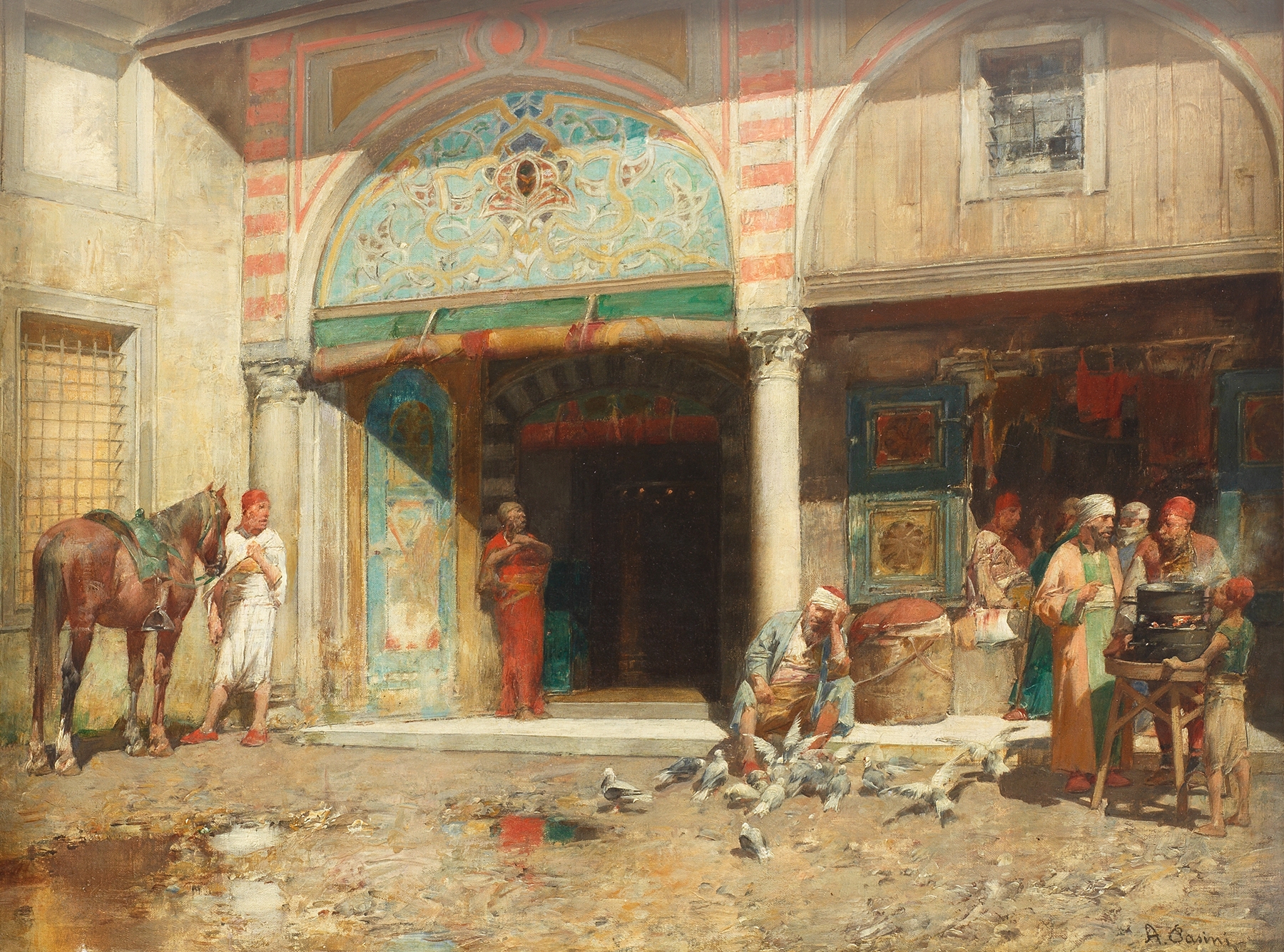
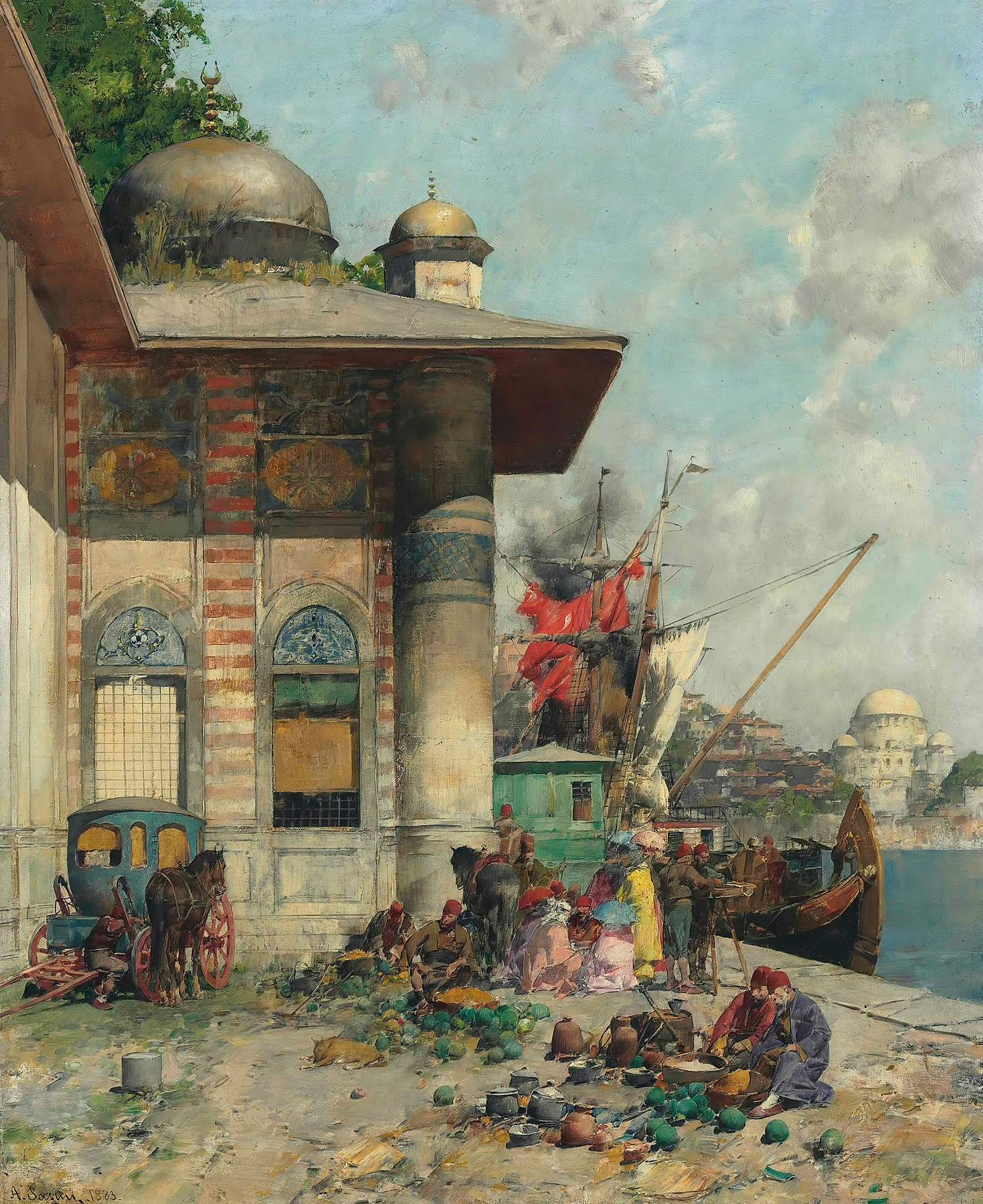
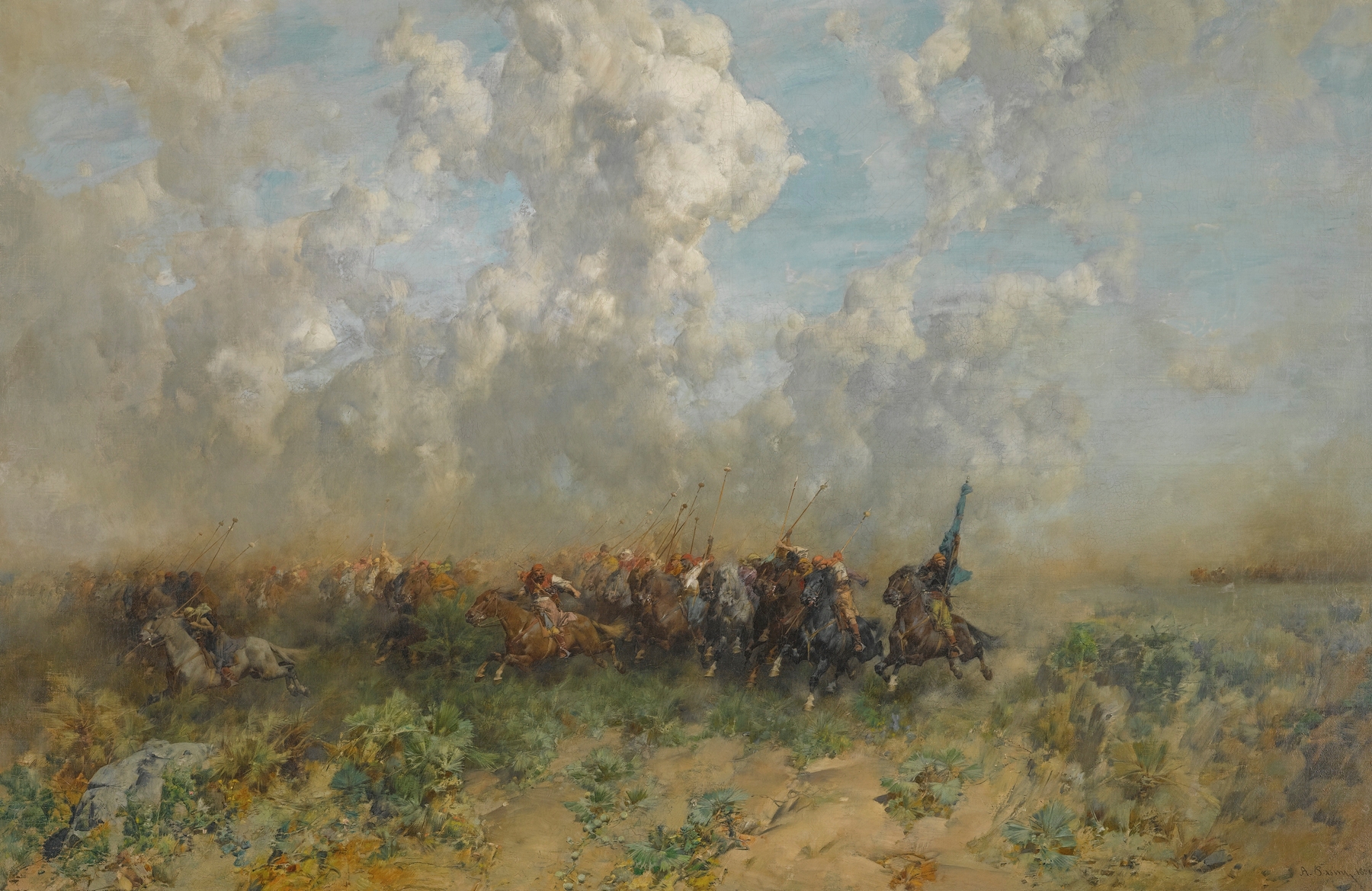
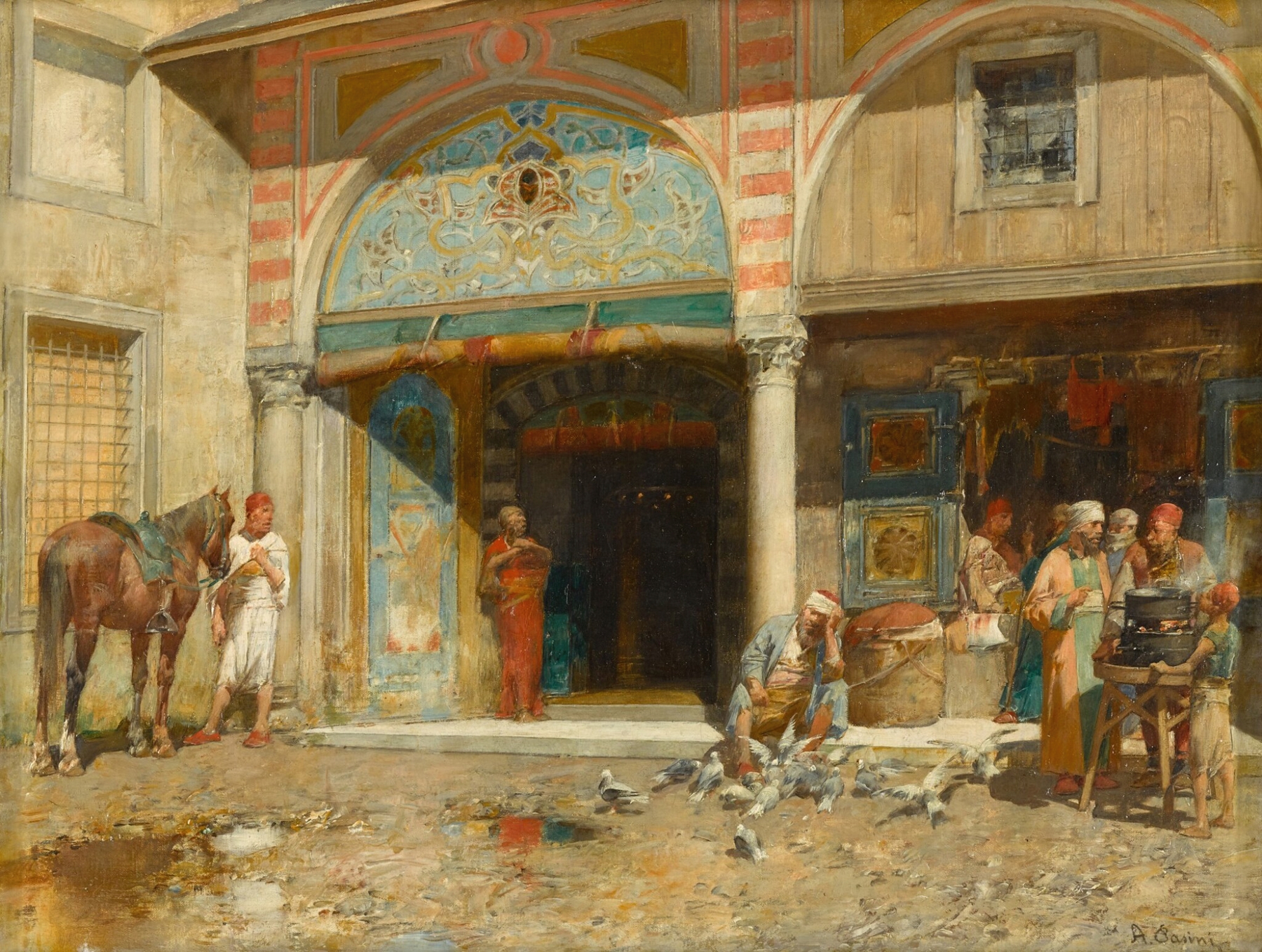
“Sometimes beauty is just pain, disguised in gold.” The shimmering waters of the Bosphorus cradle a world where turmoil and ecstasy intertwine, each brushstroke an echo of the human experience. Focus on the delicate interplay of light and shadow that dances across the canvas. The vivid blues and greens of the water draw your eyes towards the horizon, where the sun's warm embrace meets the cool expanse. Notice how the boats glide along the surface, their sails billowing gently, creating a sense of serene movement amidst the backdrop of Istanbul's intricate skyline, which stands proud yet vulnerable against the striking sky.
In this piece, the artist contrasts the vibrant life of the sea with the stillness of the city, suggesting a deeper narrative of longing and connection. The juxtaposition of the bustling boats and the serene architecture elicits a sense of nostalgia, while the golden hues that spill across the scene hint at fleeting moments of joy overshadowed by the weight of reality. Each element invites viewers to meditate on the balance of beauty and melancholy, the joy of travel wrapped in the shadows of separation.
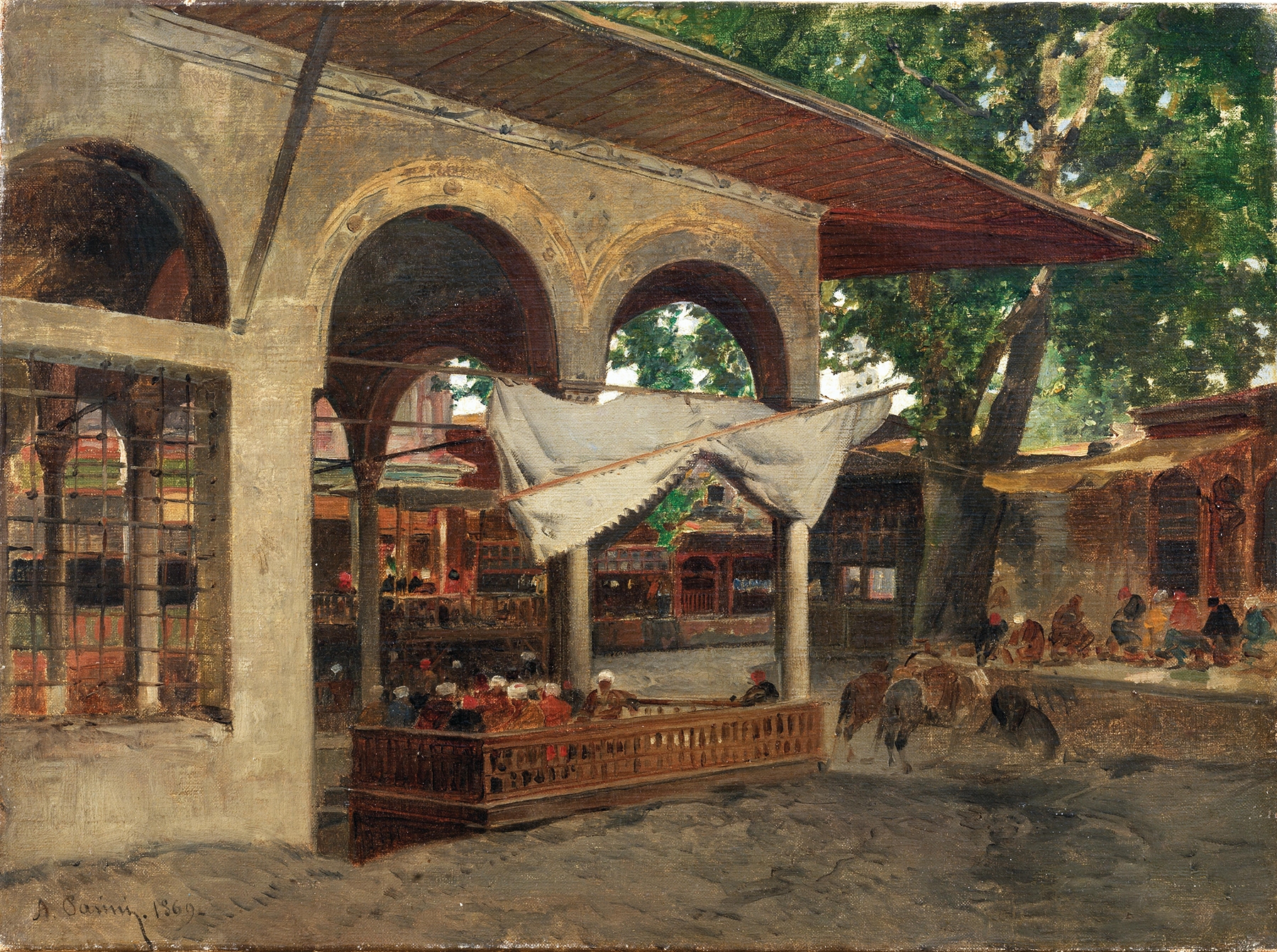
Created in 1869, the work emerged during a period of rich cultural exchange in Istanbul, where Western influences began to permeate traditional art forms. At this time, Pasini was deeply engaged in representing the landscapes and social life of the Middle East, having already captured the imaginations of European audiences with his exotic depictions. His experiences in a rapidly changing world fueled the emotional depth found in his compositions, reflecting both the allure and complexities of life along the Bosphorus.