The Rout — History & Analysis
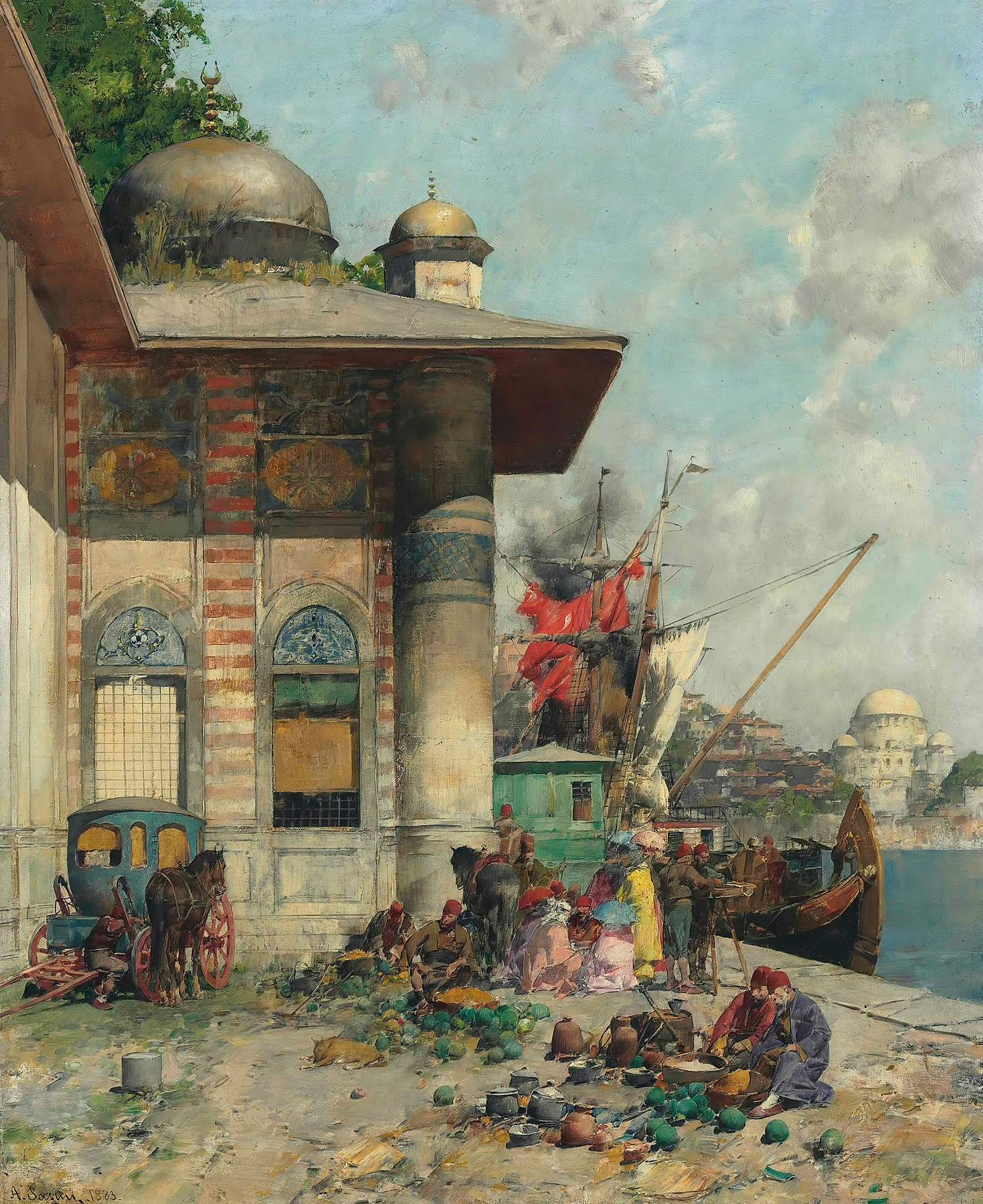
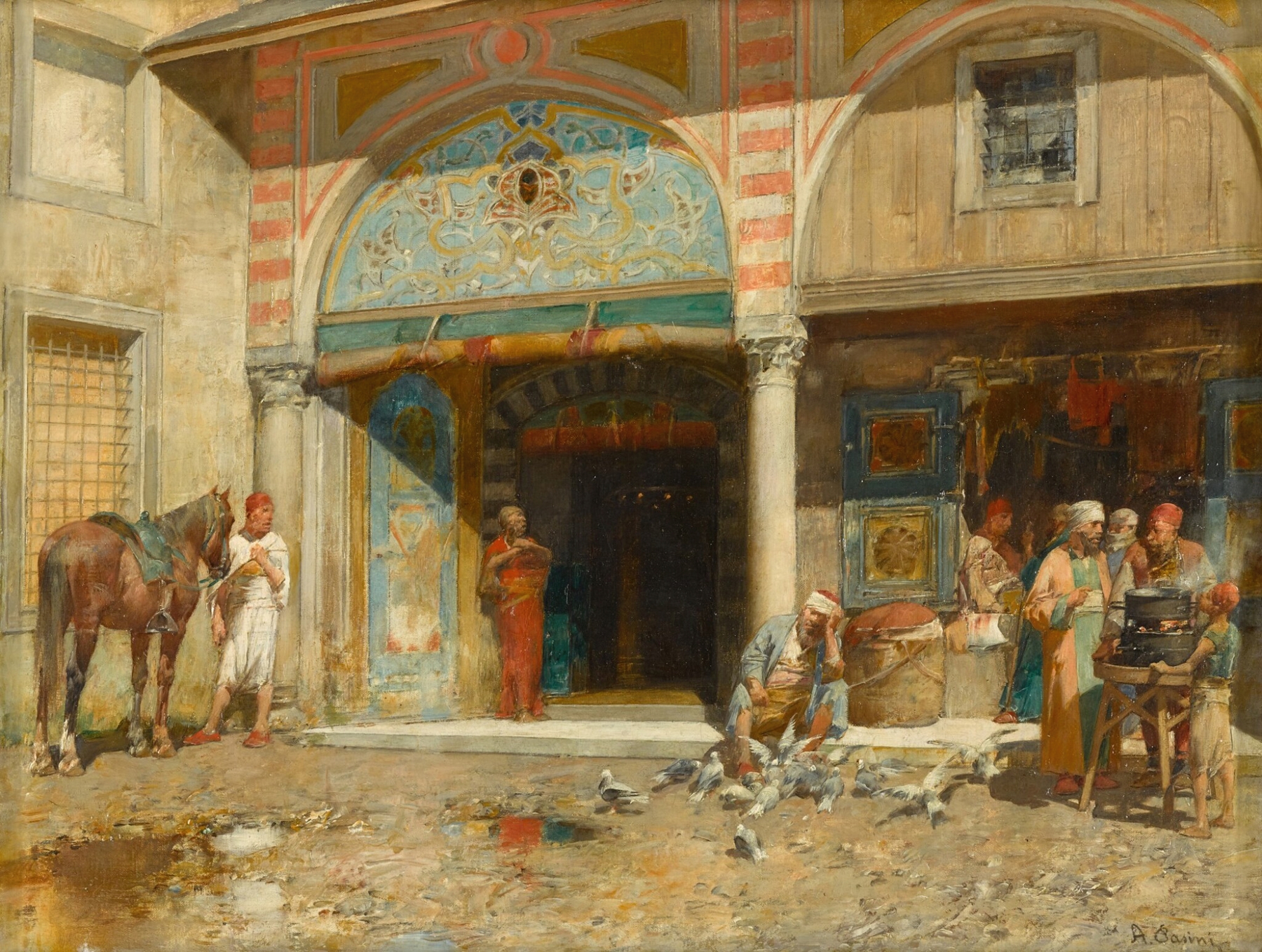
“To paint is to remember what time wants us to forget.” In The Rout, the viewer is drawn into a dreamscape where chaos and beauty grapple with the fragility of memory. Look to the center of the canvas, where a swirling mass of figures, horses, and tumultuous landscapes collide in an eruption of energy. The rich, earthy tones of ochre and deep crimson command attention, while the softer, muted blues and greens whisper of a fading serenity. Notice how the artist employs sweeping brushstrokes to create a sense of movement, allowing the eyes to dance across the scene as if caught in the very maelstrom depicted.
The emotional tension in this piece lies in the contrast between the frenetic struggle of the figures and the haunting stillness of the background. Each face reflects a range of emotions from terror to disbelief, encapsulating the elusive nature of human experience. The fragmented forms suggest a moment suspended in time, inviting viewers to confront their fears and hopes amidst the chaos of existence.
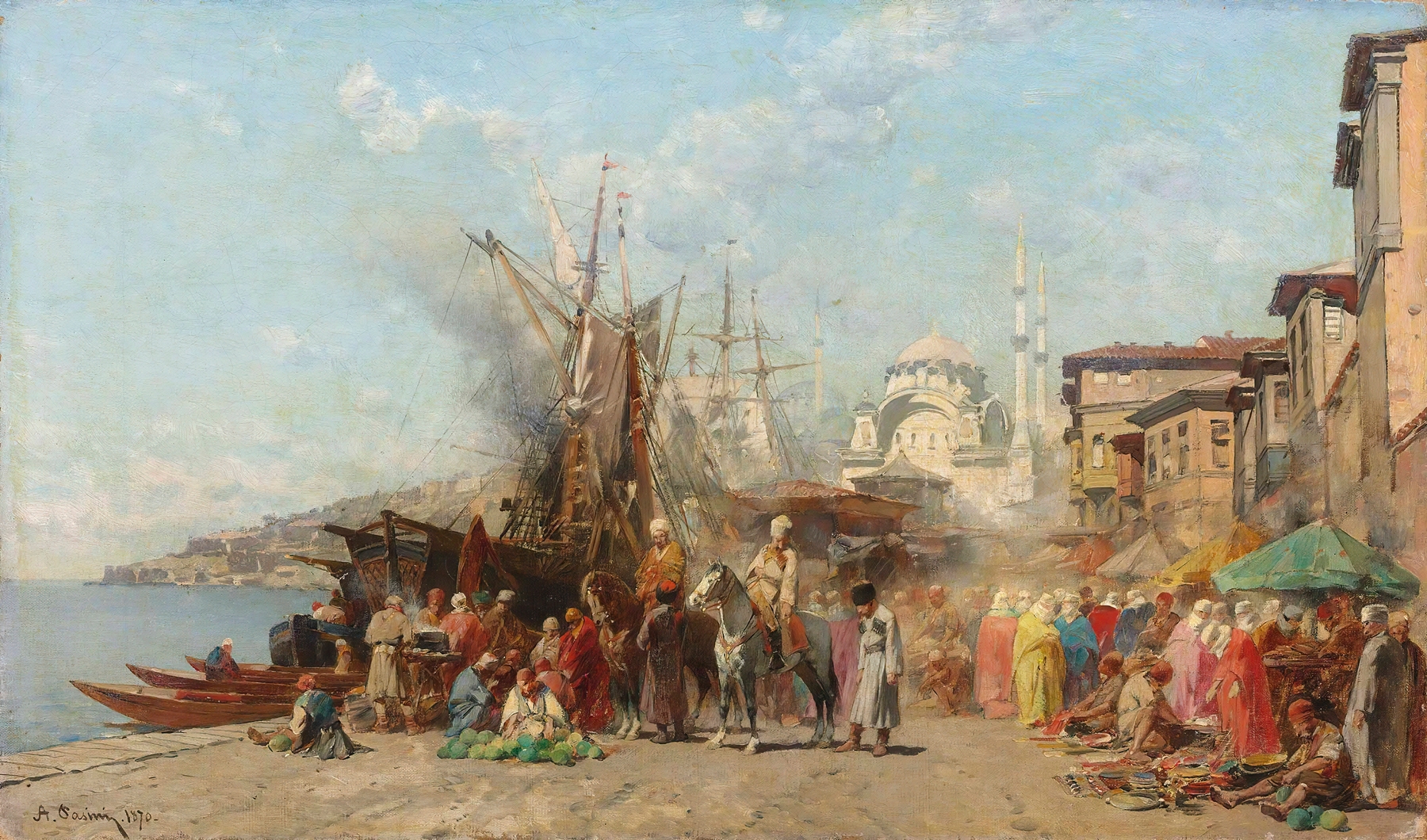
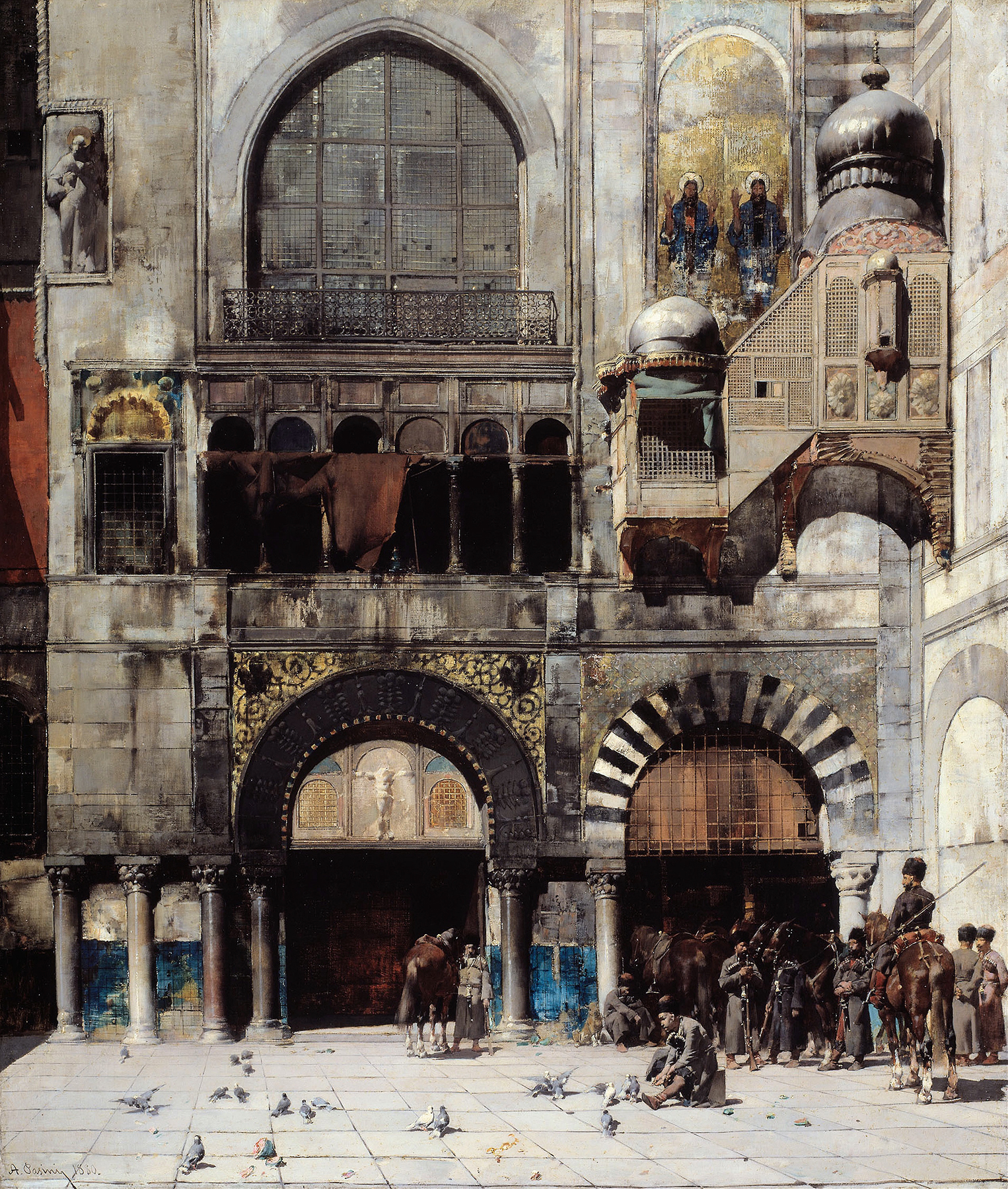
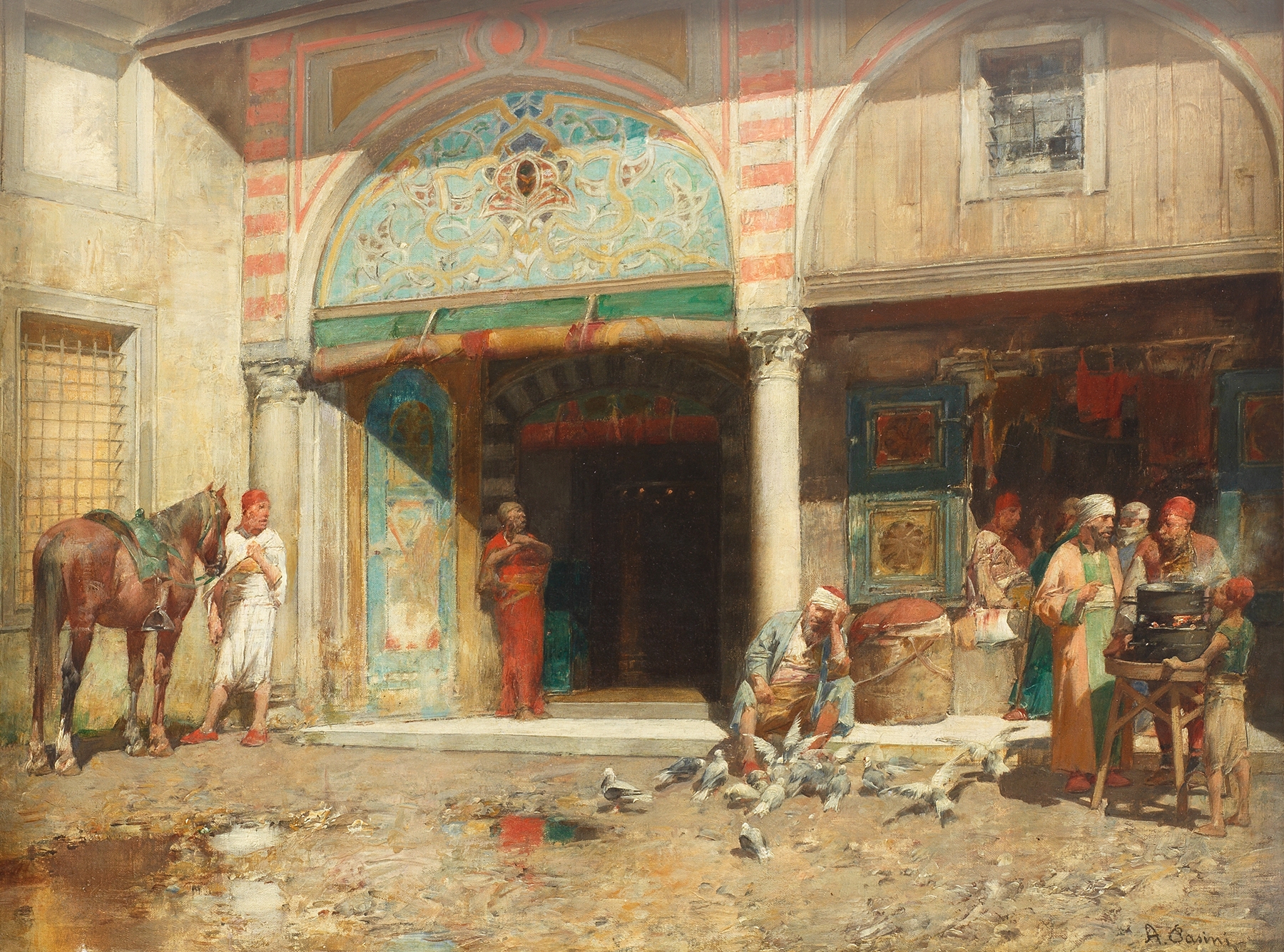
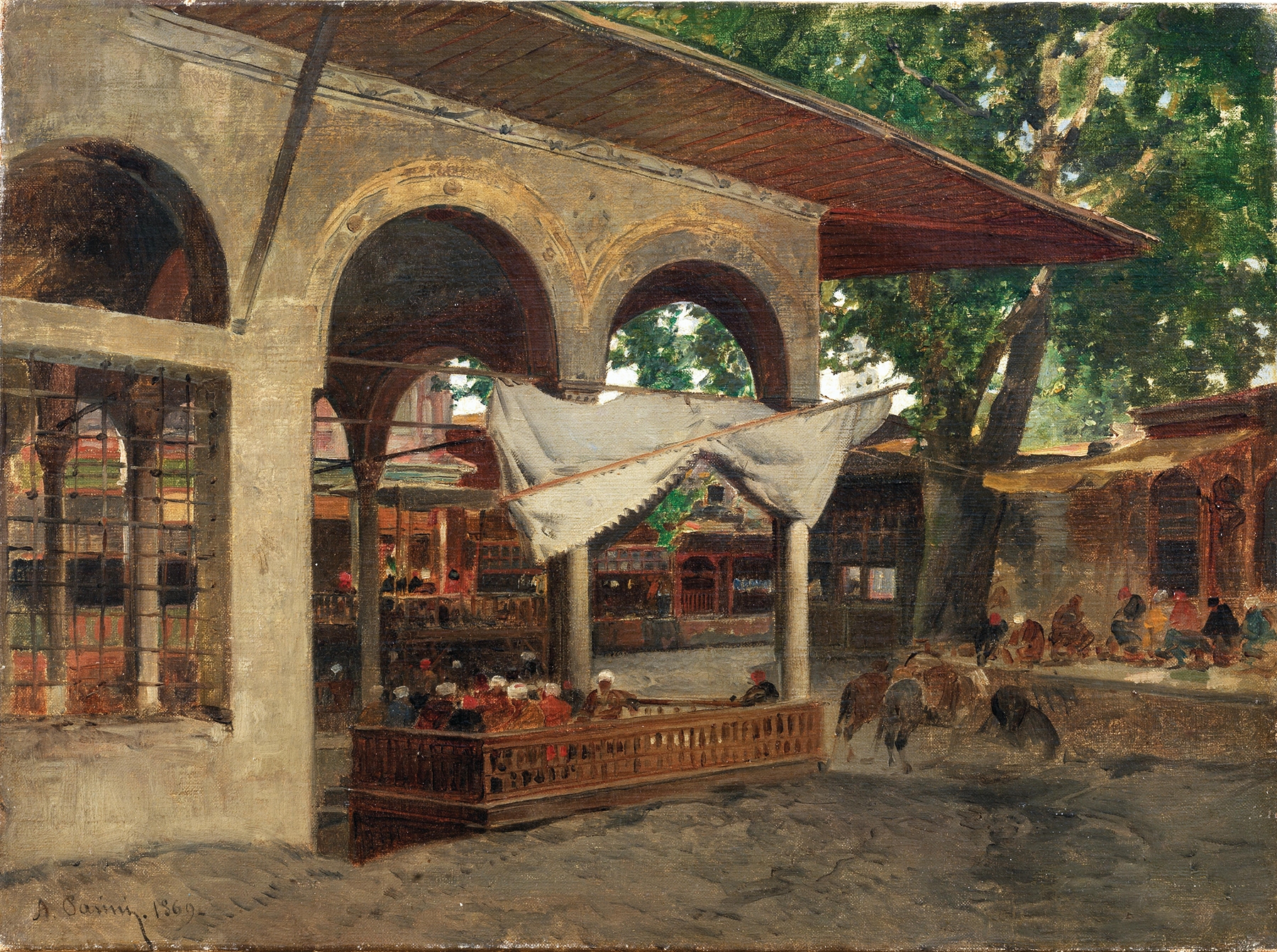
Alberto Pasini created The Rout in 1884 while living in Italy, a time when the country was undergoing significant social and political upheaval. As an artist deeply influenced by Romanticism, he sought to capture the intense emotionality of his subjects. This work not only reflects his personal struggles but also mirrors the broader anxieties of a society facing change, revealing the poignant interplay of memory and dreams in the human condition.