Al mercato, Istanbul — History & Analysis
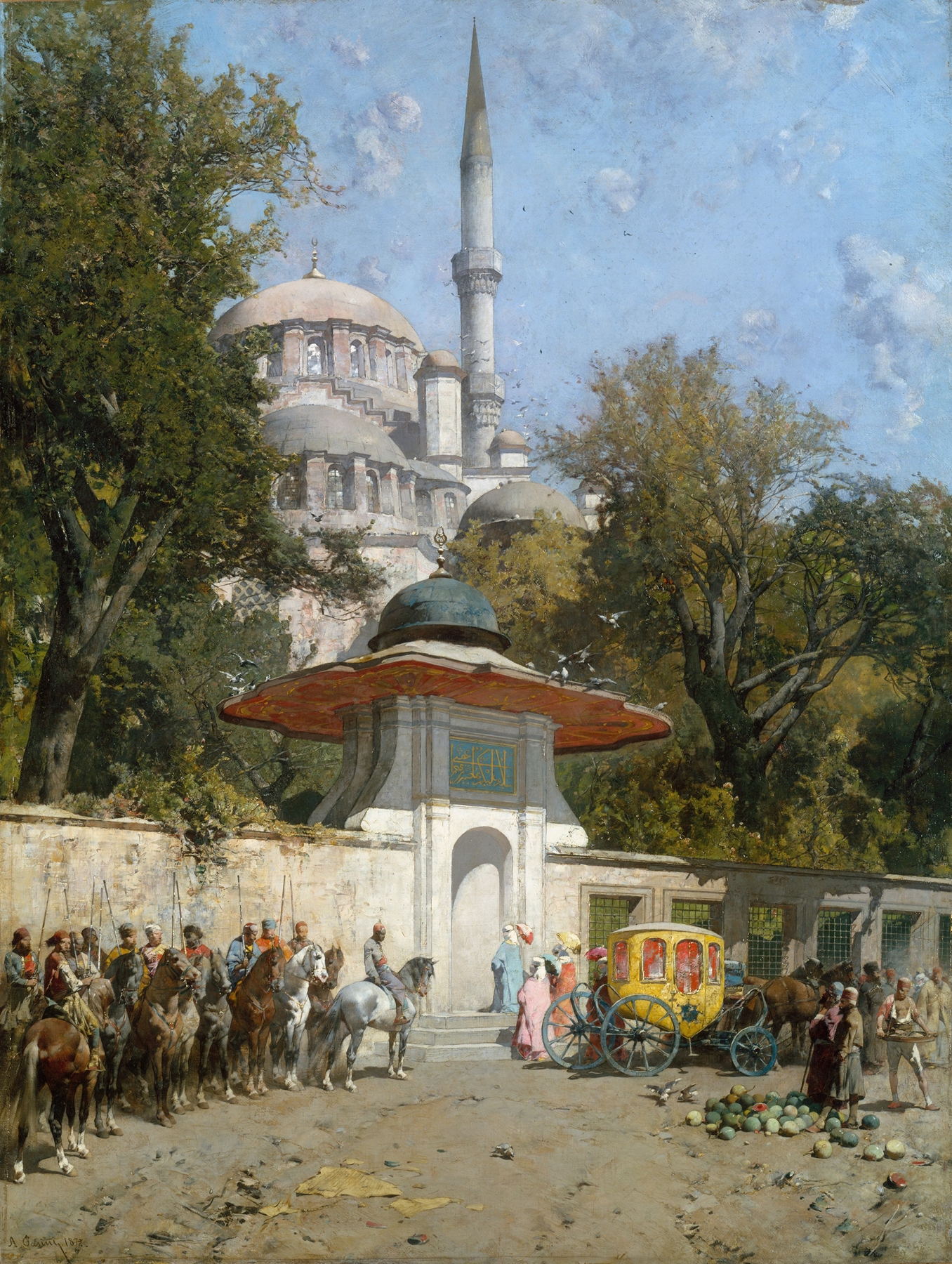
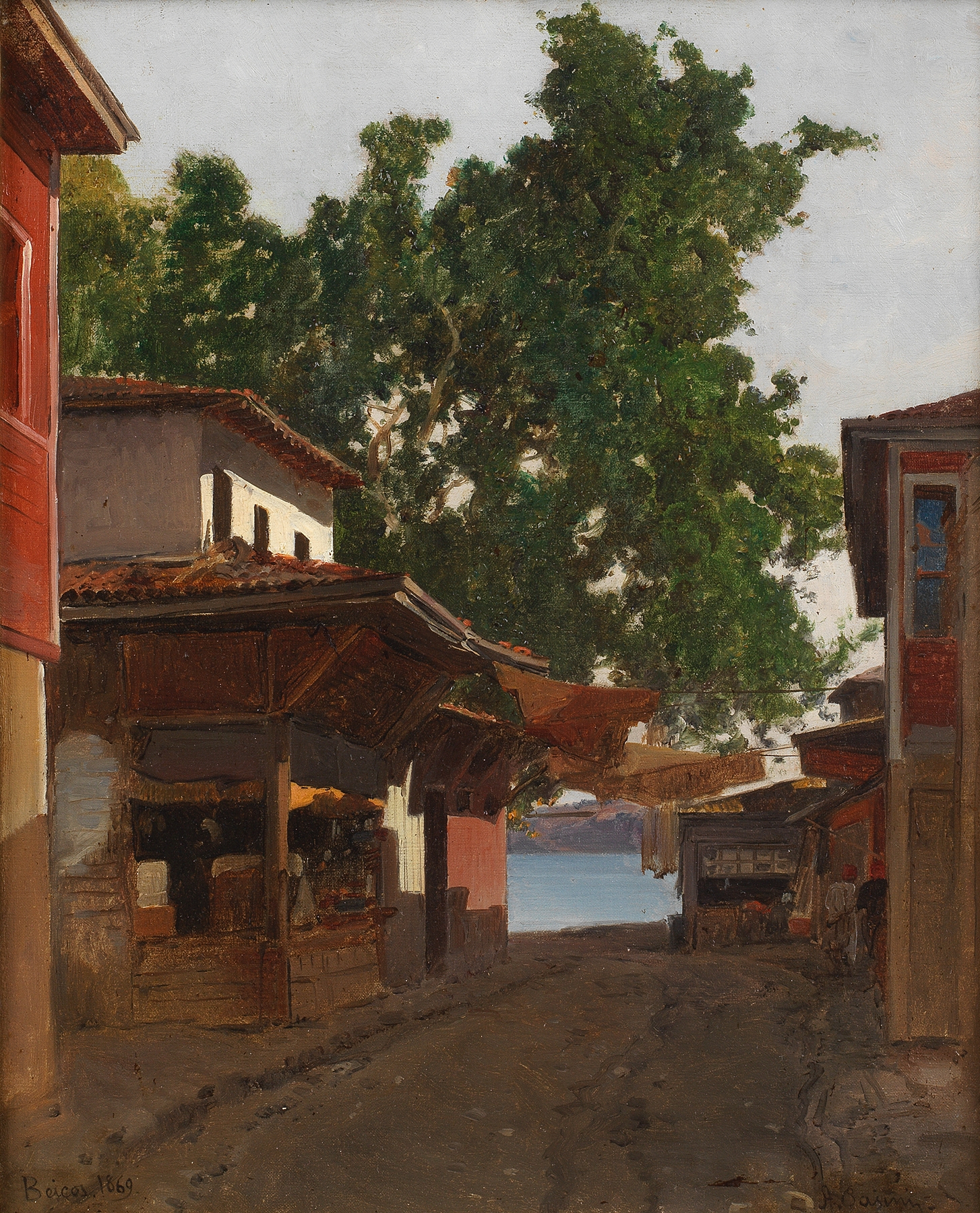
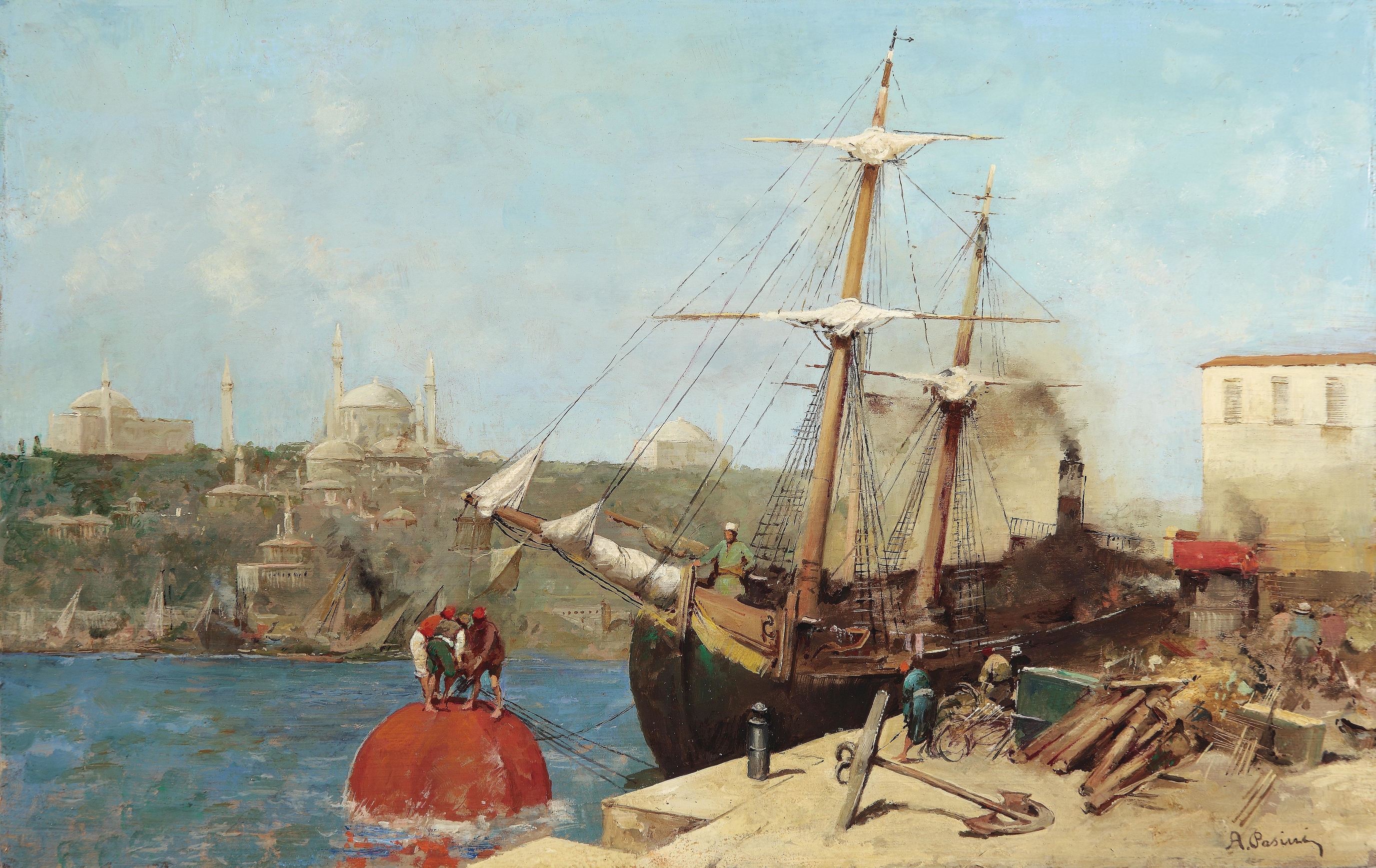
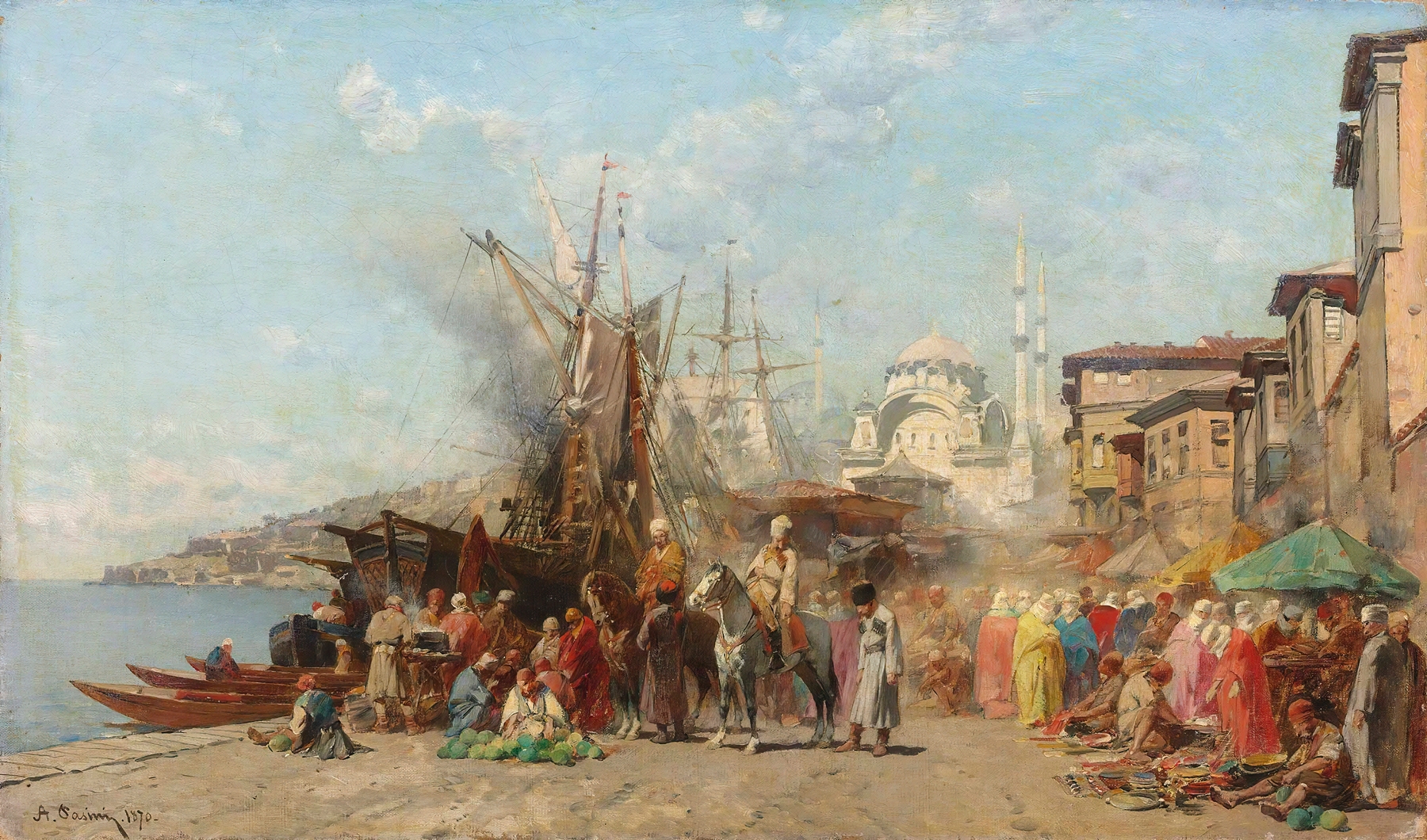
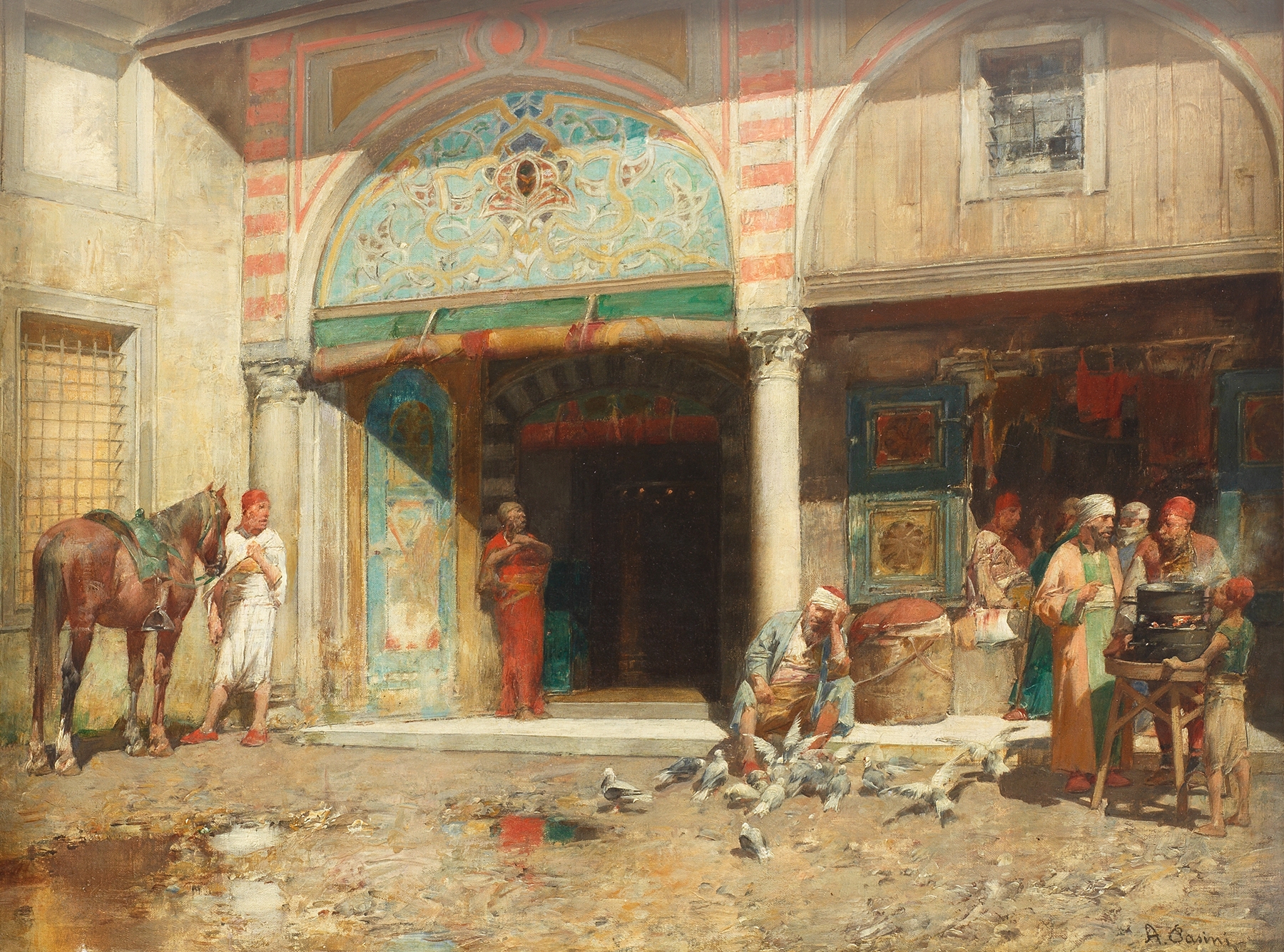
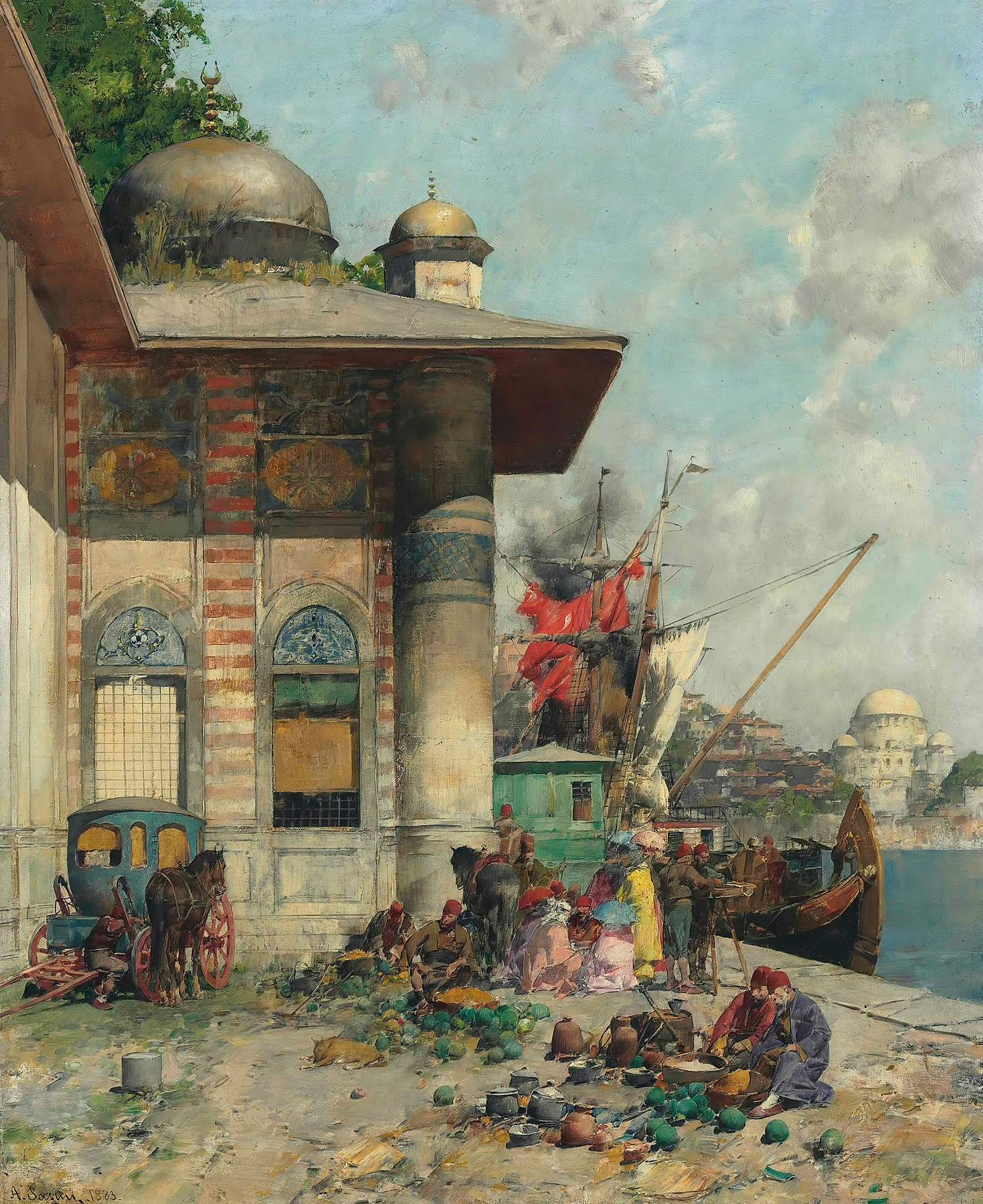
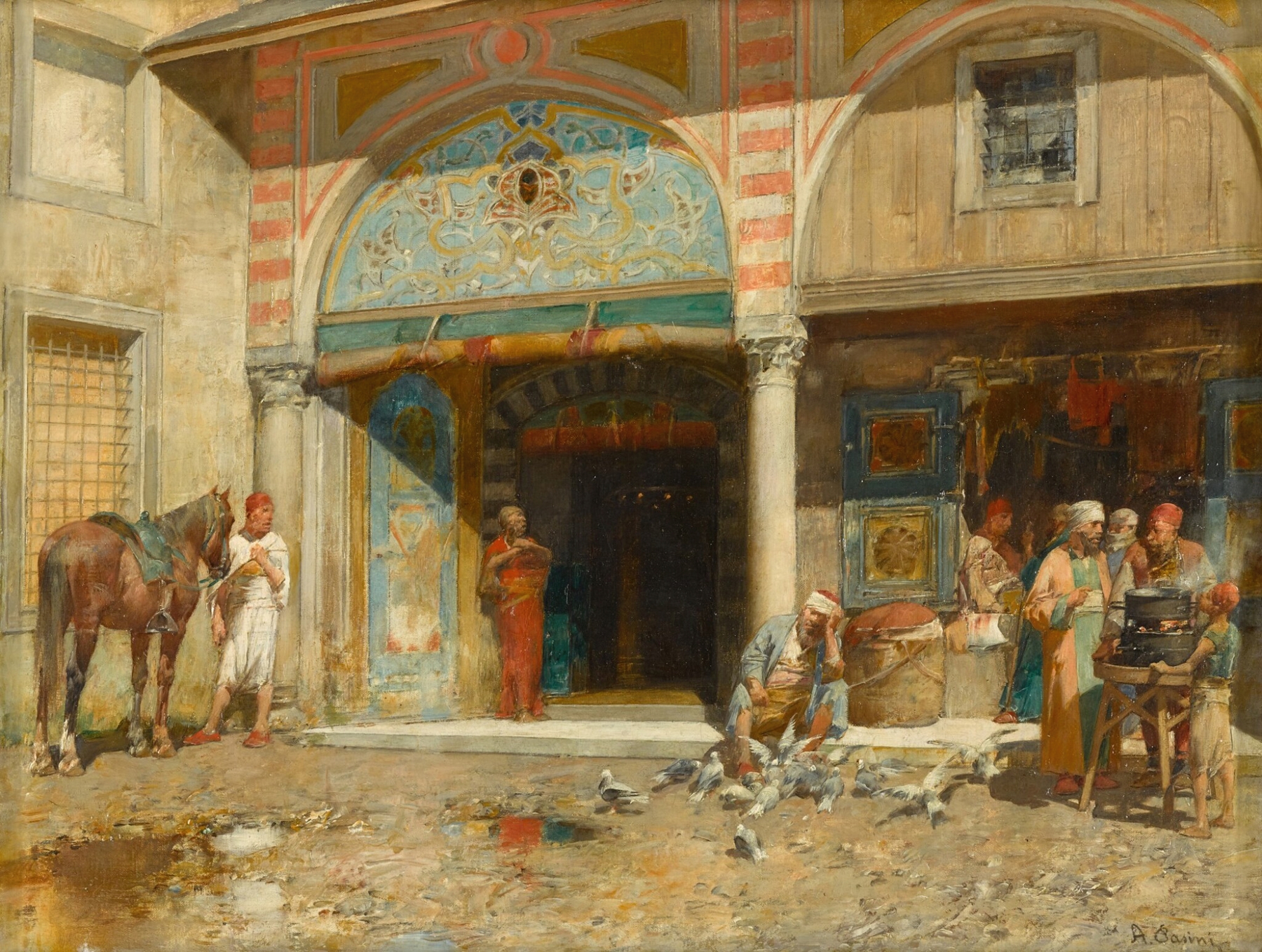
Could a single brushstroke hold eternity? In Al mercato, Istanbul, the canvas breathes with the whispers of a vibrant market, where time seems suspended yet infinitely present. Look to the left, where the vibrant colors of merchants’ wares explode into life against the muted backdrop of the market. Notice how the artist skillfully layers warm ochres and deep reds, drawing your gaze into the simmering atmosphere of exchange. Shadows play along the cobblestone paths, while patches of light dance on the figures, each person rendered with intricate detail.
The composition invites the viewer to explore the bustling scene, as figures engage in animated conversation, their gestures illuminating the human connection amidst the trade. Yet beneath this vivid exterior lies a subtle void. The faces of the merchants, while rich with expression, reveal traces of weariness, hinting at the burdens of life that accompany commerce. The juxtaposition of lively colors and underlying shadows suggests a deeper emotional landscape—one of hope entwined with nostalgia.
Each brushstroke speaks to the tension between the vibrancy of life and the silent struggles that often go unnoticed. In 1881, as Alberto Pasini painted this work in Istanbul, he was deeply influenced by the sociopolitical changes sweeping through the Ottoman Empire. His time spent wandering through eastern bazaars inspired a fascination with the intricate interplay of cultures during a period marked by both strife and beauty. This piece captures not only a marketplace but a moment in history, reflecting the artist's keen eye and empathetic heart.