A herdsman’s hut — History & Analysis
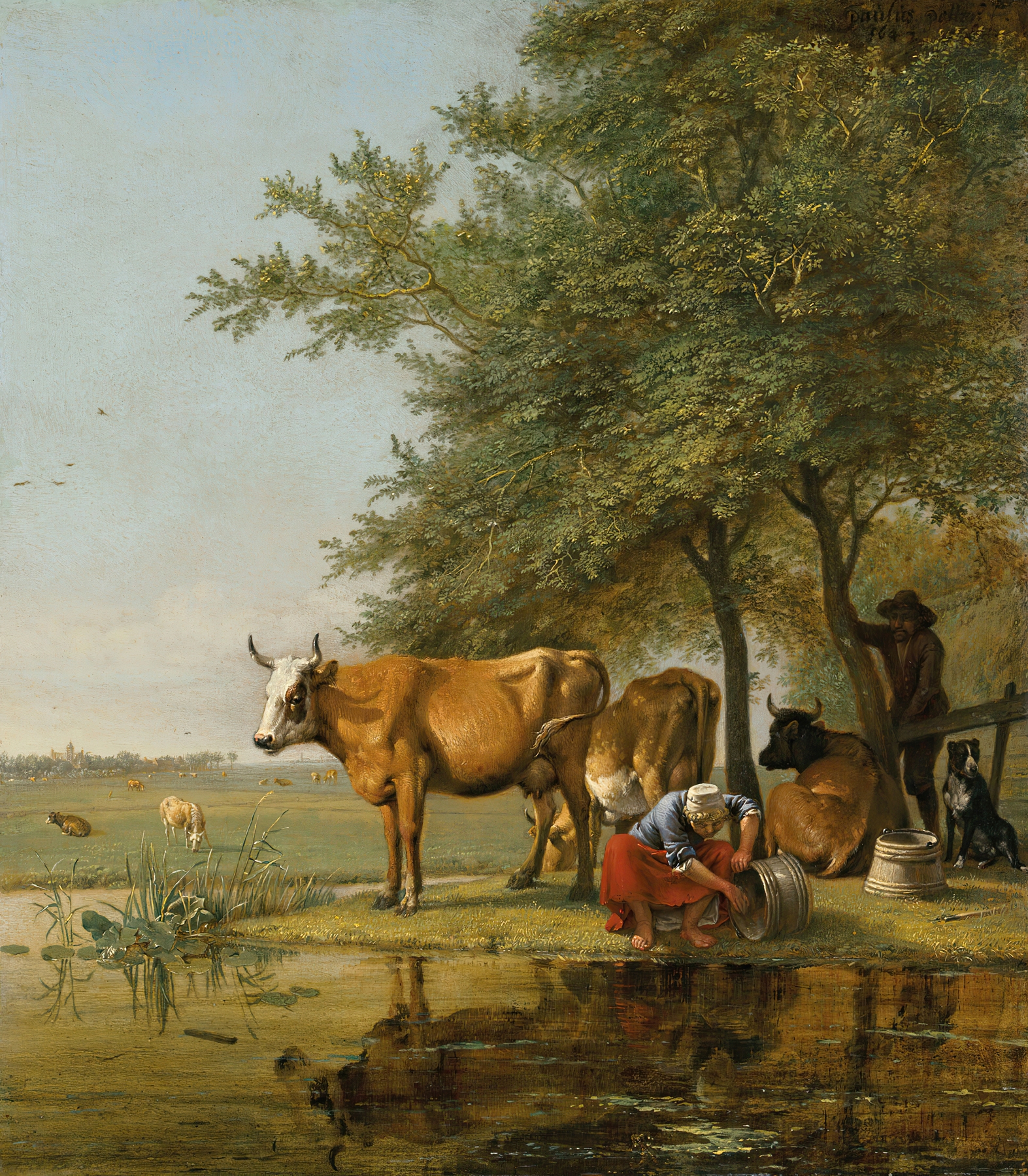
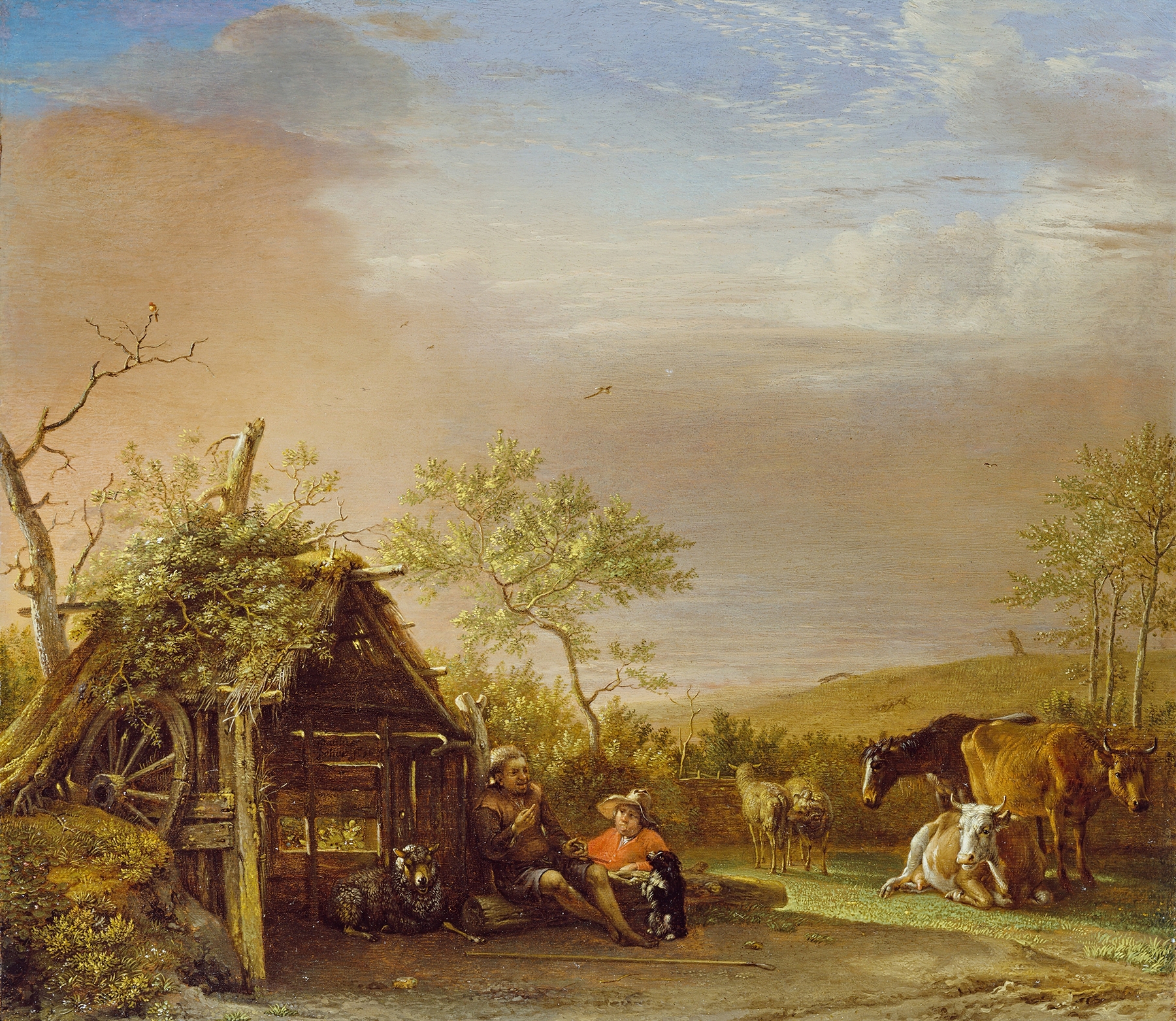
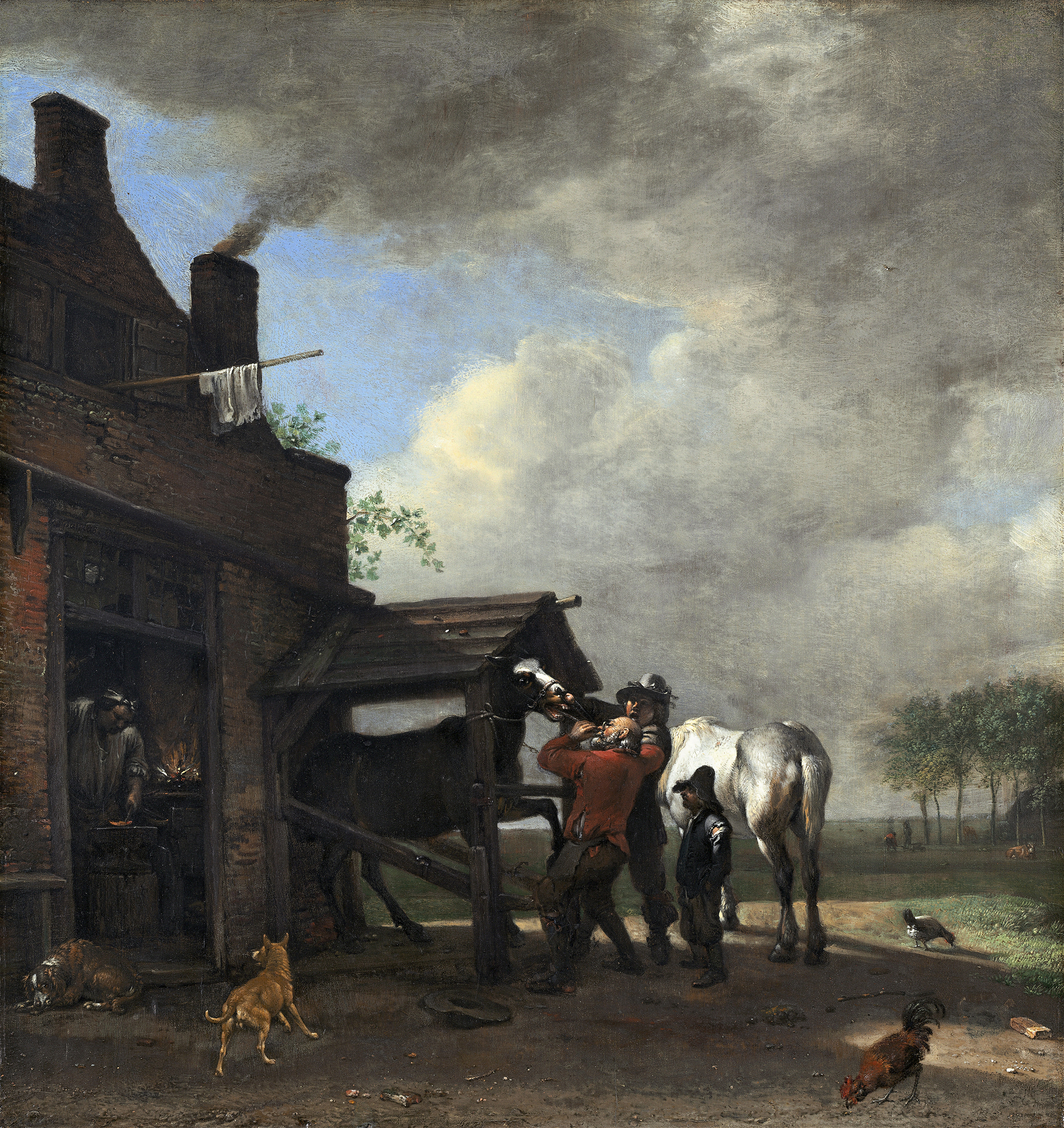
Is this a mirror — or a memory? In A herdsman’s hut, the boundaries between reality and nostalgia blur, beckoning viewers into a pastoral world that feels both vibrant and serene. Look to the left at the humble hut, its weathered wooden walls quietly absorbing the golden light that spills through the open door. The earthy greens and browns envelop the scene, while a gentle brushstroke captures the delicate play of light on the grazing animals nearby. Notice the herdsman, who stands at the threshold, an embodiment of innocence and simplicity, casting a watchful eye over the landscape.
The composition harmoniously balances man and nature, inviting a sense of tranquility that permeates the air. Yet beneath the surface lies a poignant contrast — the tranquility of rural life juxtaposed with the fleeting nature of innocence. The unfettered animals roam in unison, symbolizing freedom, while the solitary figure hints at a burden of responsibility that comes with maturity. The warm hues evoke a nostalgia for simpler times, while the herdsman's gaze suggests a deeper awareness of life's inevitable complexities.
The painting, thus, becomes a meditation on the loss of innocence, yet it also celebrates the beauty found in the unrefined moments of life. In 1645, Paulus Potter painted this evocative piece during a period when Dutch art was flourishing, characterized by a newfound appreciation for the rural landscape. Living in Amsterdam, Potter was immersed in a world of innovation and realism, reflecting a fascination with nature and the everyday. This work captures not just a scene but a timeless essence, speaking to the universal longing for innocence amidst the march of time.