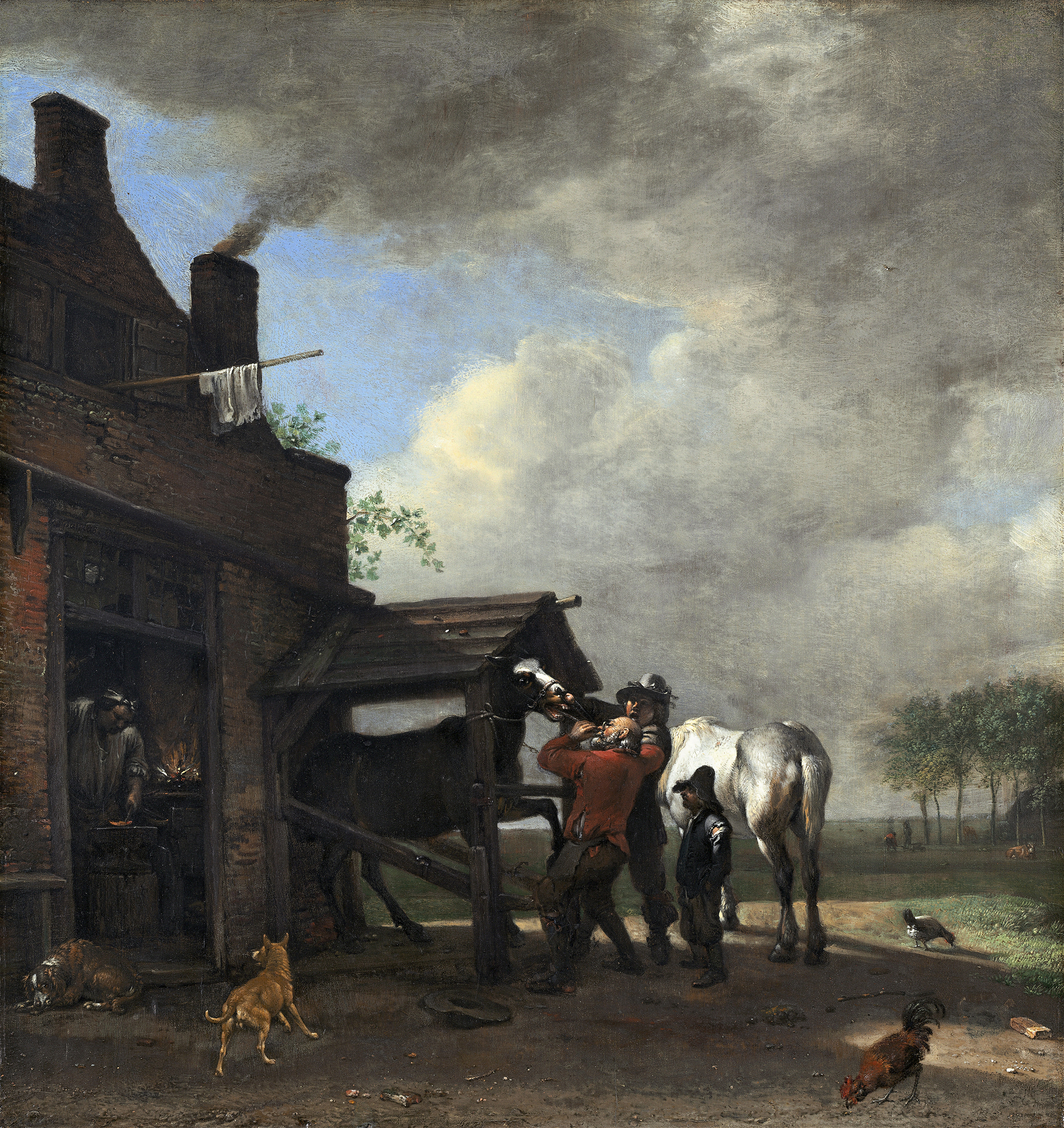
Herdsmen with their Cattle — History & Analysis
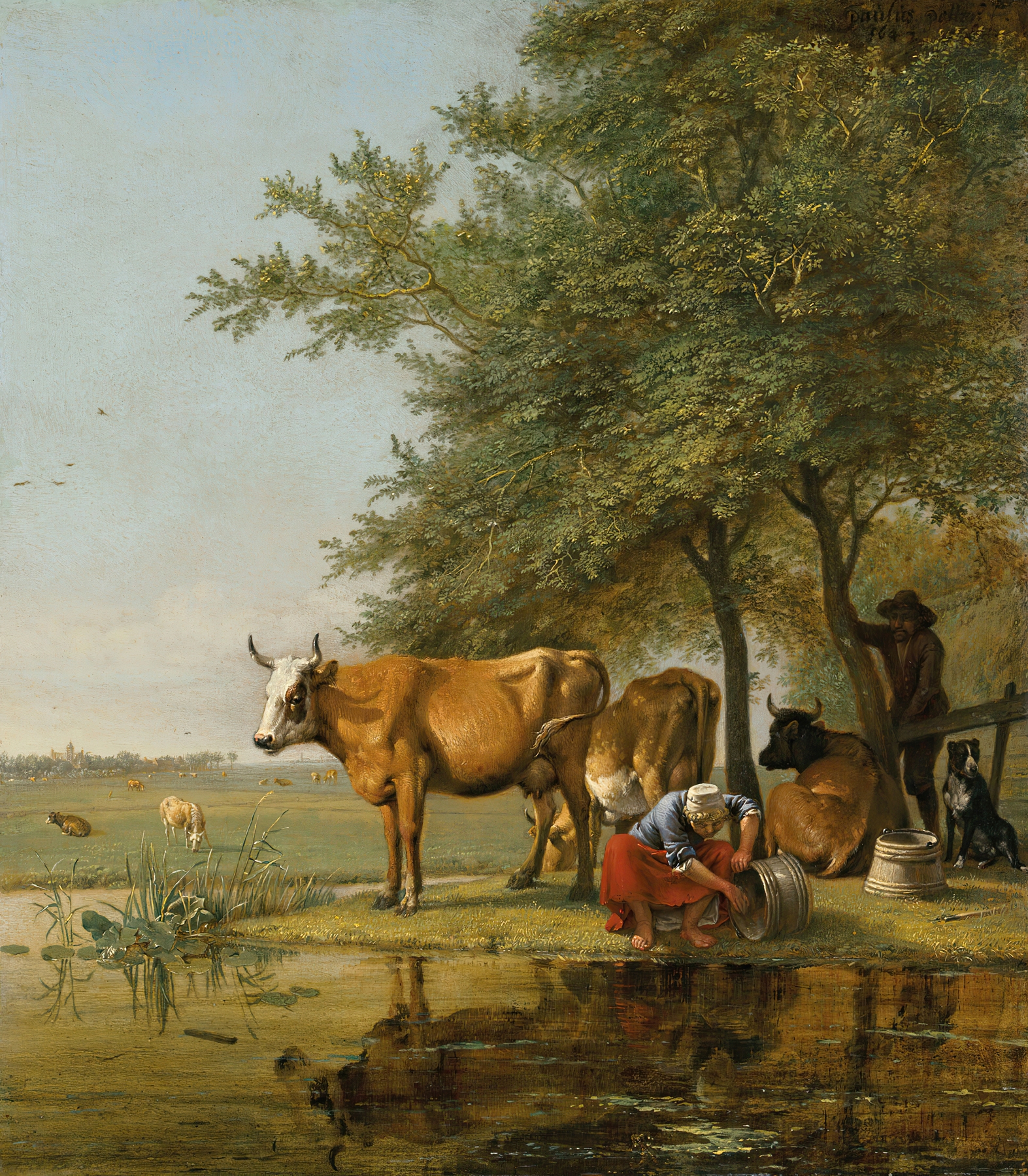
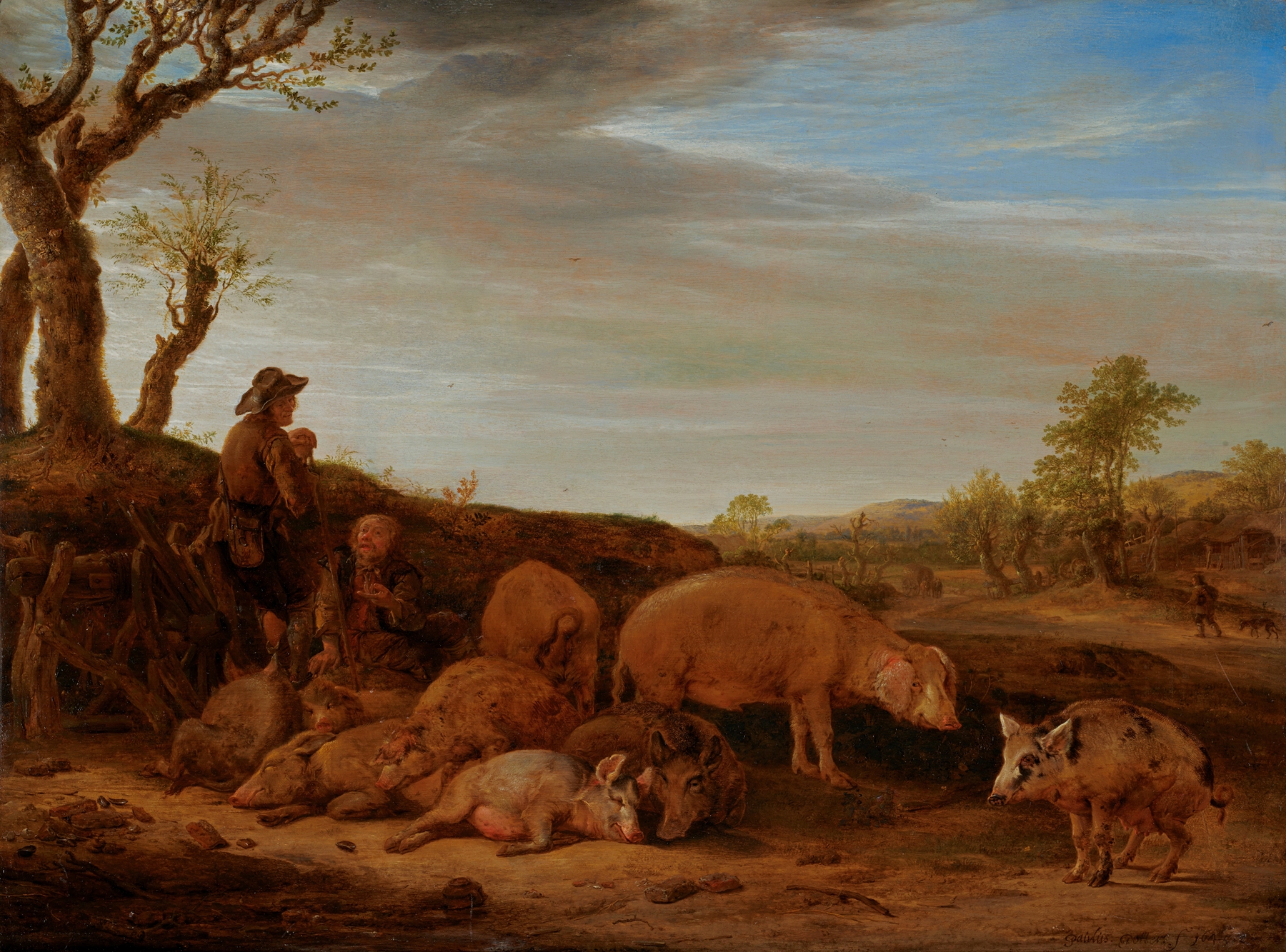
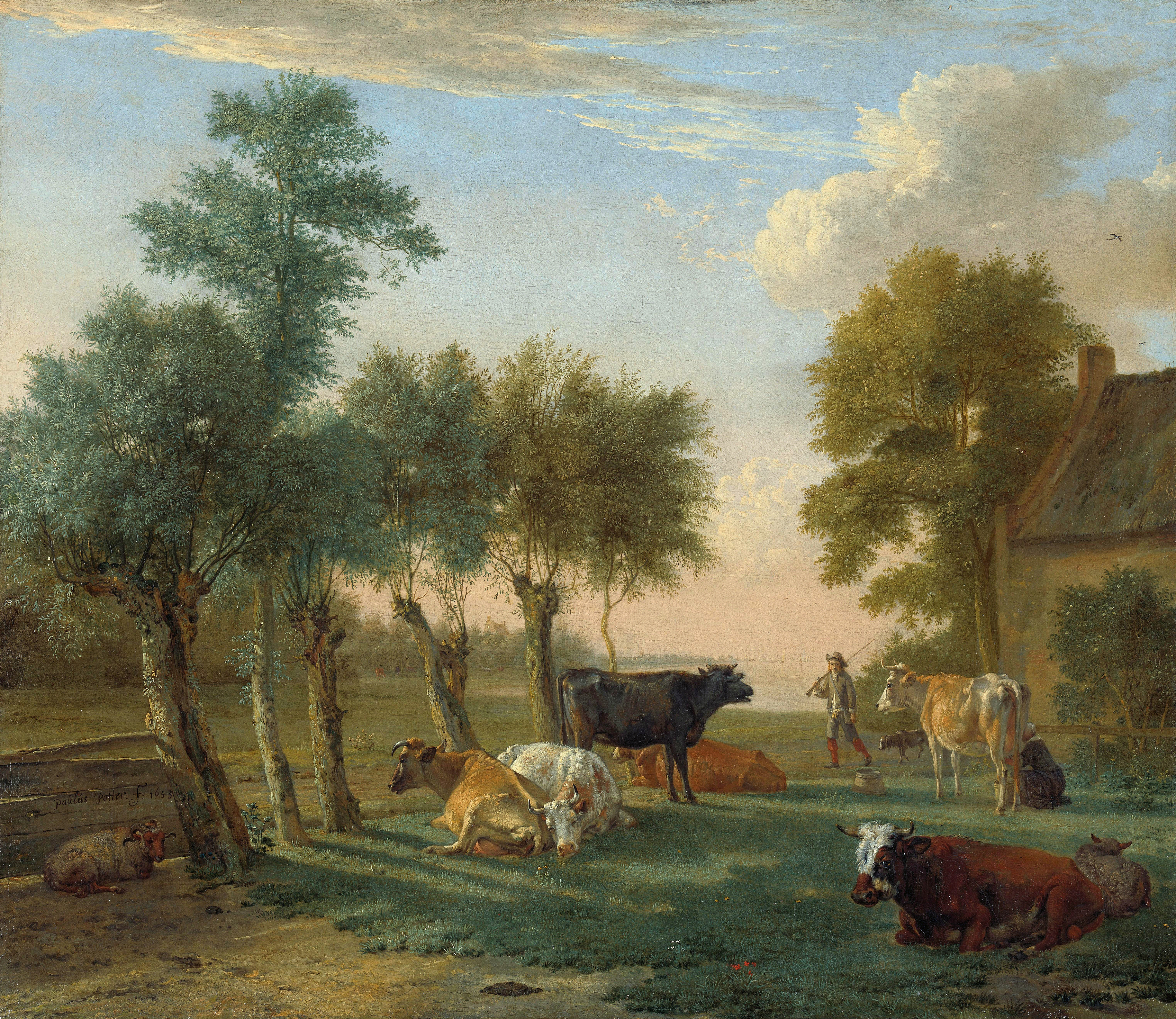
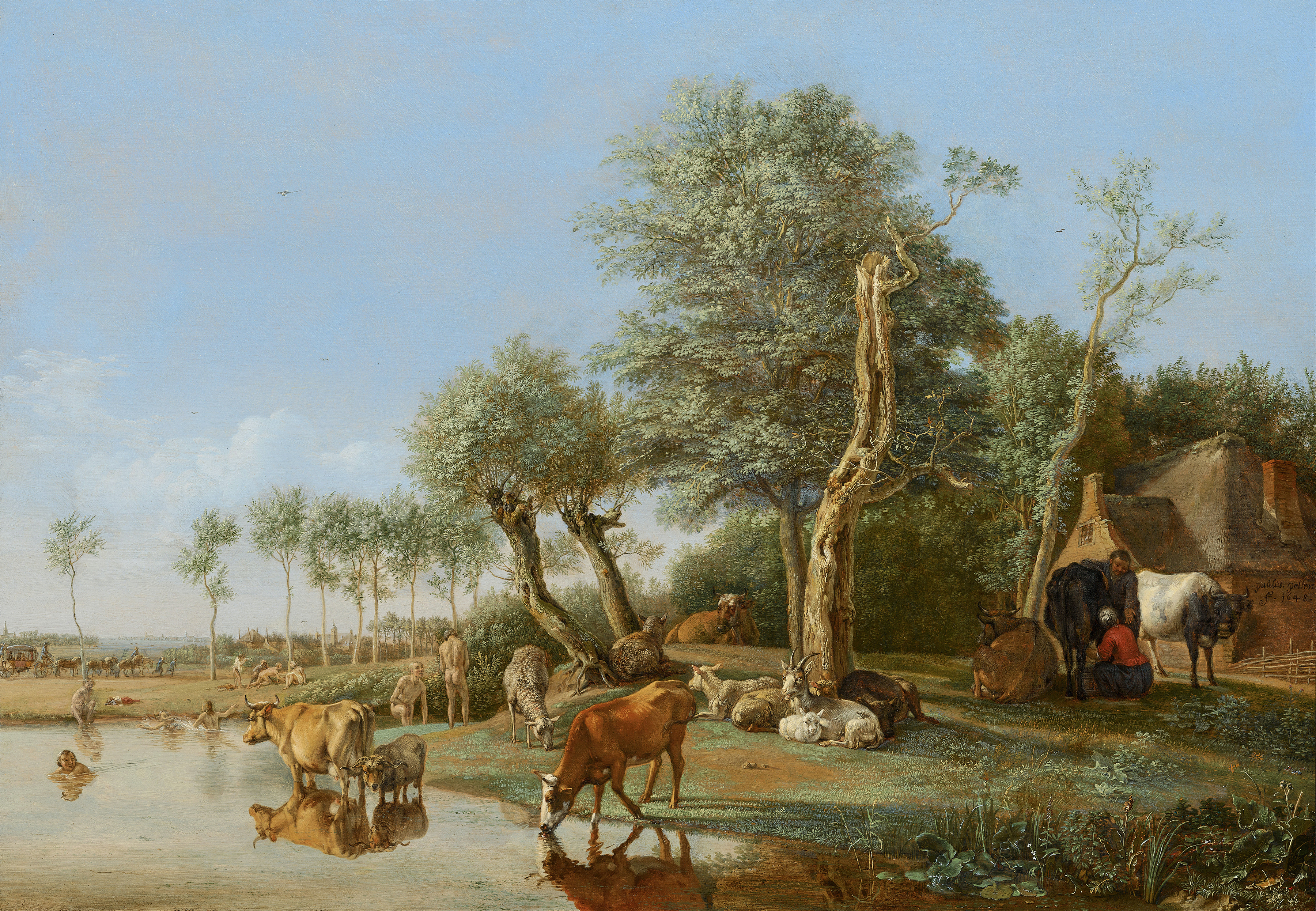
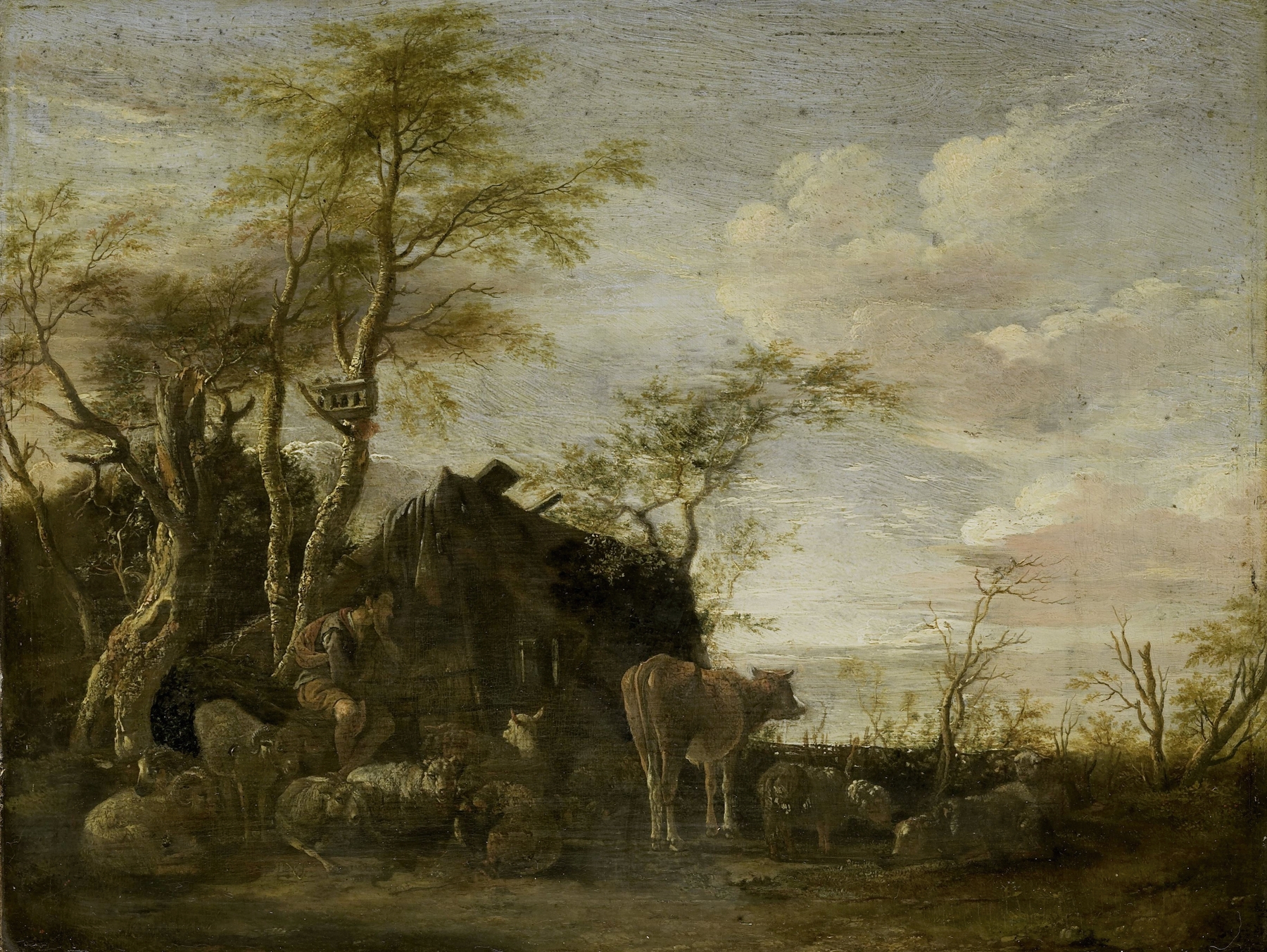
Can paint confess what words never could? With each brushstroke, Herdsmen with their Cattle whispers the legacy of pastoral life, inviting viewers to explore the quiet majesty of rural existence. Look to the left at the two herdsmen, their figures framed against the expansive landscape. Each man, clad in humble attire, stands resolute, with one gesturing toward the horizon as if heralding the promise of the day. Notice how the sunlight dapples through the trees, lending a warm glow to the cattle grazing lazily in the foreground.
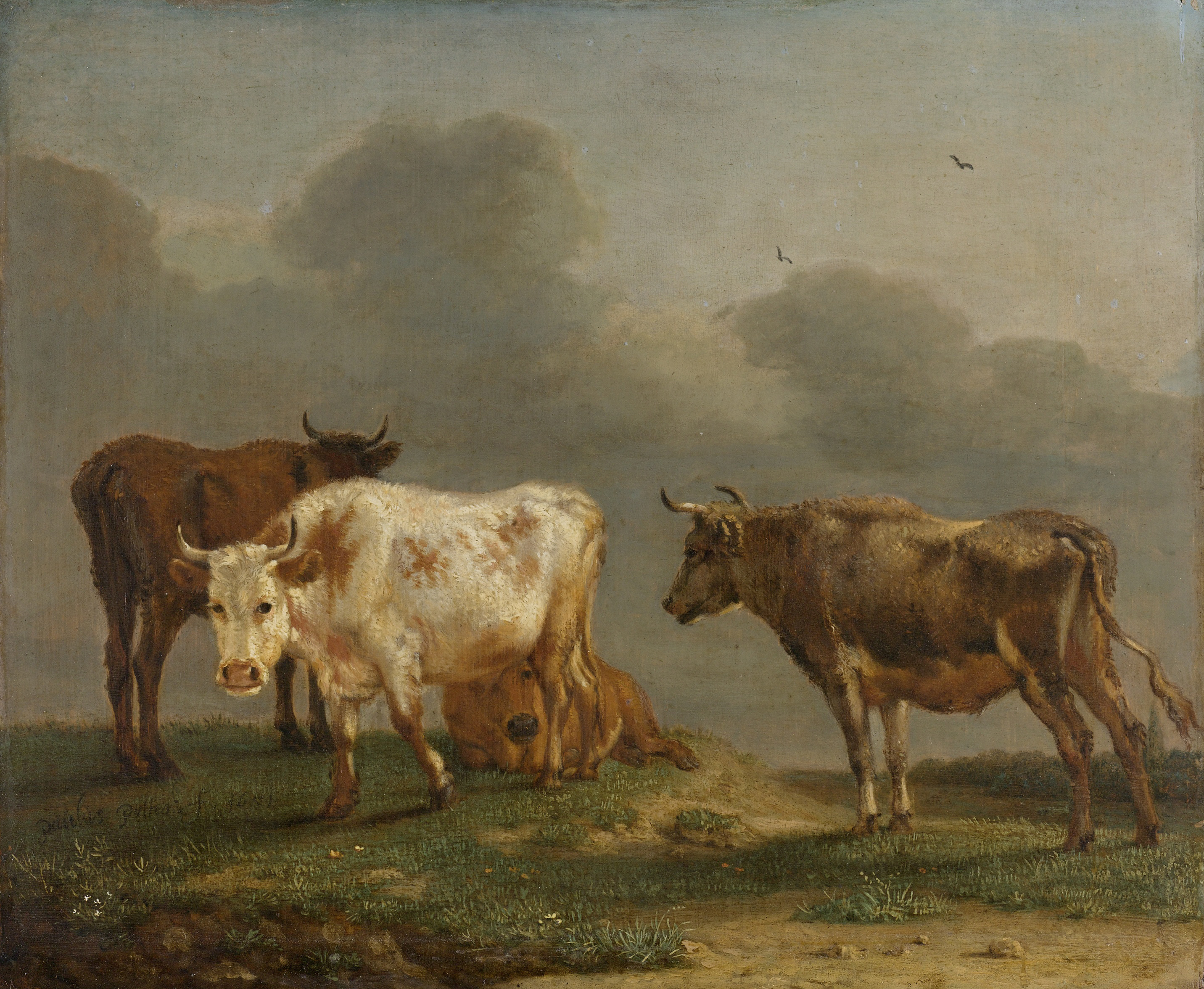
The rich greens and earthy browns evoke a sense of calm and grounding, while the hint of blue sky above suggests freedom and possibility. In this serene tableau, subtle tensions emerge. The herdsmen's expressions hint at a life filled with labor yet underscored by a profound connection to the land. The detailed rendering of the cattle reveals individual personalities, making them more than mere livestock; they symbolize the burdens and rewards of stewardship.
The contrast between the dynamic movement of the animals and the stillness of the herdsmen evokes a balance between nature's untamed spirit and the gentle hand of humanity. In 1648, when this piece was painted, Paulus Potter was establishing himself as a prominent artist in the Dutch Republic. His focus on pastoral themes coincided with the Baroque era’s fascination with realism and nature. At that time, the art world was evolving, with artists seeking to capture the essence of everyday life, and Potter’s work exemplified this shift, positioning him as a significant figure in the exploration of rural narratives.