Hinnikend paard — History & Analysis
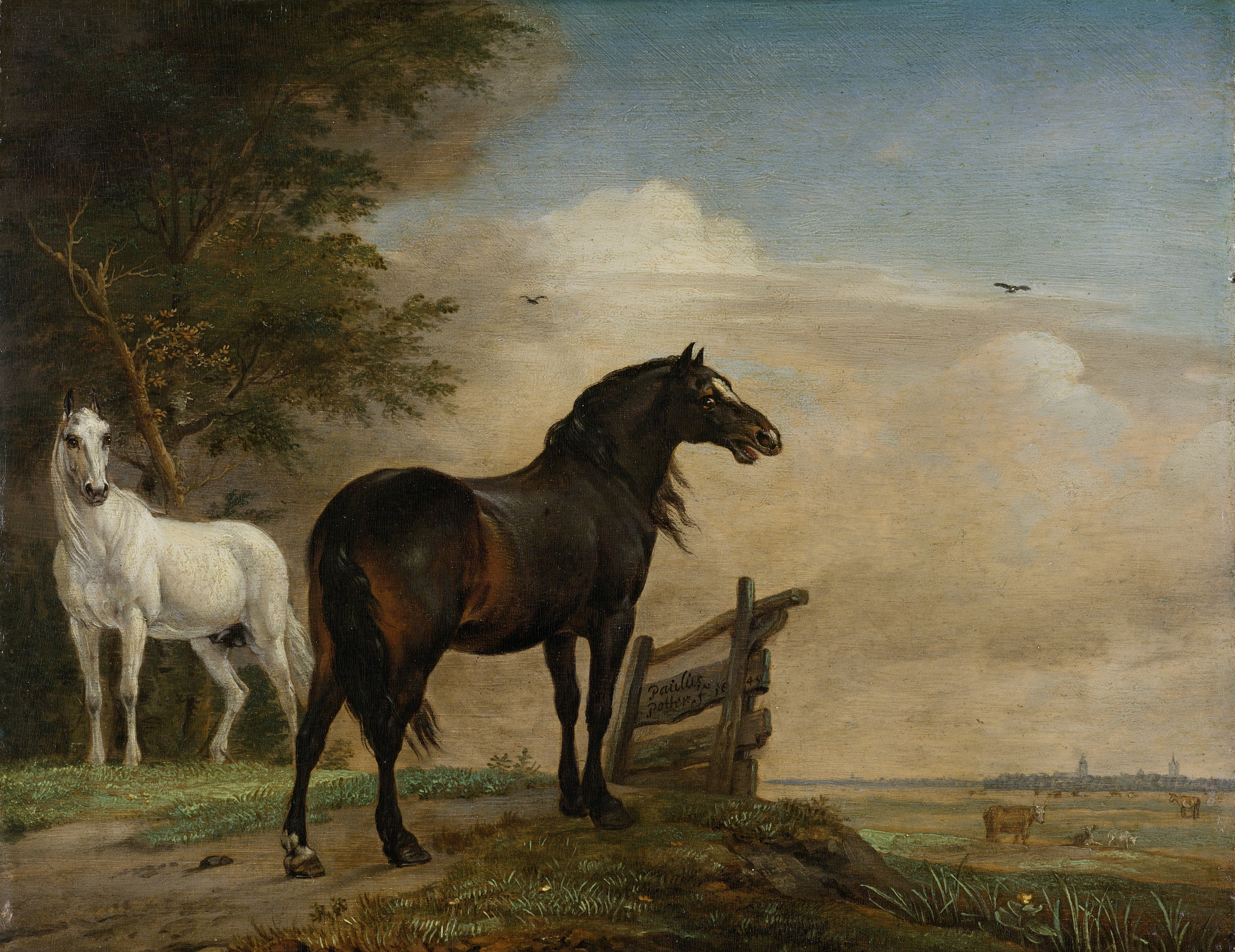
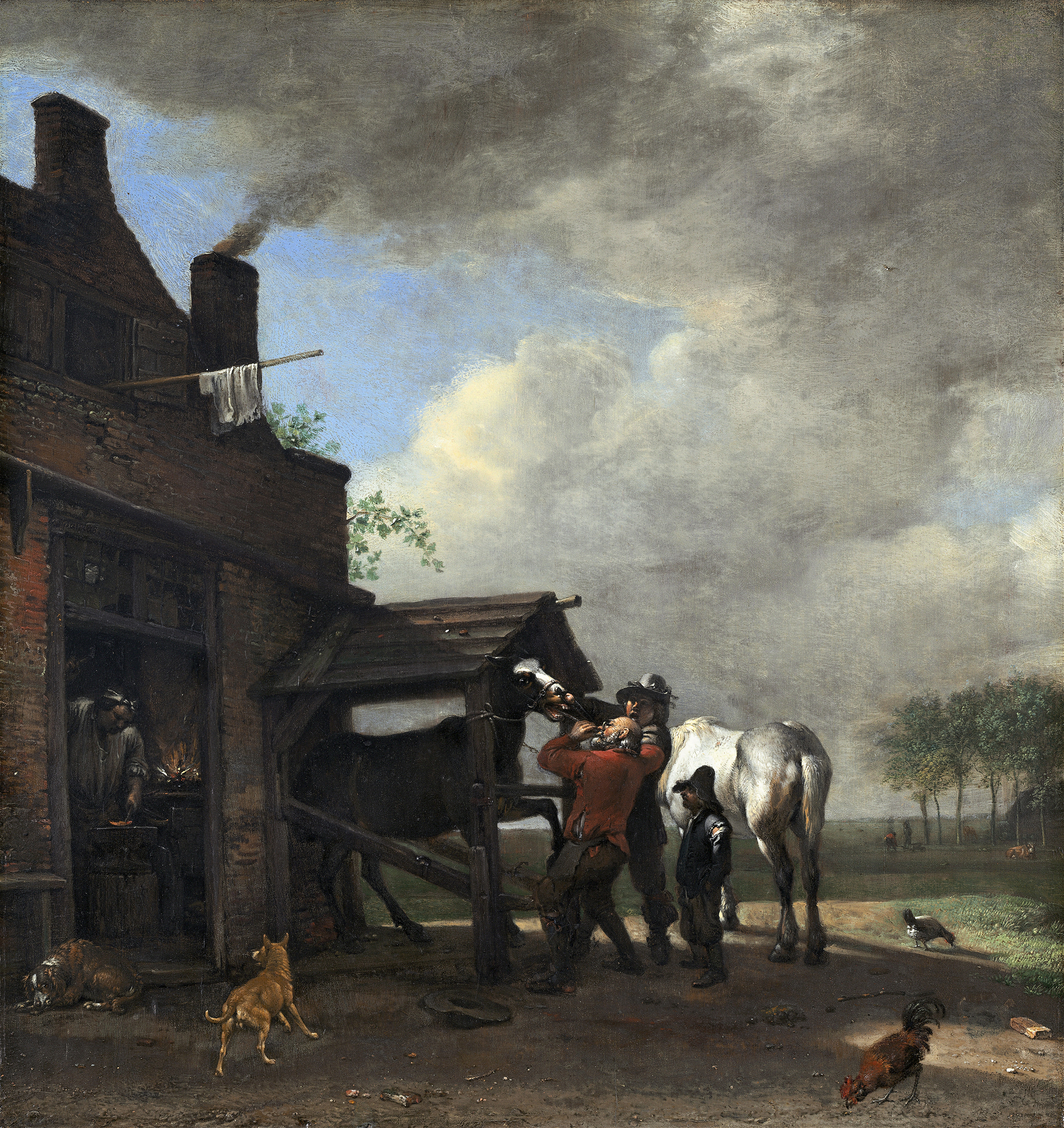
Did the painter know this moment would outlive them? In Hinnikend paard, the embodiment of a horse’s grace and power evokes a dreamlike quality that transcends time. Focus first on the majestic creature at the forefront, its muscular form poised in a moment of stillness, yet alive with energy. Notice how the rough brushstrokes blend the earthy browns of its coat with the vibrant greens of the pasture, awakening a sense of vitality. The light spills softly over the horse's body, enhancing the play of shadows that accentuate its strong legs and glossy mane.
This deliberate composition draws the eye to the horse's expressive face, capturing an emotion that feels both wild and serene. Delve deeper into the symbolism of the horse and the surrounding landscape. The animal embodies strength and nobility, while the tranquil setting offers a contrast that heightens the viewer's sense of peace. The subtle interplay between light and shadow suggests an inner world of thoughts and dreams, inviting contemplation on the nature of freedom and the untamed spirit.
The fence in the background hints at boundaries, perhaps representing the tension between nature and domestication. In 1652, Hinnikend paard emerged during a period of rich artistic exploration in the Netherlands, where realism flourished. Potter, a rising star in the world of animal painting, crafted this work amidst a career dedicated to capturing the essence of animals in natural settings. The piece reflects both his personal journey and the broader movement of his time, as artists sought to express the beauty of the natural world with unprecedented authenticity.