Cows Reflected in the Water — History & Analysis
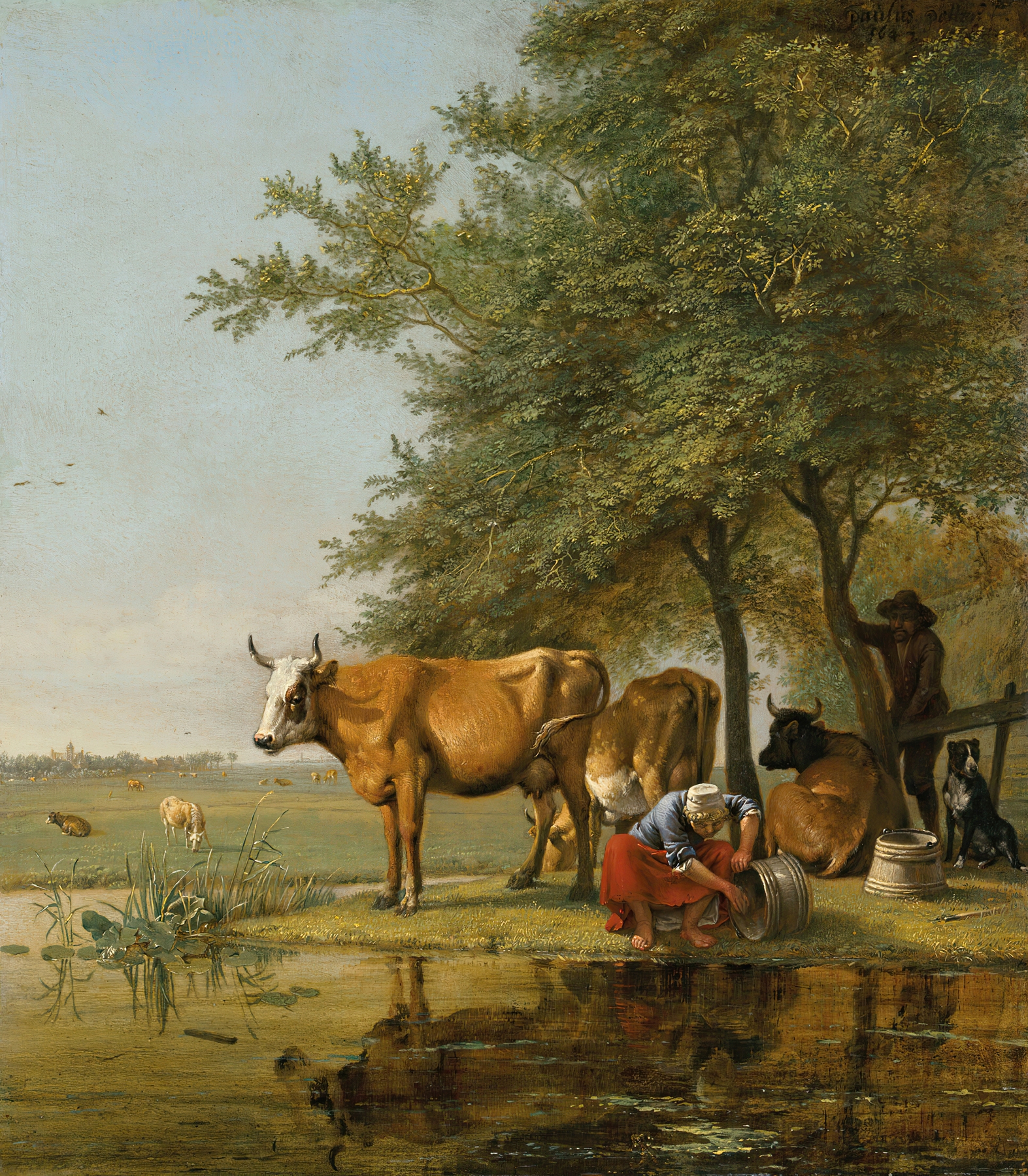
“Art reveals the soul when the world turns away.” In a time when brutal realities can overshadow the delicate beauty of life, this piece sings of hope and the tender connection between nature and humanity. Look to the serene surface of the water where a group of cows is reflected, their forms softly rippling in the gentle current. The rich greens and browns of the landscape envelop the animals, while the warm light bathes them in a golden hue, illuminating the texture of their coats. Notice how the varying shades enhance the tranquility of the scene, drawing the viewer’s eye to the harmony between the cows and their surroundings, inviting a moment of stillness.
Delve deeper into the emotional resonance this work evokes. The juxtaposition of the serene reflections against the vivid yet calm environment speaks to a balance of existence, a tether between the familiar and the reflective. There is also a sense of collective companionship among the cows, suggesting an underlying unity that transcends mere observation, a poignant reminder of connection even in solitude. Each detail—the glistening water, the aura of light—whispers of the quiet hopes inherent in rural life.
In 1648, Paulus Potter was navigating the complexities of his burgeoning career in Holland, a time marked by the flourishing of landscape painting. His focus on pastoral scenes reflected the ideals of tranquility and harmony with nature, amidst a society increasingly enamored by the chaos of urbanity. This period allowed him to infuse his work with personal insights, crafting pieces that were not only visually arresting but also rich in narrative depth.