A landscape in Sweden with peasants burning woodland and a couple resting near a stream — History & Analysis
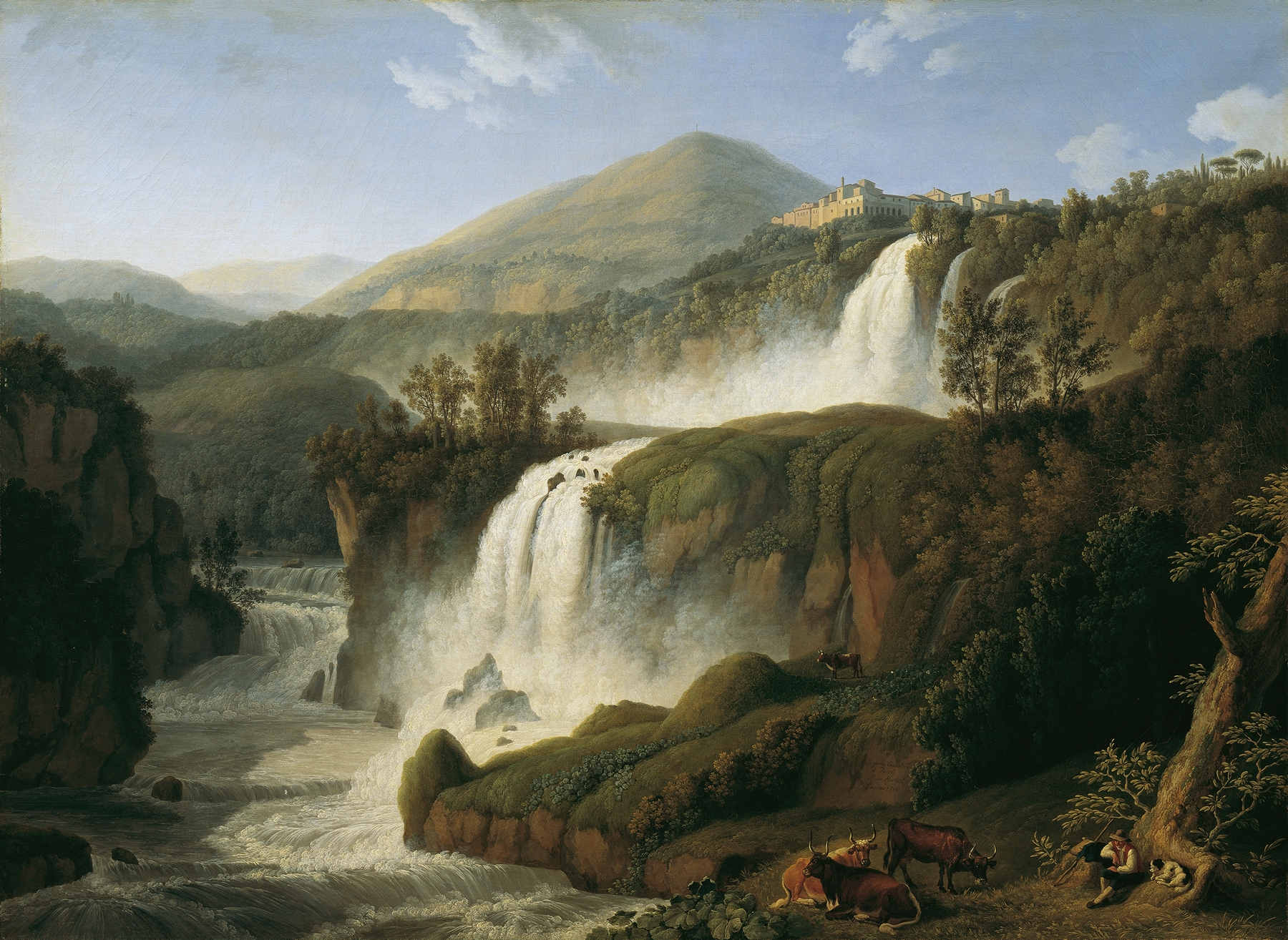
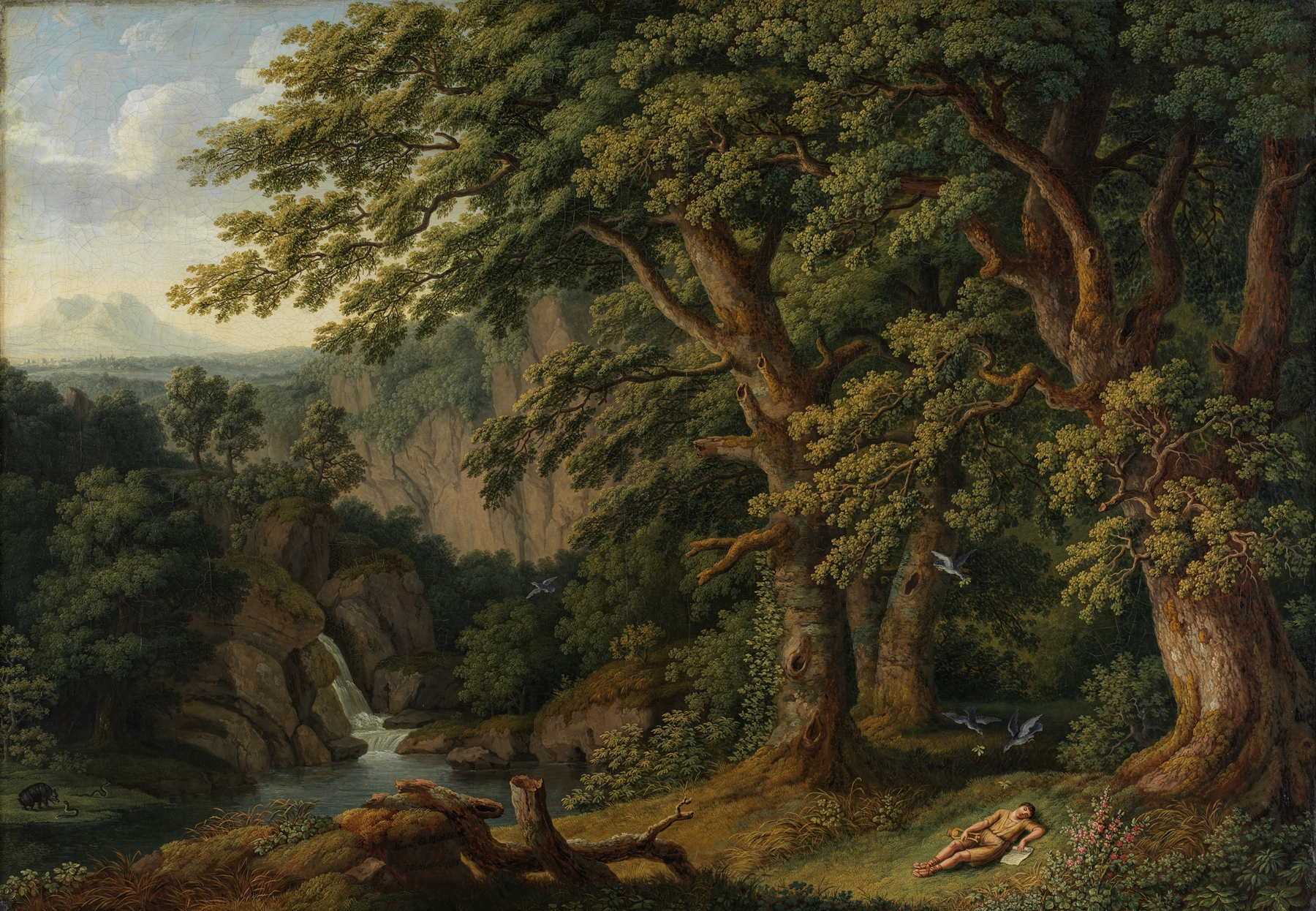
When did color learn to lie? In *A landscape in Sweden with peasants burning woodland and a couple resting near a stream*, vibrant hues beckon with the promise of serenity, yet whisper the duality of destruction and tranquility. Nature's canvas, painted with a dreamlike quality, invites us to ponder the fragility of peace amidst toil. Look to the left where the flames flicker, a vivid orange against the cool greens and blues of the landscape. The smoke curls upward, twisting into the air, while the peasants toil beneath the billowing clouds. Notice how the light dances across the stream, reflecting the soft pastels of dusk, drawing the eye toward the couple who rest—an oasis of calm within the chaos. The delicate brushwork captures both the fluidity of water and the harsh texture of the charred earth, allowing a palpable tension to arise between the serene and the tumultuous. This scene encapsulates profound contrasts: the couple, blissfully oblivious beneath the arching trees, juxtaposed against the laborers enacting nature's destruction. The gentle rippling of the stream contrasts starkly with the violent act of burning. Each element holds significance—where the peaceful couple symbolizes delicate human existence, the raging fire signifies the relentless cycles of life and decay. The colors evoke a dreamlike state, yet disclose a reality fraught with conflict. Jacob Philipp Hackert painted this work in 1768, during a time when Sweden was experiencing agricultural changes and societal shifts. At this juncture, Hackert was immersed in landscapes that highlighted nature's beauty and its vulnerabilities. Having settled in Rome, he combined his passions for detailed realism and emotional landscapes, positioning him among the notable landscape artists of his era.