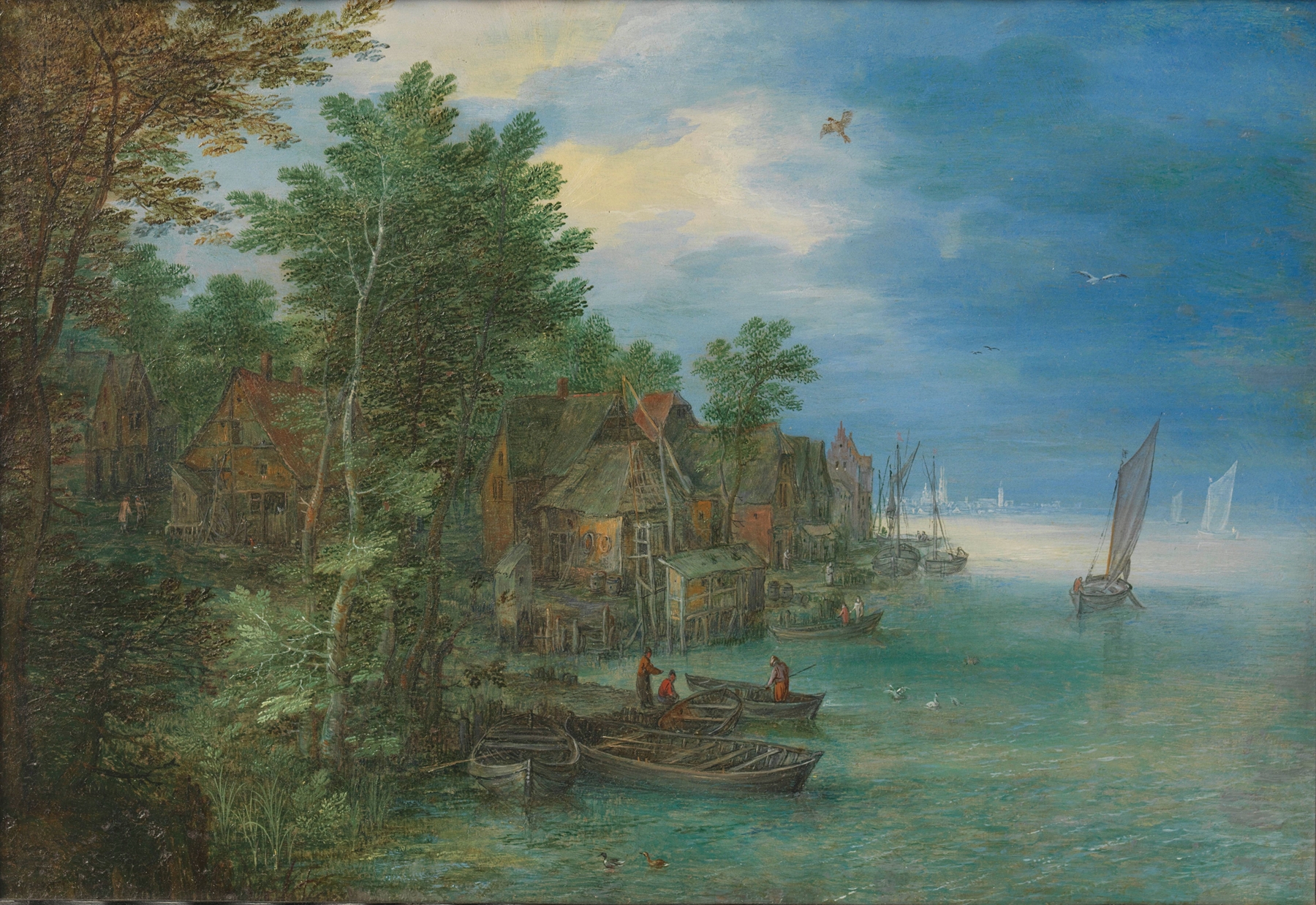
A landscape with herdsmen driving cattle to a village — History & Analysis
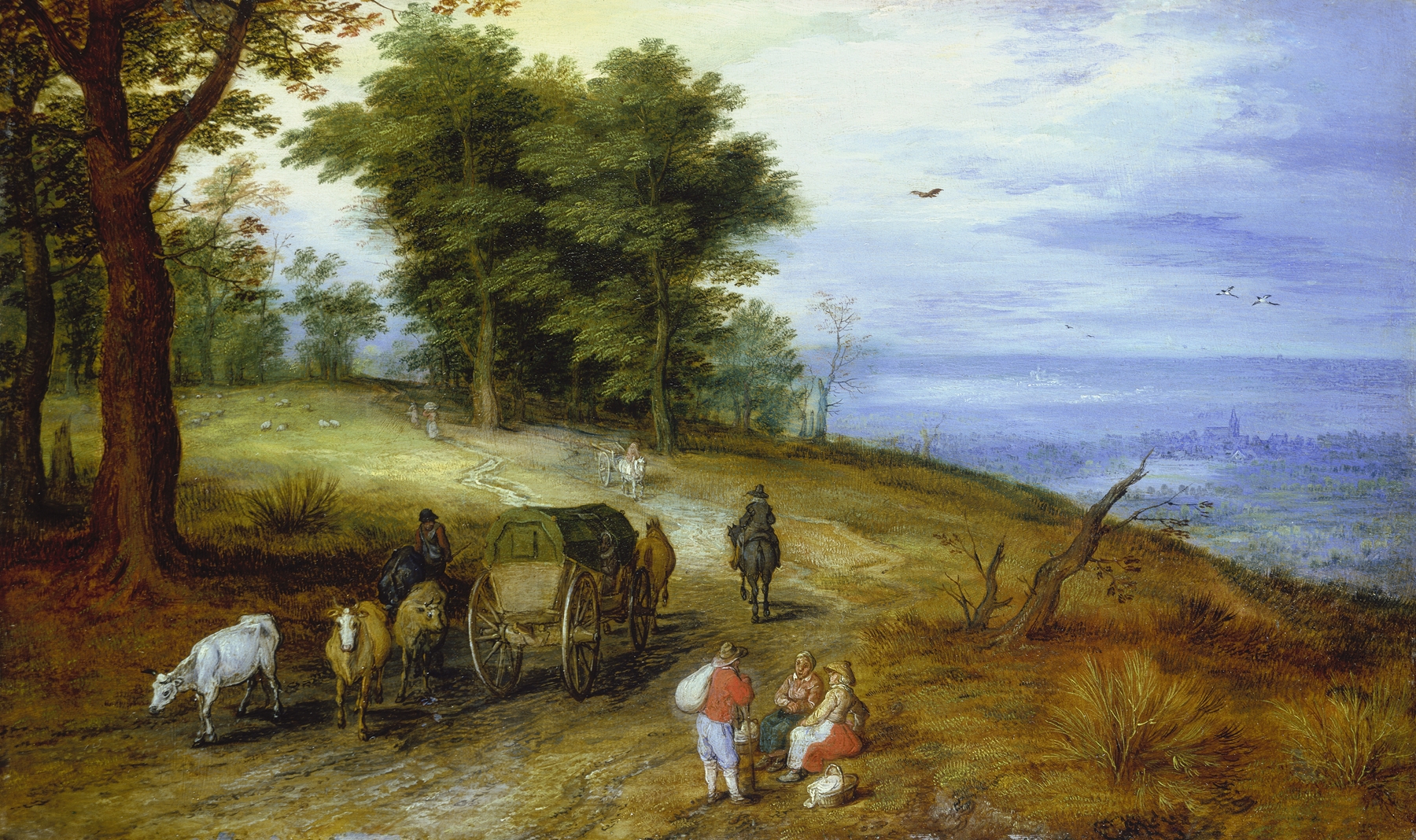
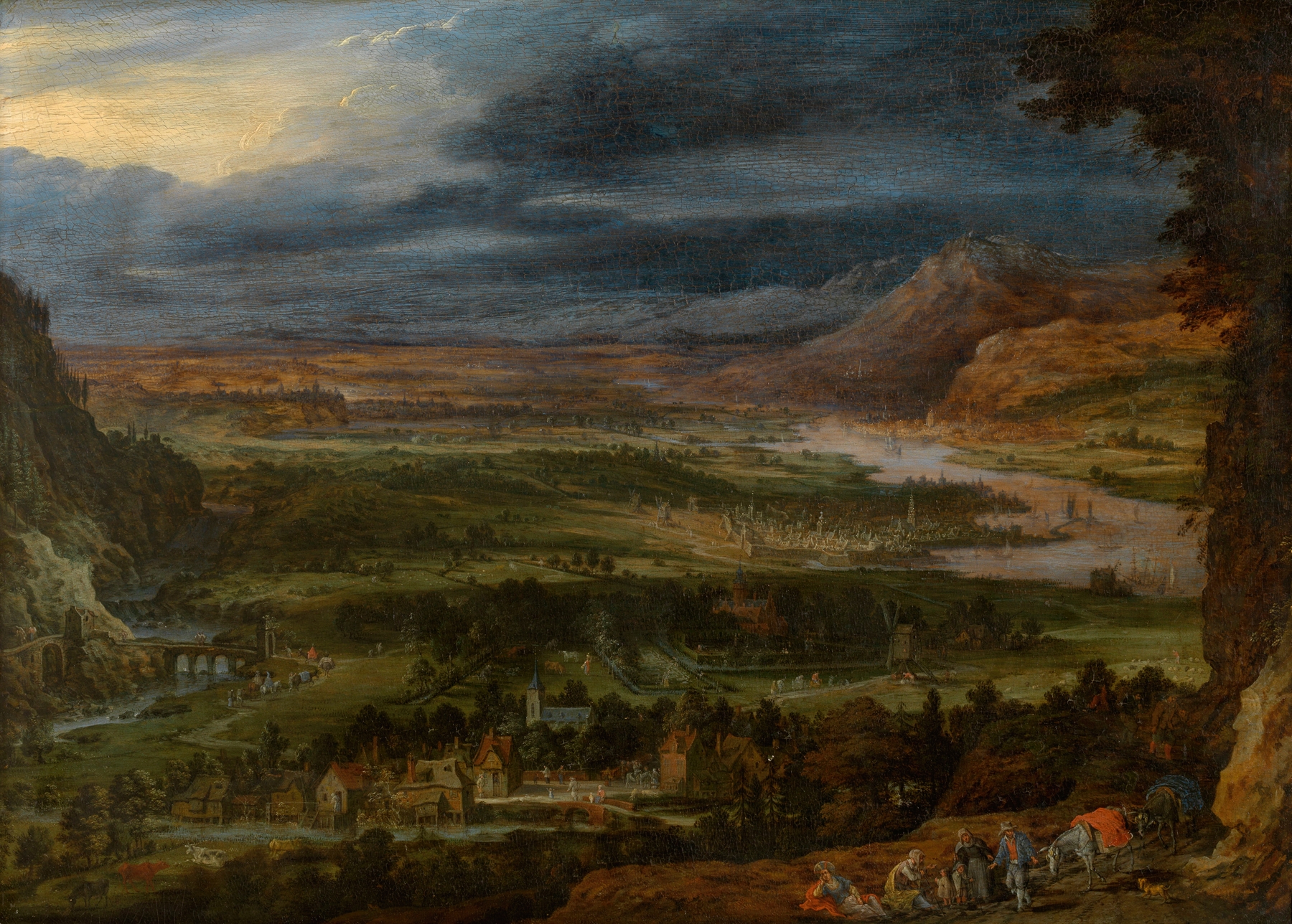
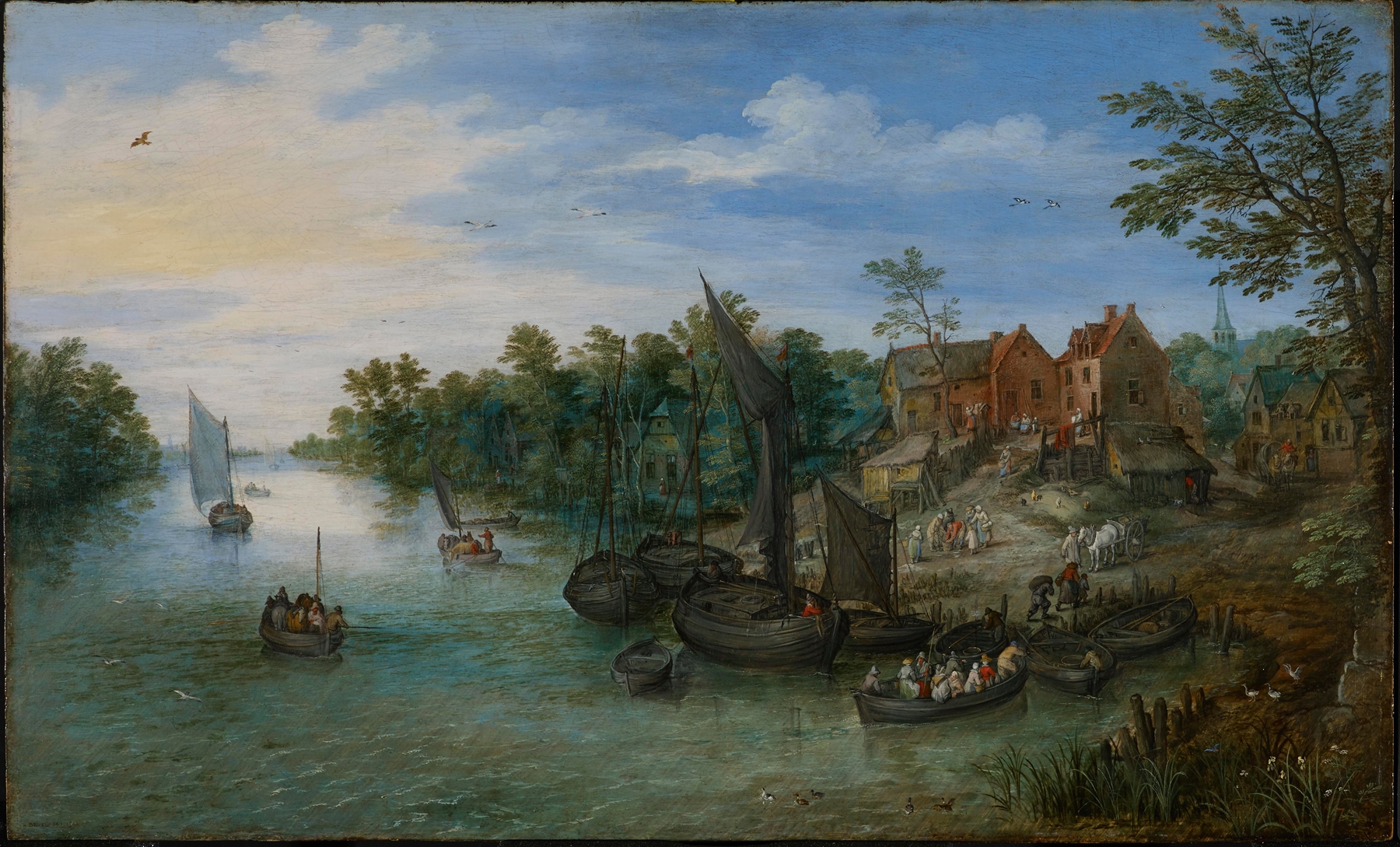
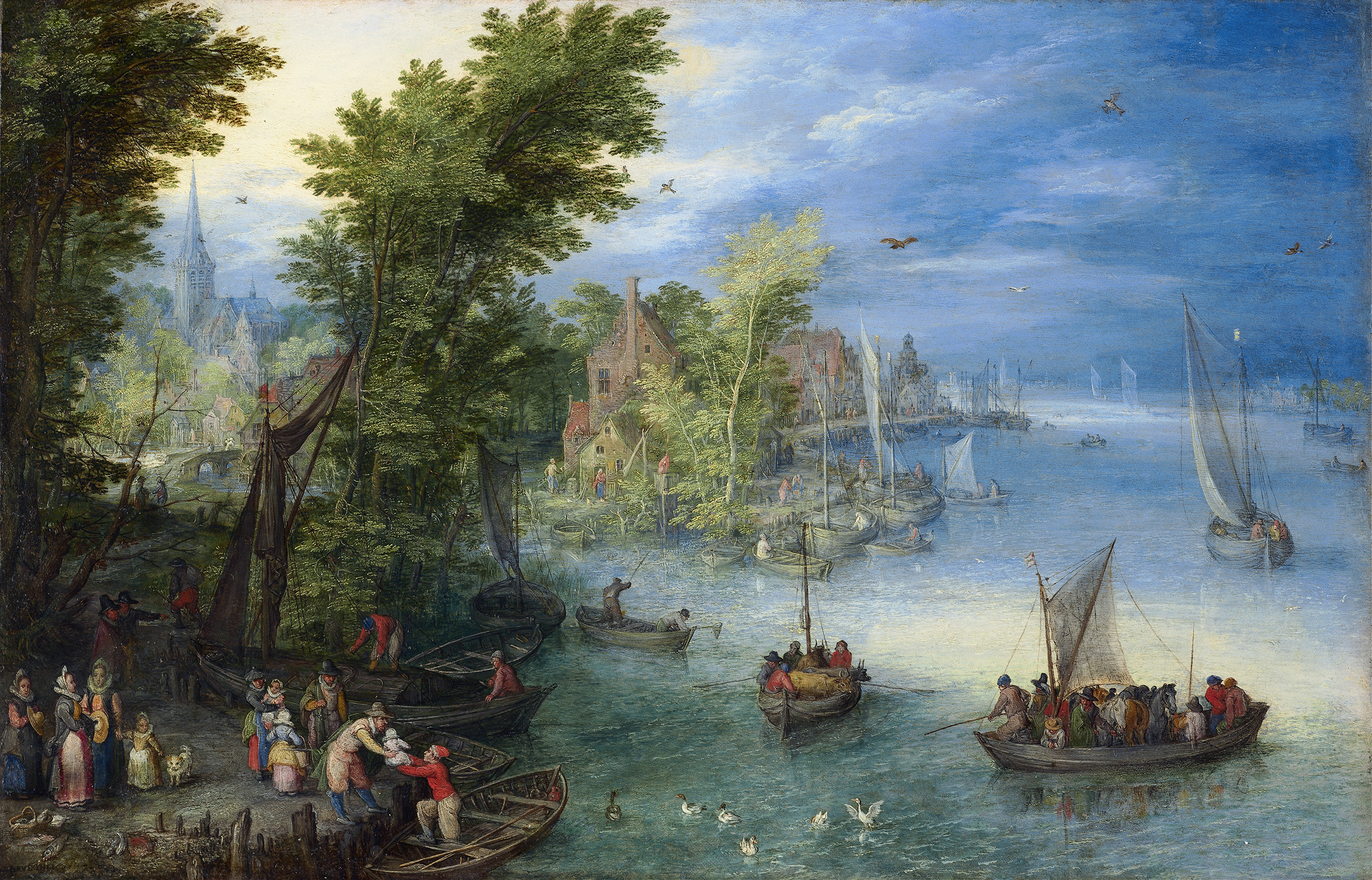
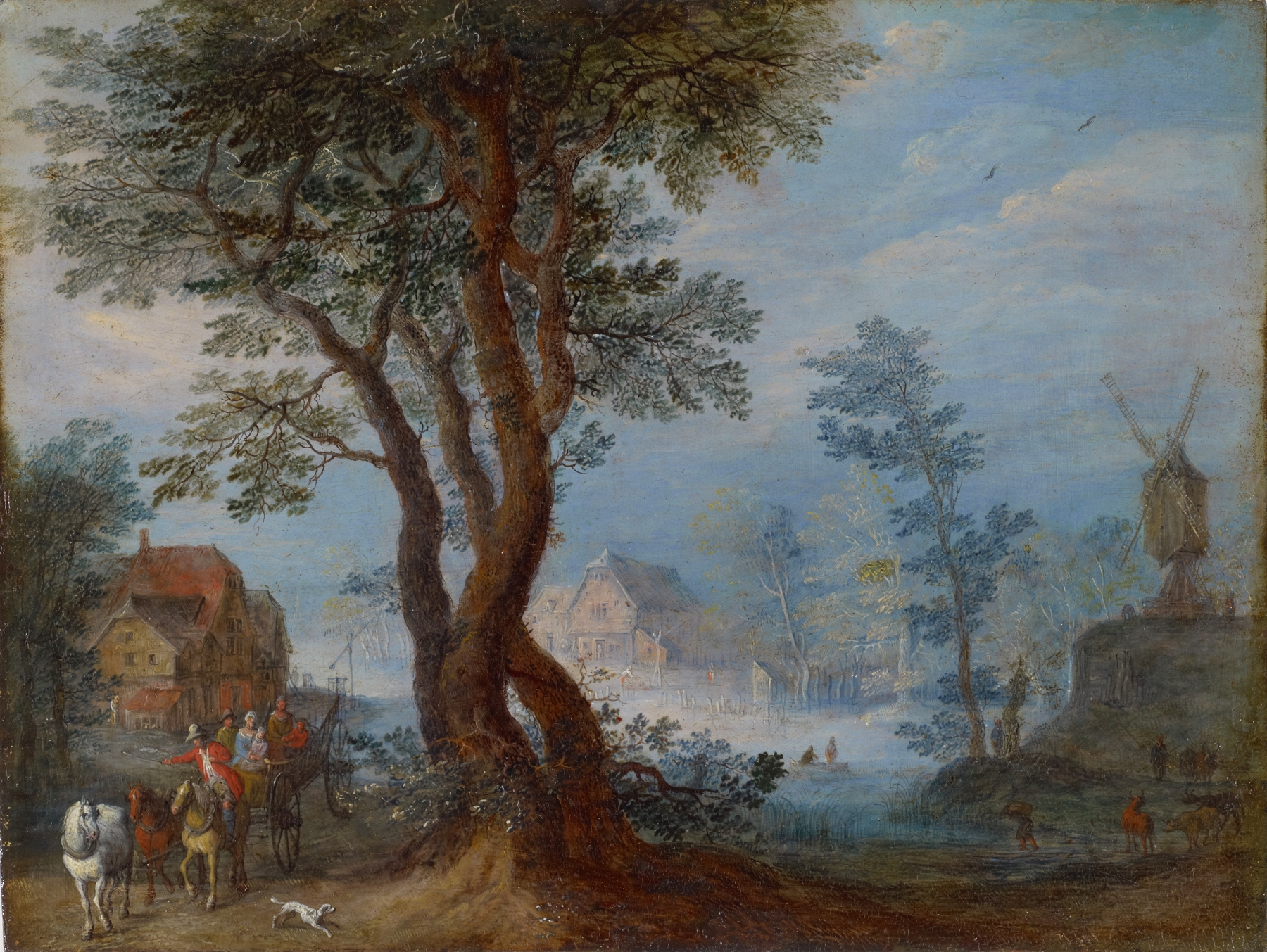
“Between color and silence, truth hides.” In the stillness of a countryside, where time seems to pause, the landscape breathes an air of quiet contemplation. Look to the left at the expansive fields where gentle hues of green and gold blend seamlessly, each brushstroke whispering the serenity of rural life. Notice how the soft light cascades down from the sky, illuminating the herdsmen as they guide their cattle toward the distant village, their forms modest and harmonized with the earth around them. The vibrant colors employed throughout the scene invite the viewer to linger, while the carefully composed structures of the village stand like sentinels, quietly watching the age-old dance of man and nature.
Beneath the tranquil surface lies the tension between labor and tranquility. The herdsmen, though seemingly at ease, embody a deeper narrative of responsibility and connection to the land. The juxtaposition of the vibrant cattle against the muted background accentuates their significance in both livelihood and companionship. Beyond the visible, there is a palpable sense of silence that envelops the scene, urging reflection on the harmony between humanity and nature, and the often-overlooked beauty found in simple acts.
In the late 16th century, Jan Brueghel the Elder created this work as part of his exploration of landscape and genre painting in Antwerp. This period marked a significant evolution in the way artists depicted the natural world, with an increasing focus on realism and detail. Amidst a rapidly changing society, Brueghel’s landscapes became a testament to the enduring connection between people and their environment, inviting viewers to appreciate the quiet moments of life.