A moonlit landscape — History & Analysis
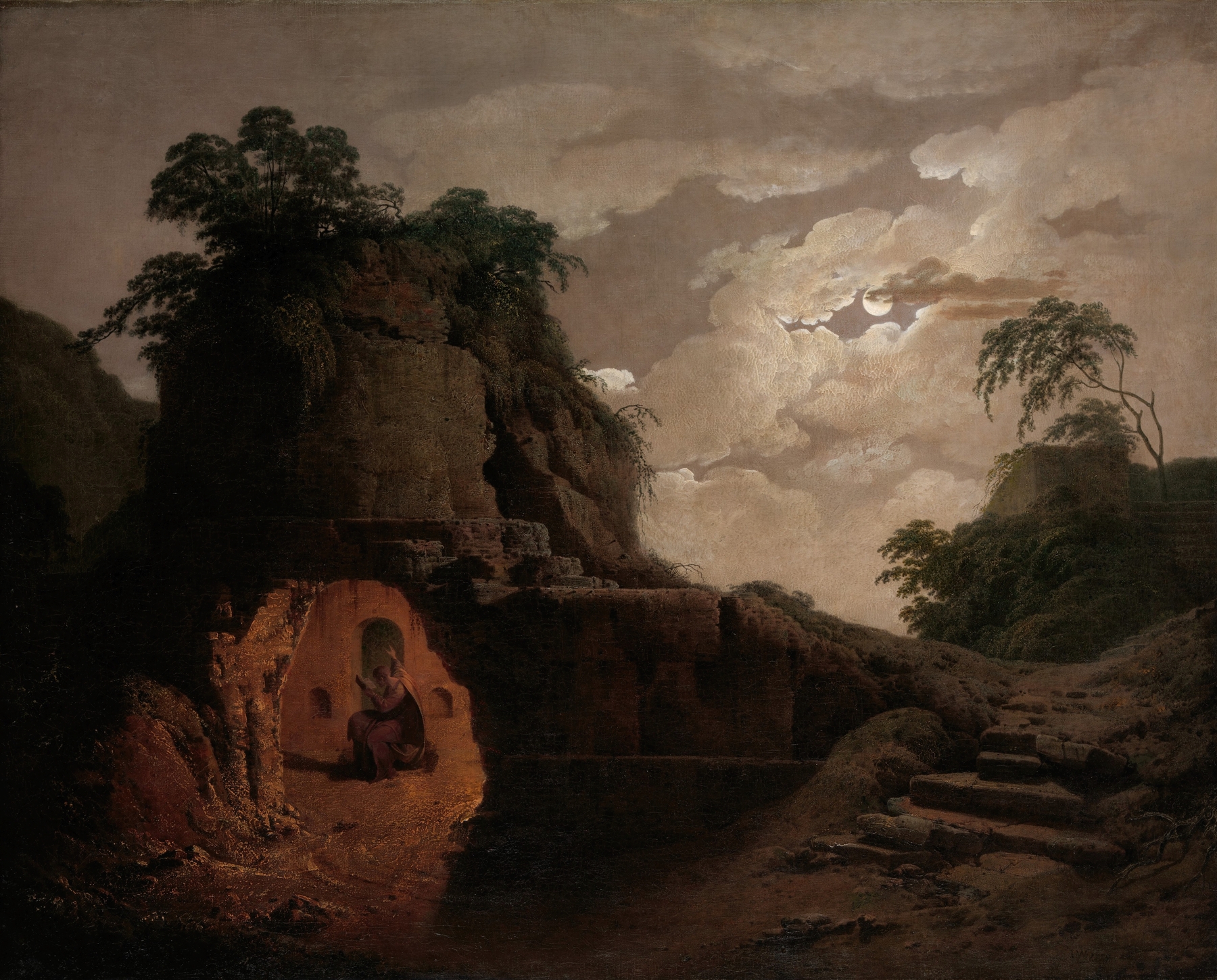
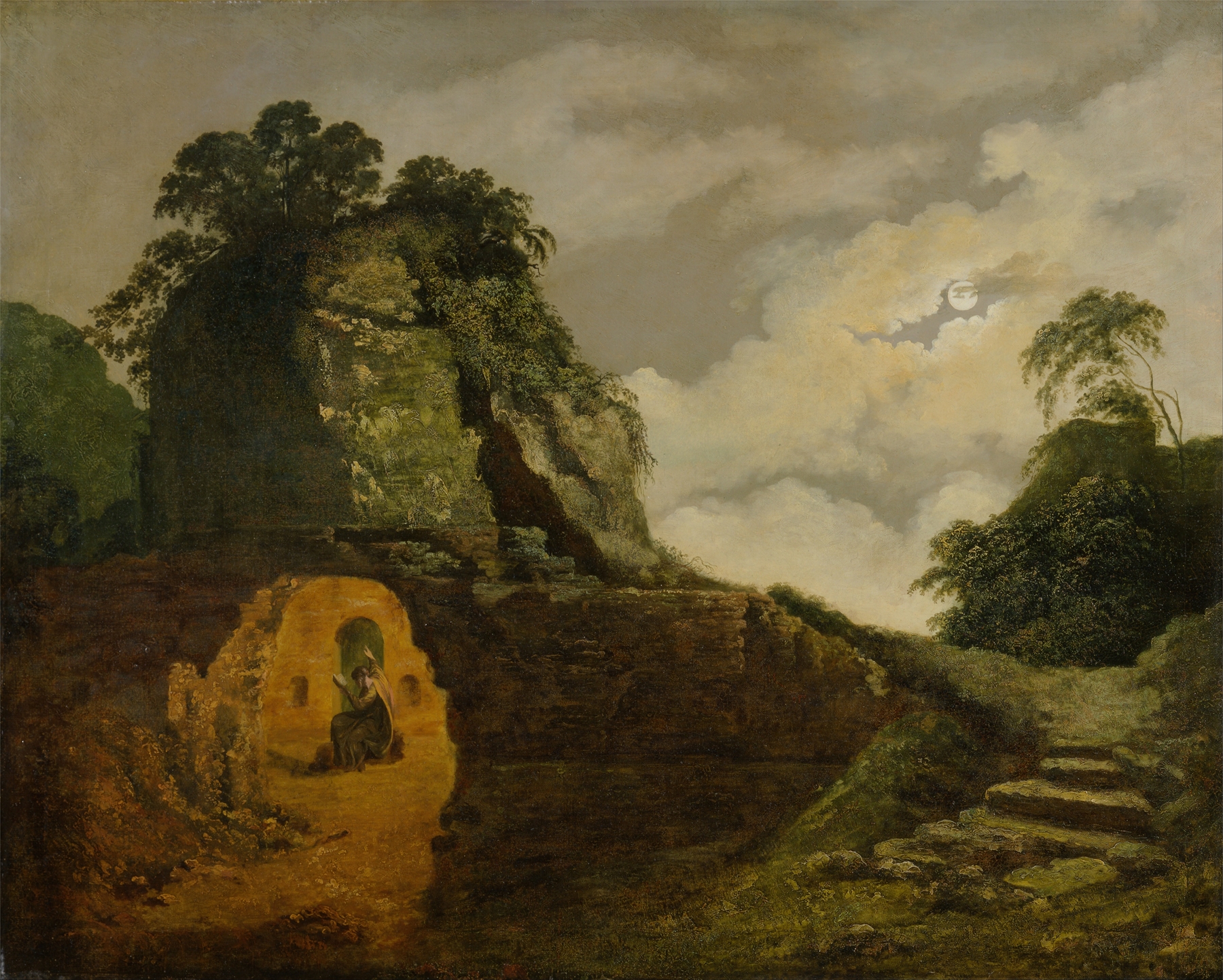
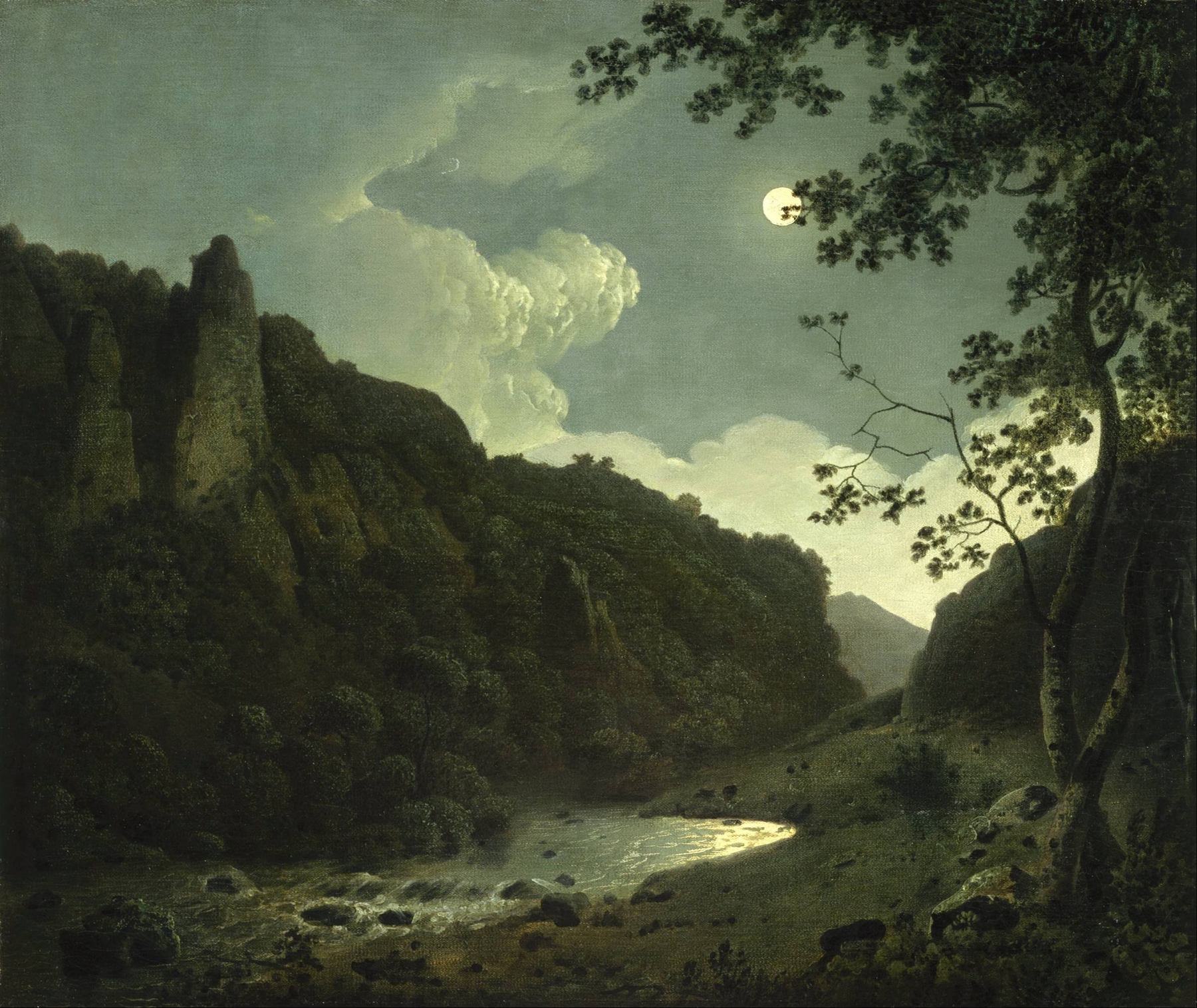
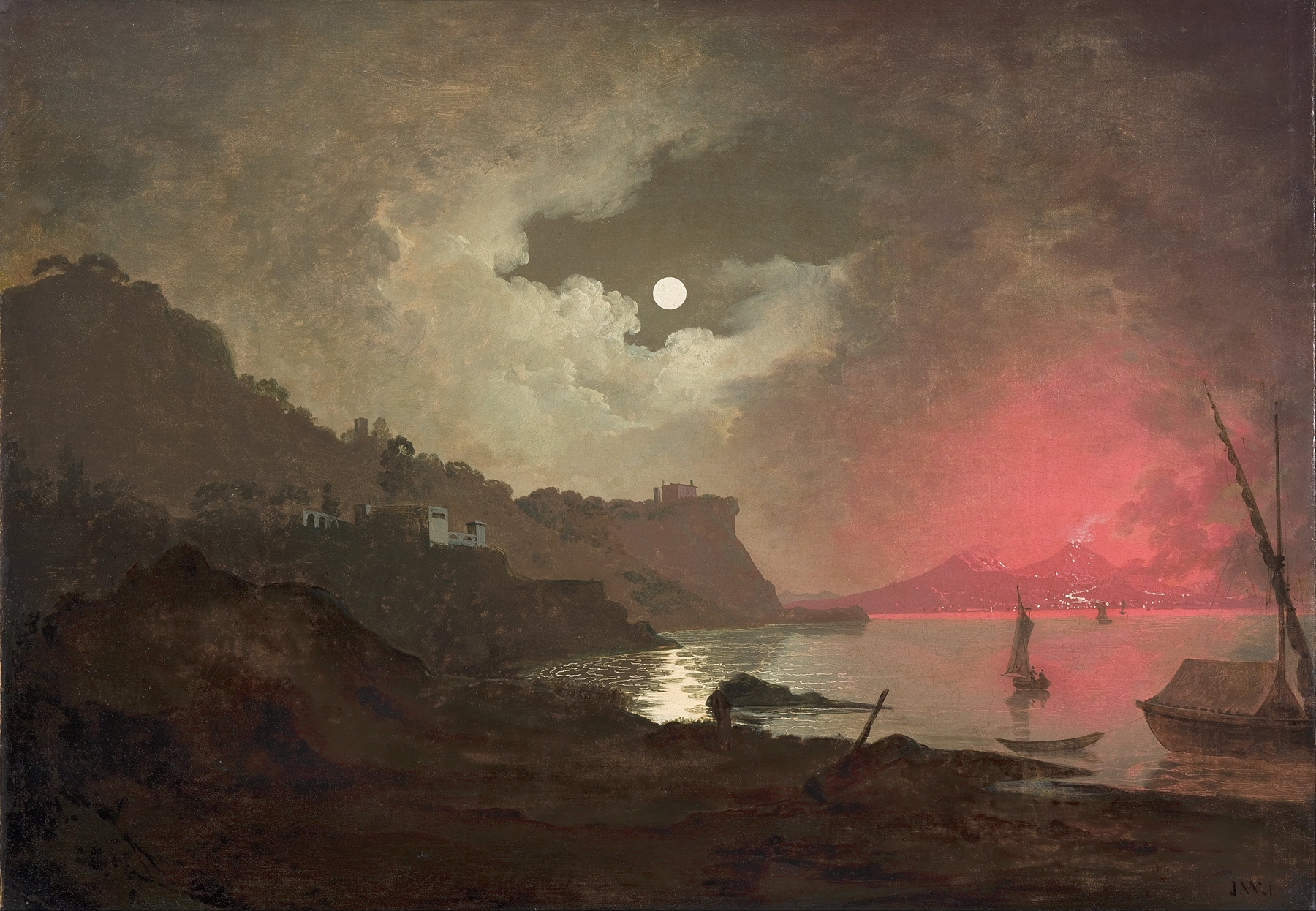
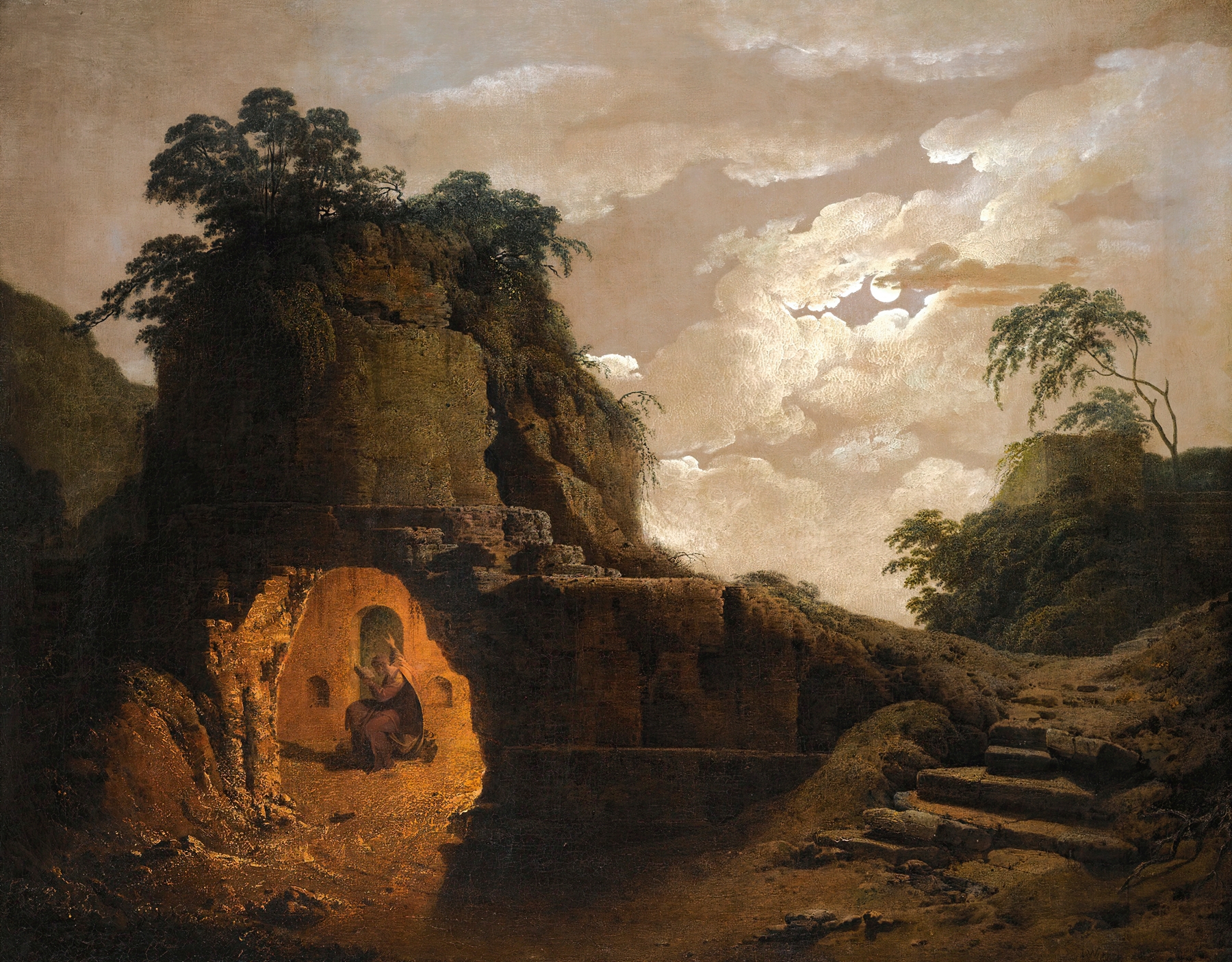
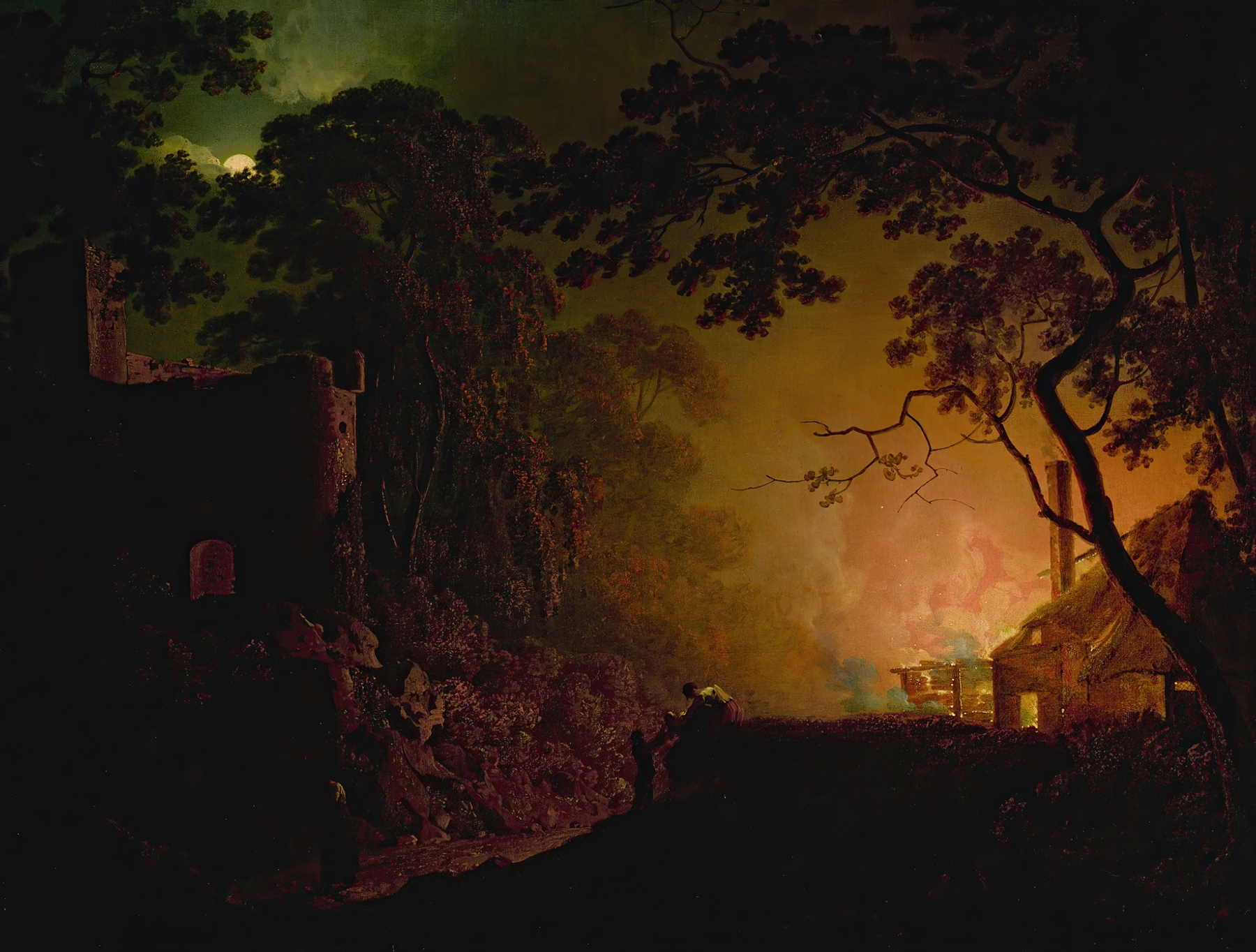
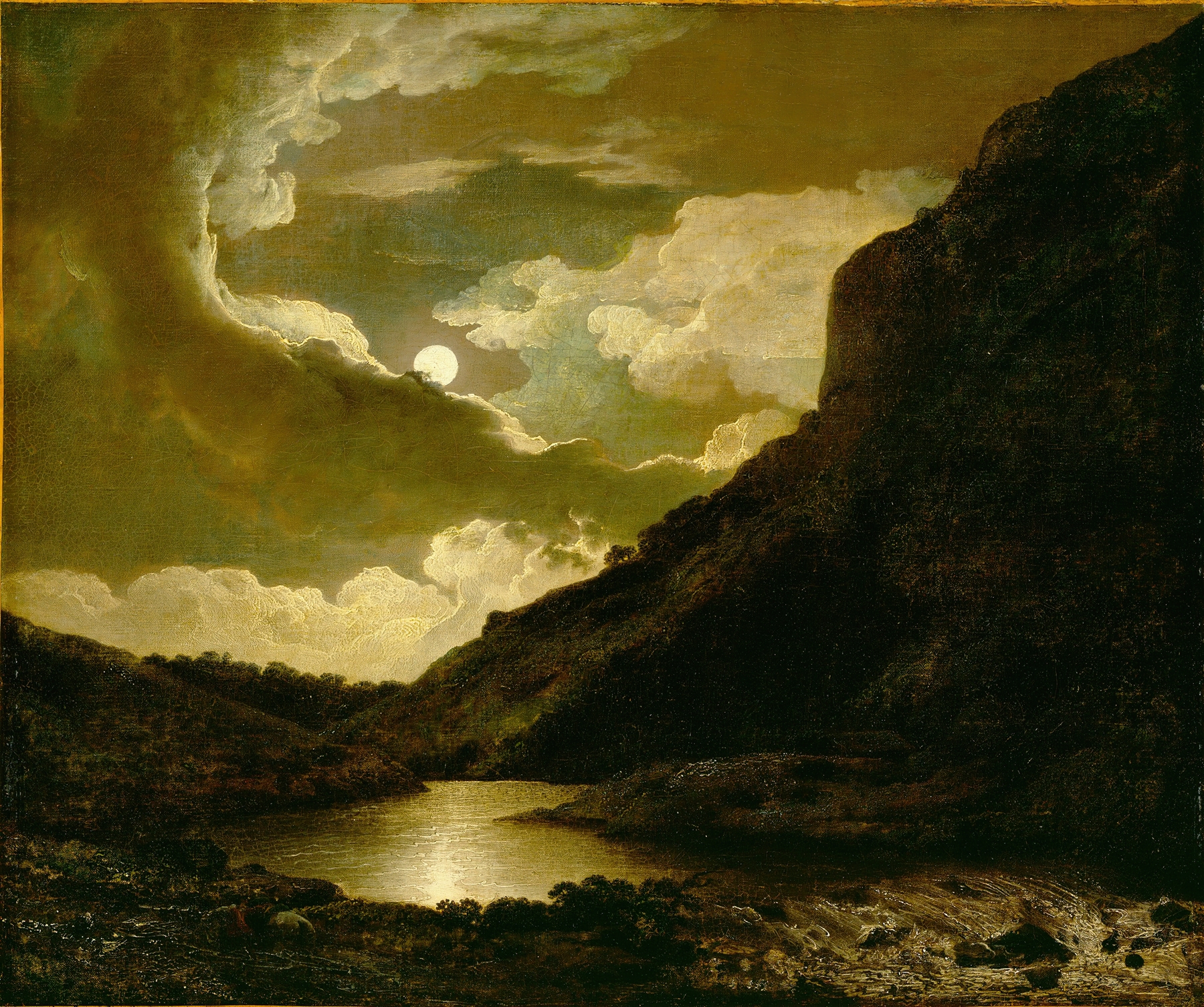
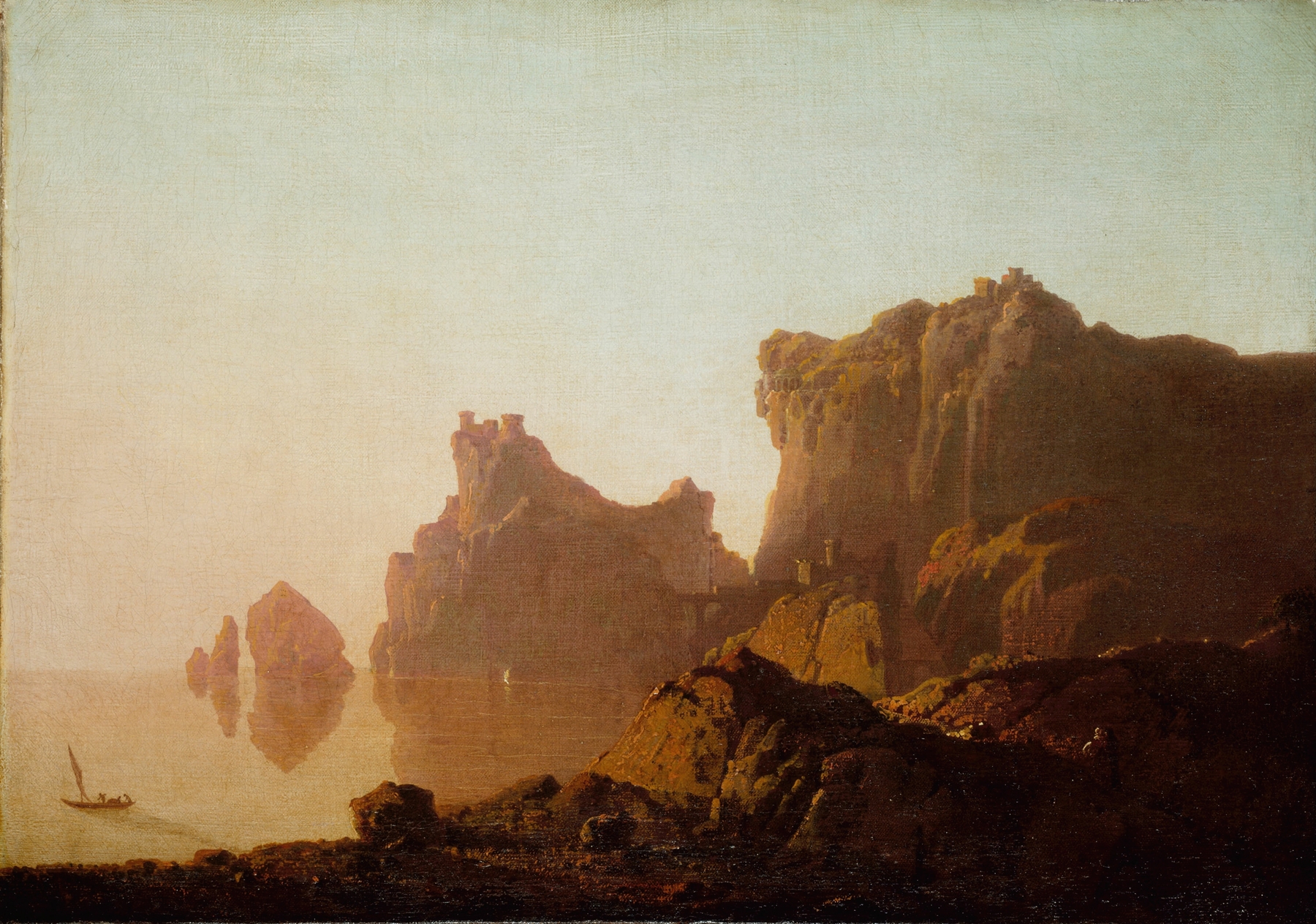
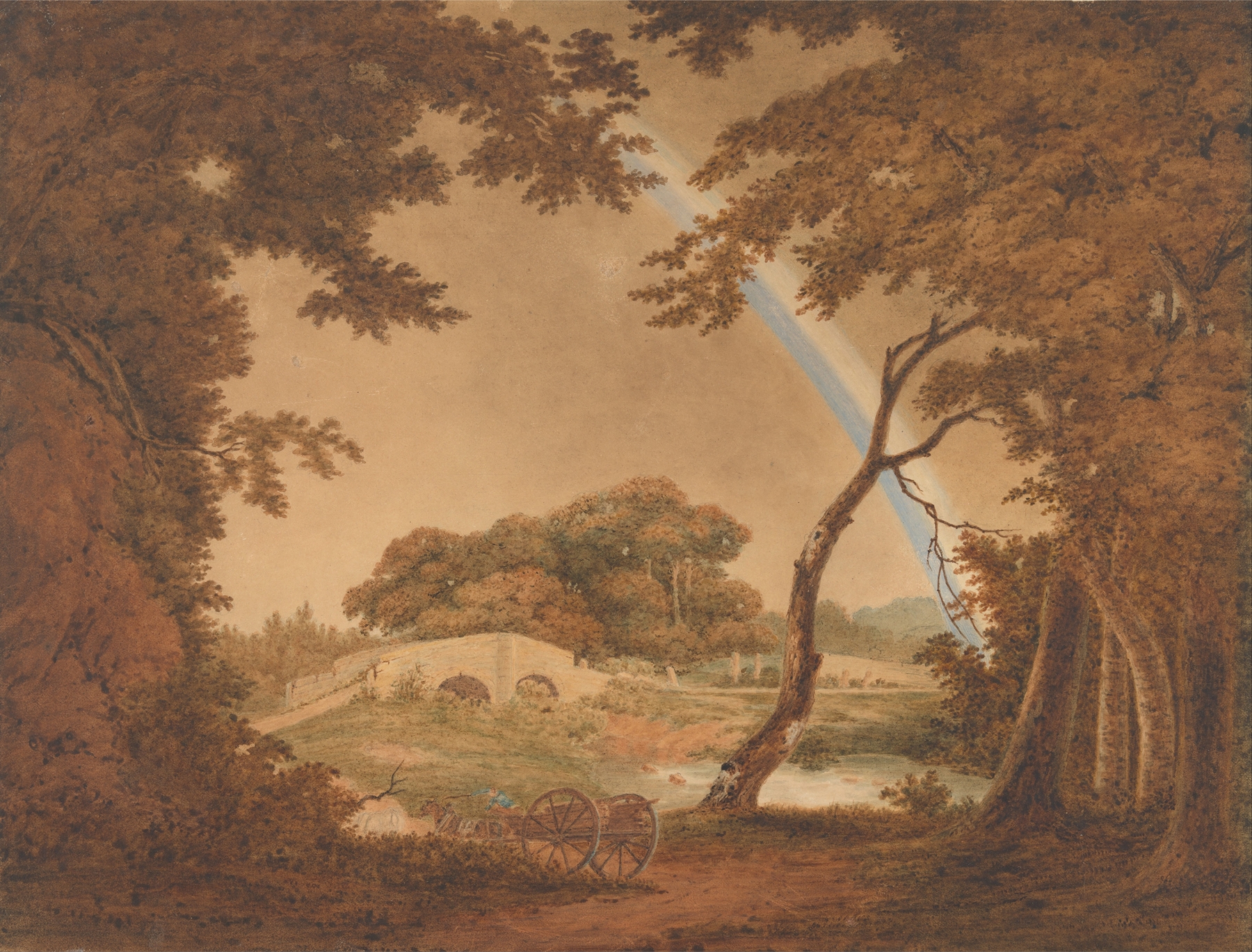
What if silence could speak through light? In A moonlit landscape, the tranquil night whispers truths wrapped in the soft embrace of illumination, inviting the viewer to listen closely. Look to the left, where the silvery crescent moon casts an ethereal glow upon the serene water, illuminating the calm expanse with breathtaking clarity. Notice how the darkened trees frame the scene, their silhouettes creating a stark yet harmonious contrast against the gentle luminescence.
The painter's deft brushwork captures the stillness of the night, each stroke echoing the faint rustle of leaves and the distant ripples of water. Yet beneath this peaceful exterior lies a tension between light and shadow, revealing deeper layers of meaning. The moonlight, a beacon of truth, seems to unveil the hidden depths of nature, suggesting a dichotomy between seen and unseen. The surrounding darkness serves as a reminder of humanity's perpetual quest for understanding, illuminating our relationship with the mysteries of existence—the very essence of enlightenment and reflection.
In 1793, Joseph Wright of Derby created this masterpiece during a time of transition in the art world, influenced by the Enlightenment and the Romantic movement. Having settled in Derby after his travels through Italy, he sought to capture the sublime beauty of nature through dramatic contrasts of light and shadow. This painting reflects not only his innovative techniques but also a cultural shift towards deeper introspection and the appreciation of the natural world.