A Moonlit Night on a Lake — History & Analysis
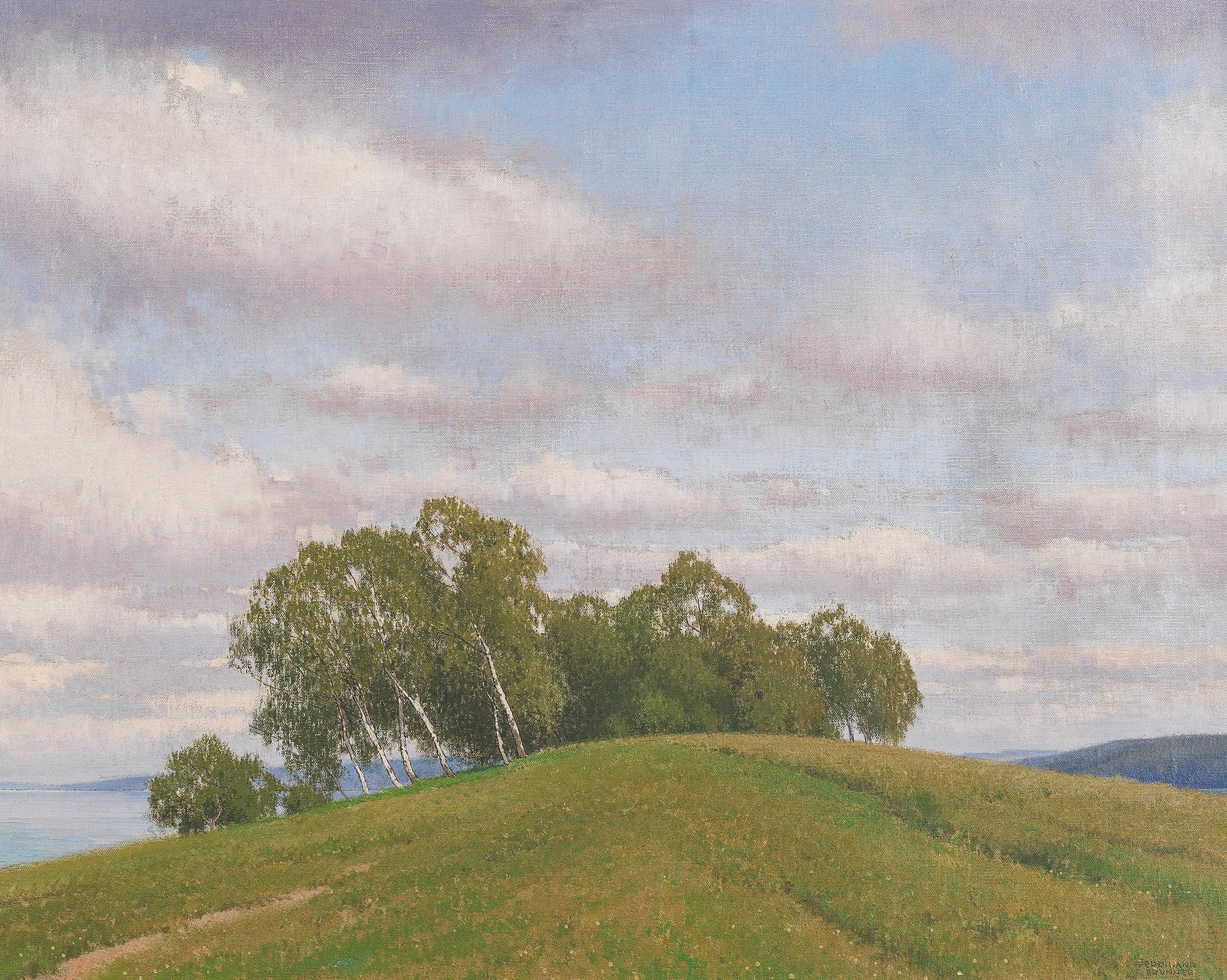
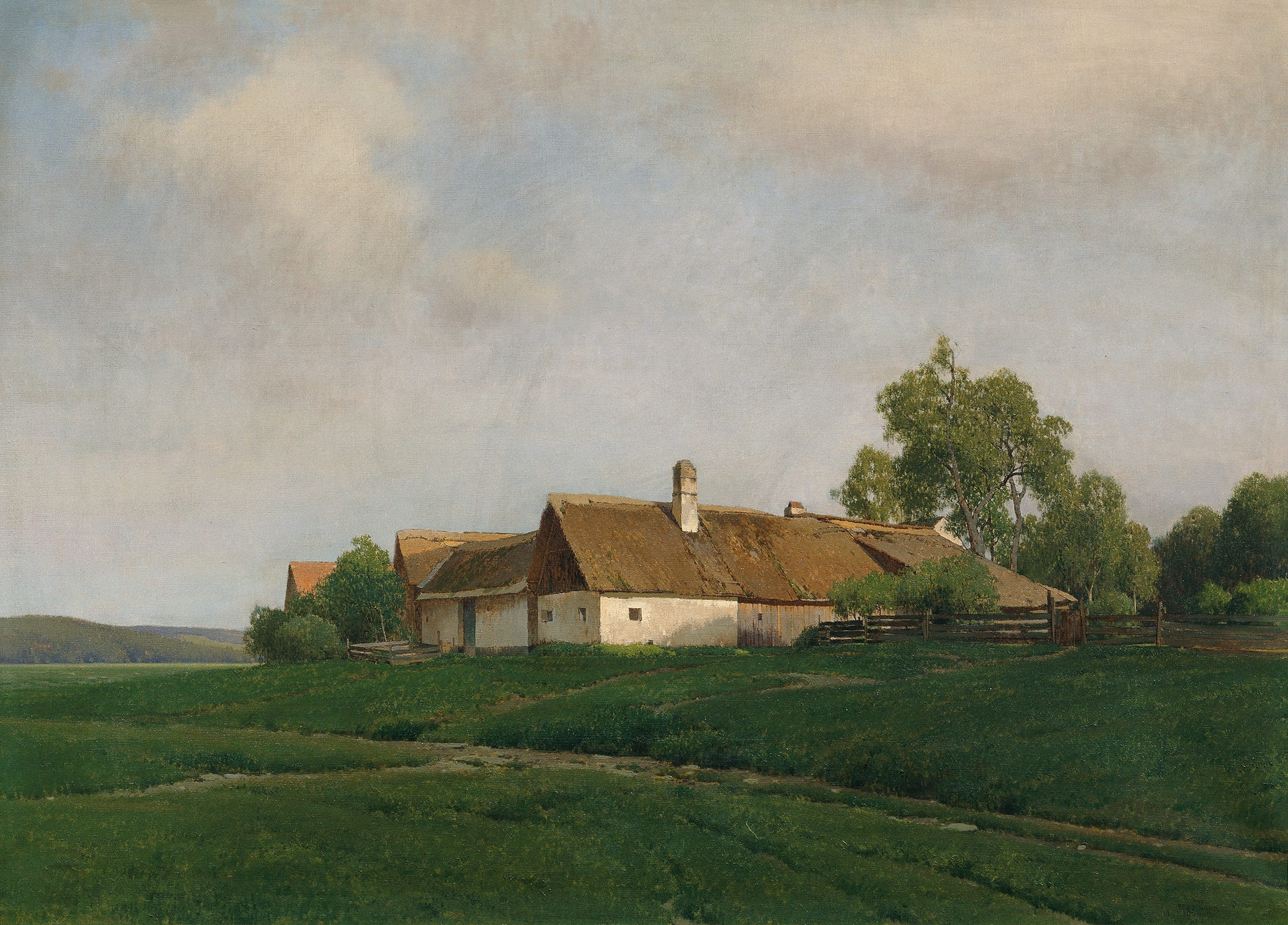
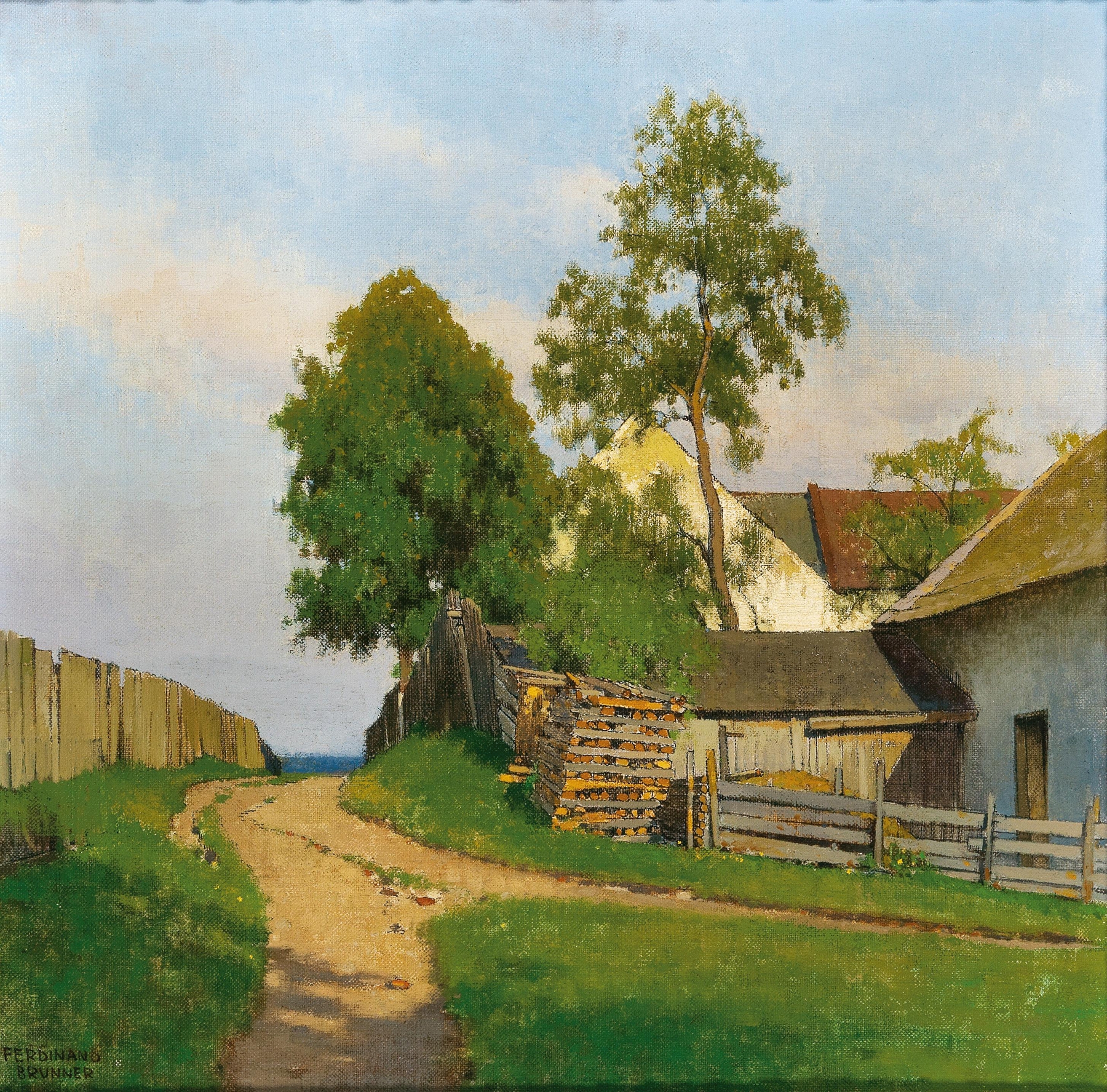
Who listens when art speaks of silence? Amid the tranquil lapping of water, a delicate interplay of light and shadow unfolds, evoking a sense of fragility that resonates within the soul. Look to the center of the composition, where the soft glow of the moon spills silver across the lake’s surface, inviting the viewer to immerse themselves in its reflective tranquility. The brushwork is delicate, with soft strokes that create an almost ethereal quality to the scenery.
Notice how the palette of deep blues and silvers contrasts with the warm, muted tones of the distant land, emphasizing the isolation of the water and its quiet allure. As you delve deeper, the juxtaposition of the serene moonlit expanse with the darkened silhouettes of trees along the shore reveals an emotional tension. The stillness of the scene captures a moment of contemplation, suggesting both peace and vulnerability. The fragility of life is echoed in the ephemeral beauty of the night, where the serenity feels almost fleeting, as if a whisper of twilight could dissolve into the dawn at any moment.
Ferdinand Brunner created this work during a period when Romanticism was giving way to more intimate expressions in art. While the exact date remains unknown, it reflects an era when artists sought to capture emotional depth and the beauty of nature, often influenced by personal experiences and a longing for connection with the landscape. Brunner’s meticulous attention to detail and atmospheric effects resonates with the sentiments of his time, as he navigated the delicate balance between nature's beauty and human fragility.