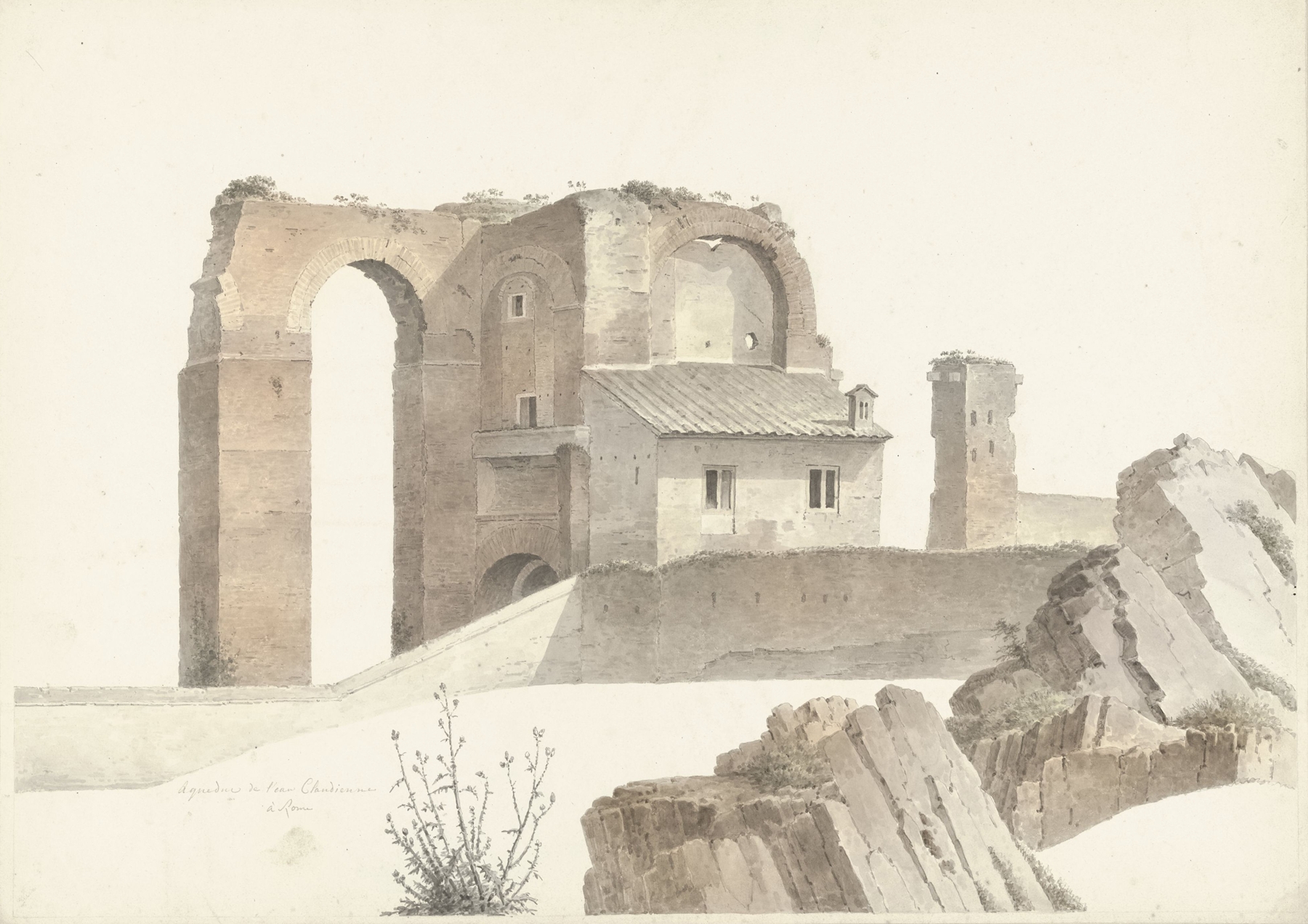
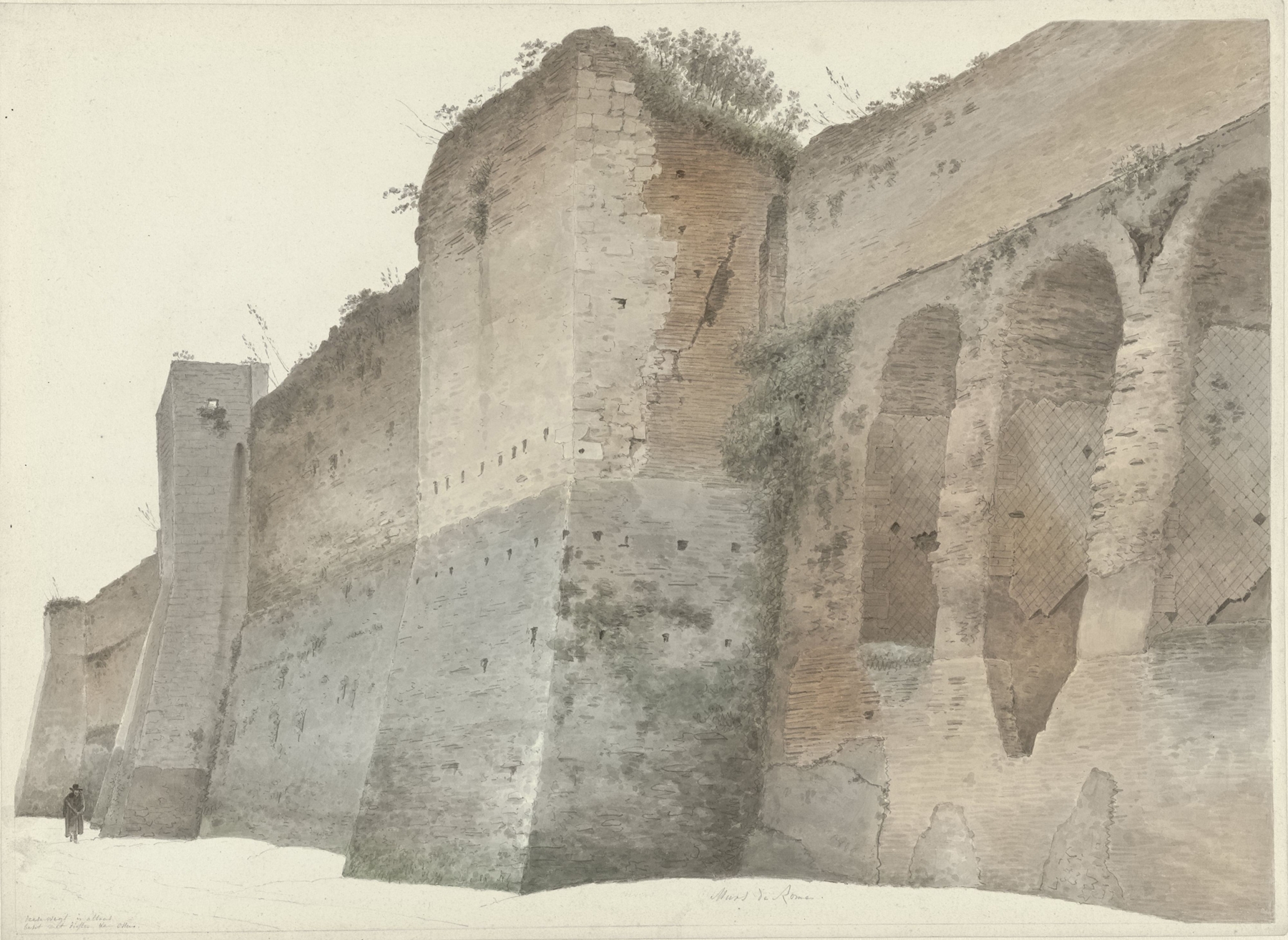
A Part of an Aqueduct in Rome — History & Analysis
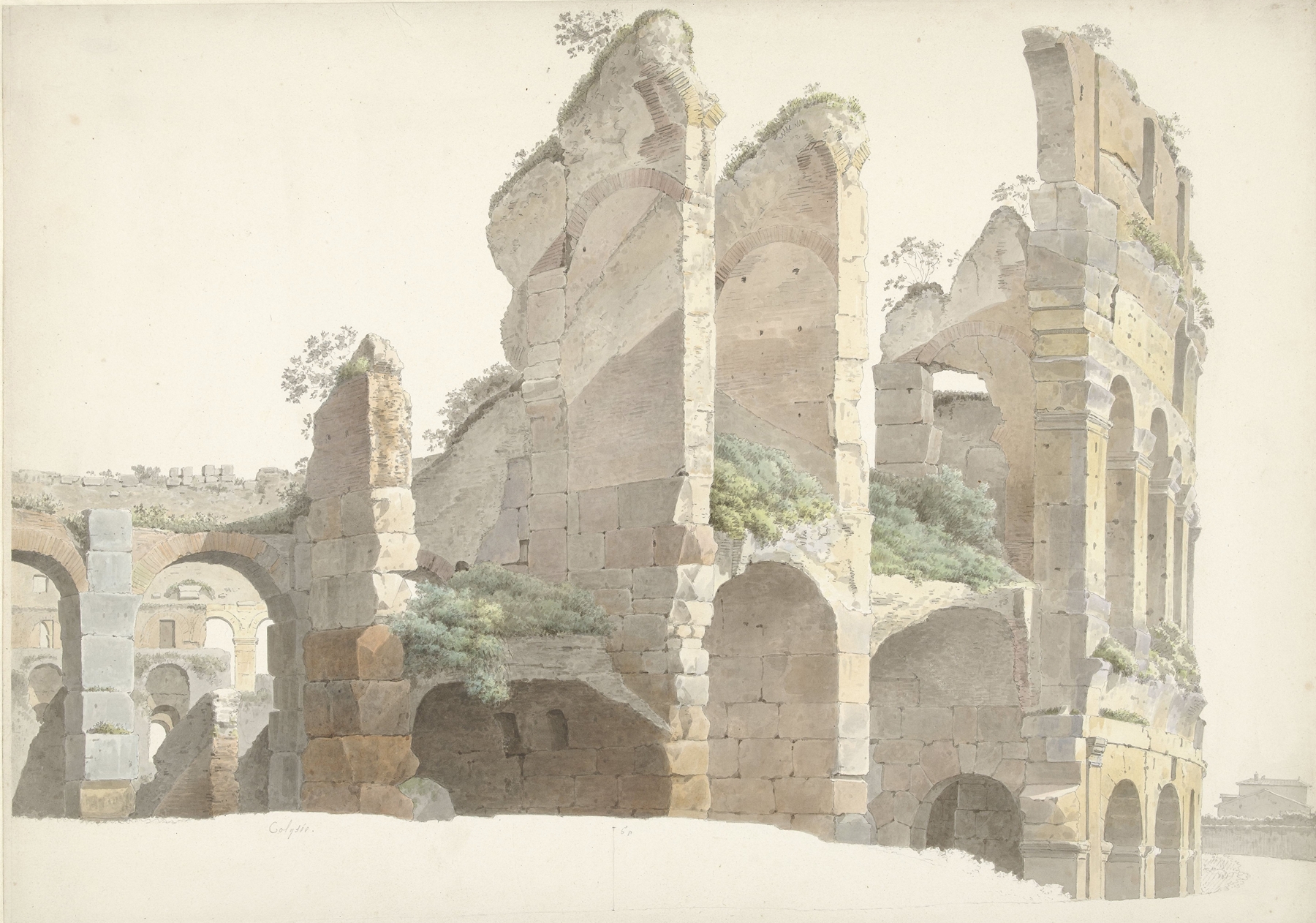
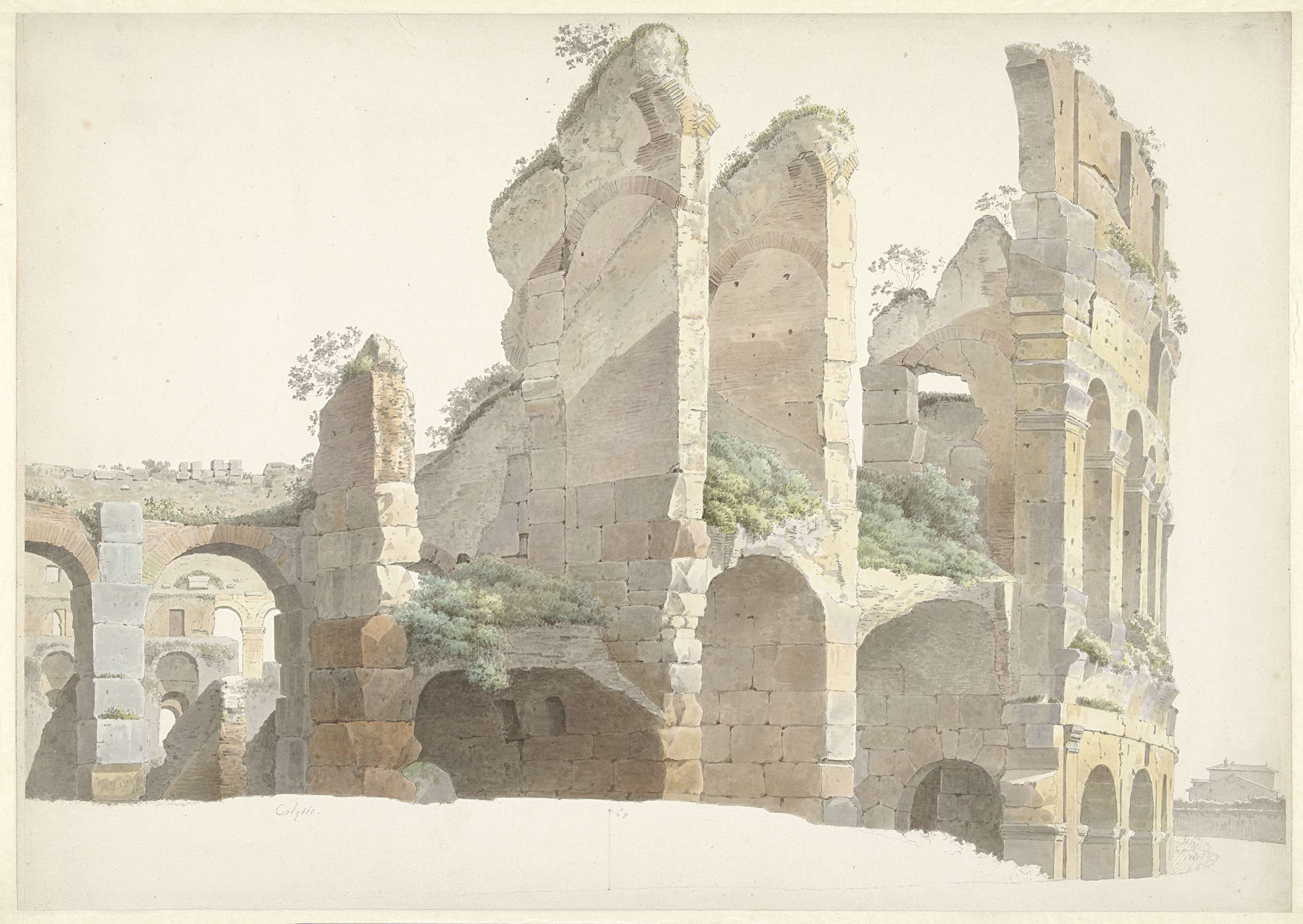
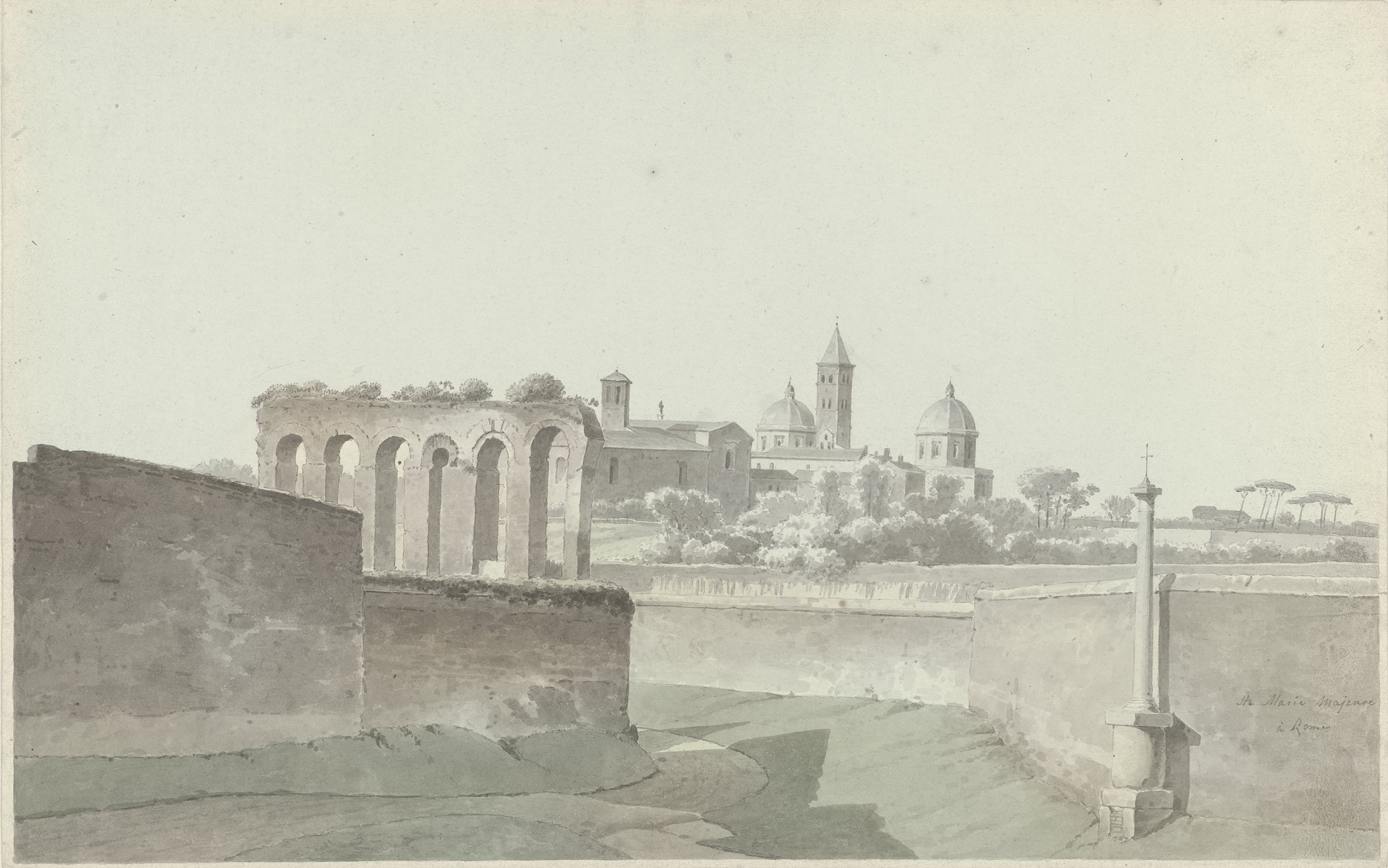
“To paint is to remember what time wants us to forget.” This sentiment echoes through the silent remnants of the past, where the ruins stand defiantly against the march of years. Each brushstroke is a whisper of history, urging us to pause and reflect on fleeting moments captured forever. Focus on the left side of the canvas, where the stone arches rise majestically against a backdrop of soft, diffused light. The careful attention to detail reveals the weathered textures of the aqueduct, while the color palette—muted earth tones infused with gentle greens—evokes a sense of nostalgia. Notice how the interplay of light and shadow not only enhances the architectural forms but also creates a dialogue between the enduring and the ephemeral.
As you gaze deeper, consider the emotional weight of memory embedded in the aged stones. There is a palpable tension between the strength of the structure and the inevitability of nature’s reclamation. The sprigs of vegetation that emerge between the stones symbolize resilience and renewal, suggesting that while time may erode, it also nurtures growth from the forgotten. This duality invites contemplation on the passage of time and the stories held within these ancient walls. During the years c.
1809 to c. 1812, the artist worked in the midst of an evolving landscape of neoclassicism and romanticism. Living in Rome, Josephus Augustus Knip was captivated by the city's rich history and monumental architecture. This period was marked by a renewed interest in classical ideals, and the artist sought to capture the essence of time's imprint on these iconic structures, reflecting both the grandeur of the past and the fragility of existence.