A River in Italy — History & Analysis
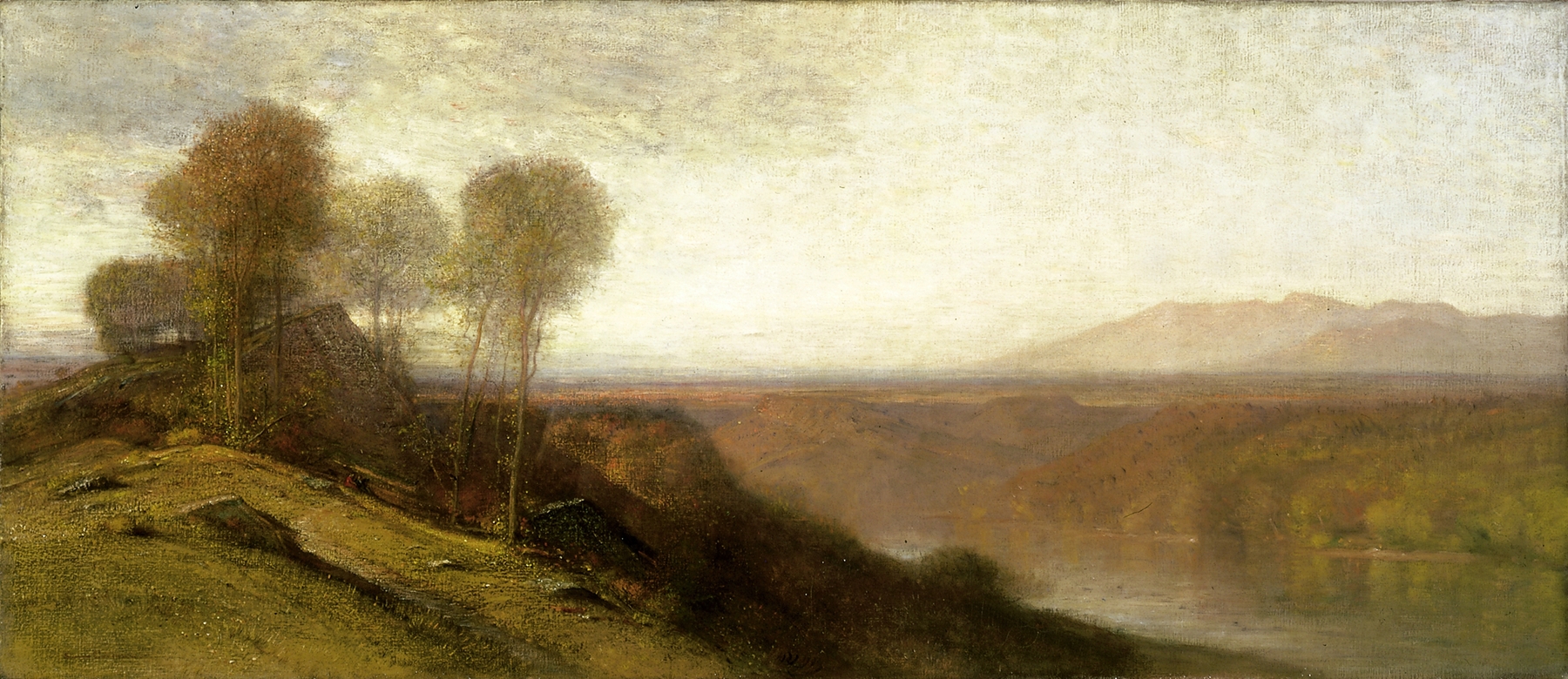
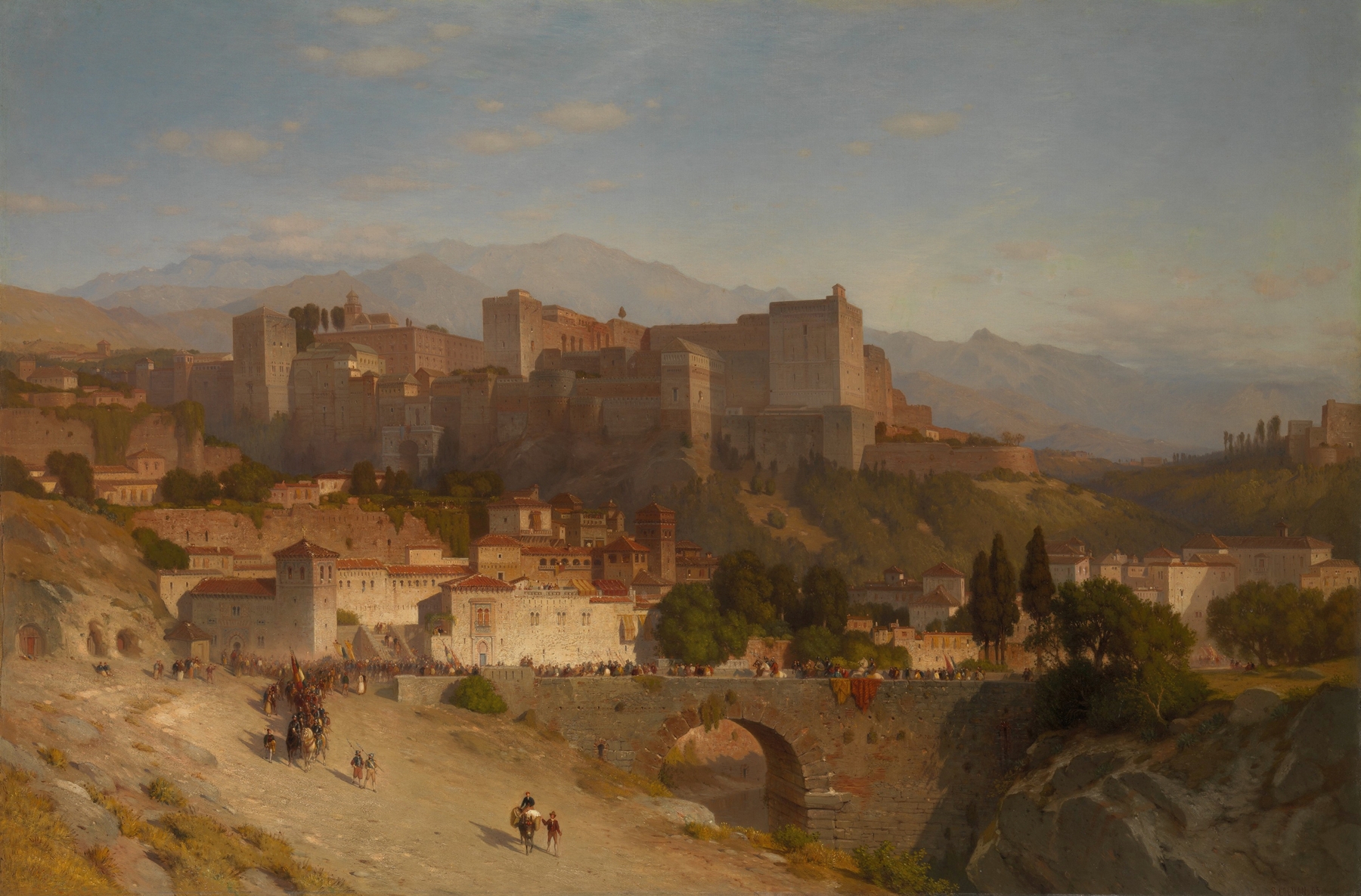
“Sometimes beauty is just pain, disguised in gold.” This sentiment resonates deeply within the essence of A River in Italy, where shimmering hues mask the turbulence beneath a tranquil surface. The painting invites us to explore the juxtaposition of peace and past violence, reminding us that beauty often carries a shadow. Look to the left at the winding river, delicately painted with strokes that dance across the canvas, reflecting the vivid blue of the sky above. The golden light spills over the landscape, illuminating the trees that cradle the banks, their lush greens juxtaposed against the soft browns of the soil.
Each brushstroke tells a story of serenity, yet beneath this idyllic surface lies a tension that stirs the soul, urging the viewer to delve deeper into the narrative woven into the scene. At first glance, the viewer may be lulled by the picturesque landscape, but closer inspection reveals hints of unease. The dark, swirling depths of the water suggest a hidden history, perhaps a flow of turmoil that has shaped the land. The color palette, rich in golds and greens yet shadowed by deep blues, creates an emotional contrast that speaks to both the beauty and the violence of nature's forces, evoking a sense of fragility in the face of time.
Samuel Colman painted A River in Italy in 1869 during a period when he was exploring the interplay of light and atmosphere in landscape painting. He was influenced by the Hudson River School, which celebrated American landscapes, yet Colman’s journey to Italy introduced him to the Romantic aesthetics of European art. This work embodies not only his mastery of technique but also his desire to capture the delicate balance between tranquility and underlying strife in the natural world.