A Moorish Doorway — History & Facts
Can beauty exist without sorrow? In A Moorish Doorway, the viewer is invited into a world where the intricacies of design and the weight of history resonate through the archway. Focus on the ornate patterns that dance across the doorway, a kaleidoscope of color and geometry. The vivid blues and warm earth tones create an inviting yet mysterious atmosphere, drawing your gaze into the depths of the structure. Notice how the light filters through the spaces, revealing textures in both the stone and the decorative elements, creating a dialogue between shadow and illumination. Delve deeper into the symbolism of the doorway itself—a threshold between two realms.
It speaks of a journey, one that may be filled with both wonder and trepidation. The contrast between the intricate beauty of the craftsmanship and the stark emptiness of the arch encapsulates a melancholic yearning, suggesting that every entrance brings with it the weight of what lies beyond. Each detail holds a story, evoking a sense of nostalgia for lost cultures and silent histories. Created in 1875, this piece emerged during a period of significant exploration and appreciation for diverse artistic influences.
Samuel Colman, an American artist associated with the Hudson River School, was captivated by the exoticism of Moorish architecture, reflecting the broader fascination with the East in Western art. As he painted, he was navigating his own artistic identity while contributing to an era that embraced cultural dialogue and exchange.
More Artworks by Samuel Colman

Evening Before Market at Tangiers
Samuel Colman
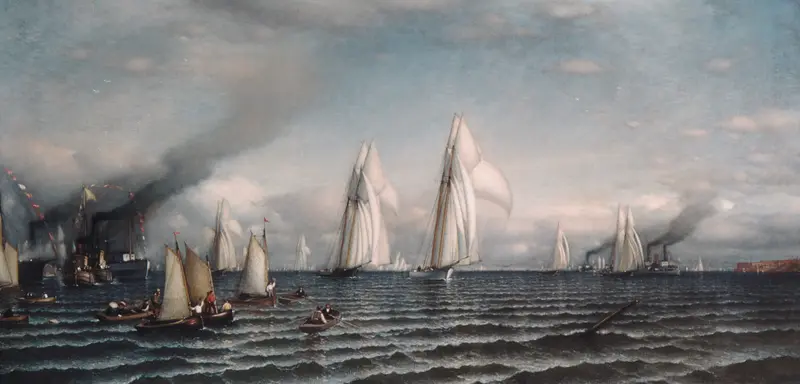
Finish—First International Race for America’s Cup, August 8, 1870
Samuel Colman
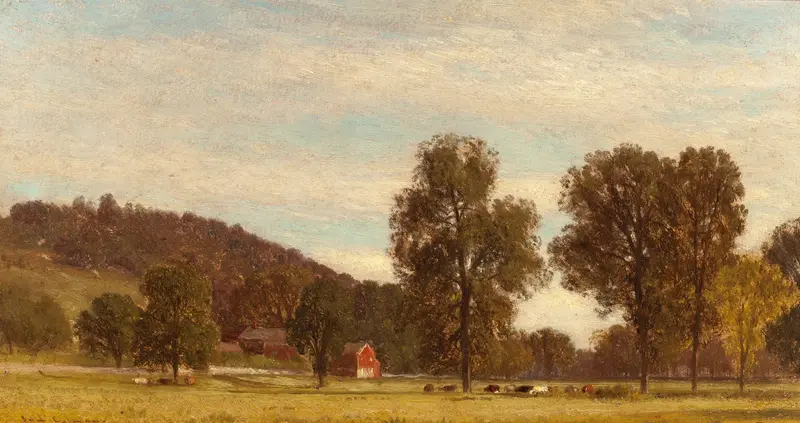
Saw Mill Valley, Pennsylvania
Samuel Colman
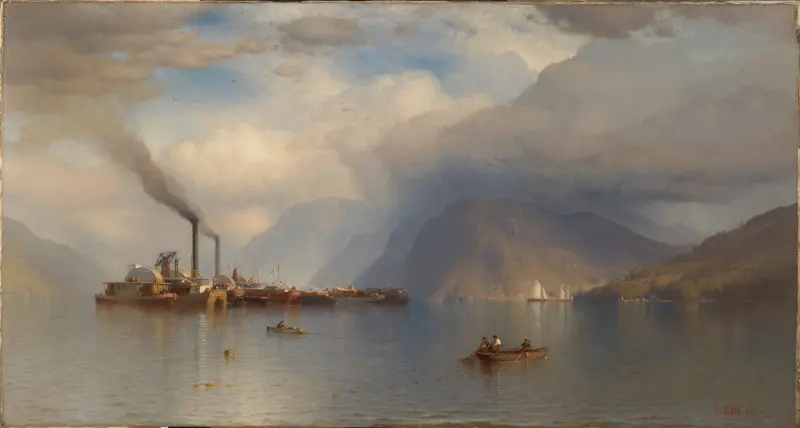
Storm King on the Hudson
Samuel Colman

Storm King on the Hudson
Samuel Colman
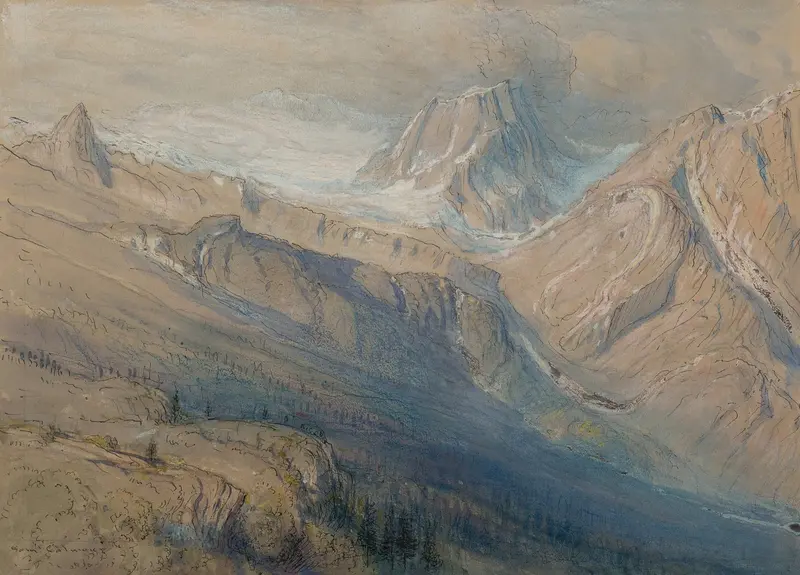
The Hermit Range from Rogers Pass, Canadian Pacific
Samuel Colman
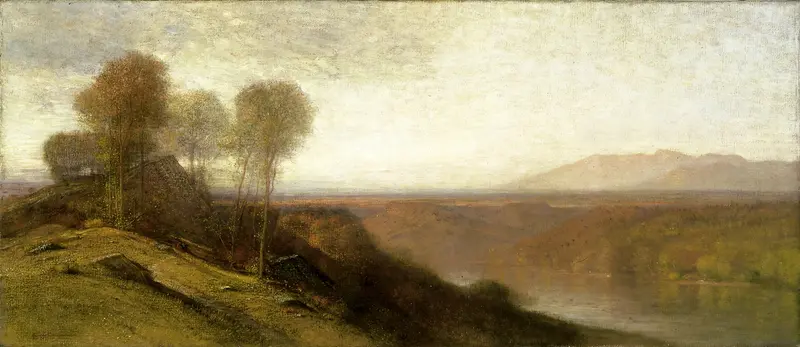
Kanawha River Valley
Samuel Colman
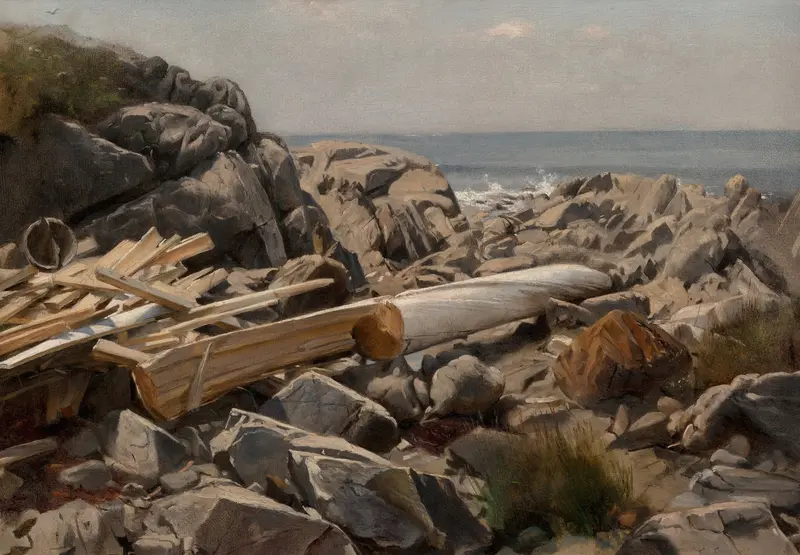
Rocky Beach, Pacific Coast
Samuel Colman
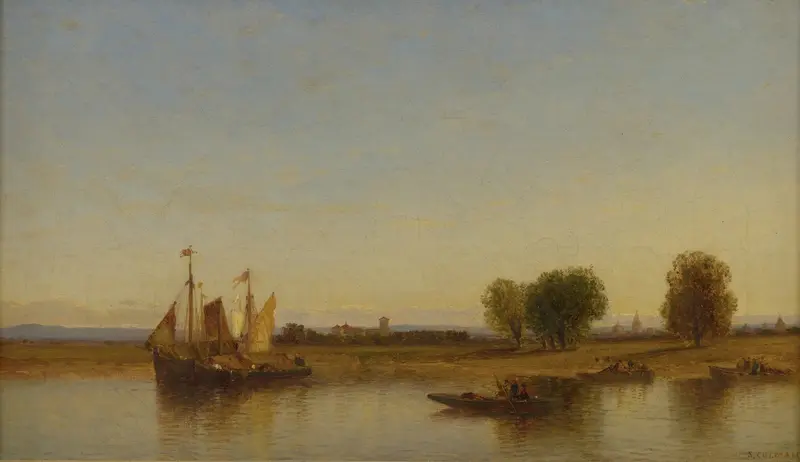
A River in Italy
Samuel Colman
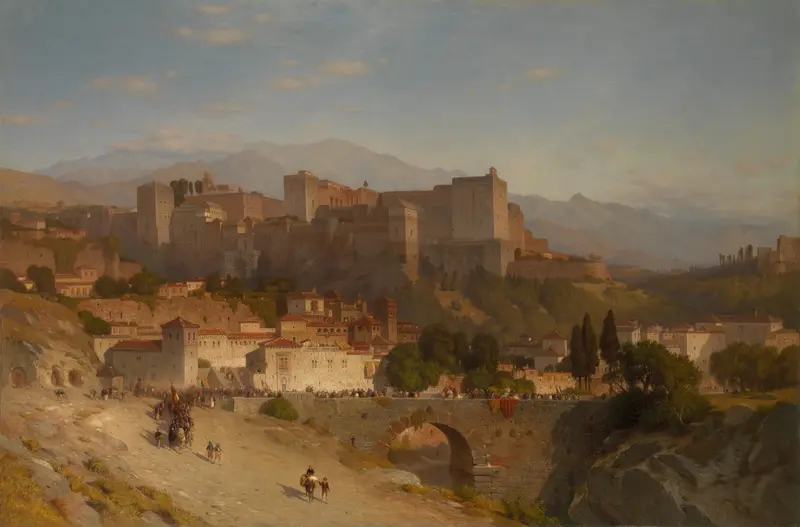
The Hill of the Alhambra, Granada
Samuel Colman