Saw Mill Valley, Pennsylvania — History & Analysis
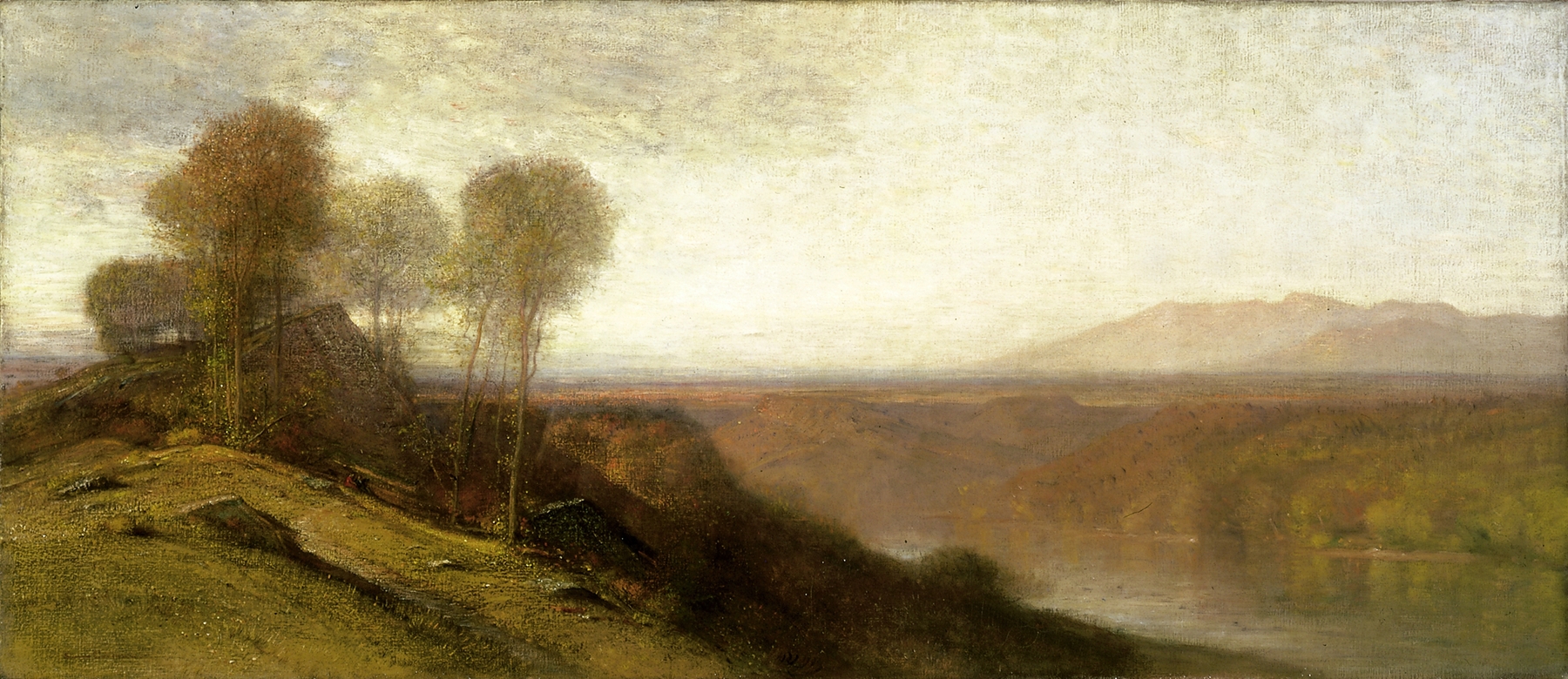
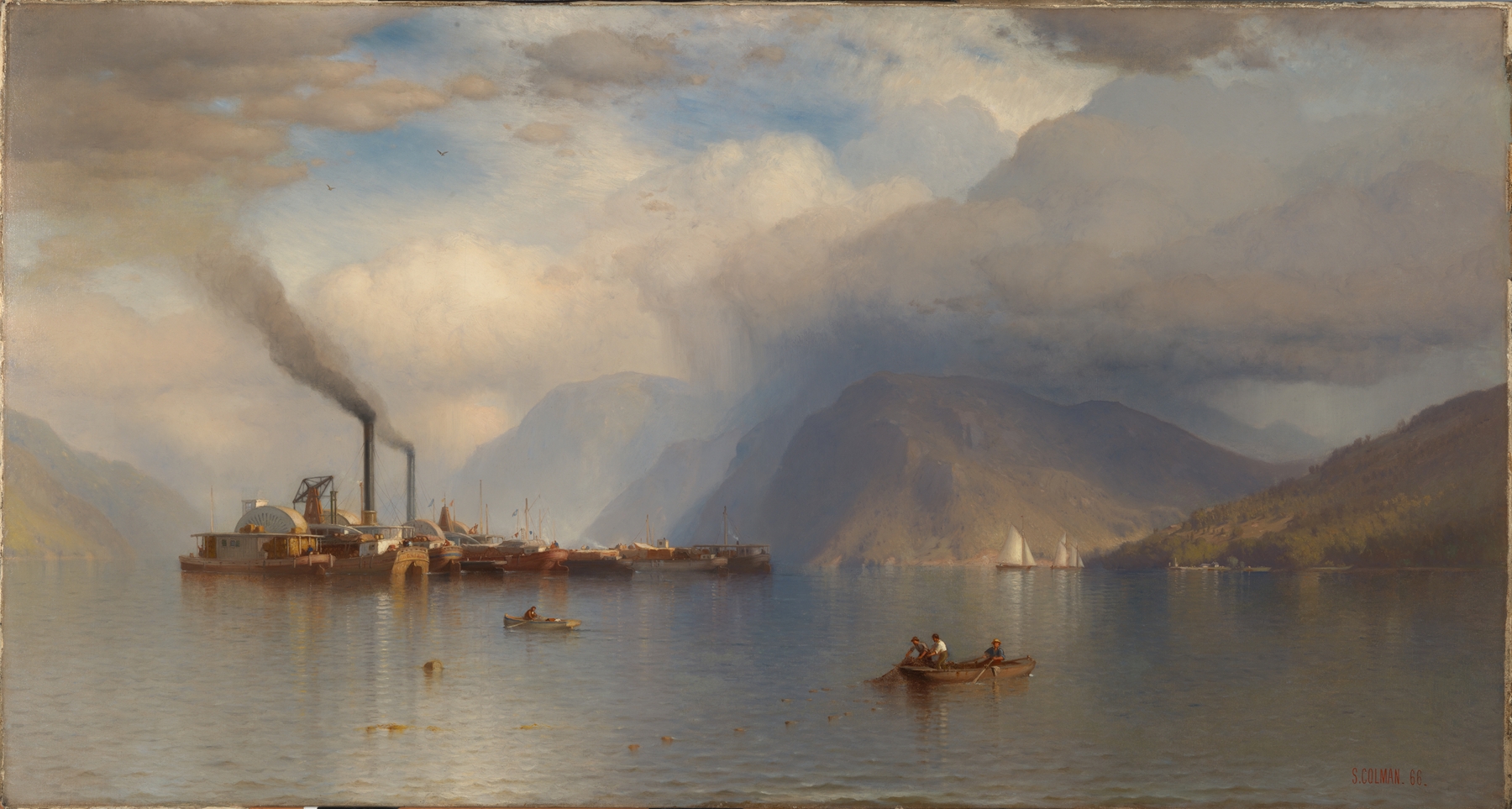
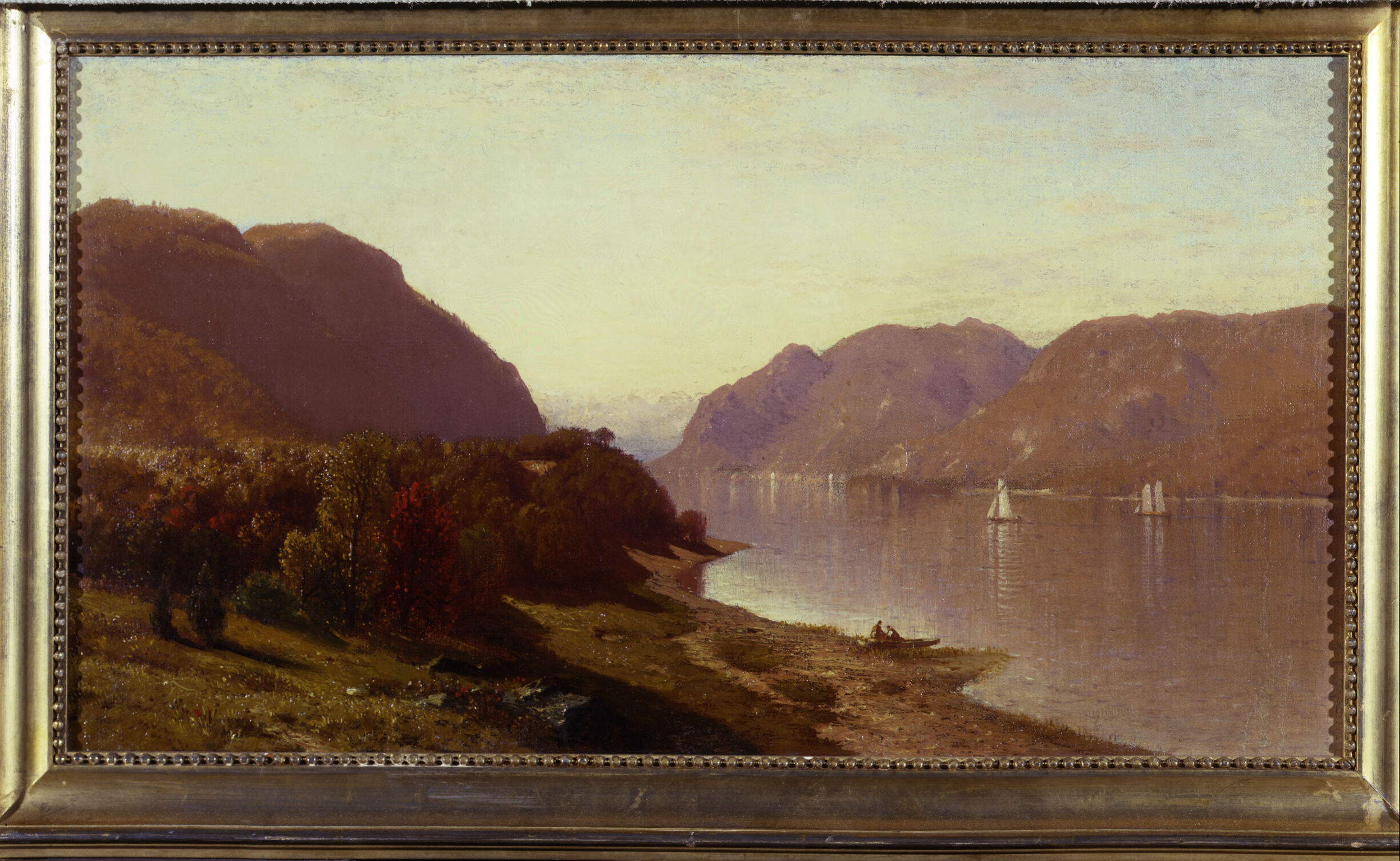
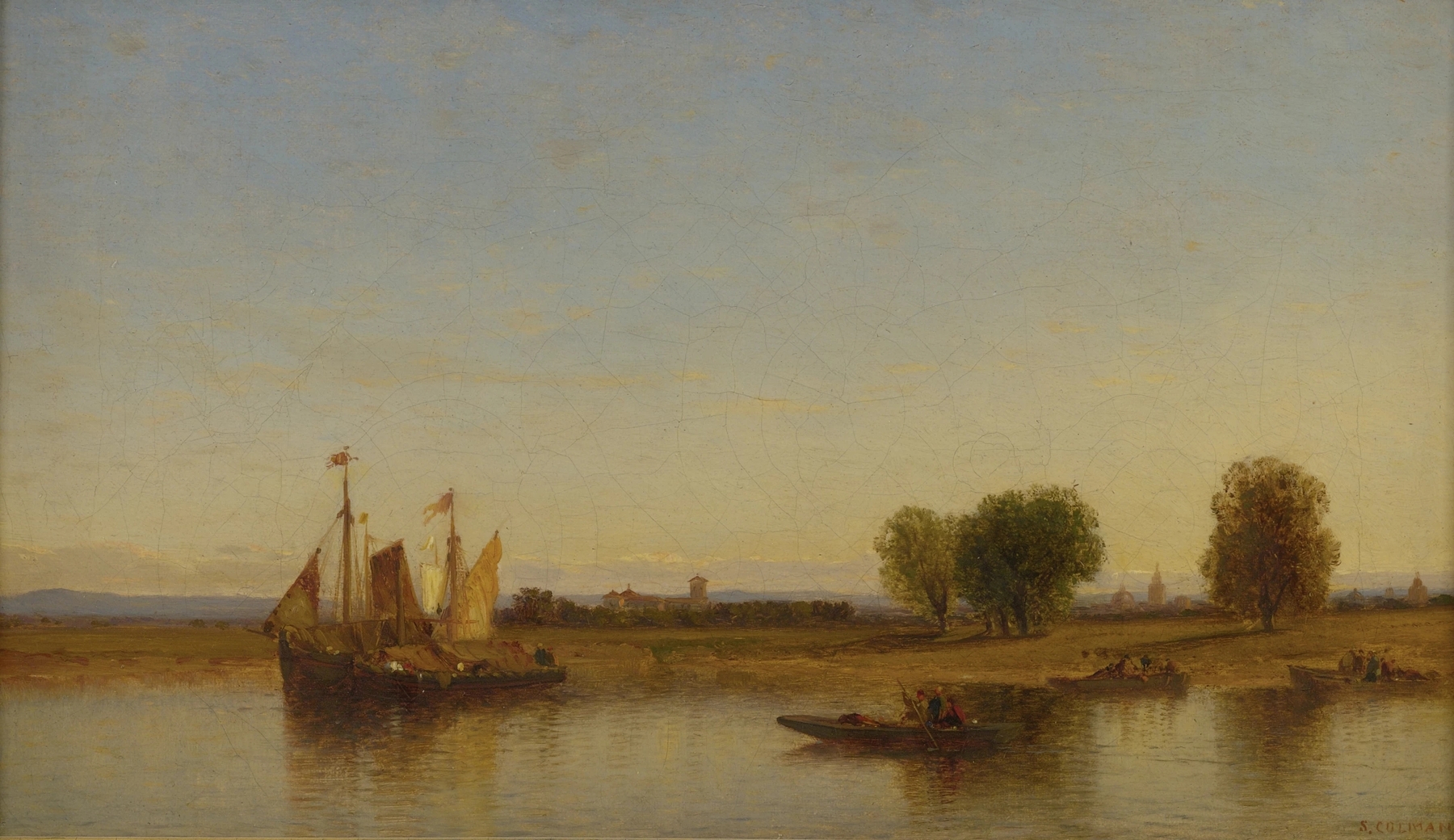
“Every brushstroke is a heartbeat remembered.” In the quiet depths of Saw Mill Valley, Pennsylvania, fear lingers beneath the surface of serene beauty, whispering to those who dare to look closer. Focus on the vibrant greens that sweep across the canvas, drawing your gaze towards the tranquil yet foreboding valley. Notice how the light dances on the water's surface, casting a shimmering reflection that mingles with the shadowy outlines of the trees. The delicate brushwork captures the rustling leaves, while the stillness of the water evokes a sense of unease, as if nature herself holds a secret just out of sight.
The contrasting elements of light and darkness suggest a deeper emotional tension. The lush foliage symbolizes life and growth, juxtaposed with the tranquil waters that mask potential peril. The distant mountains loom like guardians, evoking a sense of isolation and fear of the unknown. Every detail invites contemplation, urging viewers to ponder what lies beyond the idyllic façade of the landscape.
Created during a time when nature was celebrated in American art, the work emerged from an artist grappling with the intersection of beauty and danger. Samuel Colman painted this piece in the late 19th century, a period marked by exploration and the Romantic idealization of wilderness. As artists sought to capture the American landscape, Colman’s interpretation reflects both reverence for nature and an acknowledgment of its darker, more primal aspects.