Finish—First International Race for America’s Cup, August 8, 1870 — History & Analysis
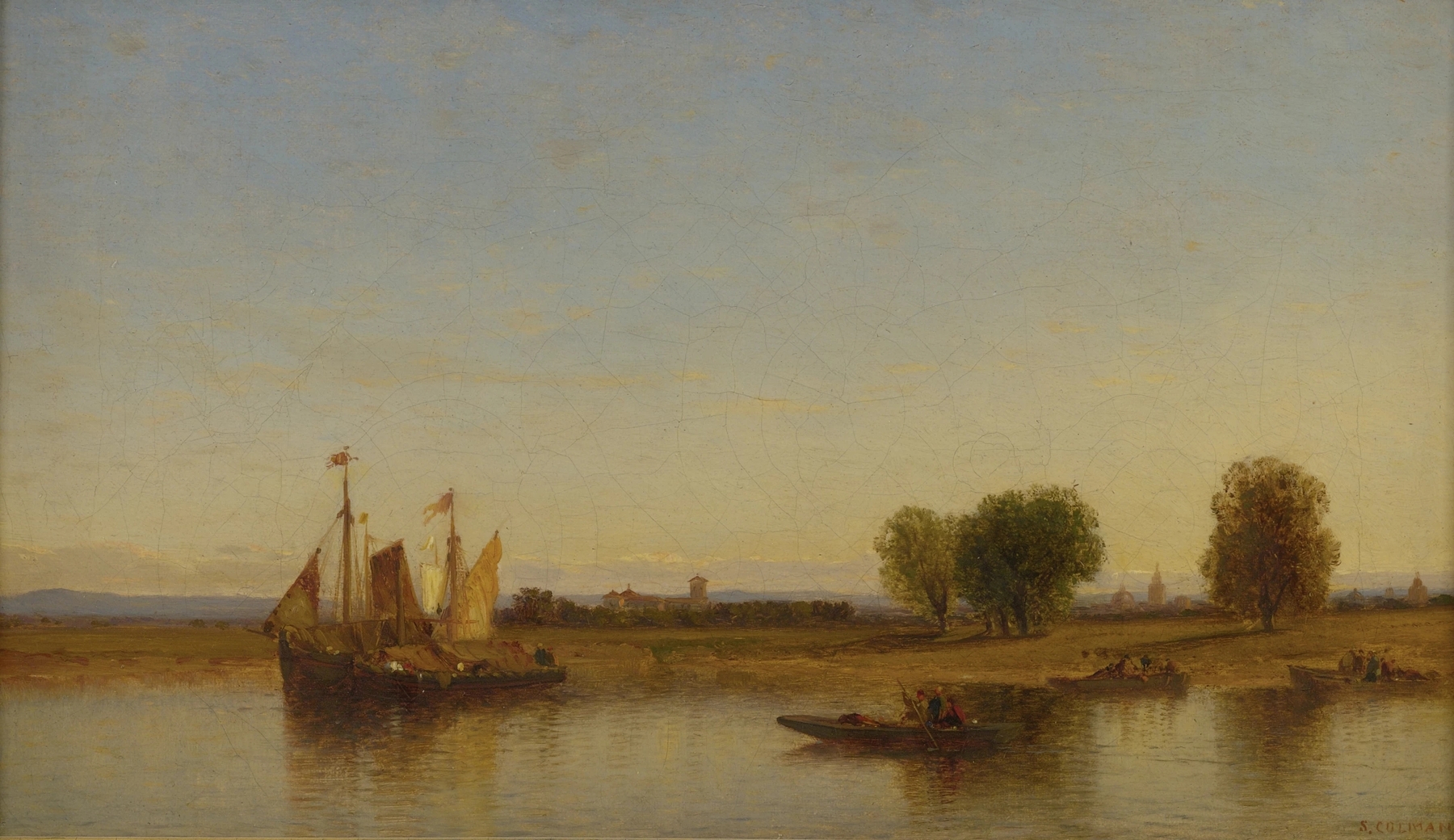
Could a single brushstroke hold eternity? In Finish—First International Race for America’s Cup, August 8, 1870, the spirit of competition and the thrill of maritime adventure are captured with extraordinary dynamism. Look to the left at the vibrant sails, unfurling with the wind, each stroke pulsing with life. The vivid blues and whites intermingle, creating a sense of movement that draws your eye across the canvas, as if you are a spectator at the race itself.
Notice how the artist employs a dynamic composition, with diagonals cutting through the scene, guiding the viewer's gaze toward the finish line, where spectators onshore erupt in jubilant celebration. The juxtaposition of the boats against the clear sky enhances the intensity of the moment, suggesting not just a race, but a clash of human ambition against nature. Delve deeper into the small details: the expressions of the crew, determined yet exhilarated, reveal a tension between hope and the perilous unpredictability of the sea. The rippling water reflects a shifting sky, hinting at an imminent storm, a reminder that triumph often coexists with uncertainty.
The painting encapsulates not just the competition itself, but the broader themes of perseverance and human connection to the natural world, inviting reflections on the fleeting nature of victory. In 1870, Samuel Colman painted this piece during a time when the United States was embracing technological advancements and a burgeoning national identity. The race represented a pivotal moment in American history, symbolizing not just a sporting event but a growing confidence in maritime prowess. Colman, who was deeply involved in the Hudson River School, infused his work with a romanticized vision of nature and commerce, capturing the zeitgeist of the era while marking a significant achievement in American art.