Storm King on the Hudson — History & Analysis
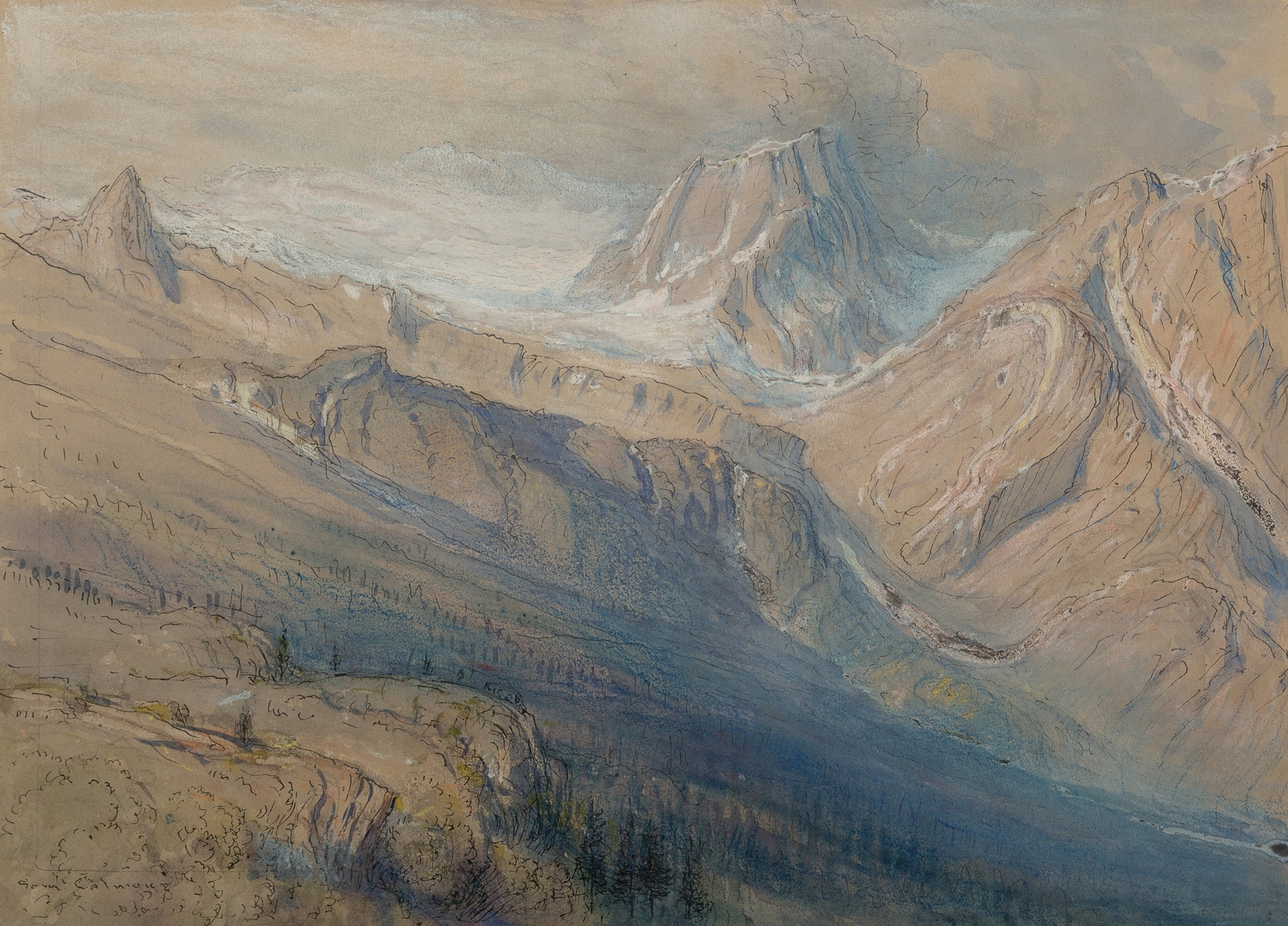
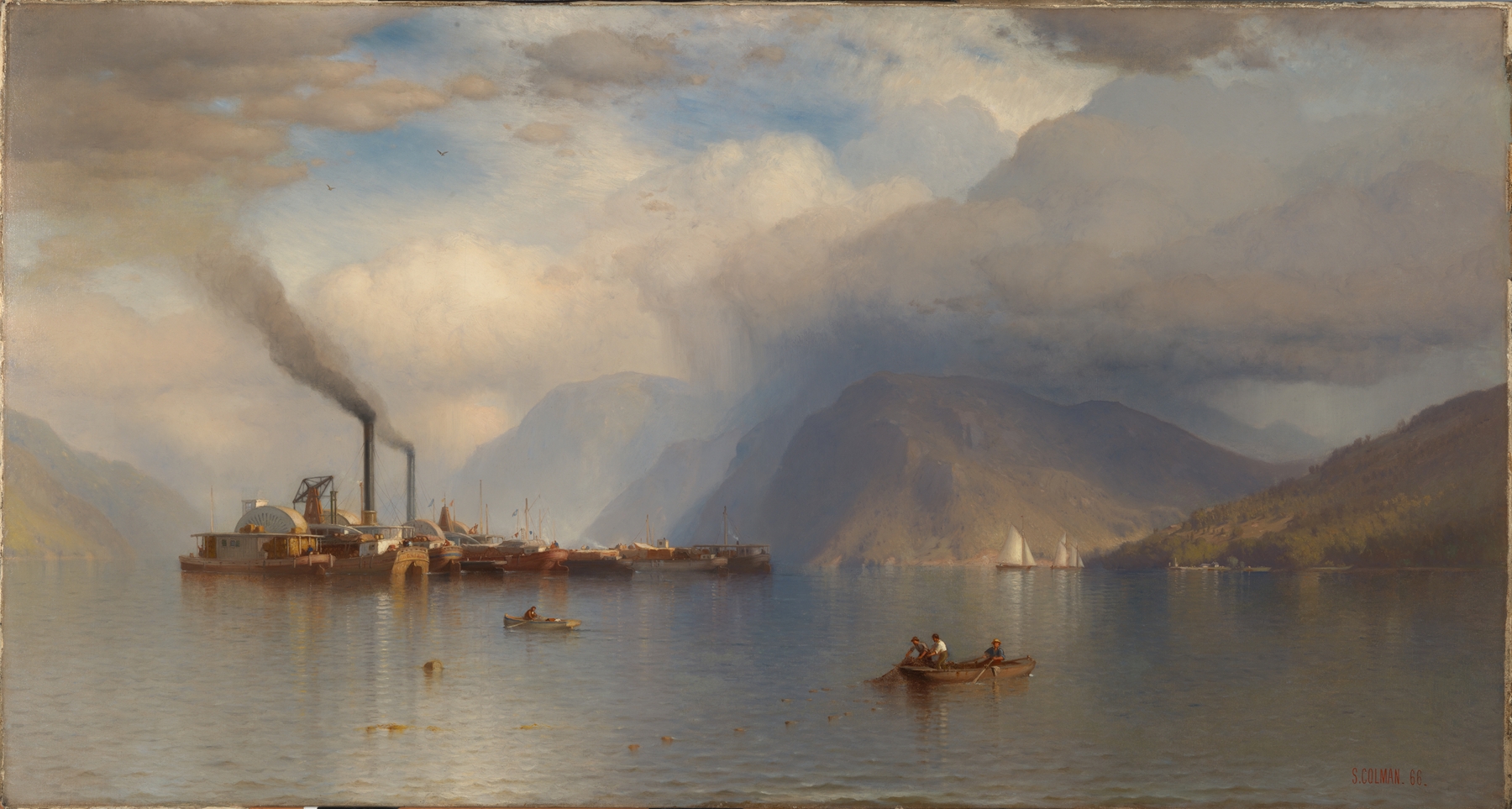
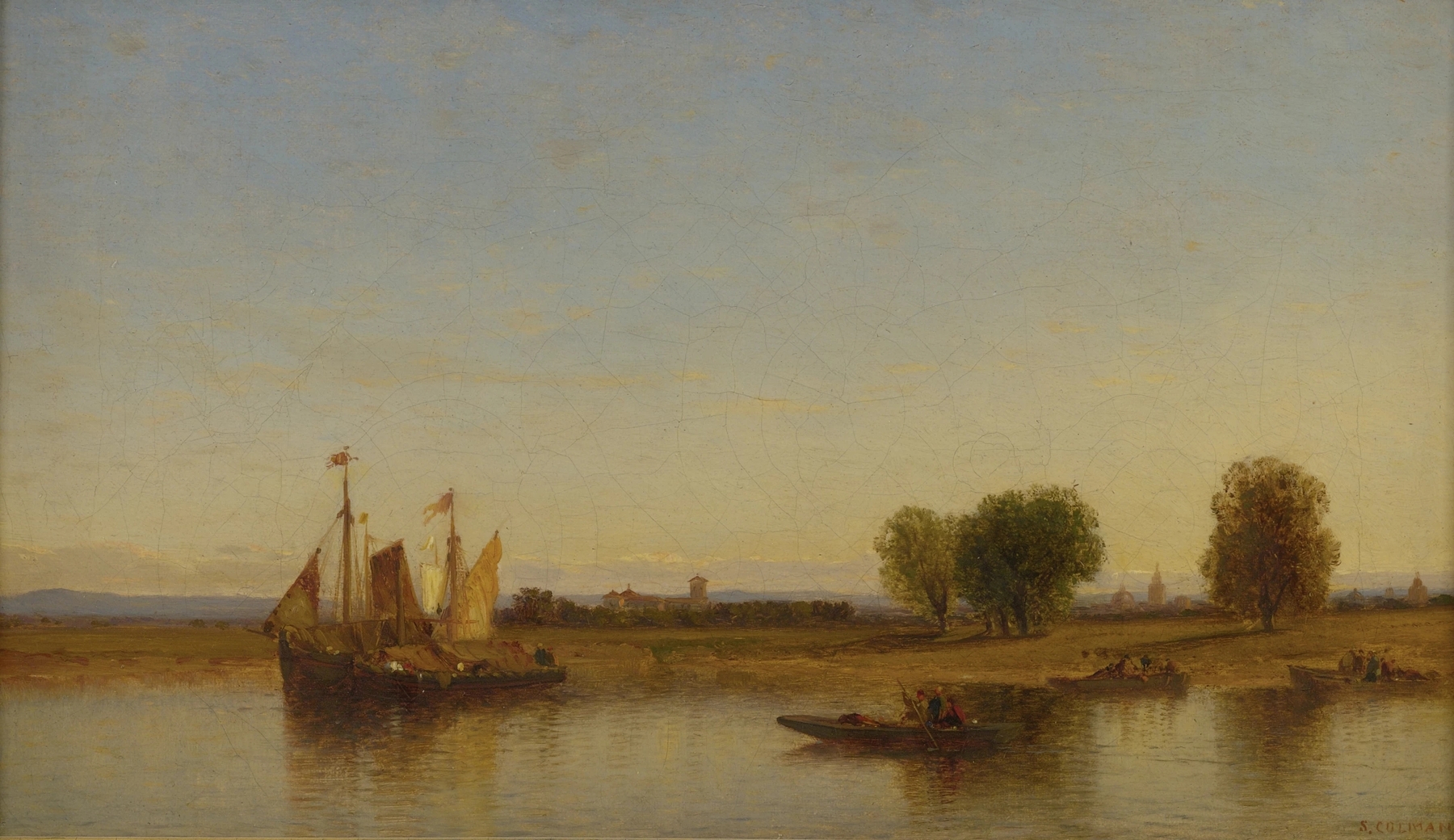
Could a single brushstroke hold eternity? In Storm King on the Hudson, the essence of nature's ecstasy unfurls across the canvas, inviting the viewer to dive into a world that transcends mere representation. Look to the left, where the sun spills golden light over the rugged peaks, each ridge a careful stroke that balances realism with impressionism. Focus on the fluid movement of the clouds, swirling like whispers of the wind, while the river meanders with a reflective calm beneath the tumultuous sky.
The palette of deep greens, blues, and warm yellows creates a harmonious tension, illustrating the duality of chaos and serenity that the Hudson River embodies. This artwork captures not just a landscape but the emotional undercurrents of its time. The juxtaposition of the stormy sky, laden with drama, against the tranquil river evokes a sense of foreboding yet reinforces a sublime connection to nature. Each element—the towering mountains, the flowing water, and the shifting skies—whispers stories of contrast: stability amidst change, peace within turmoil.
Colman's meticulous technique draws the eye to these contrasts, allowing viewers to reflect on their own experiences of nature’s unpredictable beauty. During the late 1860s, Colman painted this piece while immersed in the burgeoning American landscape movement, a time when artists celebrated the raw, untamed splendor of the continent. Living in New York, he observed the profound transformations as the country grappled with post-Civil War realities. His work resonates with a collective longing for connection to the natural world, reflecting both personal and national rebirth amid a tumultuous era.