Evening Before Market at Tangiers — History & Analysis
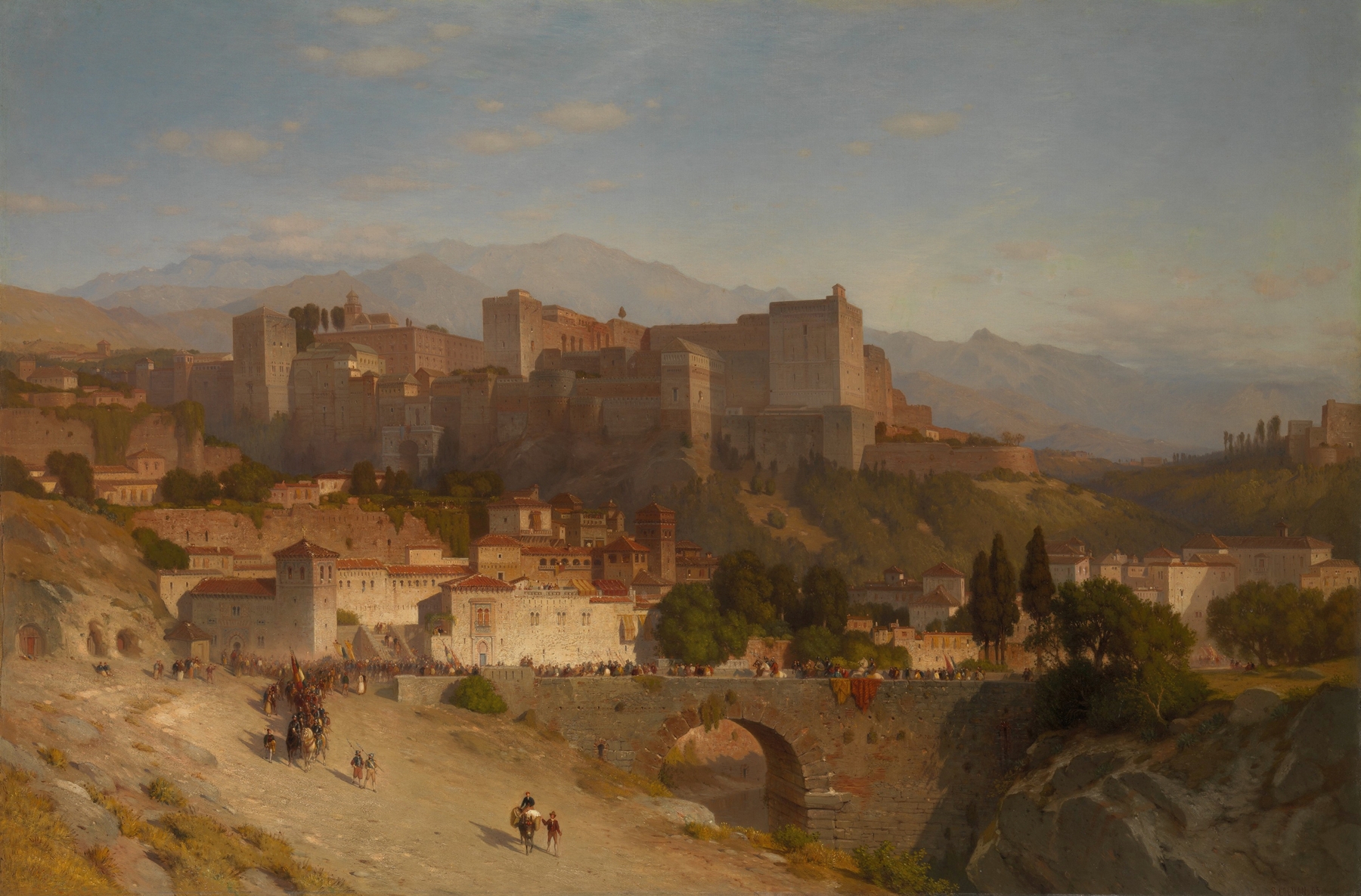
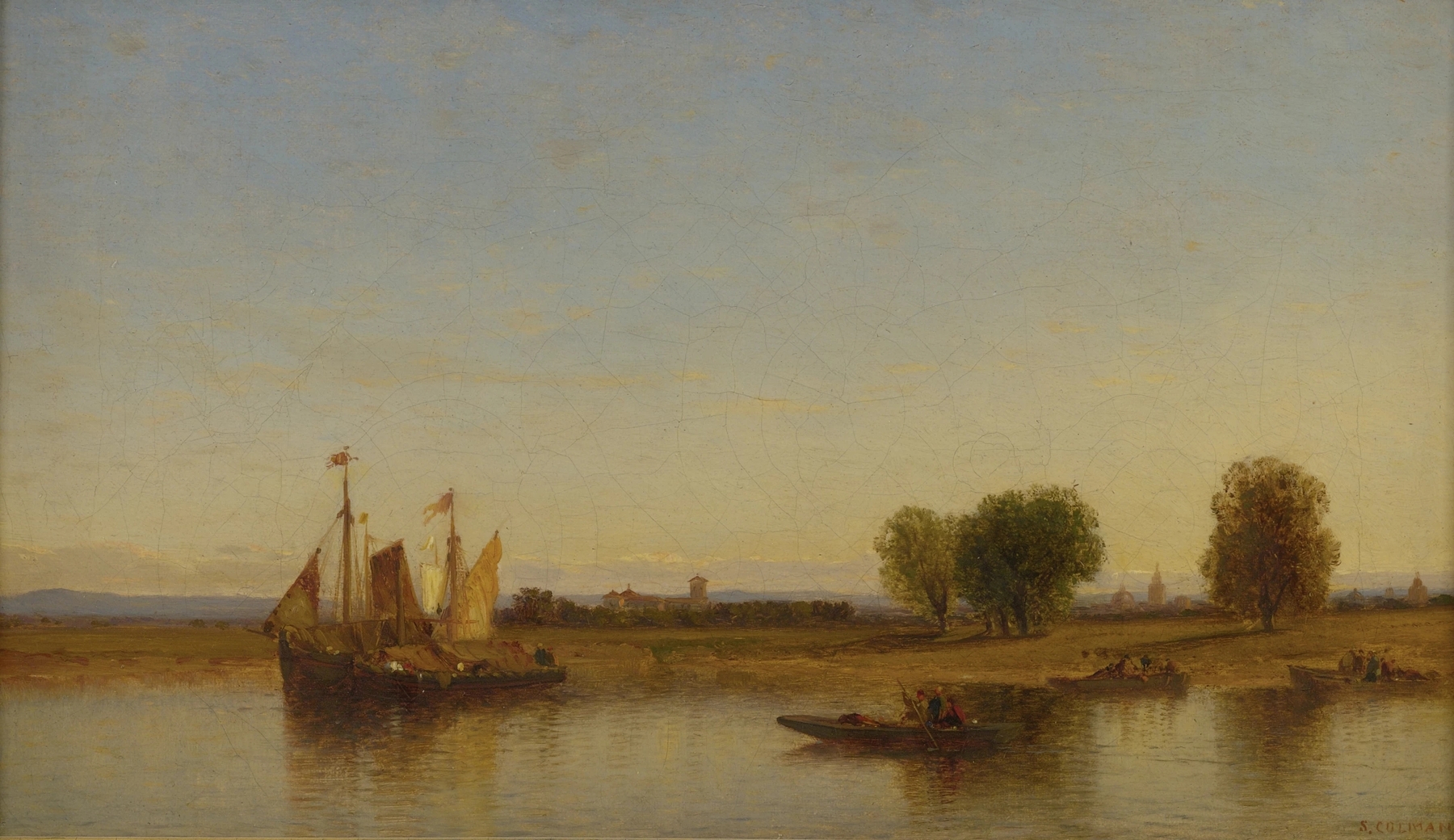
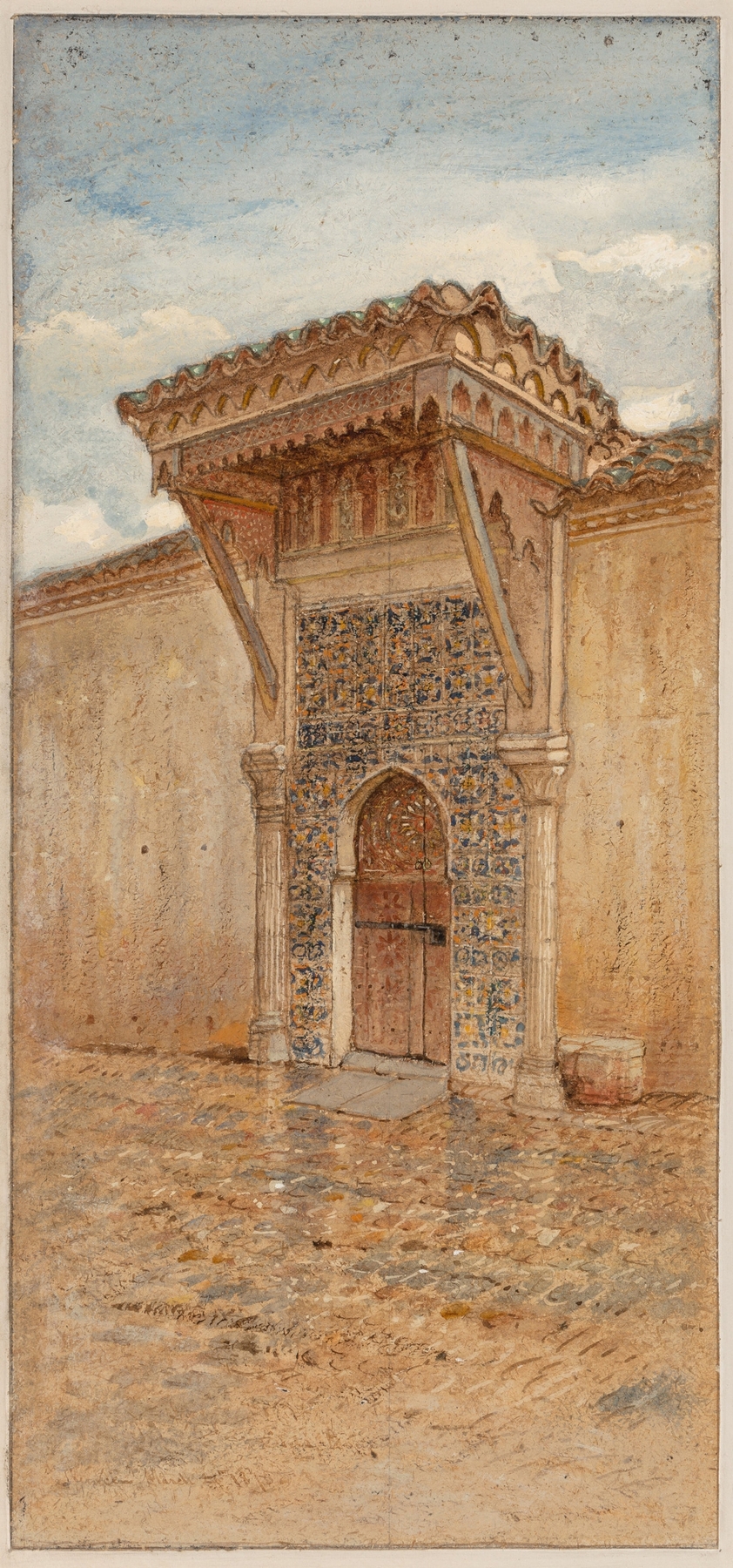
“The canvas doesn’t lie — it simply waits.” In that stillness lies an innocence, a moment captured untouched by time. It is here, in the delicate interplay of light and shadow, where dreams and reality blend seamlessly, urging us to delve deeper into the essence of the scene. Look to the left, where the sun's final rays cast a golden hue over a bustling market preparing for the night. The composition gracefully leads the eye across the canvas, from the shaded stalls to the meridian of dusk.
Notice how soft brush strokes emulate the texture of the fabric hung for sale, while contrasting colors of rust and ochre breathe life into this intimate tableau. Colman’s expert use of light illuminates not just objects but the very air, infusing the marketplace with an inviting warmth. As you explore further, consider the subtle emotional tensions portrayed in the figures — a merchant’s hopeful glance, a child’s innocent wonder. The stalls, laden with wares, echo a sense of anticipation and the promise of evening delights.
This setting, pulsating with vitality, becomes a poignant reminder of the fleeting nature of innocence caught in the rush of life, where every color and detail has its own story to tell. In 1870, Samuel Colman was in his prime, embracing the American landscape and its vibrant cultures. Residing in New York, he sought inspiration from the exotic locales of Europe and North Africa, reflecting the evolving art scene that was beginning to embrace impressionistic tendencies. The world was on the cusp of modernity, and Colman's work serves as a bridge between the past's romantic ideals and the emergent expressions of tomorrow.