Storm King on the Hudson — History & Analysis
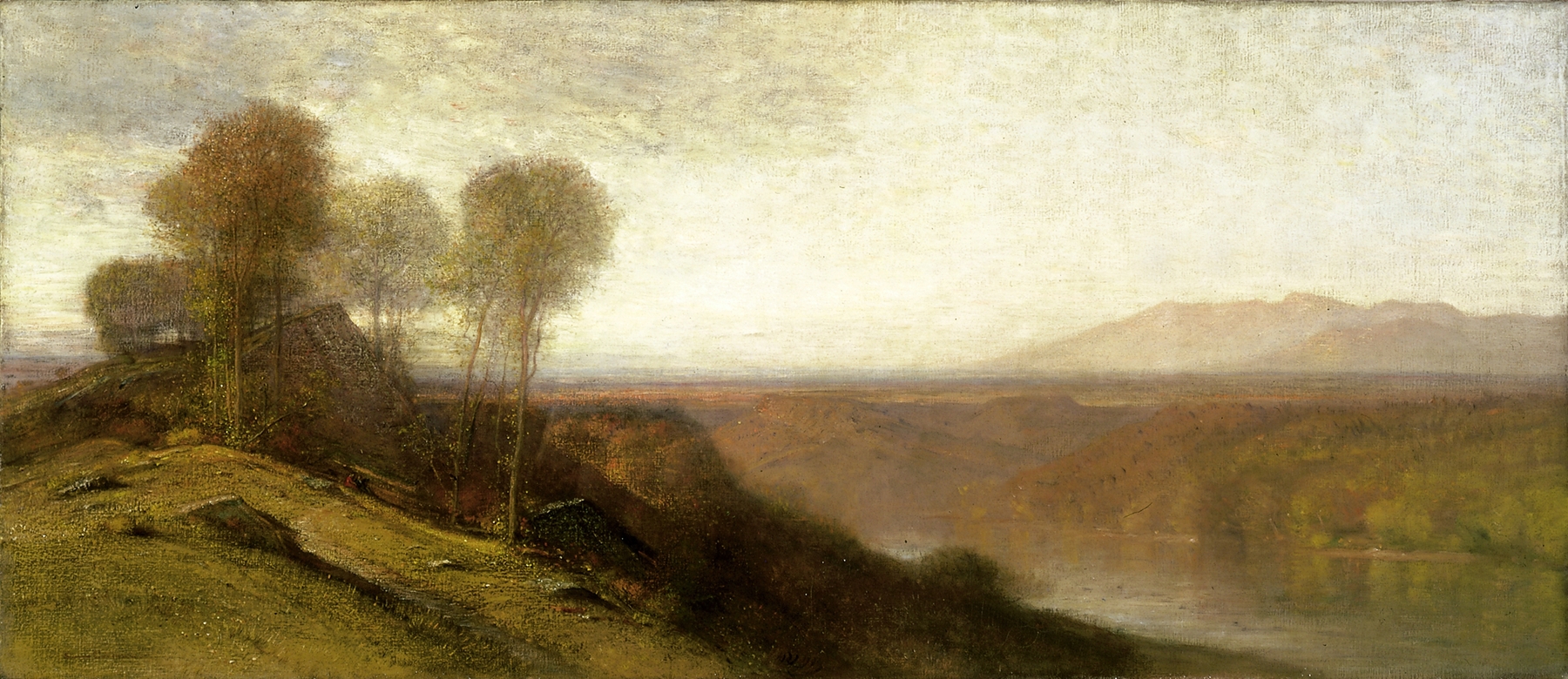
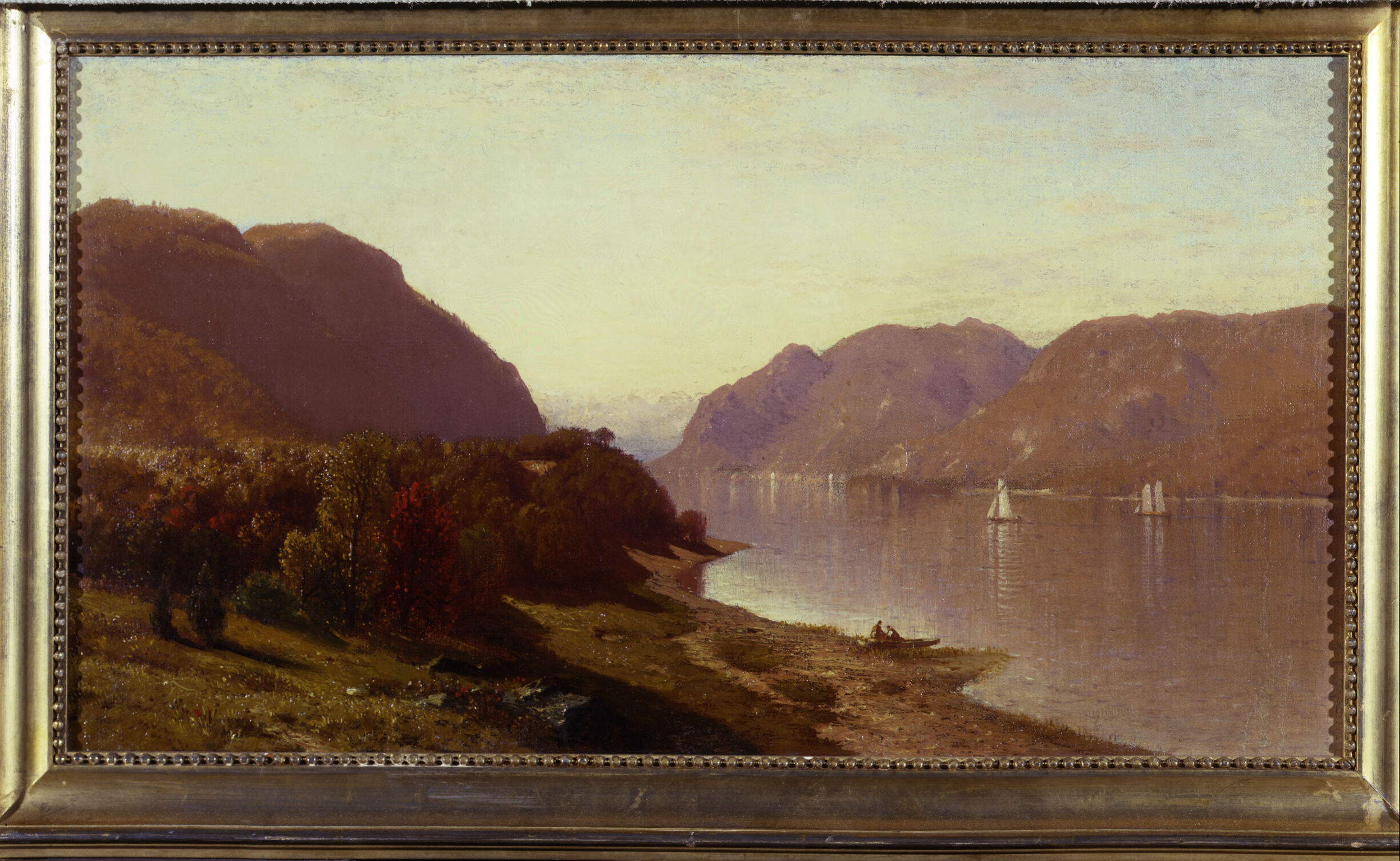
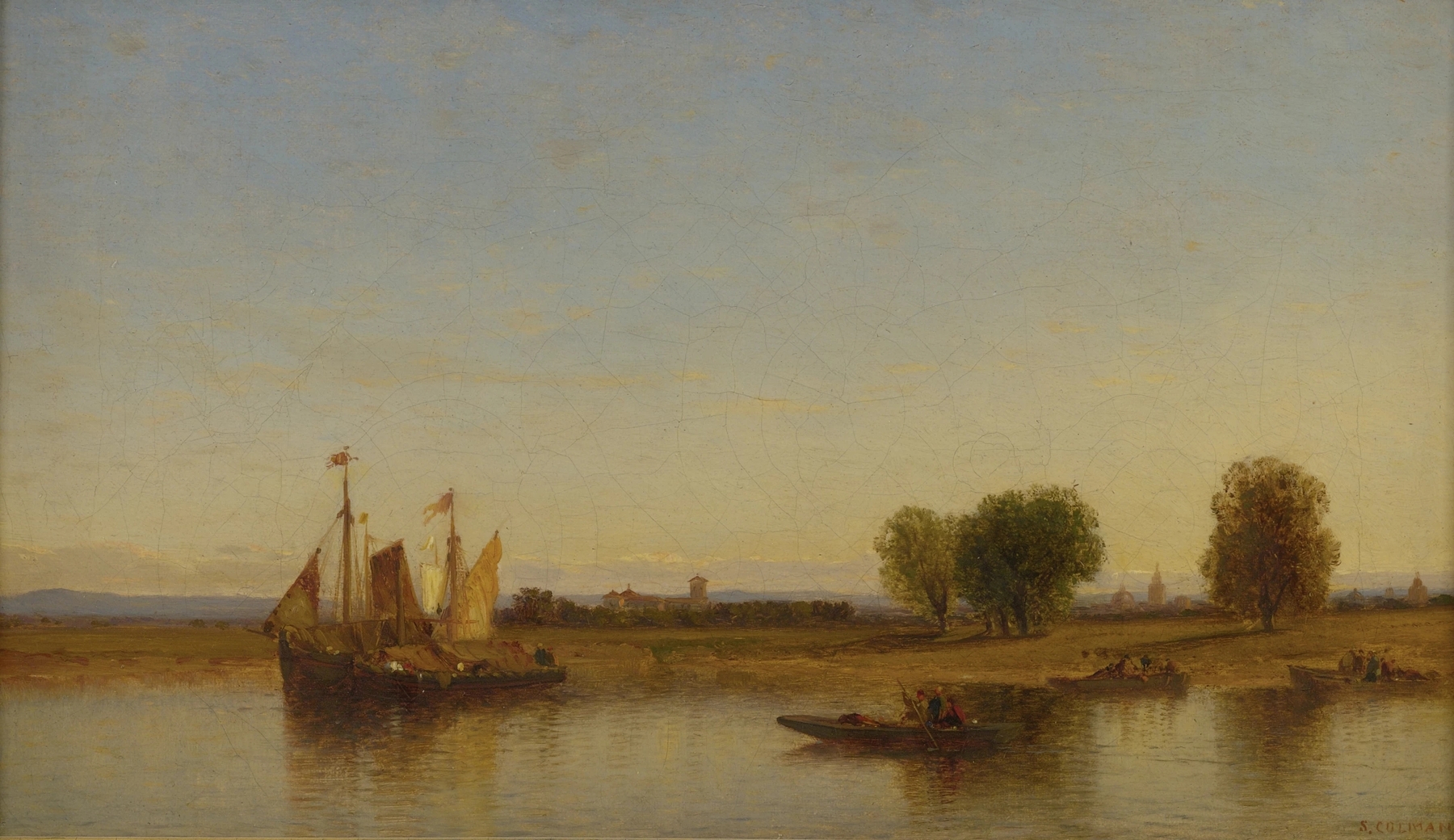
Where does light end, and longing begin? In the interplay of color, Samuel Colman's Storm King on the Hudson invites us to ponder the convergence of nature's majesty and the human heart's yearning. Look to the top left, where the sun breaks through a veil of clouds, painting the sky in luminous golds and shimmering blues. The sweeping curves of the river draw the eye towards the distant mountains, their muted greens and browns grounding the scene in the earth. Notice the gentle brushstrokes that capture the fluidity of water, reflecting not just the colors above but also the emotions of the moment.
The palette vibrates with energy, contrasting the calmness of the landscape with an underlying sense of impending change. As the viewer, you may feel the tension between the soft tranquility of the foreground and the stormy drama unfolding above. The river, a symbol of life's journey, flows steadily amid the looming storm clouds, suggesting the duality of hope and despair. This painting resonates with a sense of longing, evoking the complexities of human experience against the backdrop of nature’s grandeur.
The light, fleeting yet eternal, serves as a reminder of both beauty and the transient nature of life itself. Colman painted this work in 1866, during a period of artistic exploration in the Hudson River School movement, which sought to capture America's natural landscapes. At this time, he was deeply influenced by the Romantic ideals of nature's sublime power, reflecting broader cultural shifts in the United States. The tumultuous political climate and rapid industrialization underscored a yearning for the pastoral, making this painting both a personal and collective expression of the era’s sentiments.