Kanawha River Valley — History & Analysis
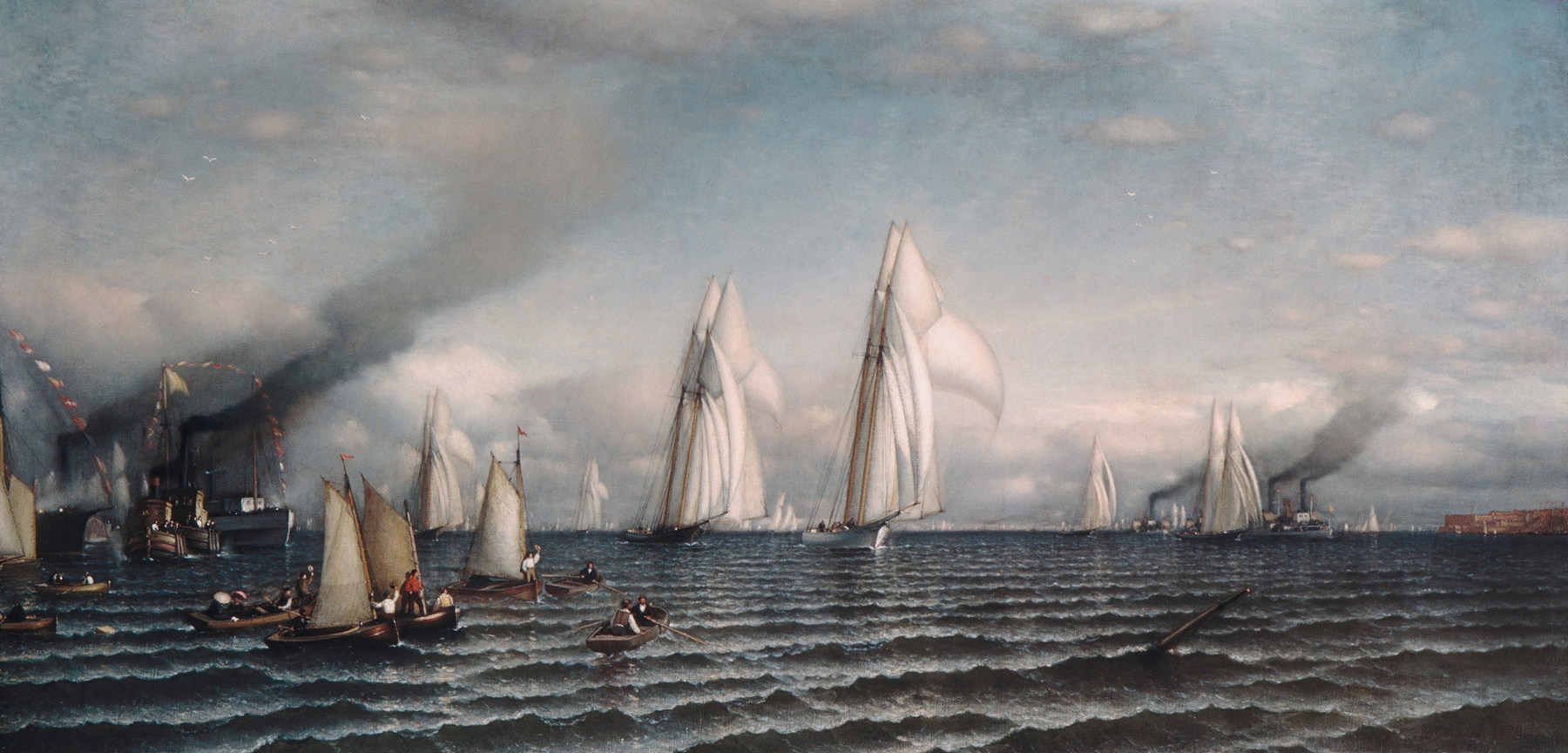
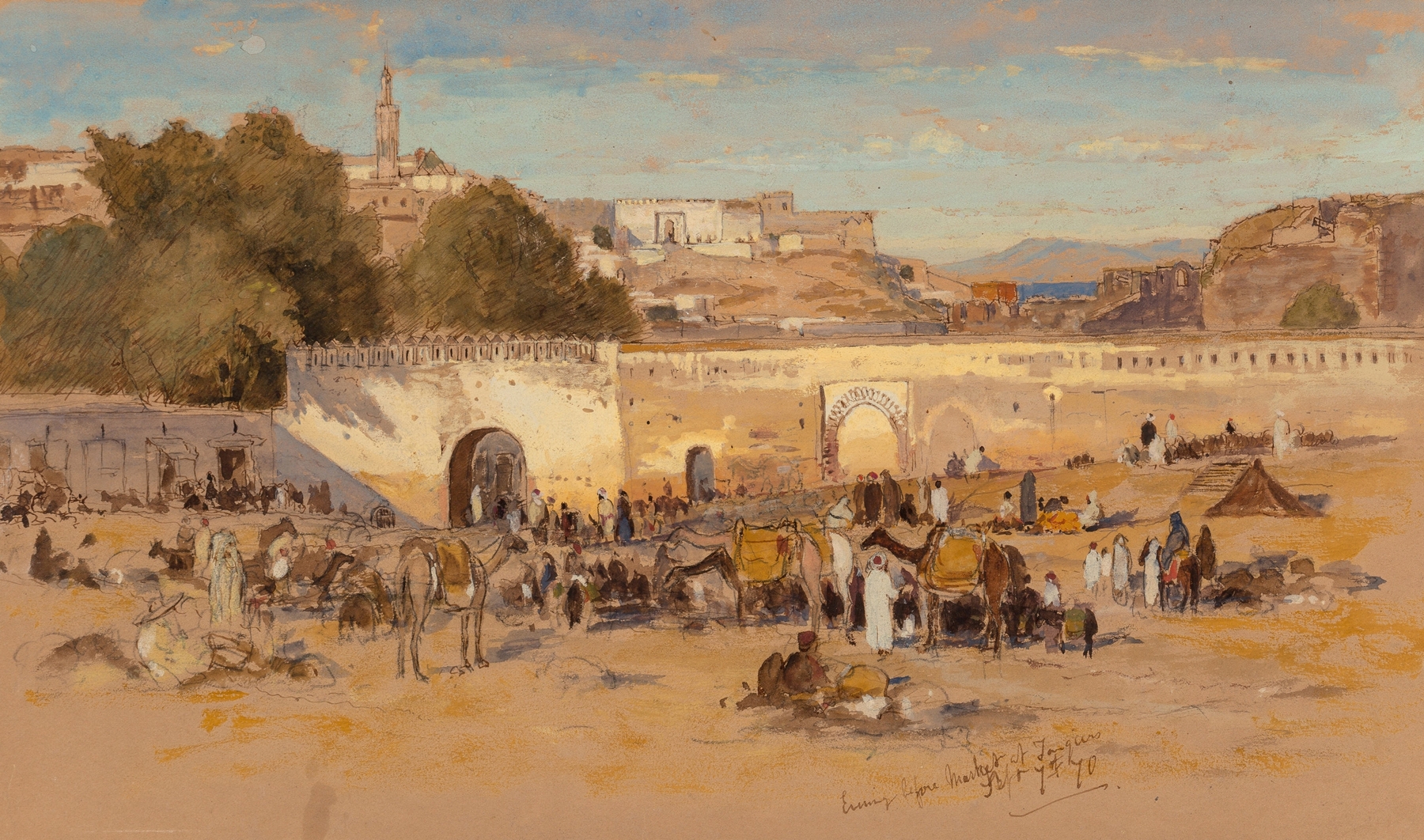
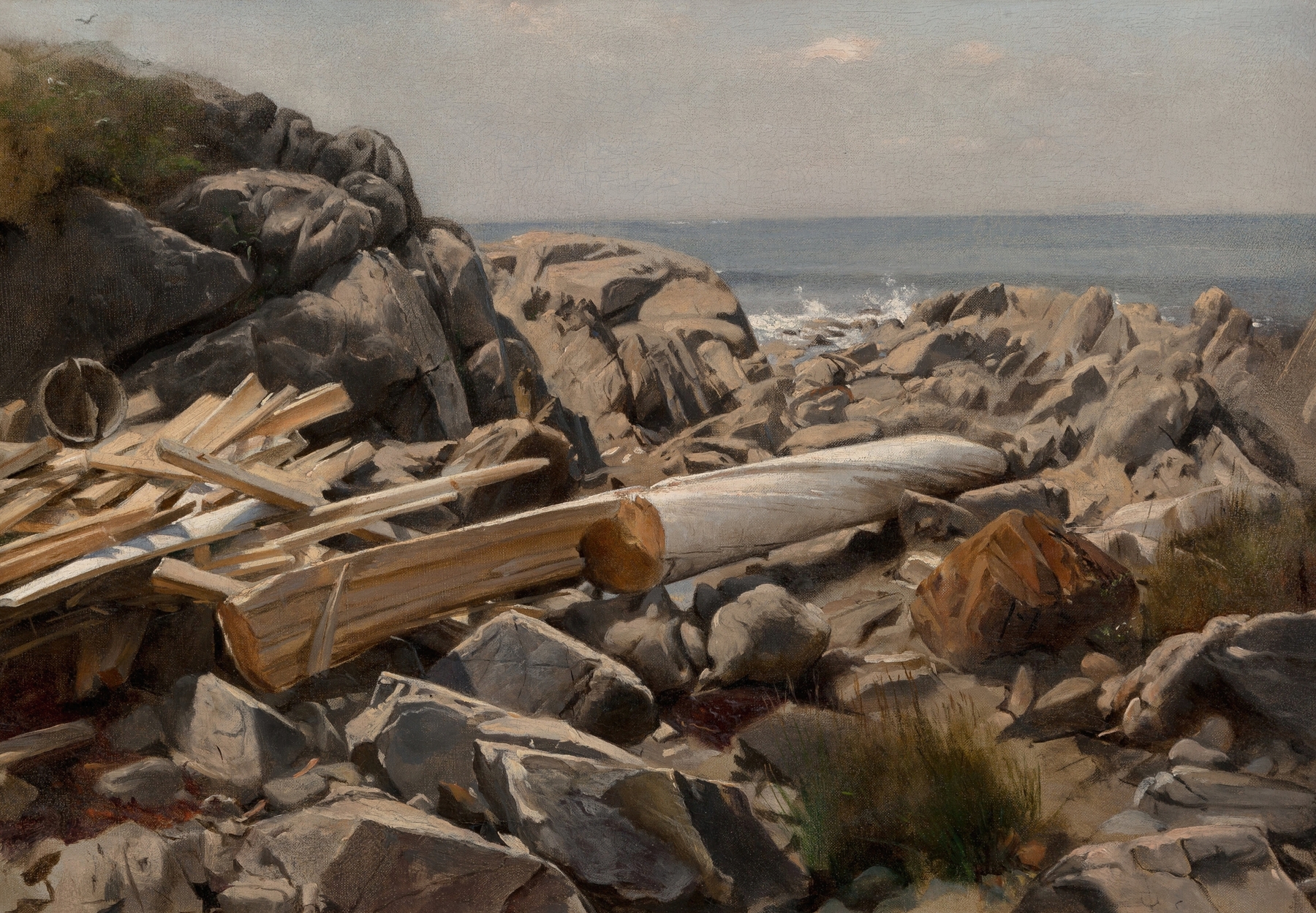
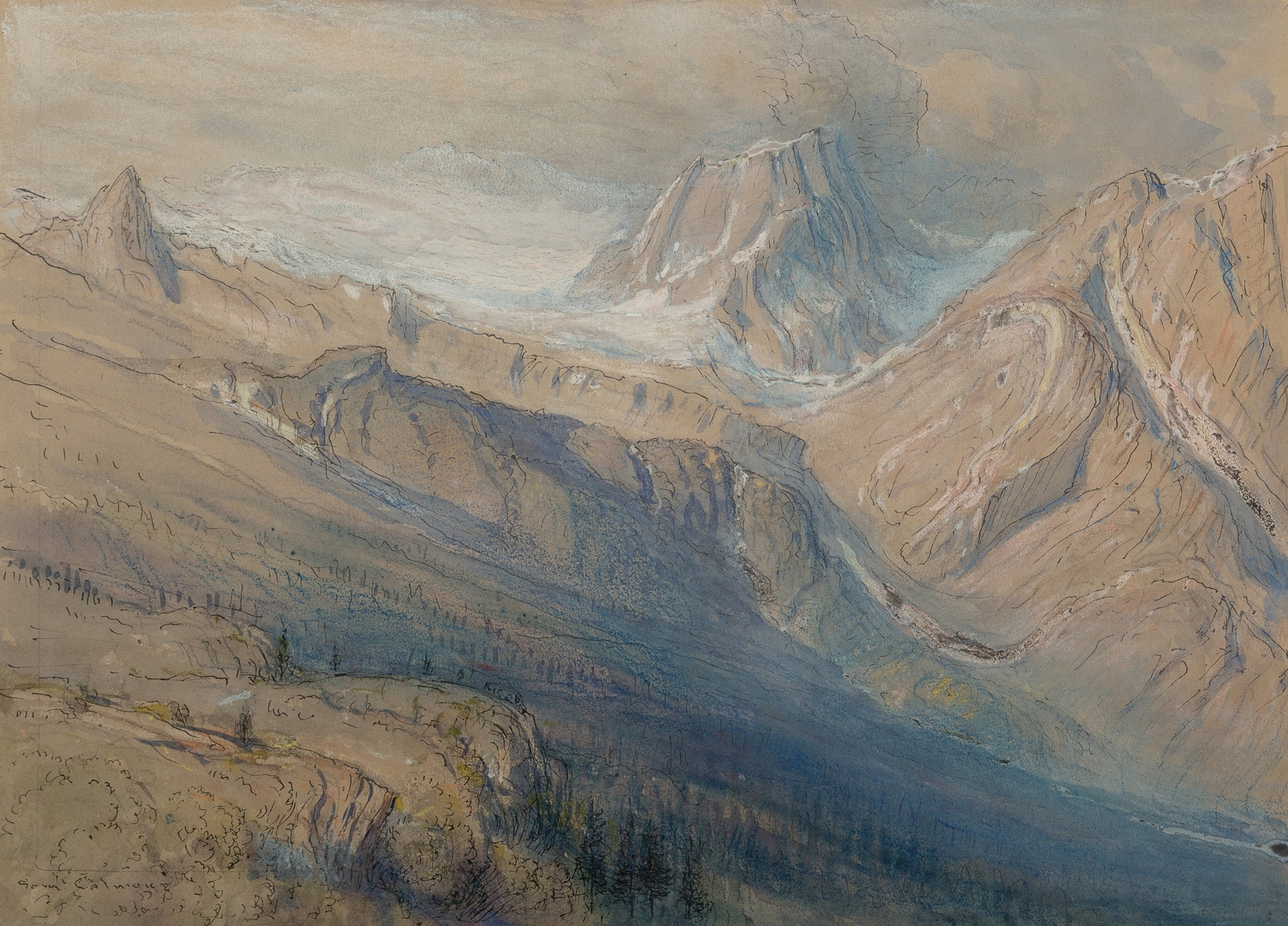
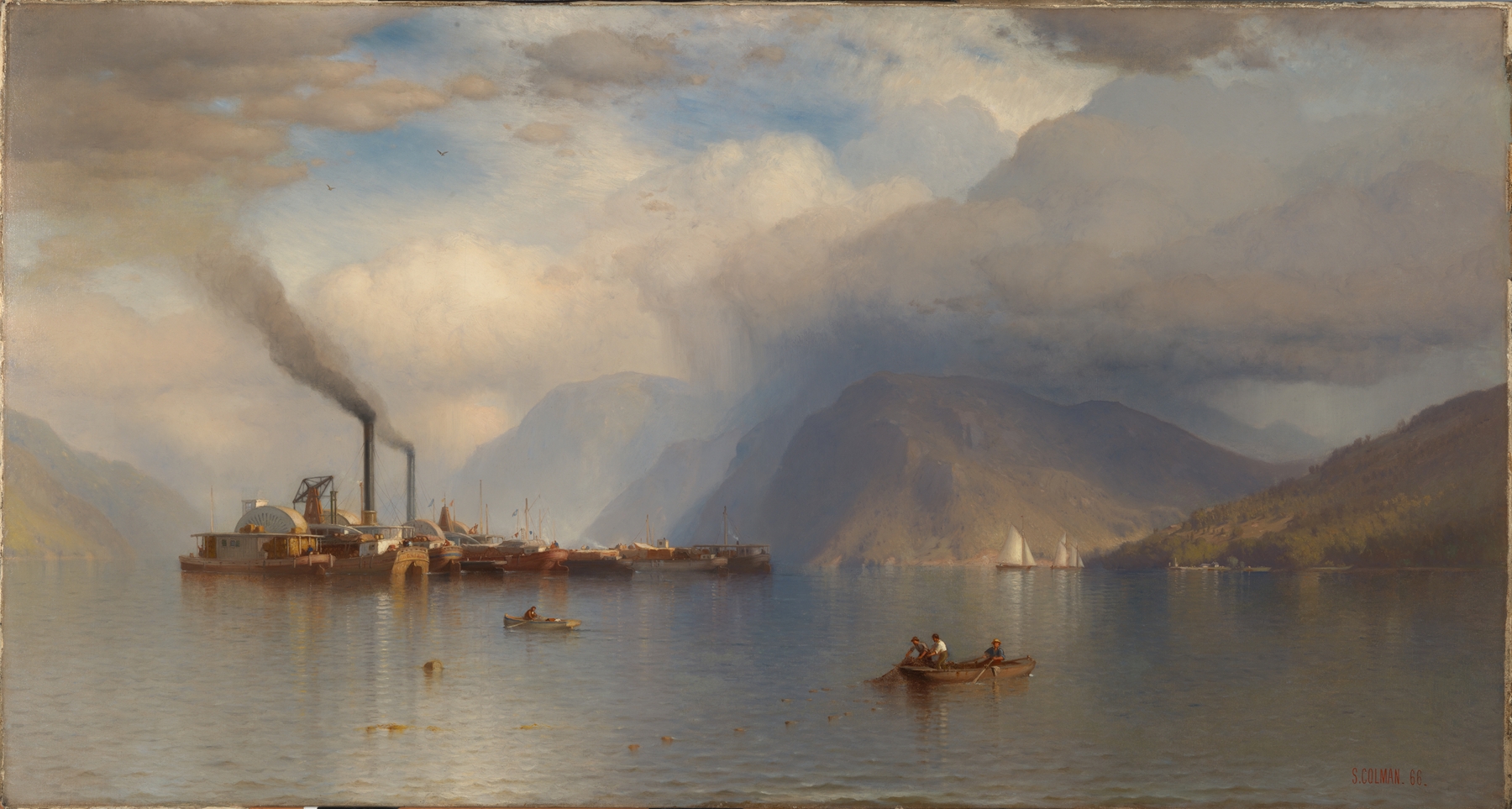
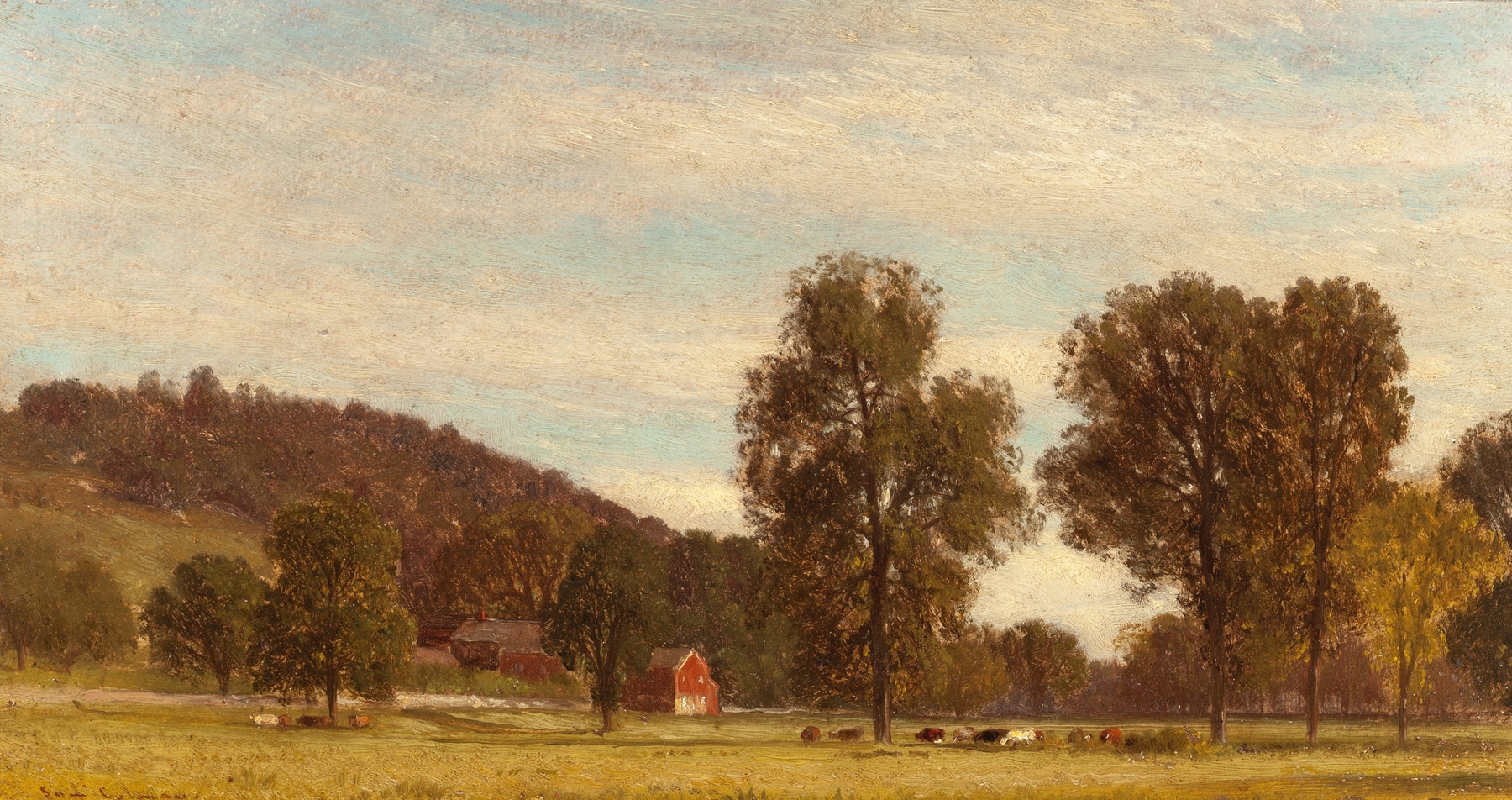
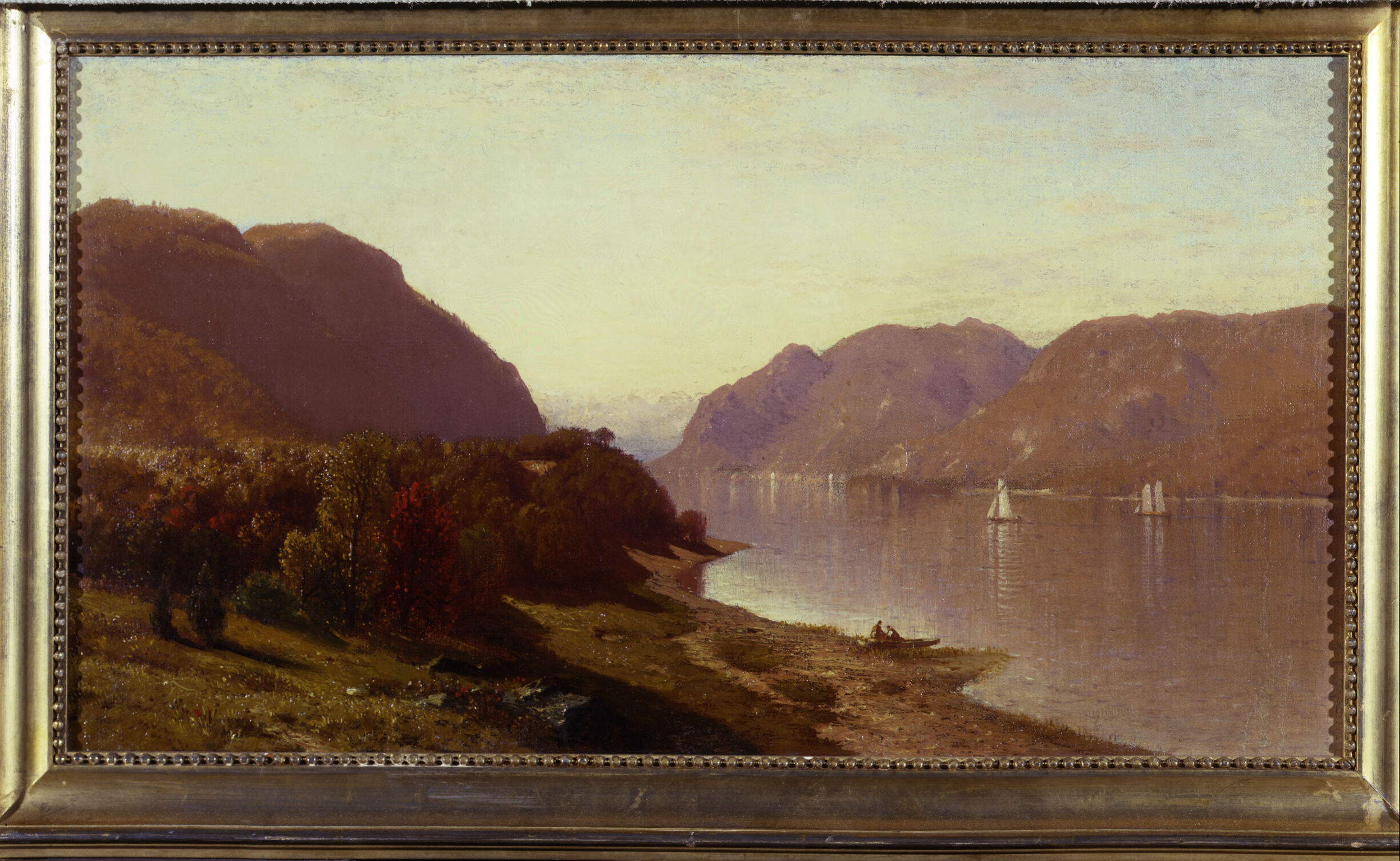
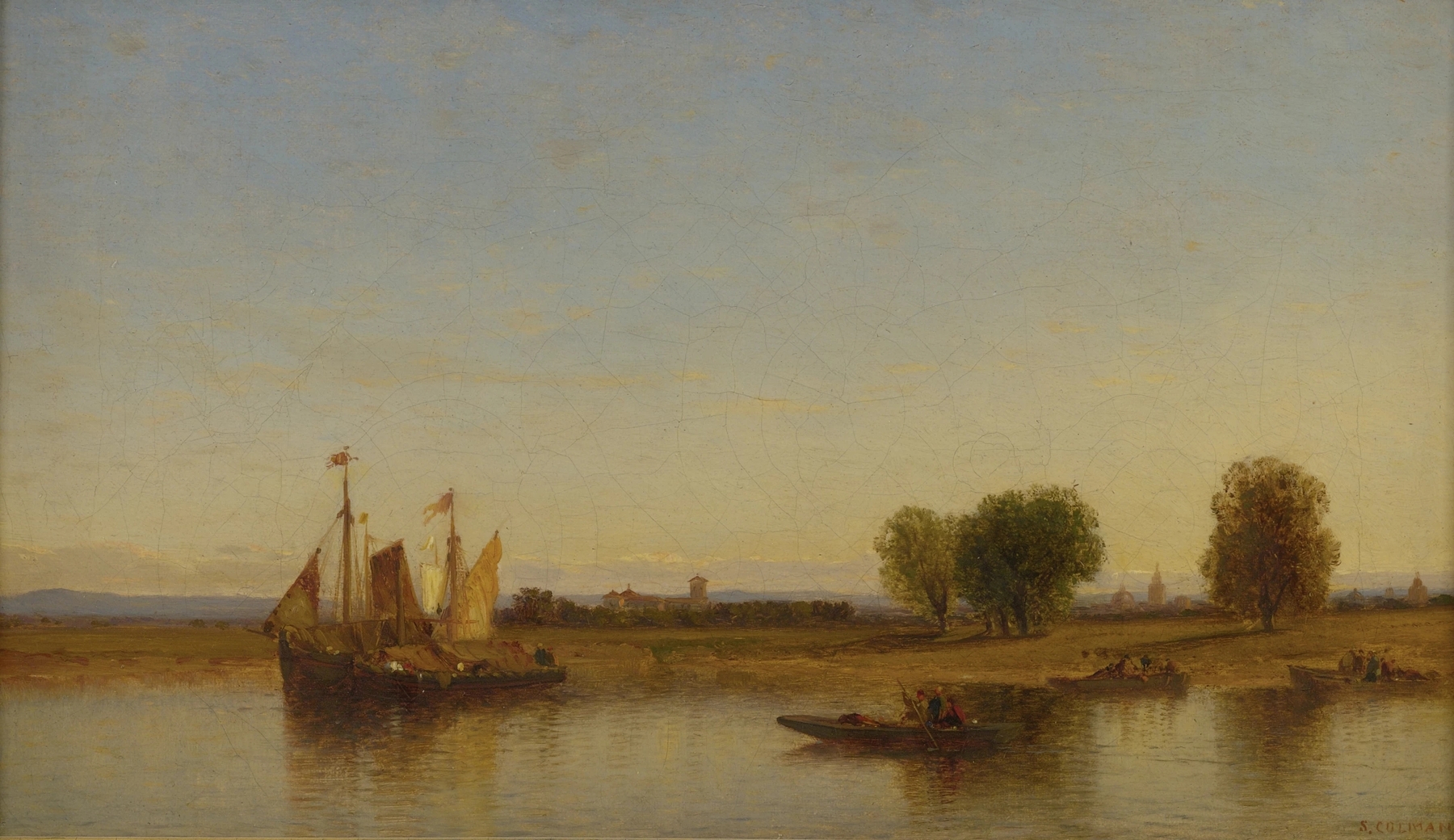
“The canvas doesn’t lie — it simply waits.” In the vast expanse of creation, it holds a mirror to nature, beckoning us to reflect on the world around us. Focus on the gentle undulations of the hills, where deep greens blend with the muted browns of the earth. Notice how the light dances on the surface of the river, glistening in soft, rippling waves that guide your gaze into the distance. The composition draws you inward, inviting contemplation of this serene valley enveloped in the embrace of towering trees.
Colman’s deft brushwork captures the interplay of shadow and light, creating a palpable sense of atmosphere that invites tranquility. Hidden within this landscape is a profound tension between the serenity of nature and the fleeting quality of time. The stillness of the river contrasts with the vibrant hues of the foliage, suggesting both life and the inevitability of change. This duality hints at a deeper understanding of nature’s cycles, inviting viewers to consider the balance between tranquility and restlessness, creation and decay.
Samuel Colman painted Kanawha River Valley between 1888 and 1890 during a time when the American art scene was flourishing, embracing the ideas of the Hudson River School and exploring the nuances of landscape painting. He found inspiration in the beauty of the natural world, reflecting the romantic ideals of the era and a developing appreciation for the American landscape amid industrial expansion. This period marked a significant evolution in his technique, as he sought to convey the spiritual essence of the environment around him.