A Rocky Landscape with a Hermit — History & Analysis
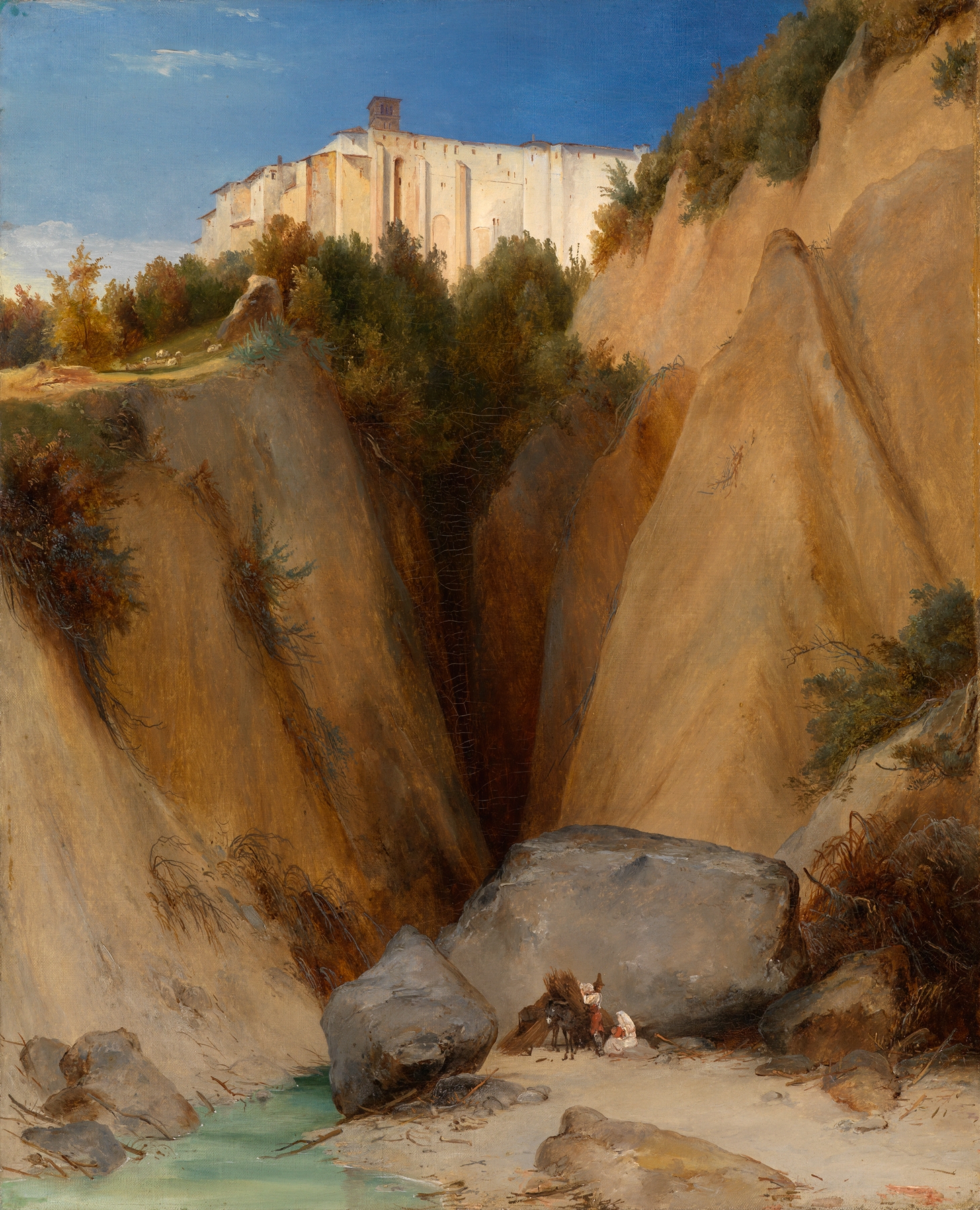
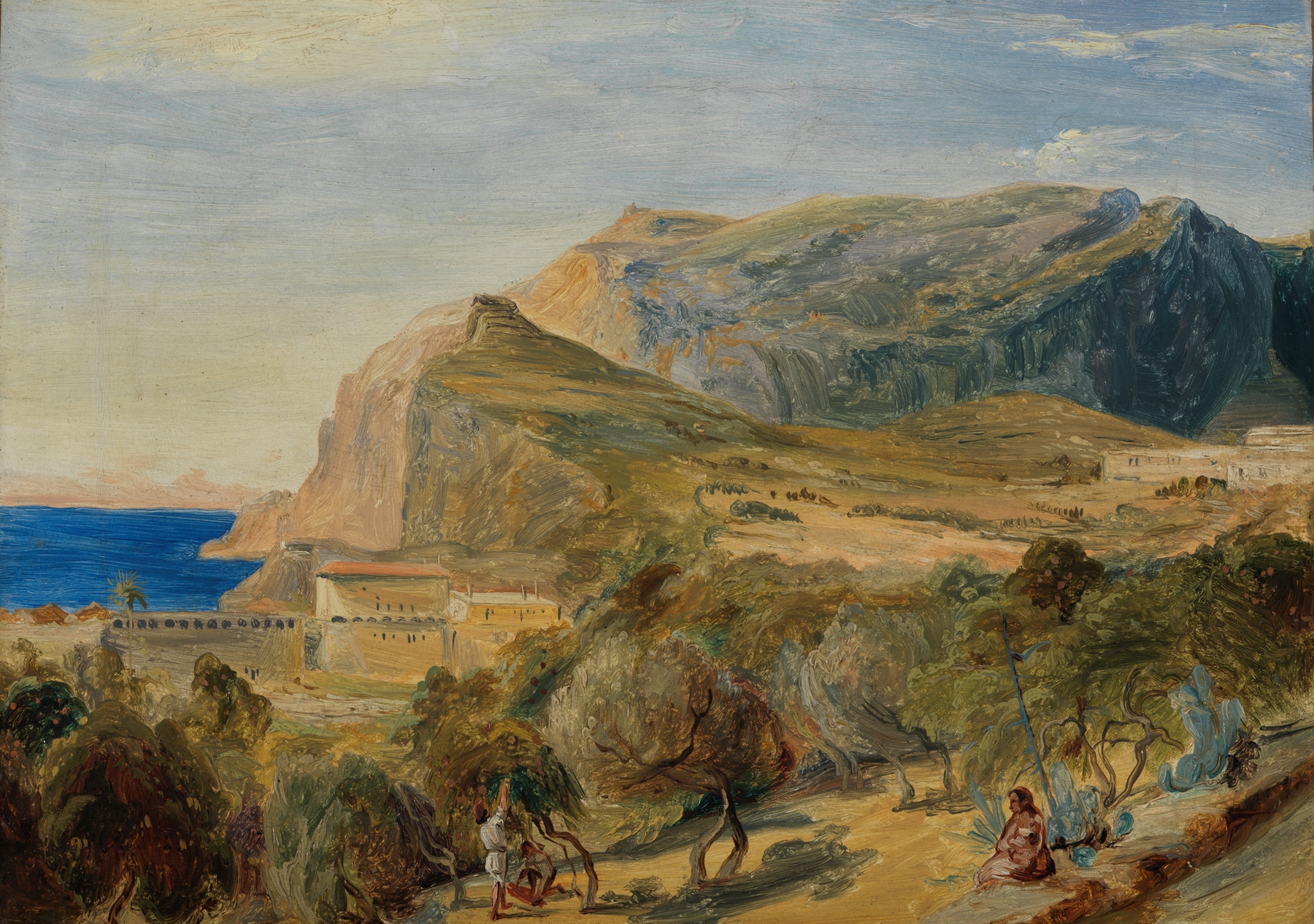
“Between color and silence, truth hides.” In the stillness of a rocky landscape, the void resonates quietly, inviting introspection. This artwork speaks to the heart of isolation, where each brushstroke seems to echo the solitude of the hermit. Look to the left at the rugged terrain, where sharp rocks jut out from the earth, their jagged edges softened by earthy hues of ochre and green. Notice how the light delicately dances across the surface, casting shadows that emphasize the weight of the hermit's existence. The figure, draped in muted tones, blends almost seamlessly with the landscape, suggesting a profound connection between man and nature.
The sparse color palette enhances the sense of desolation, urging the viewer to reflect on the emotional depth hidden within the silence. The hermit’s gaze seems directed inward, contemplating the void that surrounds him. This tension between the rugged landscape and the figure’s stillness reveals the internal struggle of seeking meaning in solitude. The contrasts of light and shadow mirror the duality of isolation and self-discovery, suggesting that the rocky terrain is not merely a backdrop but an extension of the hermit’s psyche.
Each small detail, from the gentle curve of the hills to the subtle texture of the rocks, speaks to the fragility of existence. During the time A Rocky Landscape with a Hermit was created, Carl Blechen was navigating his own artistic journey amidst the Romantic movement in 19th-century Europe. He painted in Germany, where a growing appreciation for nature and individual experience was emerging as a response to industrialization. This work, rich in emotional resonance, reflects his search for personal expression within the broader context of that transformative era.