A Shepherd and his Flock under the Moon and Stars — History & Analysis
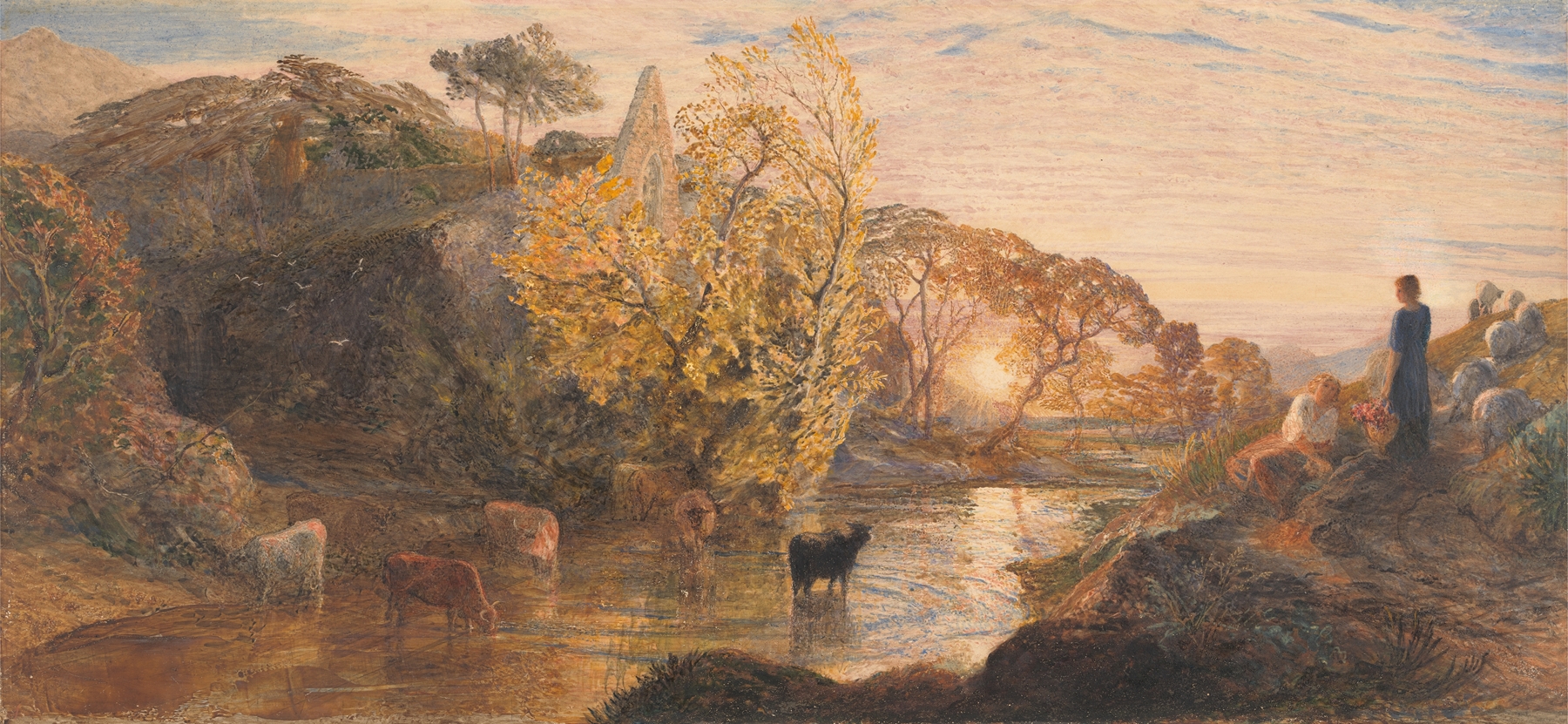
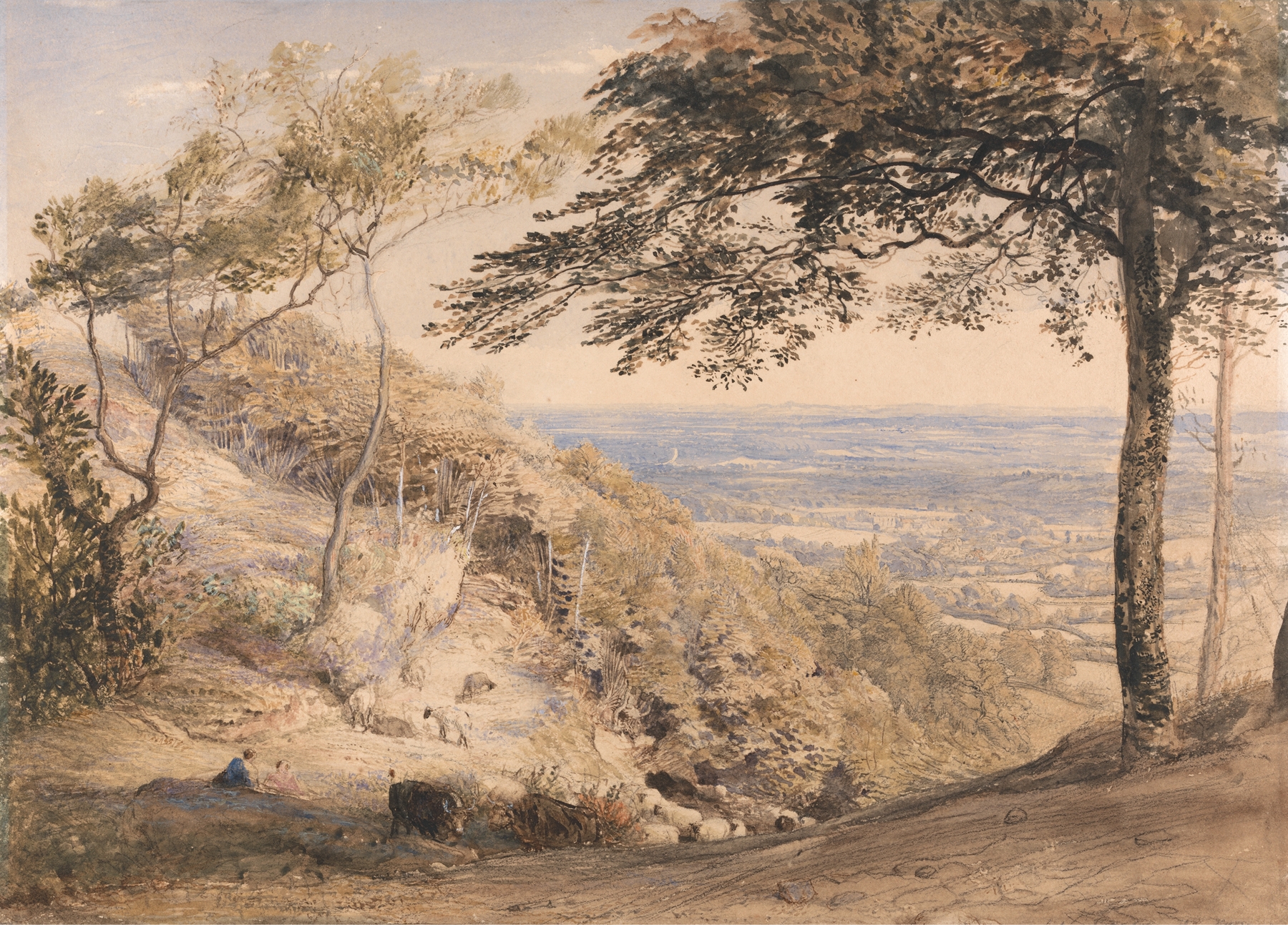
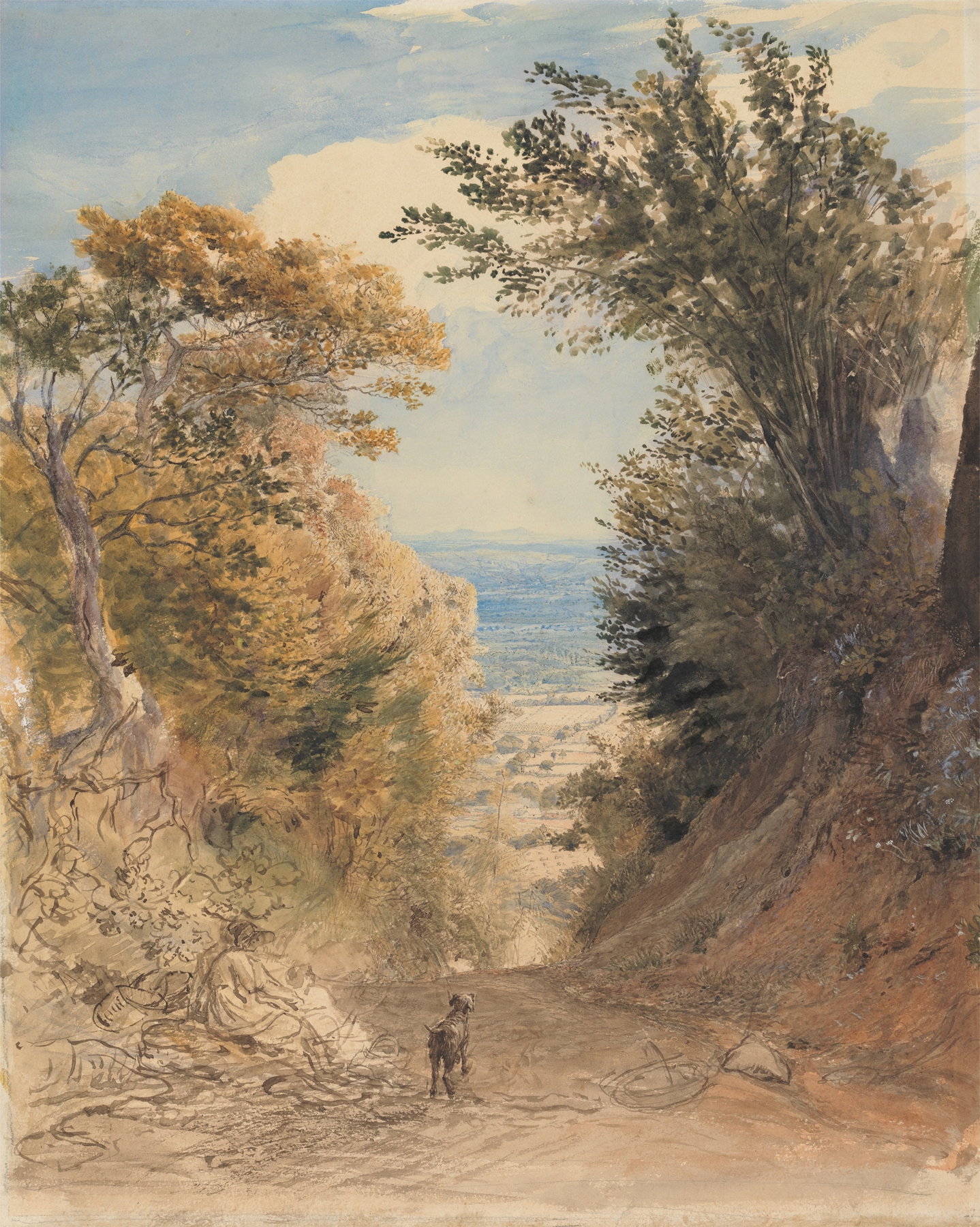
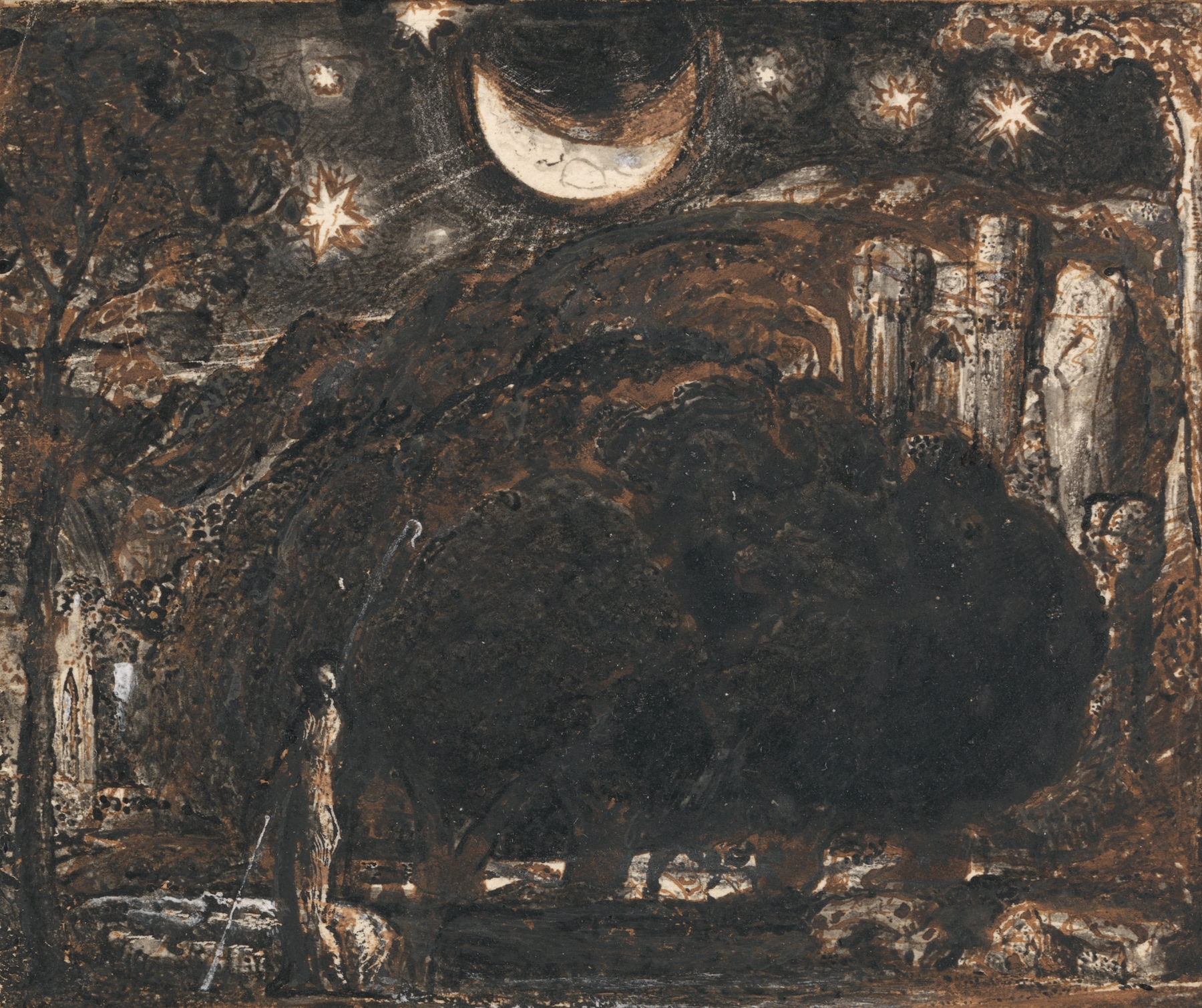
“Sometimes beauty is just pain, disguised in gold.” The night sky, adorned with shimmering stars, casts a gentle glow over the pastoral landscape, revealing the shadowy contours of a flock, serene yet haunting. Look to the left at the shepherd, his figure silhouetted against the ethereal light, embodying both solitude and guardianship. The rich greens and deep blues in the foliage create a tapestry of nature, contrasting beautifully with the luminous sky. The moonlight softens the edges, wrapping the flock in a delicate embrace, while the irregular brushstrokes evoke a sense of movement, as if the scene breathes and sighs amidst the stillness.
In this painting, the juxtaposition of light and shadow speaks volumes. The moonlight highlights the shepherd's weary expression, suggesting a burden that goes beyond mere duty. The flock, with their soft woolen bodies, appear tranquil, yet their wildness hints at an untamed nature lurking just beneath the surface.
This duality echoes the tension between security and the unknown, between duty and longing, reminding us that peace often carries a shadow of sacrifice. In 1827, when this piece was created, Palmer was immersed in the Romantic movement, seeking to capture the sublime beauty of the English countryside. Living in a time when industrialization began to encroach upon pastoral life, he found solace in nature, channeling his feelings and thoughts into artworks that resonate with both nostalgia and reverie.