The Weald of Kent — History & Analysis
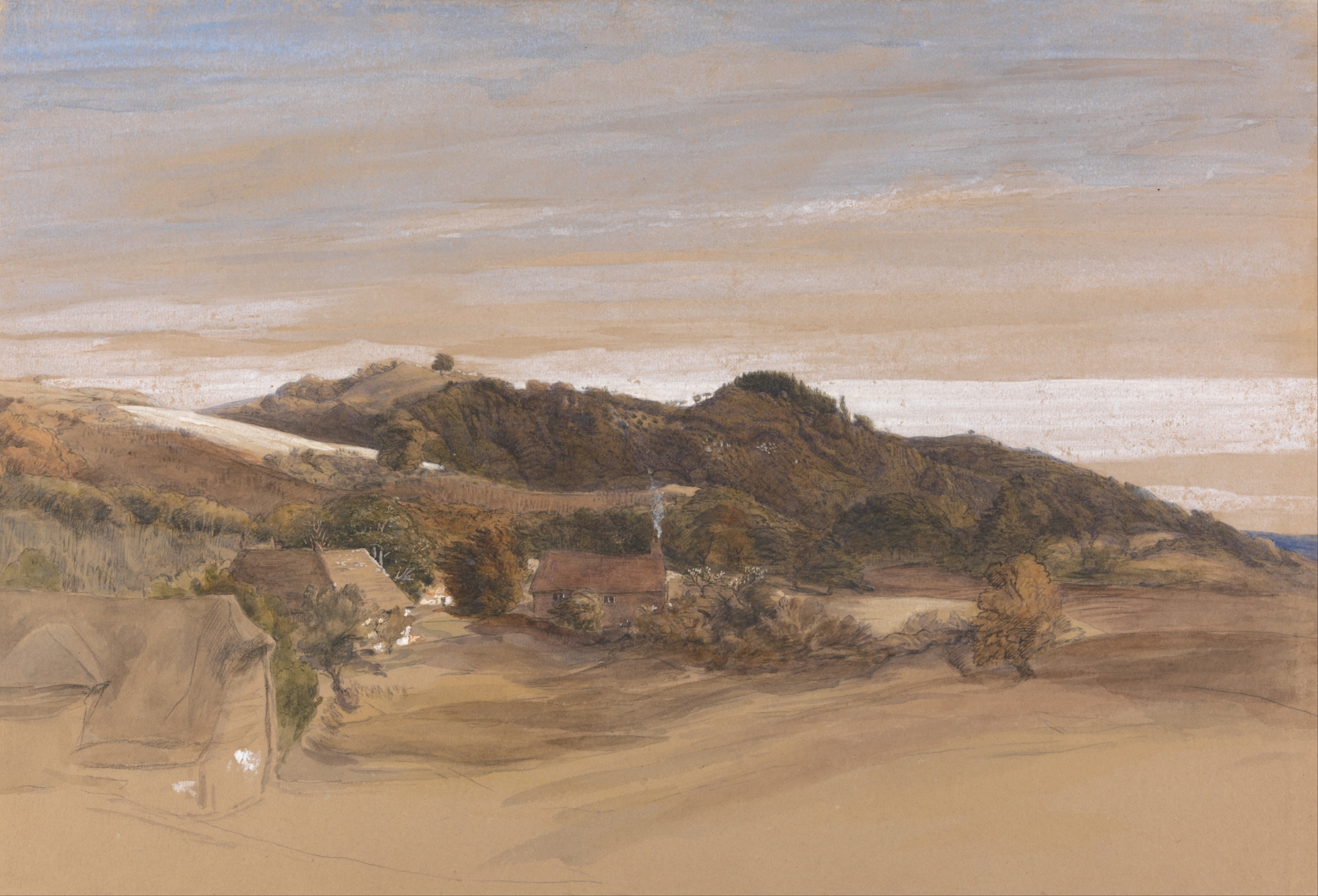
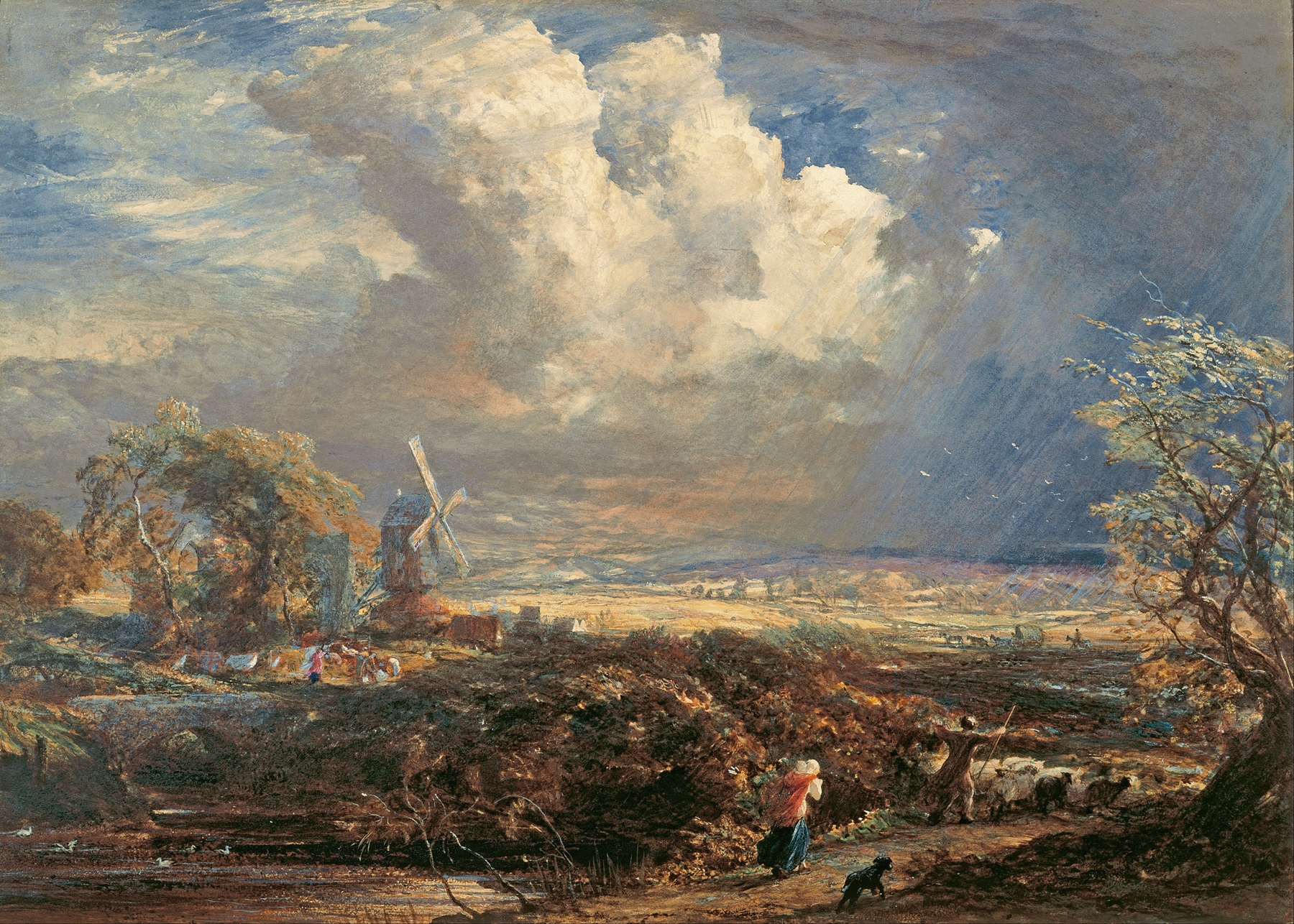
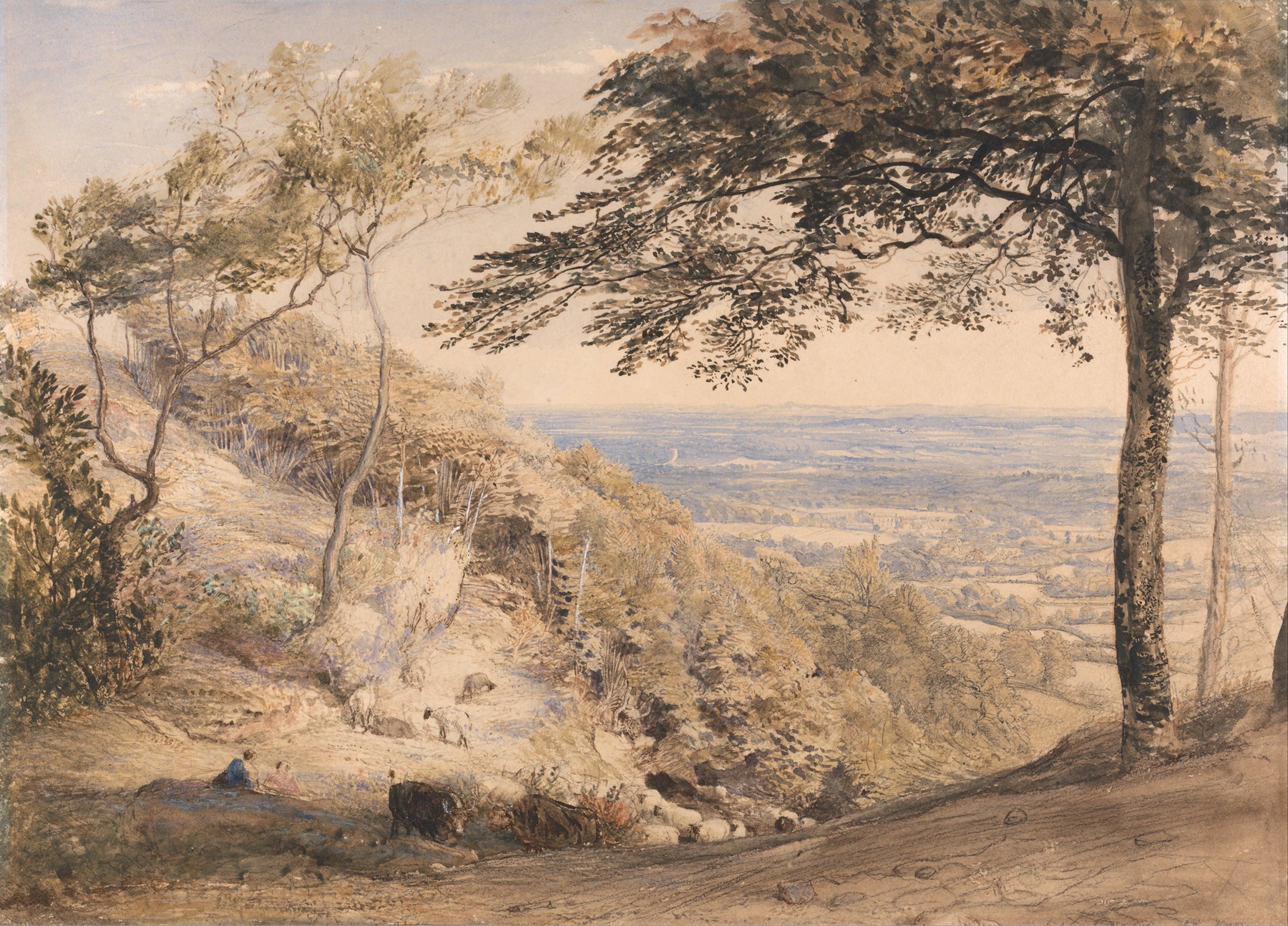
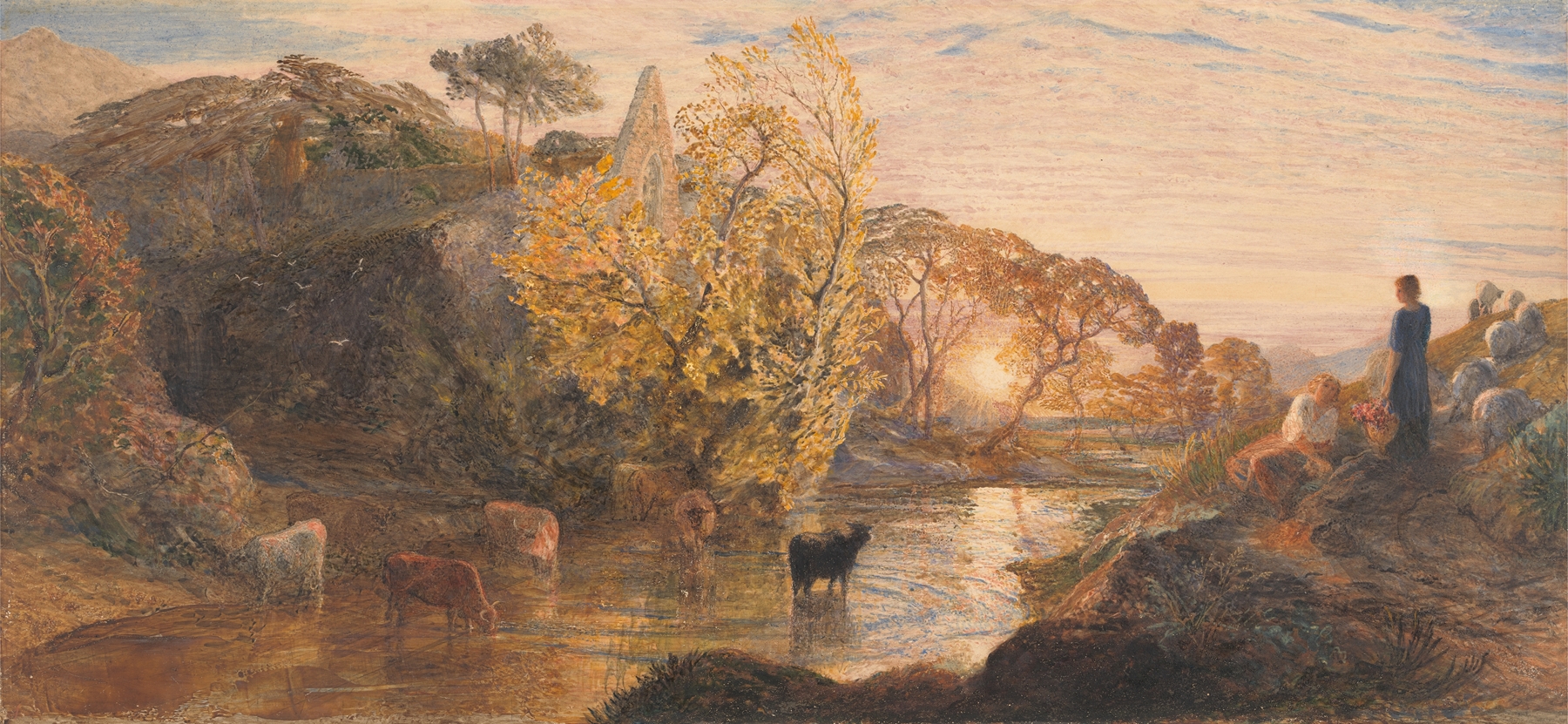
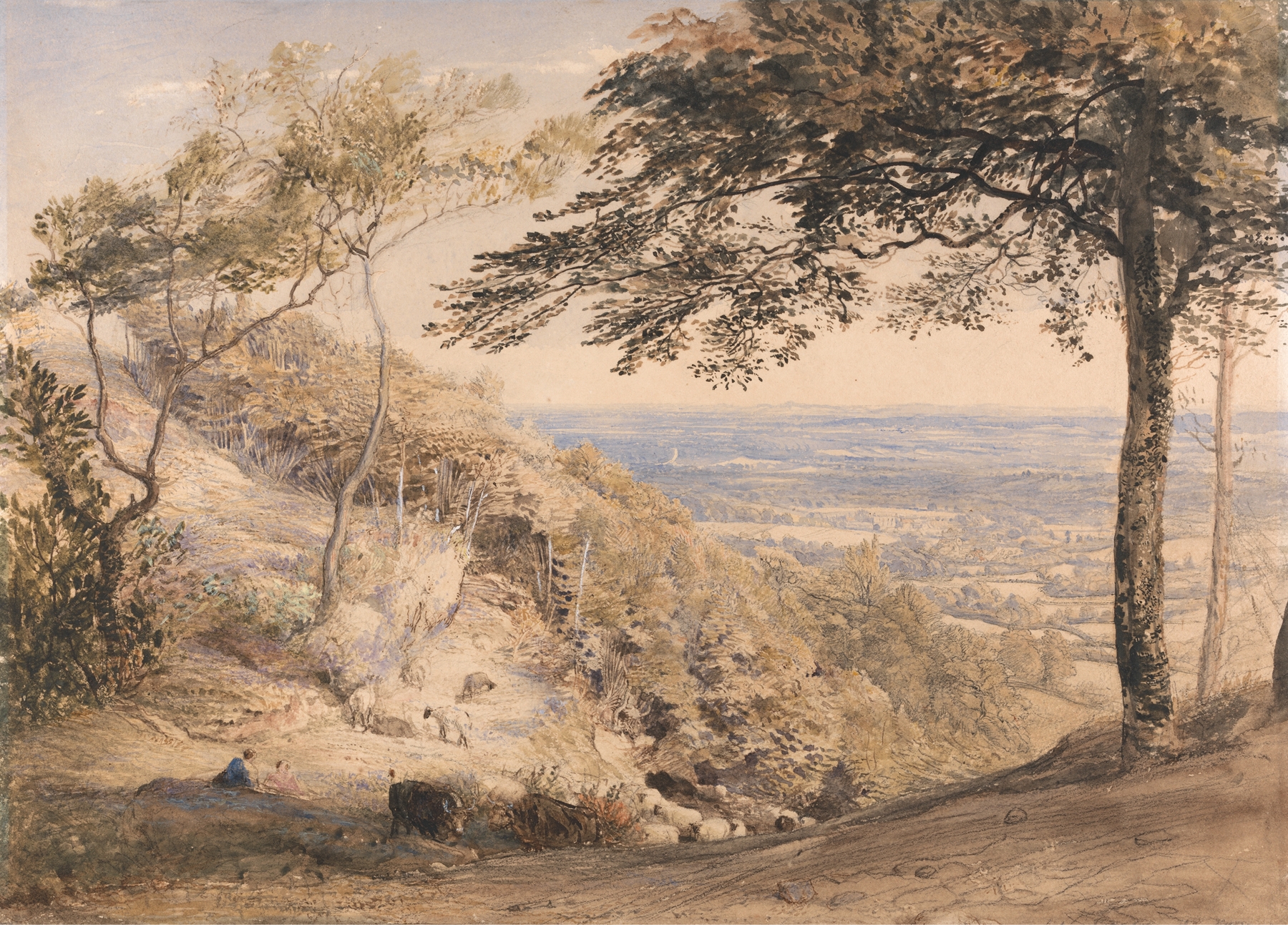
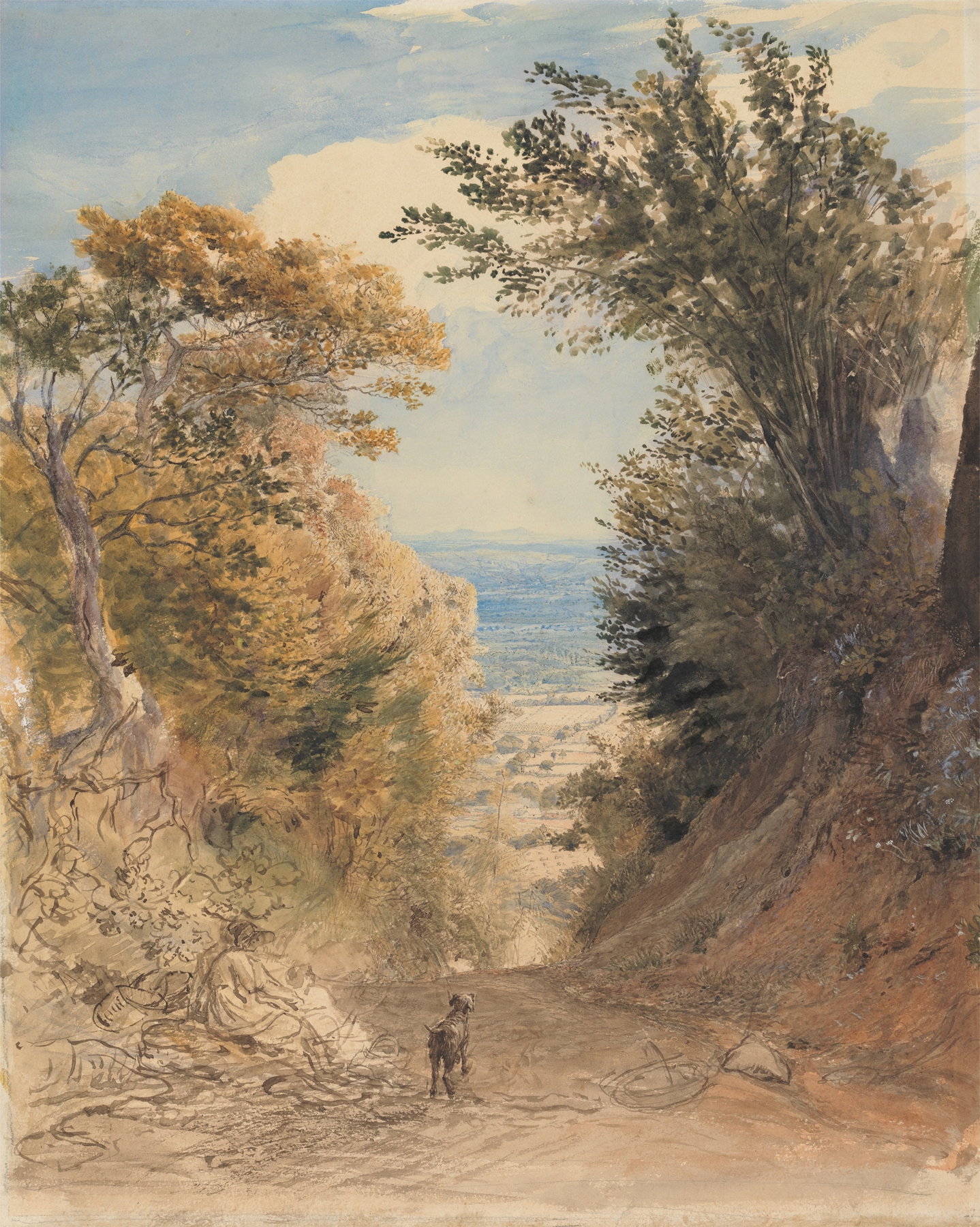
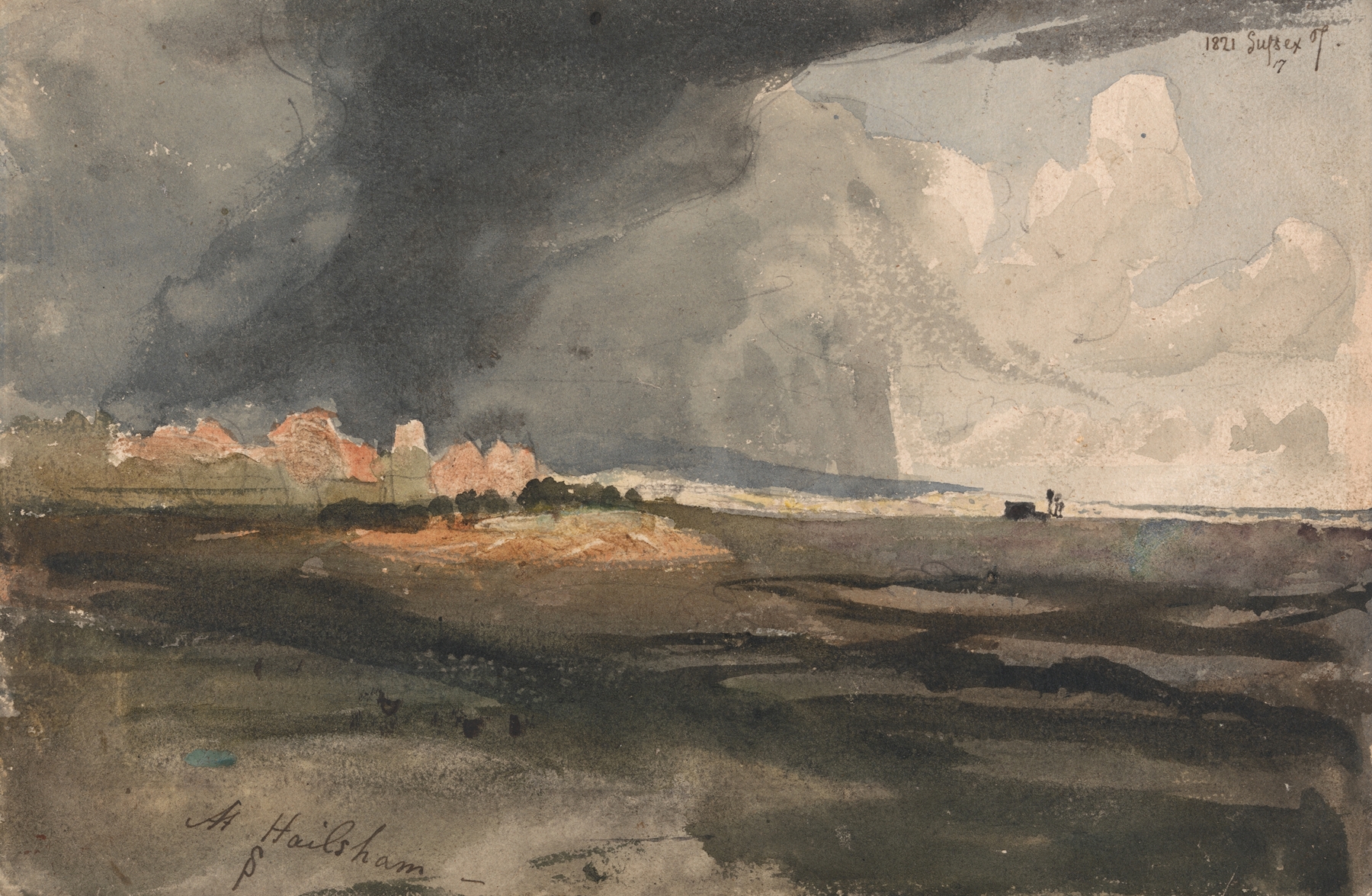
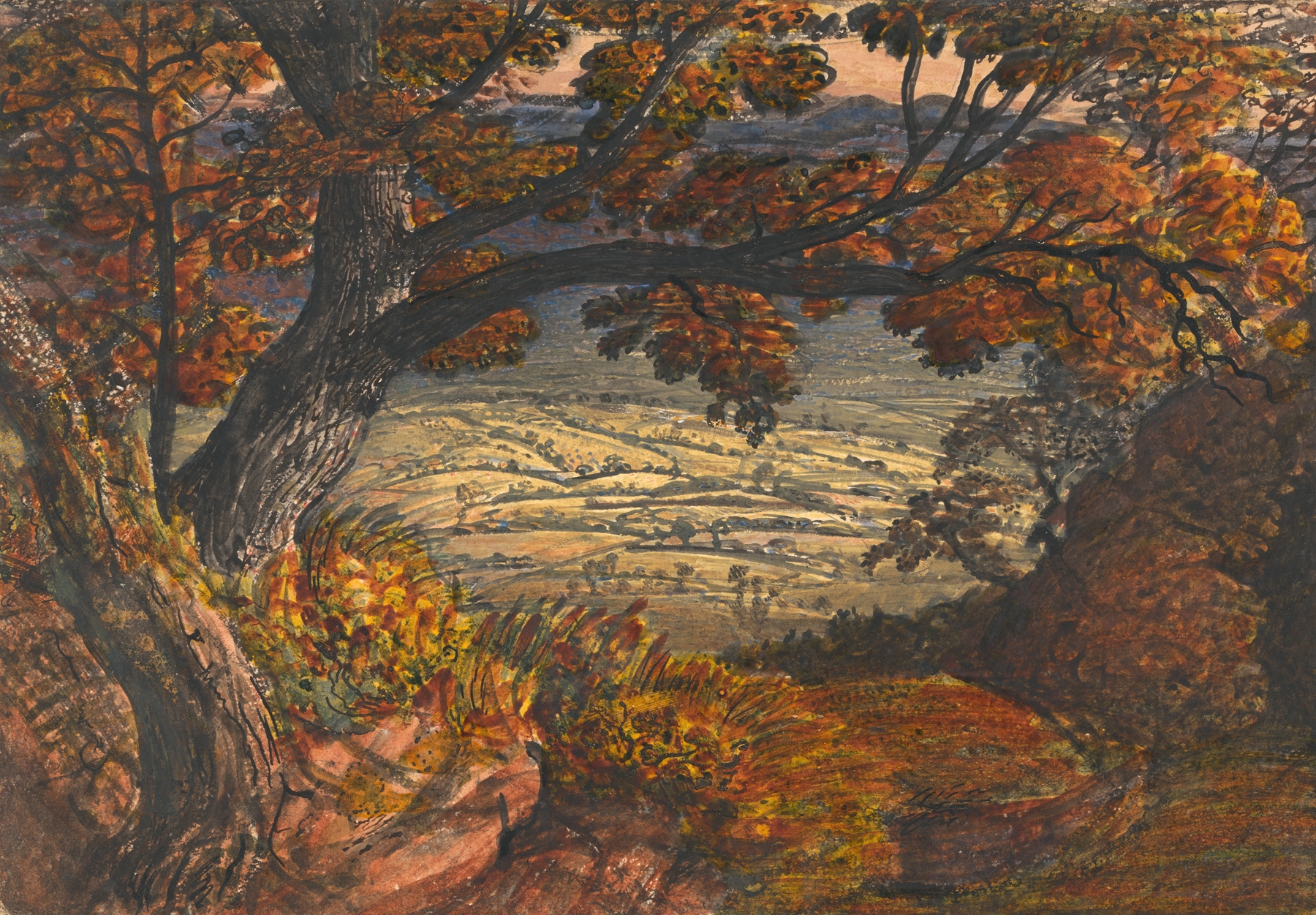
“Between color and silence, truth hides.” In the stillness of a moment, time unravels and whispers its secrets through the landscape. The pastoral beauty of the Weald of Kent captures the essence of eternity, where each stroke of color holds the weight of history and memory. Look to the left where the soft undulations of hills unfurl, painted in verdant greens and muted browns, creating a sense of depth and tranquility. The sky above, a gentle blend of cerulean and warm hues, envelops the scene in a serene embrace, while clusters of trees stand like sentinels, their forms robust yet tender.
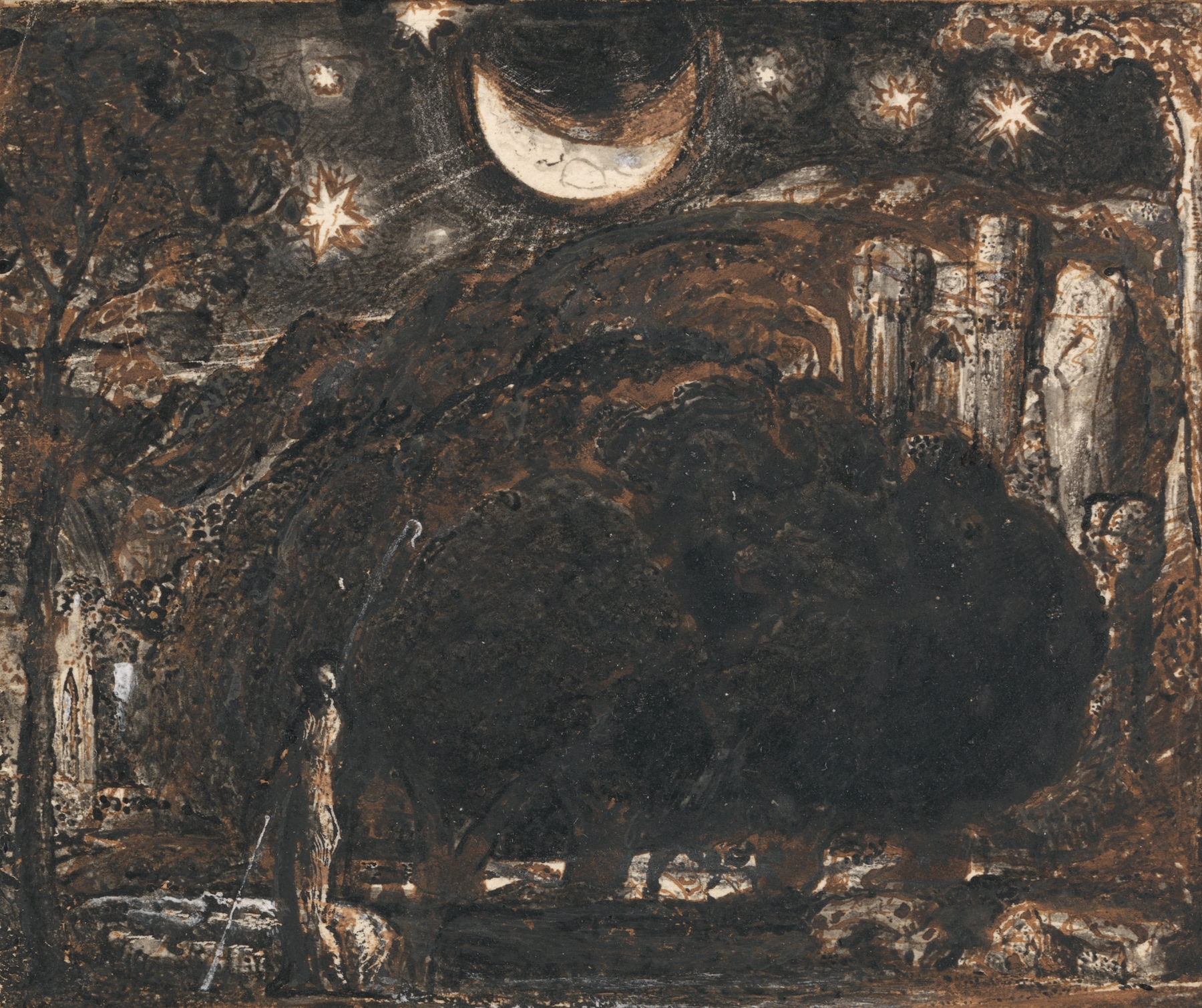
Notice how the delicate interplay of light and shadow draws your eye across the canvas, inviting you to explore the lush meadows that seem to whisper stories of the past. Delve deeper into the painting, and you may find contrasts that evoke both longing and solace. The juxtaposition of light and dark not only illustrates the transition of day into night but also symbolizes the passage of life, hinting at the interconnectedness of human experience with nature. Small figures, almost ghostly in their depiction, traverse the landscape — reminders of our fleeting place in this timeless world.
Between 1833 and 1834, Samuel Palmer painted this idyllic scene amidst a burgeoning Romantic movement that emphasized emotion and nature. Living in the rural landscapes of Kent, he sought to capture the sublime beauty of his surroundings while grappling with personal and artistic exploration. This work emerged during a time when artists strived to transcend conventional boundaries, infusing art with deeper, spiritual meanings that resonated with the soul of the viewer.