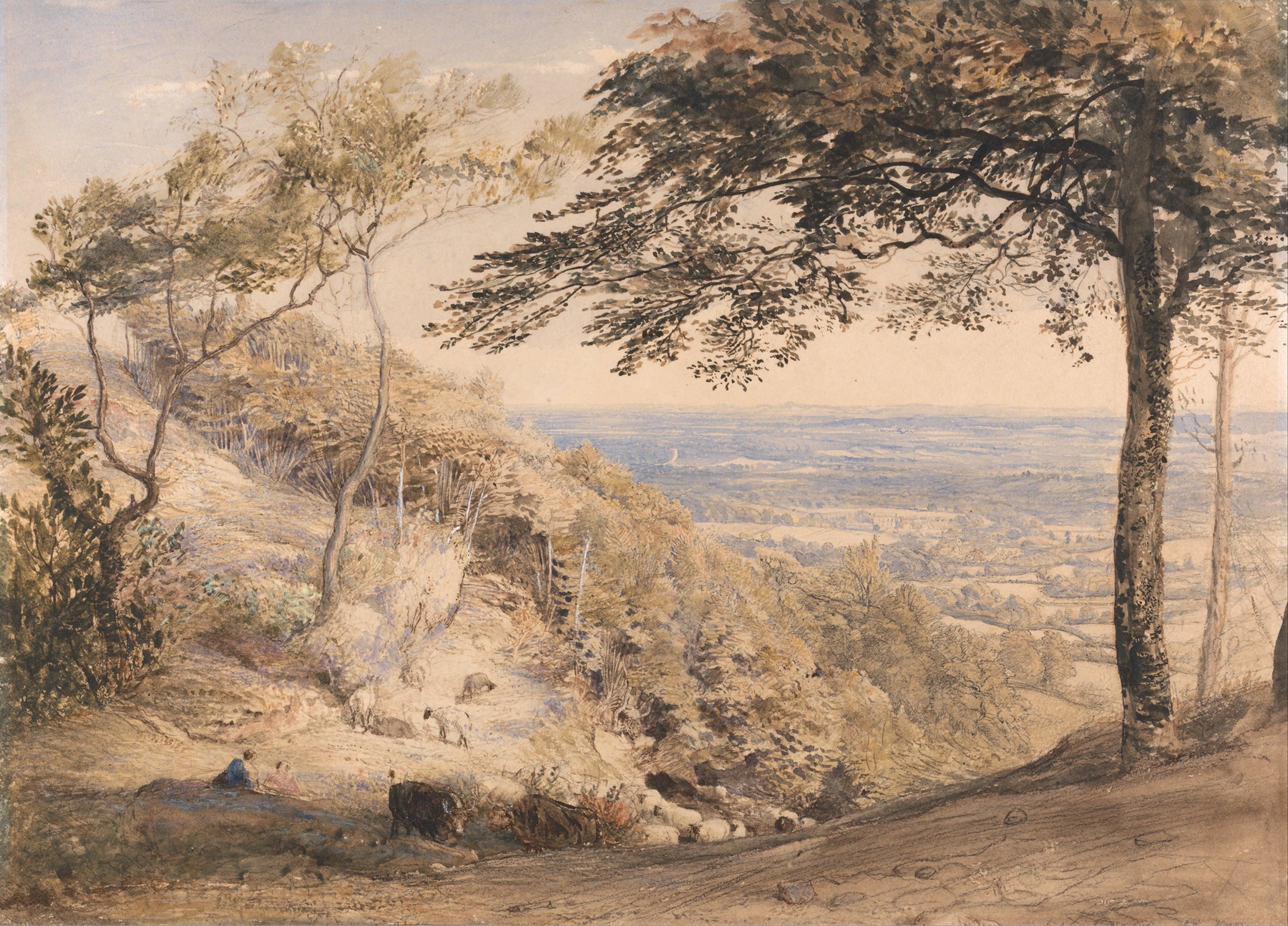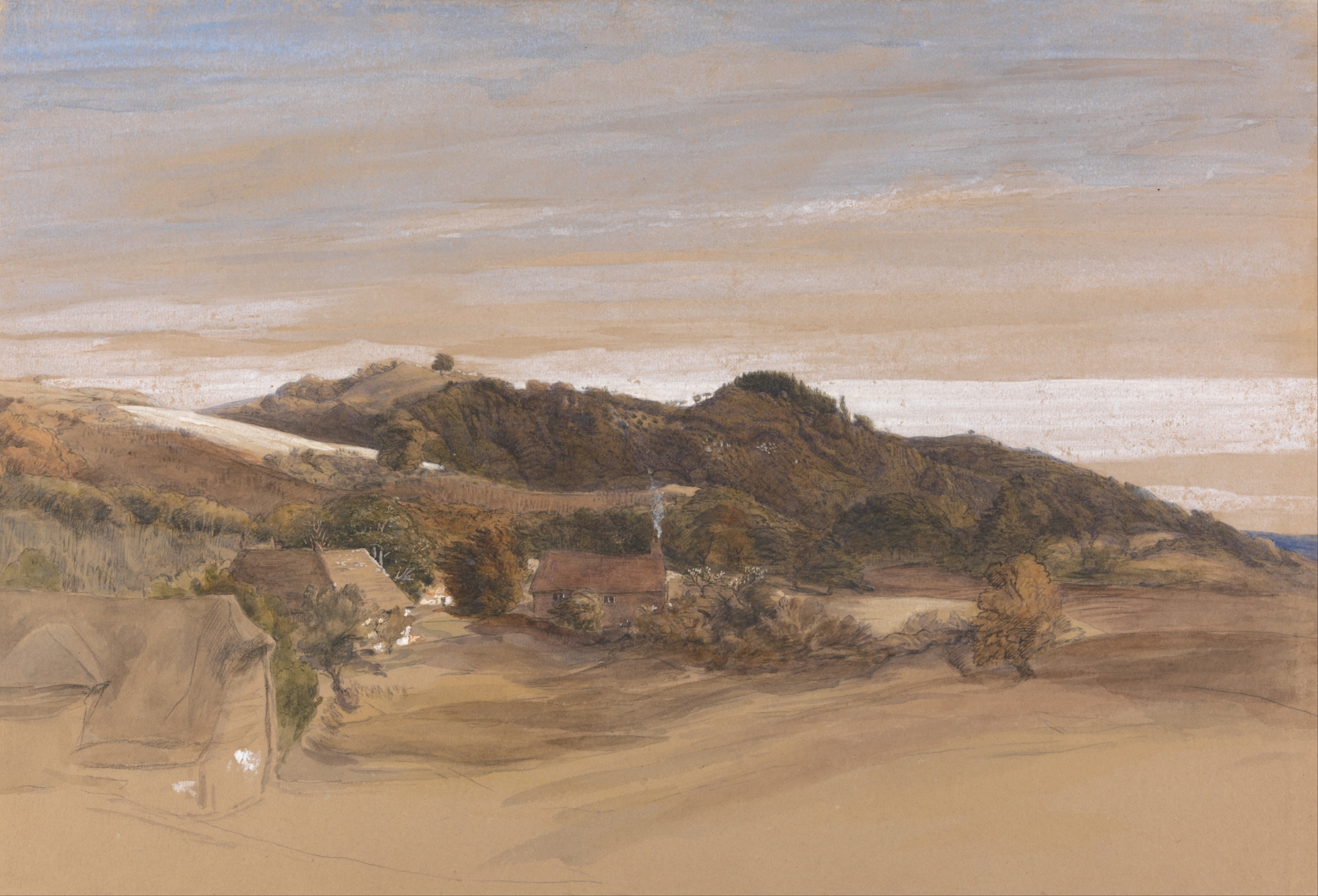
Underriver Hills, near Sevenoaks, Kent, from the Grounds of J. Herries, Esq. — History & Analysis
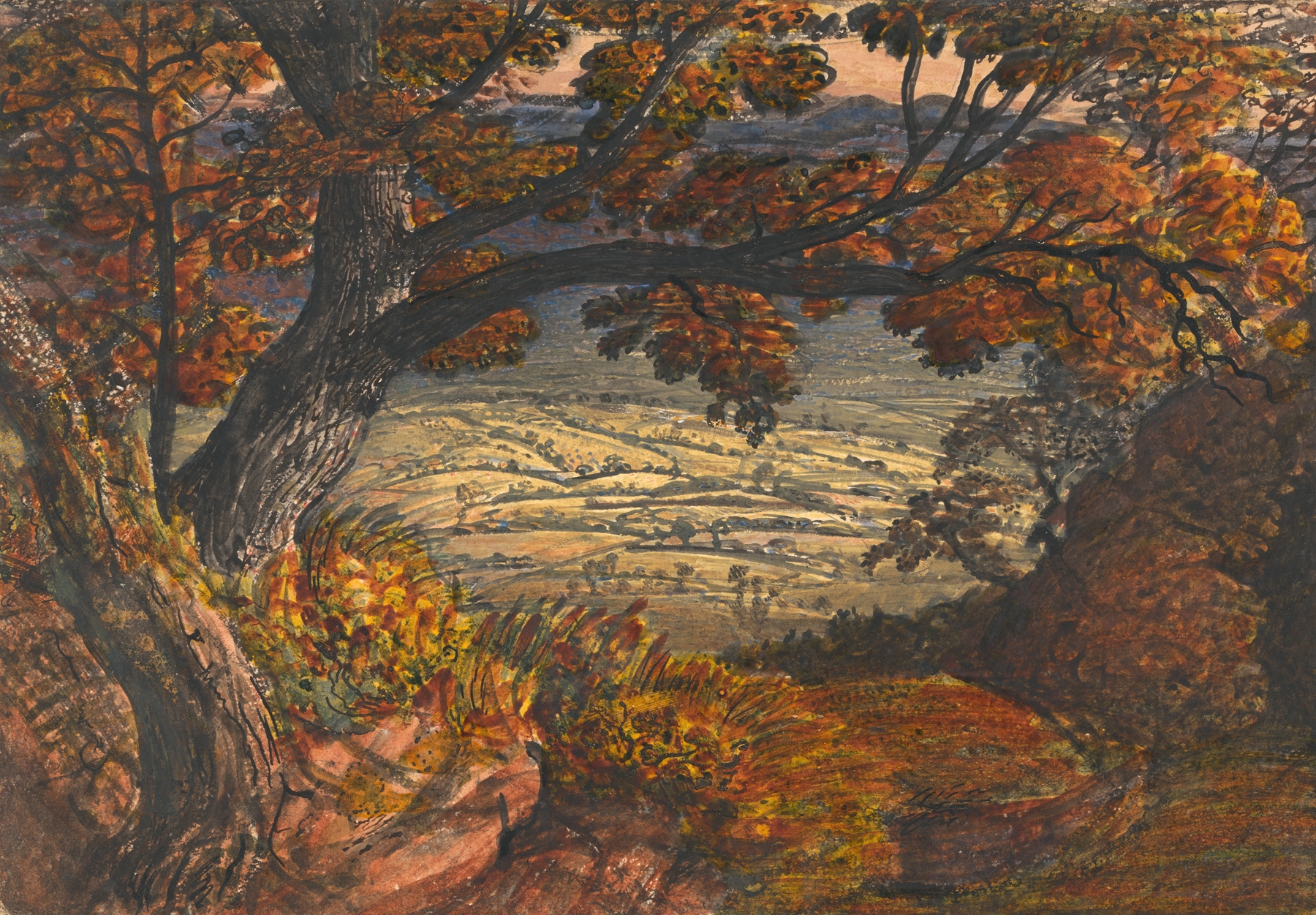
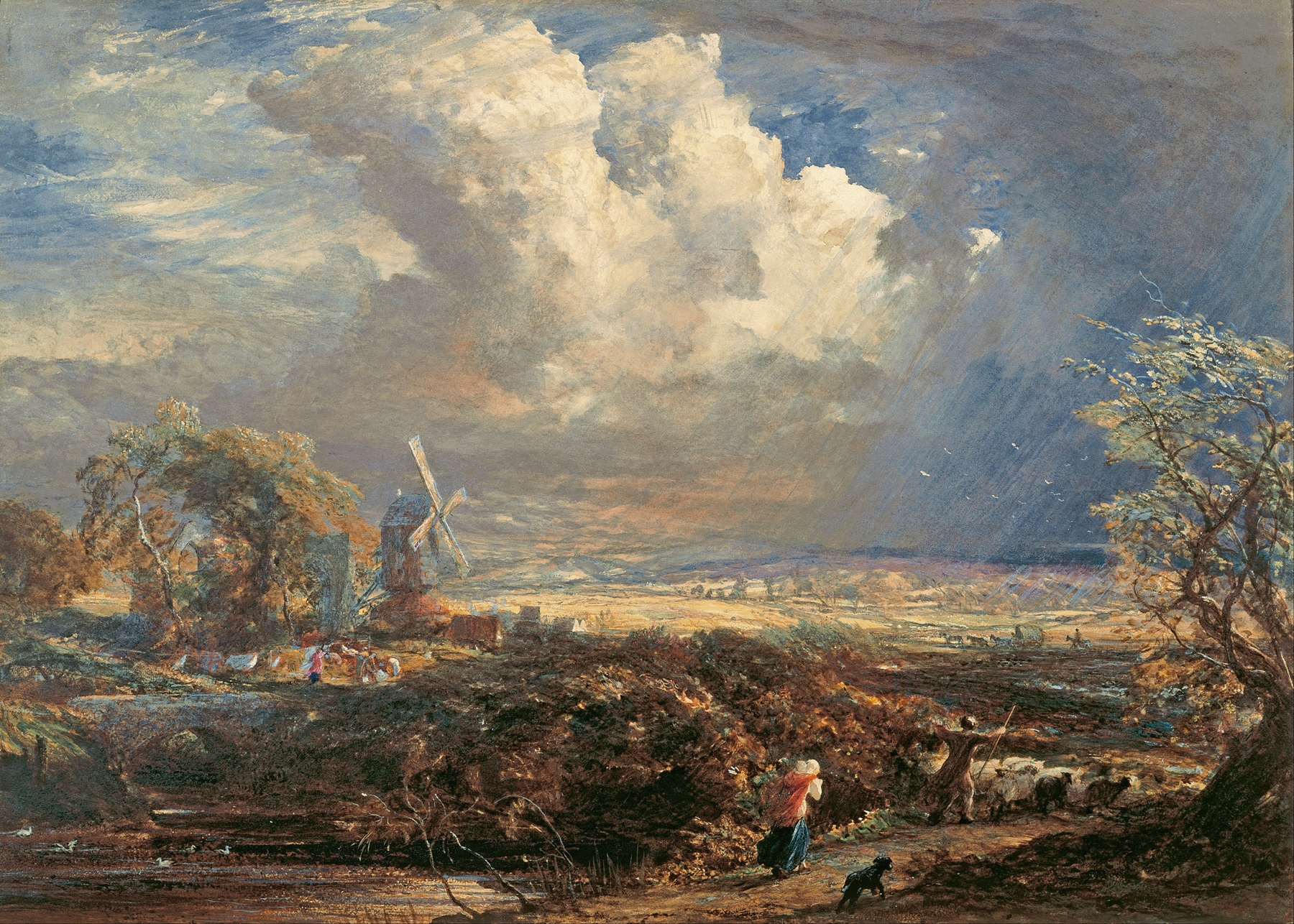
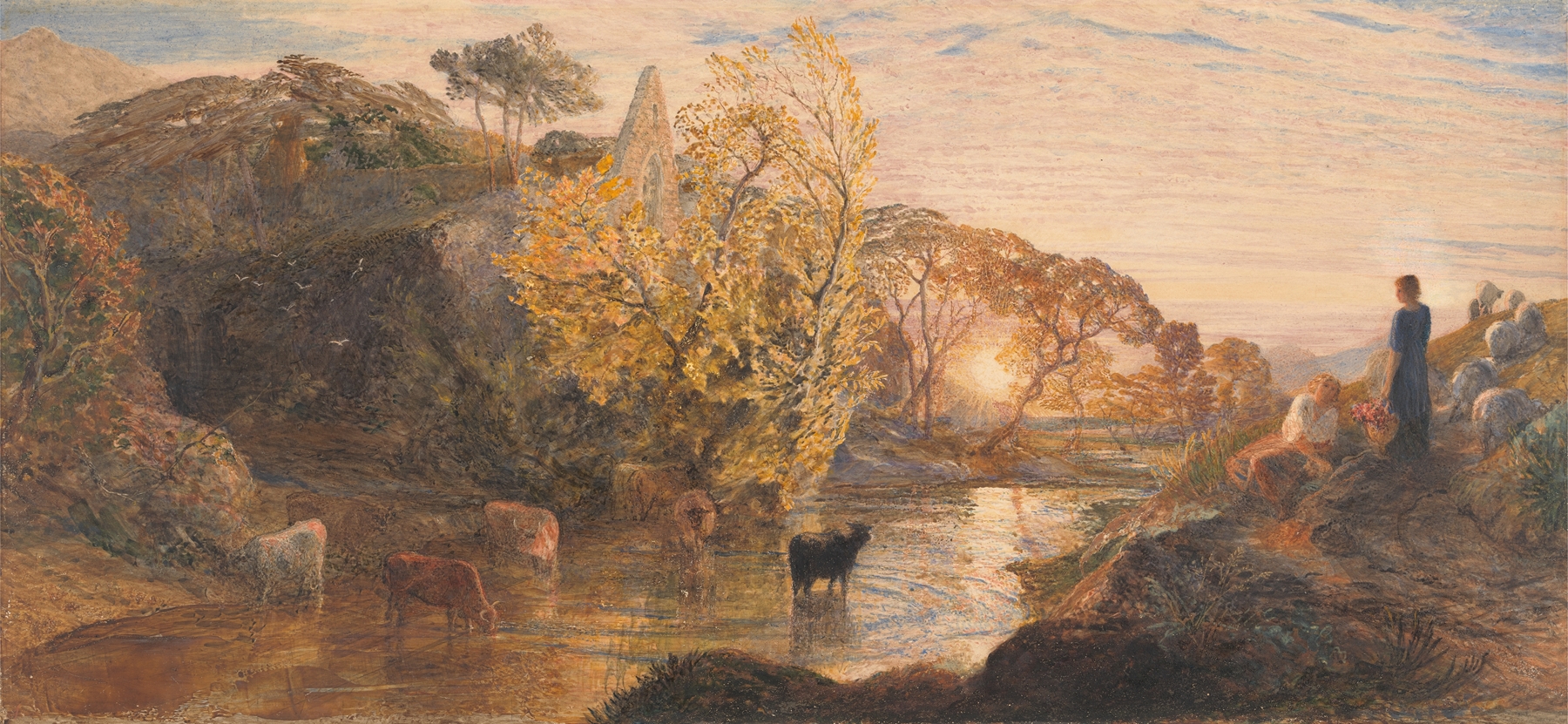
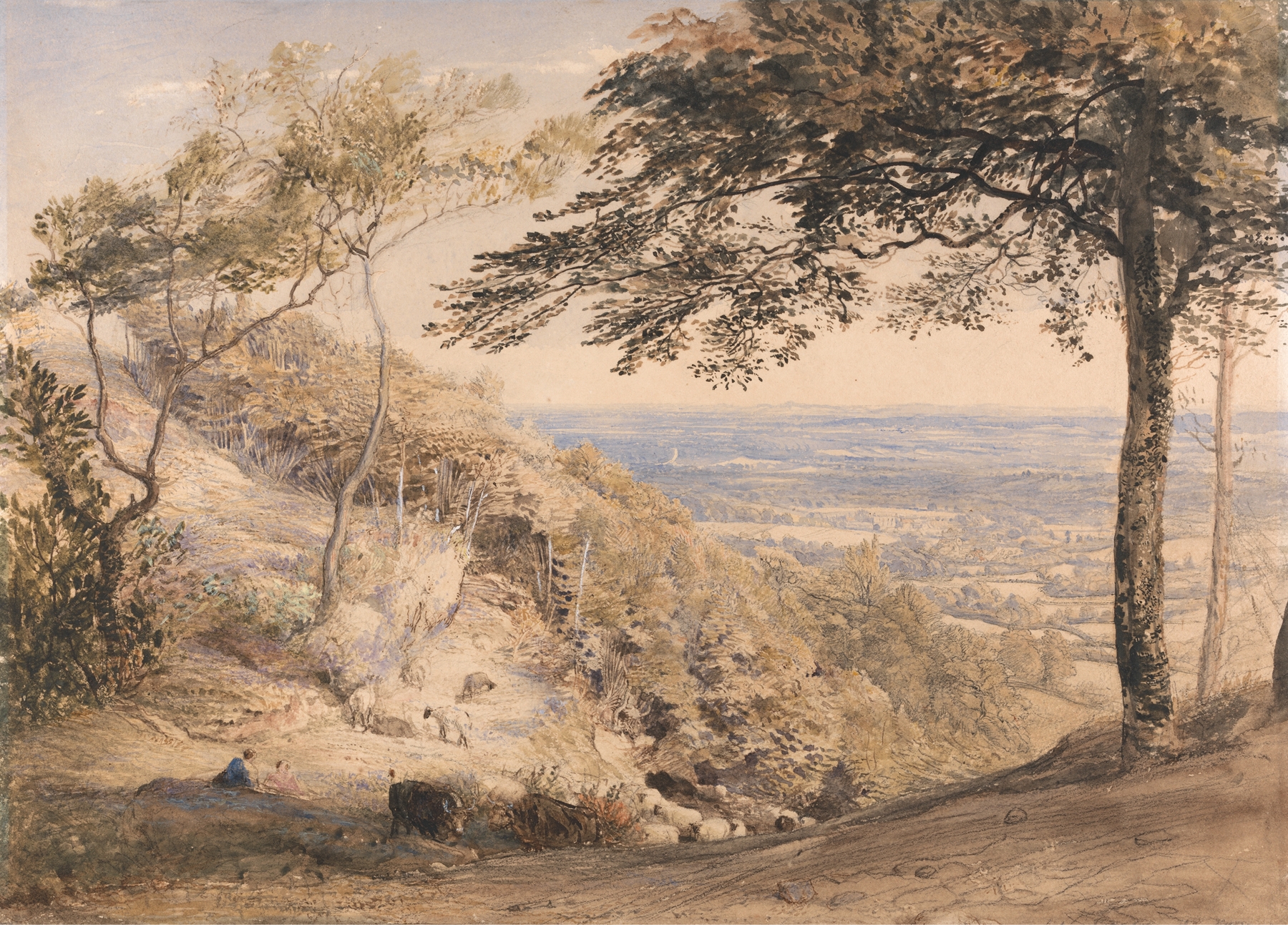
Art reveals the soul when the world turns away. In quieter moments, visionaries like Samuel Palmer capture the decay of time, revealing the beauty hidden within stillness. Look to the horizon, where rolling hills sway gently, their earthy tones tempered by a soft wash of greens and browns. Notice how the light bathes the landscape in a warm, golden glow, illuminating the path through the vastness.
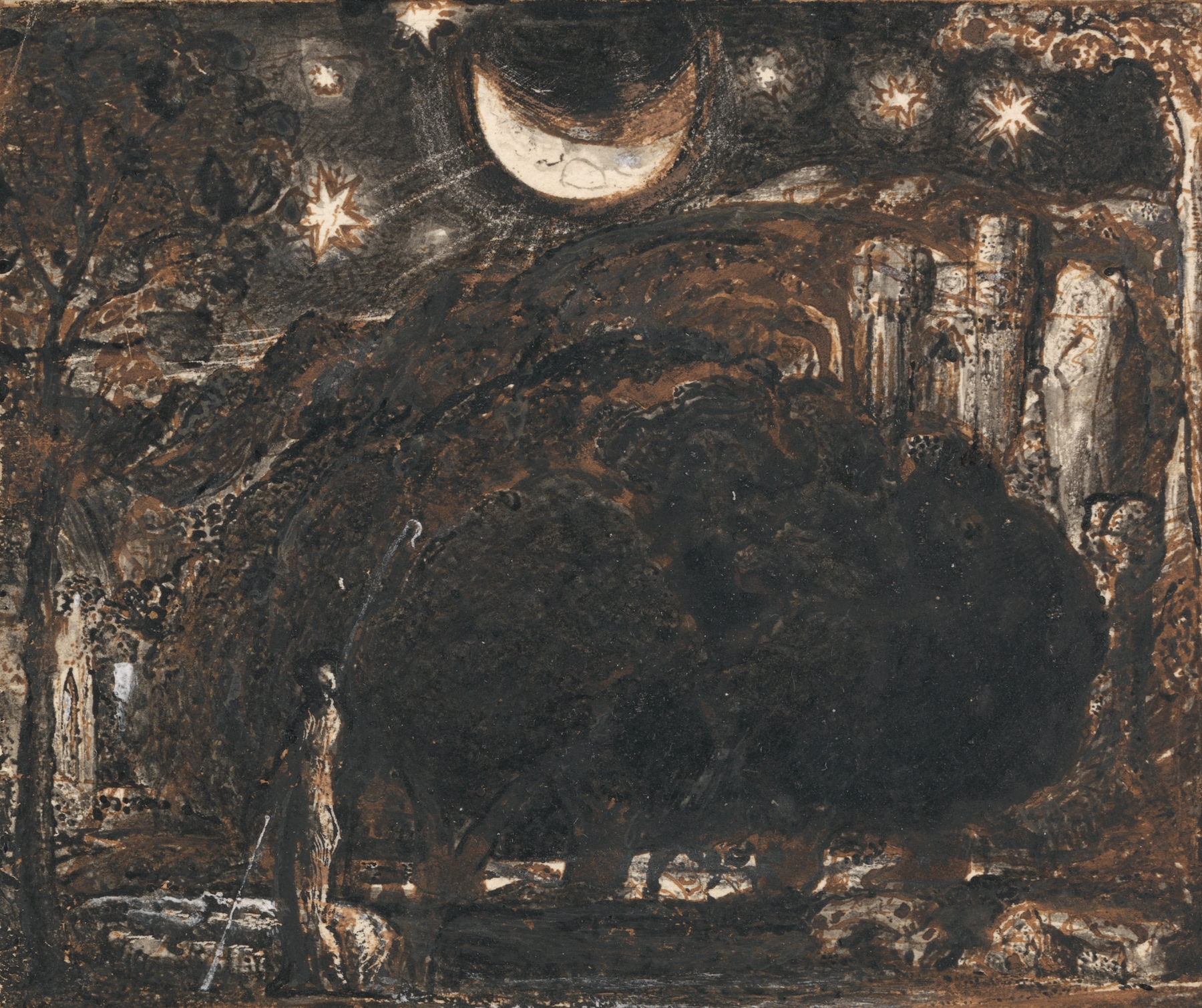
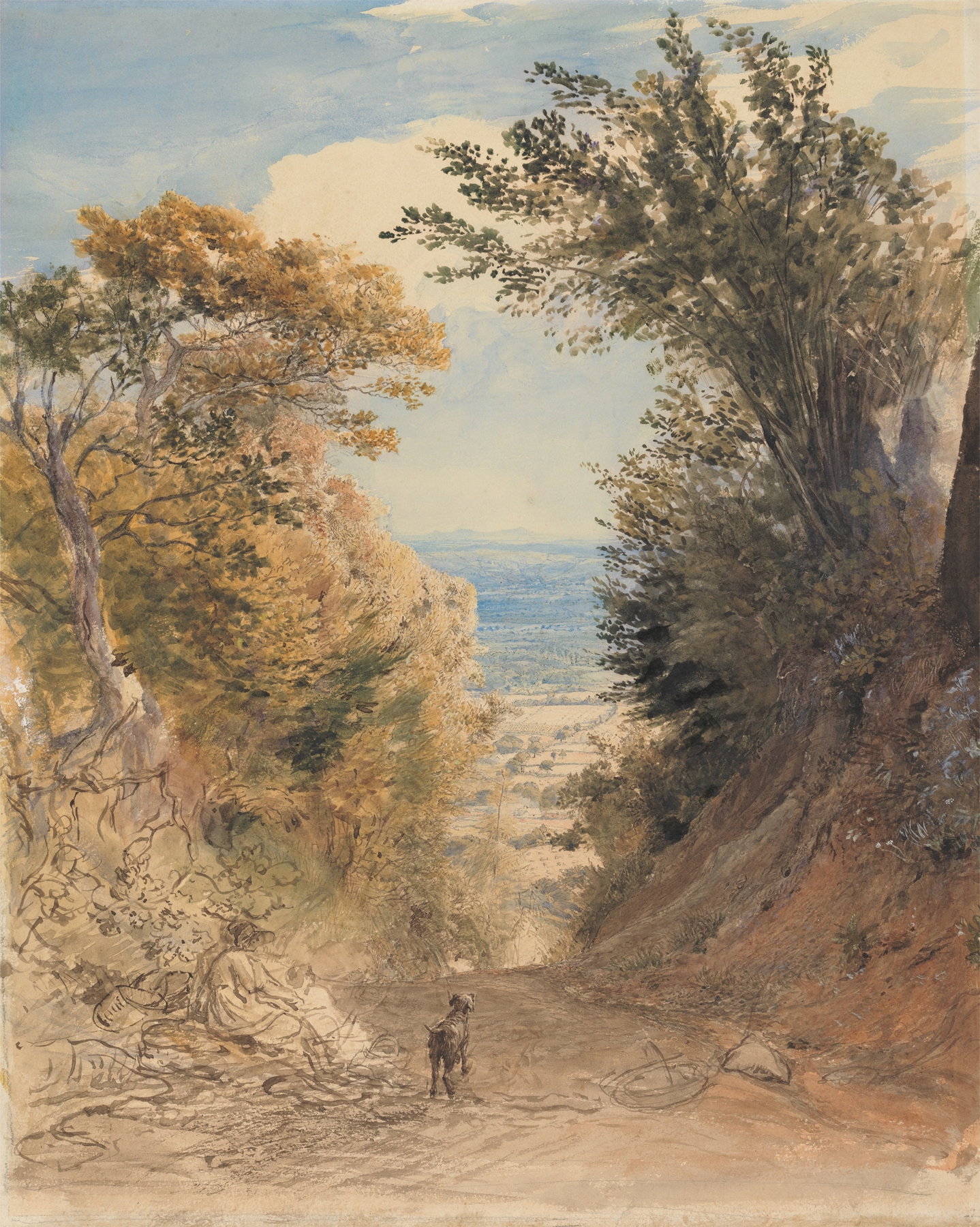
The brushwork, both delicate and vigorous, creates a sense of movement yet preserves an ethereal quality, as if the hills breathe beneath a shroud of time. Delve deeper, and you'll find contrasts that evoke nostalgia. The interplay between shadow and light hints at the passage of time, suggesting both decay and renewal. The scattered trees, gnarled yet resilient, embody the struggle against nature’s inevitable progression, while the winding path invites the viewer into a journey that mirrors life’s own winding trails.
There lies a tension between tranquility and decay, embodying the transient beauty of the rural landscape. During the time this piece was created, Samuel Palmer was deeply immersed in the Romantic movement in England, influenced by the pastoral ideals of the countryside. His work emanated from a desire to convey emotional depth, a response to the rapid industrial change occurring around him. Captured in this moment, a contemplative reflection of rural life persists amidst the encroaching modernity of the era, symbolizing an everlasting connection to nature.