Wilmot’s Hill, Kent — History & Analysis
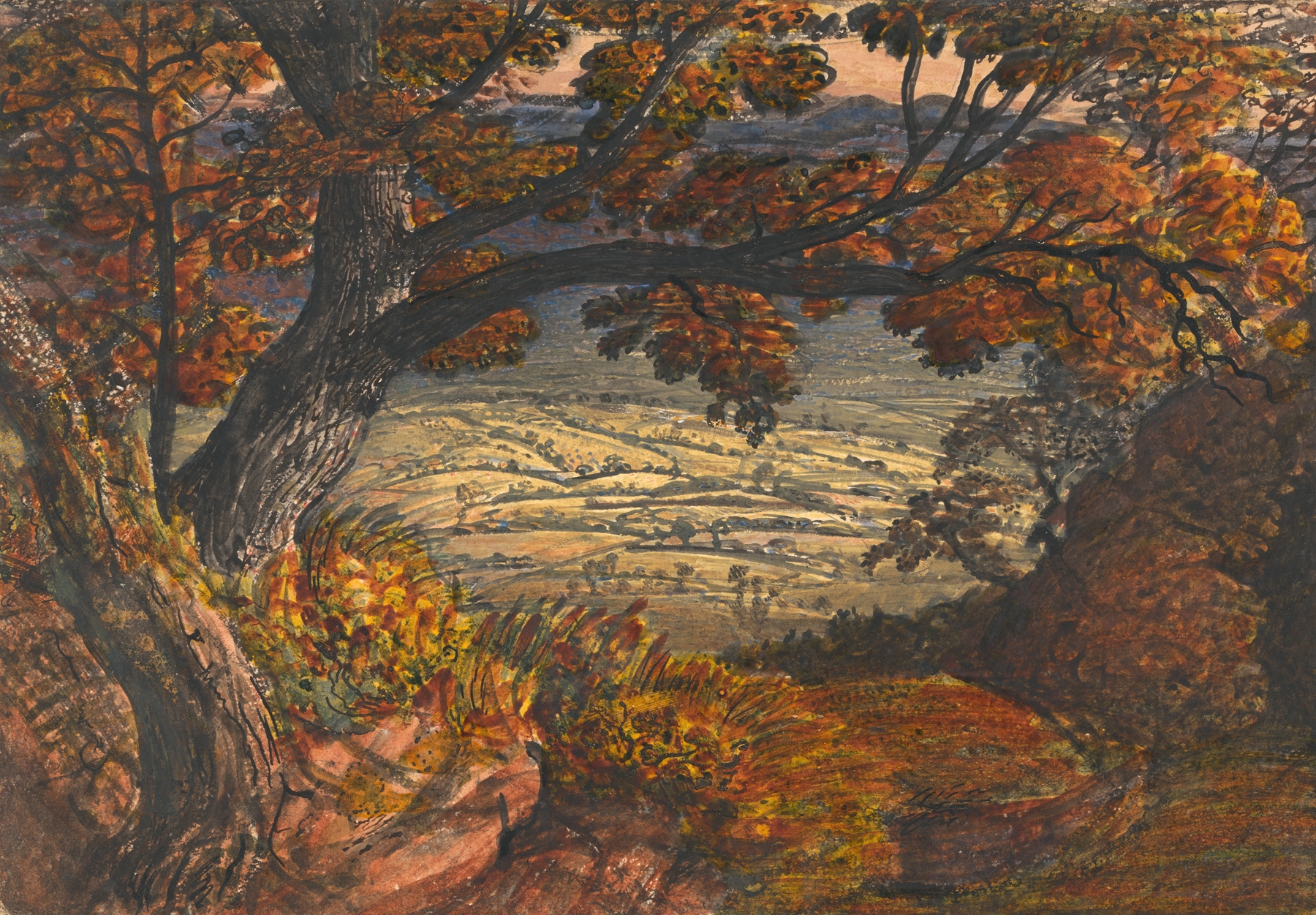
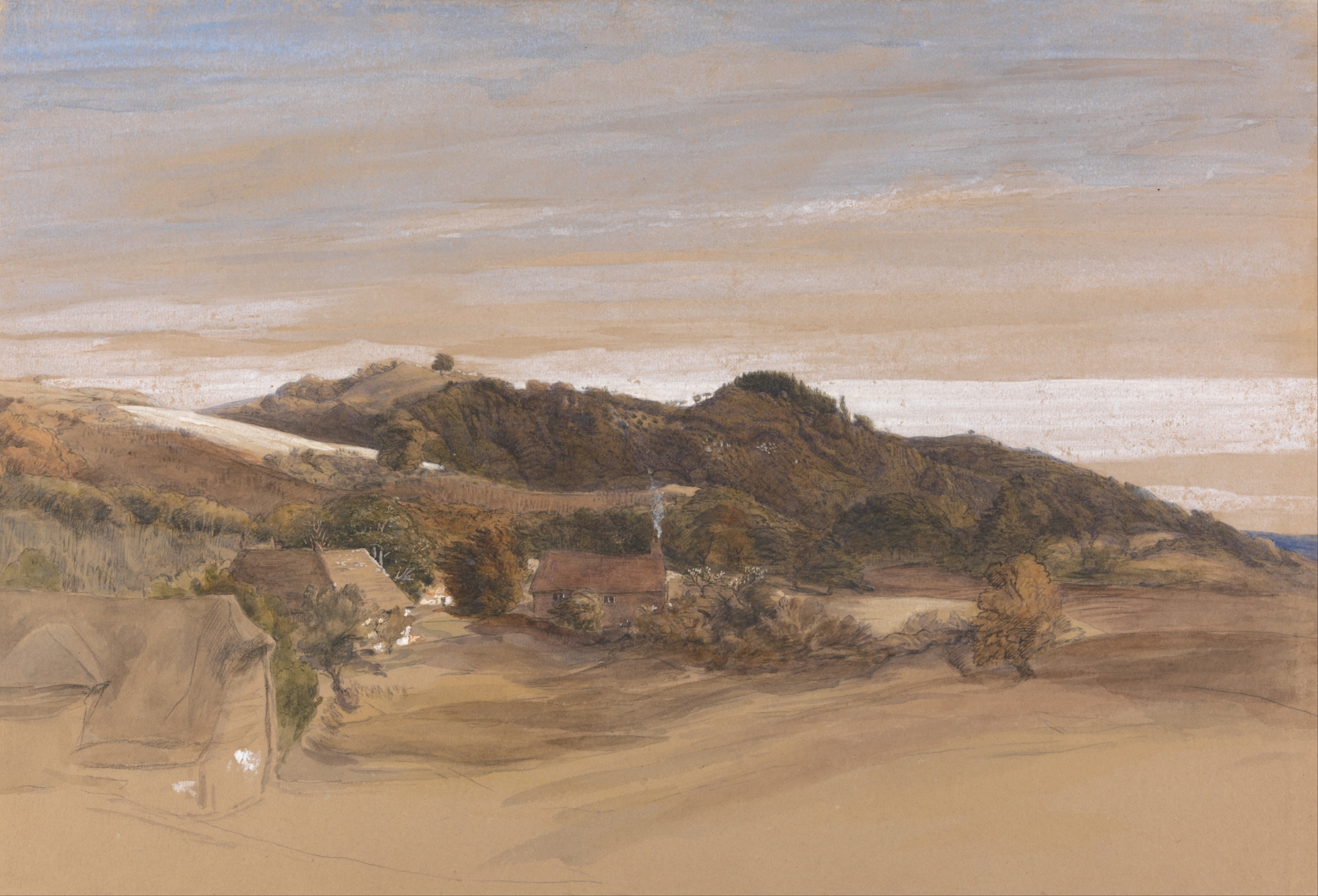
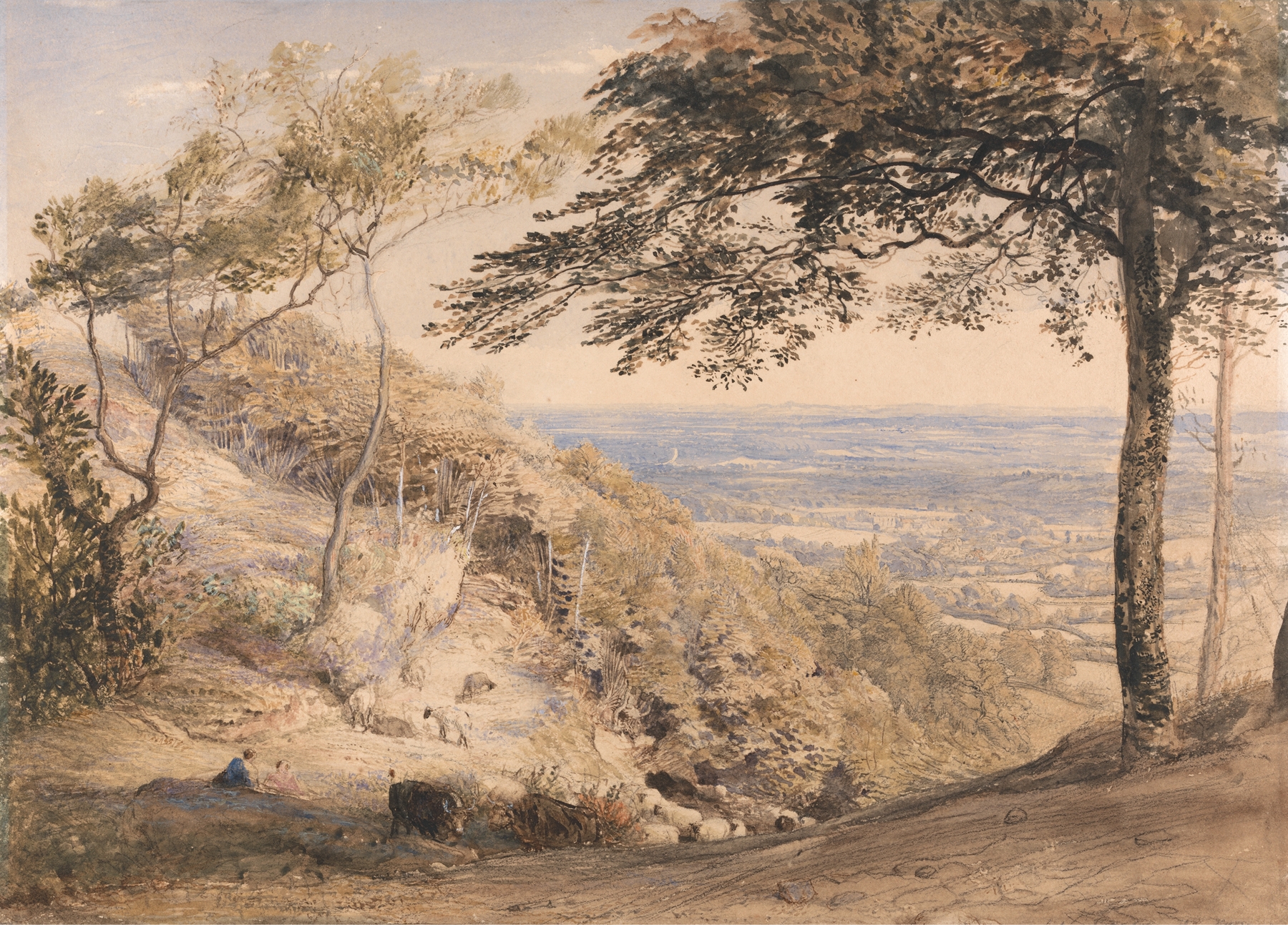
“Sometimes beauty is just pain, disguised in gold.” In Wilmot’s Hill, Kent, this poignant sentiment resonates, echoing the complexities hidden beneath serene landscapes. The viewer is invited to question the nature of beauty itself, drawing us into a world where illusion dances with reality. Look to the left, where the swathes of rich greens merge seamlessly with the golden ochres of the fields. The hills undulate gently, their curves almost inviting, yet there’s an unsettling stillness lingering in the air. Notice how the autumn light caresses the landscape, casting long shadows that stretch like fingers across the ground, creating a chiaroscuro that emphasizes the ethereal quality of the scene.
The composition, with its carefully balanced elements, crafts a vision of pastoral solace that belies the emotional undercurrents beneath. As you delve deeper, the tension in the painting grows palpable. The idyllic landscape, while visually captivating, is tinged with an underlying sense of isolation. The distant hills, though golden and inviting, seem to loom ominously, suggesting a fragility that contrasts sharply with the richness of the hues.
Palmer’s intricate details, from the wisps of clouds to the meticulous rendering of foliage, depict an enchanting world that simultaneously invites admiration and evokes introspection, blurring the line between peace and turmoil. During his time creating this work, Samuel Palmer found himself enveloped in the Romantic movement of the 19th century, which emphasized emotional depth and the beauty of nature. He painted Wilmot’s Hill amid personal struggles and a quest for artistic identity, seeking solace and inspiration in the English countryside. This period was marked by a profound shift in artistic expression, as Palmer navigated between tradition and innovation, ultimately crafting landscapes that resonate with a timeless, haunting beauty.