Wilmot’s Hill, Kent — History & Analysis
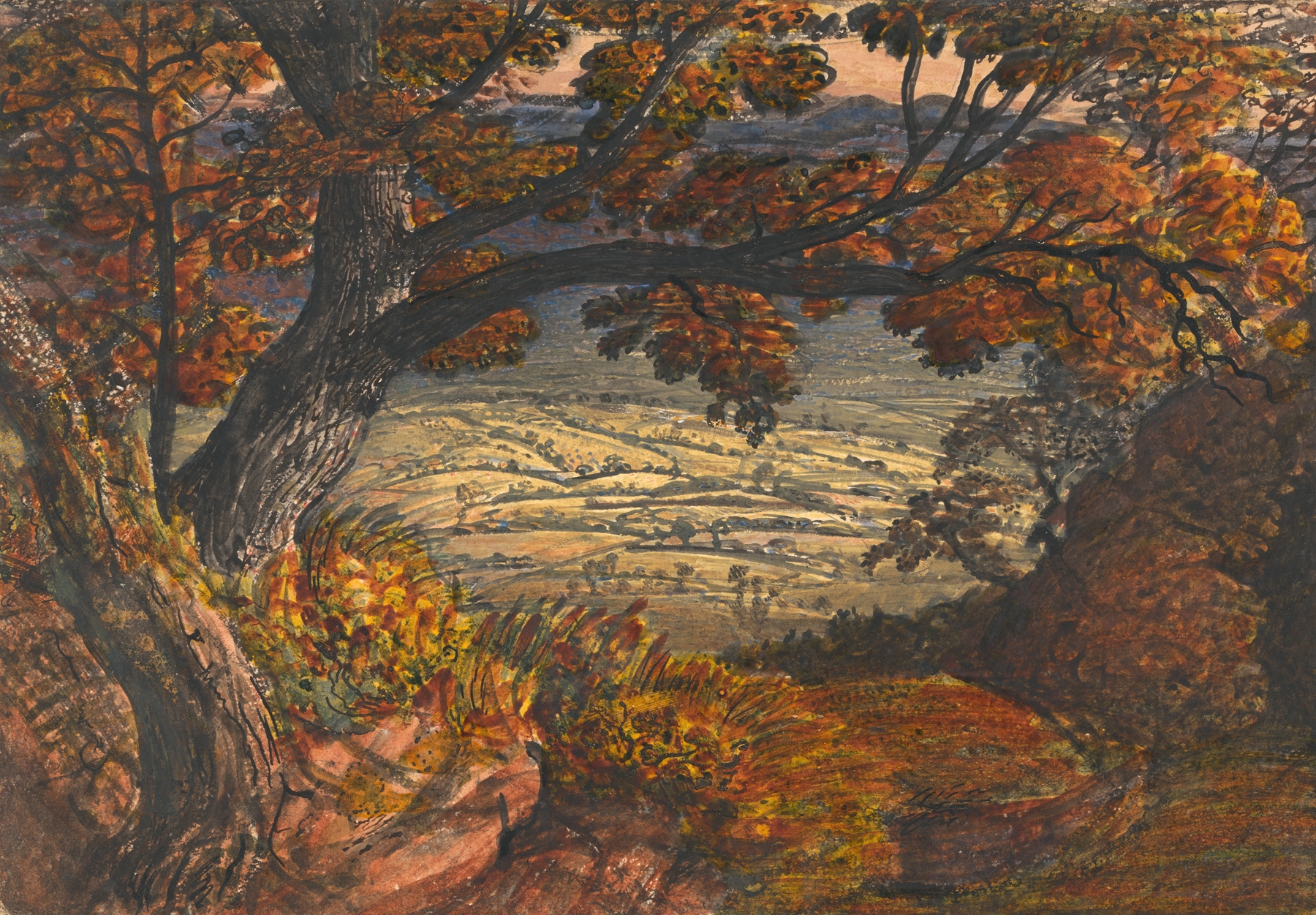
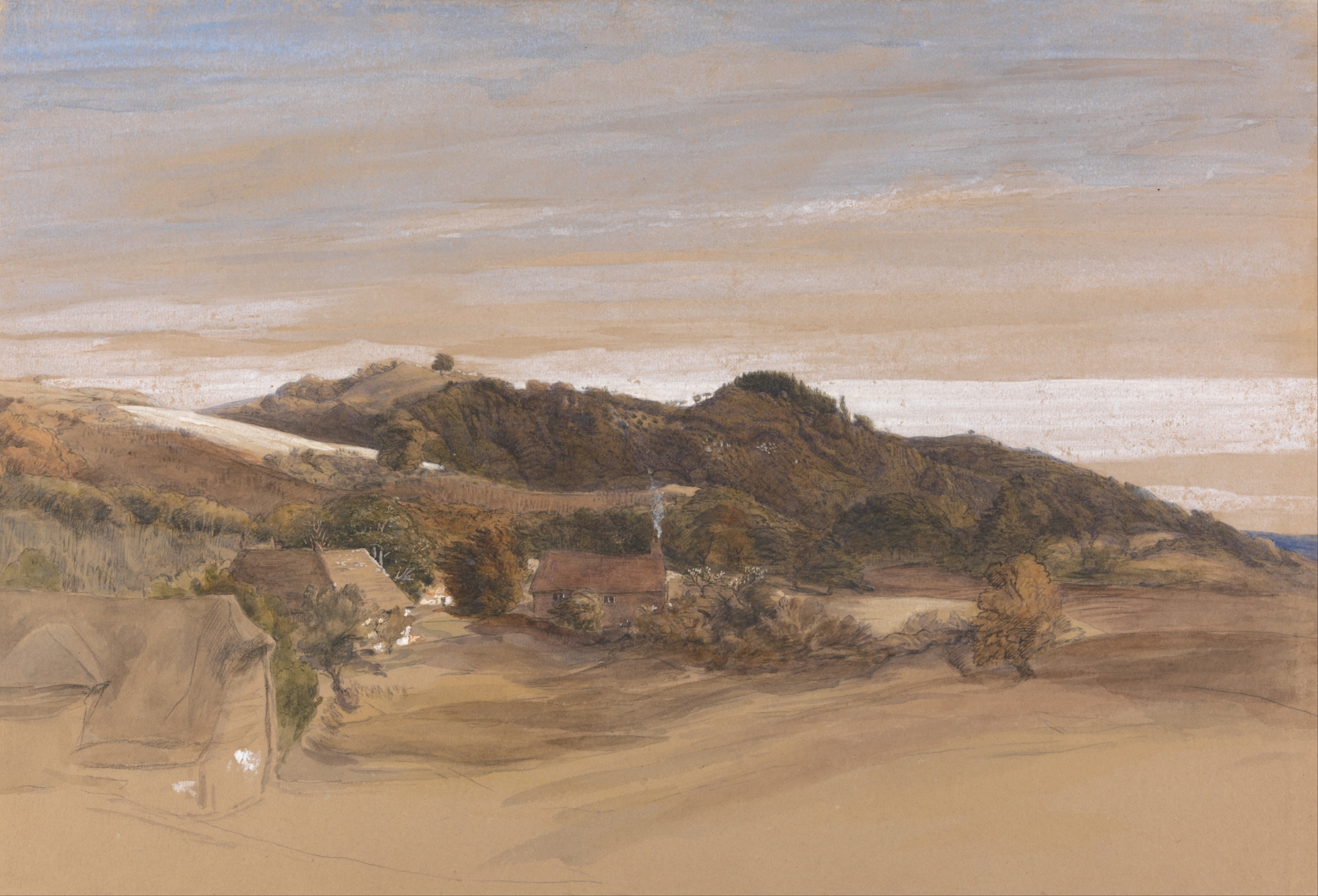
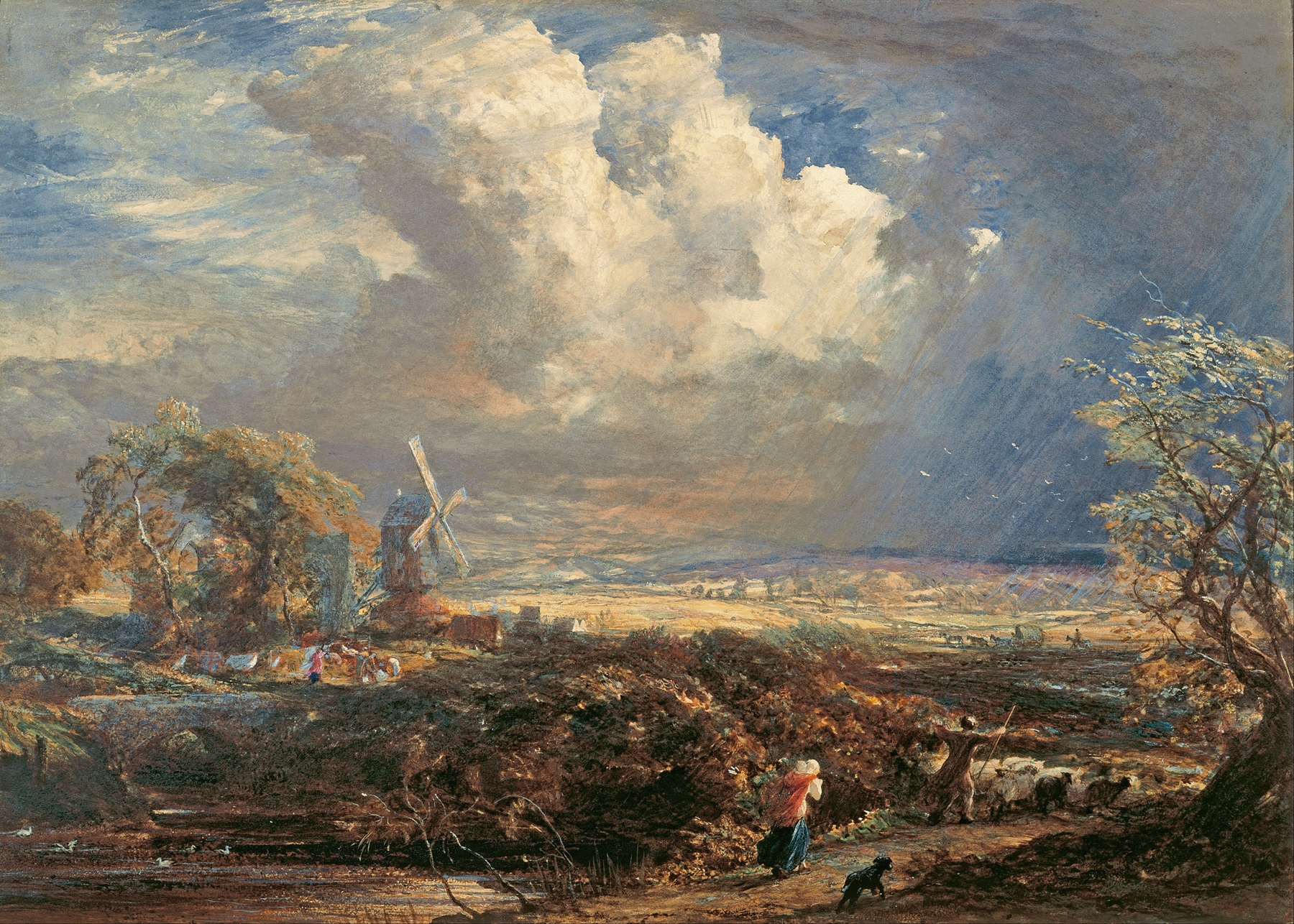
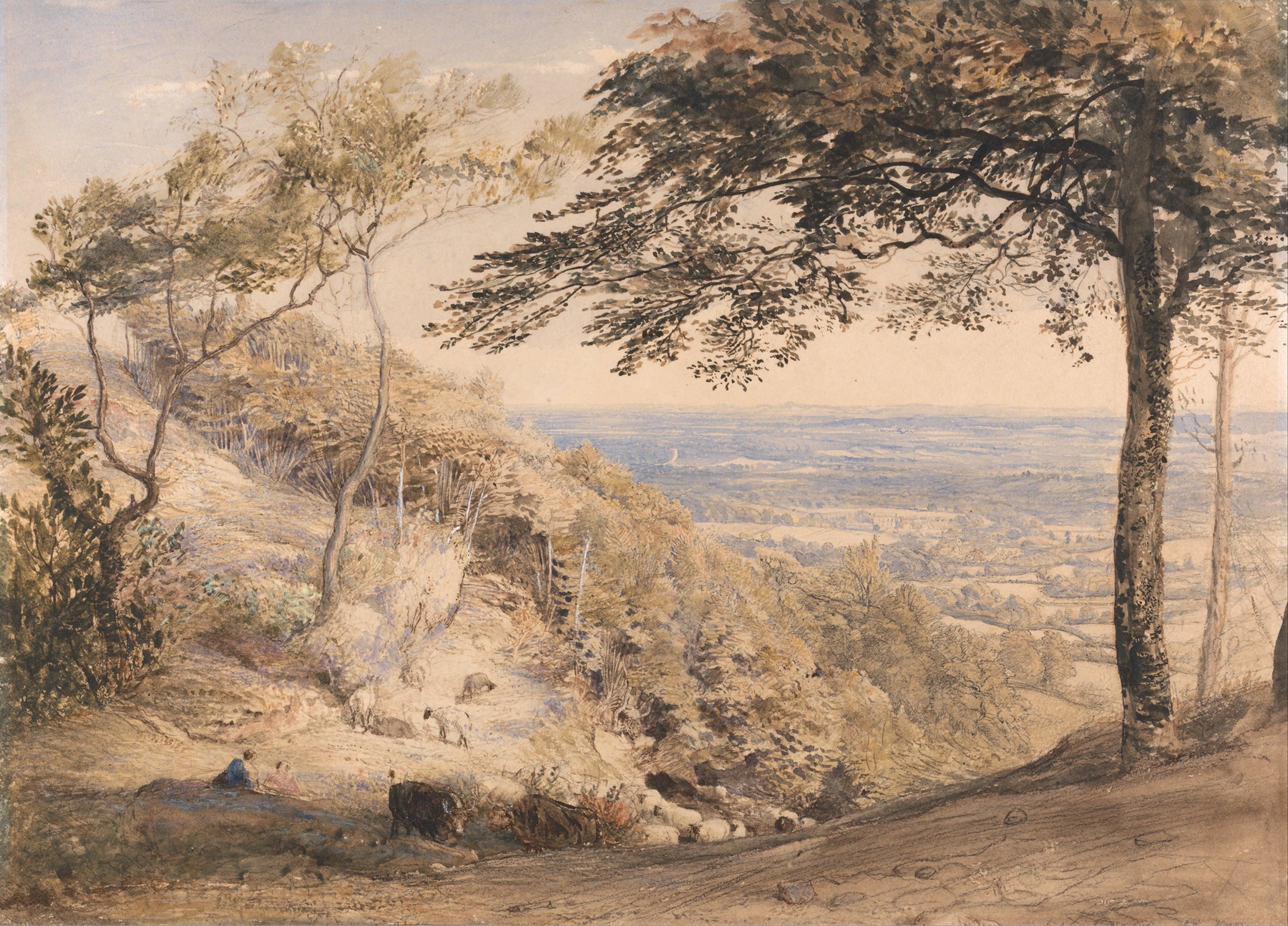
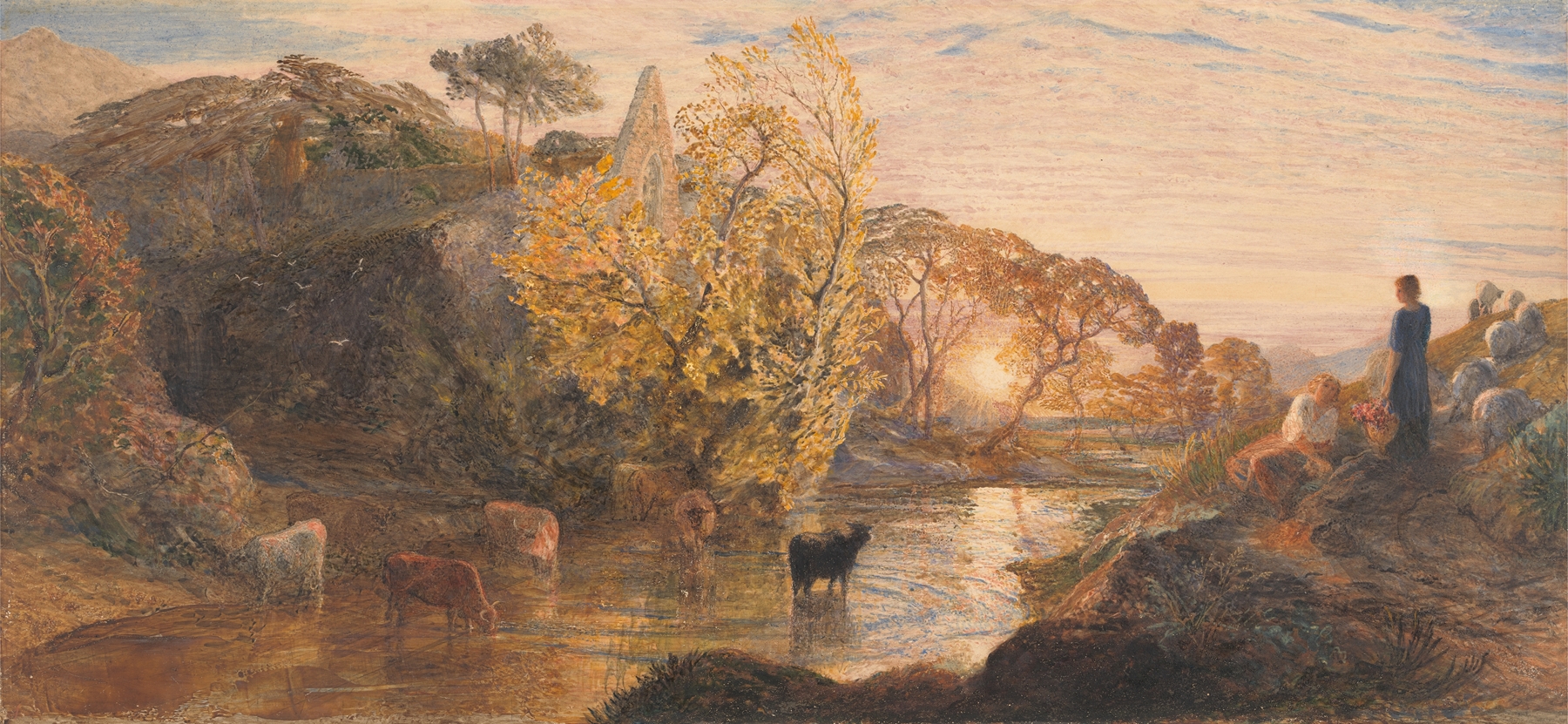
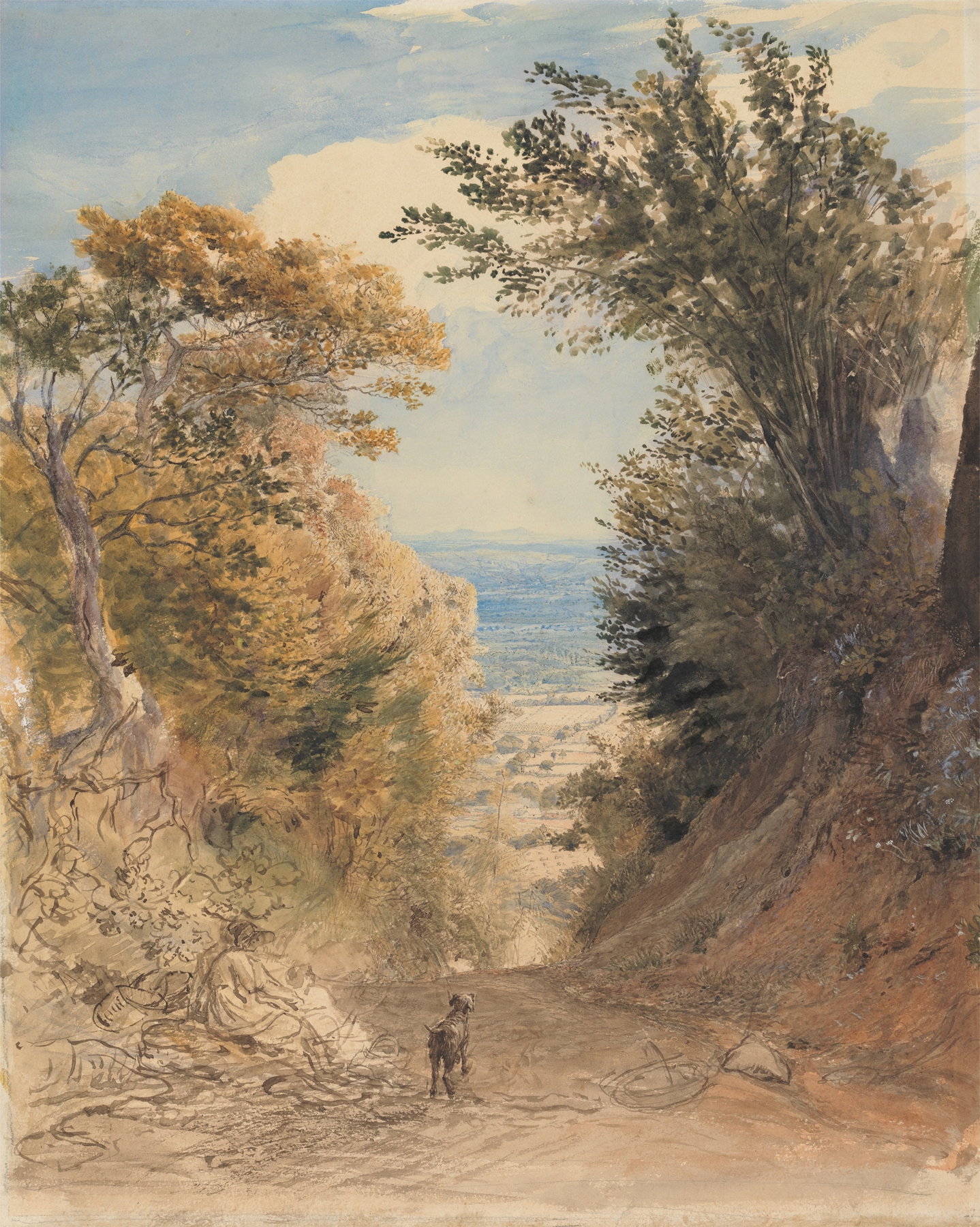
Where does light end, and longing begin? In a dreamscape painted by a master of romantic vision, the boundaries blur, inviting contemplation of the ethereal and the earthly. Look to the horizon, where soft, golden rays filter through a canopy of delicate foliage. The trees, twisting in gentle surrender to the wind, create a rhythmic dance that draws the eye deeper into the serene expanse.
Notice how the muted greens and honeyed yellows seamlessly blend, evoking a sensation of warmth and nostalgia that transcends time. The undulating hills, painted with a deft touch, beckon the viewer to wander into their embrace, suggesting both refuge and escape. Within this tranquil scene lies an intricate interplay of light and shadow, echoing the complexity of human emotion. The vibrancy of the fields juxtaposes with the somber hues of the encroaching twilight, hinting at the inevitable passage of time and the bittersweet nature of memory.
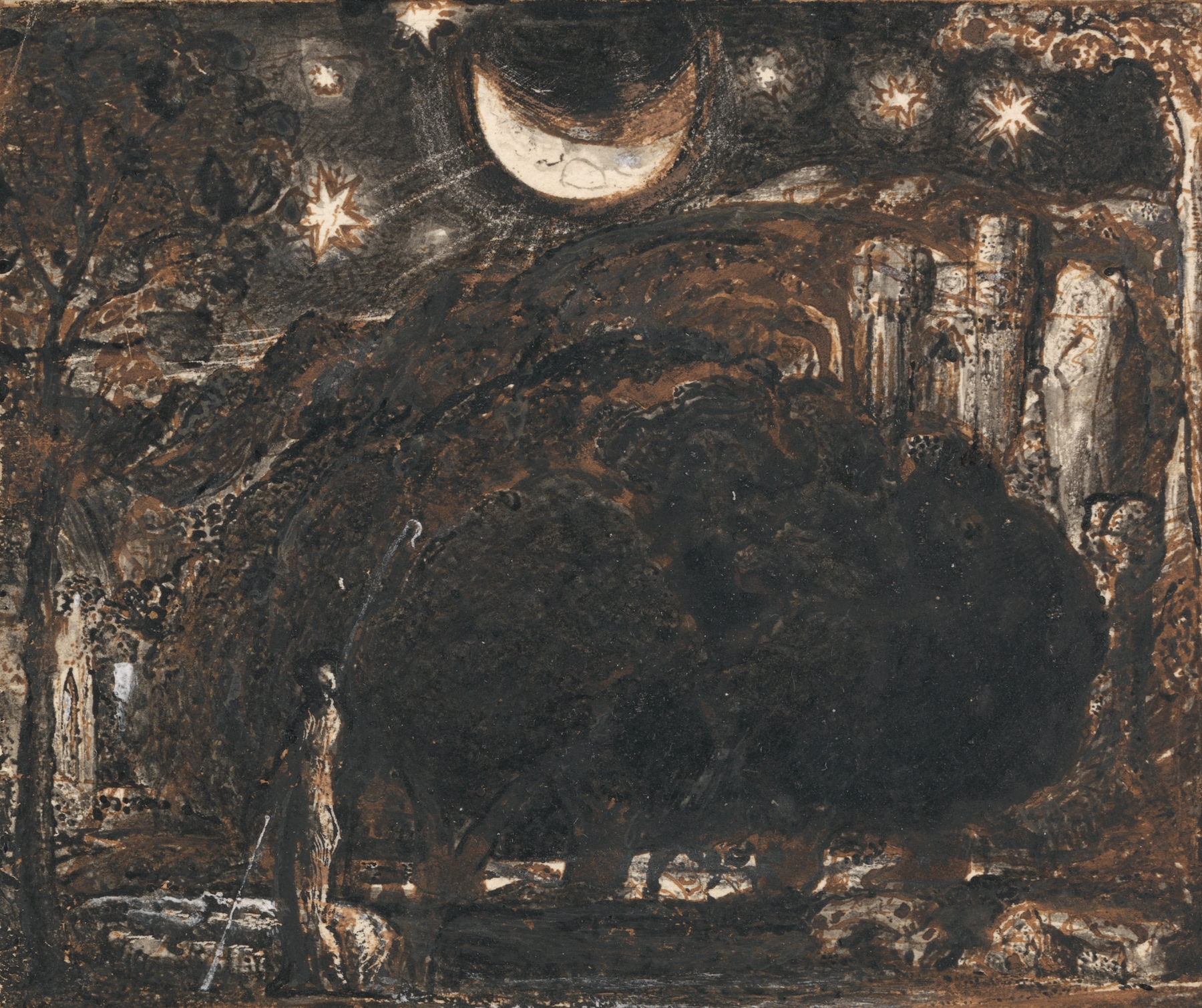
The ethereal glow that bathes the landscape speaks to the artist's yearning for a connection to something greater, a longing that resonates with the viewer and invites introspection about their own dreams. Samuel Palmer created this evocative piece in 1851, during a time of great personal and artistic transformation. Living in Kent, he was deeply influenced by the Romantic movement, seeking to capture the beauty of the English countryside and infuse it with spiritual significance. The world around him was rapidly changing, yet within his canvas, he strove to preserve a vision of harmony and transcendence, leaving a lasting legacy in the realm of landscape art.