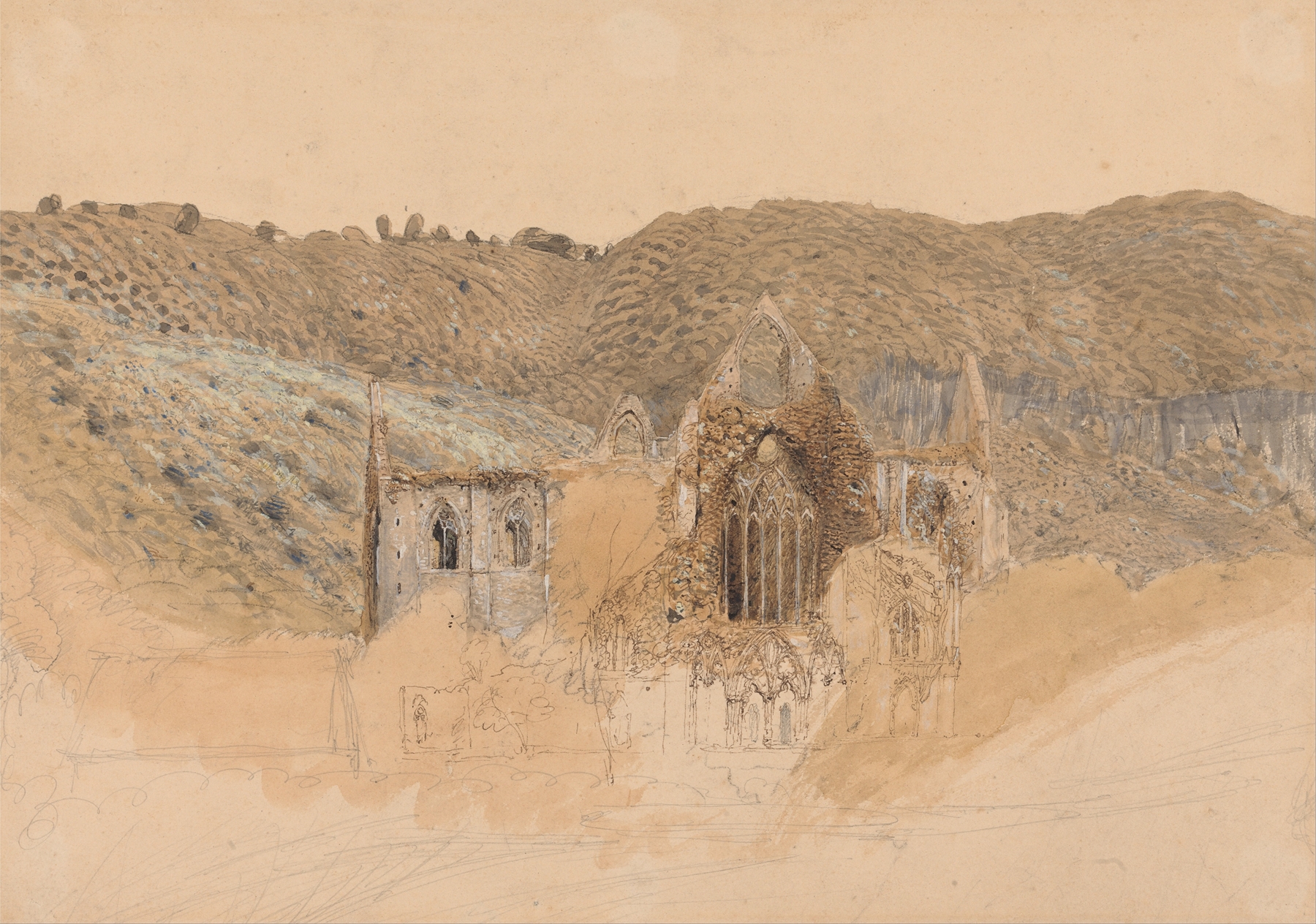
Tintern Abbey — History & Analysis
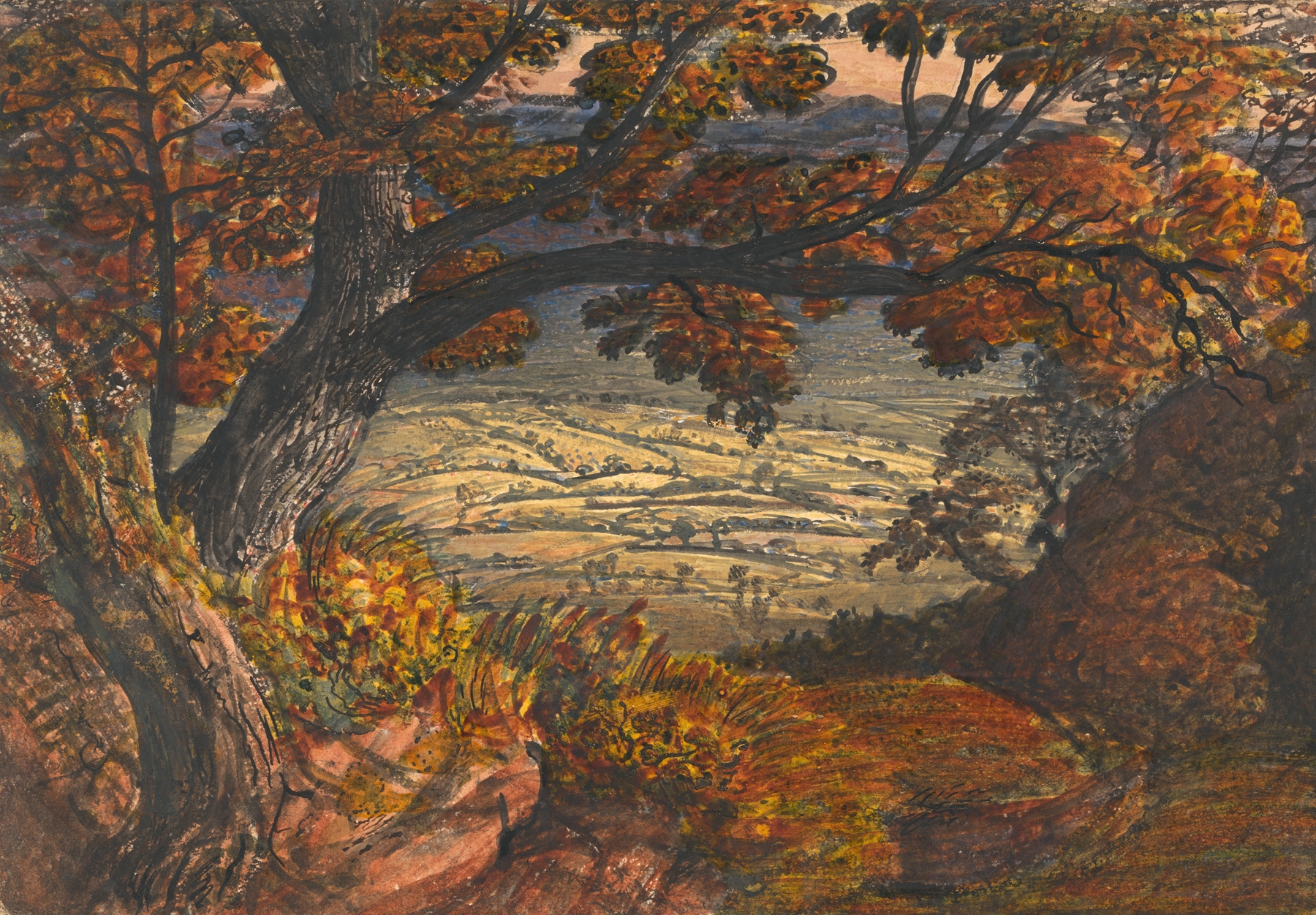
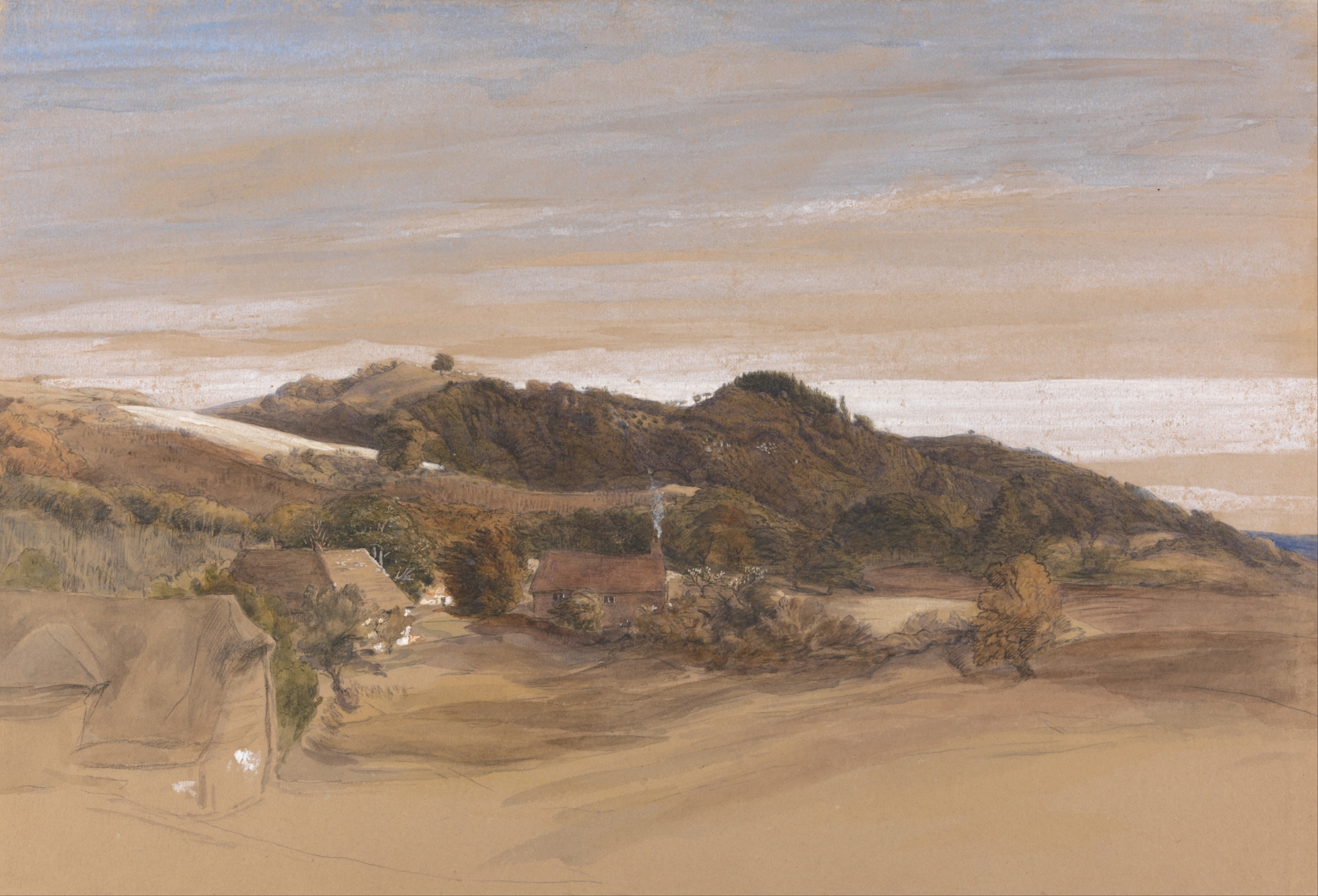
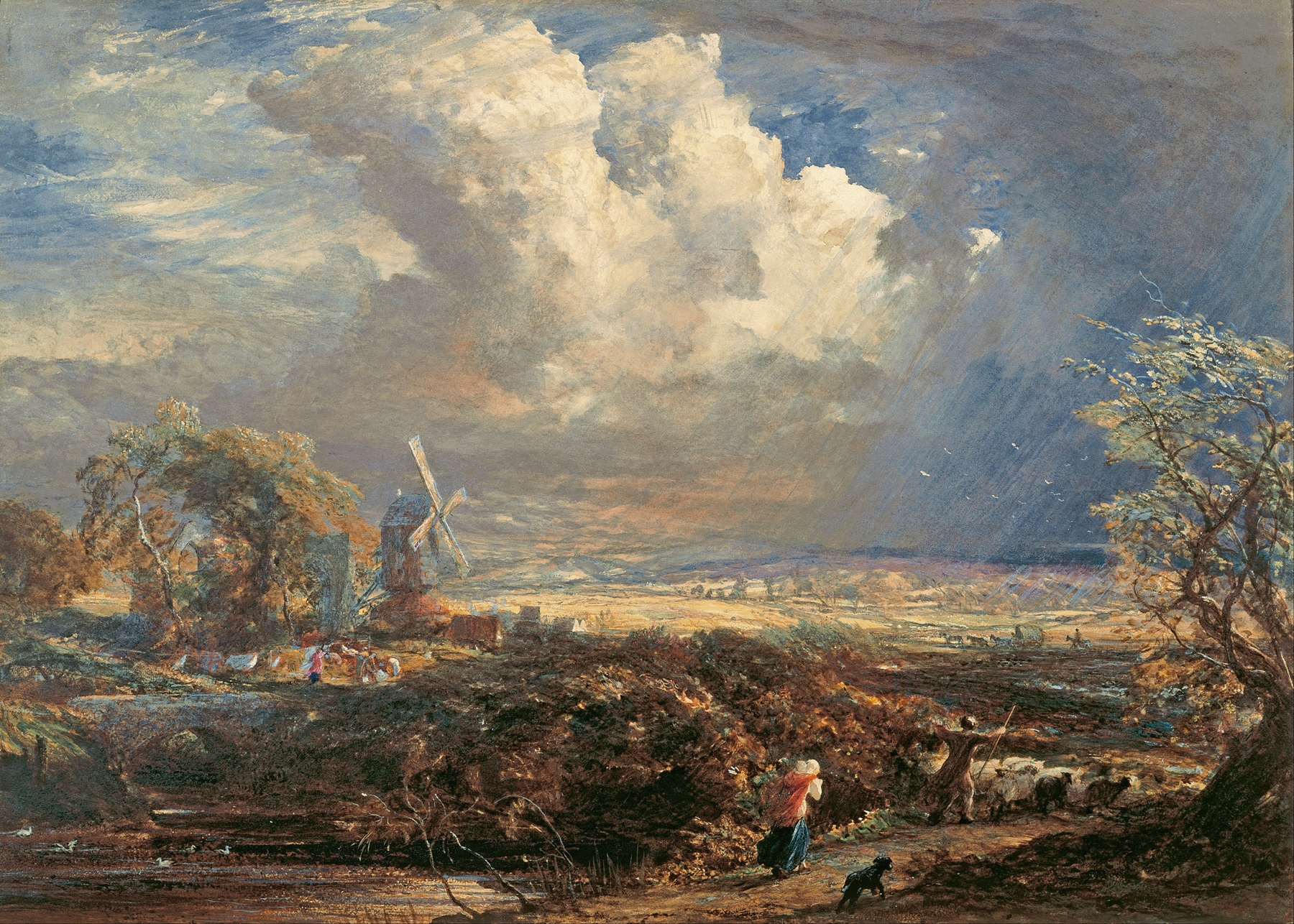
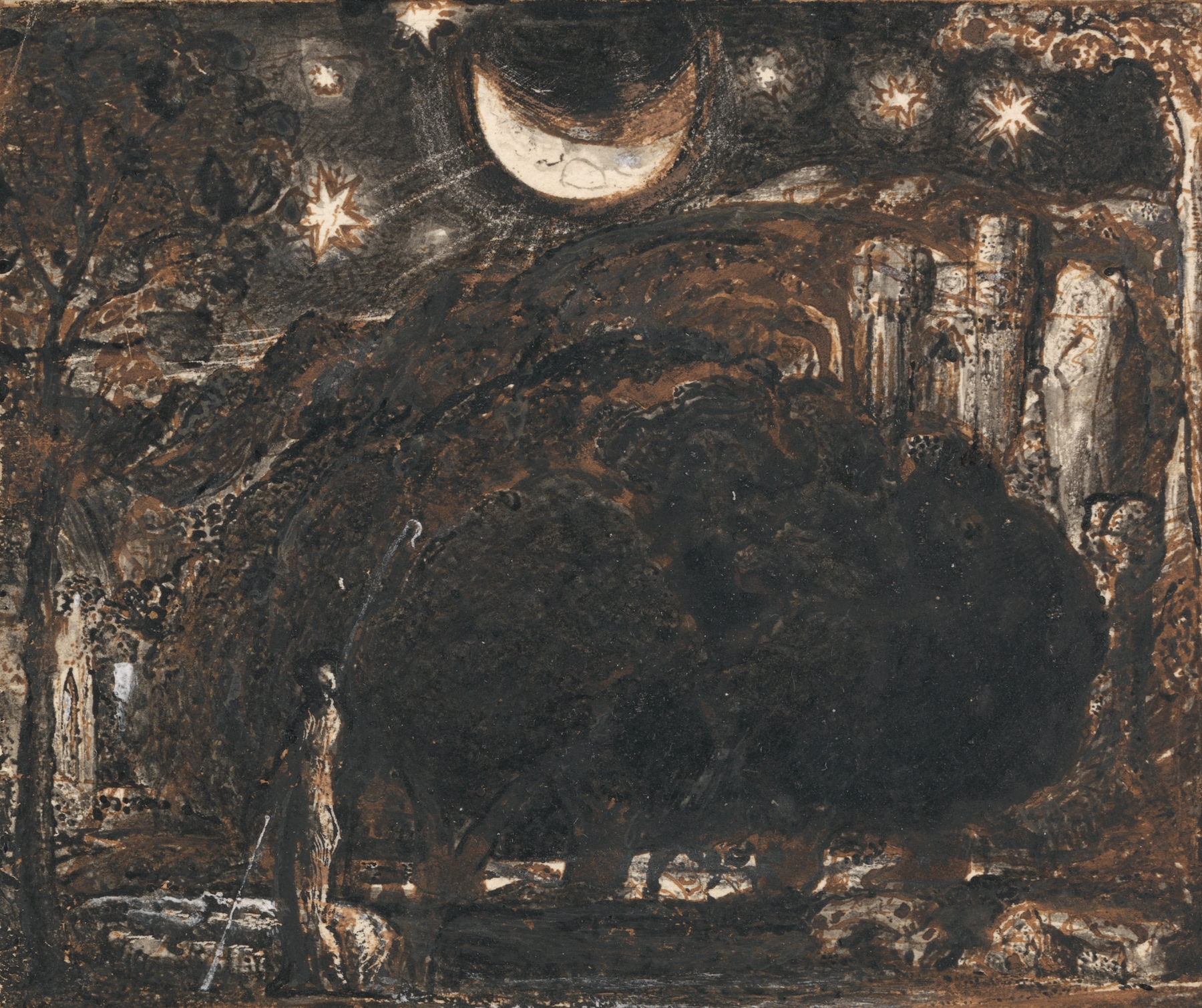
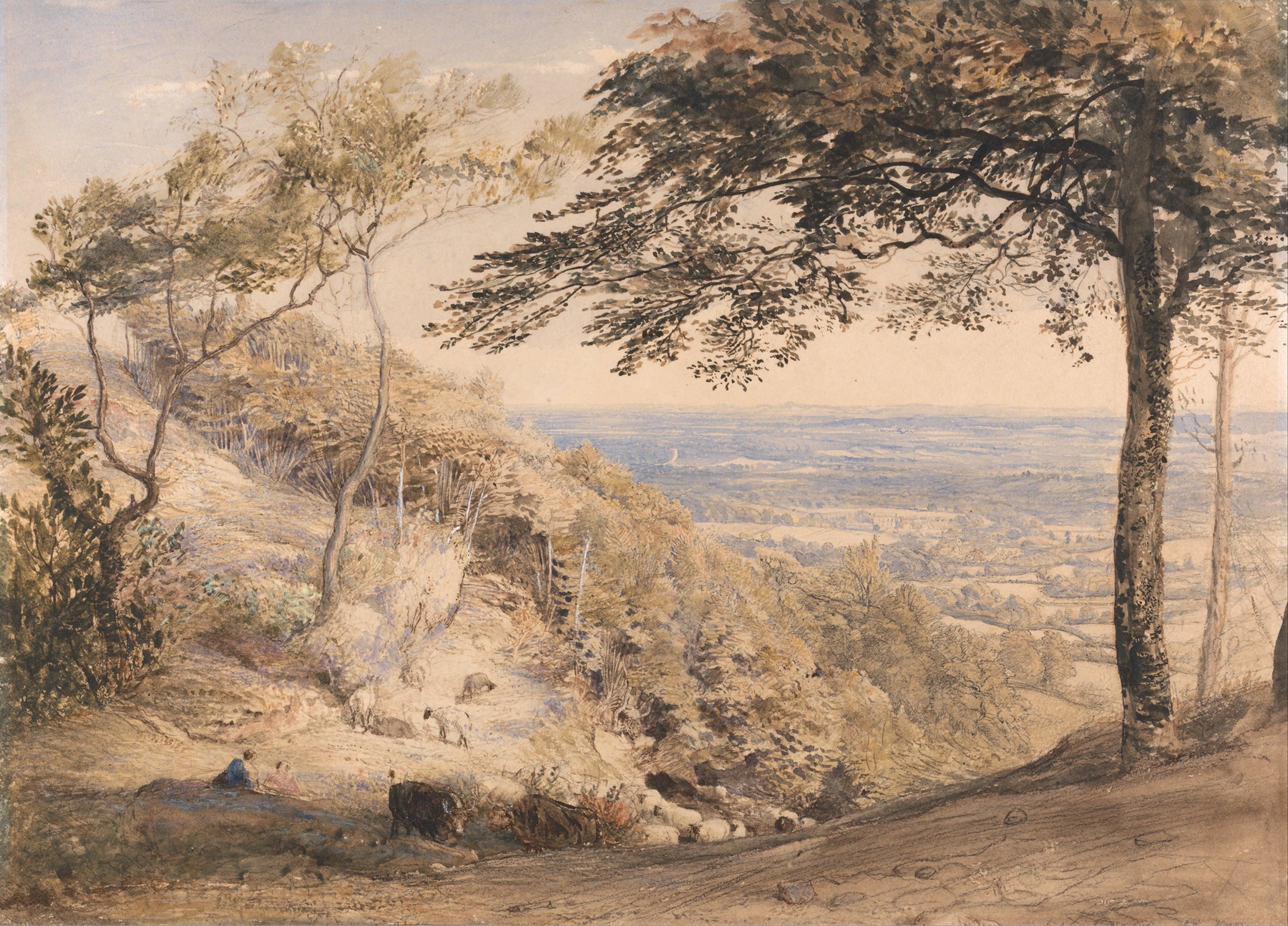
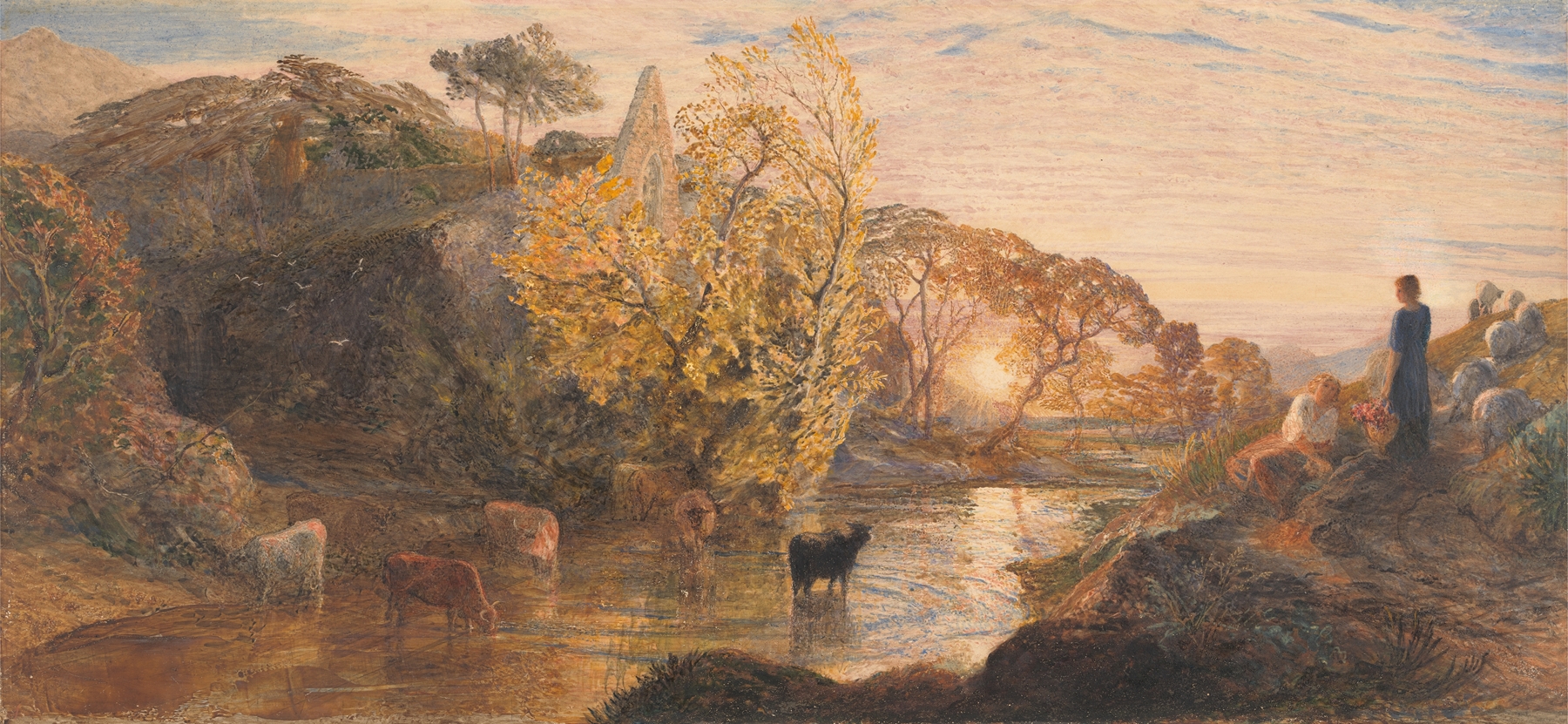
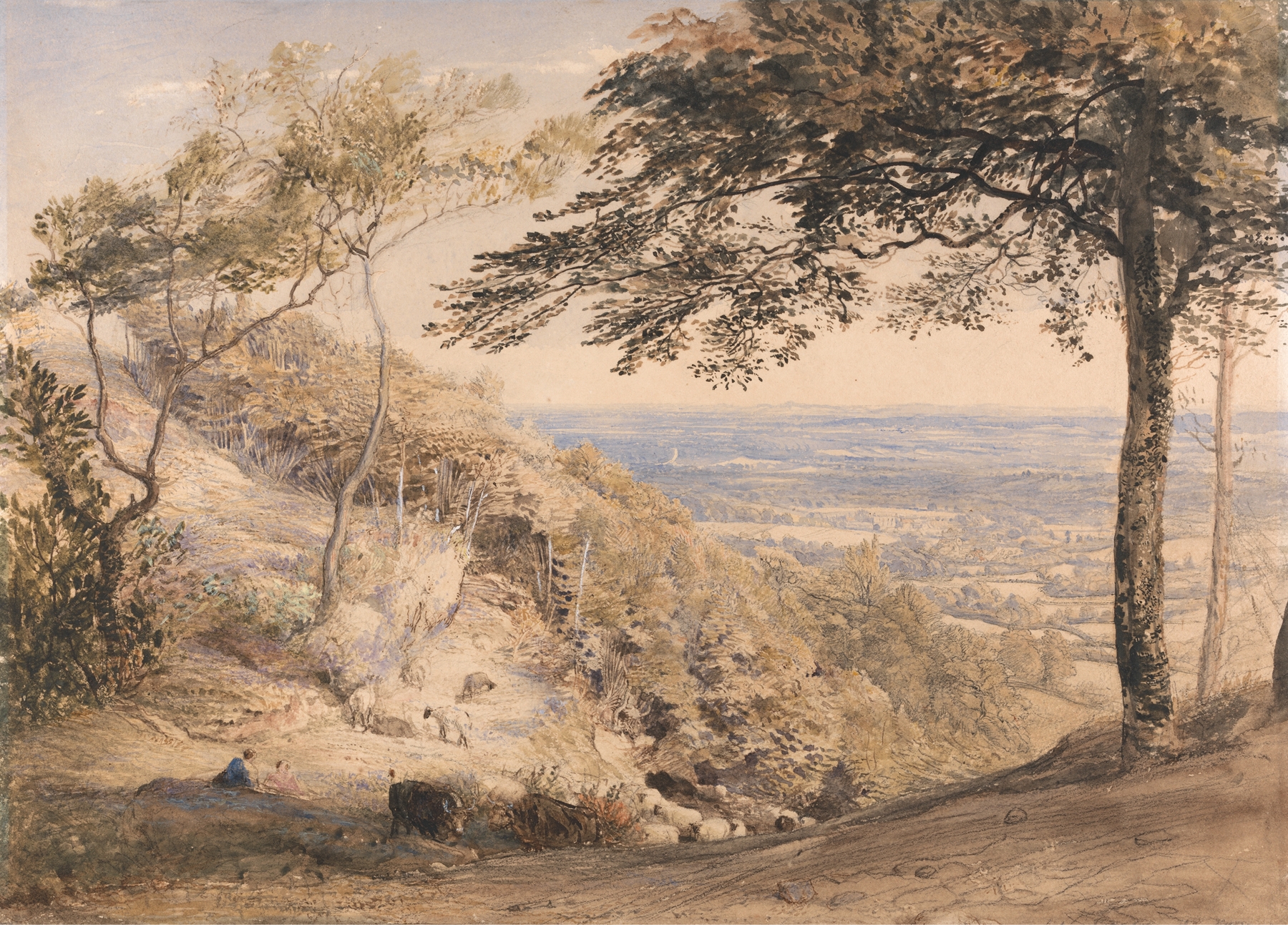
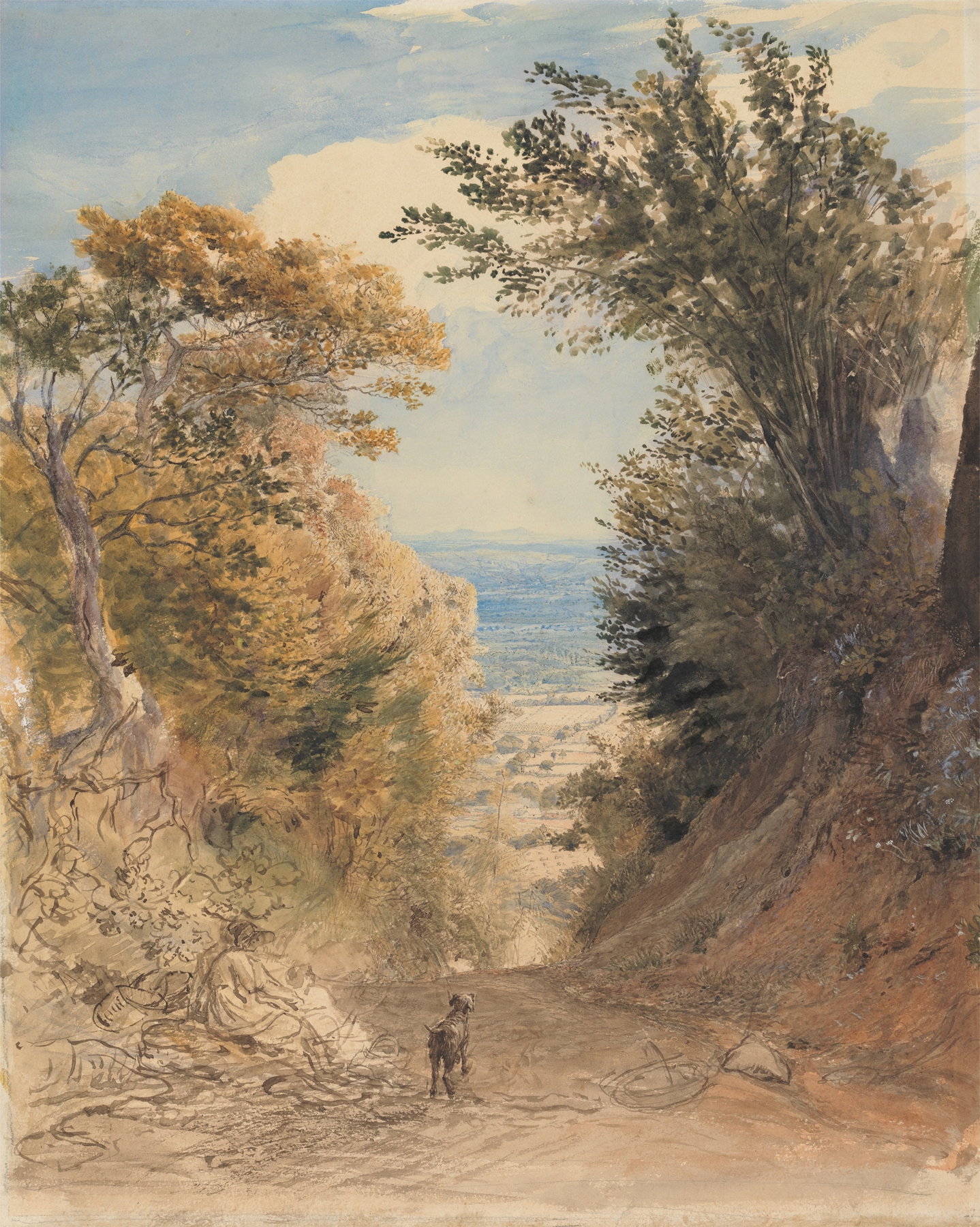
Could a single brushstroke hold eternity? In a world where time slips through our fingers, the sheer depth of emotion in this piece invites contemplation of the delicate interplay between nature and the human experience, casting a poignant shadow of betrayal over its serene landscape. Look to the left, where the verdant hills rise gently to meet the sky, painted in lush greens that evoke a sense of tranquility. Notice how the light bathes the abbey ruins, illuminating the soft browns and grays of the stone as it crumbles under the weight of time. The composition invites the eye to wander from the foreground’s vibrant flora to the distant horizon, creating a sense of depth that pulls the viewer into this pastoral world.
It is a masterful blend of soft lines and dynamic brushwork, capturing not only the beauty of the scene but also the fleeting nature of existence. Delve deeper, and you’ll uncover the emotional tensions that pulse beneath the surface. The juxtaposition of the idyllic landscape against the remnants of the abbey suggests a longing for a lost past, perhaps an allegory for betrayal by time itself. Each stroke echoes an invitation to reflect on the fragility of life and relationships, revealing the complex layers of memory and loss that the viewer may navigate.
The tranquility of the scene belies its undercurrents of sorrow, inviting personal introspection. During the early 19th century, when this work was created, the artist found himself amidst a burgeoning Romantic movement. Experiencing an intense emotional landscape shaped by personal trials and a quest for spiritual truth, he painted this piece, infusing it with the ethos of his time. The transitional period in the art world, focusing on nature and emotional expression rather than classical ideals, deeply influenced his vision, resulting in a profound exploration of both beauty and the passage of time.