Tintern Abbey at Sunset — History & Analysis
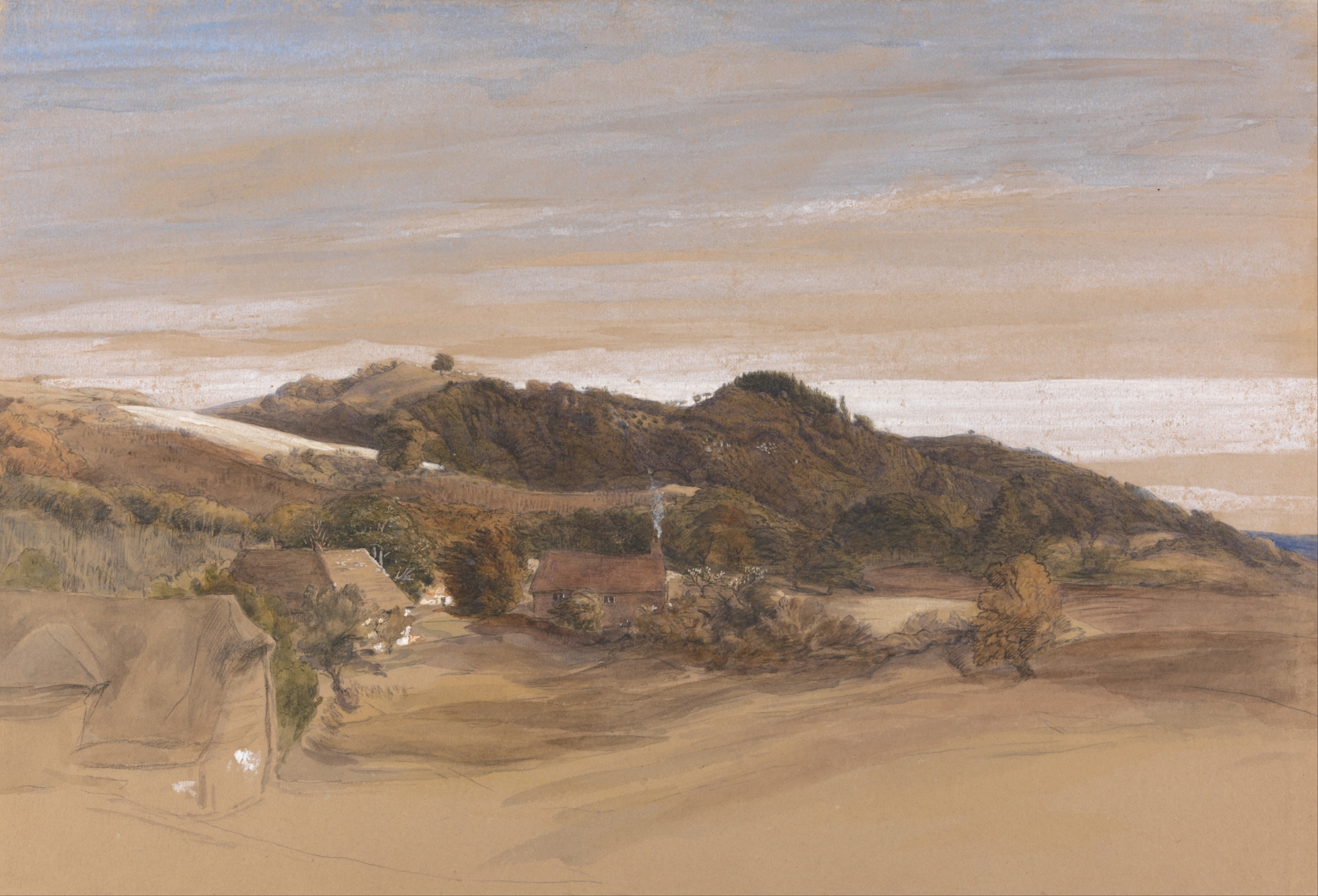
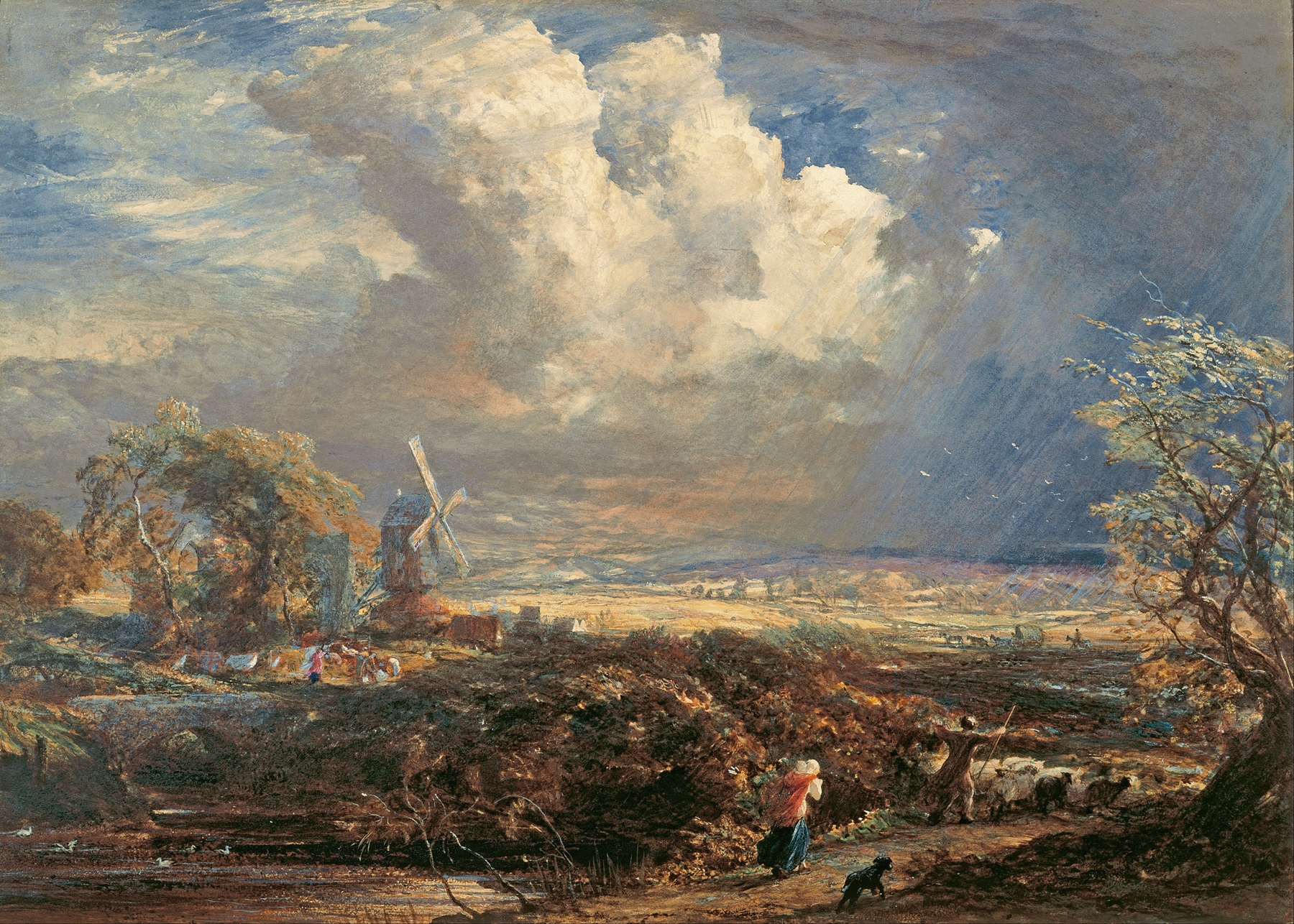
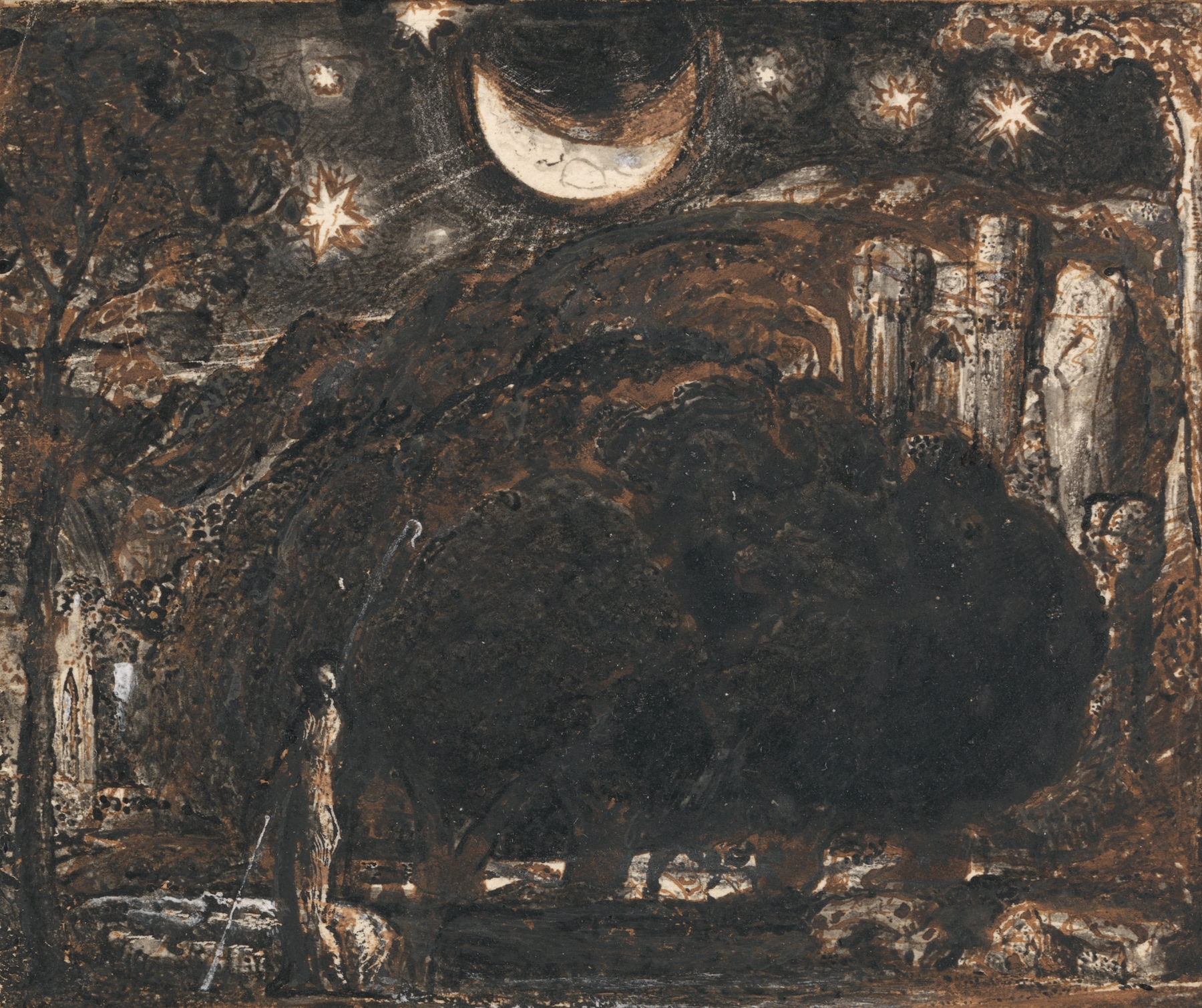
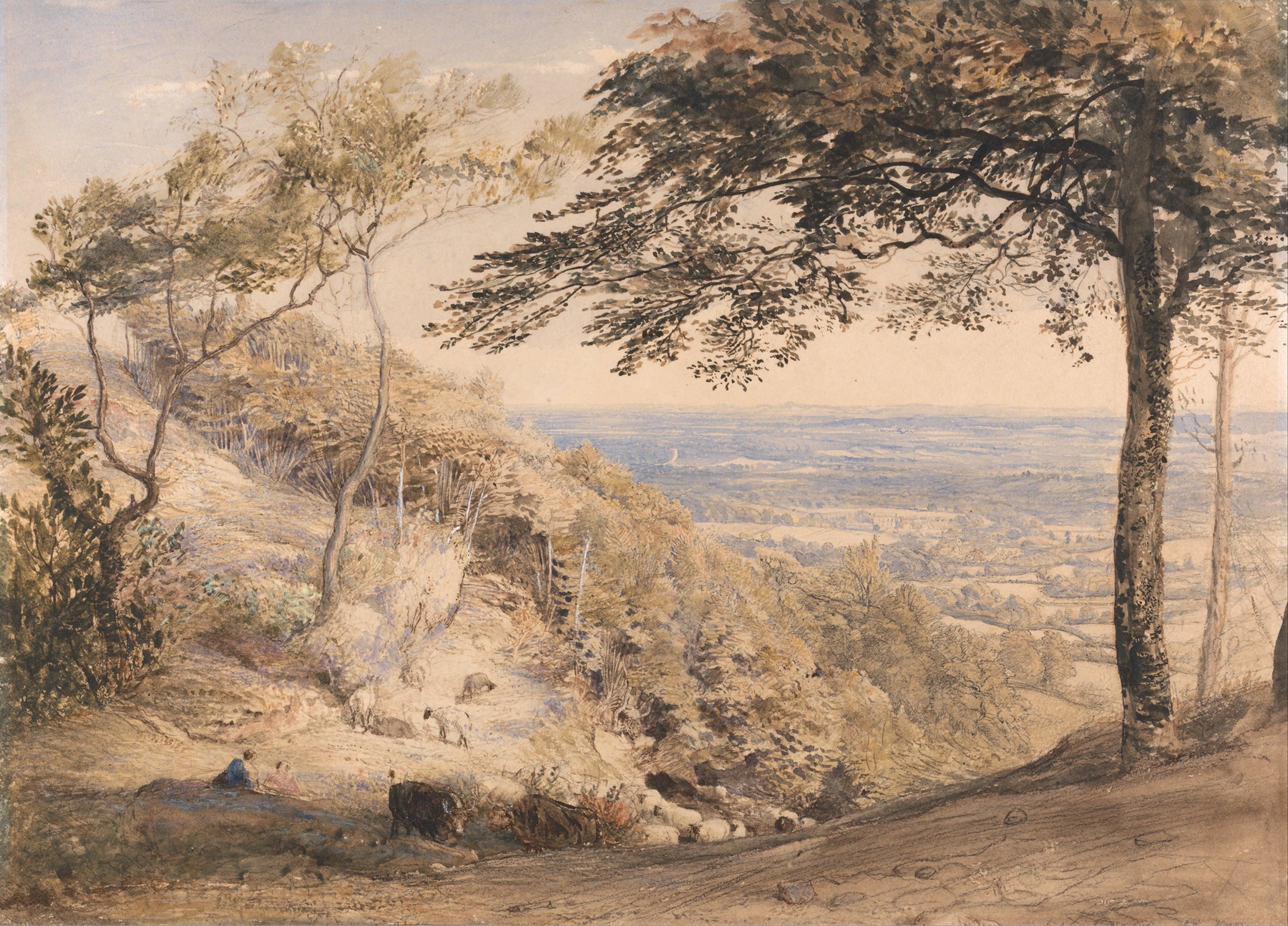
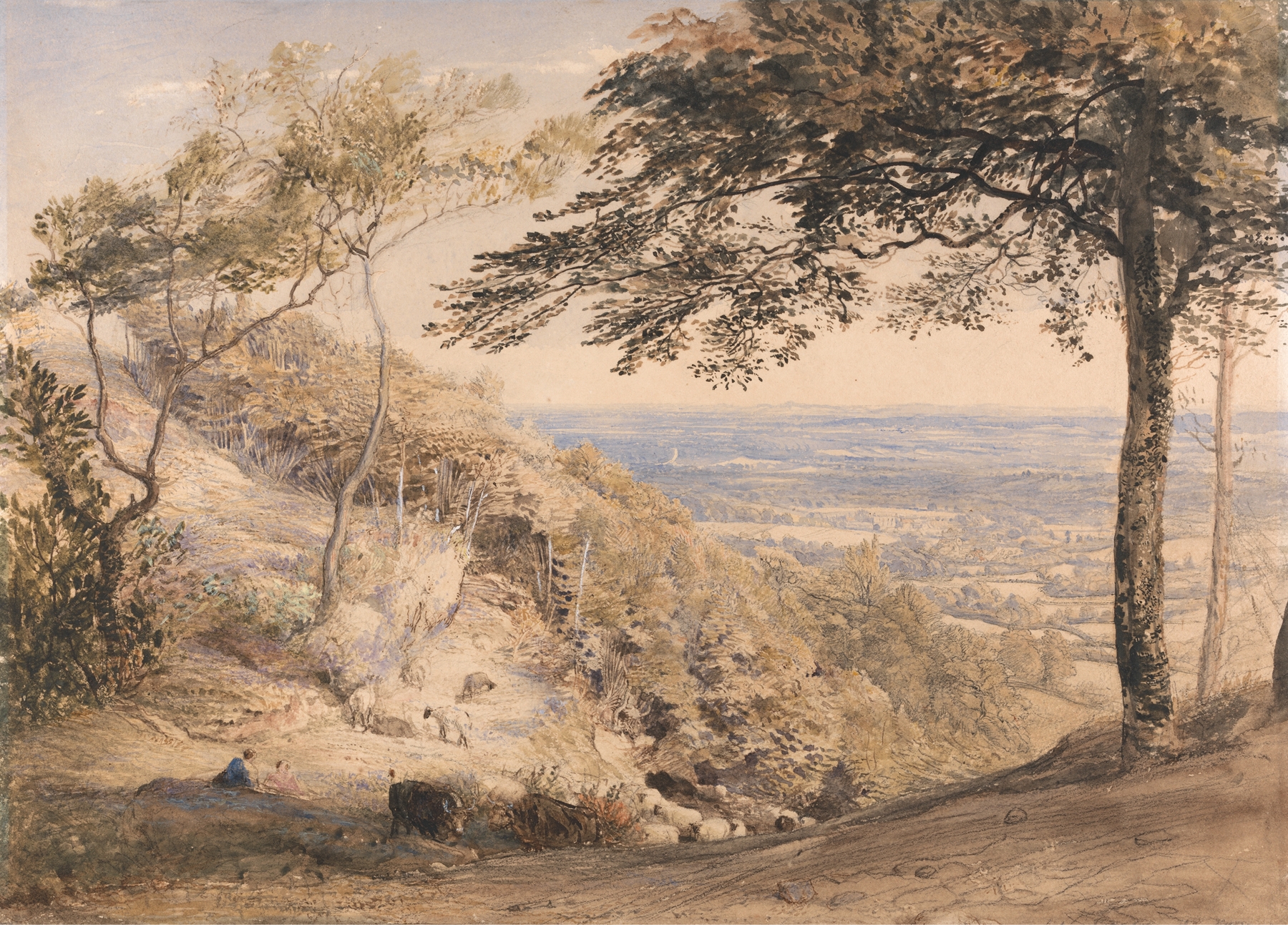
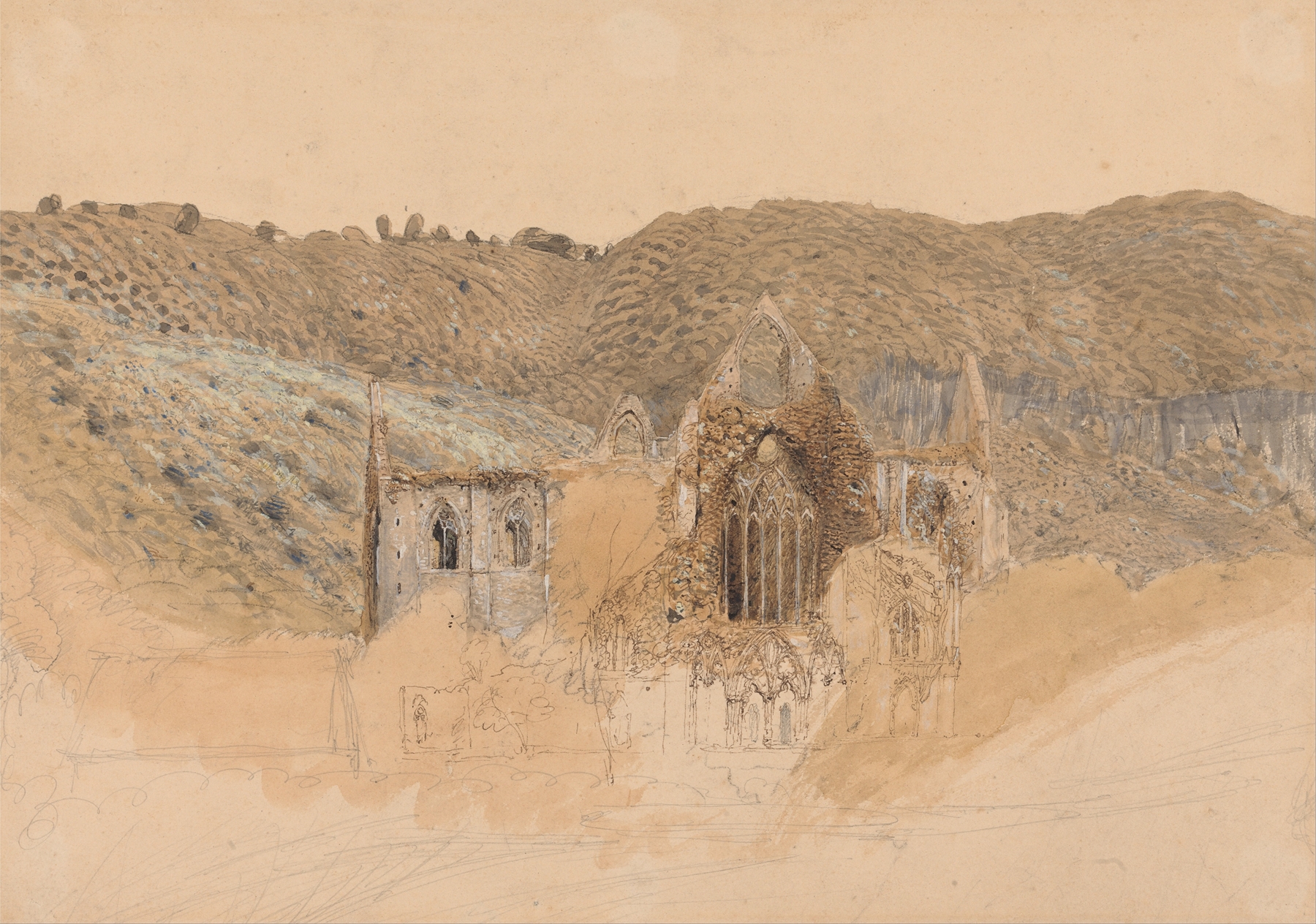
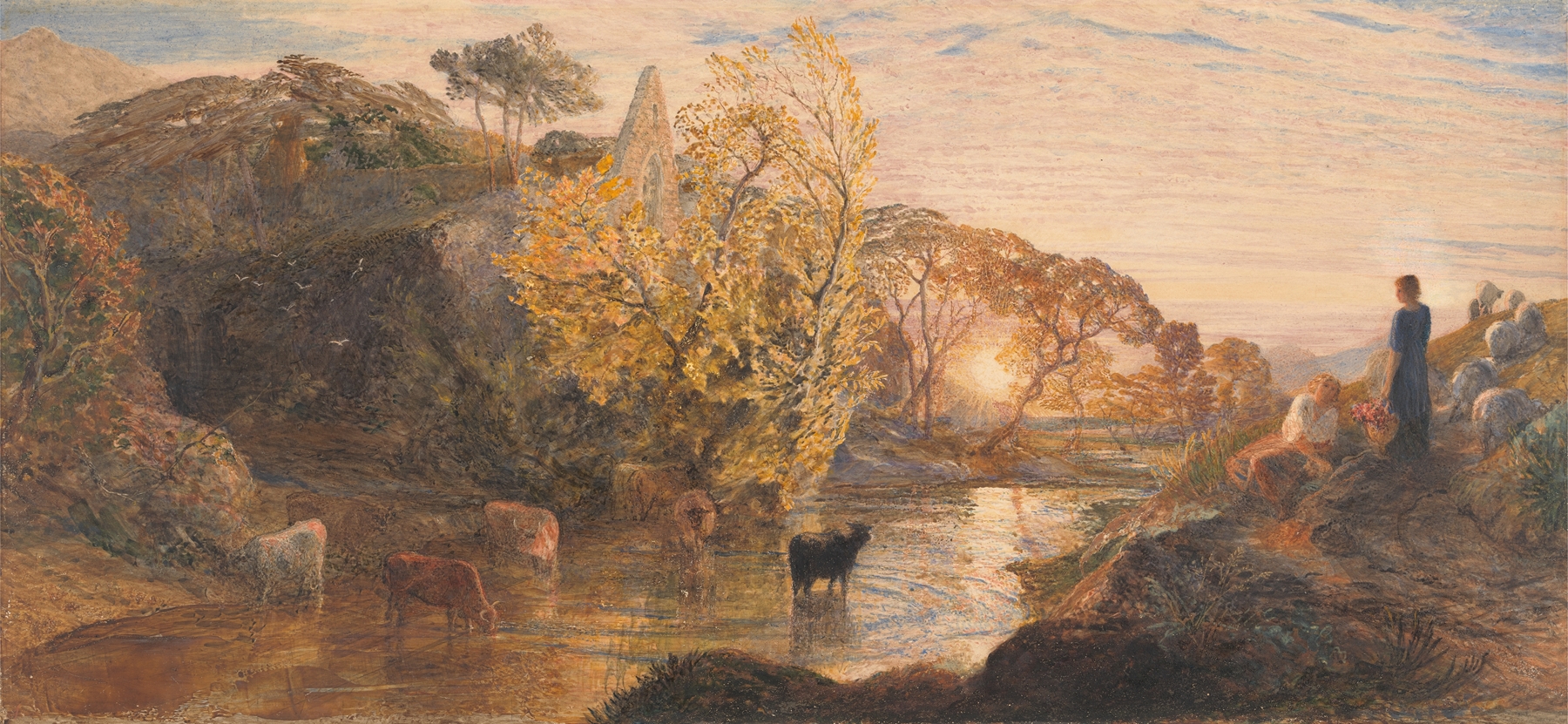
Did the painter know this moment would outlive them? In the waning light, a delicate interplay of shadow and glow creates an almost haunting beauty that beckons us closer. Look to the center, where the gnarled trees frame the ancient abbey, their branches twisting like the very thoughts of a restless mind. The warm hues of sunset spill across the sky, casting an ethereal glow that bathes the scene in nostalgia and longing. Notice how Palmer employs soft, flowing brushstrokes to evoke the serenity of the landscape, juxtaposed with the rigid, crumbling structures that speak of time's relentless passage.
This tension is palpable, infusing the scene with both tranquility and an undercurrent of melancholy. Beneath the surface, the painting wrestles with themes of obsession and memory. The abbey, a relic of the past, symbolizes the weight of history and the artist’s desire to capture something eternal. The luminous sky contrasts with the earthly forms, suggesting the transcendence of art over the ephemeral nature of human existence.
Each brushstroke serves as an invocation, holding the viewer in a moment that feels both fleeting and forever. In 1861, Palmer painted this work amidst a shifting art world, where Romanticism was giving way to Modernism. Living in England, he was deeply influenced by the beauty of the English countryside and the mystique of ancient ruins. It was a time of personal introspection for him, as he sought to solidify his legacy through a language of color and form that would resonate with future generations.