At Hailsham, Sussex; a Storm Approaching — History & Analysis
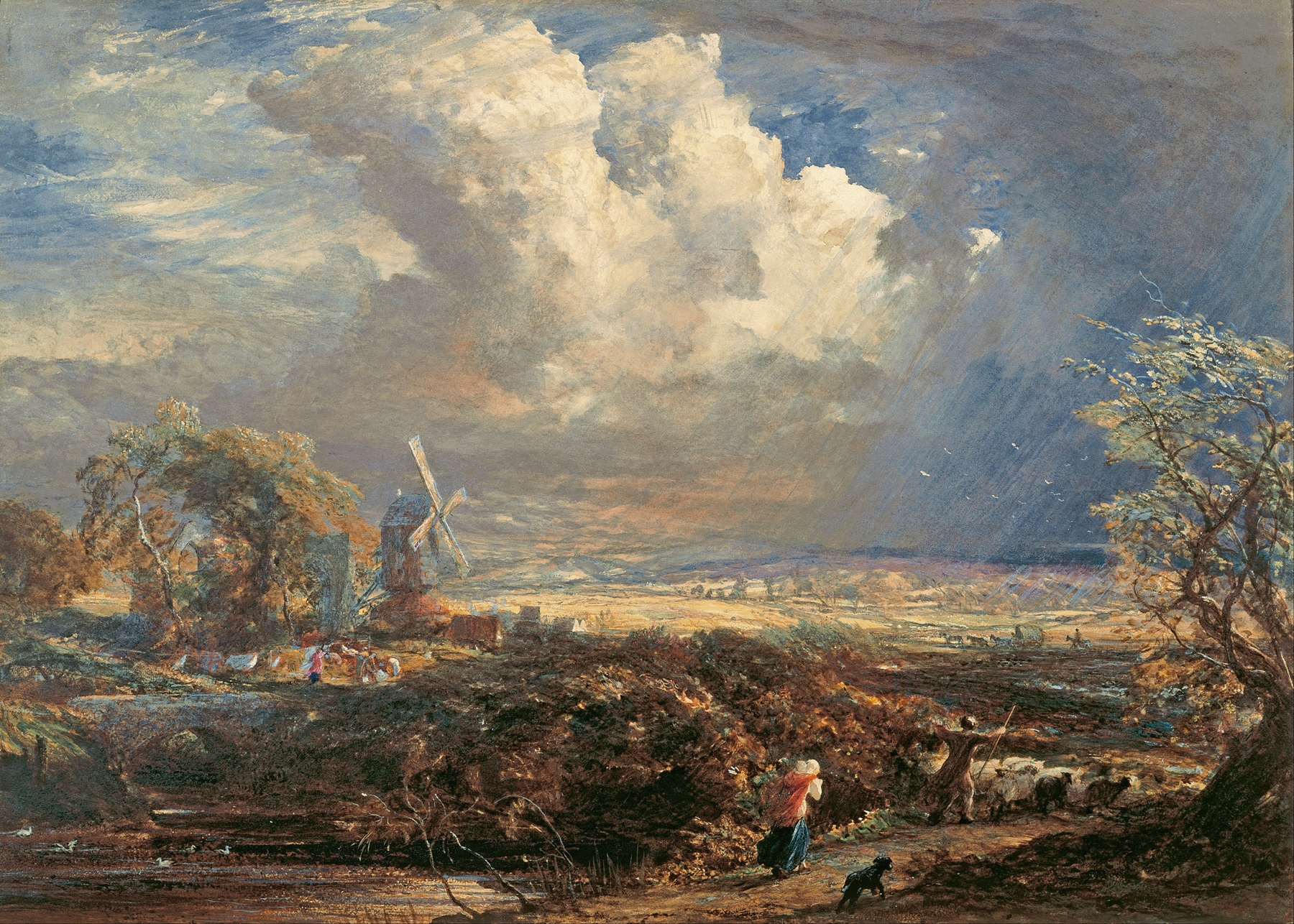
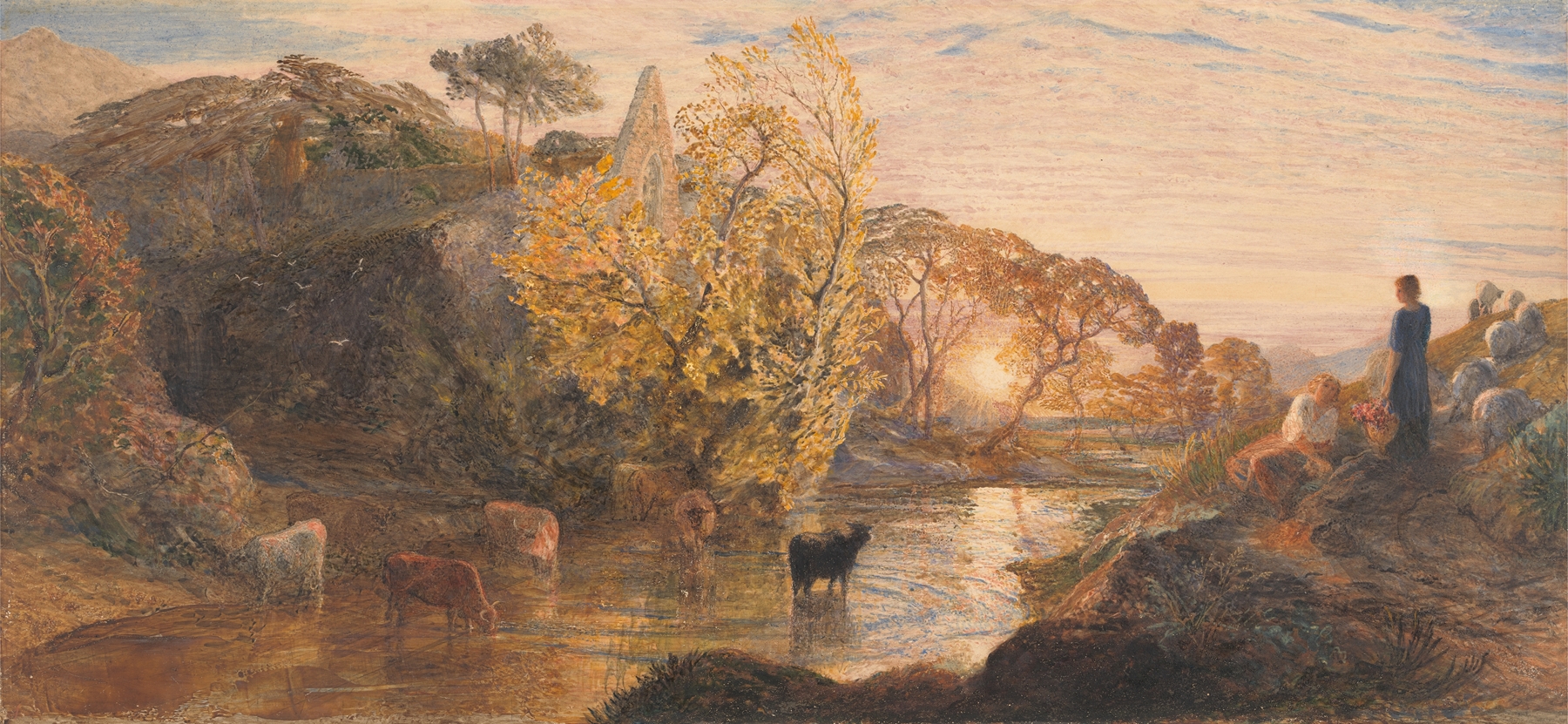
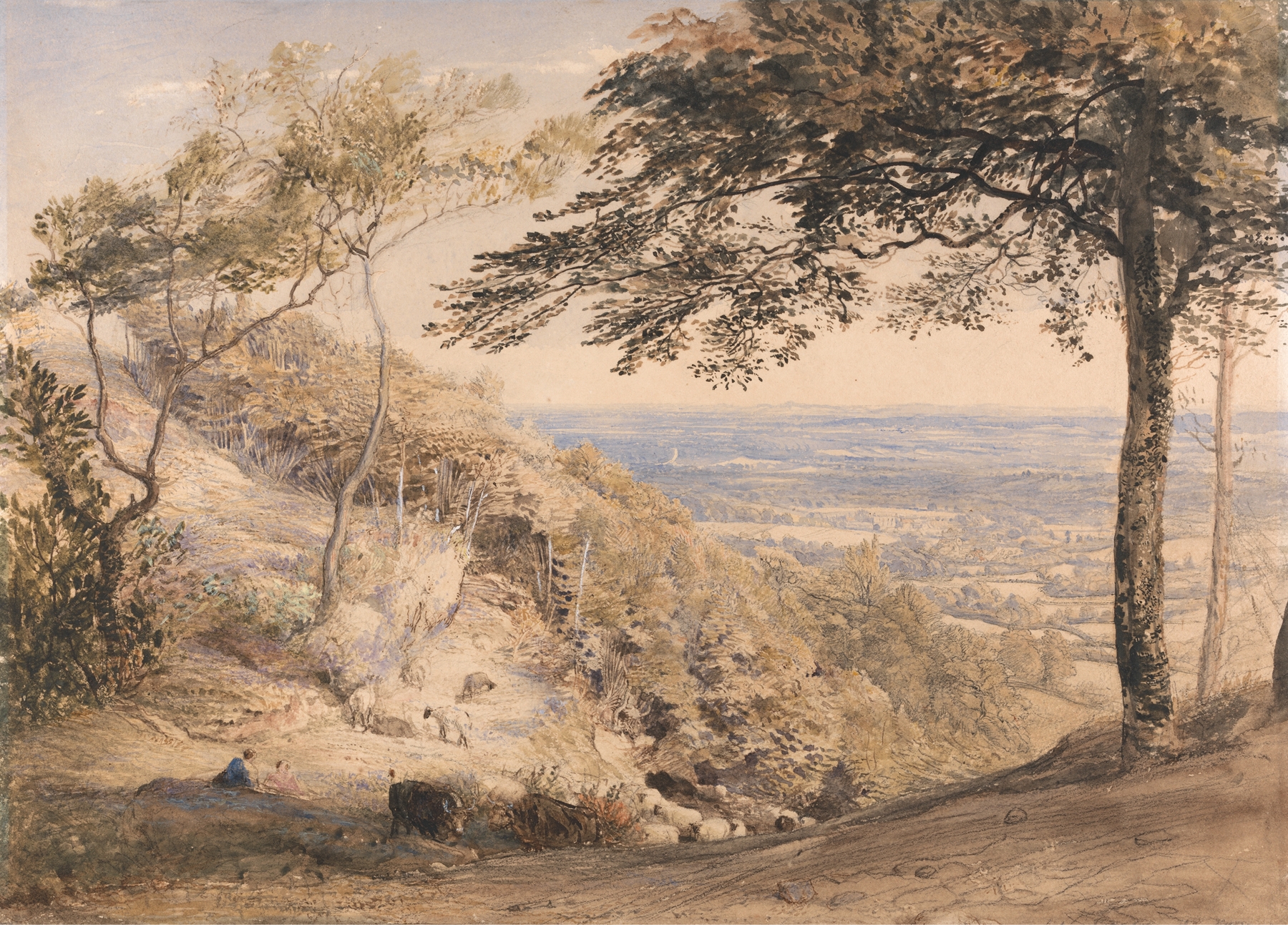
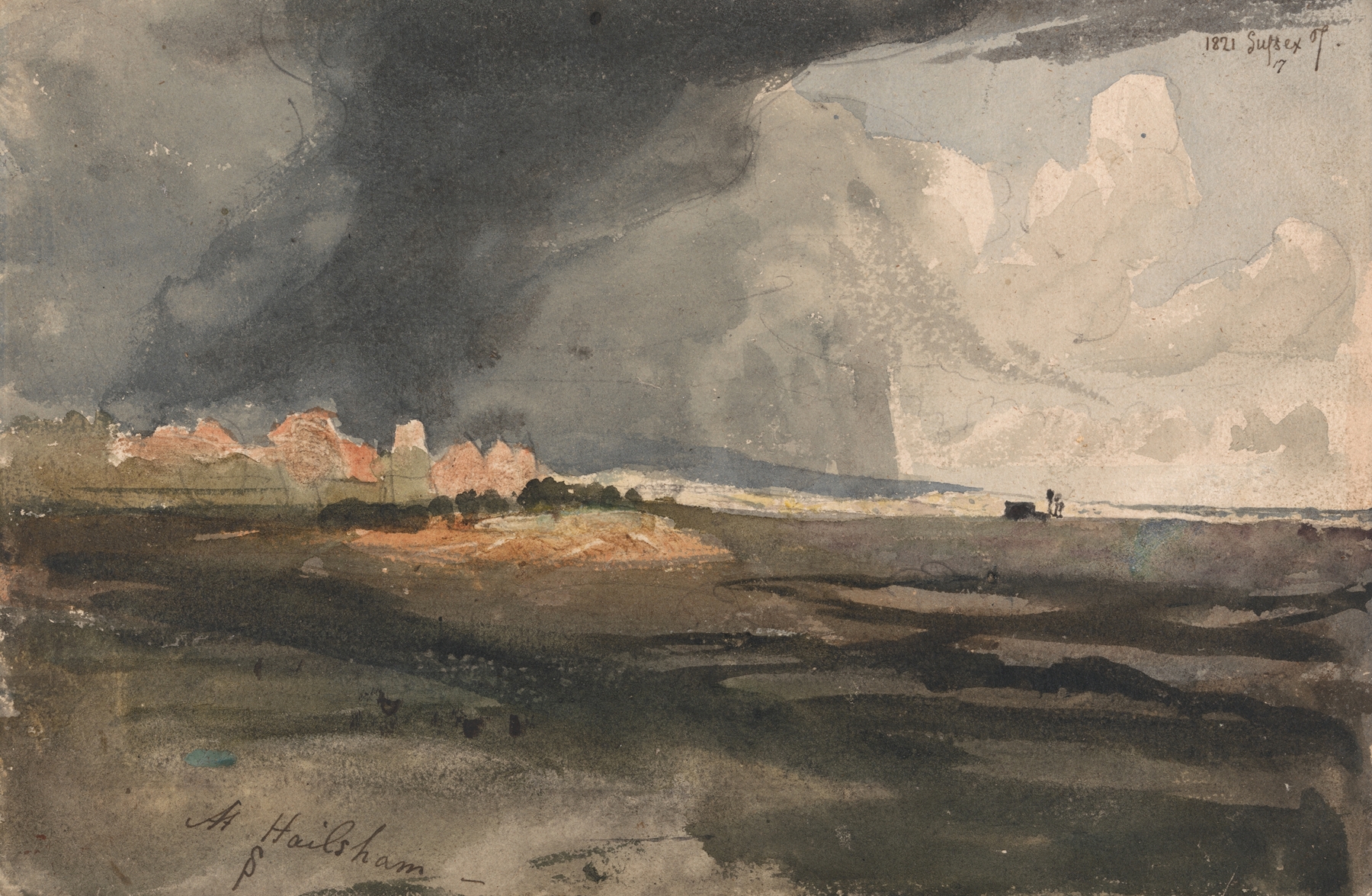
Could a single brushstroke hold eternity? In the hands of Samuel Palmer, color becomes a living entity, capturing the restless spirit of the English landscape as it braces for an incoming storm. Look to the lower right at the vivid green of the fields, imbued with a swirling energy that hints at the chaos to come. The storm clouds above, rendered in deep blues and greys, command the viewer's gaze, while the delicate, golden light of the setting sun fights valiantly against the encroaching darkness.
Palmer's technique, characterized by a blend of romanticism and naturalism, breathes life into the scene, emphasizing the contrast between the serene beauty of the countryside and the wild tempest looming beyond. Beneath the surface of this painting lies a deeper commentary on the fragility of peace and the inevitability of change. The interplay of light and shadow evokes a sense of tension, suggesting that tranquility can be disrupted at any moment. Additionally, the figures in the distance, almost indistinguishable, remind us of our insignificance against nature’s grand forces, symbolizing both vulnerability and resilience.
In 1821, when this work was created, Palmer was living in a period of personal exploration and artistic transformation. Fresh from his experiences in the rural landscapes of Sussex, he was part of the visionary movement that sought to express profound emotion through nature. This painting not only reflects his innovative techniques but also captures the cultural zeitgeist of an era fascinated by the sublime power of the natural world.