A Square in Beirut — History & Analysis
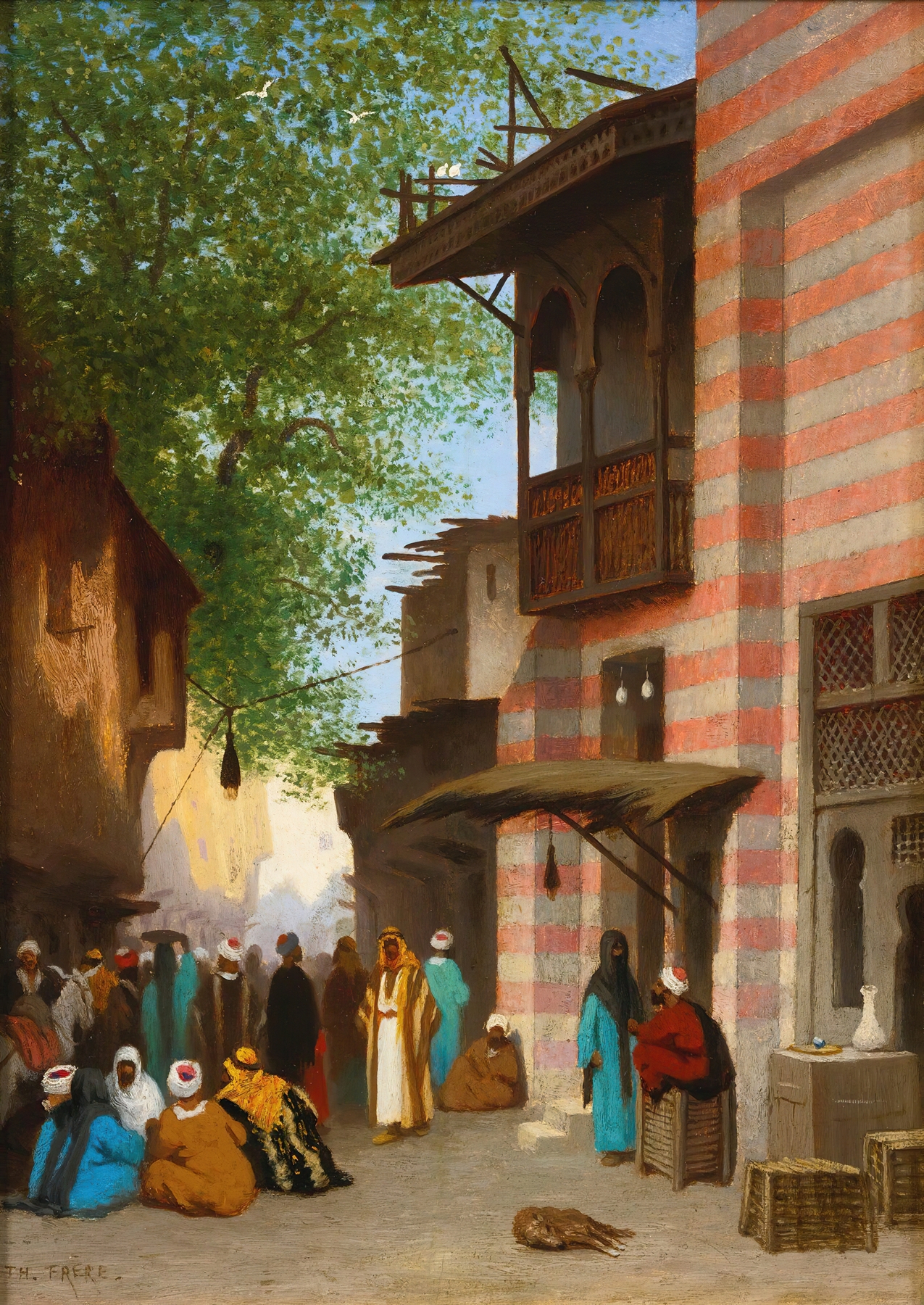
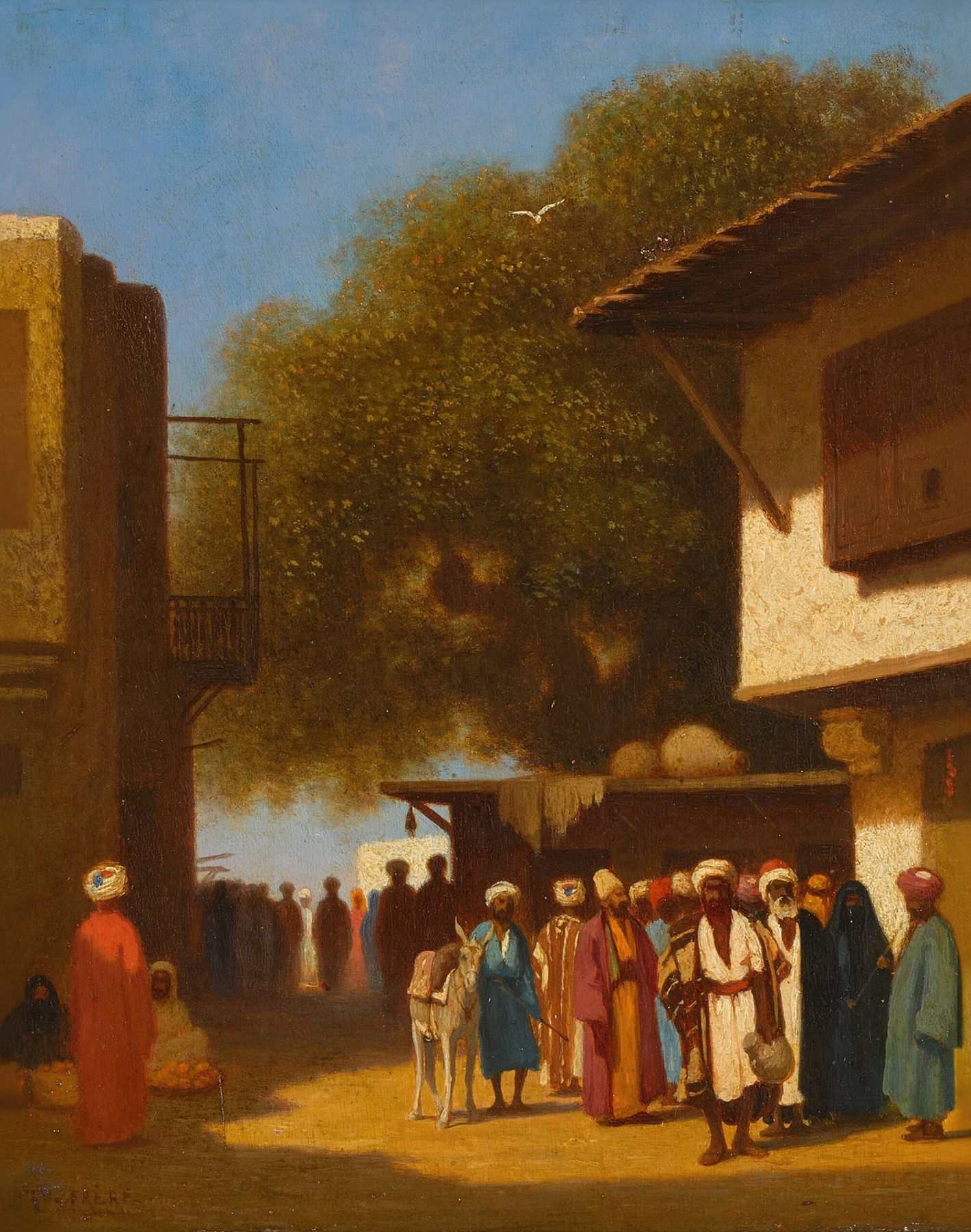
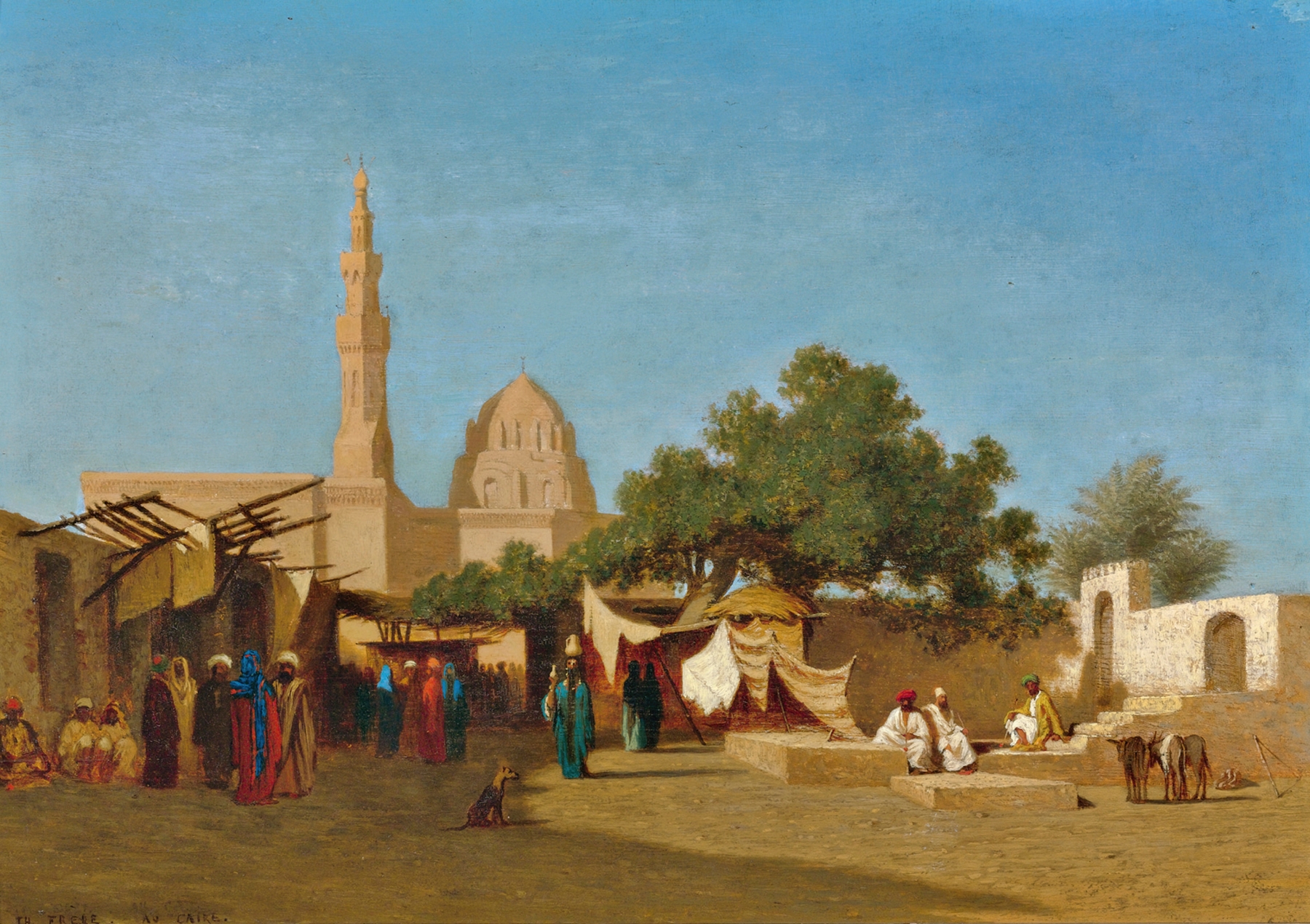
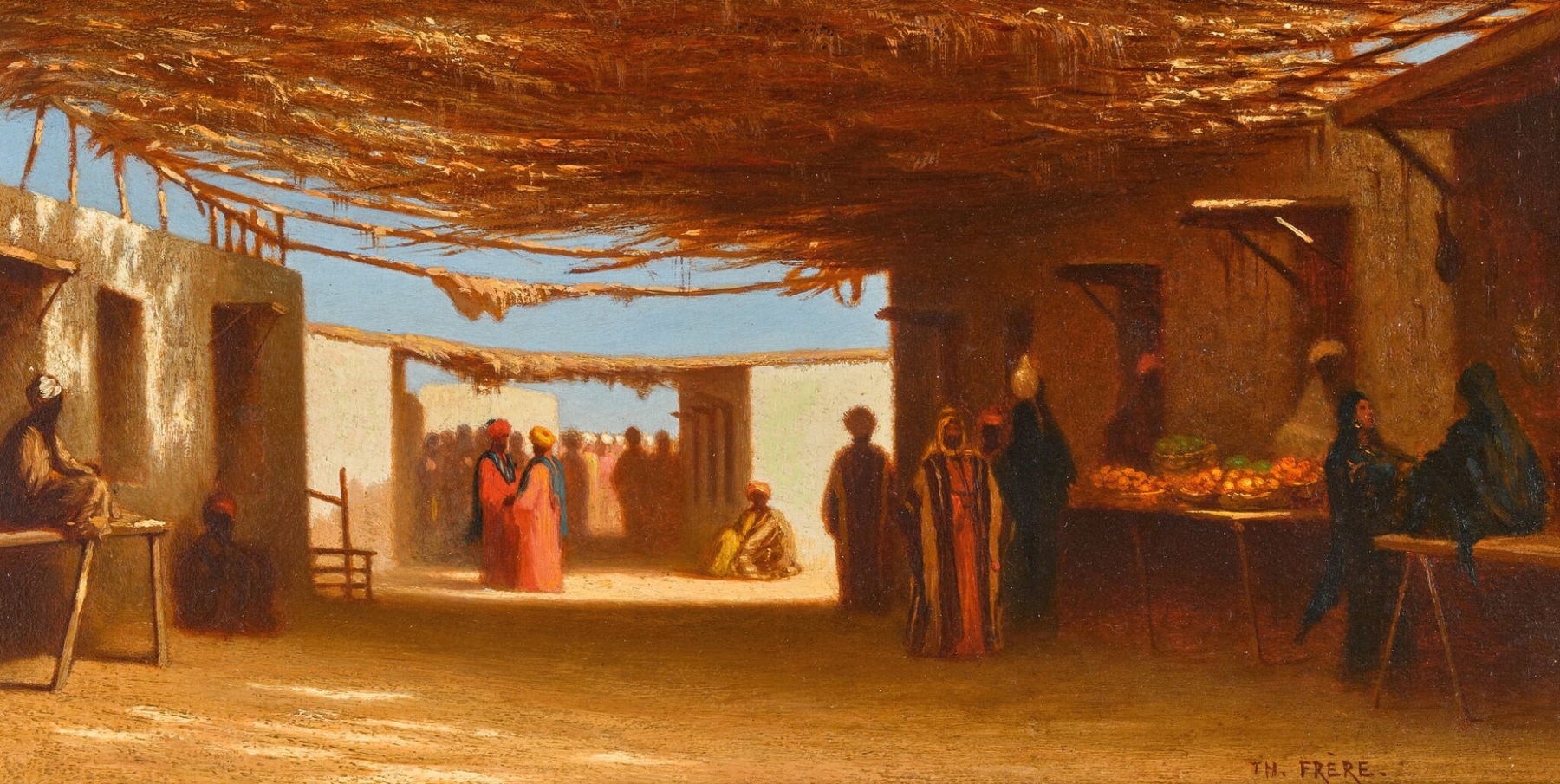
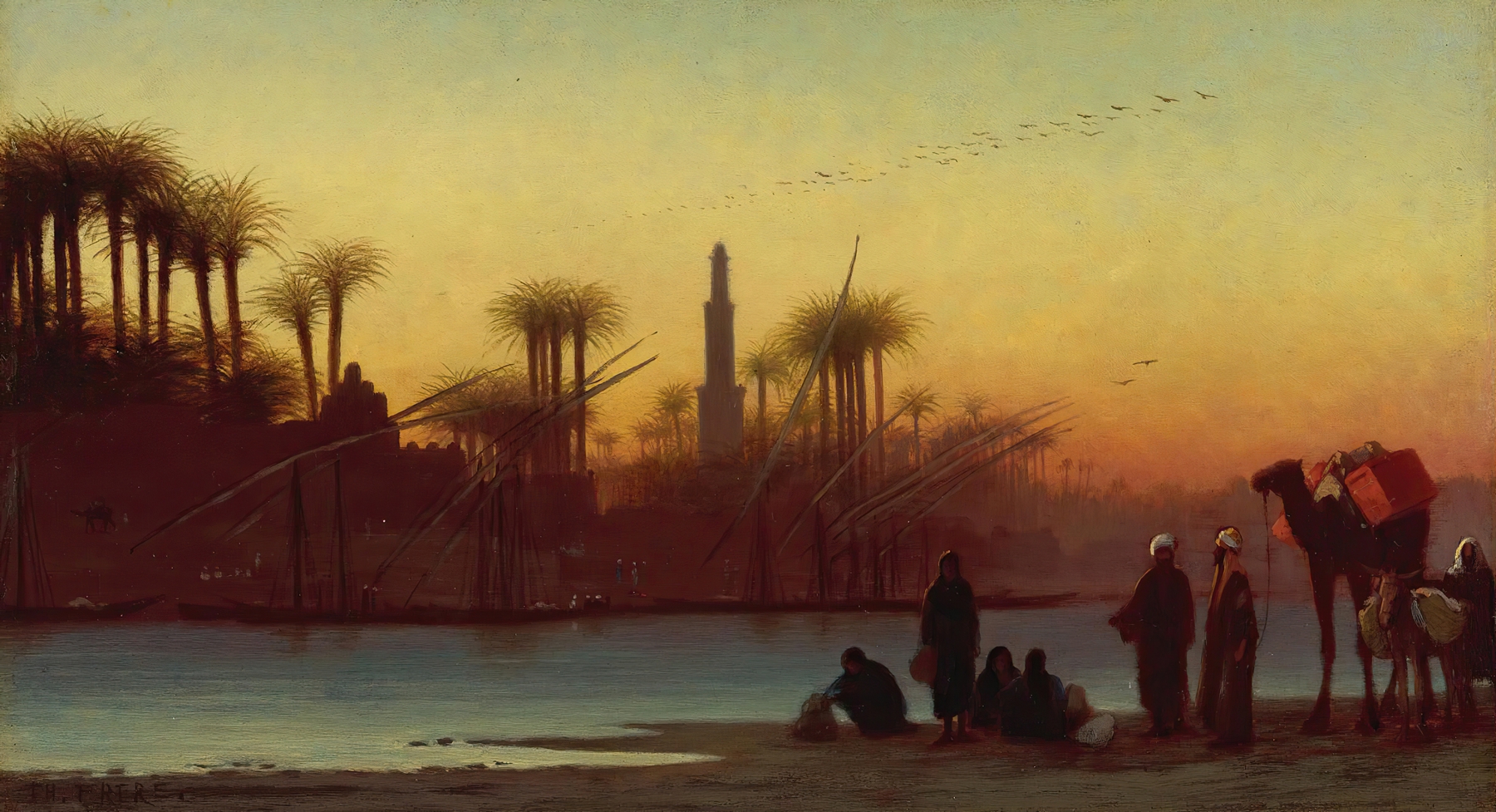
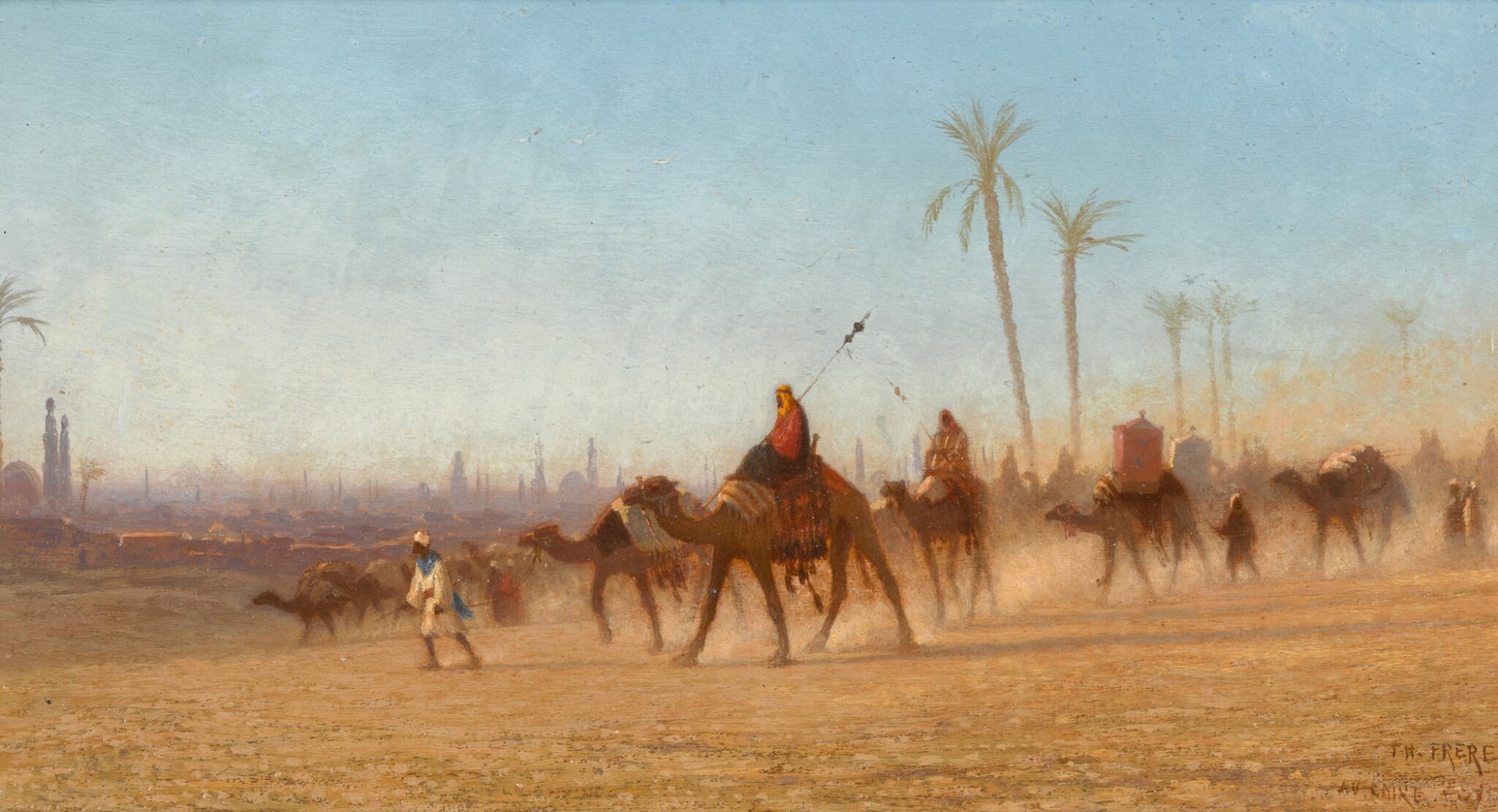
Could beauty survive in a century of chaos? This question echoes in the heart of A Square in Beirut, where layers of history unfold against a backdrop of vibrant life and whispered conflicts. Look to the center of the canvas, where a sunlit square pulses with activity. Figures in traditional attire gather, their gestures animated in conversation, yet a palpable tension hangs in the air, hinted at by the shadows that stretch across the cobblestones.
The artist employs a warm palette, with golden yellows and earthy browns, which contrast starkly with the cool blues of the distant architecture, inviting the viewer to linger on the delicate balance between serenity and strife. Beneath the lively surface lies a poignant commentary on betrayal and resilience. The bustling figures, though seemingly united in their space, suggest an underlying fragmentation, as if their connections are tenuous amid the socio-political upheavals of the time.
The architectural elements, both grand and crumbling, reveal a city rich with history yet marked by scars, representing a place that has both nurtured and betrayed its inhabitants. Created during a period marked by political unrest and cultural transition, the artist captured this moment in a Beirut square, where the juxtaposition of vibrancy and decay mirrors the turbulent history that surrounded him. Frère painted in the mid-19th century, a time when the region was experiencing shifts in colonial influence and internal strife, reflecting both the beauty and fragility of a world on the brink of transformation.