A Storm in a Snow Landscape — History & Analysis
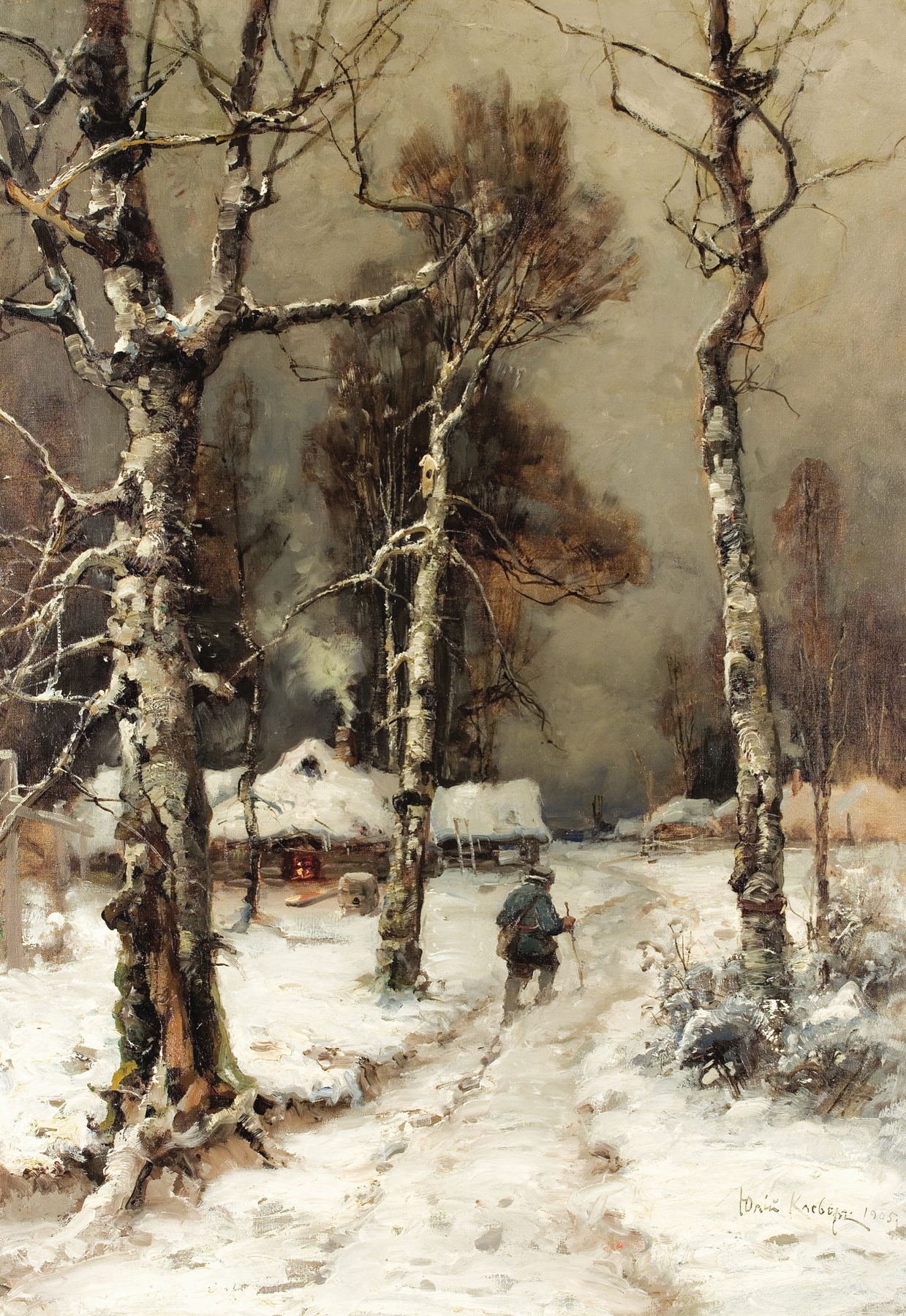
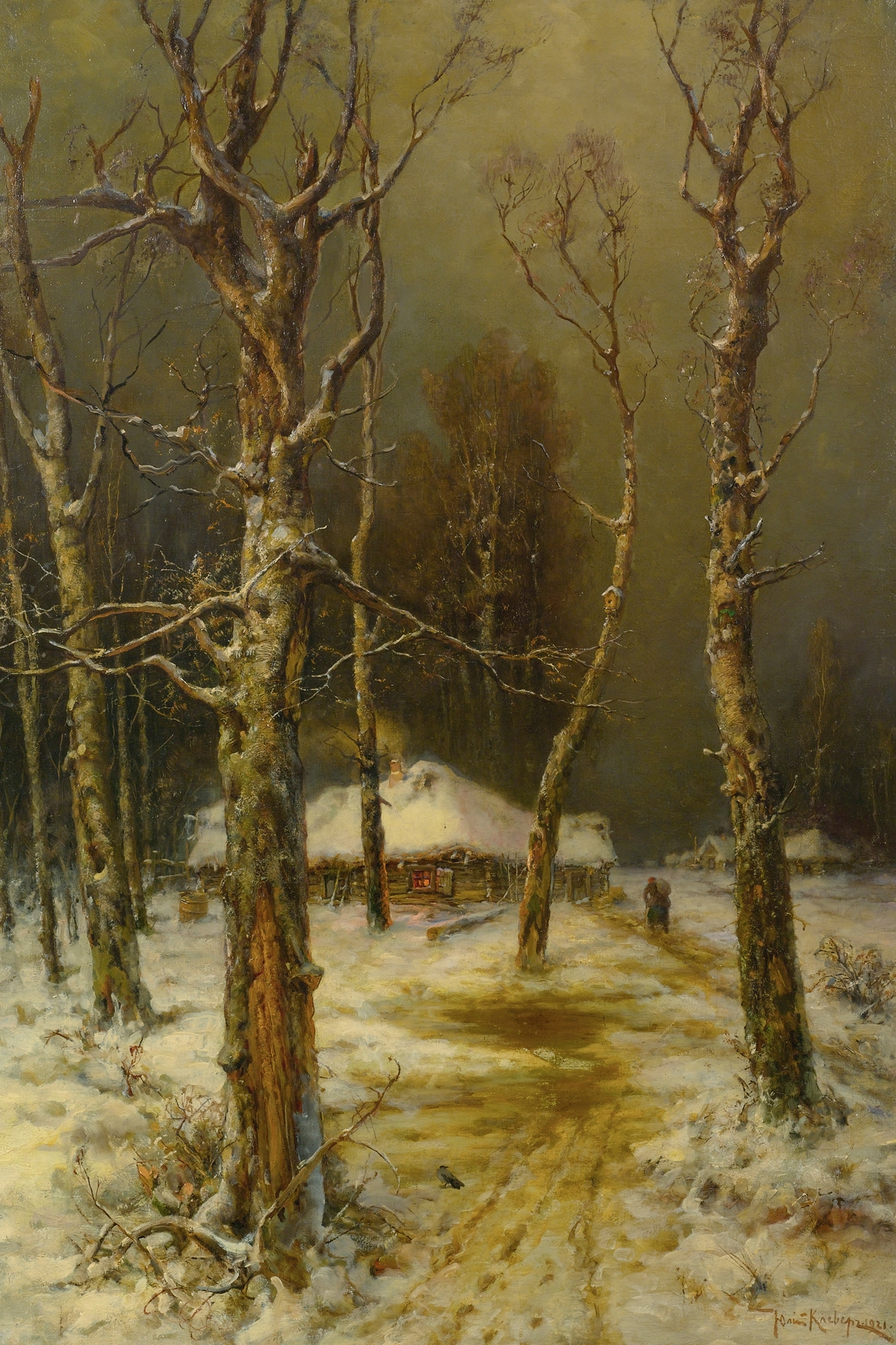
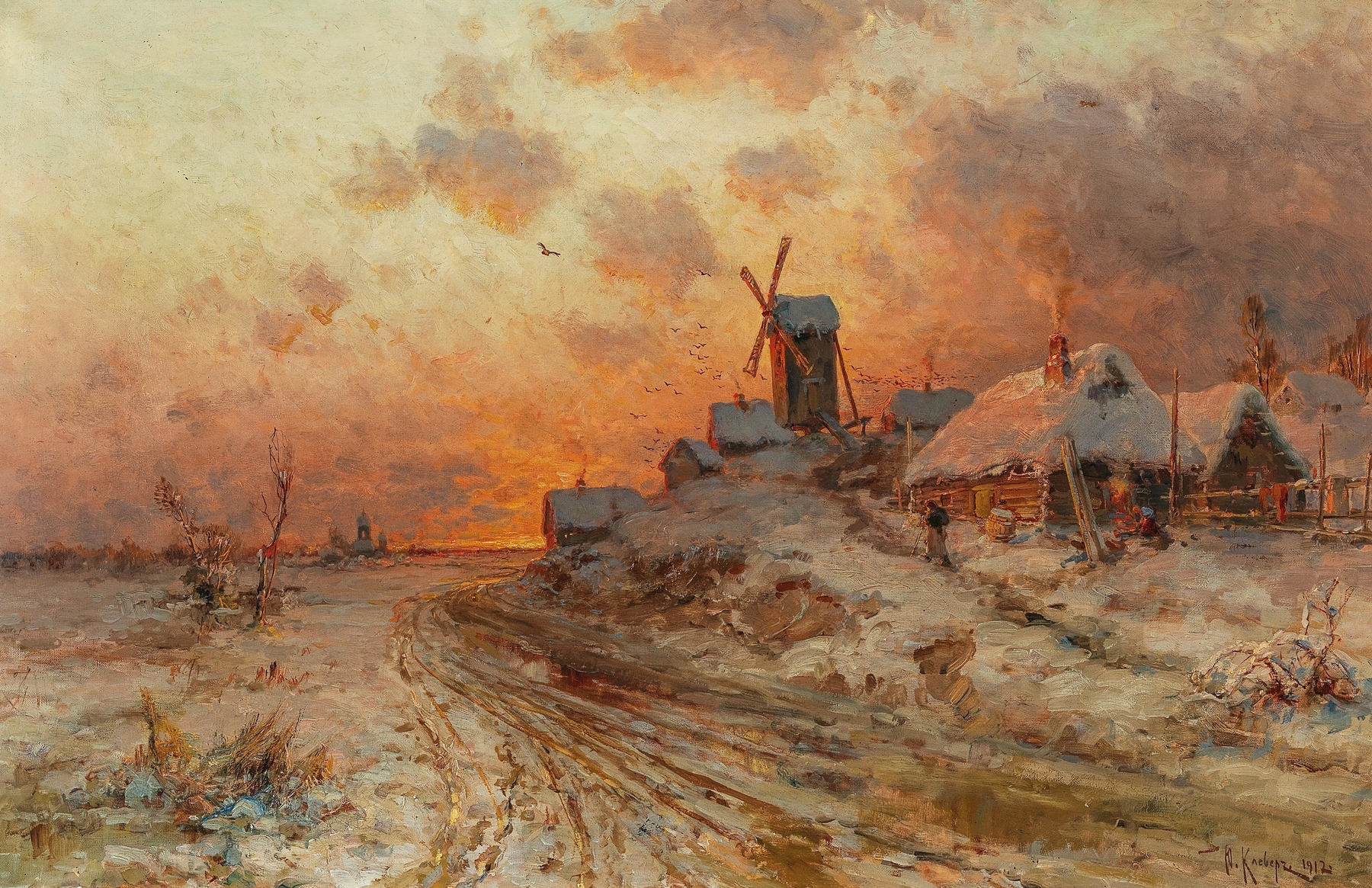
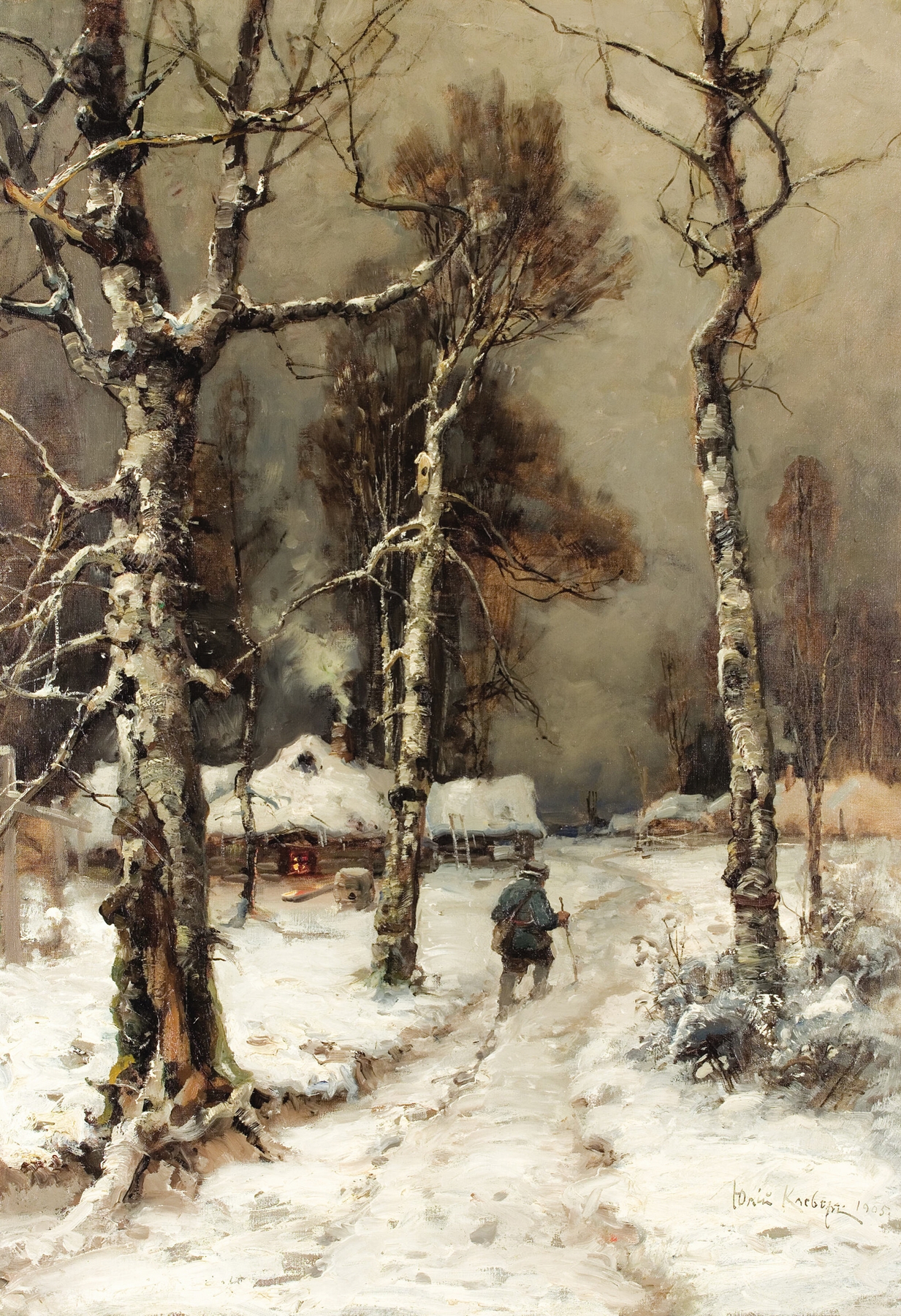
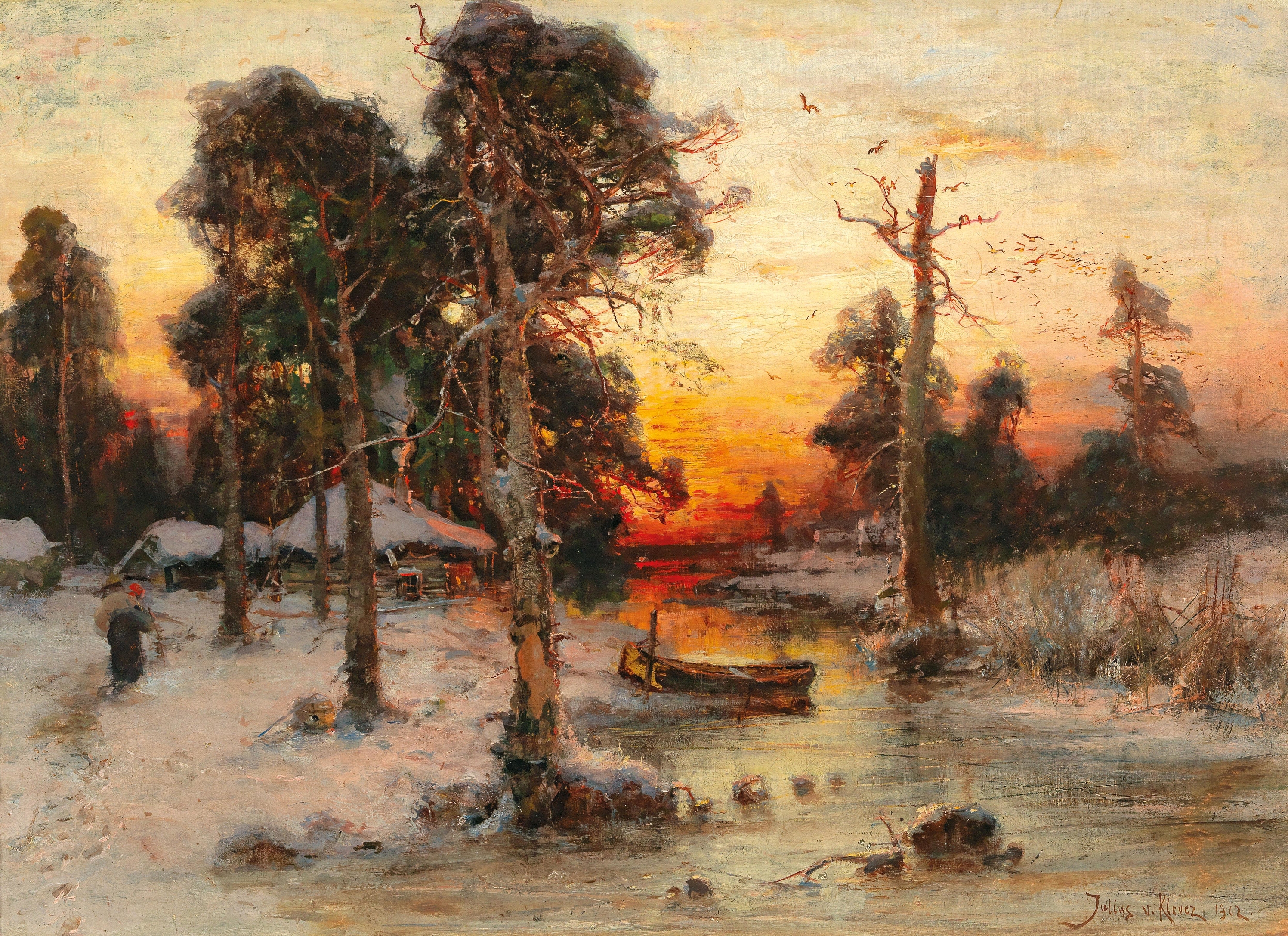
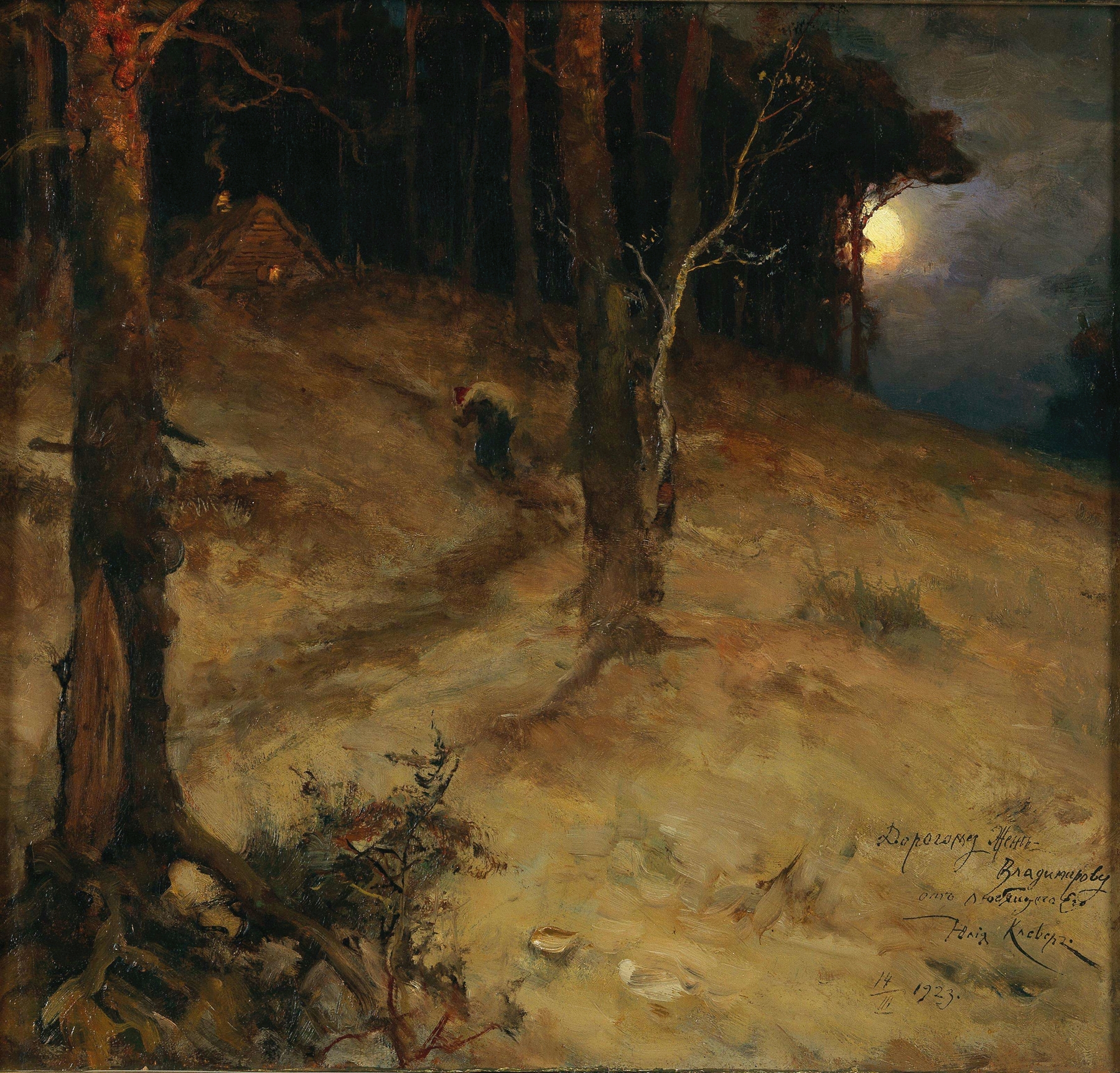
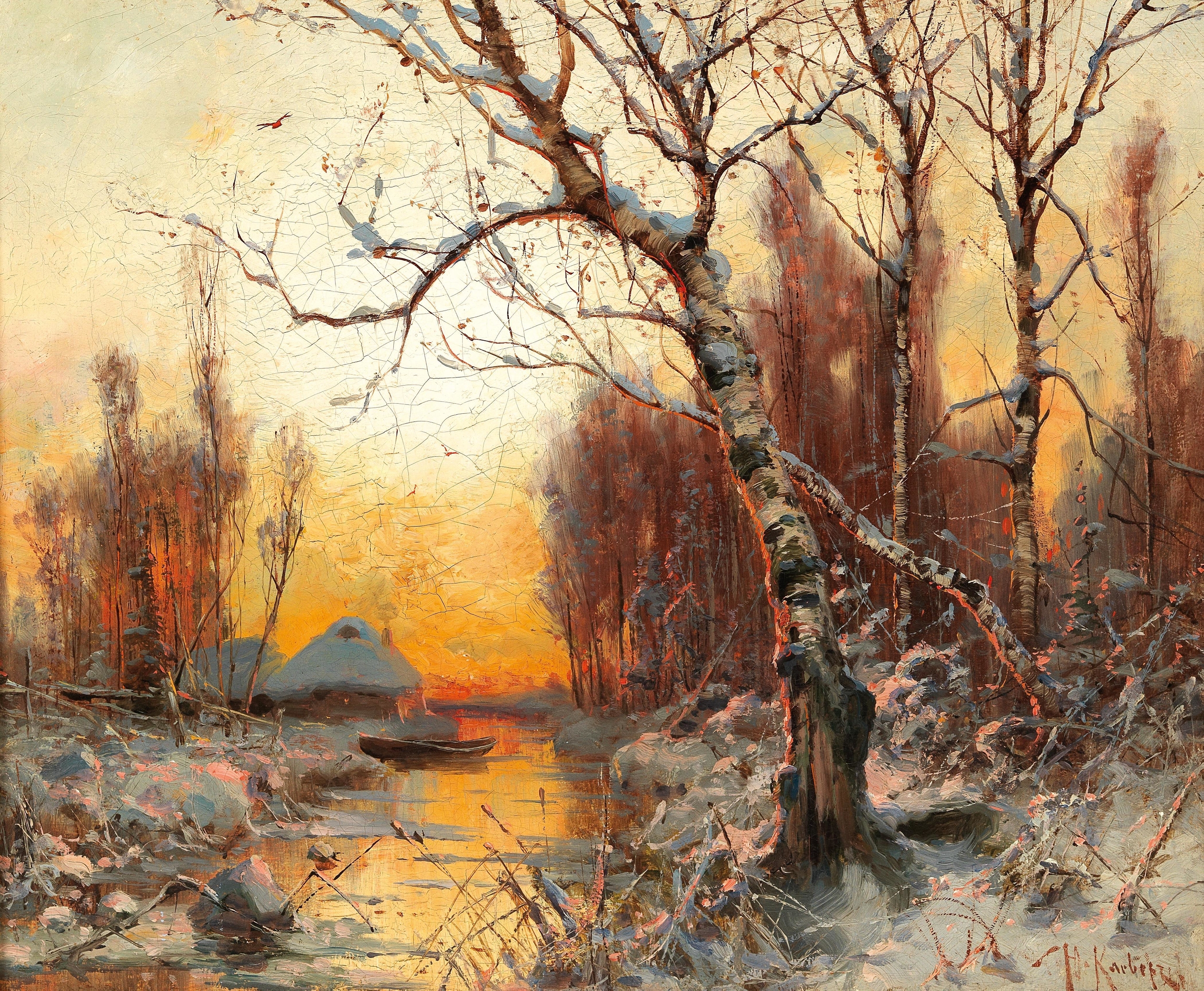
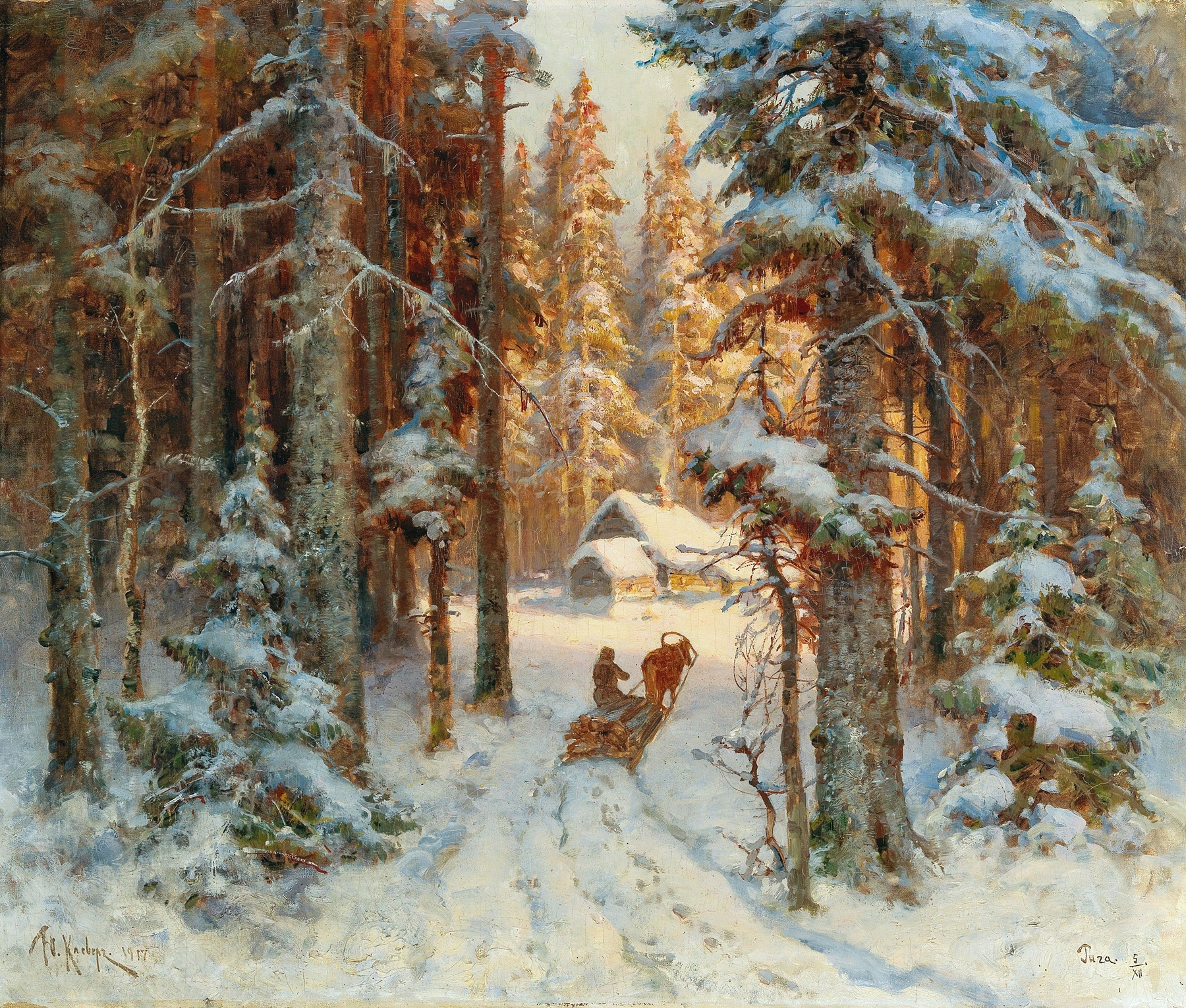
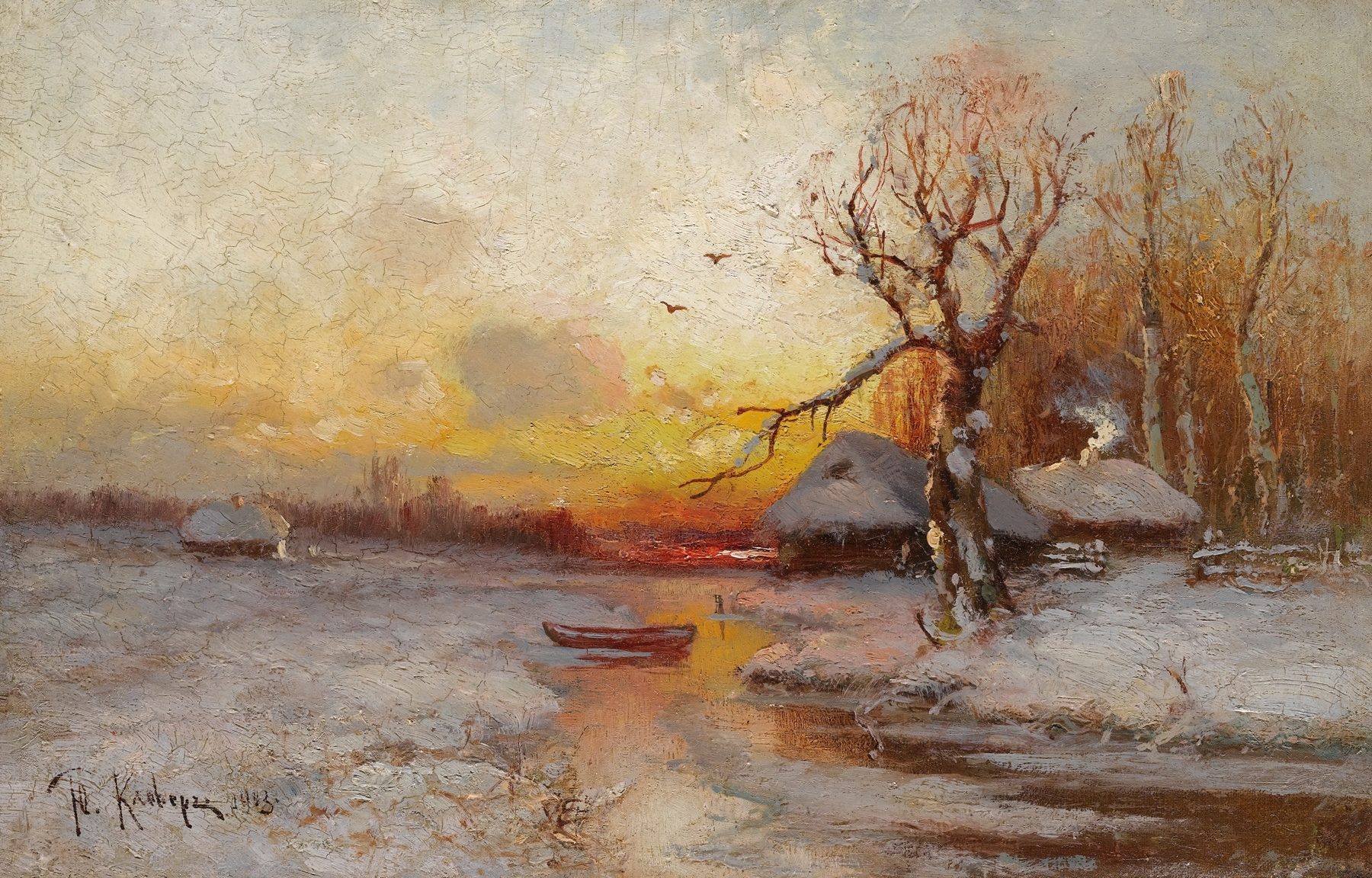
“Every silence here is a confession.” In the heart of winter’s embrace, a storm brews, carrying whispers of dreams yet to be fulfilled. The frozen landscape stands still, holding its breath as nature wrestles with the elements, hinting at the turmoil within. Focus on the horizon, where ominous clouds gather with relentless energy. The painter's brush dances across the canvas, capturing the swirling winds in cool shades of blue and gray.
Notice how the foreground, cloaked in thick snow, contrasts sharply with the dark, turbulent sky above. This stark division mirrors the tension between serenity and chaos, urging the viewer to confront the emotional tempest lurking just beneath the surface. The interplay of light and shadow enhances the drama; rays of fading sunlight pierce through the storm clouds, hinting at a distant hope. Look closely, and you might see the faint outlines of barren trees, their skeletal branches reaching out as if to grasp the fleeting warmth.
Each element speaks to a deeper narrative—perhaps a metaphor for life's unpredictability, the fragility of dreams, or the harsh beauty of existence in its most raw form. In 1913, Julius Sergius Klever painted this piece during a time when he was deeply immersed in the exploration of atmospheric effects in landscape art. Living in Russia, he was influenced by the dramatic weather patterns of his homeland and the burgeoning Russian avant-garde movement. This moment in his career reflects a transition marked by a desire to evoke emotion through nature, showcasing not just the landscape, but the very essence of human experience within it.