Woodcutters returning home — History & Analysis
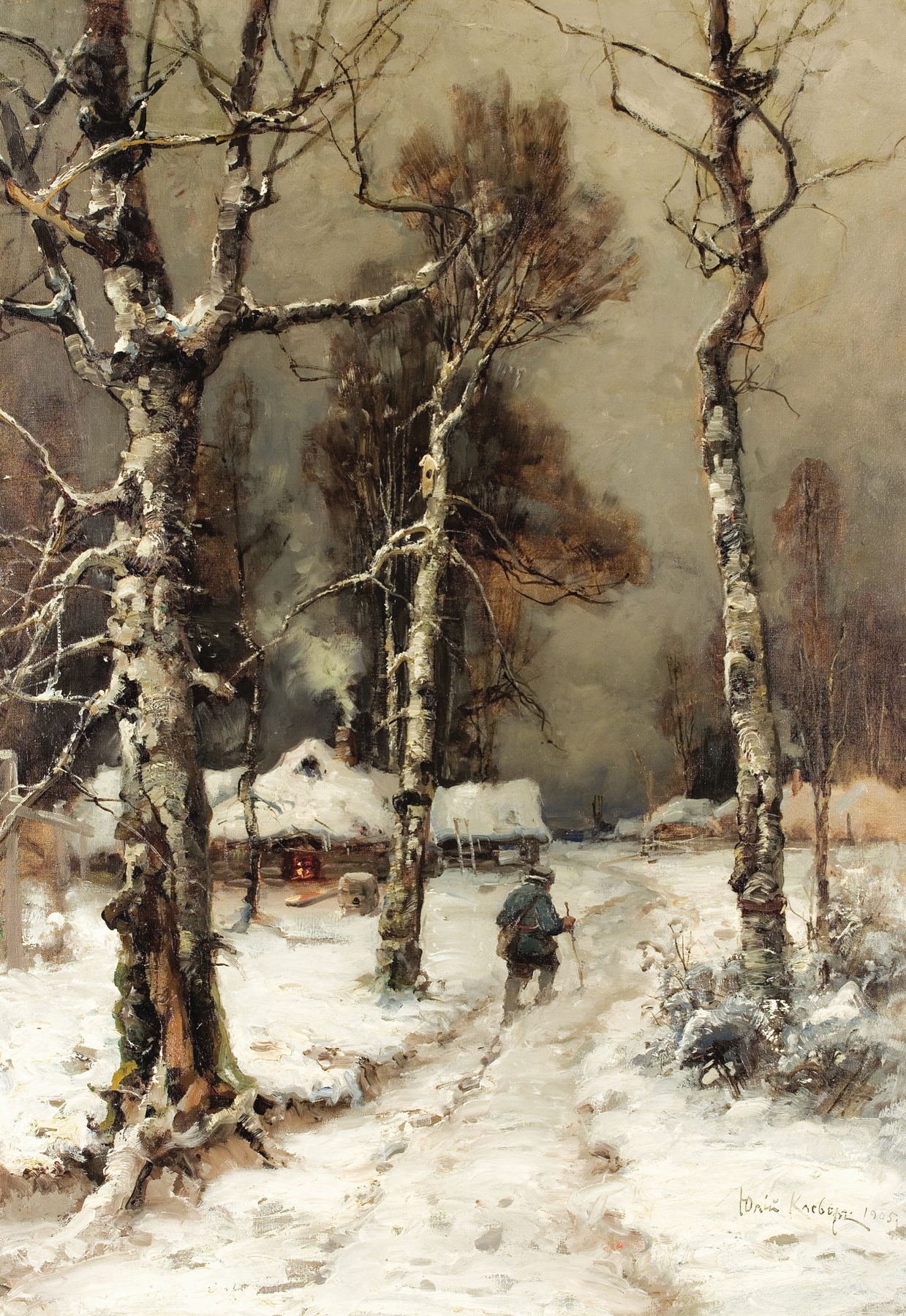
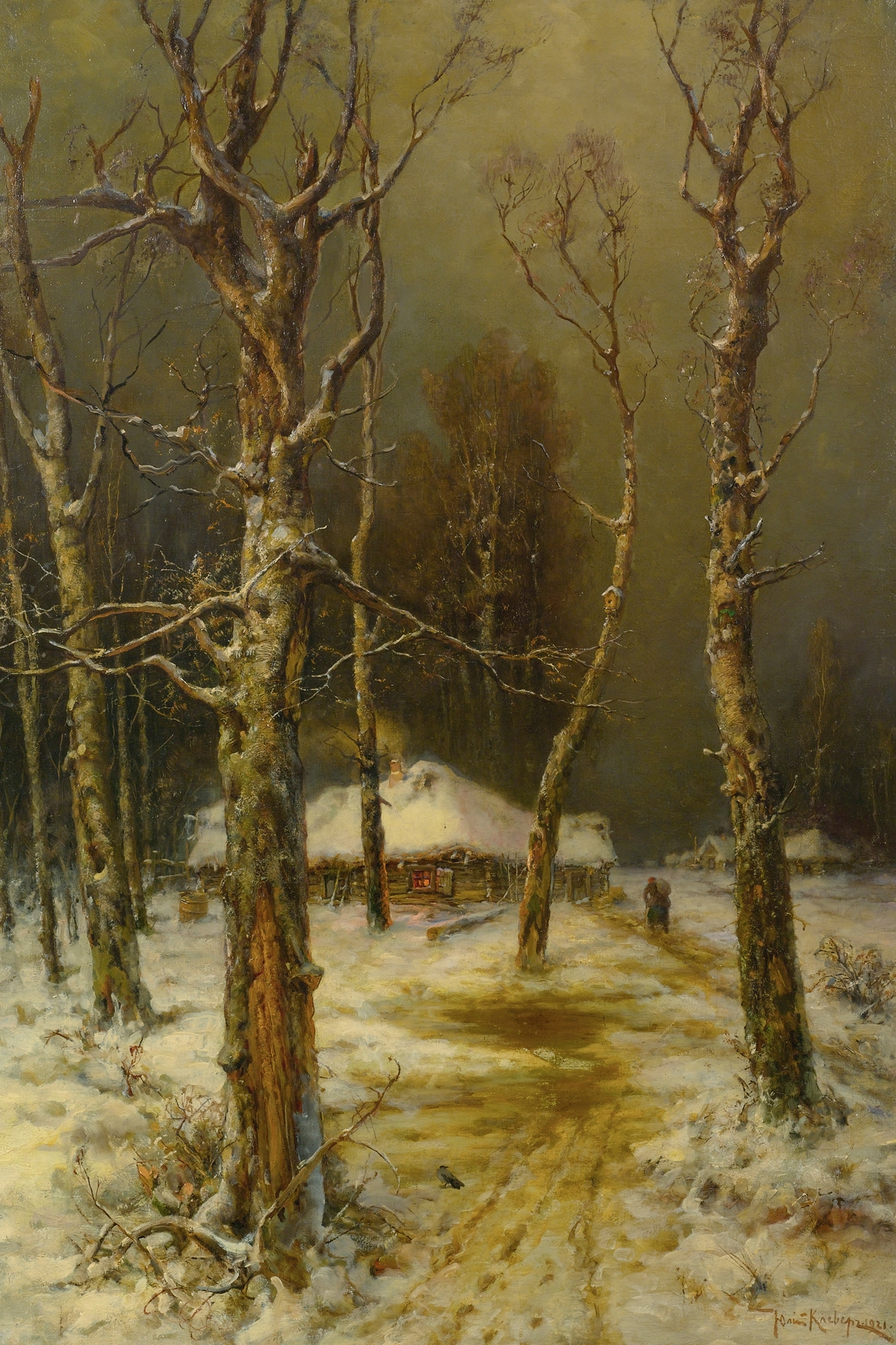
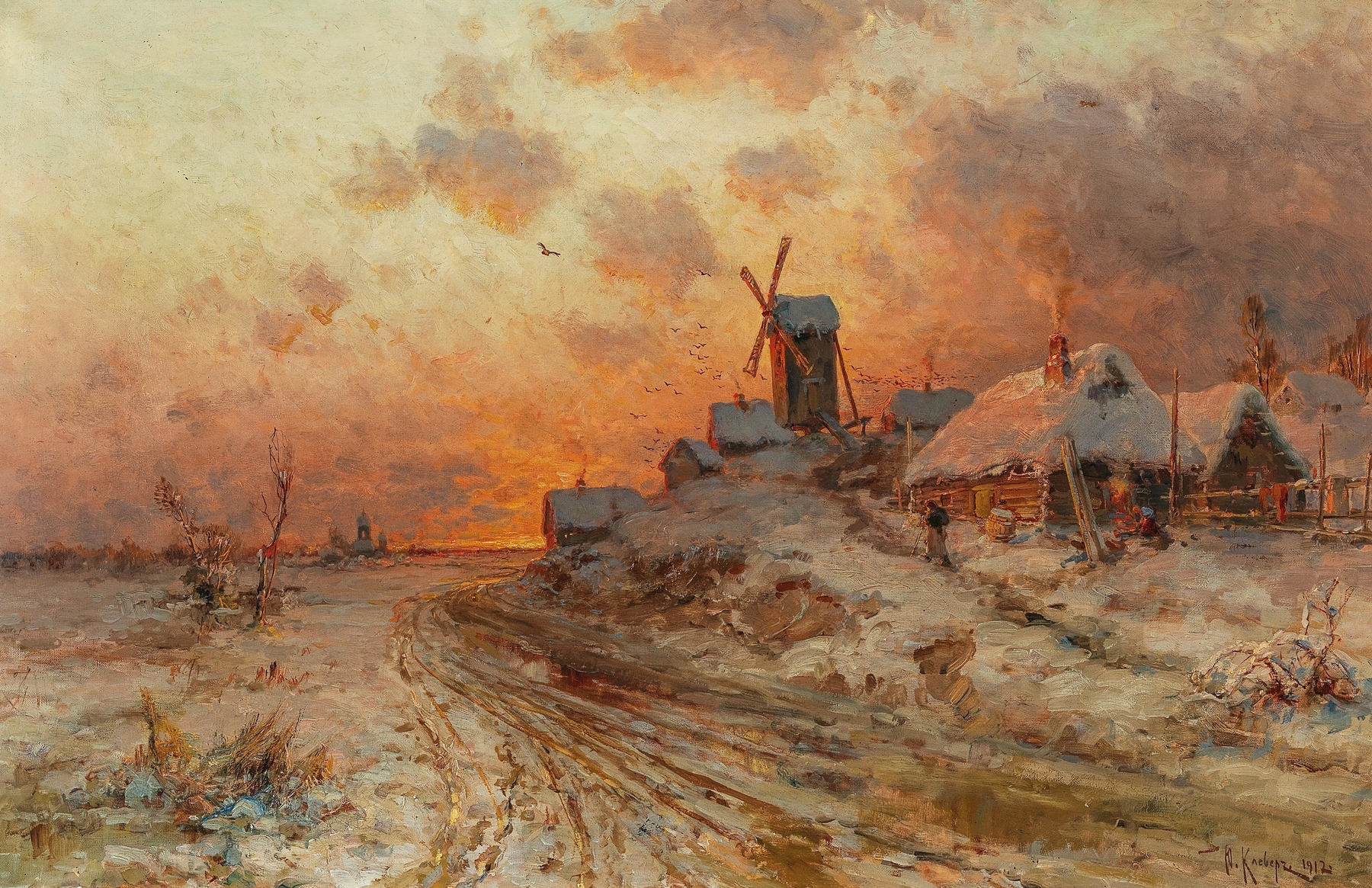
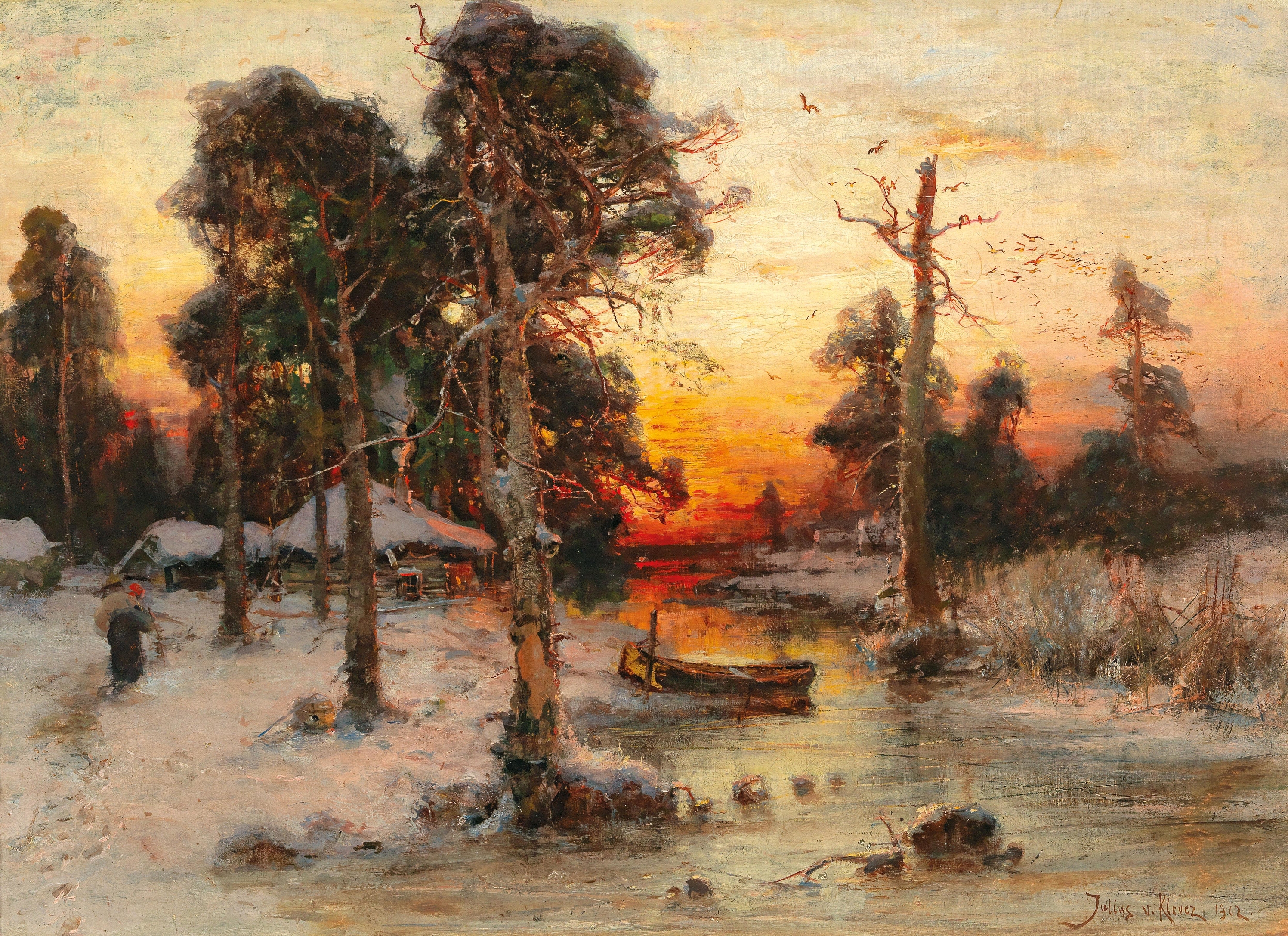
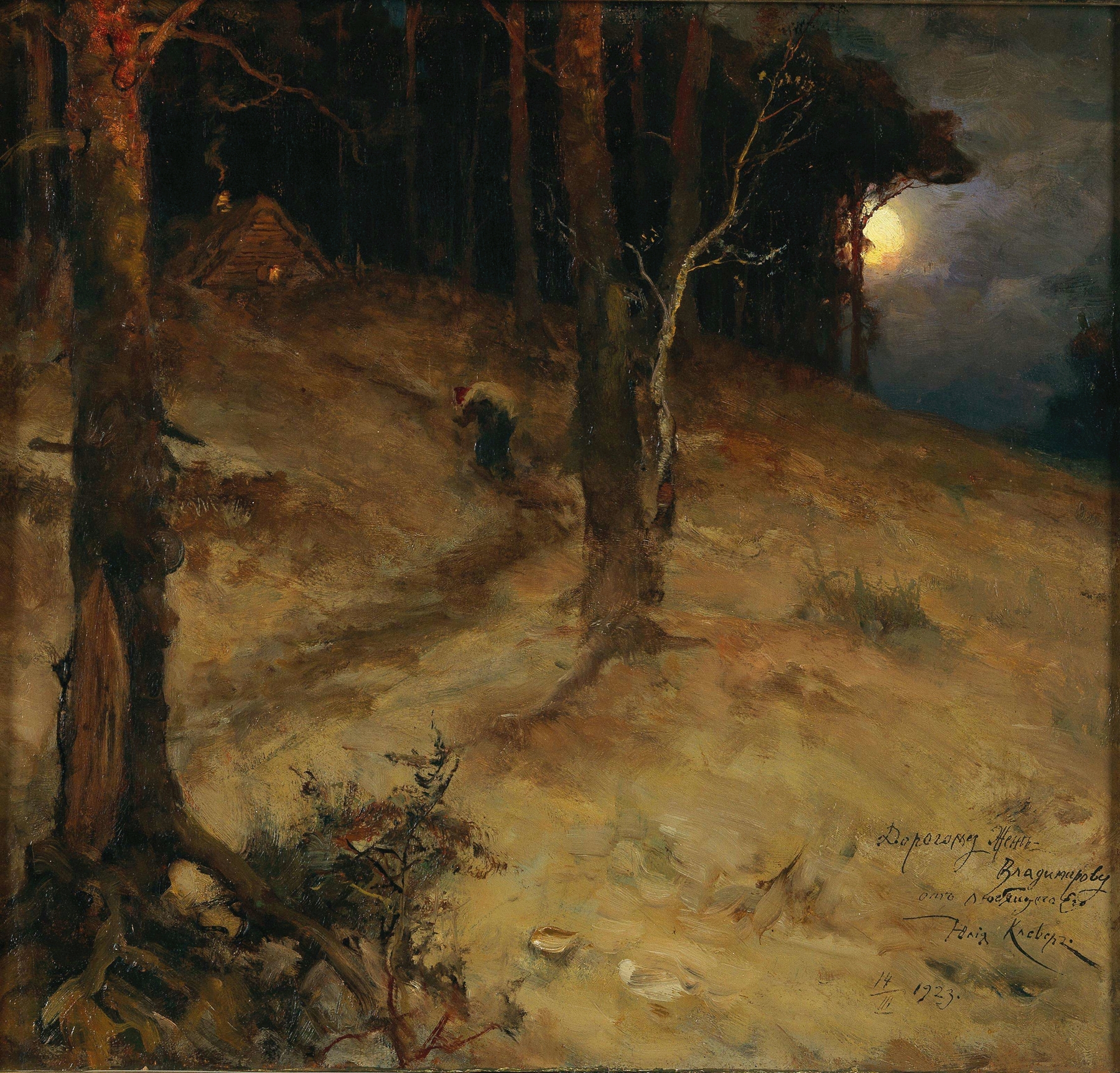
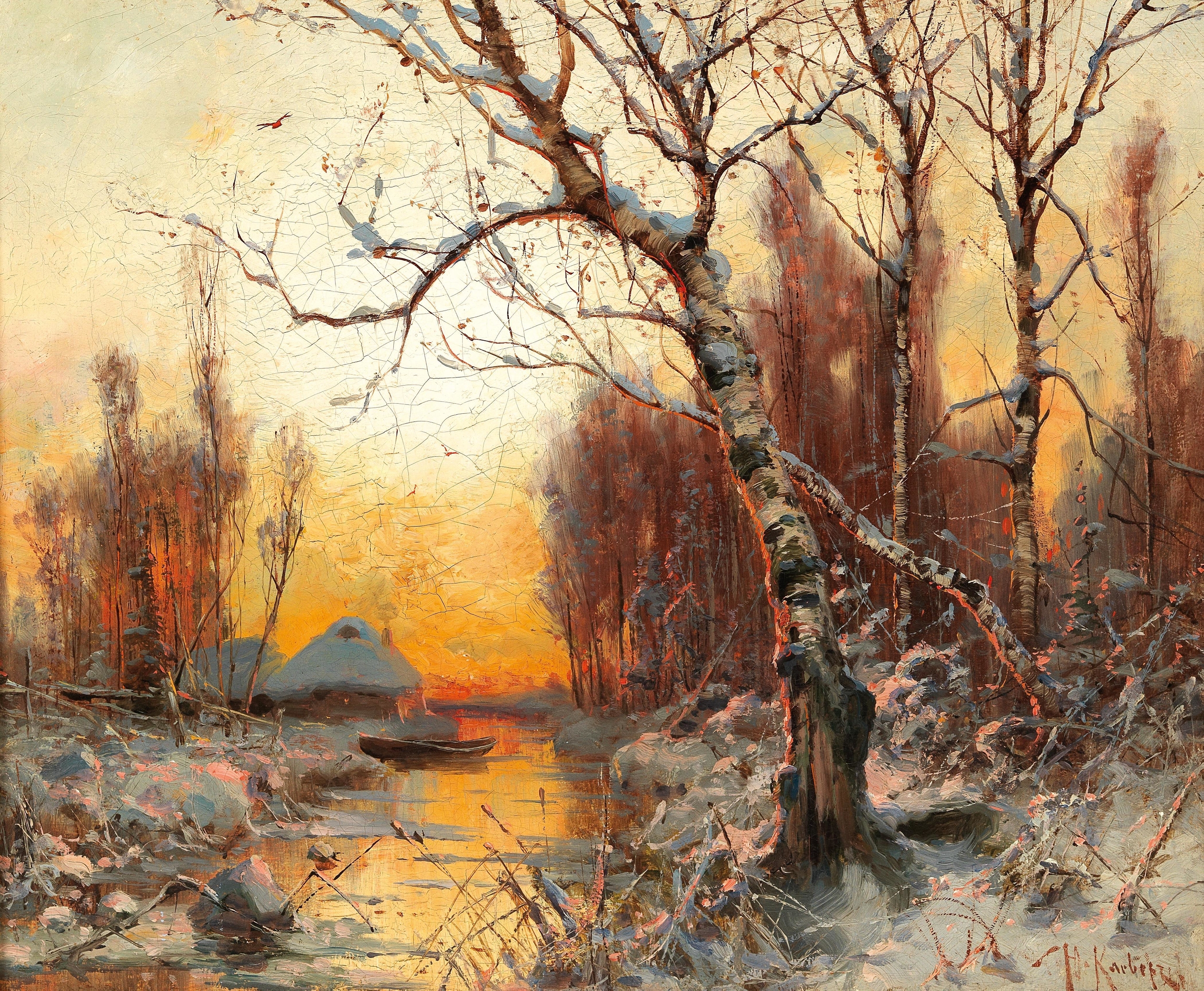
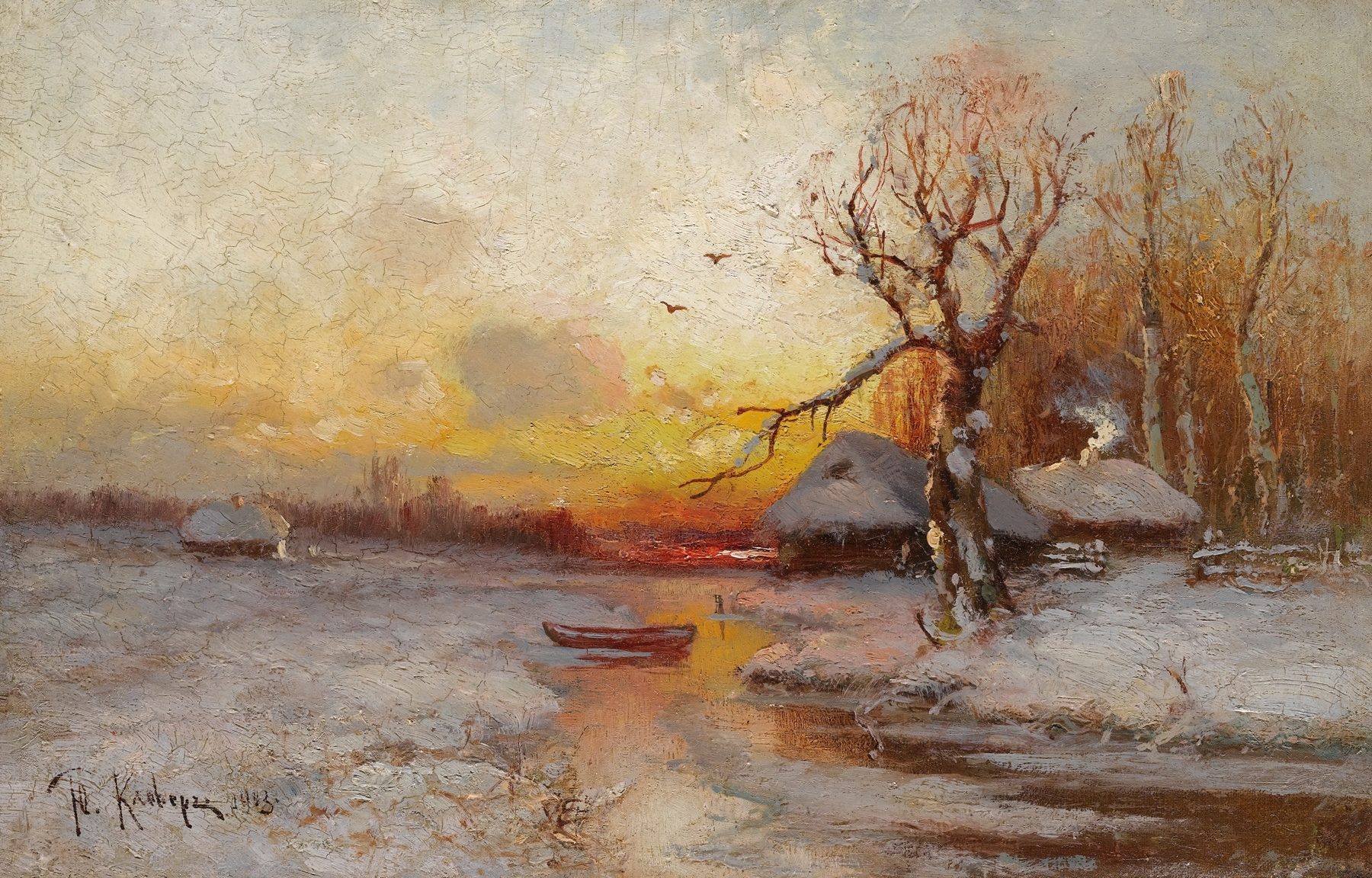
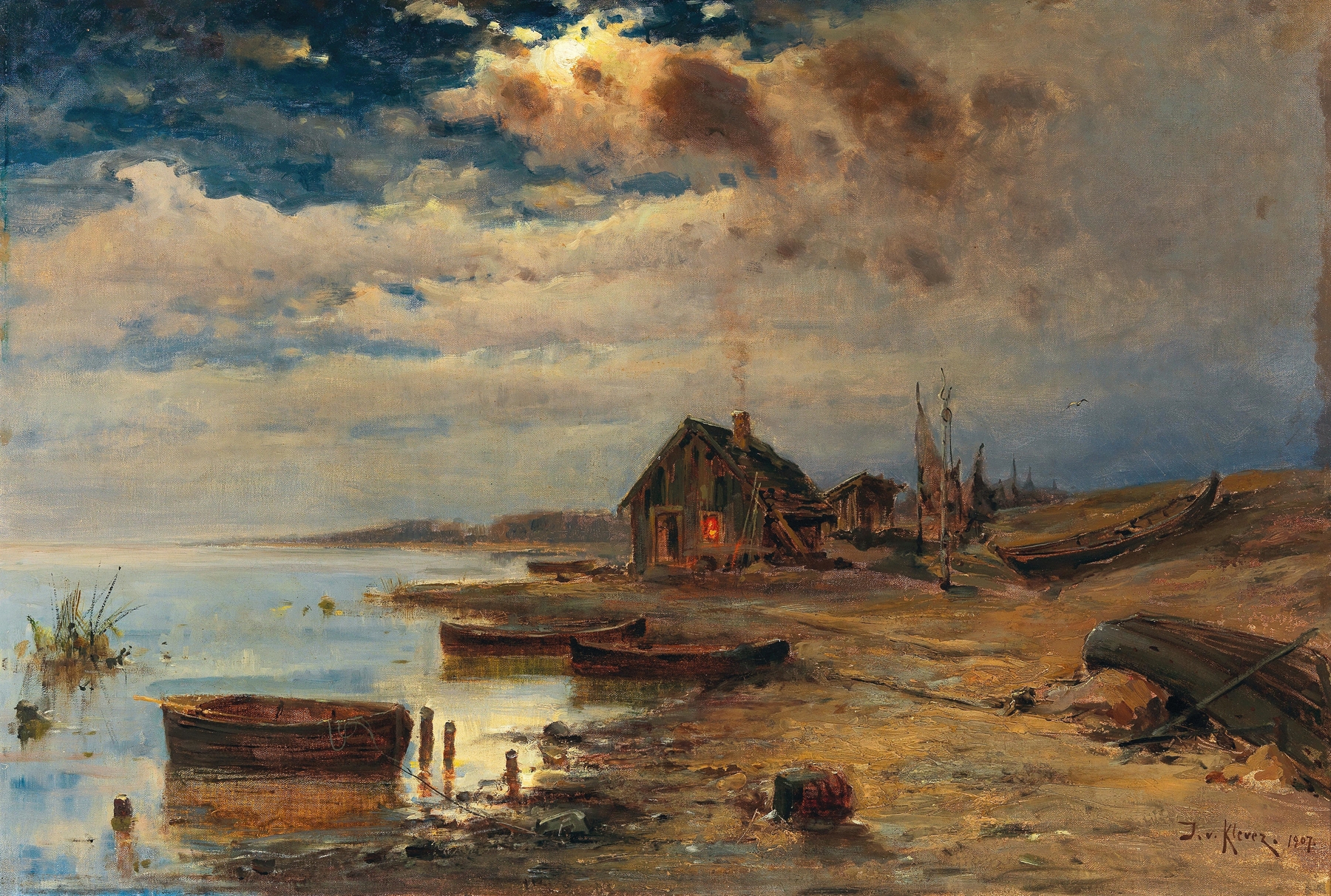
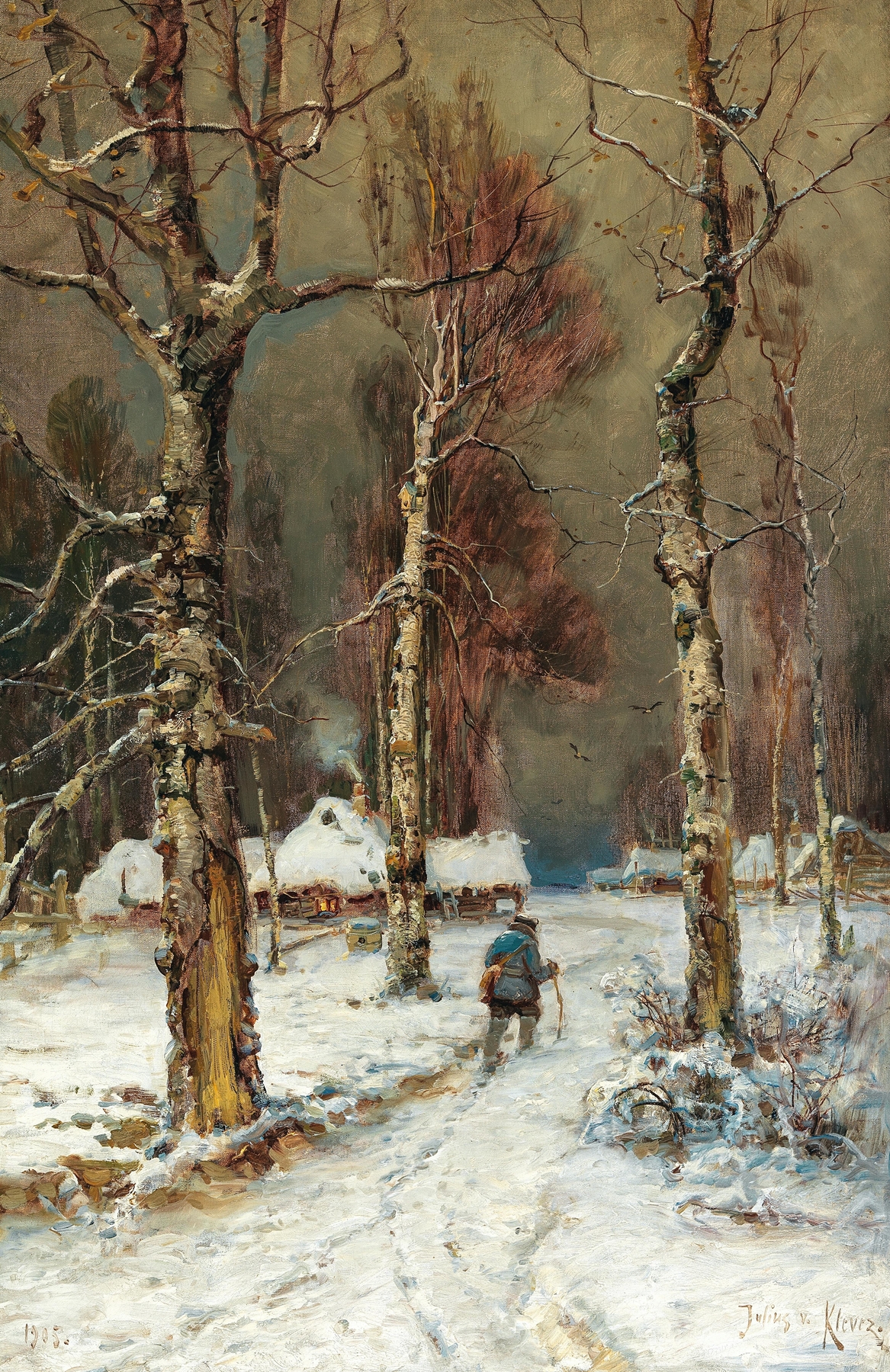
“The canvas doesn’t lie — it simply waits.” In the stillness of a fading day, a sense of melancholy drips from each brushstroke, inviting us to contemplate the lives intertwined with nature and toil. Look to the foreground, where shadowy figures of woodcutters emerge, their weary forms silhouetted against the gentle glow of the setting sun. Notice how the warm hues of orange and gold contrast with the cool blues of the encroaching night, creating a visual tension that speaks to the passage of time. The composition is anchored by a winding path leading through tall trees, guiding the eye deeper into the scene and suggesting a journey that is both physical and emotional.
The woodcutters' postures reveal a palpable weariness, their bodies bent under the weight of their labor, yet there's a hint of camaraderie in their silent return. Consider the distant mountains, shrouded in twilight; they represent both a destination and an unending challenge, suggesting the cyclical nature of life. Each detail, from the textured bark of the trees to the soft, fading light, evokes a bittersweet longing for the simplicity of home, yet also an acknowledgment of the sacrifices made along the way.
Created in the late 19th century, this piece reflects the artist's engagement with Russian realism, a period marked by a desire to depict the struggles of everyday life. Klever, influenced by the social changes and the rise of industrialization, painted during a time when traditional ways of living were increasingly threatened. His work captures a pivotal moment, not only in the lives of his subjects but in the broader narrative of art reflecting the human condition.