Winter In Russia — History & Analysis
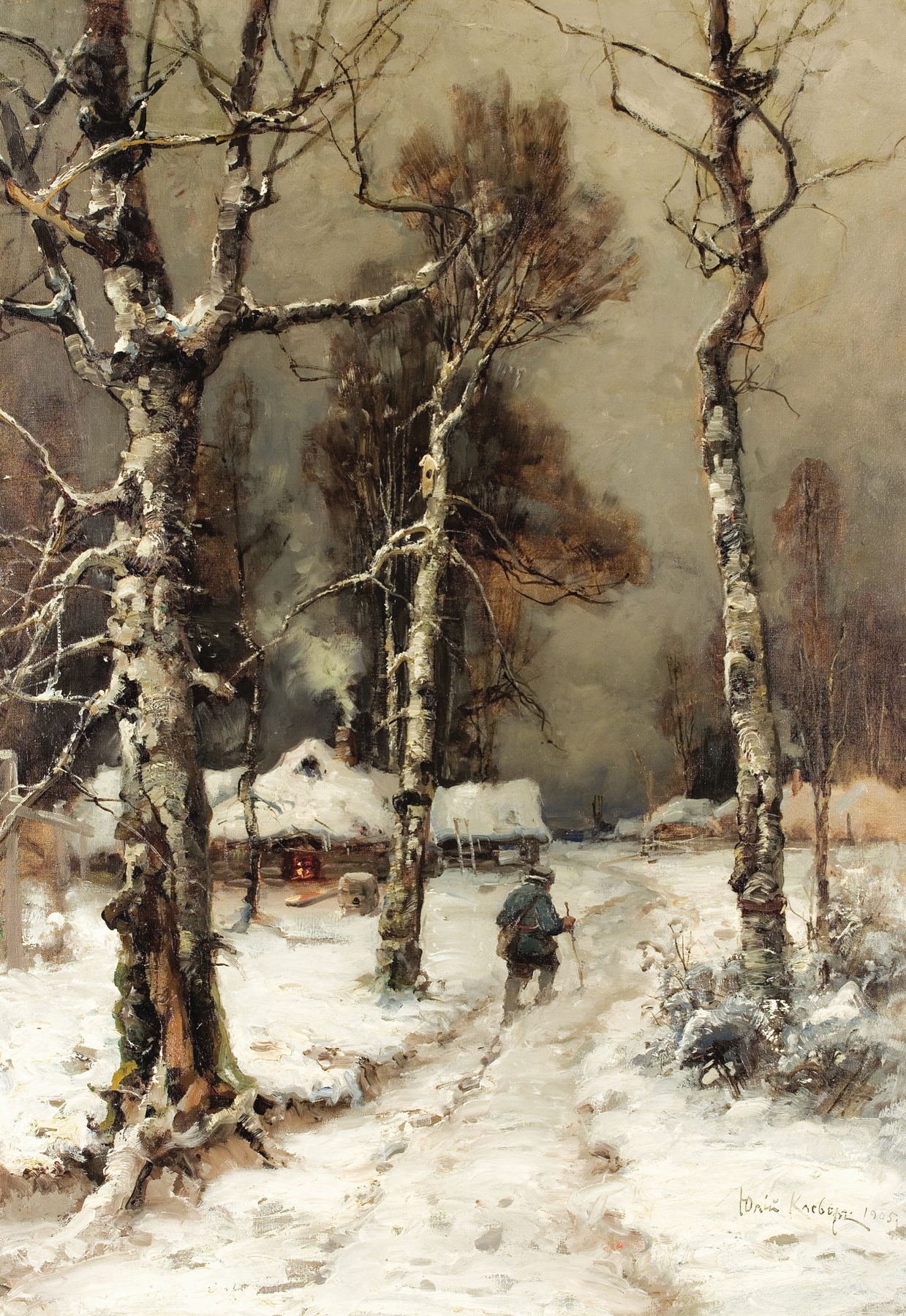
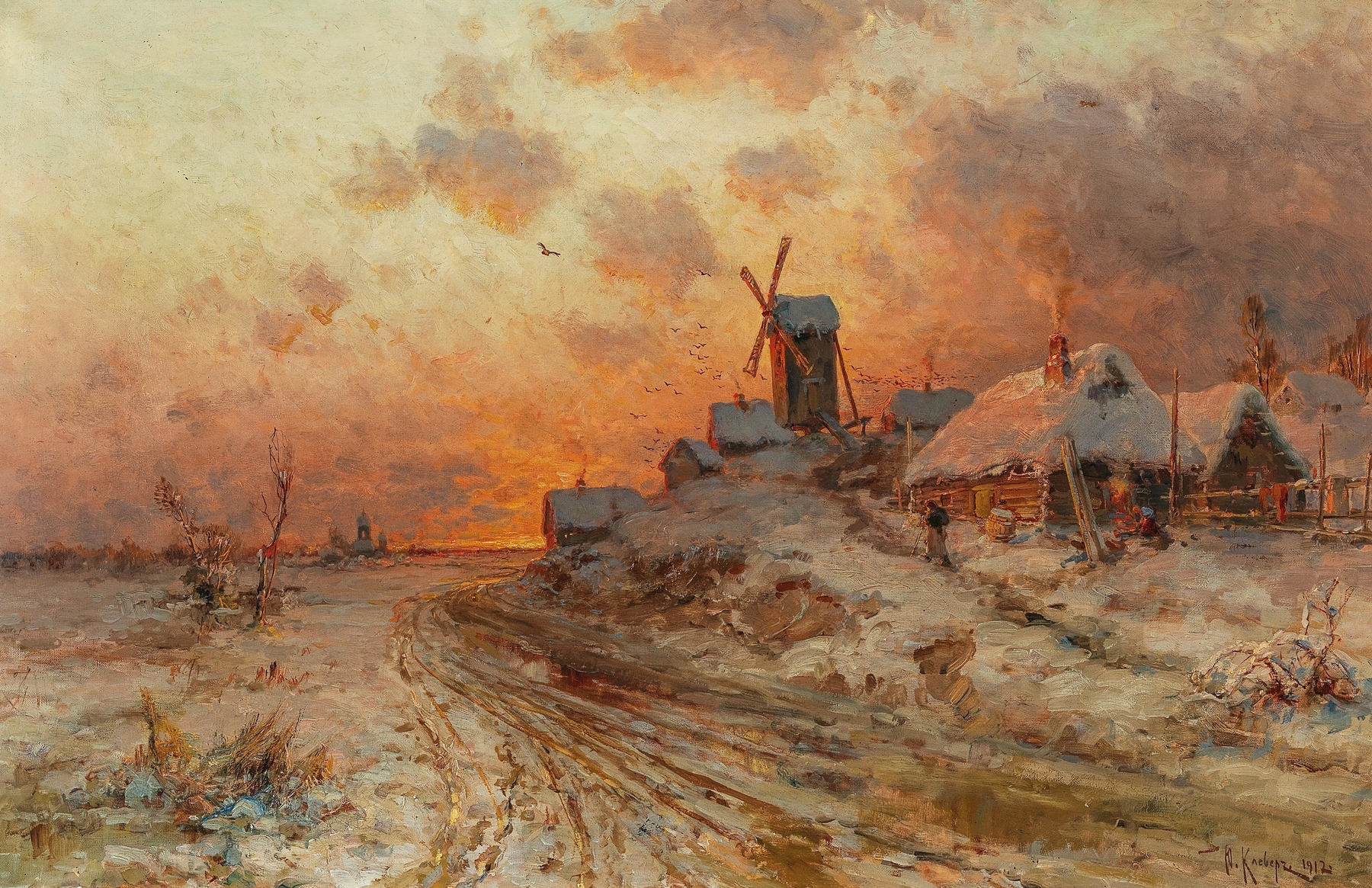
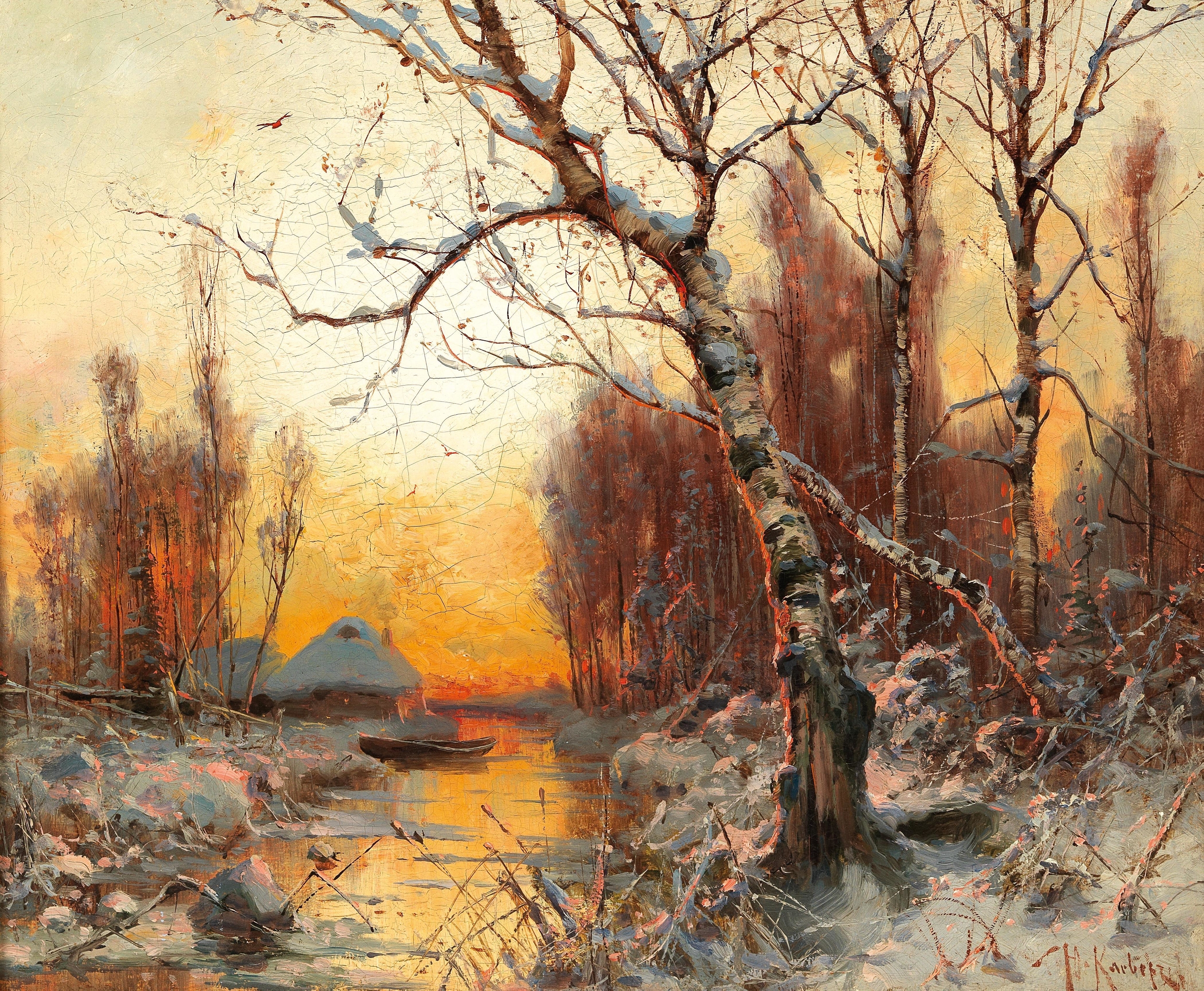
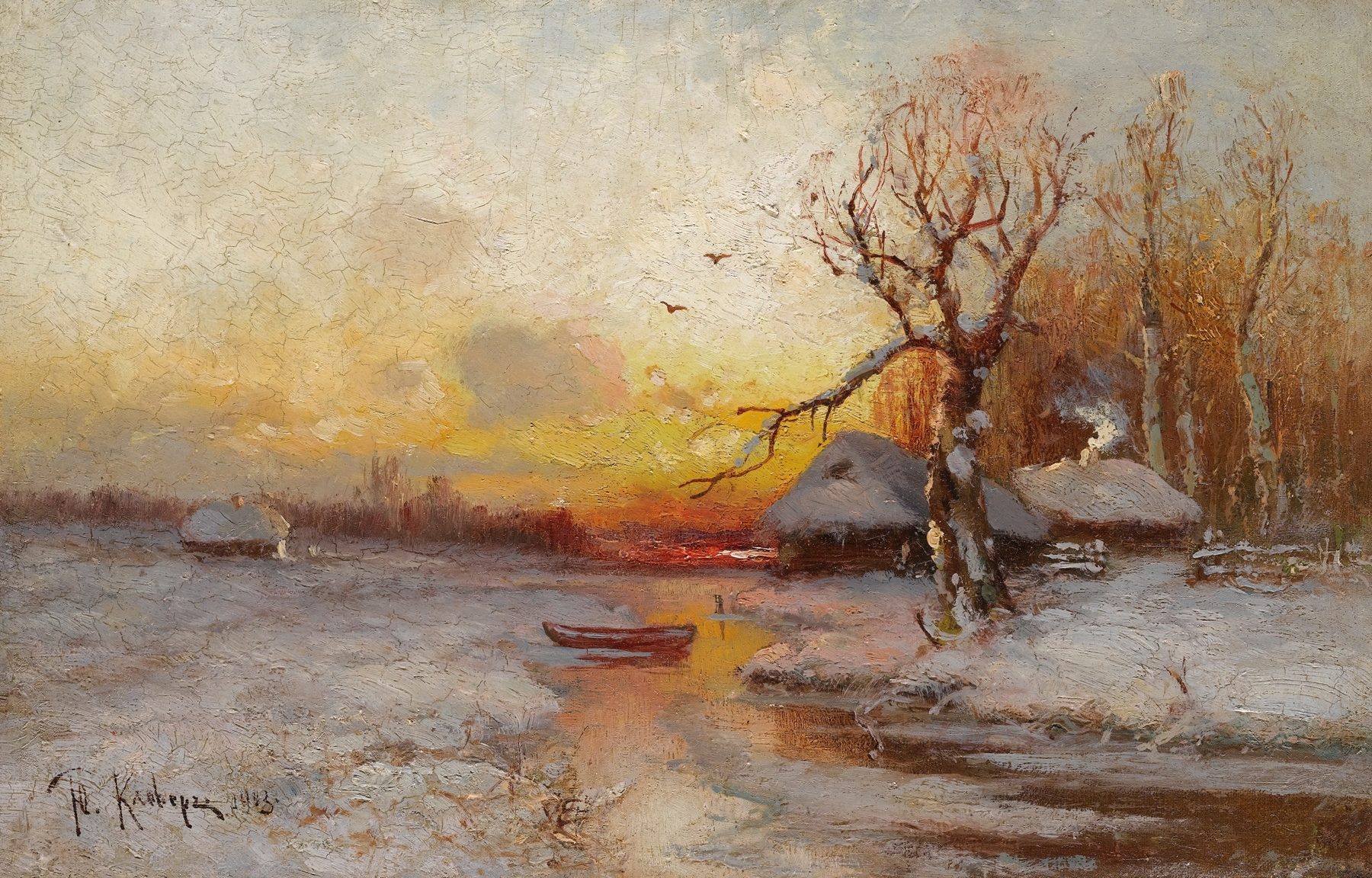
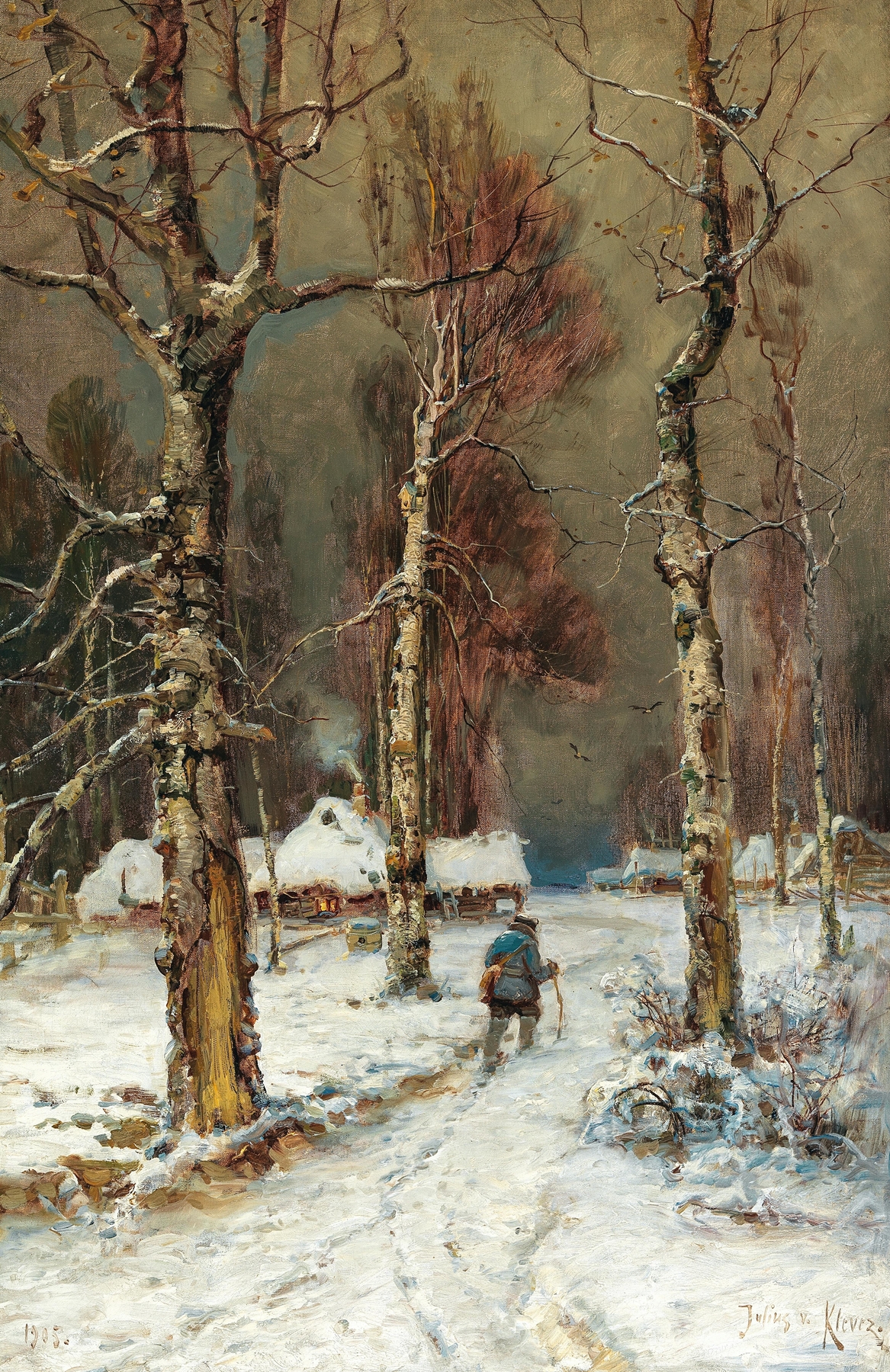
“Every silence here is a confession.” In this frozen landscape, the weight of absence hangs in the crisp air, a palpable reminder of what once was. The snow, pure and unblemished, envelops the scene, yet it speaks volumes of the deep loss that lingers beneath its surface. Look to the center where the village lies, its quaint houses peeking through a veil of white. Notice how the dull colors of the wooden structures contrast sharply with the brightness around them, evoking a sense of both comfort and isolation. The artist’s brush captures the delicate interplay of light reflecting off the snow, creating a serene glow that underscores the stillness of the moment.
This quiet unease tells a story of resilience amid the ruthless grip of winter. Delve deeper into the details, and the emotional tensions become apparent. The starkness of the landscape reflects a haunting solitude, hinting at the lives that have been touched by change and absence. The trees, stripped bare, stand like sentinels, bearing witness to the passage of time and the echoes of forgotten laughter.
Each untouched path in the snow invites reflection, echoing the idea that loss, like winter, can encapsulate both beauty and sorrow. Klever painted this evocative scene in 1912 while residing in St. Petersburg, during a period marked by a burgeoning interest in developing a Russian national identity through art. The shifting political landscape and the advent of modernism shaped his work, leading him to explore themes that resonate with the human experience—particularly the complexities of longing and memory as reflected in the harsh yet beautiful Russian winter.