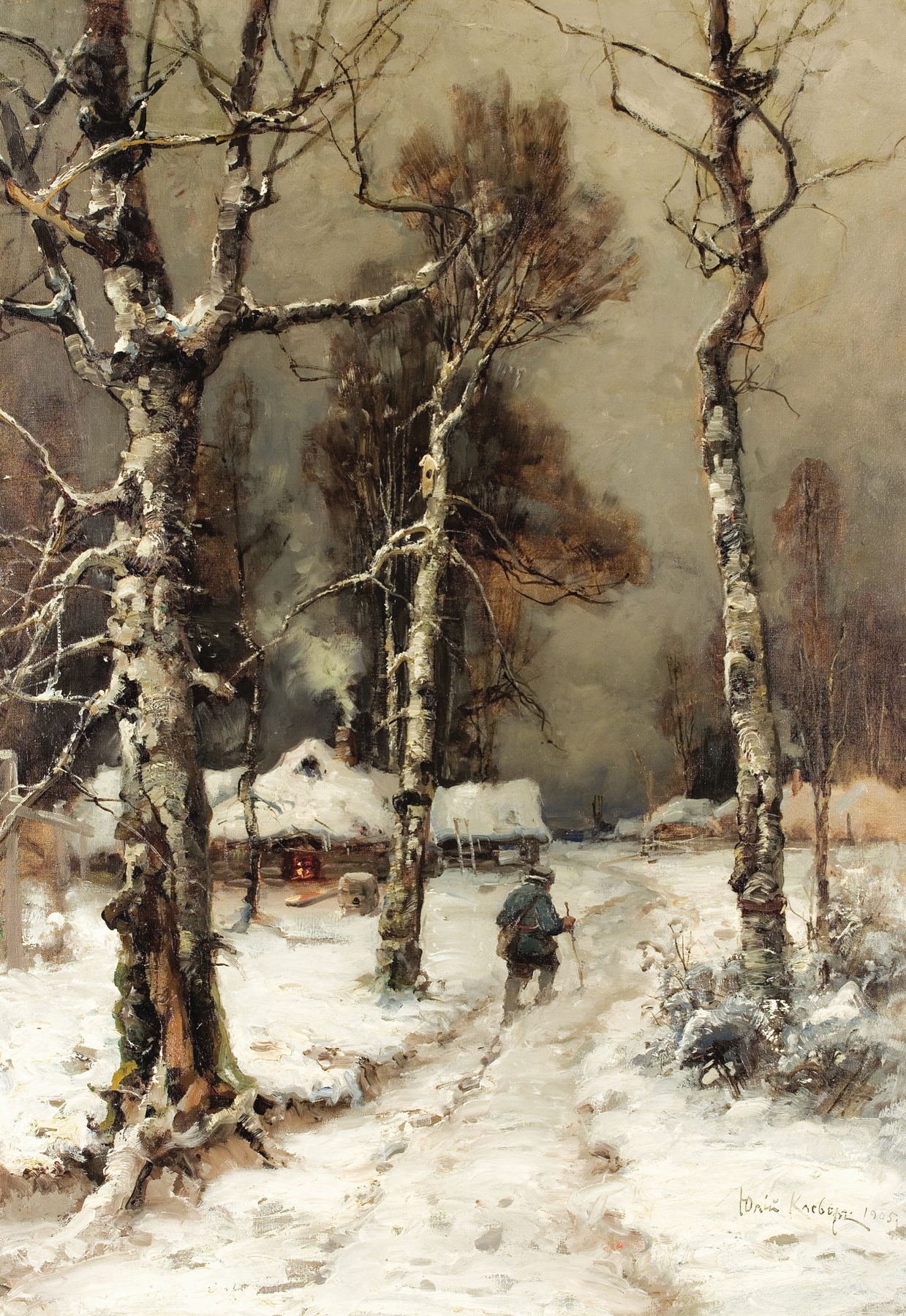
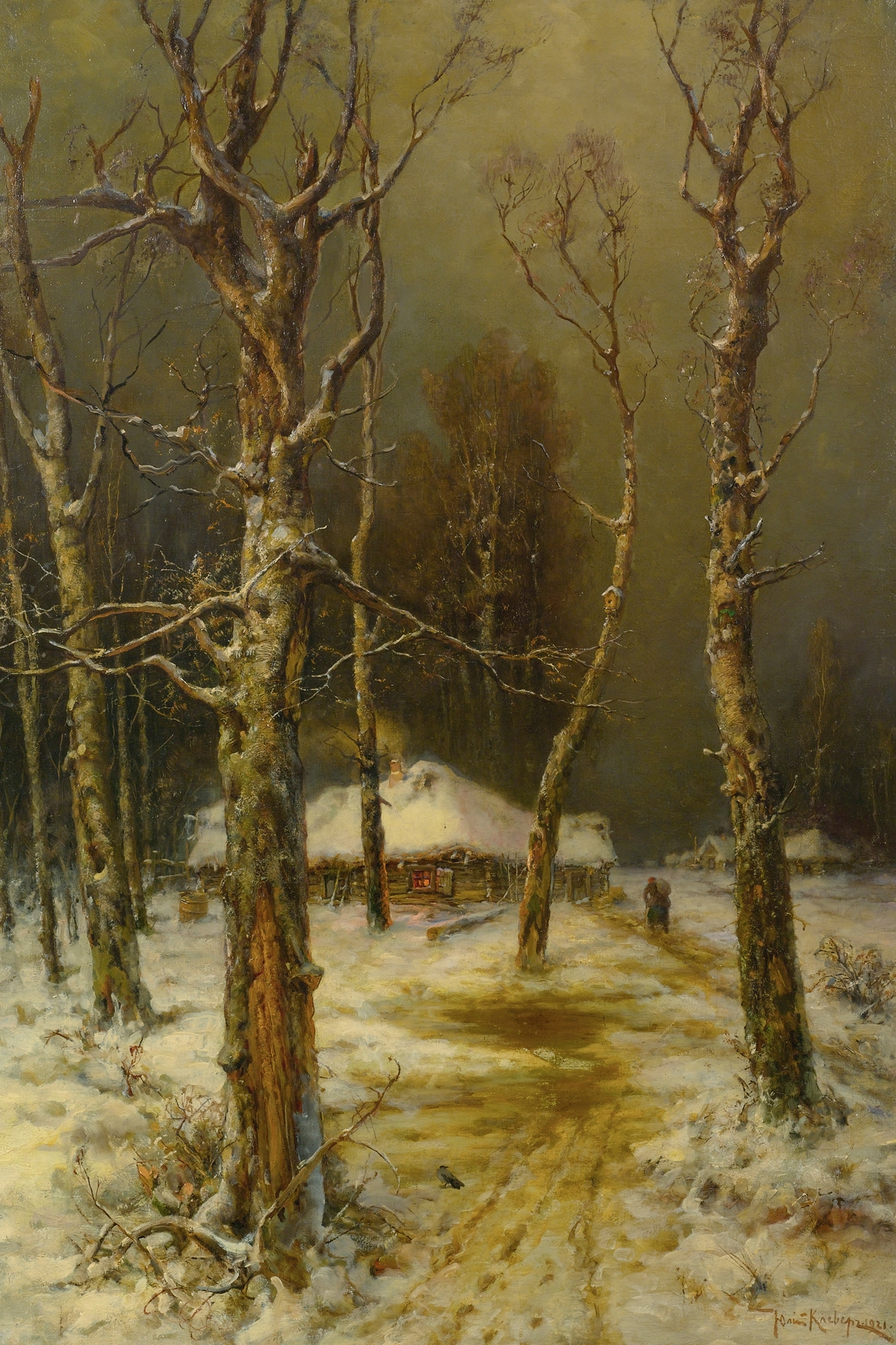
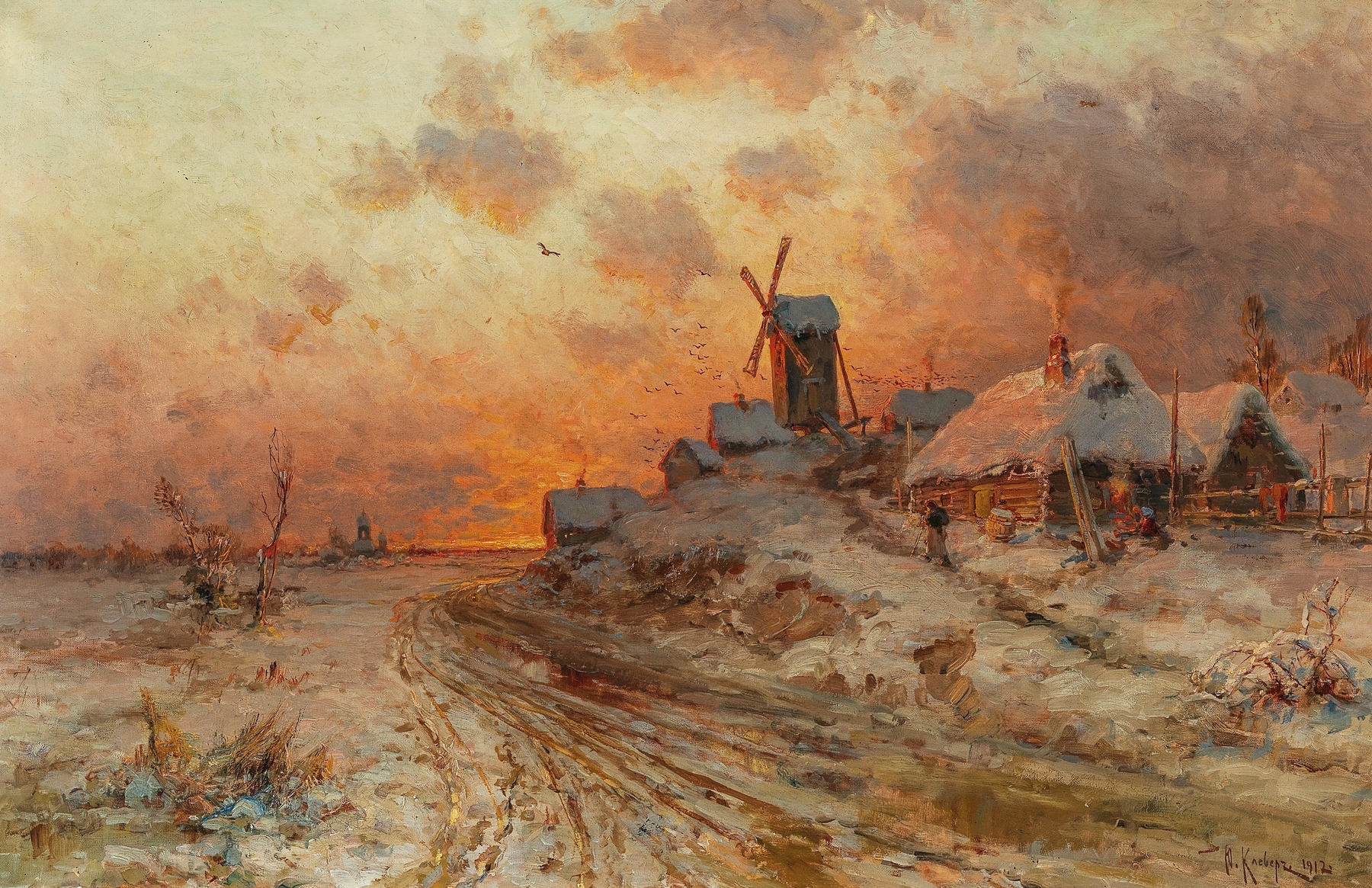
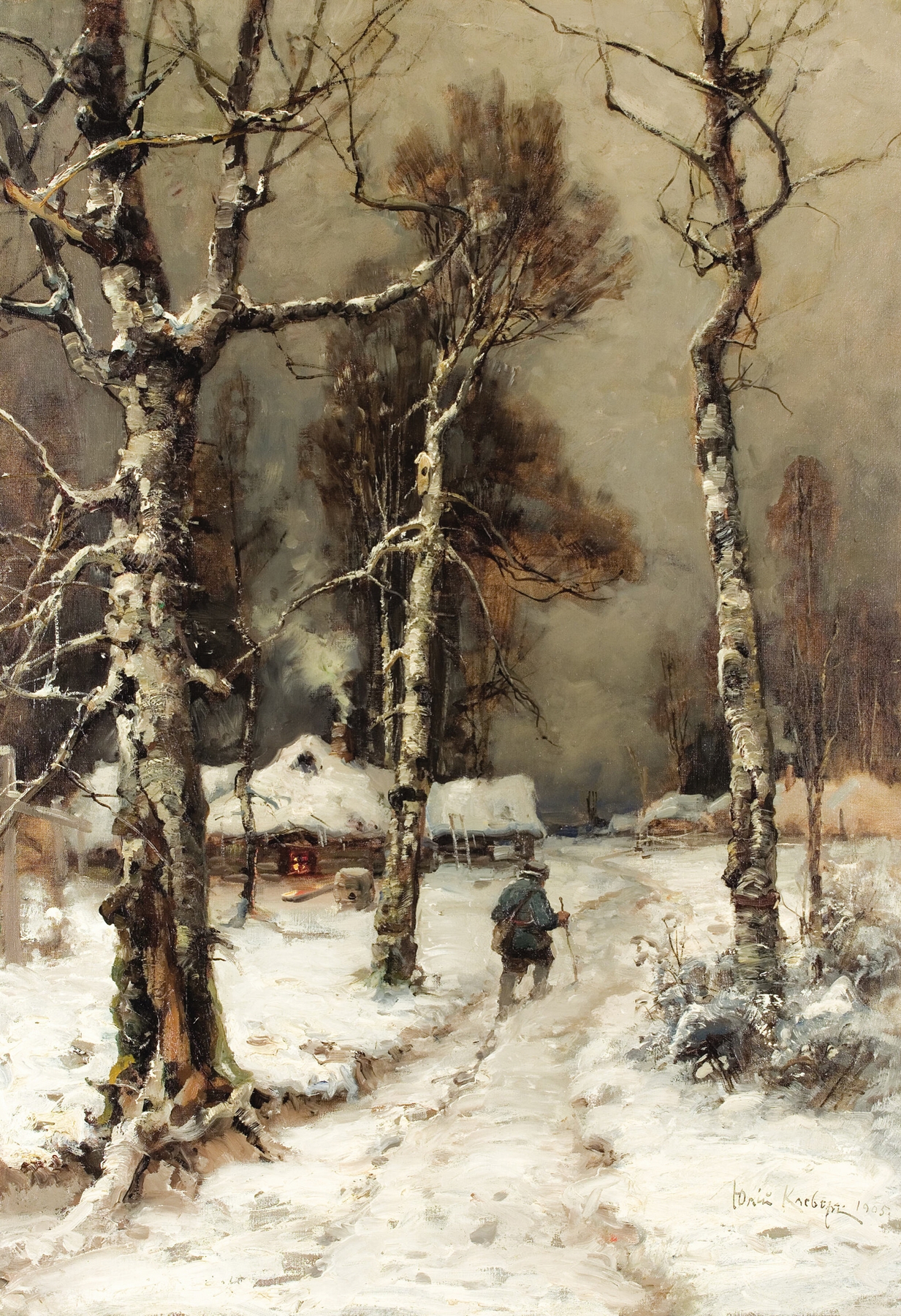
Scene at dusk on the Baltic coast — History & Analysis
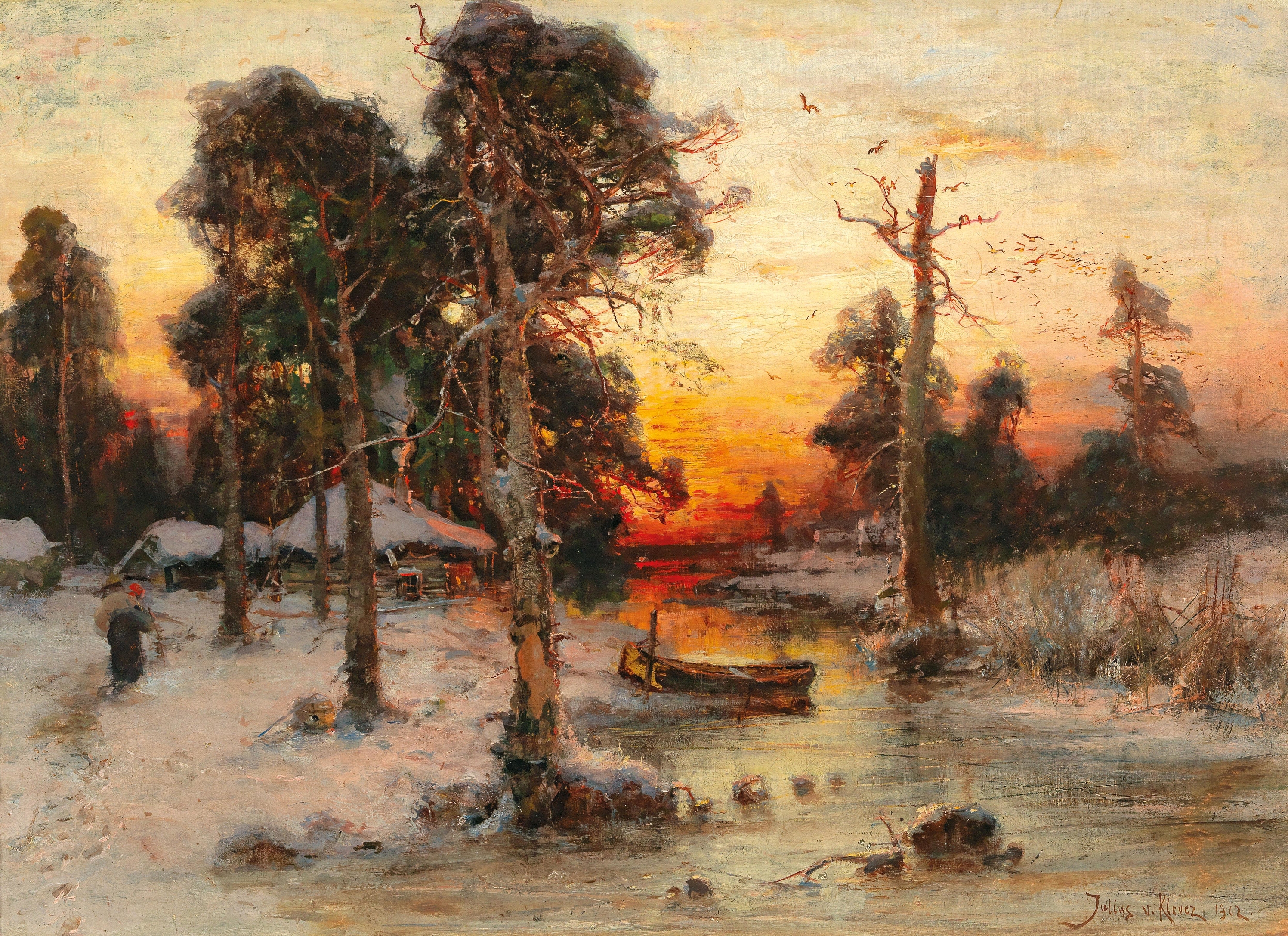
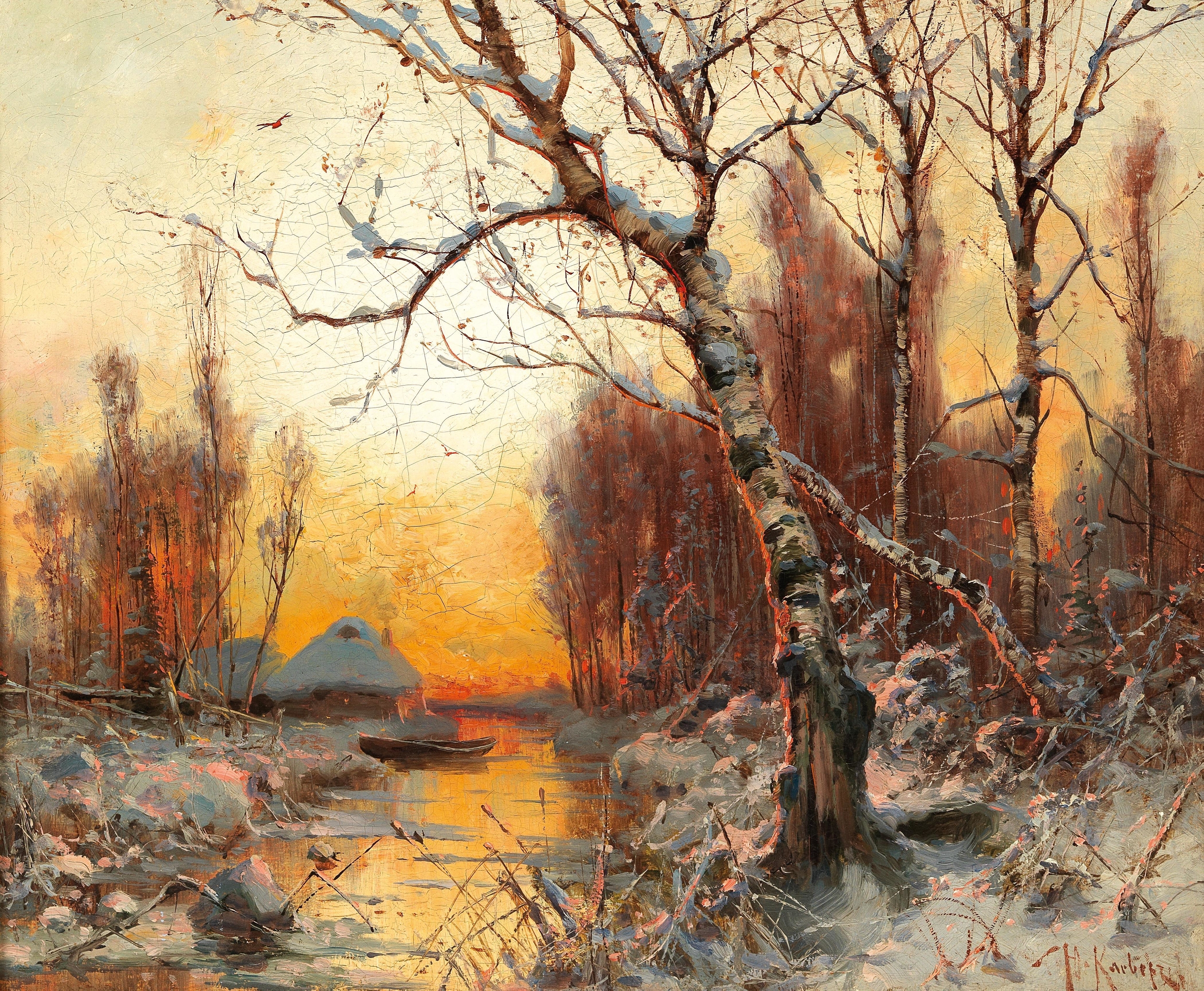
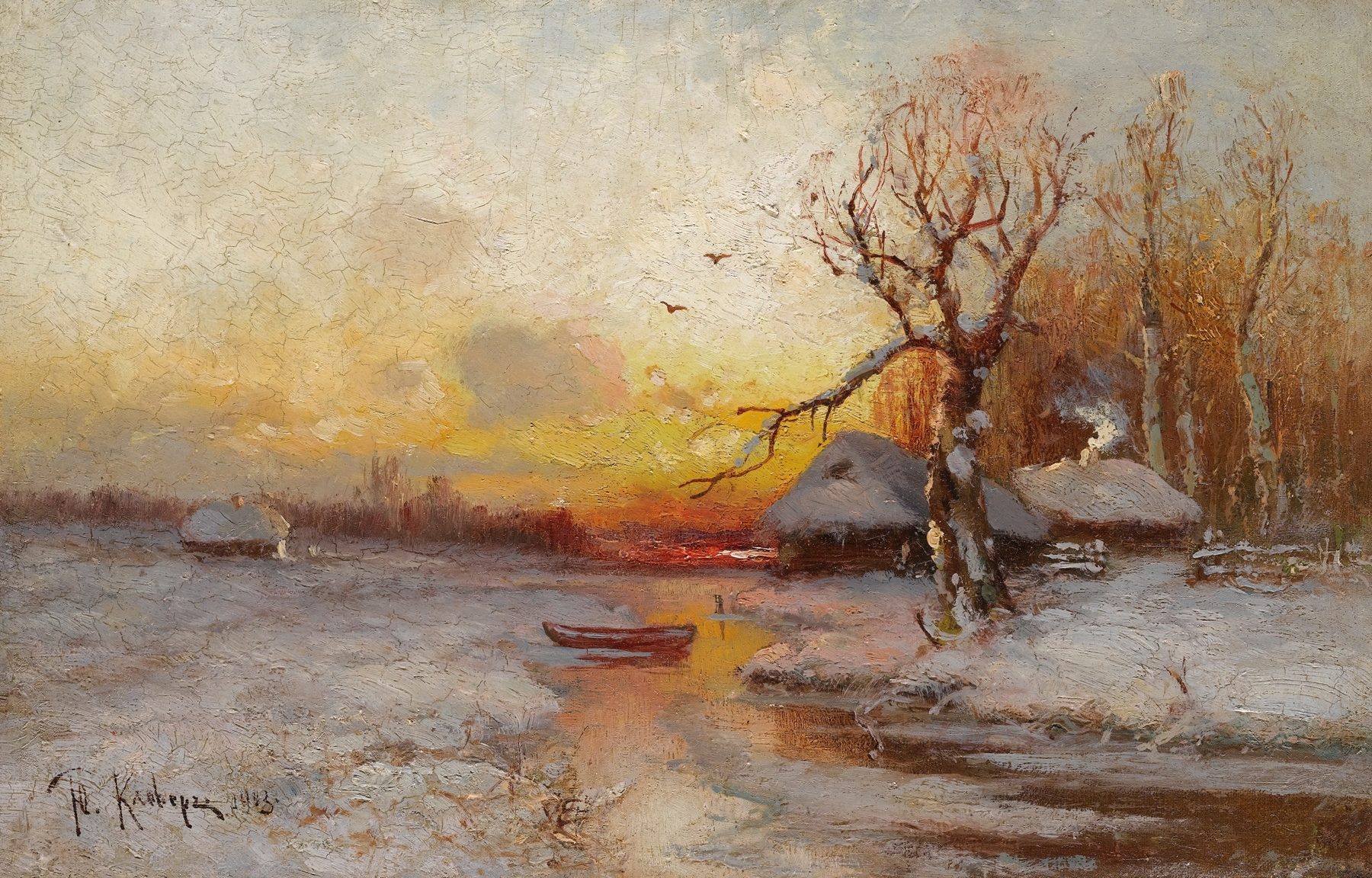
Could a single brushstroke hold eternity? In Scene at dusk on the Baltic coast, the fleeting beauty of the twilight hours whispers of legacies, both personal and universal, captured on canvas. Look to the left at the deepening azure of the sea, where waves lap gently against the shore, glistening with the last vestiges of sunlight. Notice how the sky transforms into a symphony of warm oranges and cool purples, each color blending seamlessly into the next. The horizon, where water meets sky, is a masterclass in gradient transitions, evoking a sense of calmness as daylight surrenders to night.
The delicate brushwork breathes life into the clouds, which drift lazily, suggesting the passage of time and inviting contemplation. Within the tranquil scene, emotional tensions simmer just beneath the surface. The serene coastal landscape juxtaposes the inevitable change from day to night, mirroring the human experience of loss and remembrance. Each wave that recedes could symbolize moments slipping away, while the vibrant colors reflect the beauty found in impermanence.
This duality—of peace and longing—transforms the painting from a mere depiction of a scene into a meditation on legacy and what remains after the light fades. Created during an era of burgeoning impressionism, Klever painted this work around the late 19th century, likely during his time in Latvia. As the world grappled with industrialization and rapid change, artists sought solace and inspiration from nature. Klever, deeply influenced by his Baltic surroundings, captured the essence of this transitional moment, where the beauty of the natural world invites viewers to reflect on their own legacies amidst the relentless passage of time.