Returning Home At Sunset — History & Analysis
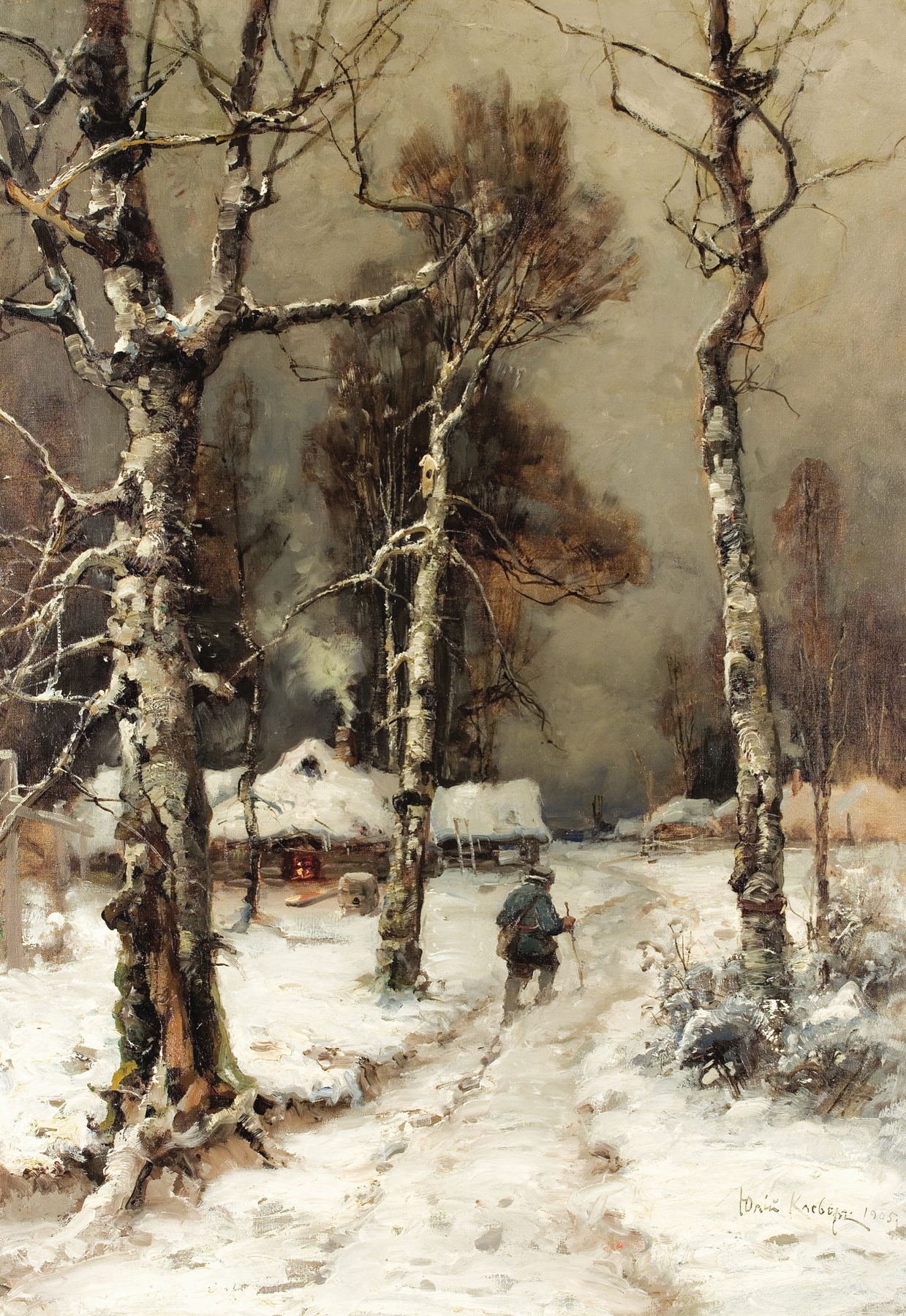
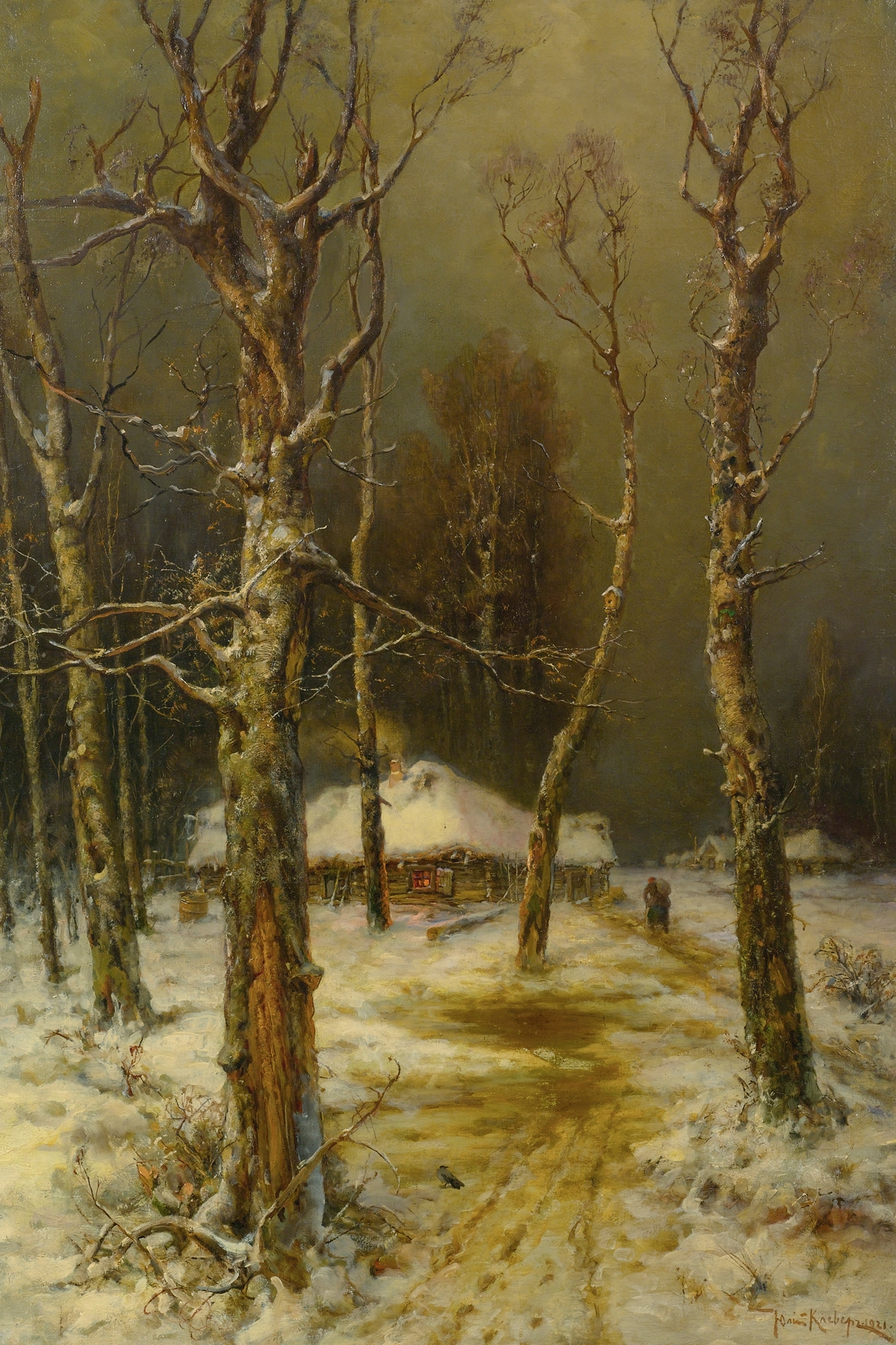
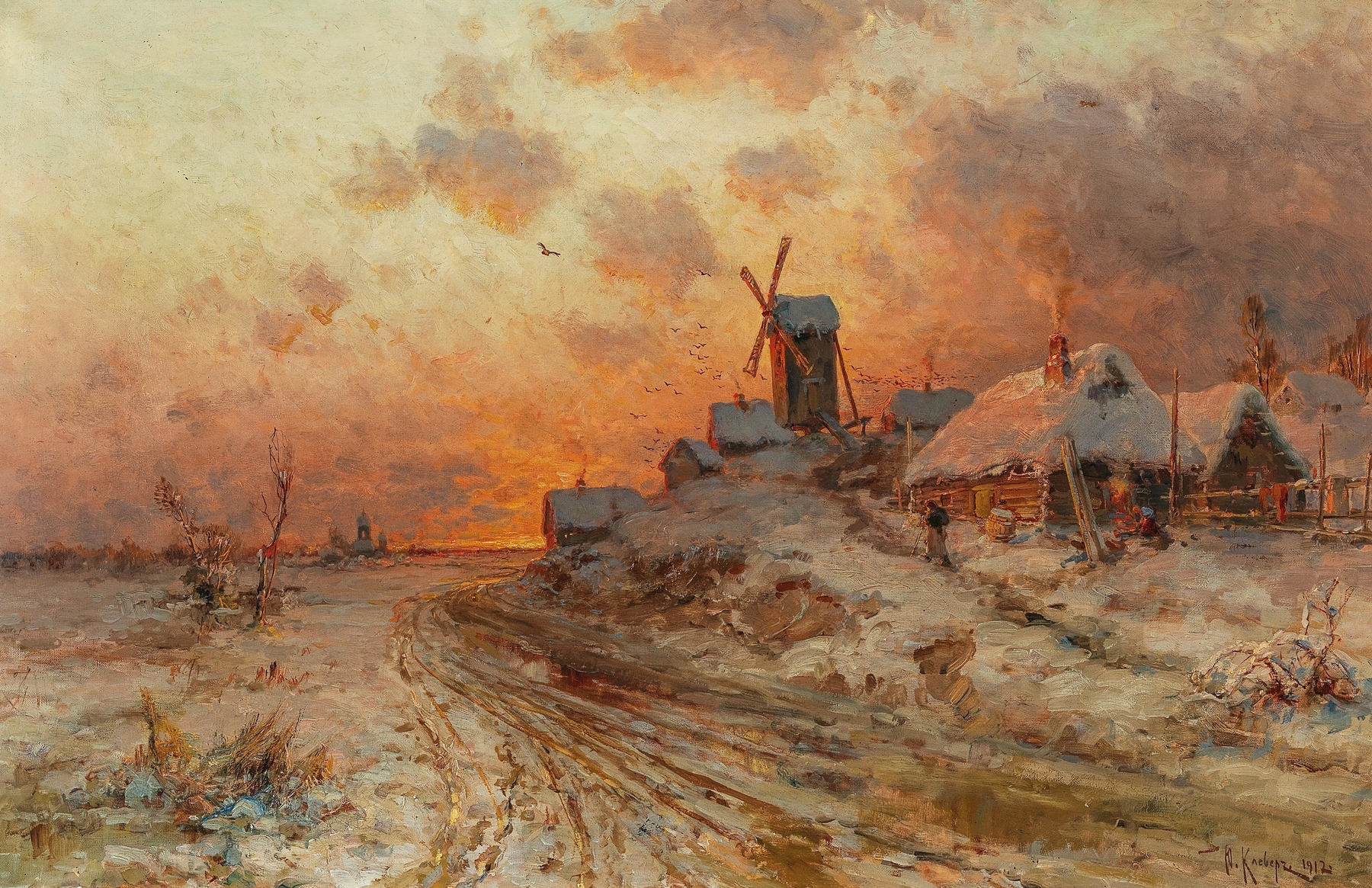
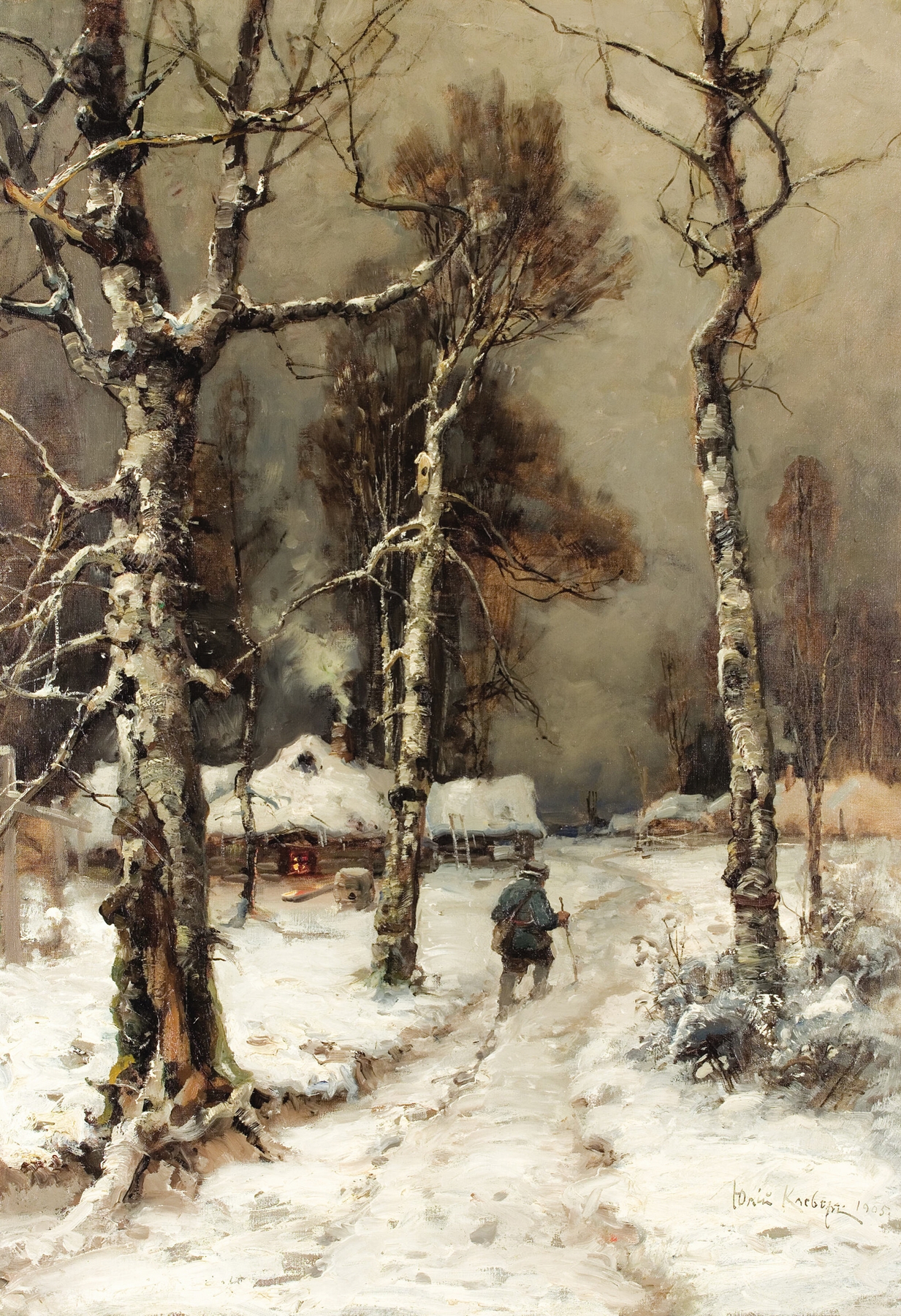
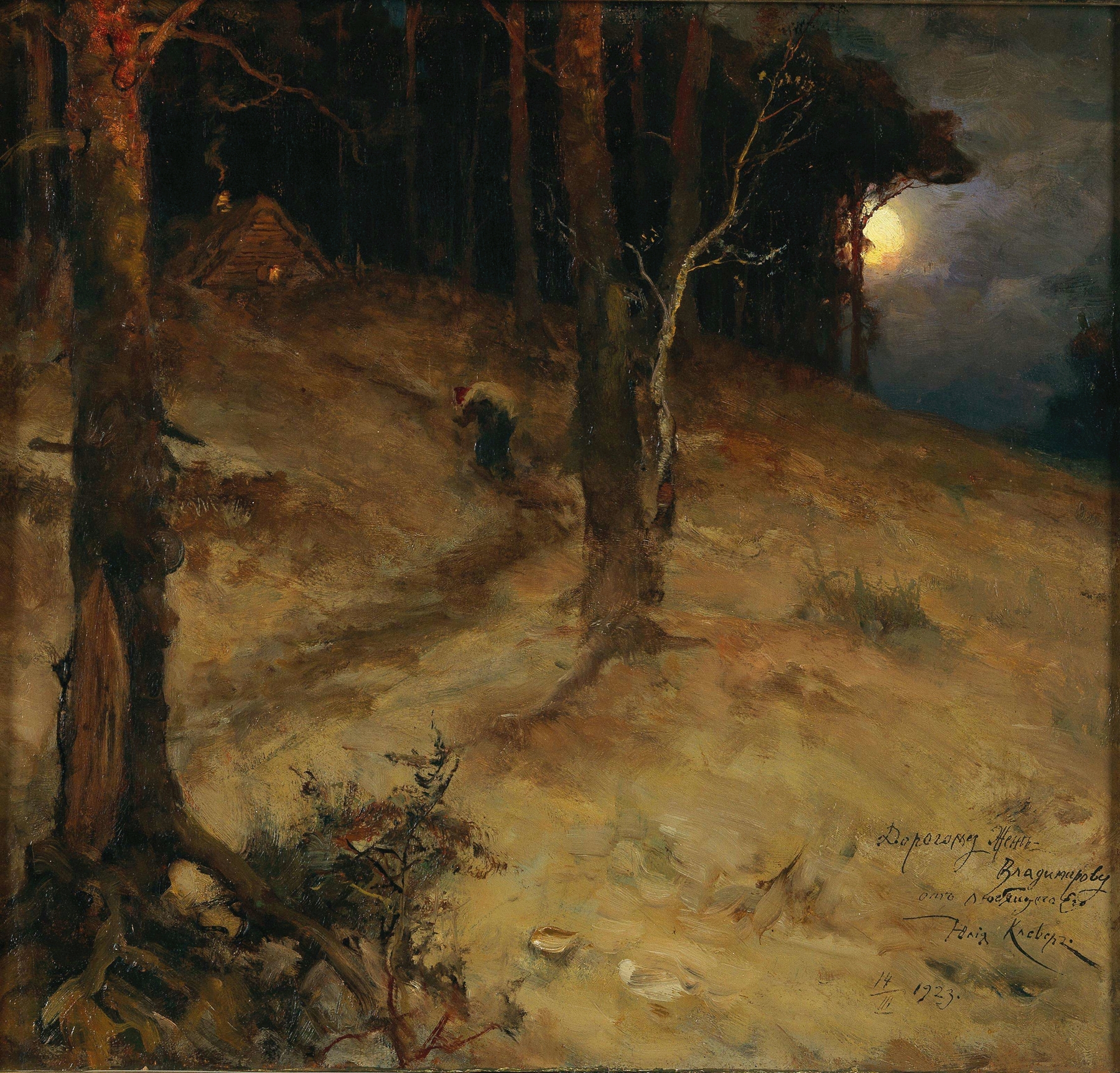
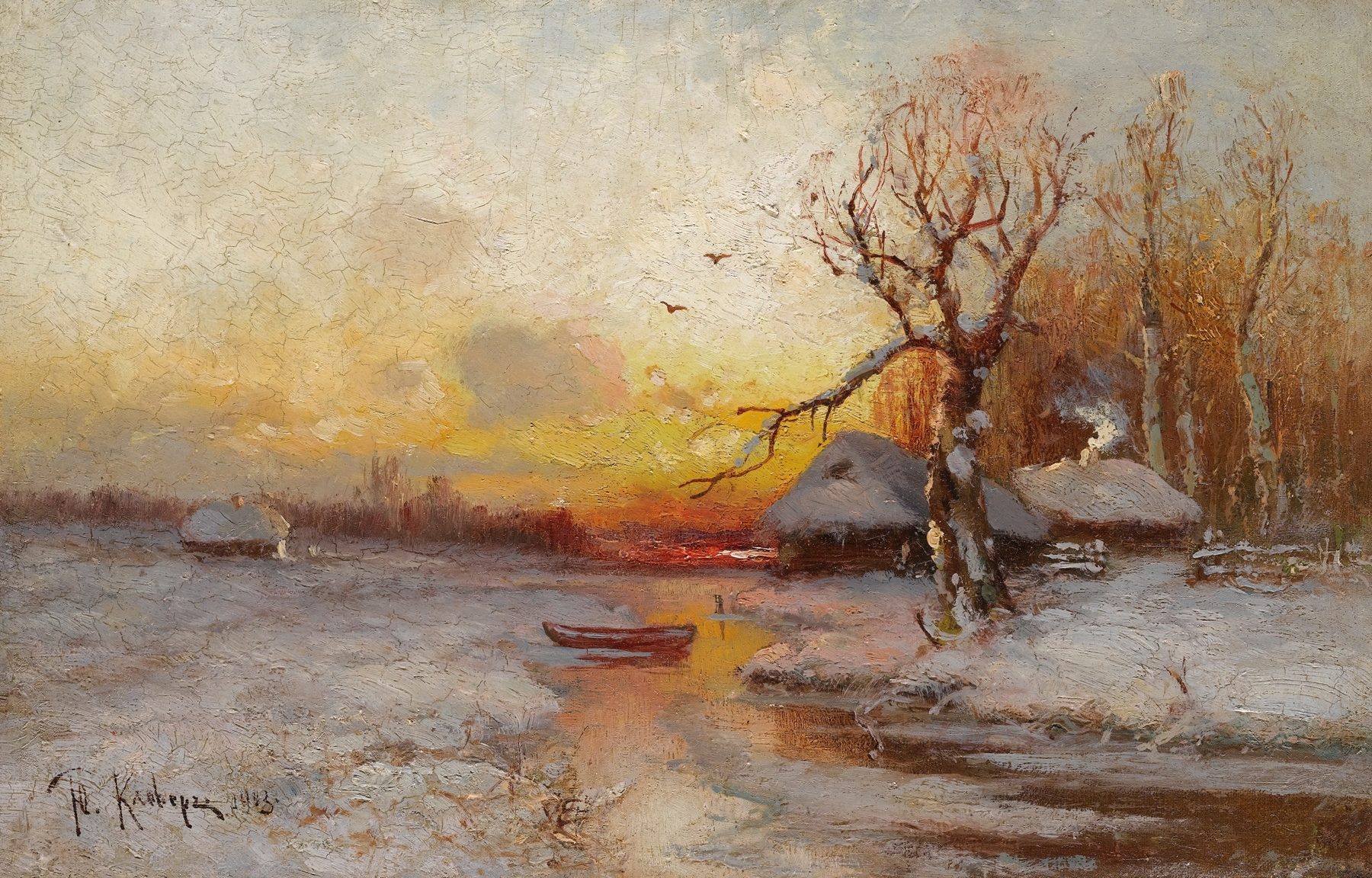
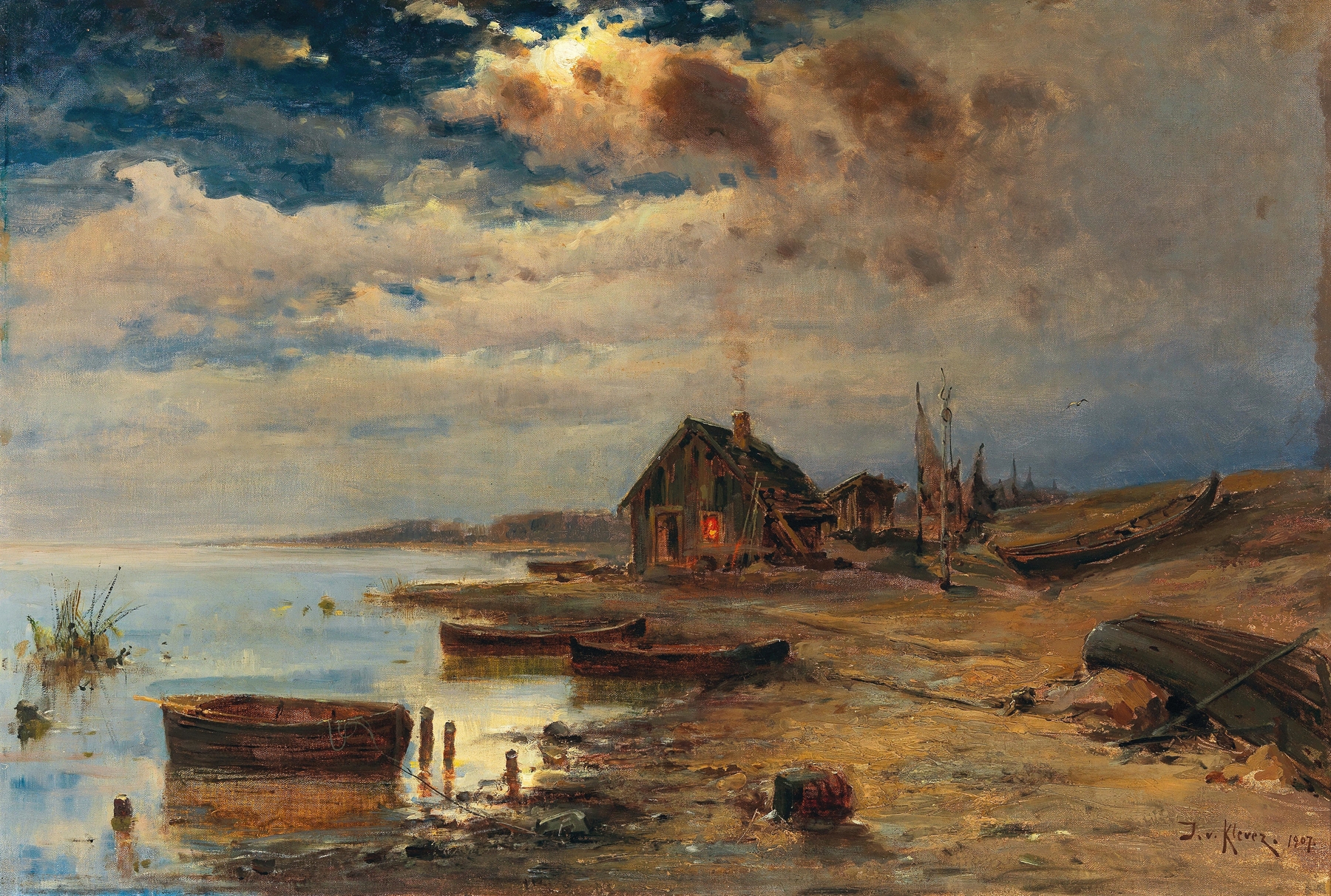
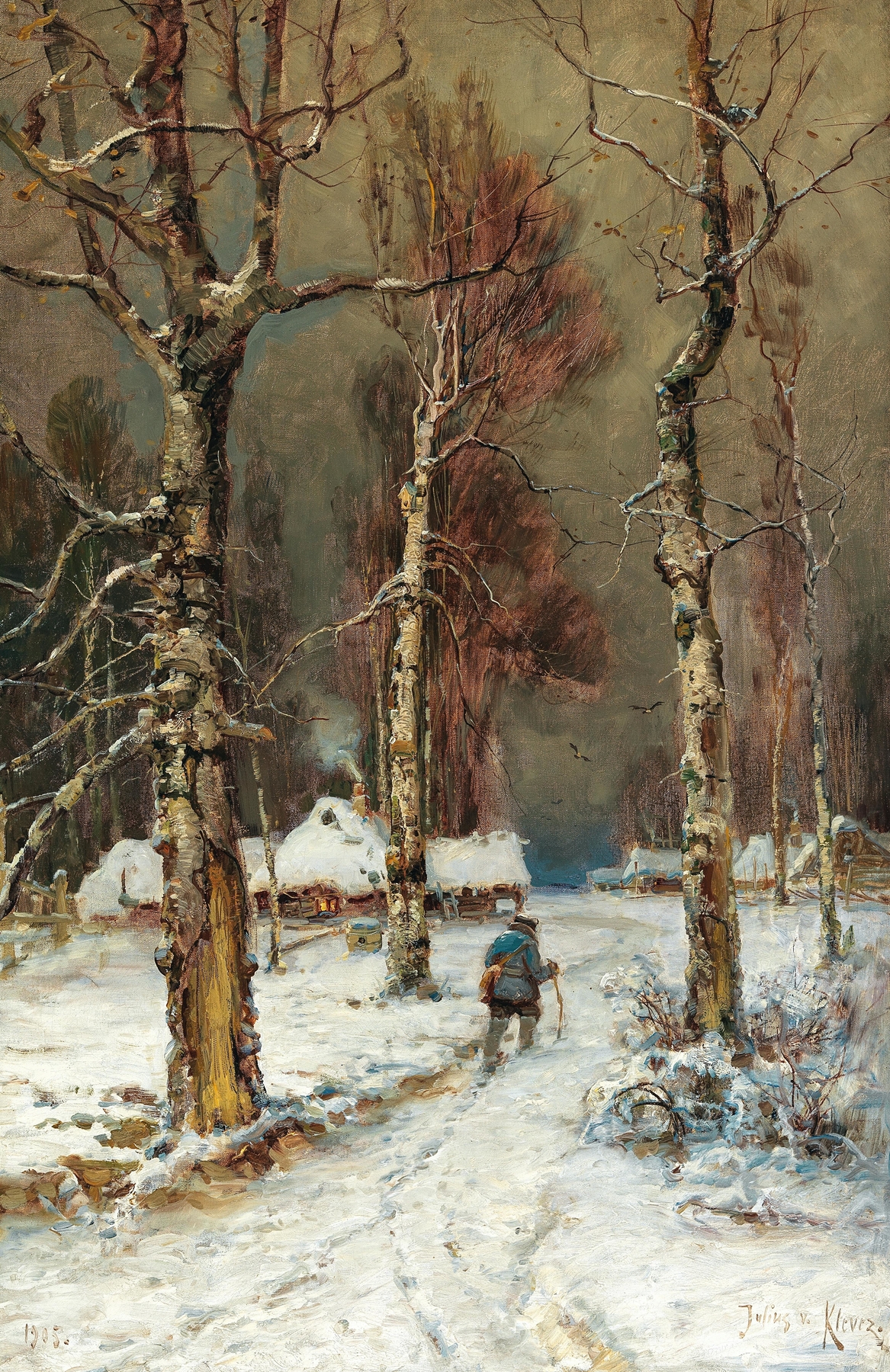
Where does light end, and longing begin? In the quiet twilight of Returning Home At Sunset, the line blurs between the serene and the hauntingly mad, pulling viewers into a world suspended between reality and the emotional tumult of the soul. Look to the foreground, where a solitary figure walks down a winding path, framed by the rich golden hues of the setting sun. The warm light casts elongated shadows that stretch across the landscape, creating a sense of movement and urgency as if the figure is both escaping and returning.
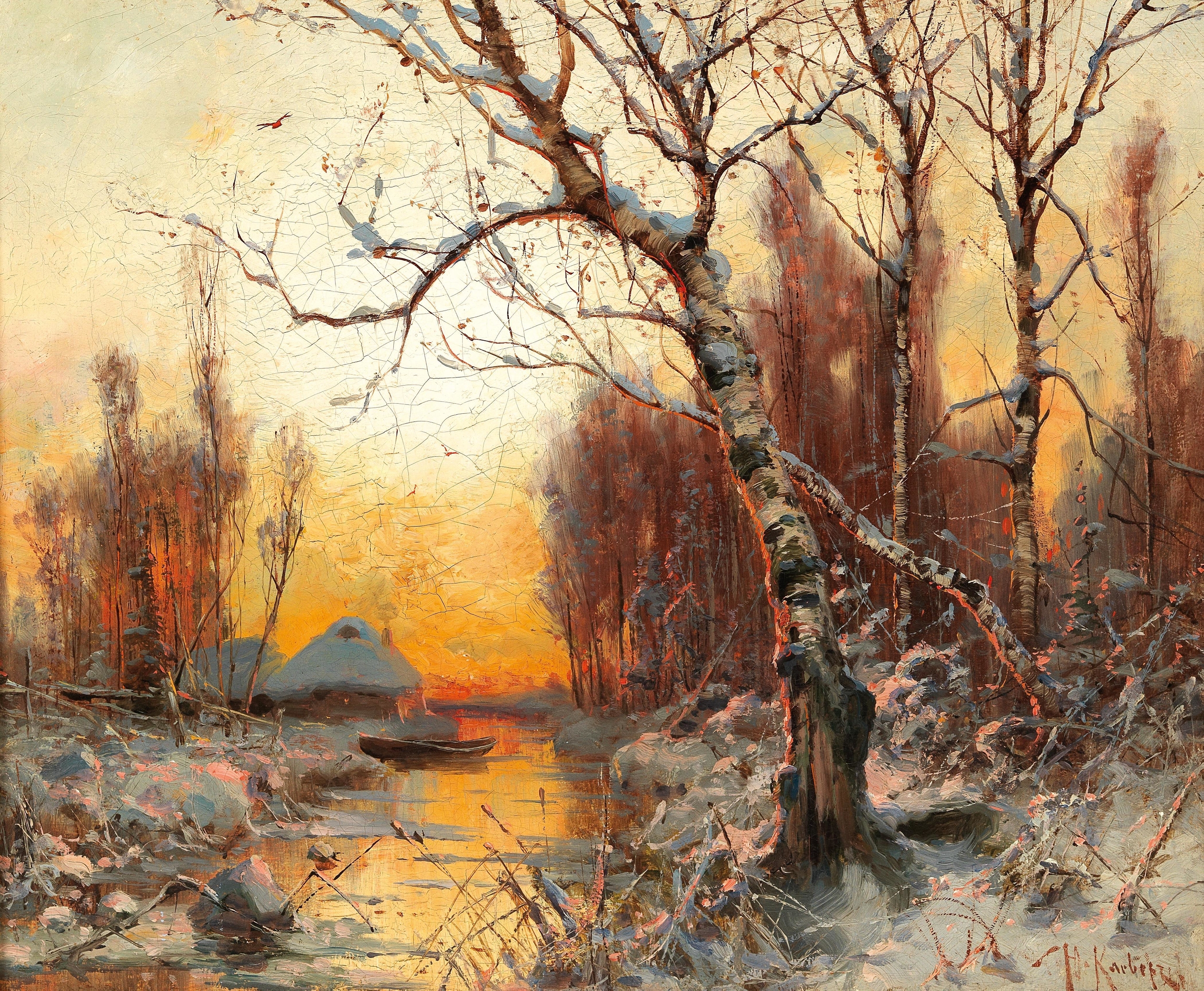
Notice how the colors shift from the vibrant warmth of the sky to the cool blues of the surrounding trees, symbolizing the duality of hope and despair. The brushwork reveals a delicate yet chaotic energy, suggesting an internal battle within the serenity of the scene. This poignant contrast unfolds further through the juxtaposition of the figure's calm demeanor against the tumultuous sky. The sunset, a mastery of light, speaks of endings and new beginnings, while the path hints at the madness of human desire — the endless chase for a place called home.
The figure, with head bowed and shoulders hunched, evokes a sense of vulnerability, as if burdened by the weight of unfulfilled dreams or memories left unspoken. Created during a time when artists were exploring emotional depth and psychological themes, Returning Home At Sunset emerged from the heart of an evolving artistic landscape. Although the exact date remains uncertain, Julius Sergius Klever was active in the late 19th and early 20th centuries, a period marked by a profound shift toward impressionism and the exploration of inner landscapes. His work captures not only the essence of nature but also the complex emotions that define the human experience.