Homecoming at sunset — History & Analysis
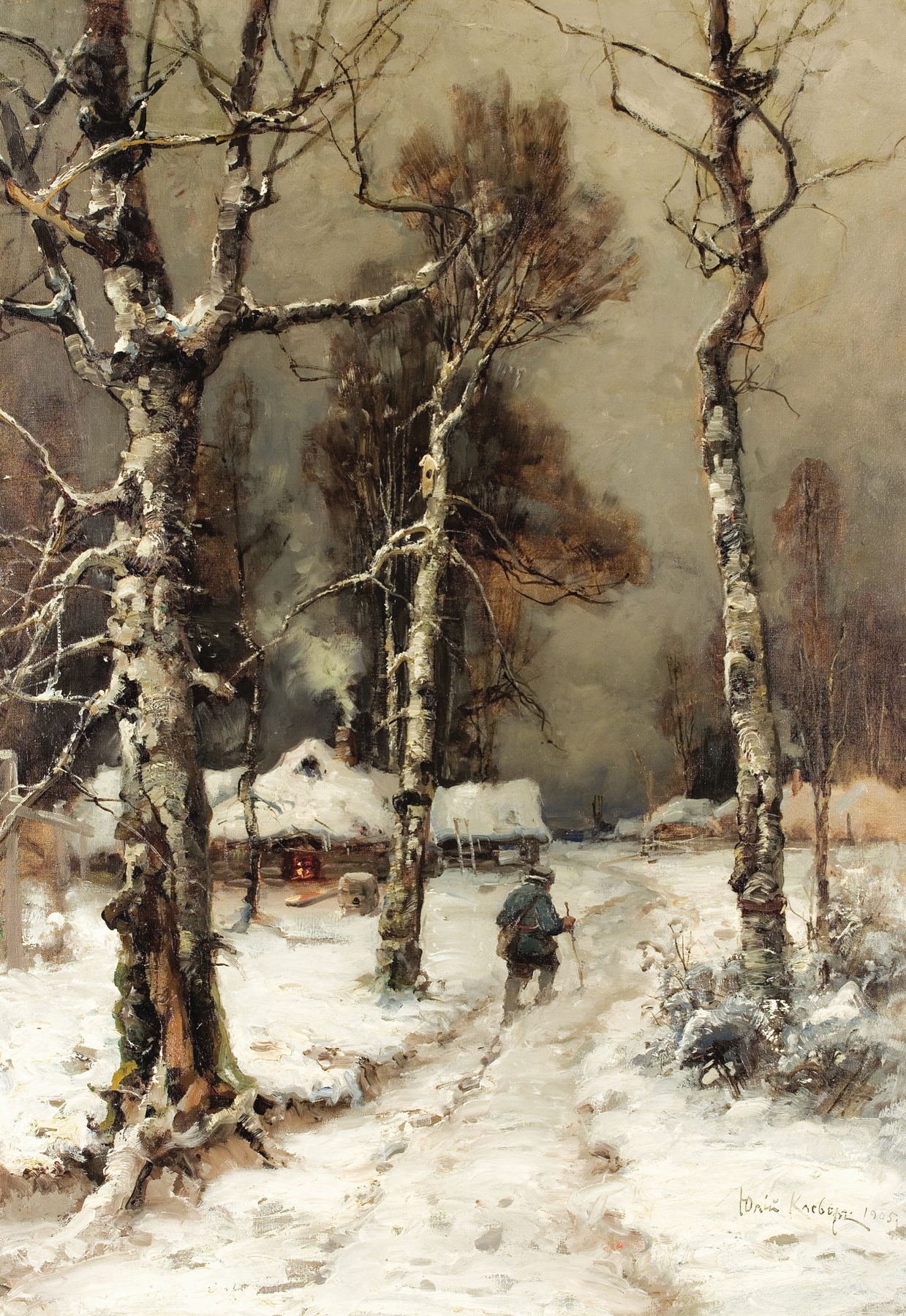
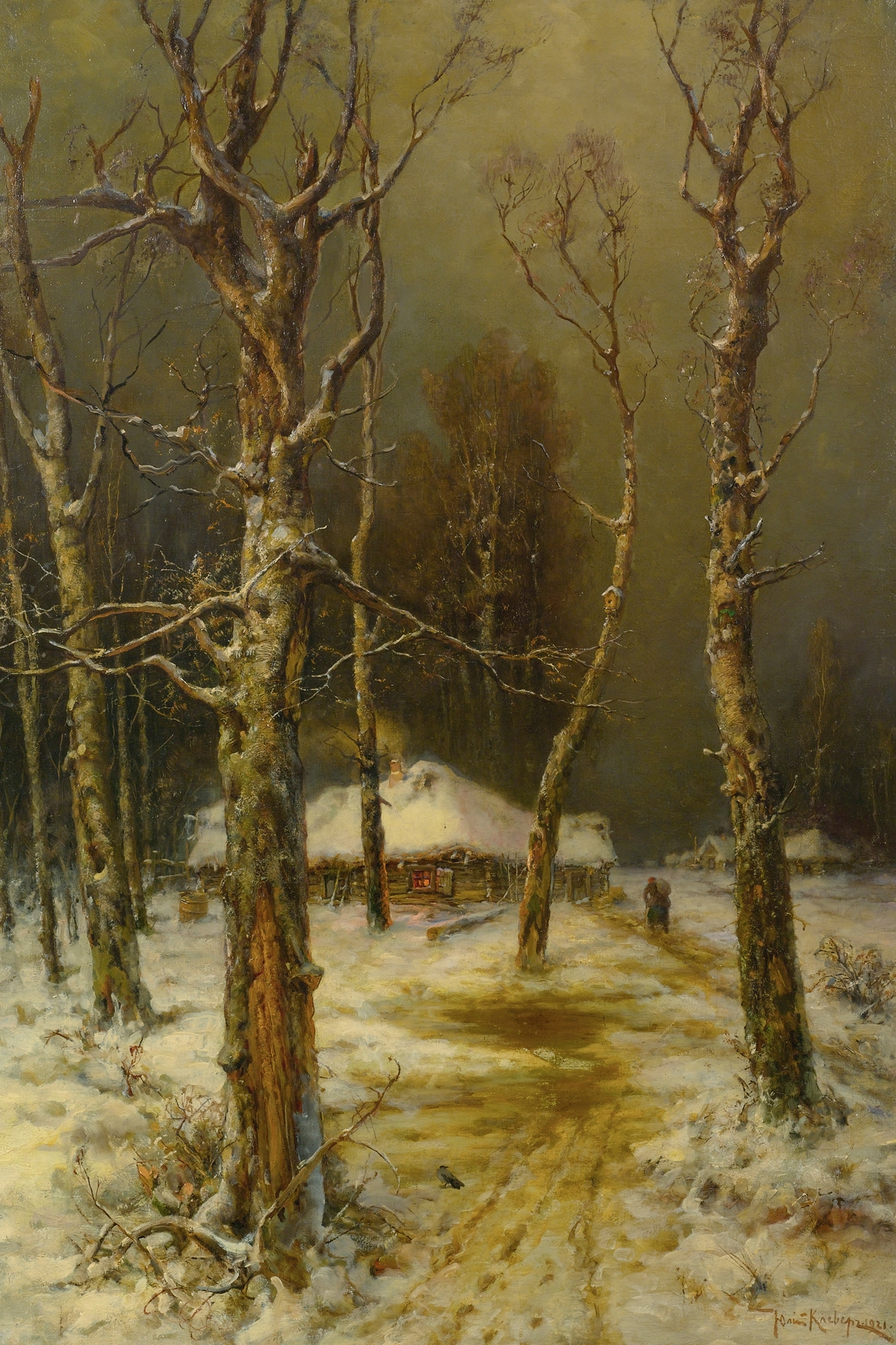
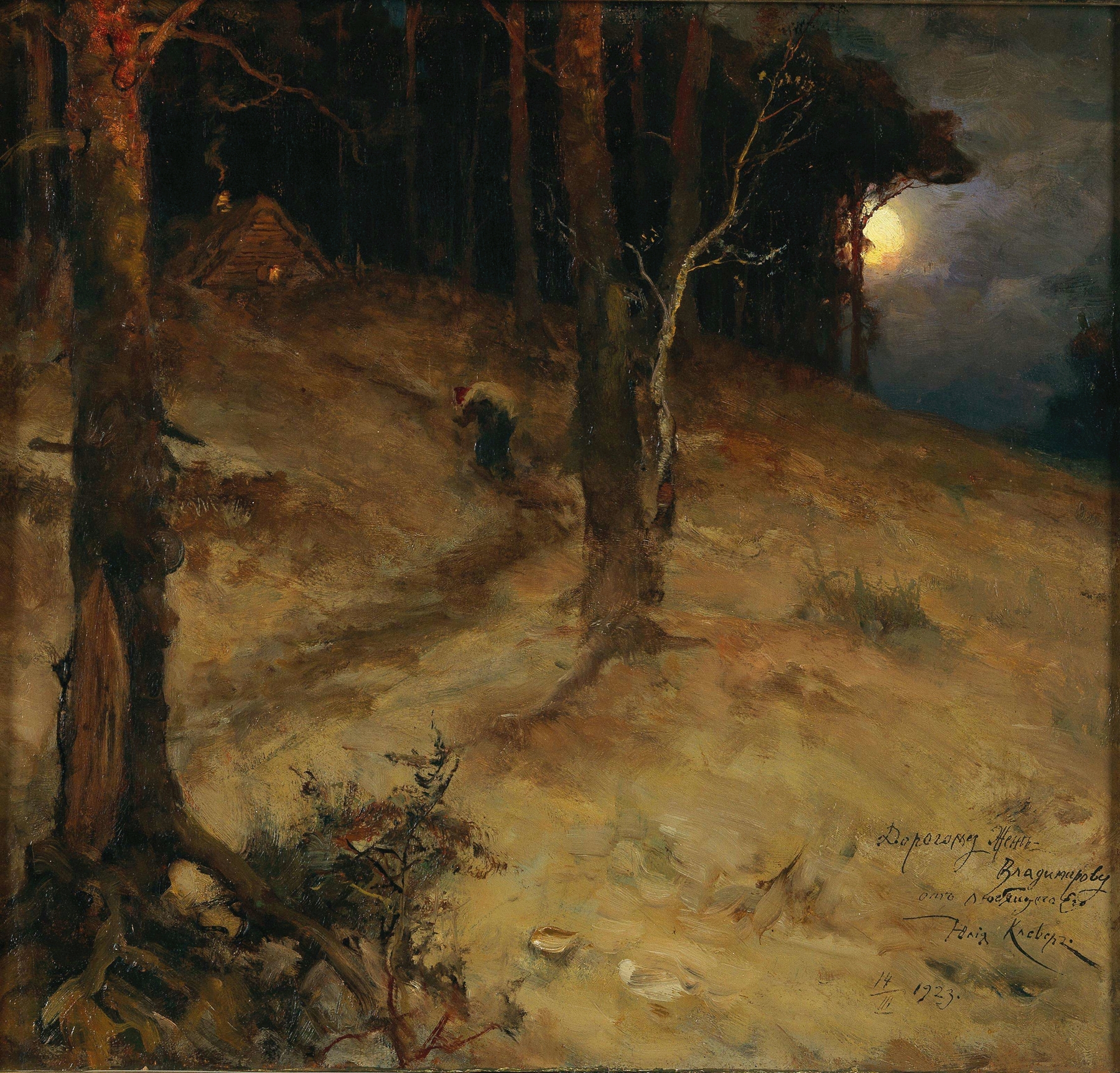
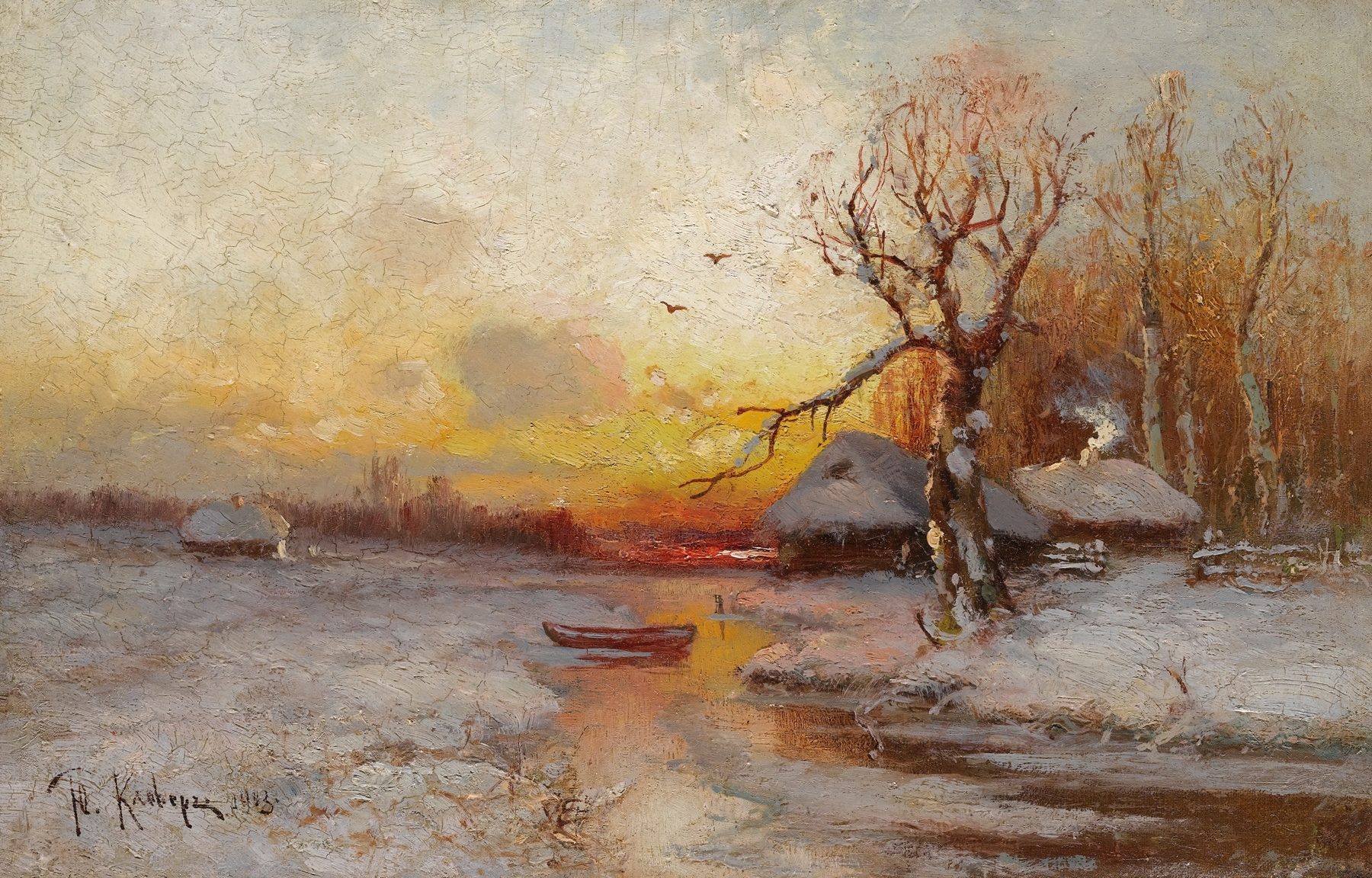
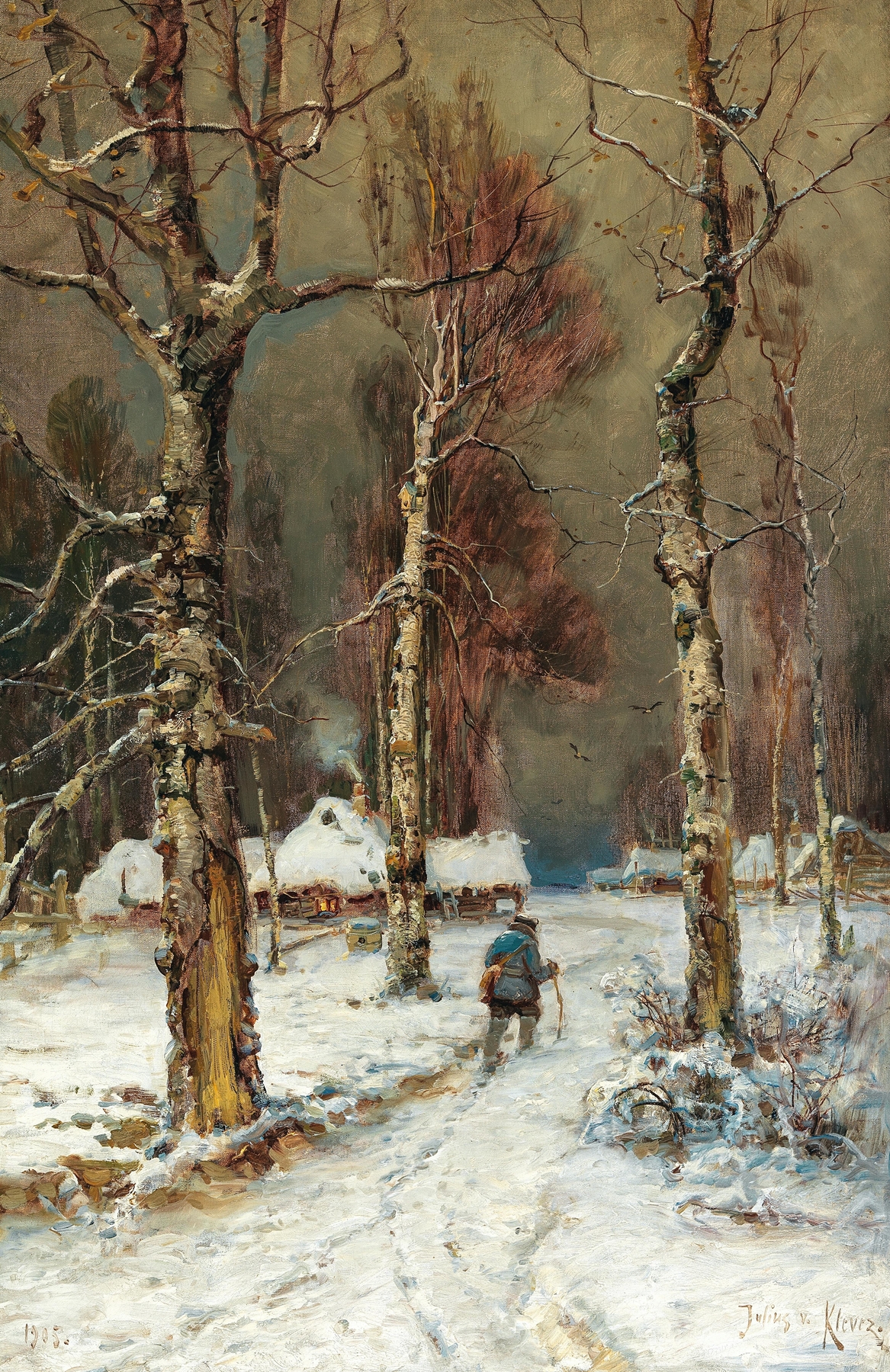
“Between color and silence, truth hides.” In the quiet, yet vivid world of Homecoming at Sunset, destiny entwines itself with the very fabric of our existence, revealing the profound connections that shape our journeys. Look to the horizon where golden hues of the setting sun melt into a tapestry of deep oranges and soft purples. Notice how the light dances across the fields, illuminating the weathered figures as they approach their humble home. Each brushstroke conveys a sense of warmth and nostalgia, inviting you into a space where time feels suspended—where the present blends seamlessly with the echoes of the past.
As you take in the scene, consider the juxtaposition of the serene landscape against the emotional weight of the figures’ return. The path they tread is not merely a route home; it symbolizes the trials and tribulations faced on their journey. The muted colors of their clothing suggest a life of hardship, yet the vibrant sunset promises hope and renewal. This tension between struggle and solace becomes a poignant reminder of our shared human experience, reflecting the bittersweet nature of belonging.
Julius Sergius Klever painted Homecoming at Sunset in 1912 while residing in Russia, during a period marked by both artistic innovation and societal change. The early 20th century was a time of exploration for artists, as they sought to capture the complexities of modern life and personal narratives. Klever, immersed in the movement towards realism, crafted this piece amidst a burgeoning interest in landscapes that resonate with emotional depth, reinforcing the significance of home and the journeys that lead us back to it.