A street, Bruges — History & Analysis
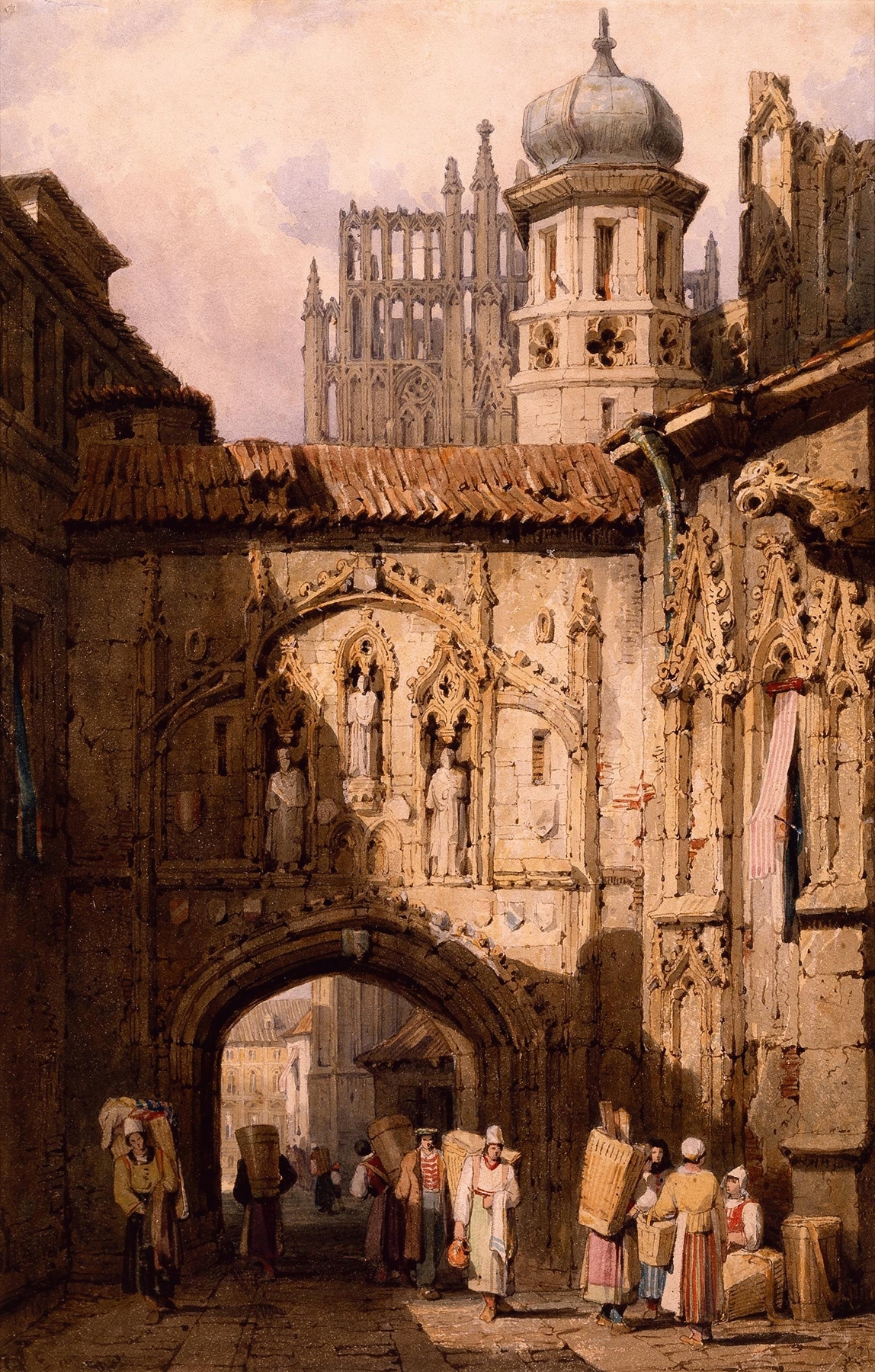
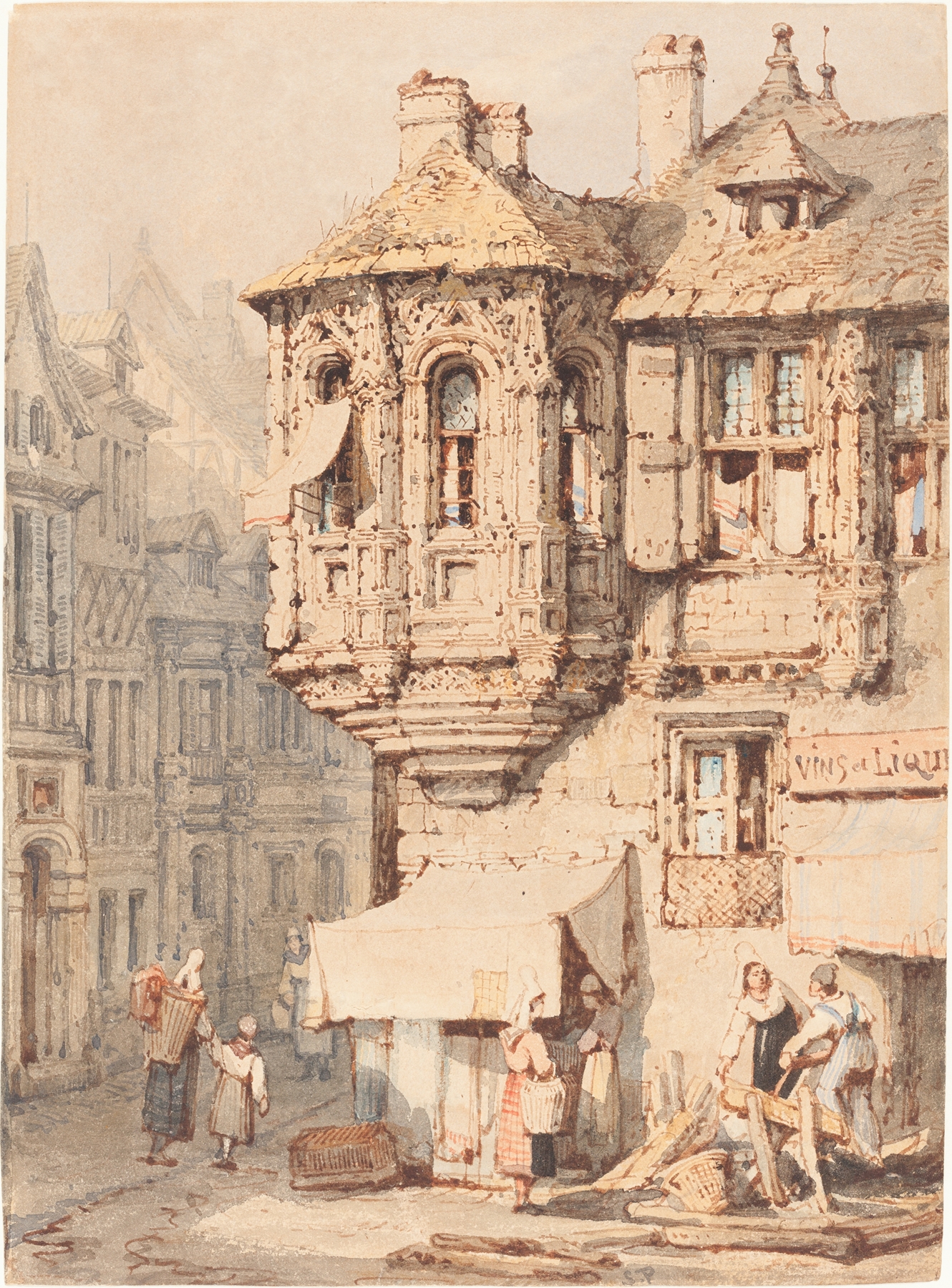
Can beauty exist without sorrow? In A Street, Bruges, the artist captures a moment in time that resonates with both the charm of its setting and the underlying melancholy of human experience. Look to the left where the cobblestone street winds gently beneath the archway, inviting viewers into the scene. Notice how the soft, muted colors of the buildings blend seamlessly with the warm glow of the afternoon light, casting gentle shadows that dance along the walls.
The composition, balanced with figures strolling leisurely, suggests a communal rhythm, punctuated by the architectural details that frame the scene—each window and door a story waiting to unfold. Within this serene depiction lies a poignant contrast. The figures’ leisurely pace hints at a quiet contentment, yet the heavy, grey skies loom above, almost as if they are witnesses to the narratives of joy and sorrow that intertwine in everyday life. The stillness of the street suggests both hope and nostalgia, evoking a feeling of longing for moments passed or yet to come.
Each detail, from the textured bricks to the distant figures, invites contemplation about the lives that intersect within this picturesque frame. Samuel Prout painted A Street, Bruges between 1818 and 1852, during a period when he was exploring the architectural beauty of European cities. Living in London, Prout was deeply influenced by the Romantic movement, which emphasized emotion and individual experience in art. This painting reflects not only his skillful technique but also his interest in the interplay of light and atmosphere, capturing a moment that resonates with viewers long after its creation.