A View near Tivoli (Morning) — History & Analysis
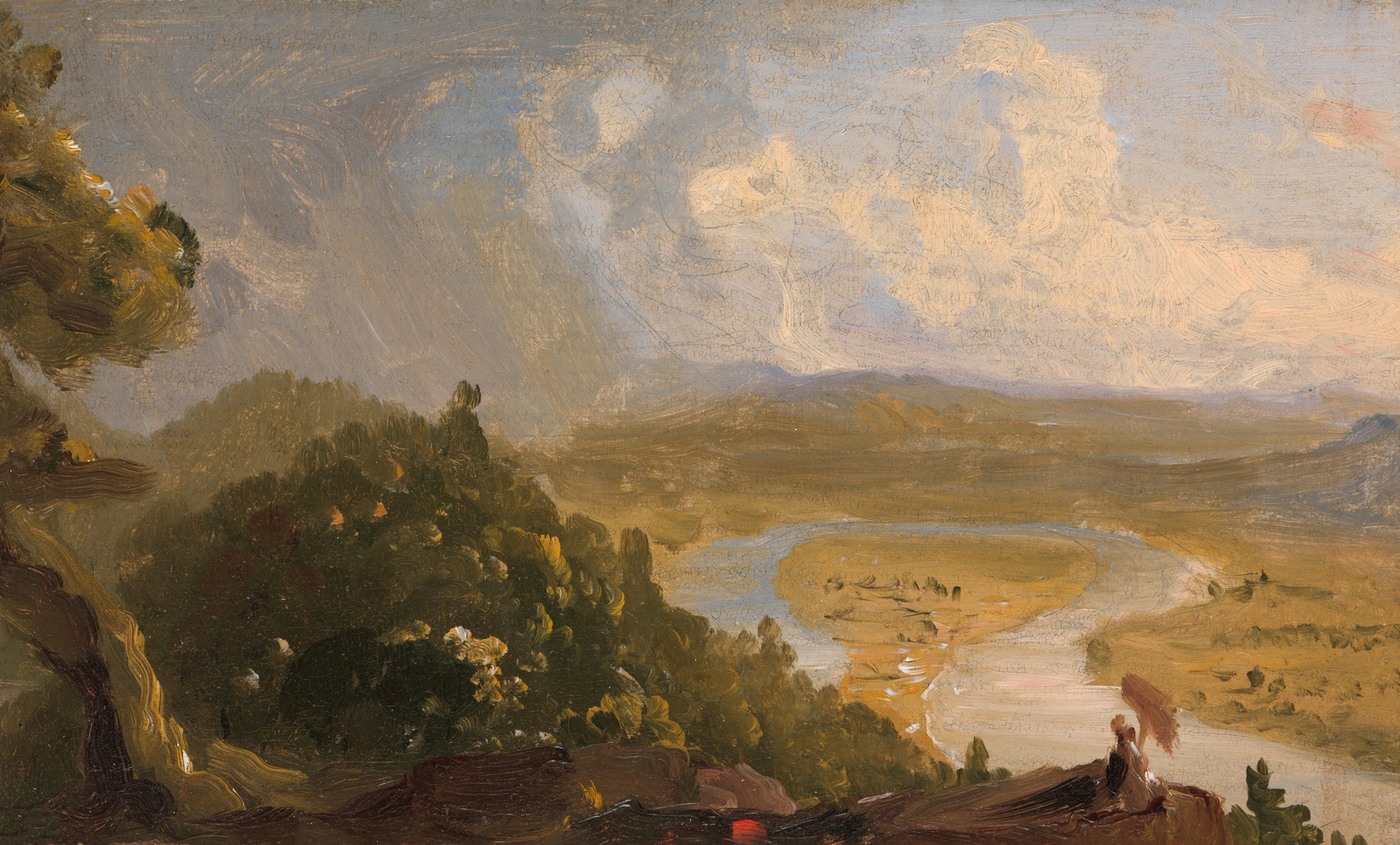
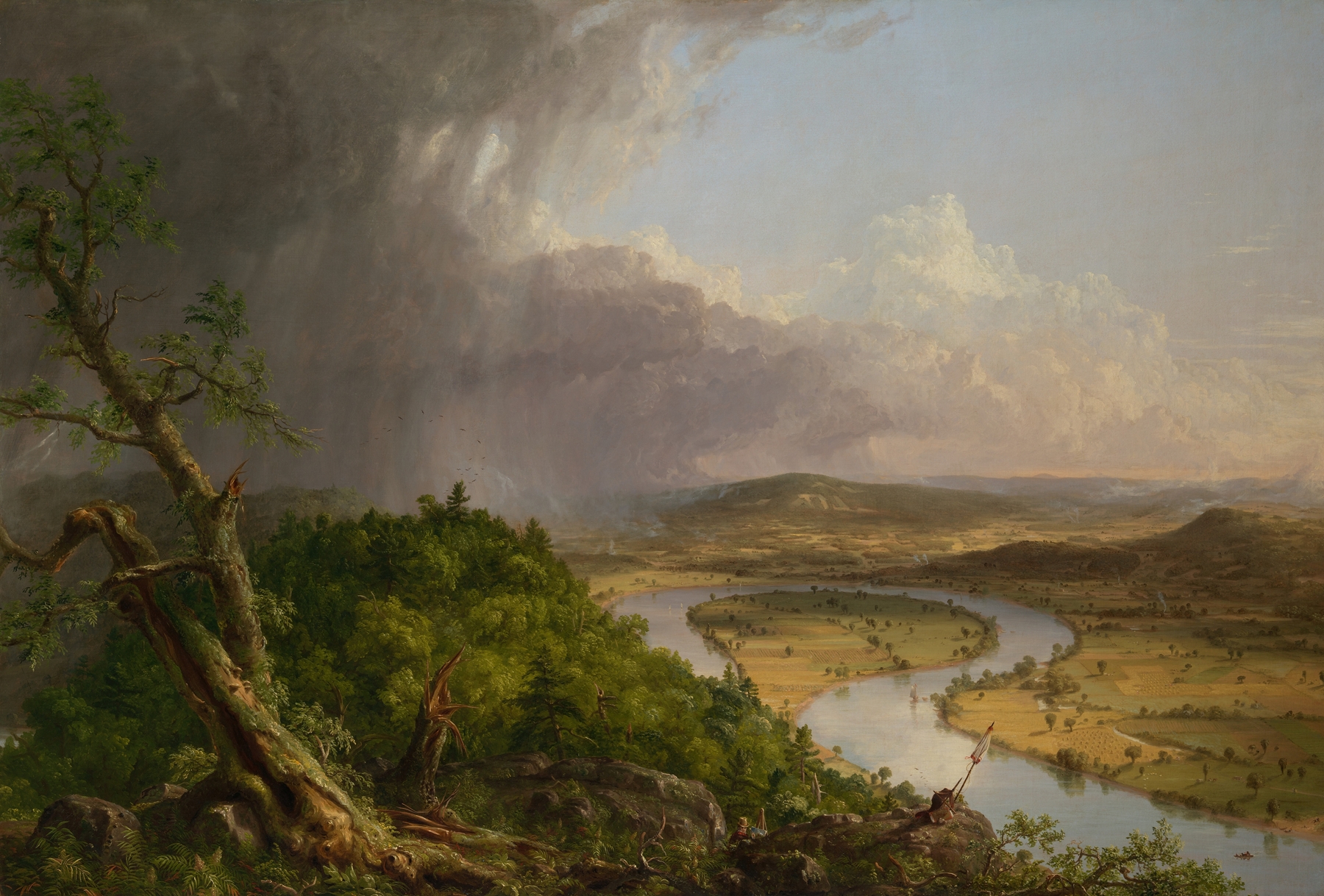
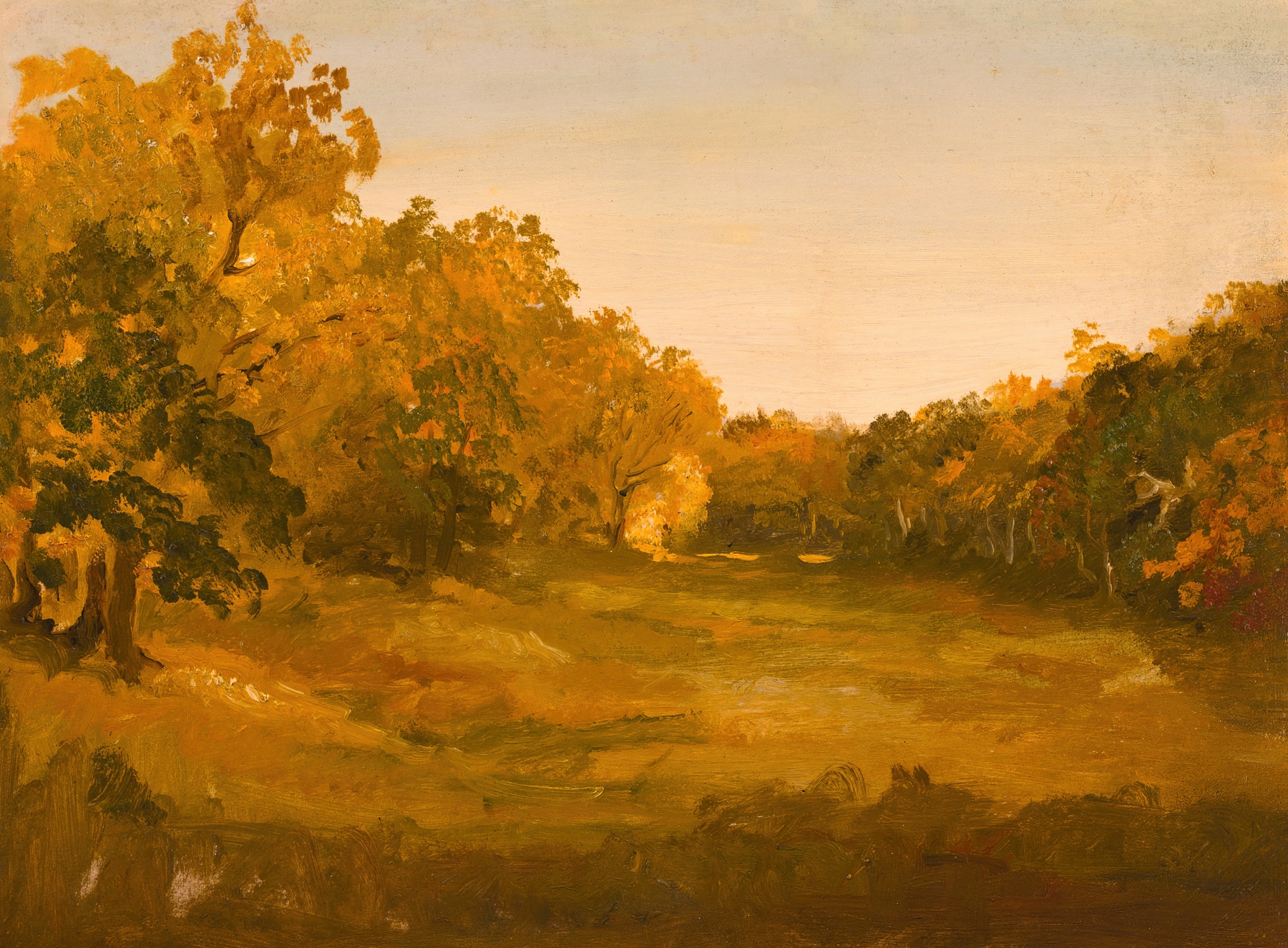
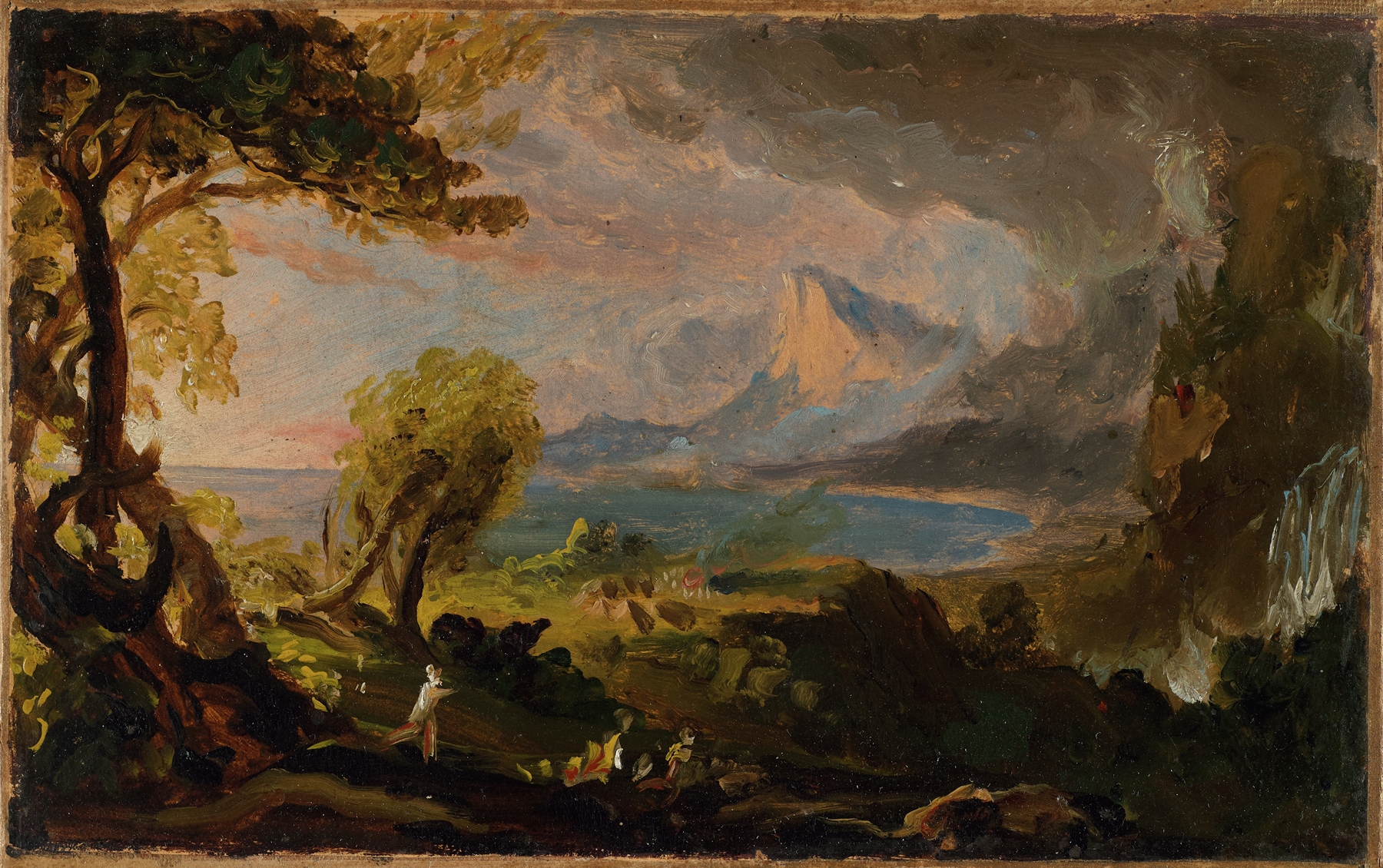
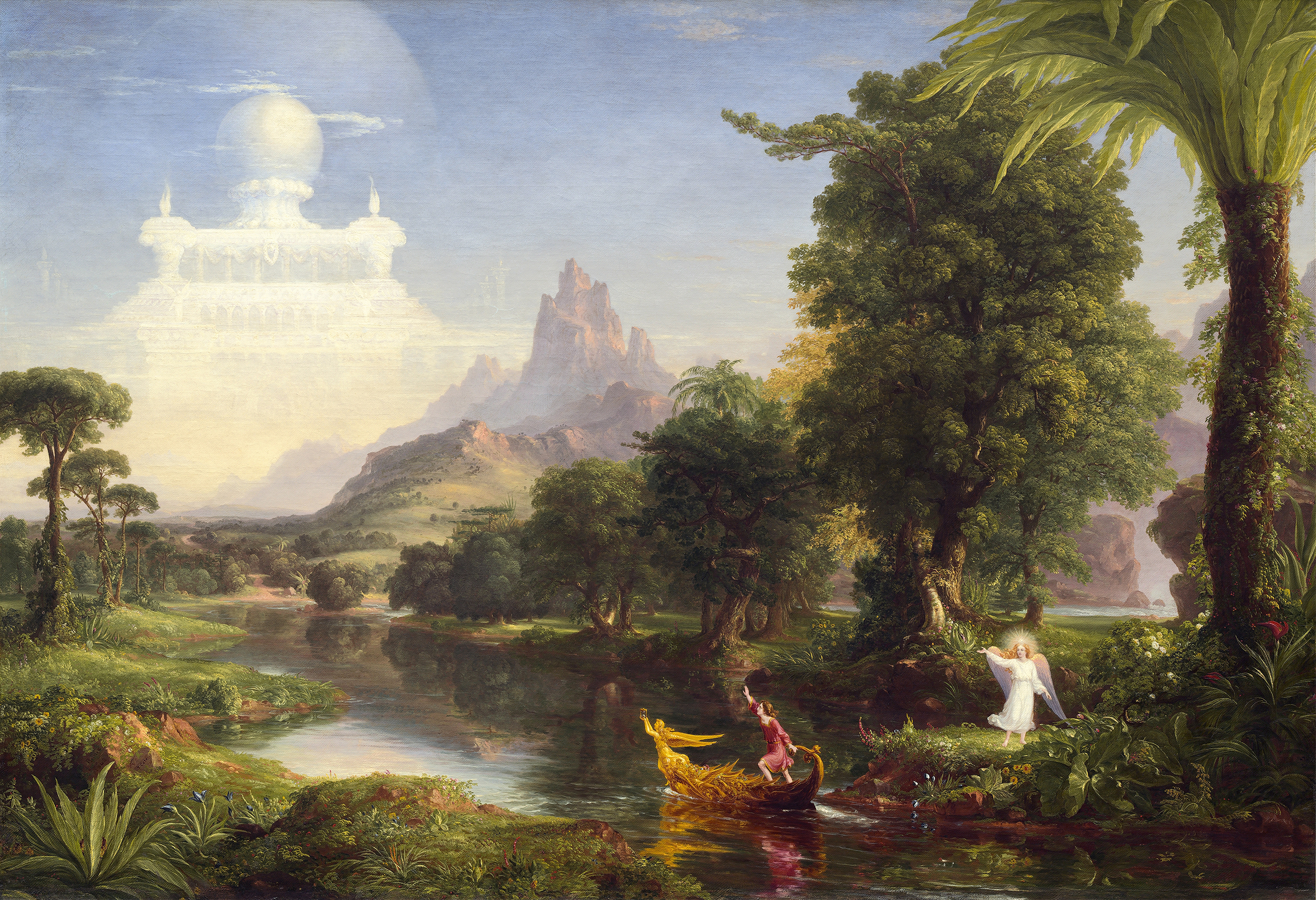
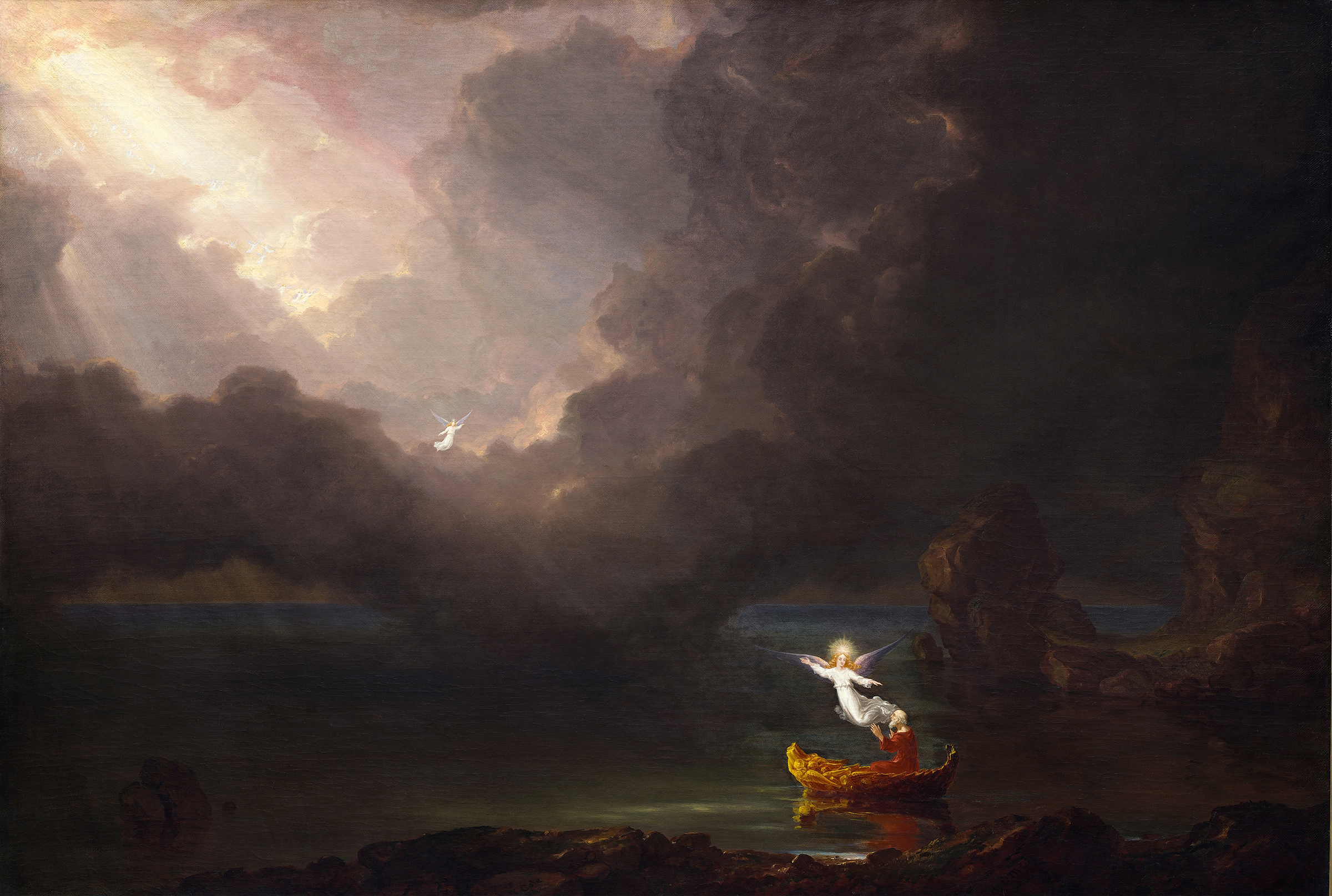
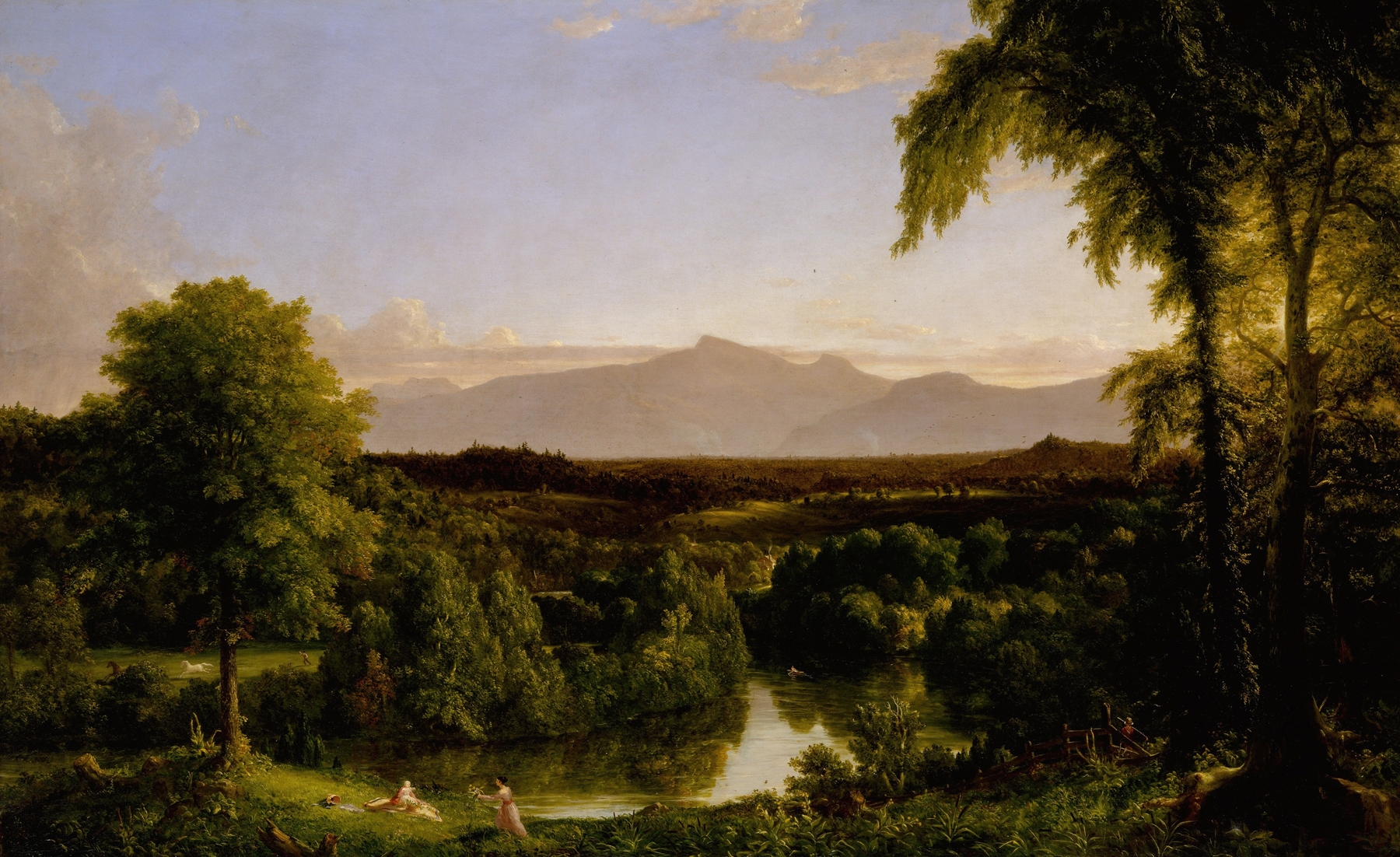
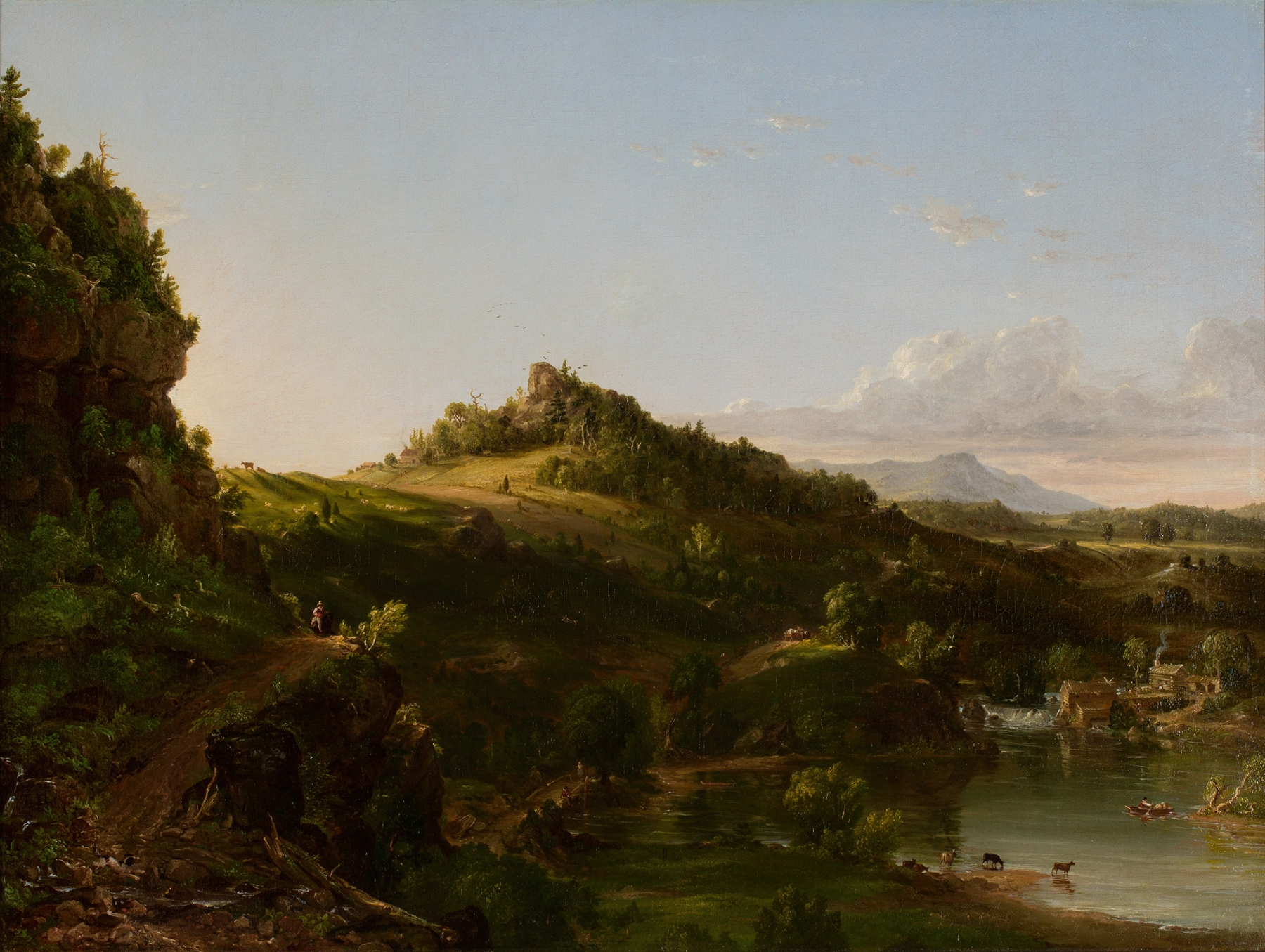
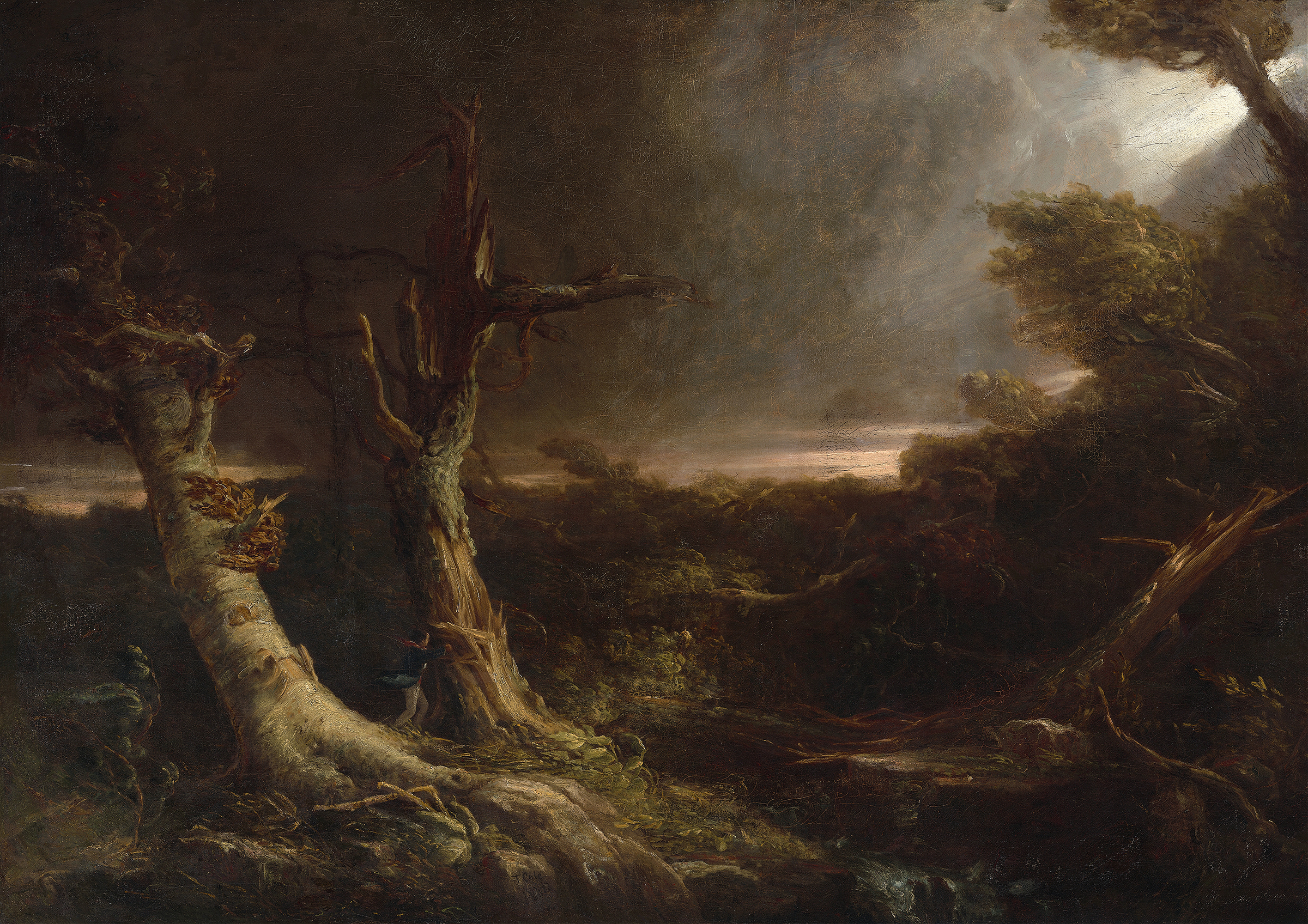
“Every brushstroke is a heartbeat remembered.” In the chaos of nature, tranquility finds its place to breathe, revealing a harmony that soothes yet simultaneously stirs the soul. Focus on the verdant hills that rise gently in the background, their lush greens intermingling with warm golden hues as dawn breaks. Notice how the light spills over the landscape, illuminating the soft curves of the terrain while casting delicate shadows that evoke a sense of depth. The composition invites you to wander from the foreground’s intricate details—a cascading stream that murmurs with life—to the distant mountains shrouded in a mist of mystery.
Each stroke conveys an emotional resonance, a sense of serenity that contrasts sharply with the tumultuous world beyond. Delve deeper into the nuances of color and form, where every layer reveals a dialogue between chaos and calm. The tumbling water reflects the sky's awakening colors, reminding us of life's unpredictable flow, while the stillness of the surrounding landscape suggests an underlying strength amidst that chaos. The juxtaposition of light and shadow speaks to the tension between hope and uncertainty, capturing a moment that is both fleeting and eternal.
In 1832, while residing in the United States, Thomas Cole painted this work during a period marked by rapid industrial growth and the encroachment of civilization on natural landscapes. This piece reflects his commitment to portraying the sublime beauty of nature, a stark contrast to the chaotic changes of his time. Cole's evolving vision positioned him as a foundational figure in the Hudson River School, paving the way for a new appreciation of America’s wild beauty amidst a transforming world.