A view of a ruined castle — History & Analysis
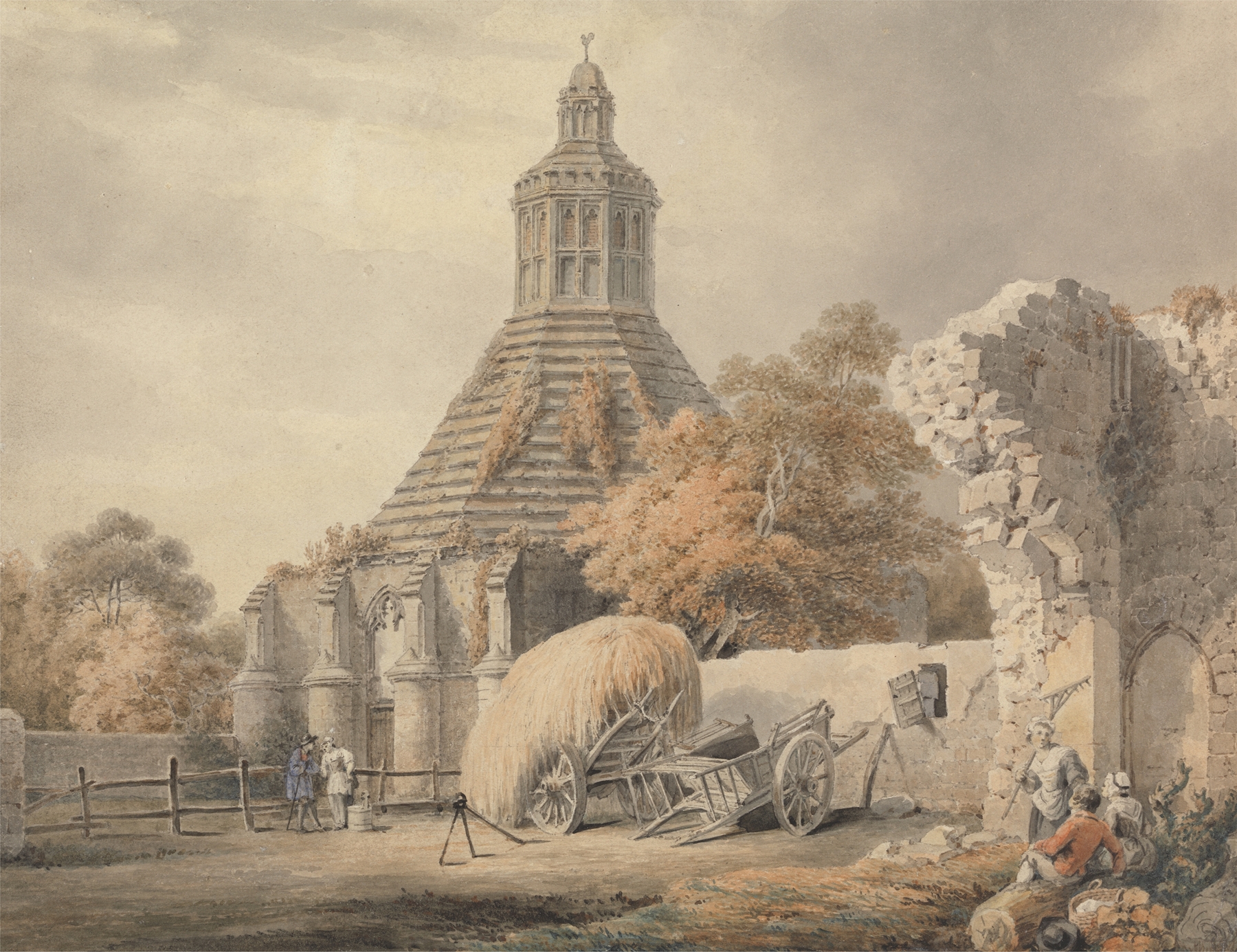
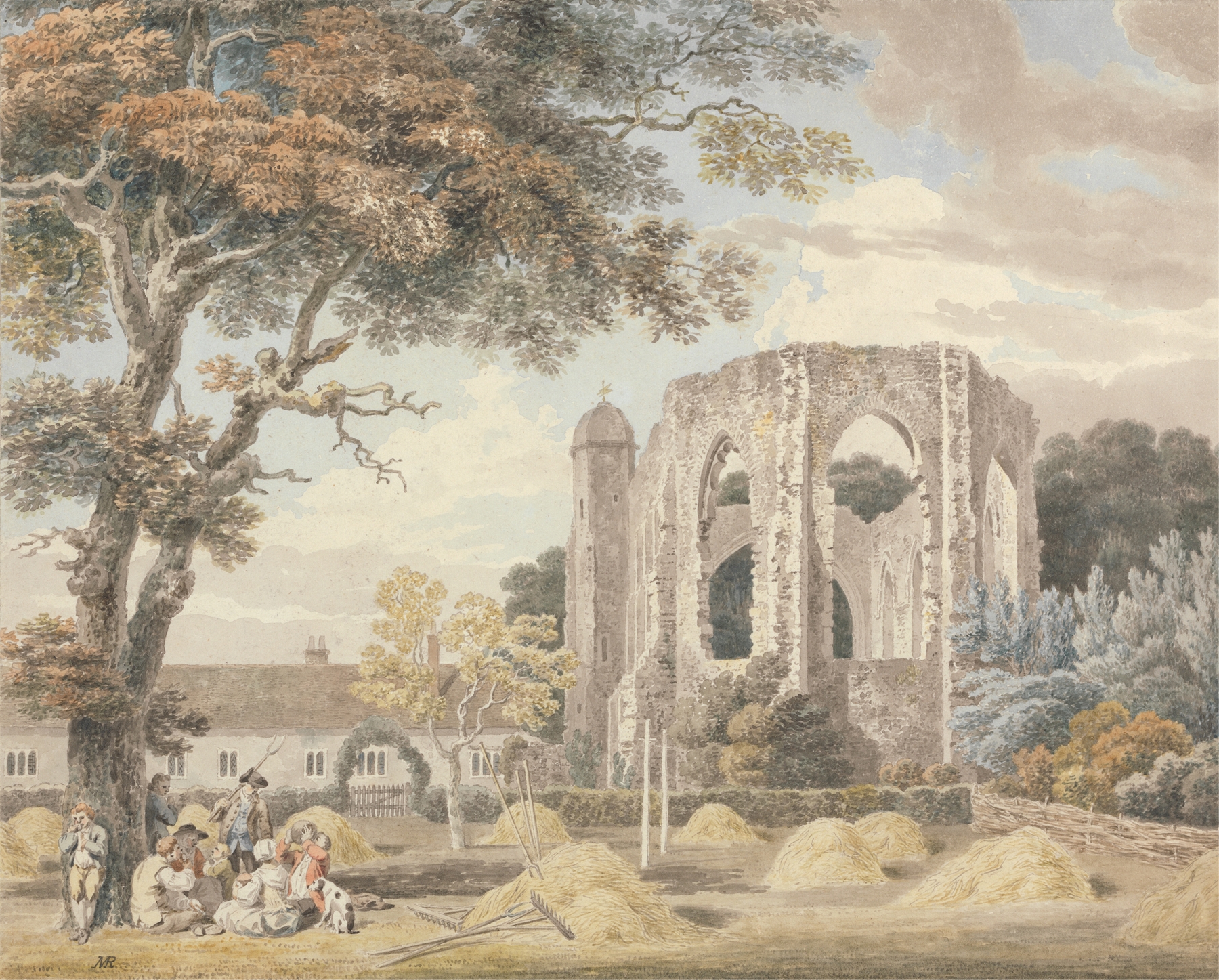
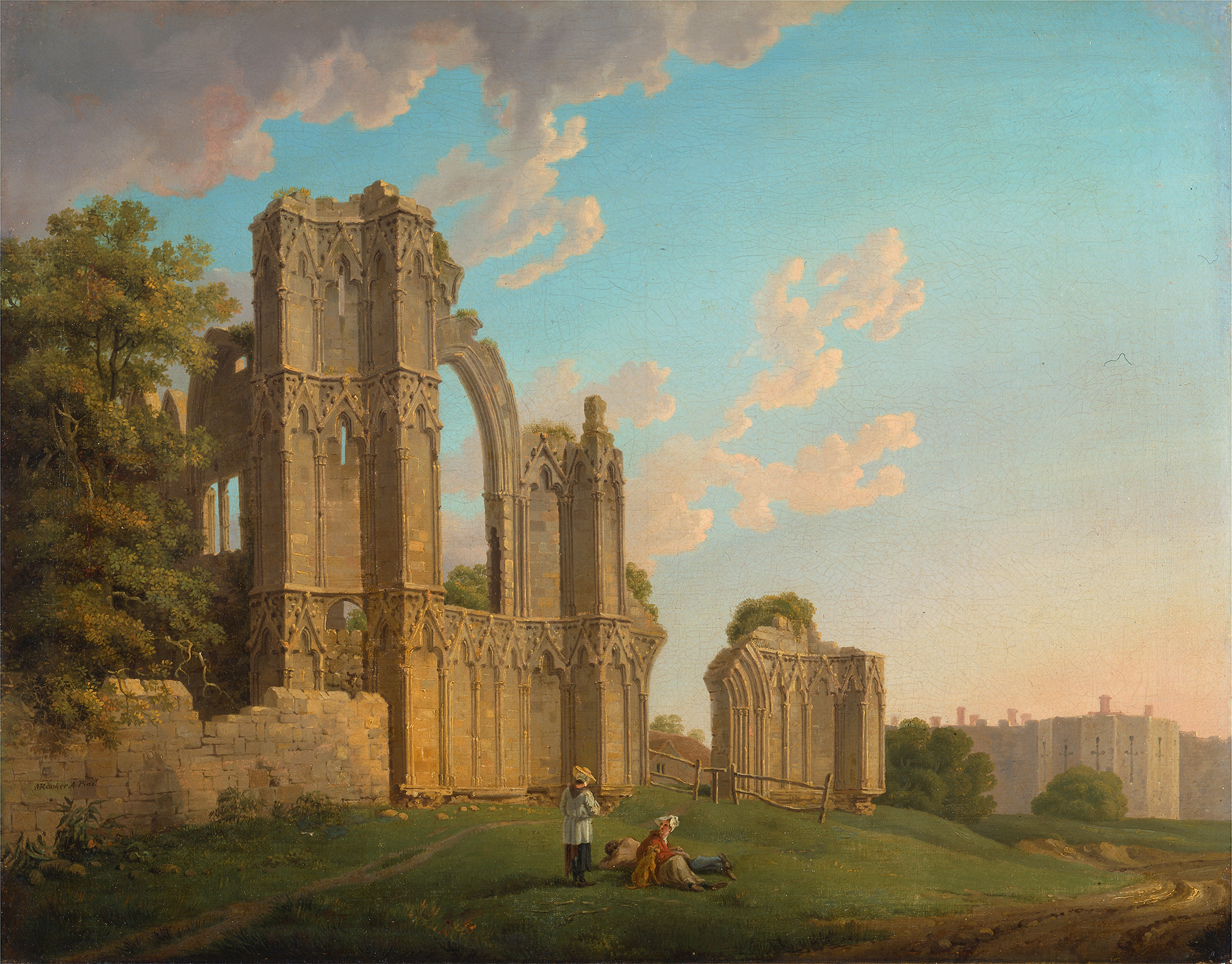
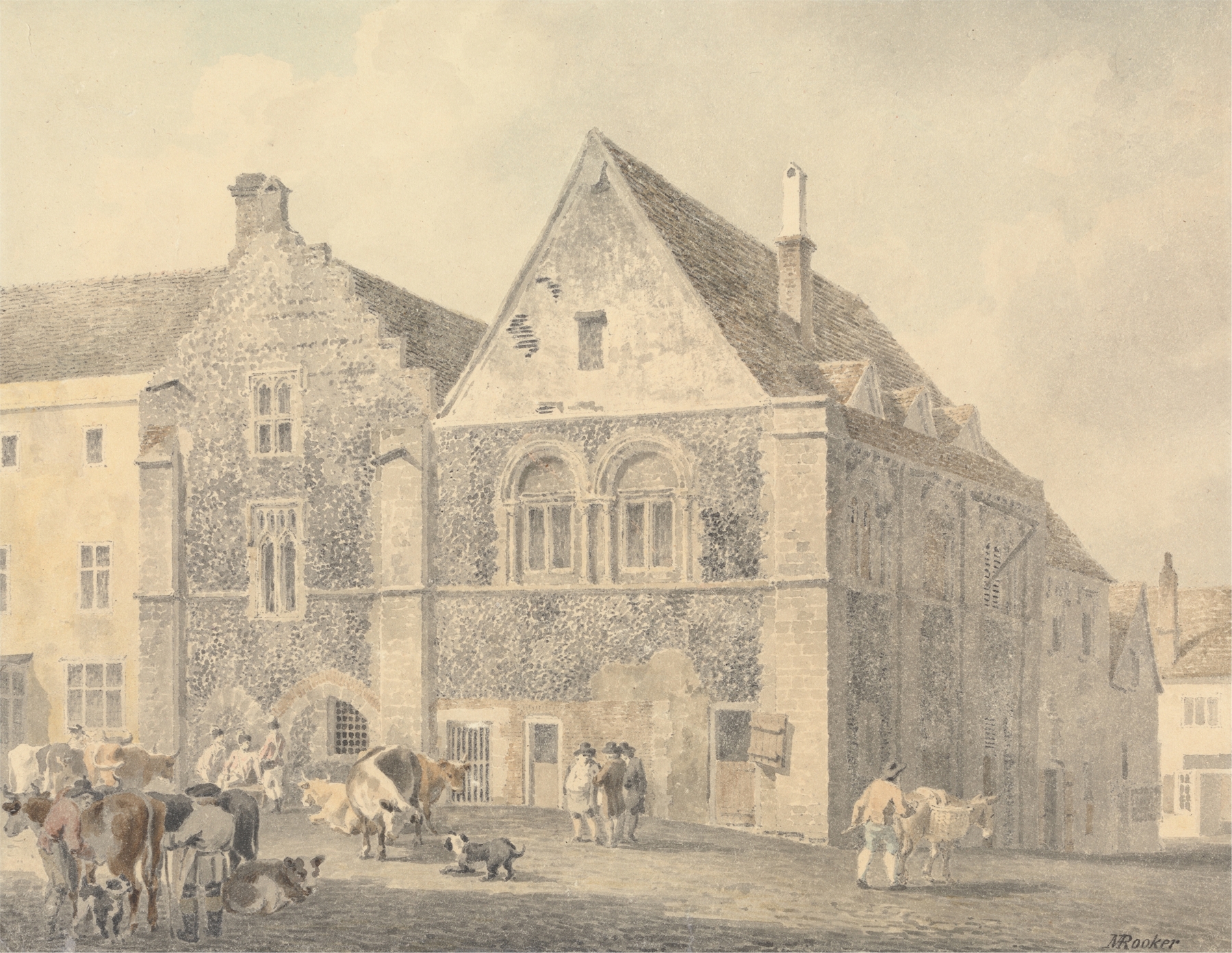
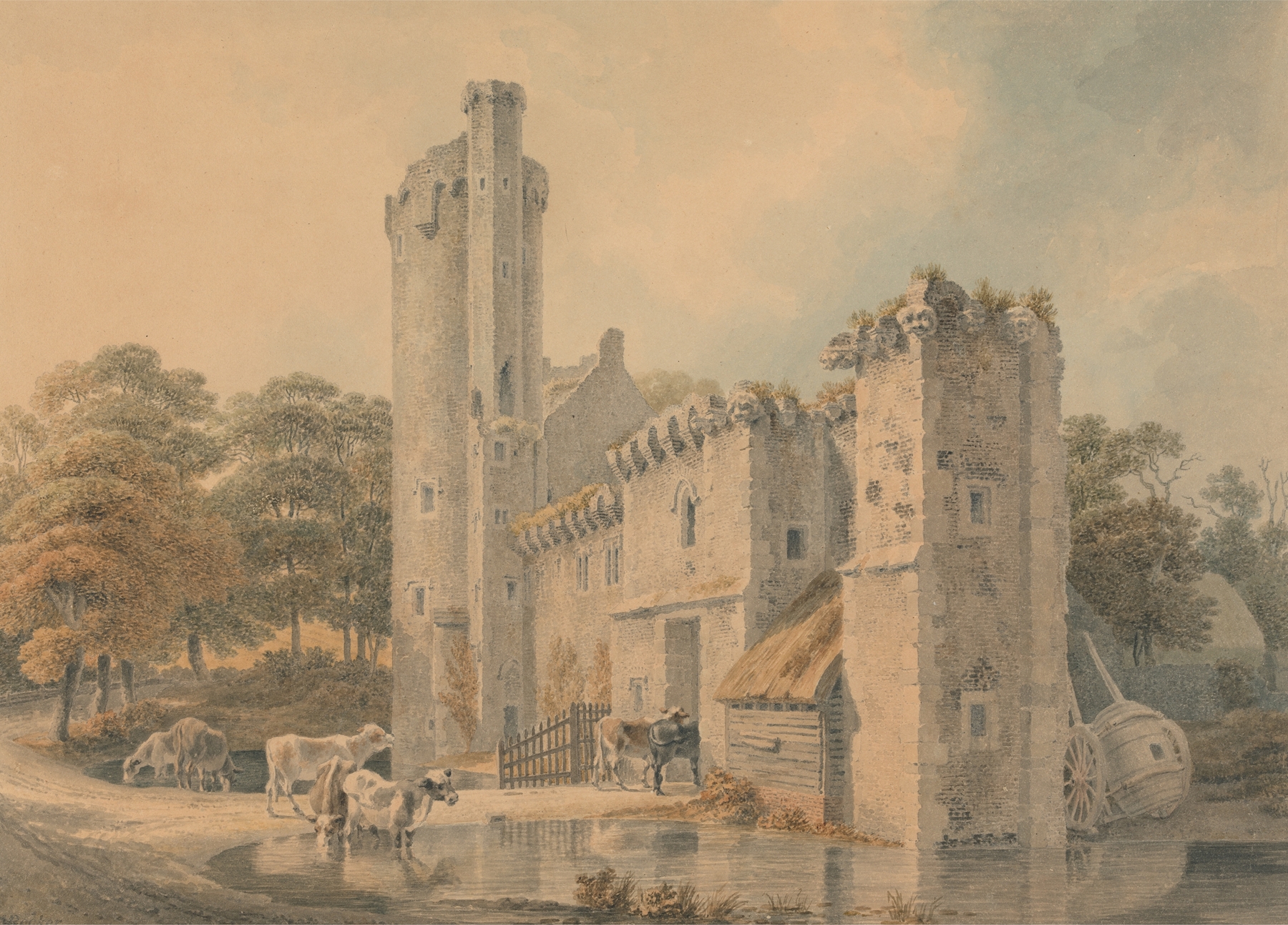
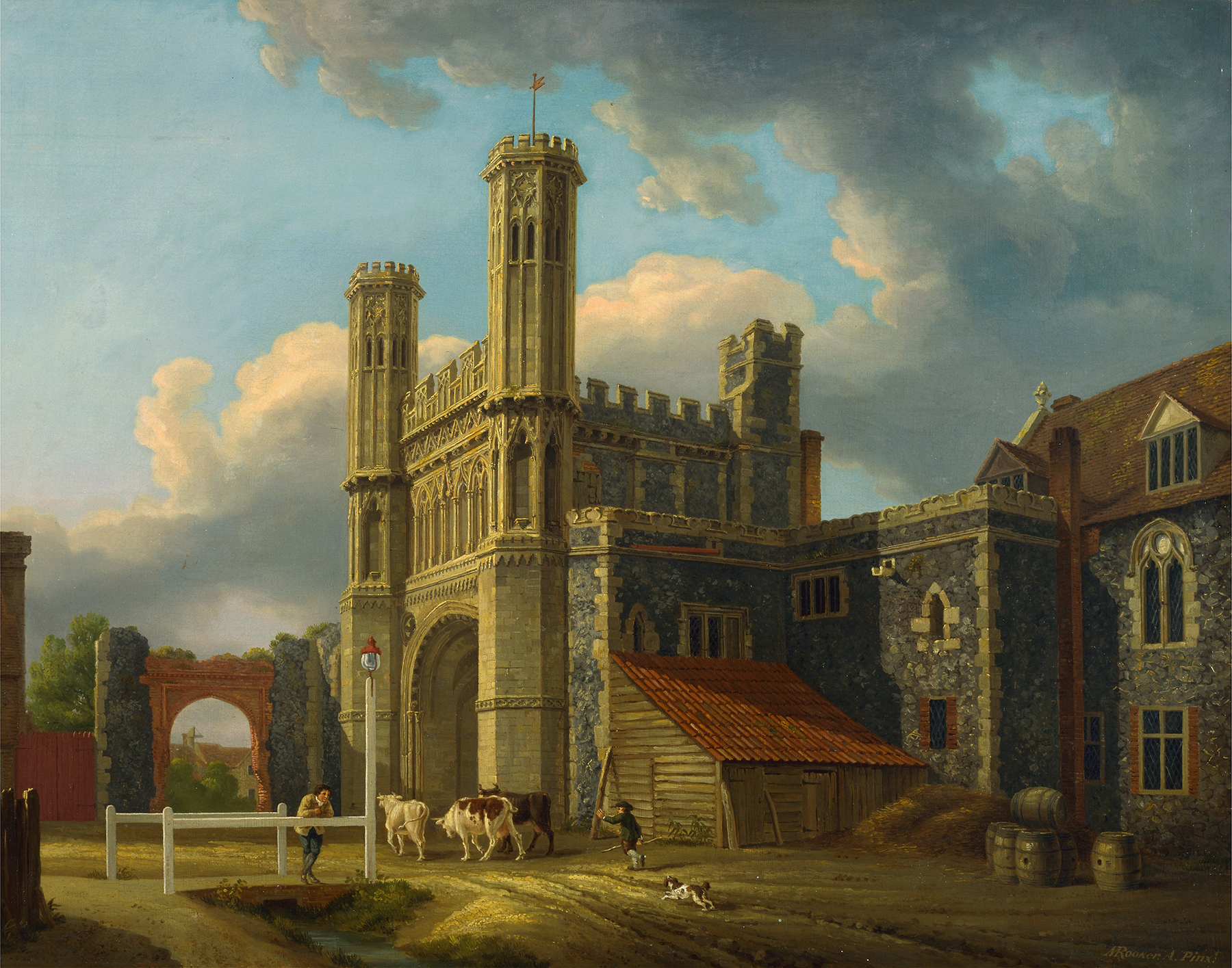
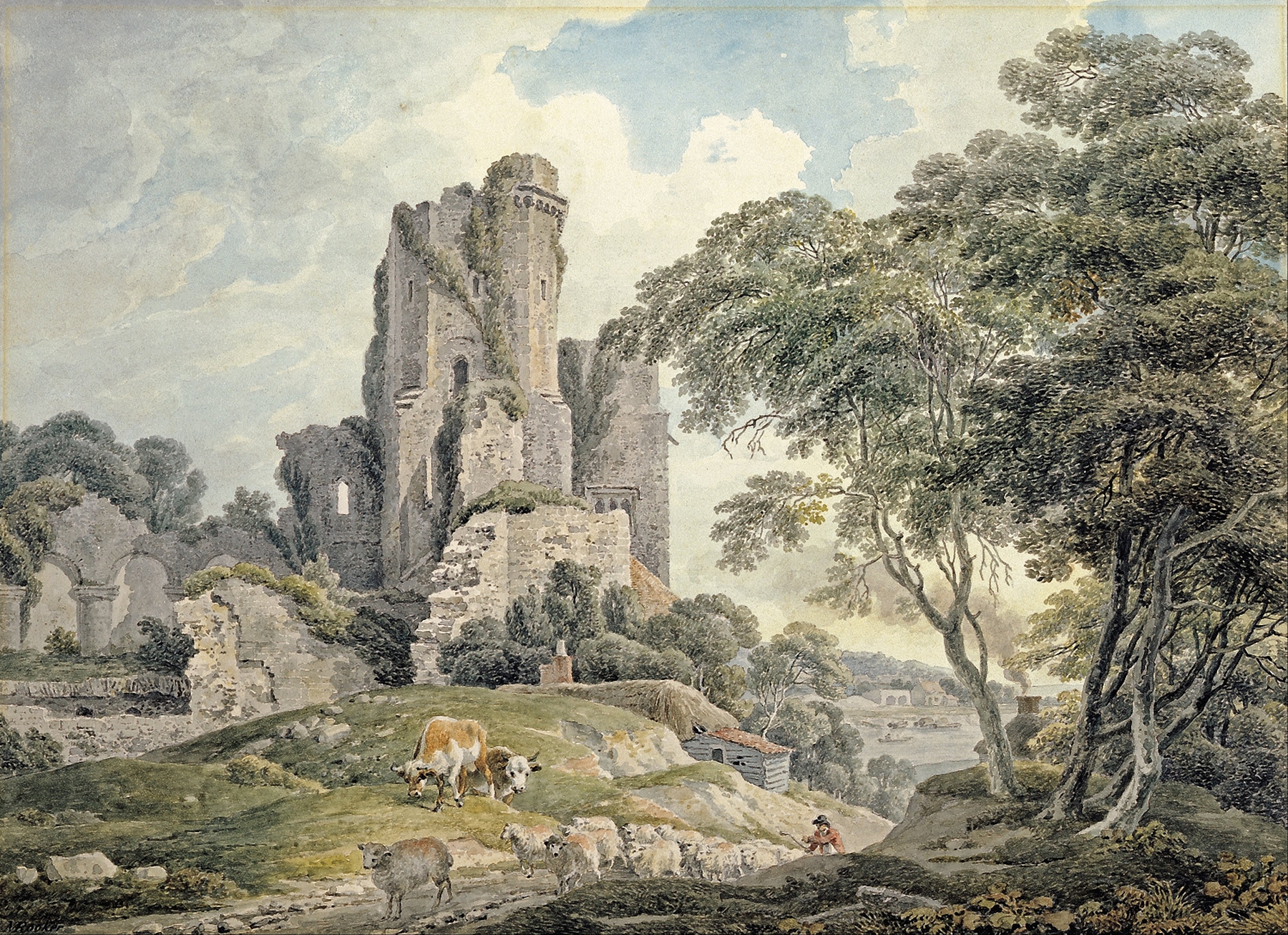
Did the painter know this moment would outlive them? In A View of a Ruined Castle, the ethereal presence of loss hangs heavy in the air, inviting the viewer to ponder the passage of time and the remnants of history. Focus on the foreground, where crumbling stone walls emerge from a lush tapestry of greenery. The rich greens contrast sharply against the muted grays and browns of the ruins, drawing your eye toward the castle’s majestic yet decaying silhouette.
Notice how the light filters through the foliage, casting whimsical shadows that evoke both beauty and sorrow, as if nature itself mourns the structure’s forgotten glory. Within this scene lie profound emotional tensions. The juxtaposition of vibrant life and the desolation of the castle reflects a poignant narrative about the impermanence of human achievements. Each stone tells a story of grandeur now surrendered to the inexorable passage of time.
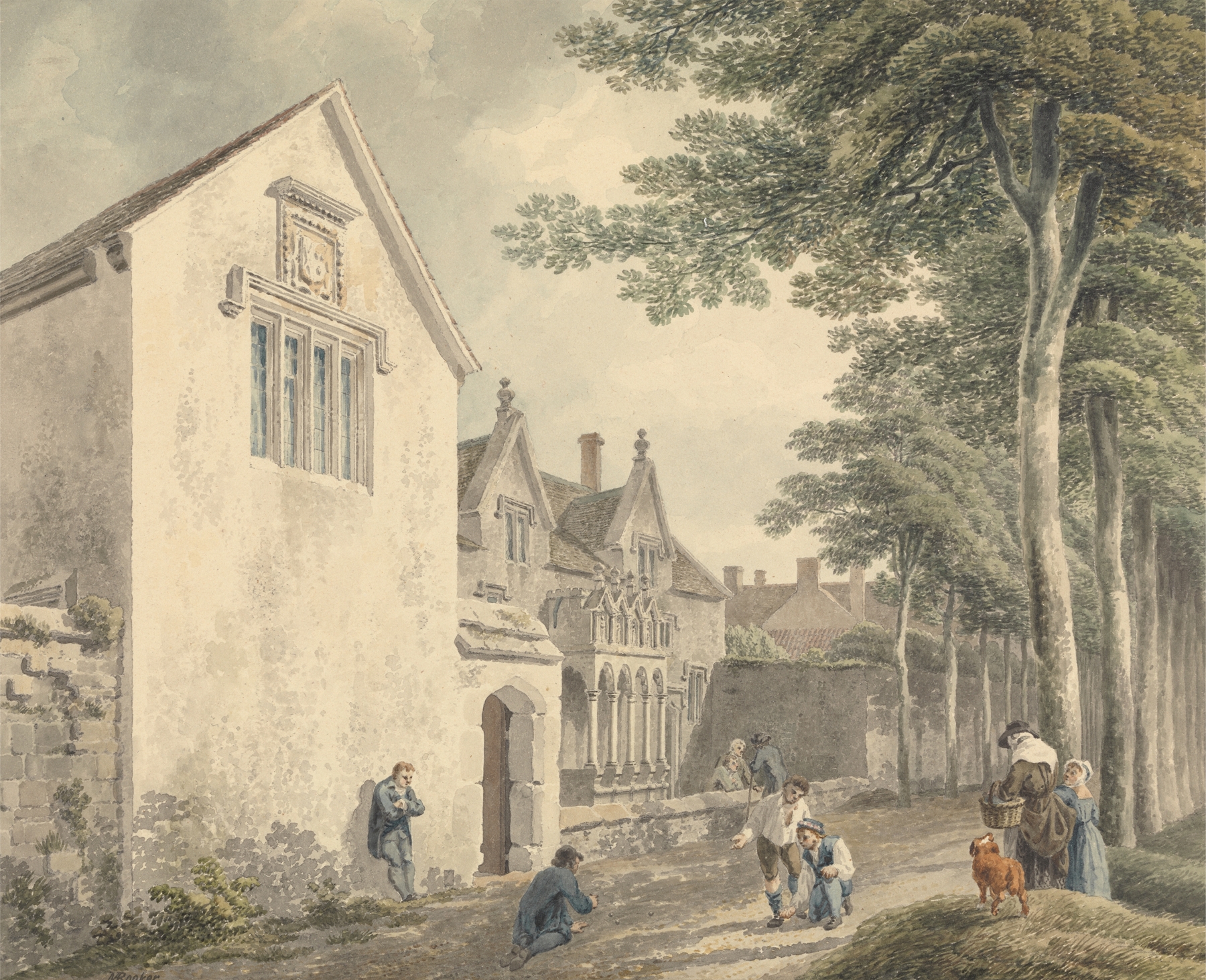
The gentle swirl of clouds above hints at an eternal cycle of creation and decay, reminding us of the fragility of existence. In 1798, Rooker painted this work during a period when Romanticism was gaining ground, emphasizing emotion and the sublime in nature. Living in England, he was influenced by the picturesque movement, which celebrated ruinous landscapes as symbols of transient beauty. His dedication to capturing the melancholy of such scenes resonated deeply with the cultural zeitgeist, revealing a world grappling with the complexities of progress and nostalgia.