The Great Court, Trinity College, Cambridge — History & Analysis
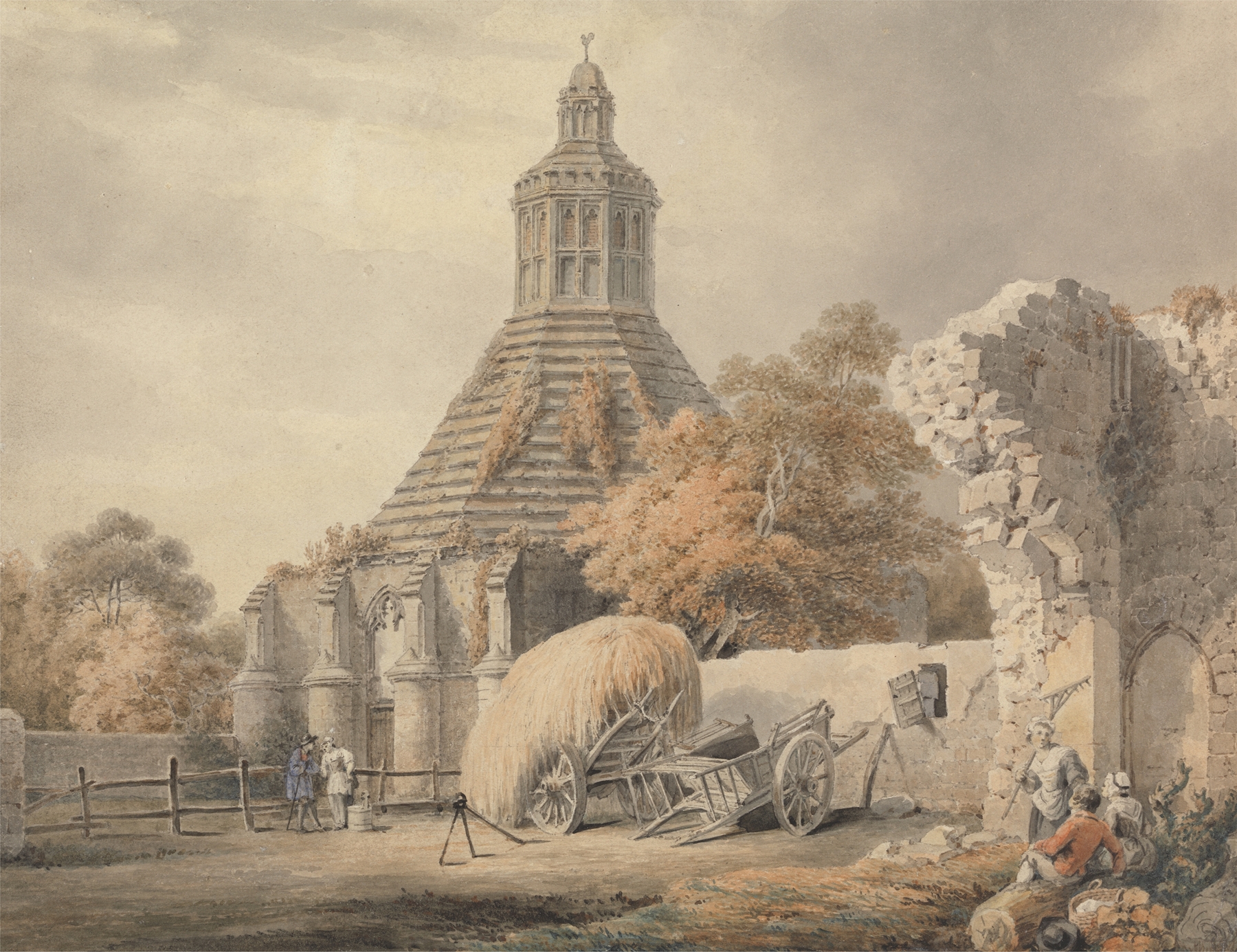
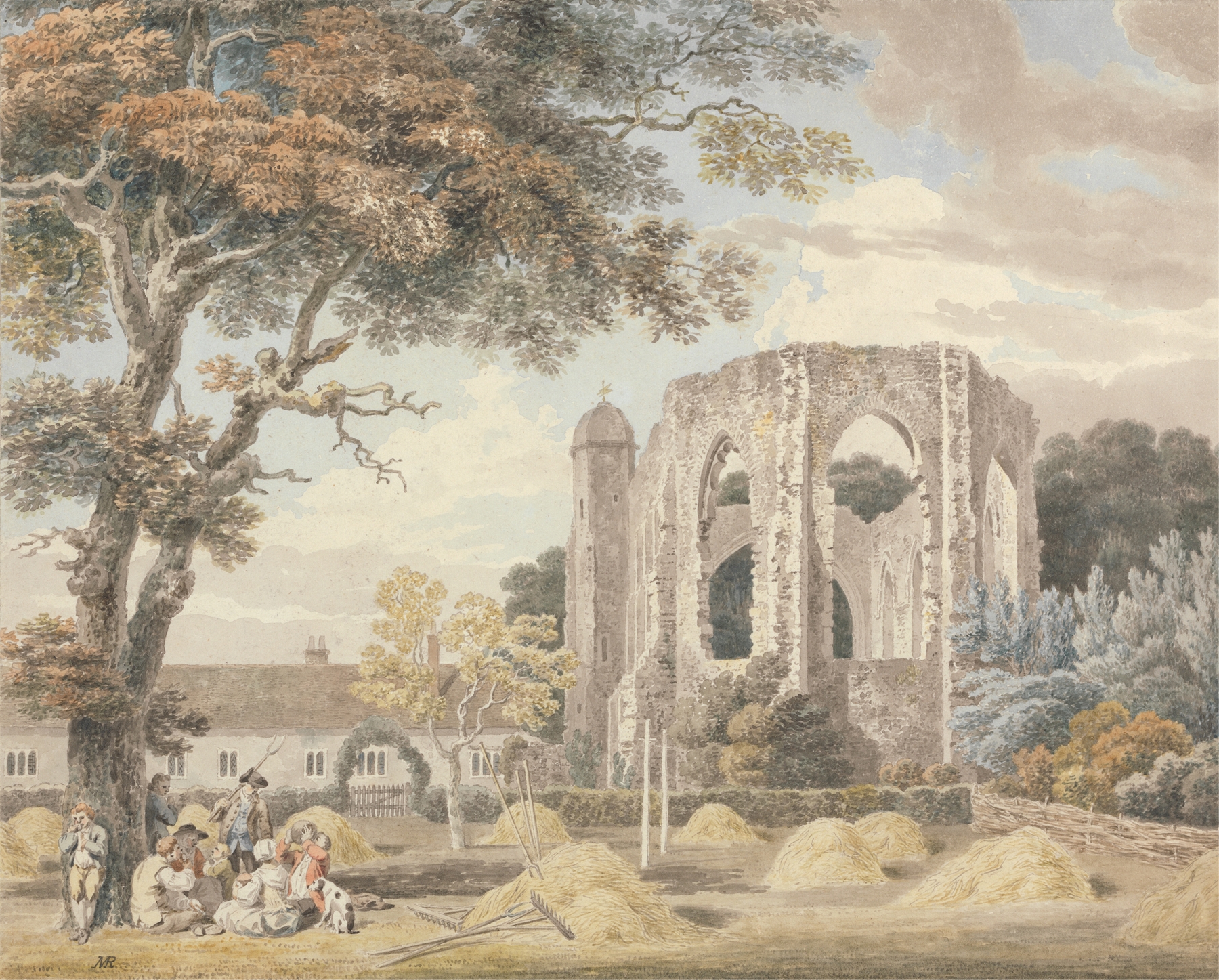
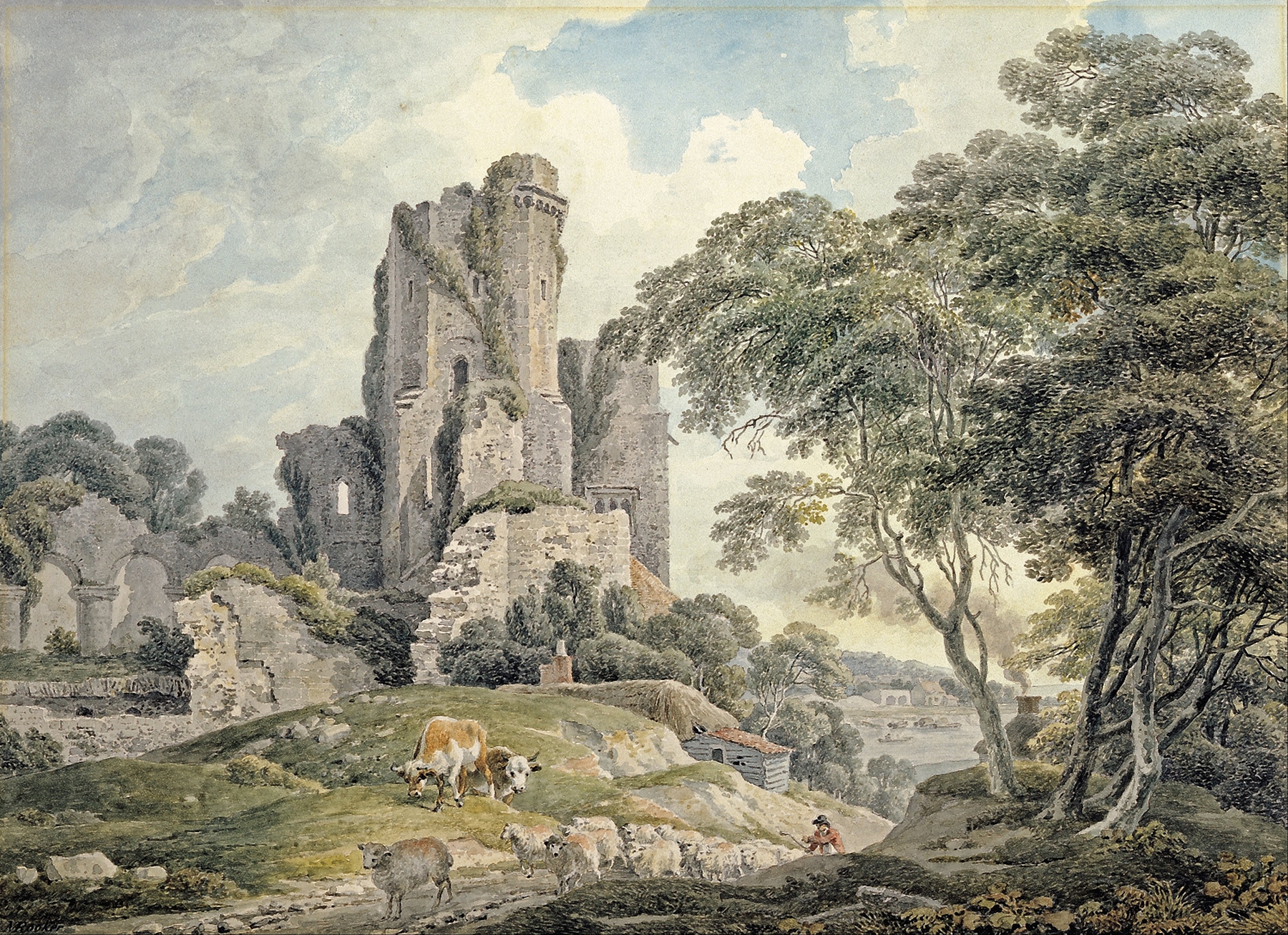
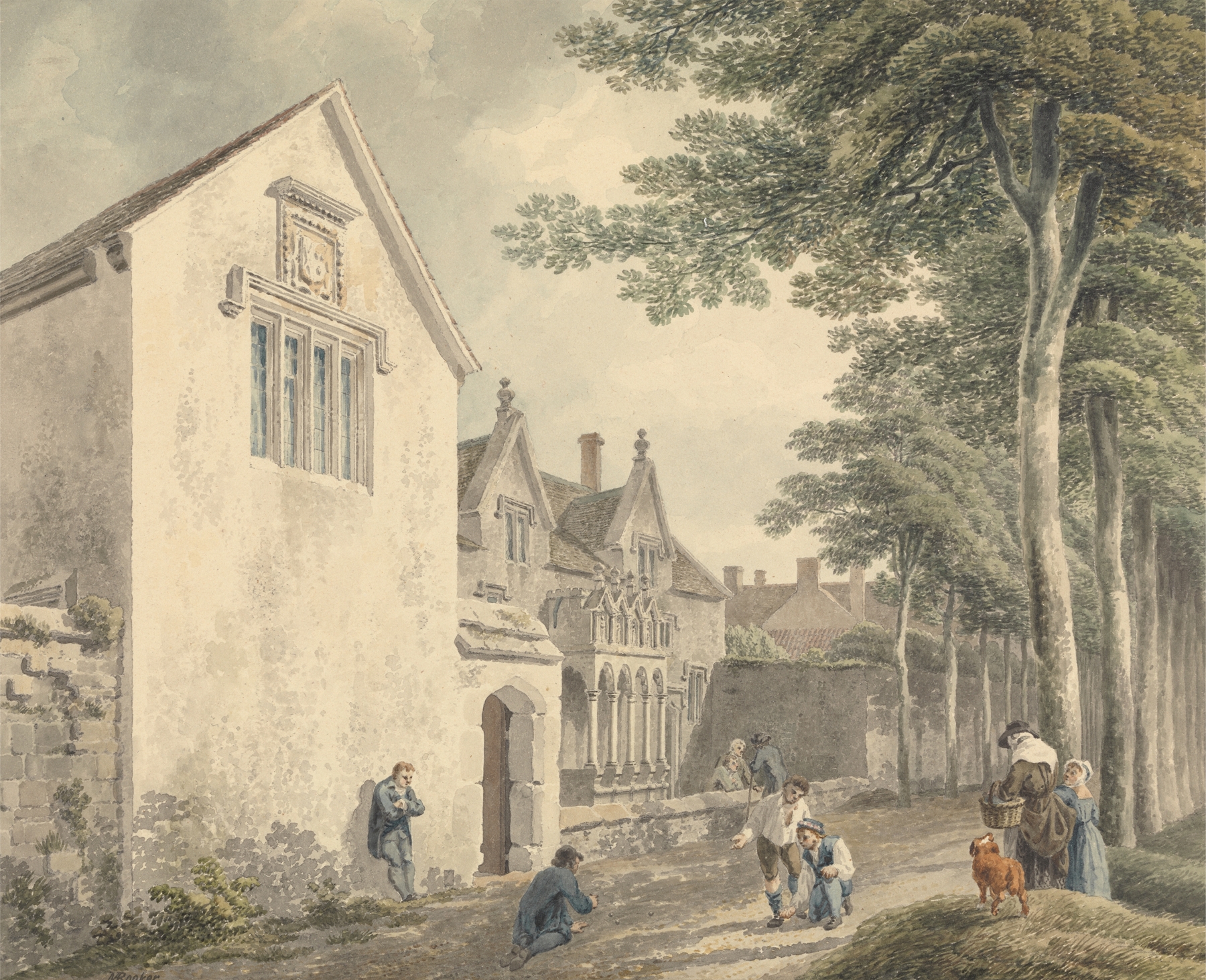
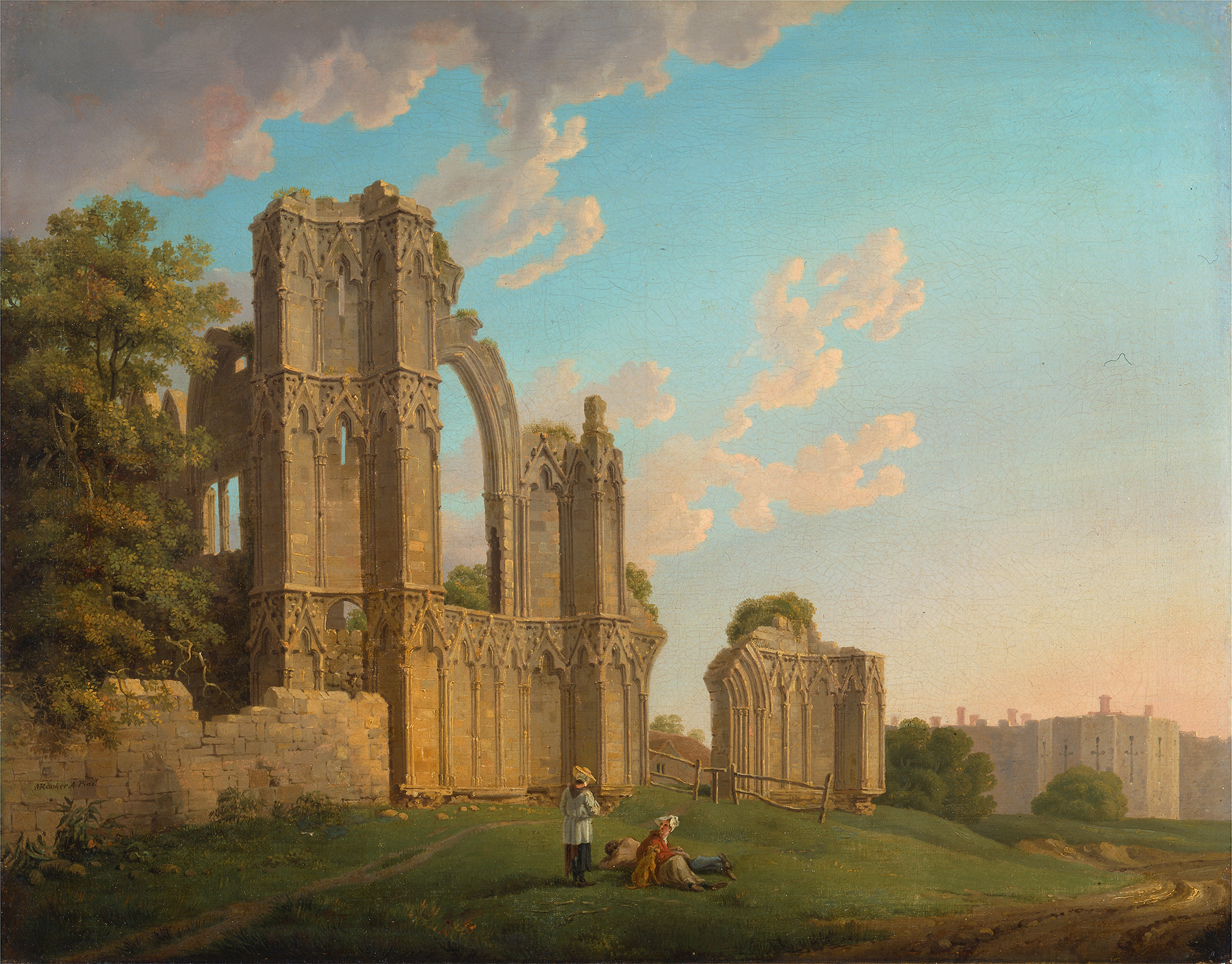
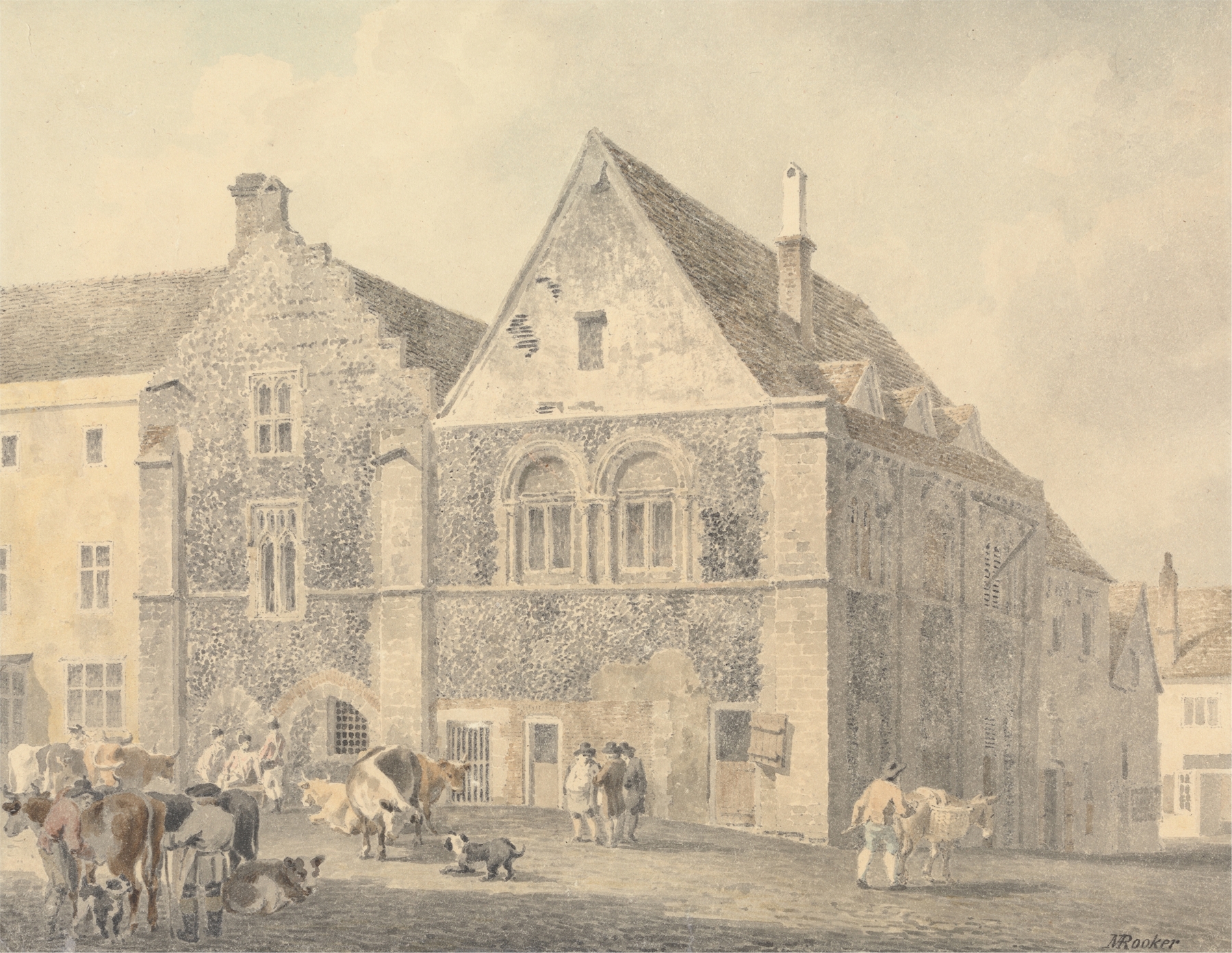
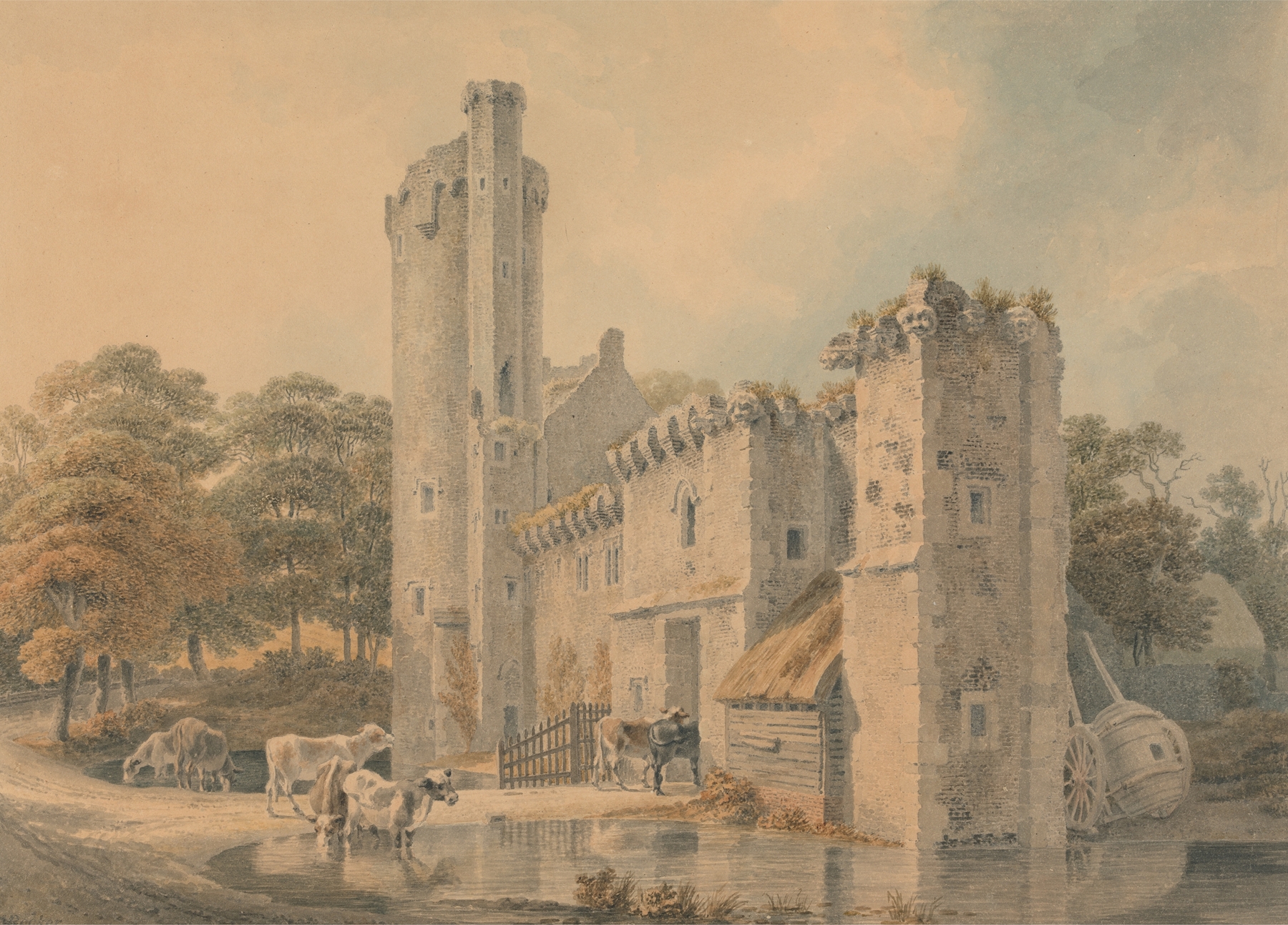
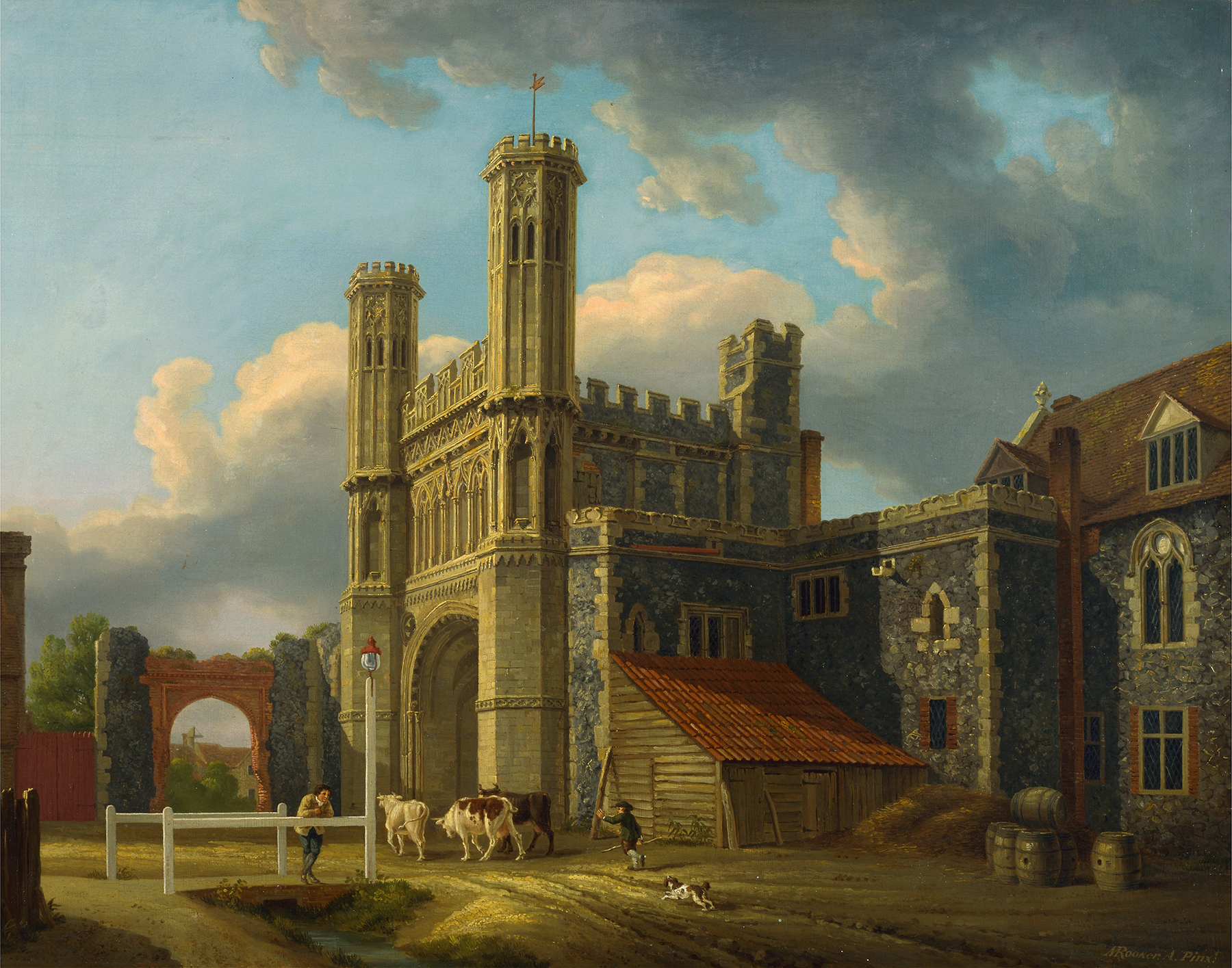
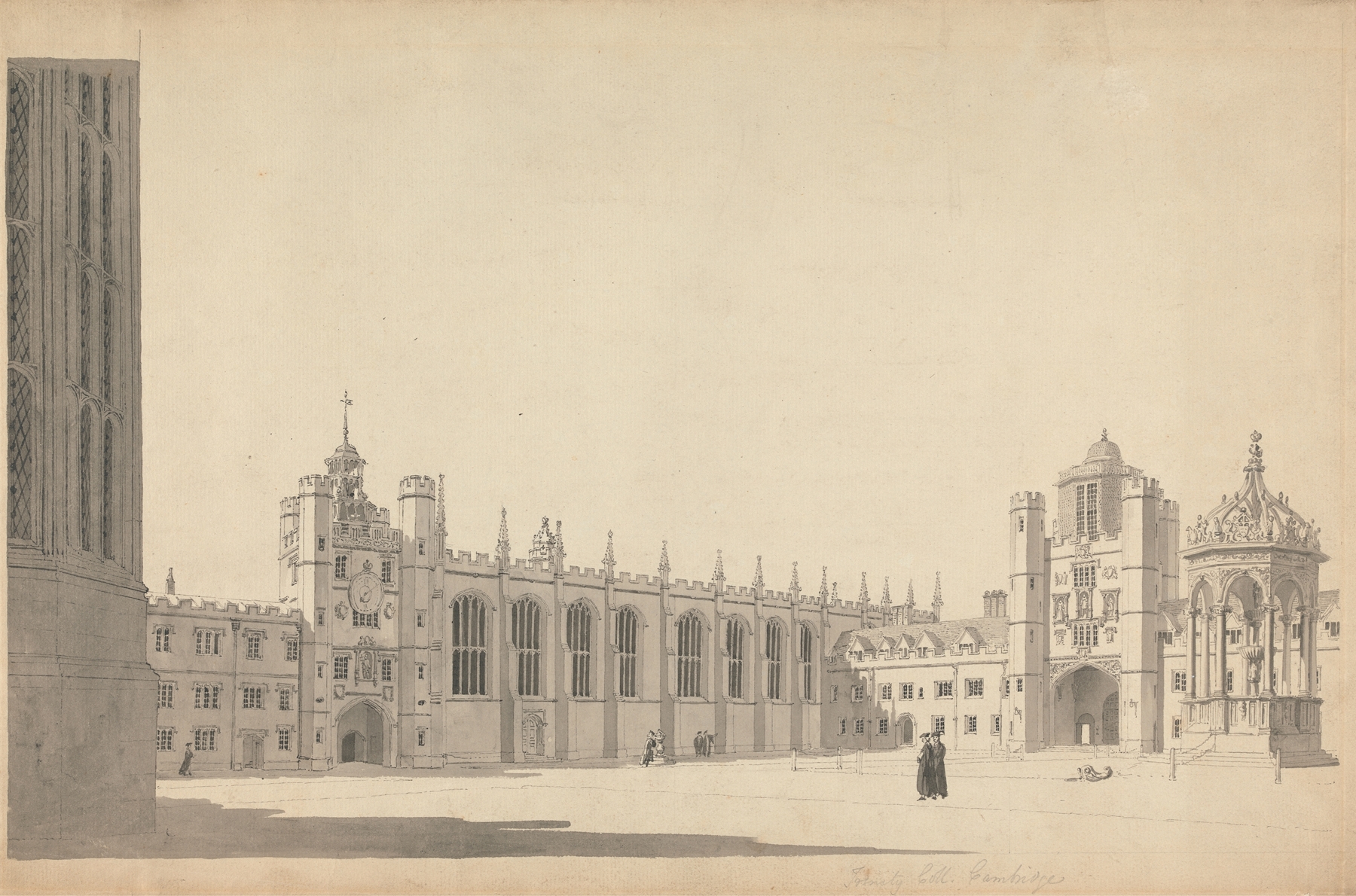
“Under the brush, chaos becomes grace.” In the realm of art, fragility reveals its strength through the delicate interplay of light and shadow. Look to the bottom left of the canvas, where the intricate details of the architecture invite your gaze. Notice how the arches form a stunning framework, drawing you into the heart of Trinity College. The soft wash of colors, from the earth-toned stone to the vibrant greens of the surrounding foliage, creates a serene atmosphere that contrasts with the structured lines of the buildings, embodying a sense of harmony amid human creation.
As you explore, pay attention to the figures that blend into the background, suggesting the passage of time and the ephemeral nature of existence. Each character, though small, adds a layer of life to the scene, symbolizing the countless lives shaped by this institution. The juxtaposition of the sturdy stone against the fleeting movements of the people illustrates the tension between permanence and transience, inviting reflections on the fragility of knowledge and legacy.
Michael Angelo Rooker painted this piece during the late 18th century, likely as he navigated the evolving landscape of the British art scene, influenced by the Romantic movement. During this period, artists sought to balance realism with emotion, reflecting the broader societal shifts around them. Rooker's work captures a moment in time at a prestigious institution, embodying both the weight of history and the lightness of the present.