Carlton House from Pall Mall — History & Analysis
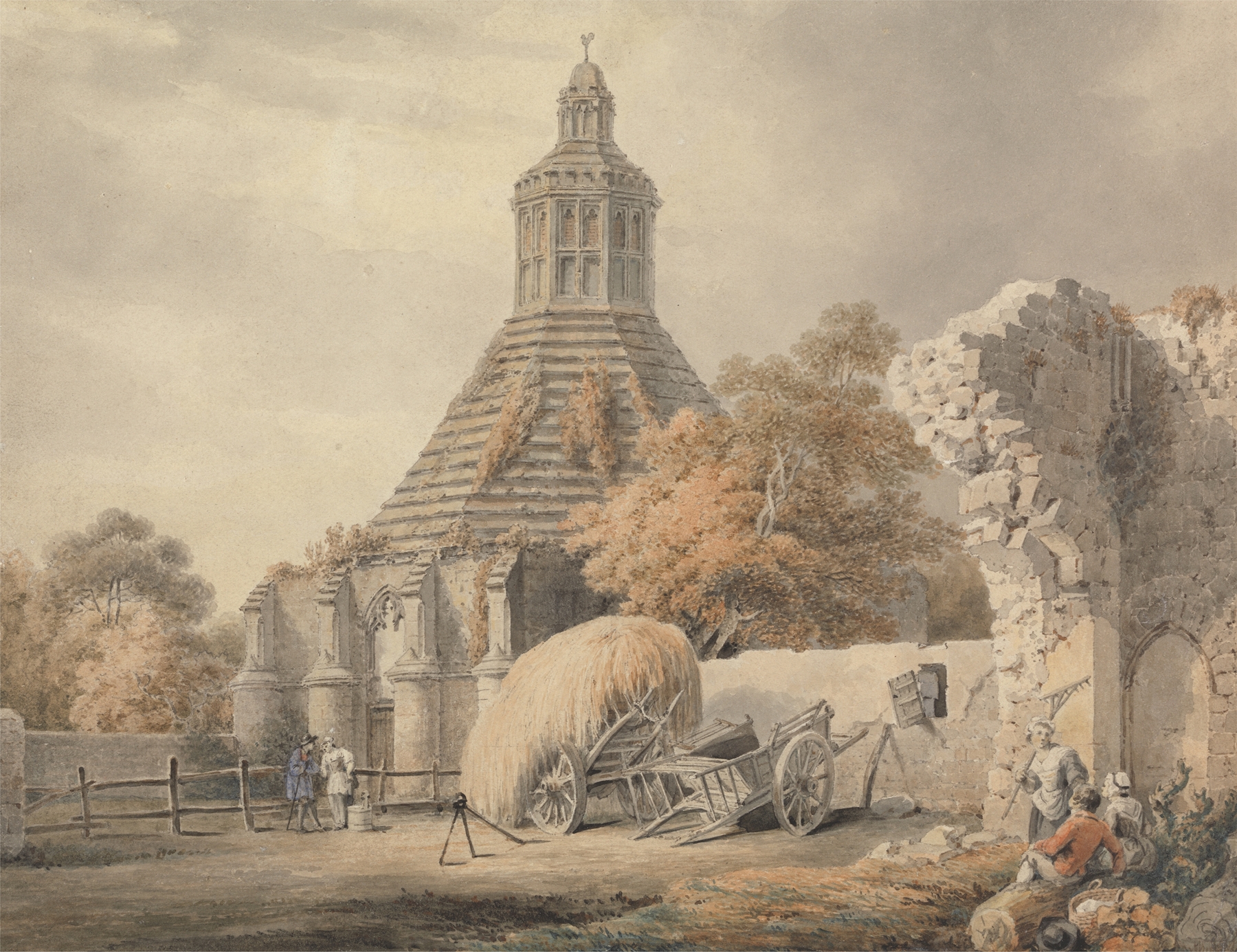
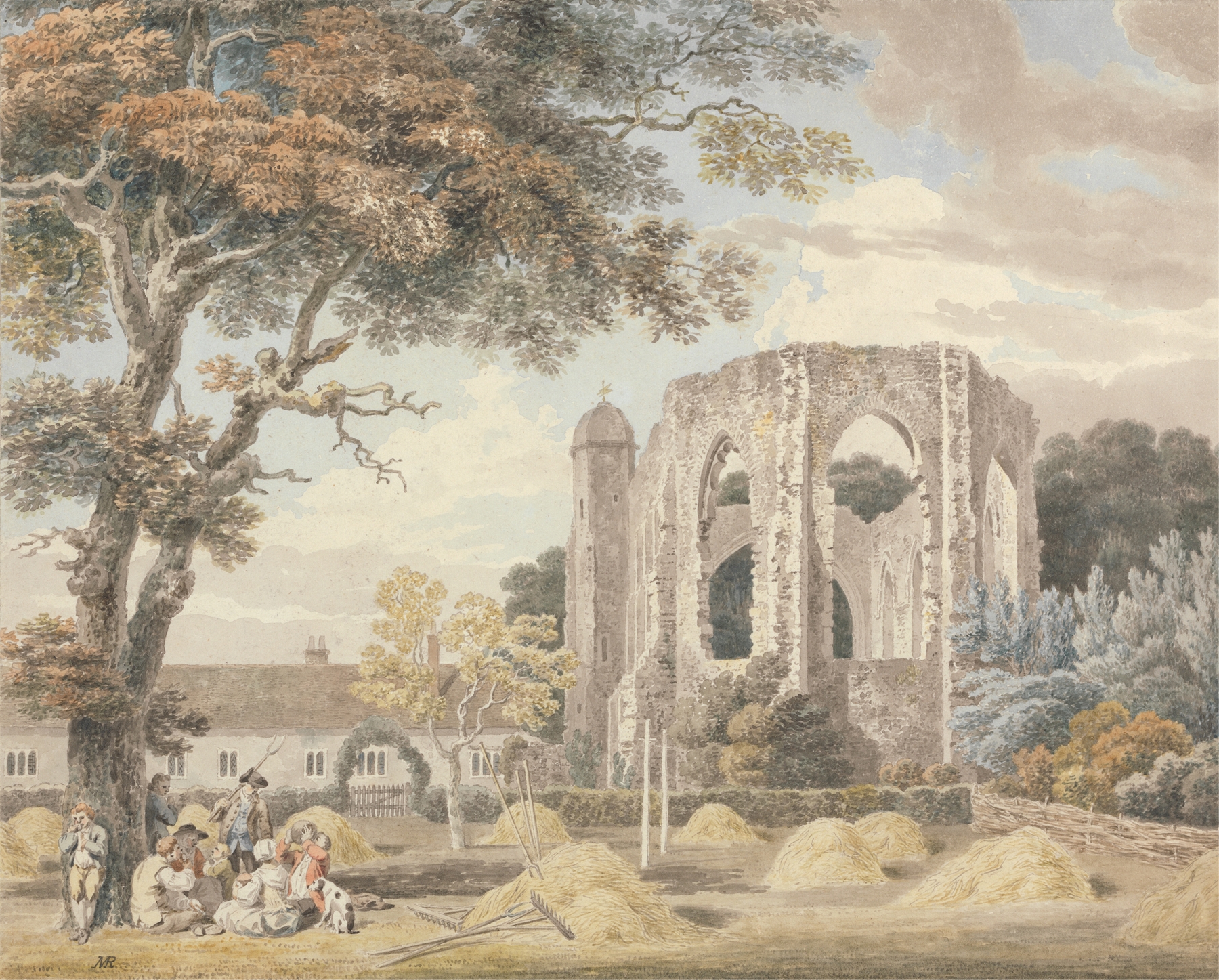
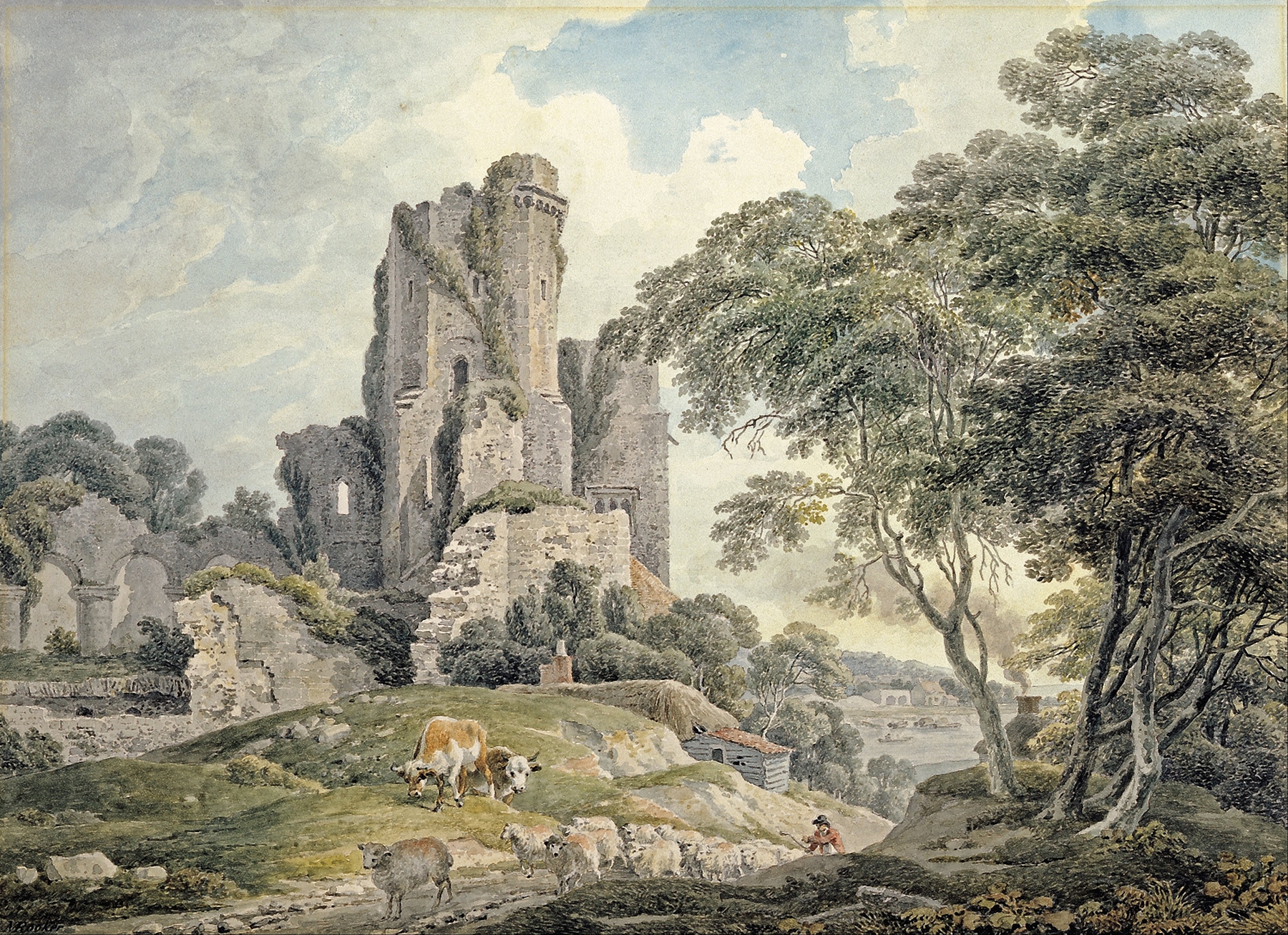
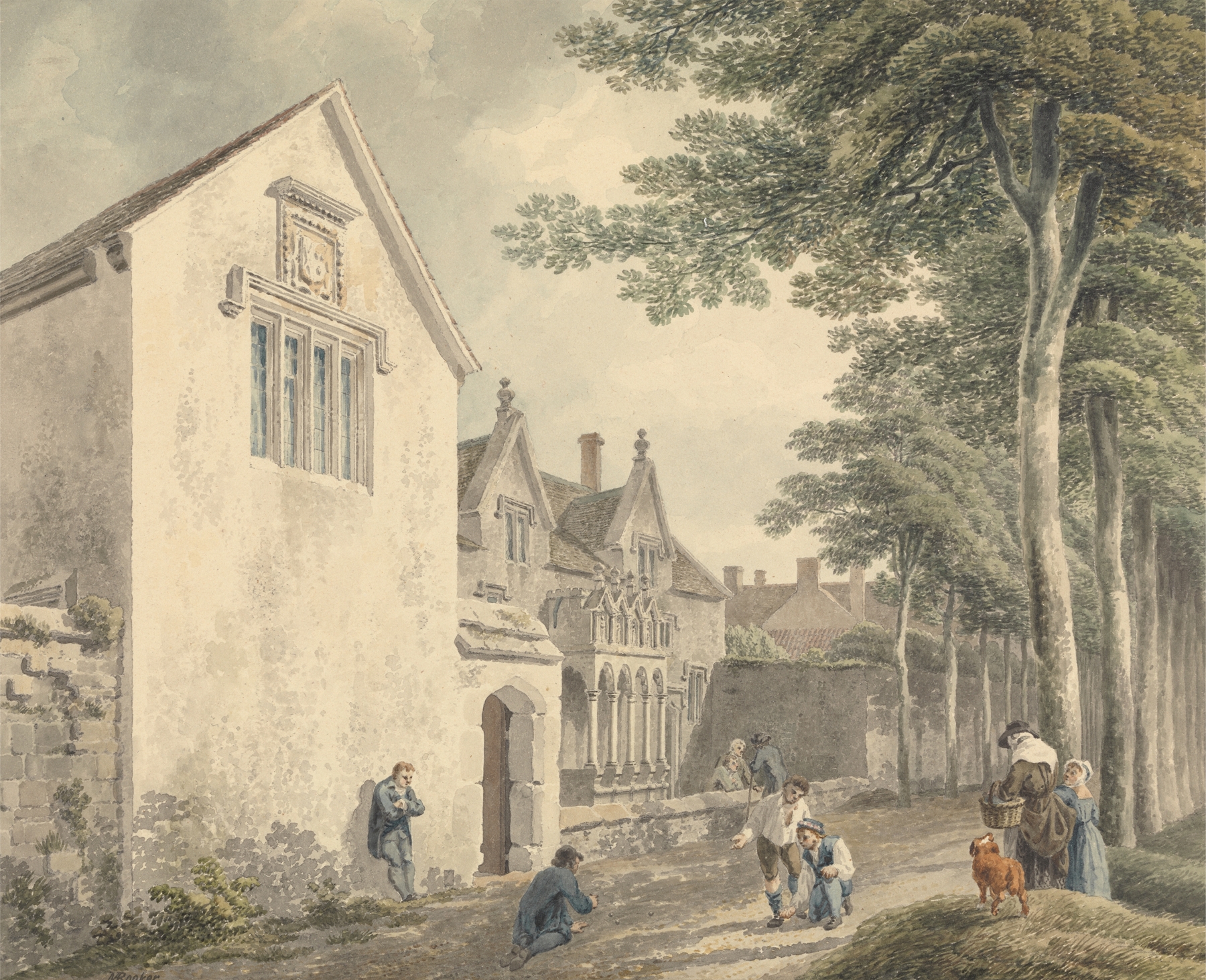
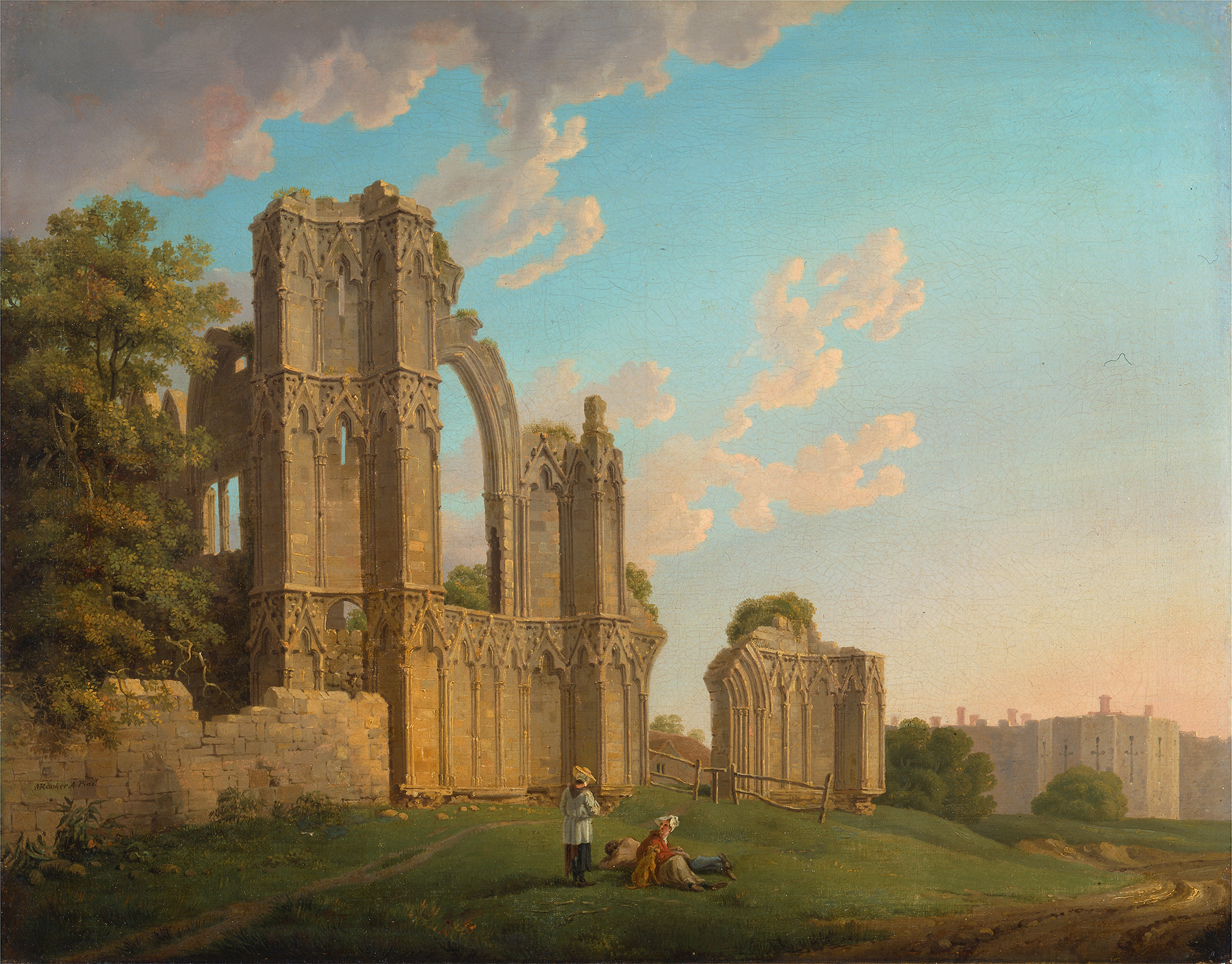
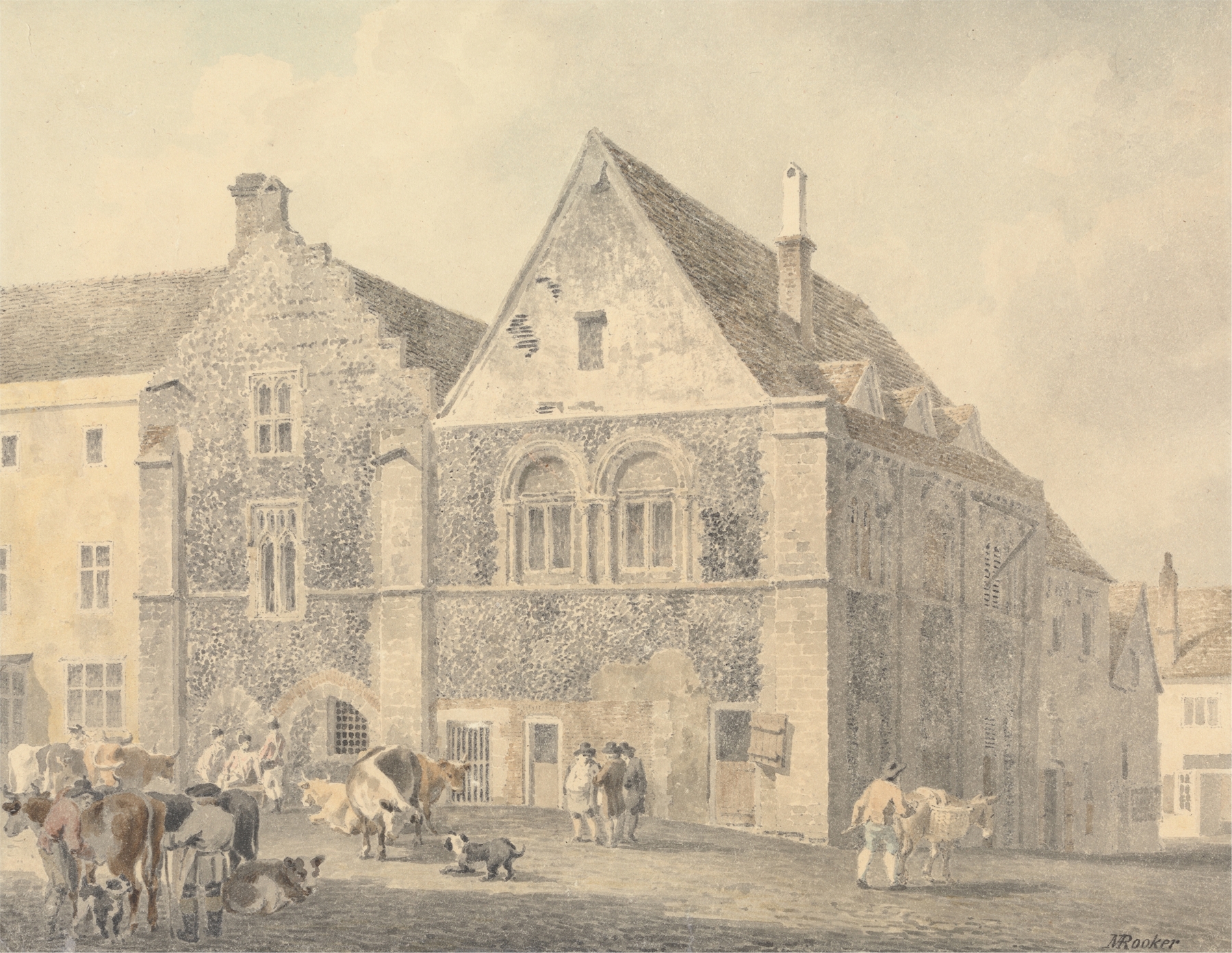
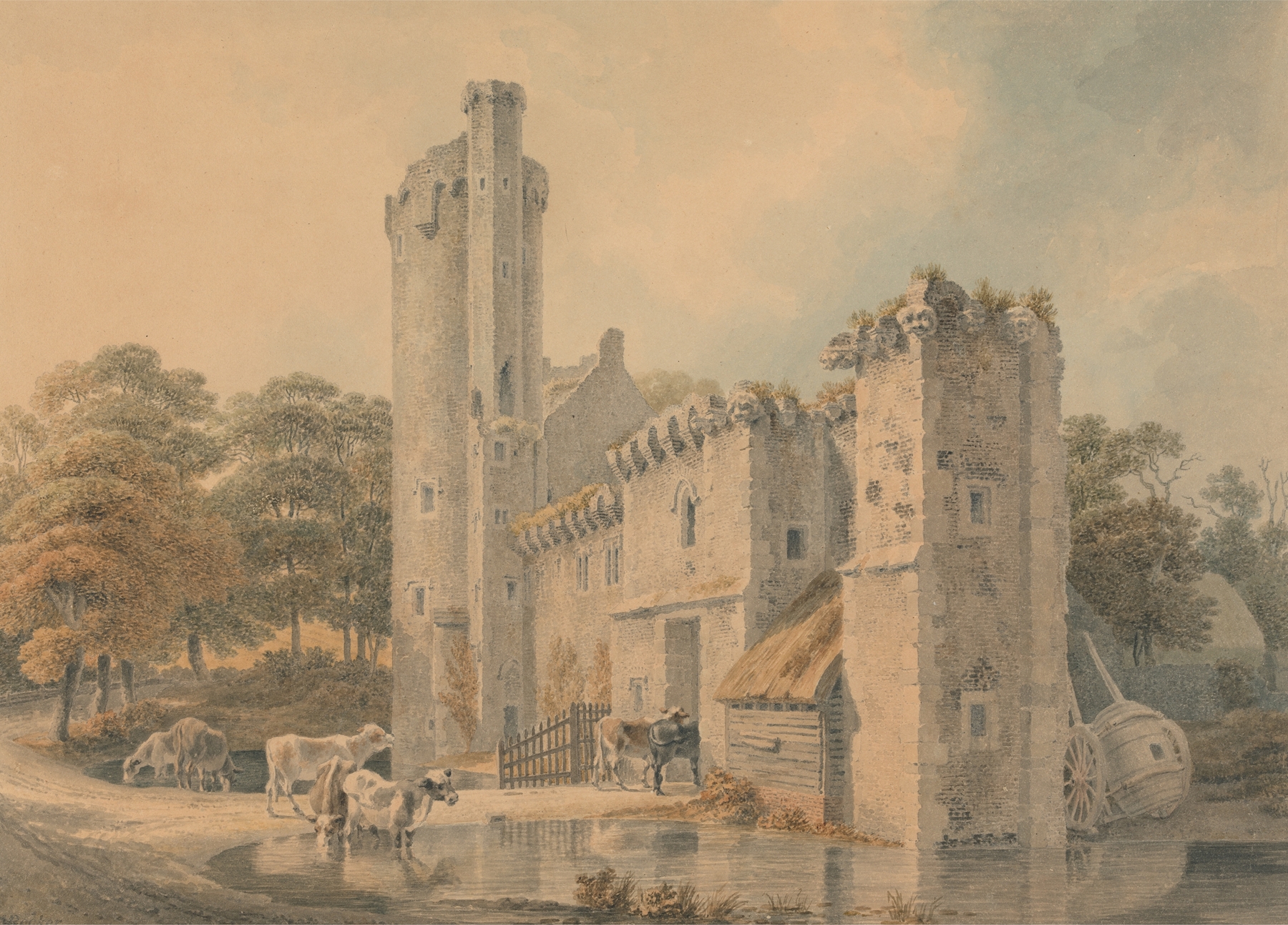
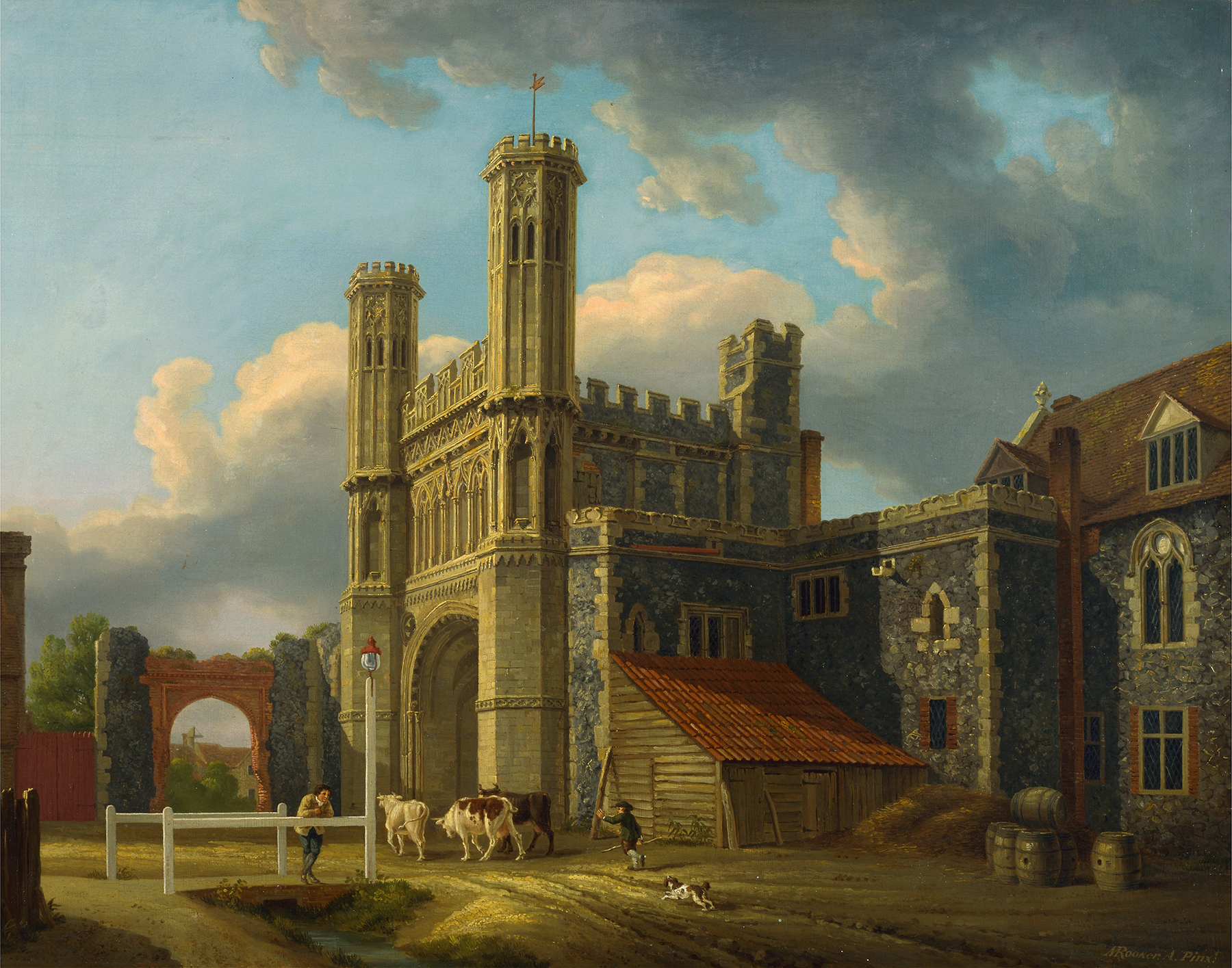
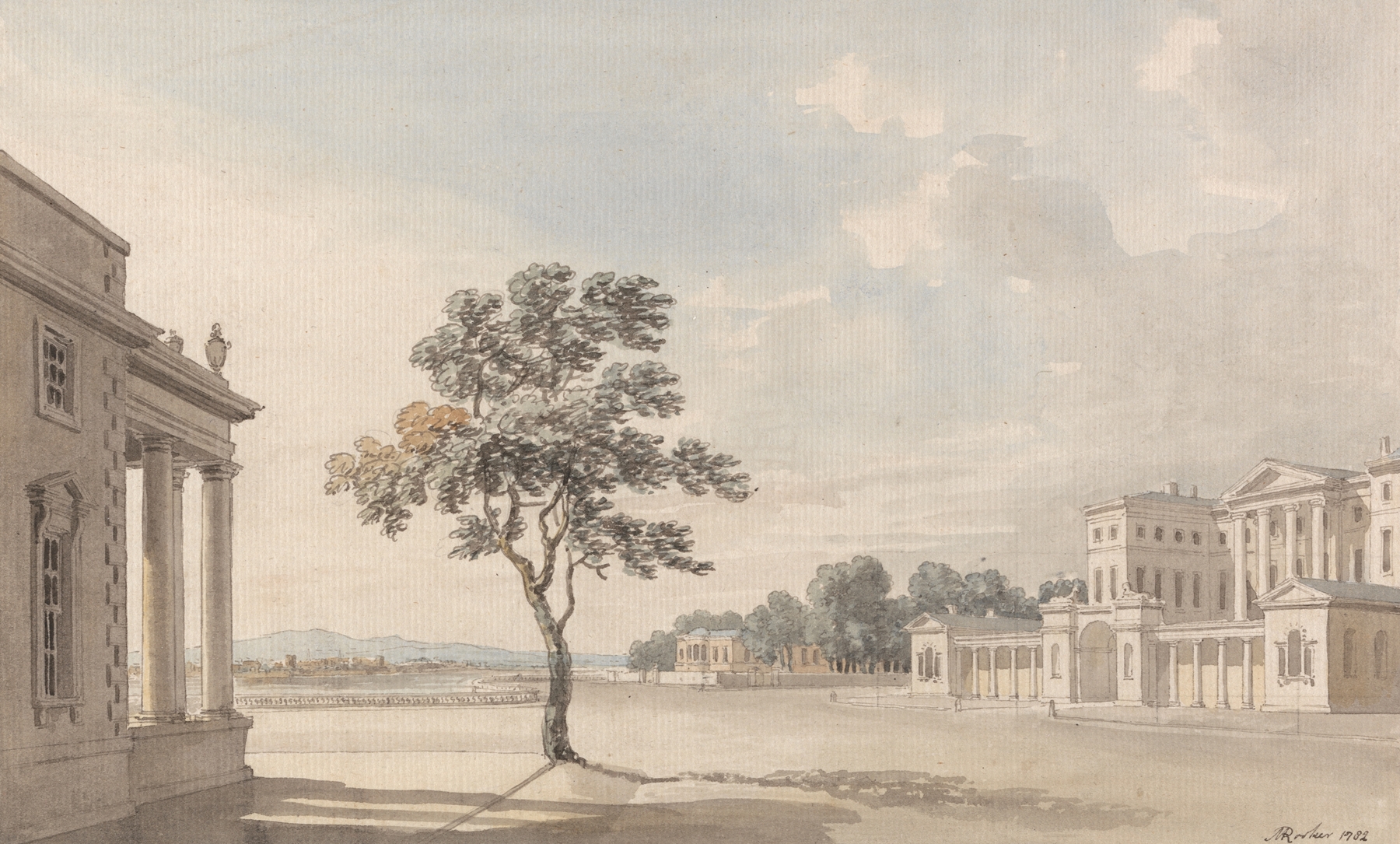
Can beauty exist without sorrow? In the intricate rendering of Carlton House from Pall Mall, a silent betrayal whispers through the elegant architecture and lush landscapes. Look to the right at the delicate interplay of light and shadow dancing across the façade of the grand Carlton House. The soft illumination highlights the ornate details of the columns, while the surrounding greenery frames the scene in a vivid embrace.
Notice how the artist's precise brushstrokes create a sense of depth, inviting you to wander through the meticulously landscaped gardens that extend toward the horizon. Yet, beneath this picturesque view, an emotional tension brews. The serene exterior belies the turbulence of the era—an age marked by political upheaval and the undercurrents of personal betrayal among the elite. The opulence of the house stands in stark contrast to the whispers of discontent, suggesting that even within beauty, shadows linger.
The viewer is left to ponder the stories hidden within the walls, secrets etched in every corner. In 1782, the artist was immersed in a period of significant change, painting this piece during a time when England was grappling with the implications of the American Revolutionary War. Rooker, known for his detailed landscapes and architectural renderings, was navigating his own artistic journey, striving to capture the elegance of British society amid an evolving cultural landscape. The painting reflects not only the grandeur of a royal residence but also the complexities of a world teetering between beauty and betrayal.