The Chapel of the Greyfriars Monastery, Winchester — History & Analysis
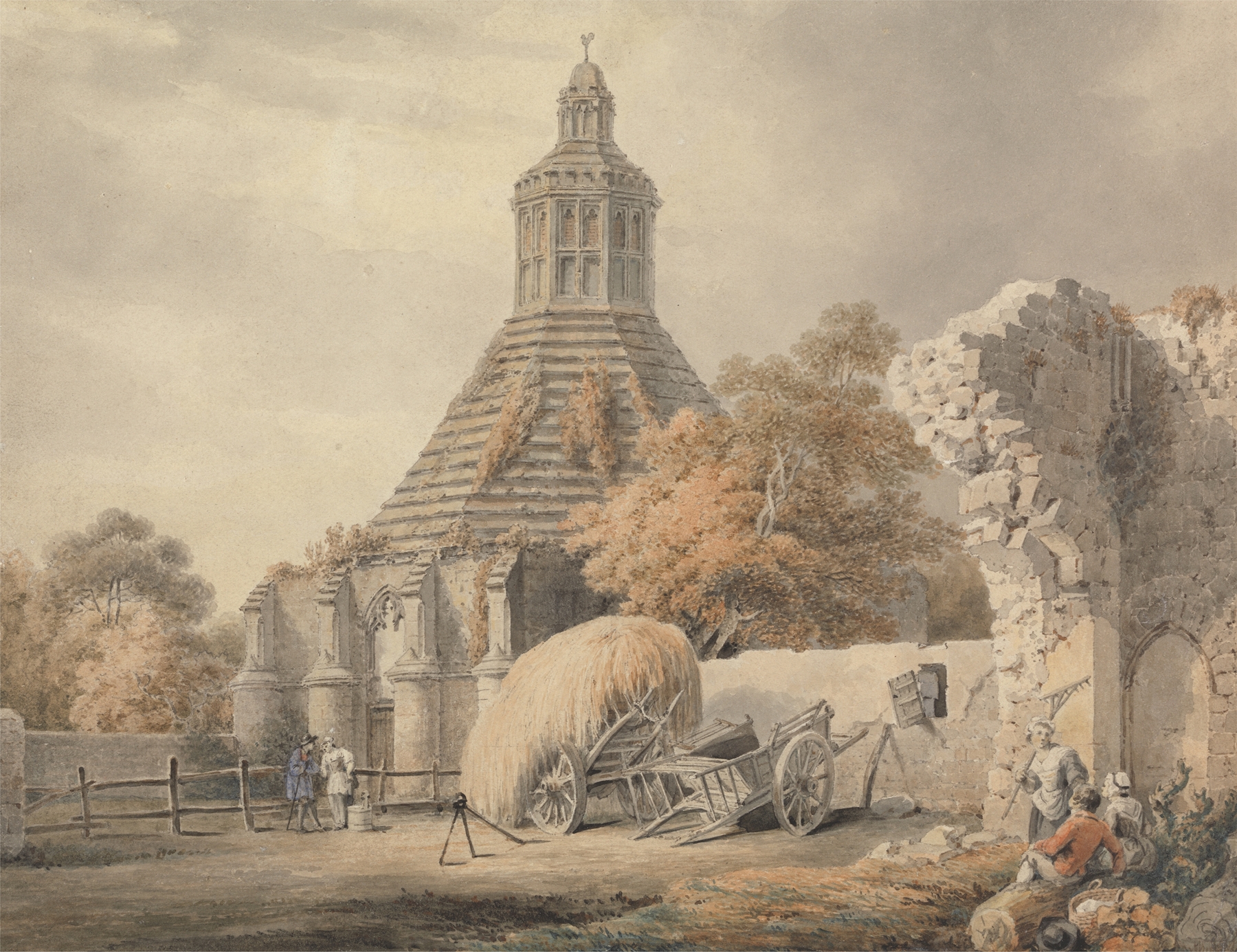
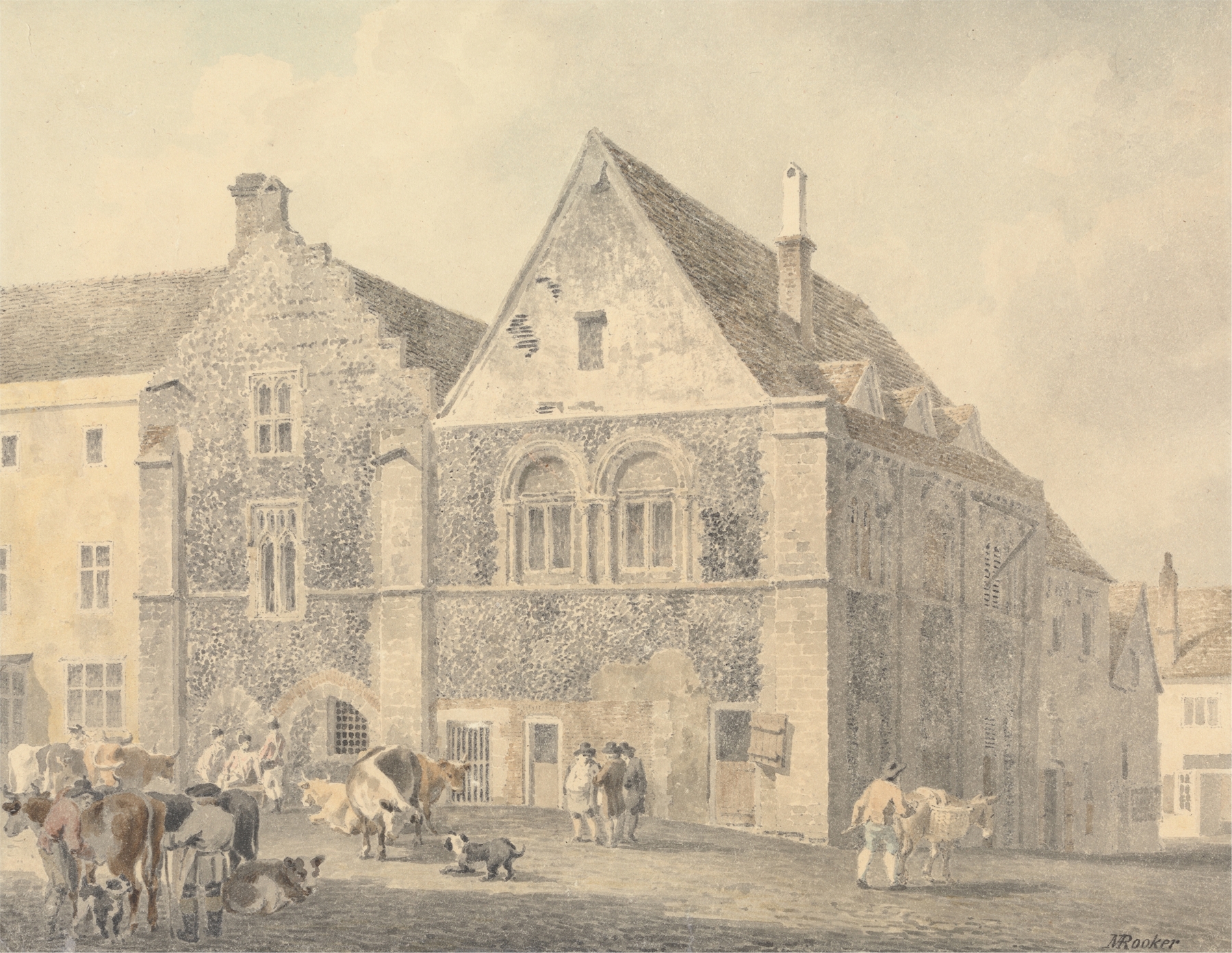
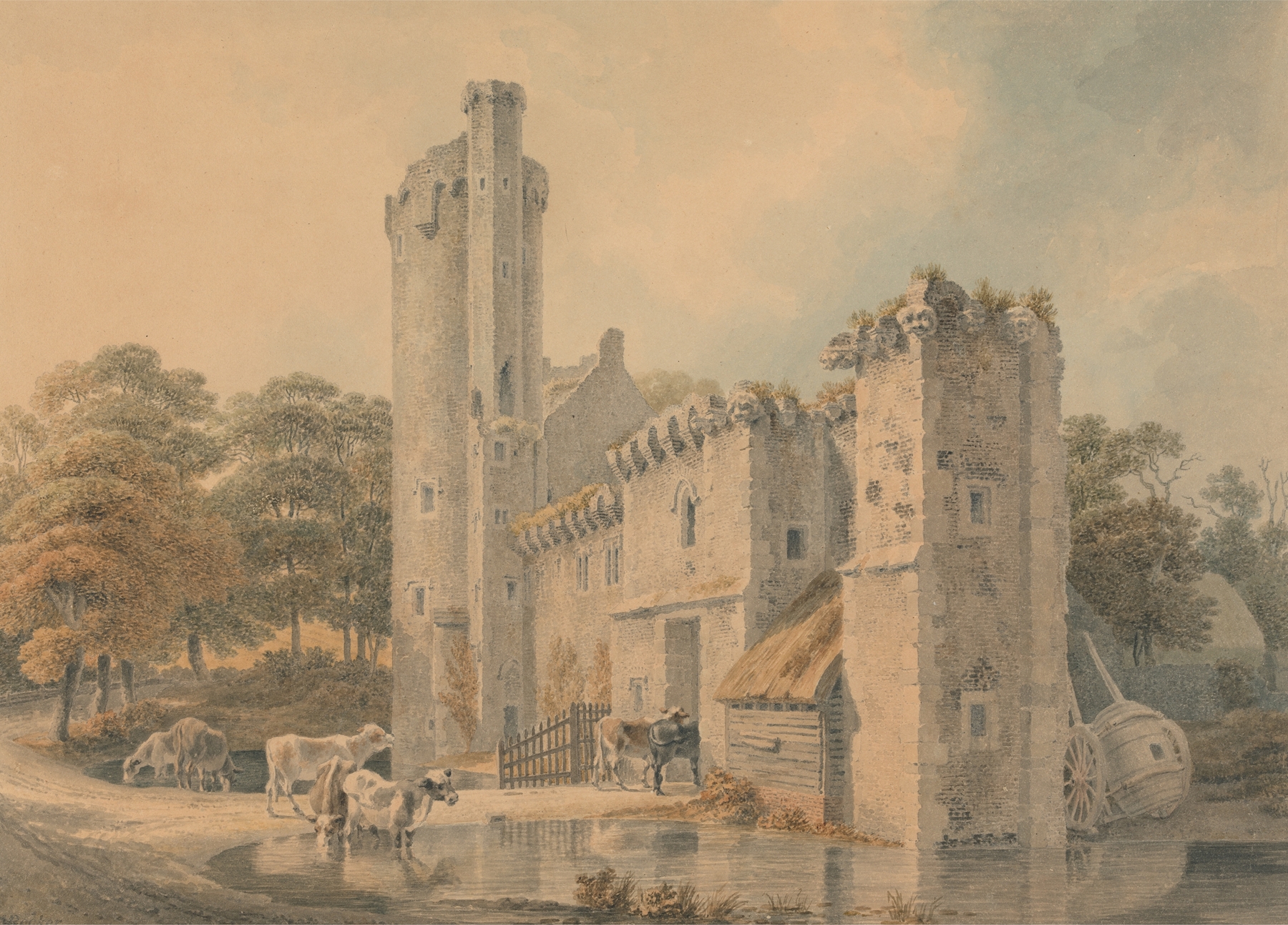
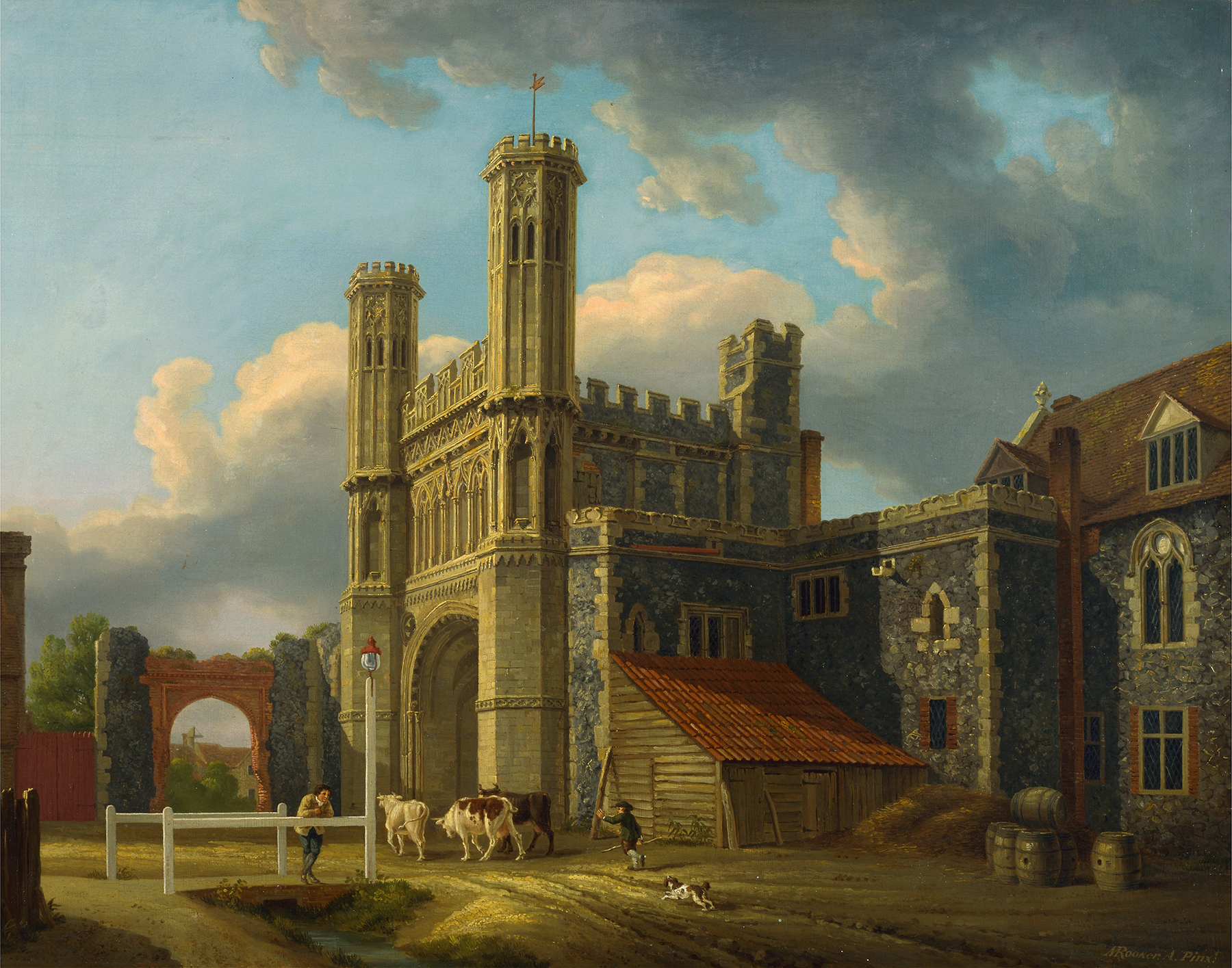
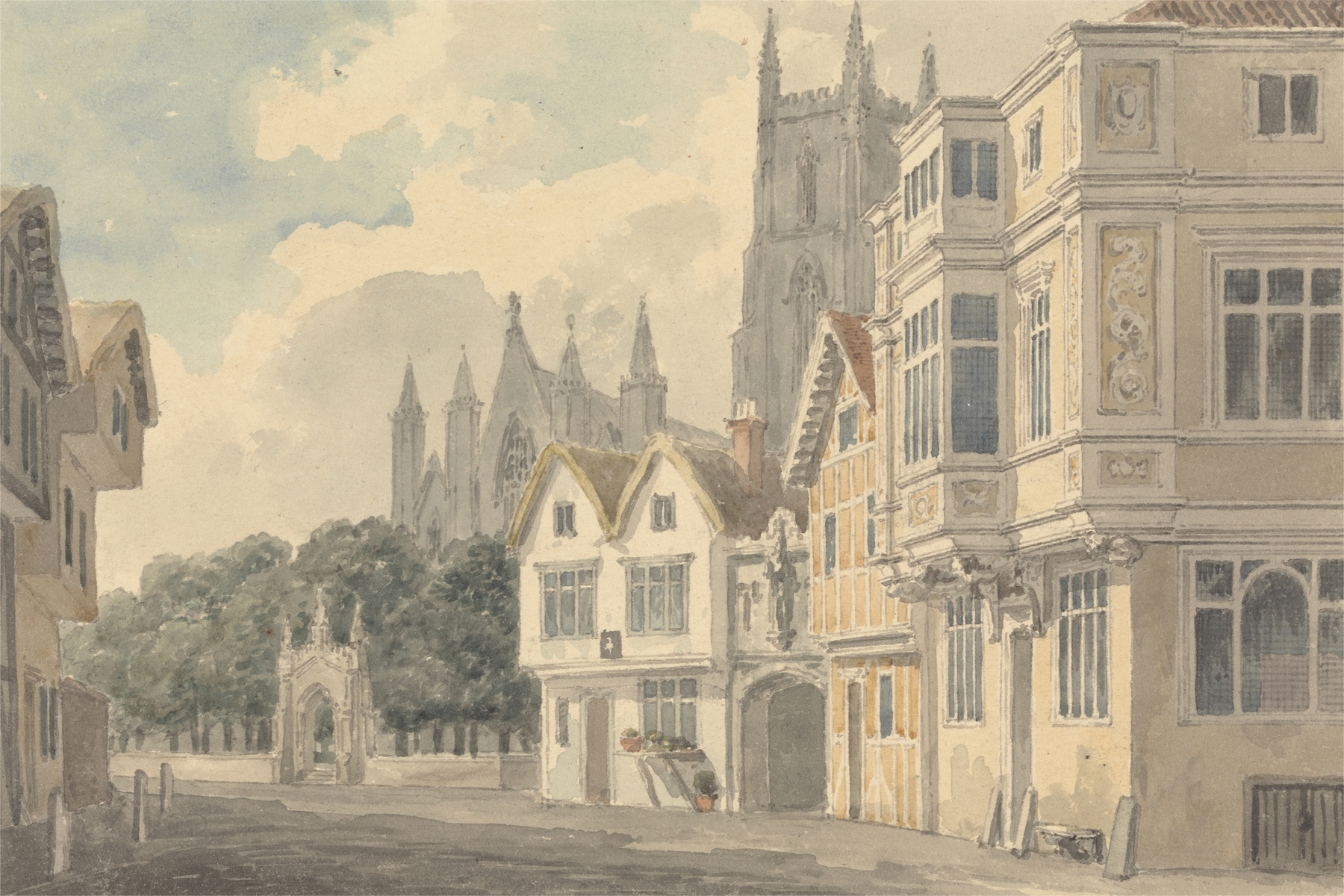
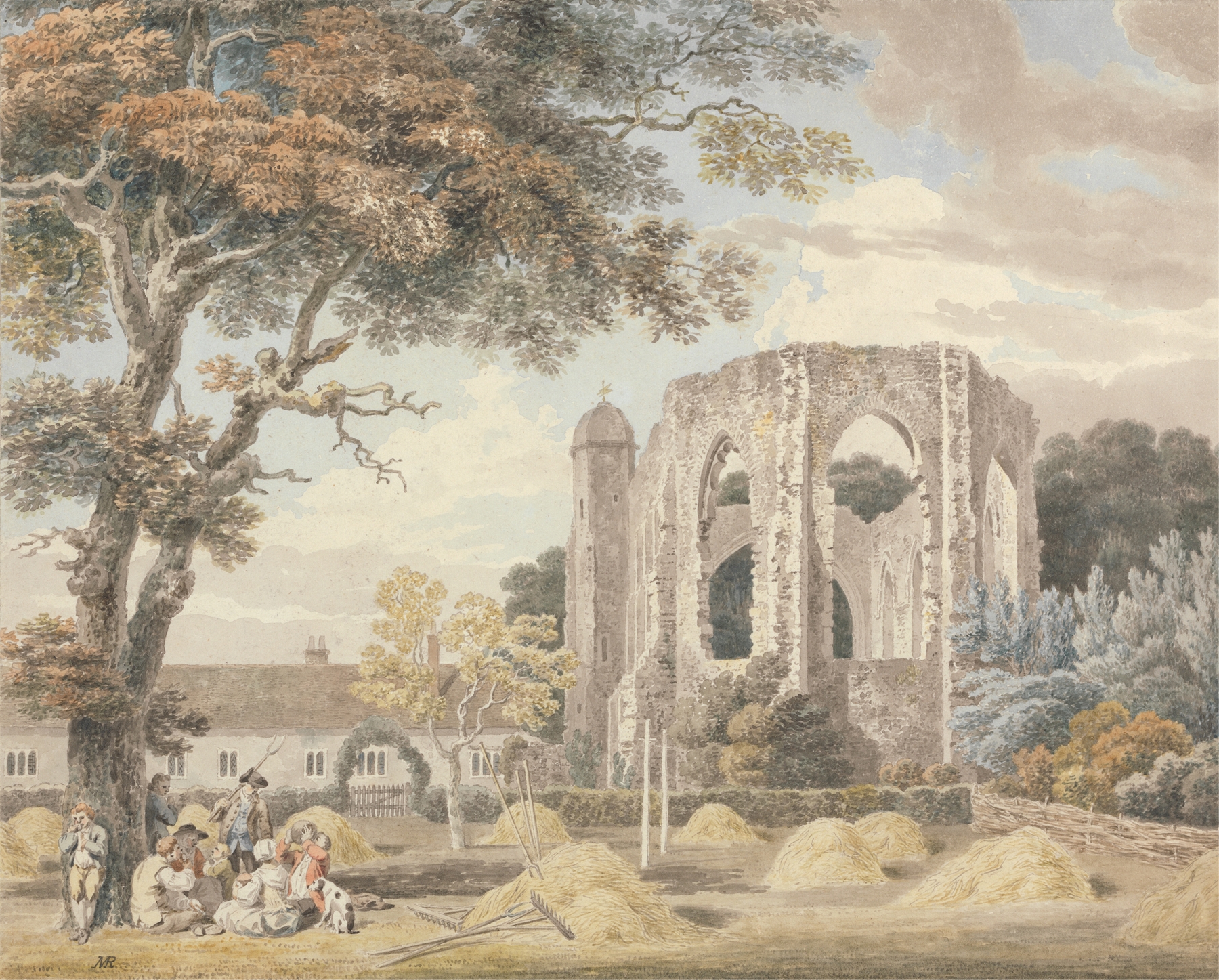
“Art reveals the soul when the world turns away.” The brush strokes of Michael Angelo Rooker expose a hidden violence lurking beneath the serene surface of everyday life—a haunting reminder of turmoil and conflict. Look to the foreground, where the chapel’s weathered stone whispers tales of the past. The light filters softly through the arched windows, casting a muted glow that contrasts sharply with the shadows lurking in the corners. Notice how the rich earth tones of the walls evoke a sense of age and wear, suggesting resilience amidst decay.
The figures of the monks, with their downturned heads and weary postures, seem absorbed in silent contemplation, yet there is an underlying tension in their stillness. Delve deeper into the contrasts presented in this work. The juxtaposition of light and dark creates a palpable tension, echoing the historical violence that often accompanied such sacred spaces. The gentle faces of the monks, seemingly at peace, stand in stark opposition to the heavy, oppressive architecture that looms overhead, symbolizing the weight of their spiritual and physical burdens.
Each brushstroke carries a weight of history that transcends mere imagery, inviting viewers to confront the complexities of faith and suffering. Between 1790 and 1795, Rooker painted this piece while living in England, a time marked by social upheaval and the echoes of the French Revolution. The shift towards Romanticism in the art world mirrored the tumult in society, as artists sought to capture emotional depth and the often turbulent human experience. Rooker's work stands as a poignant reflection of this era, exploring themes of solitude and reflection against a backdrop of chaotic change.