St. Augustine’s Gate, Canterbury — History & Analysis
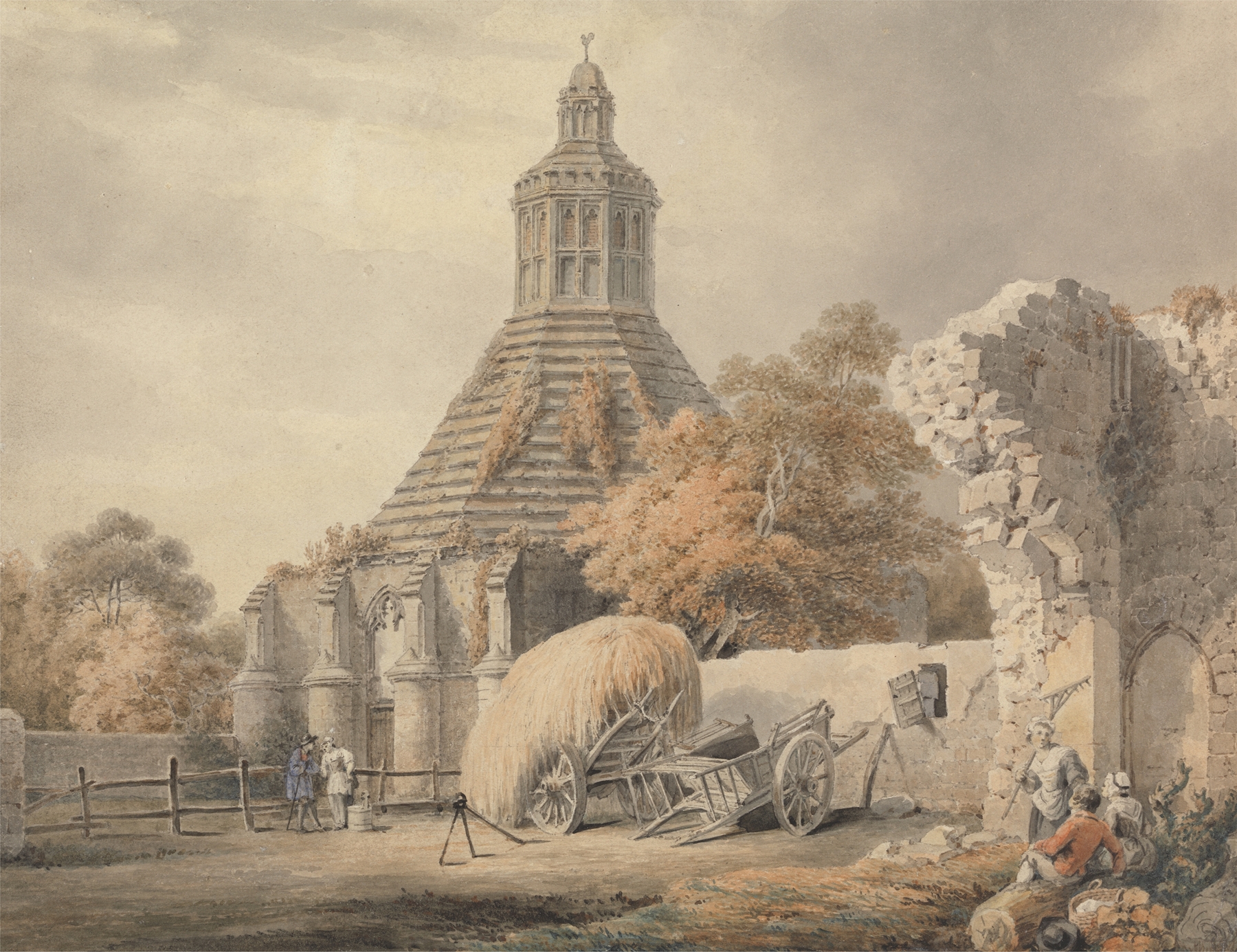
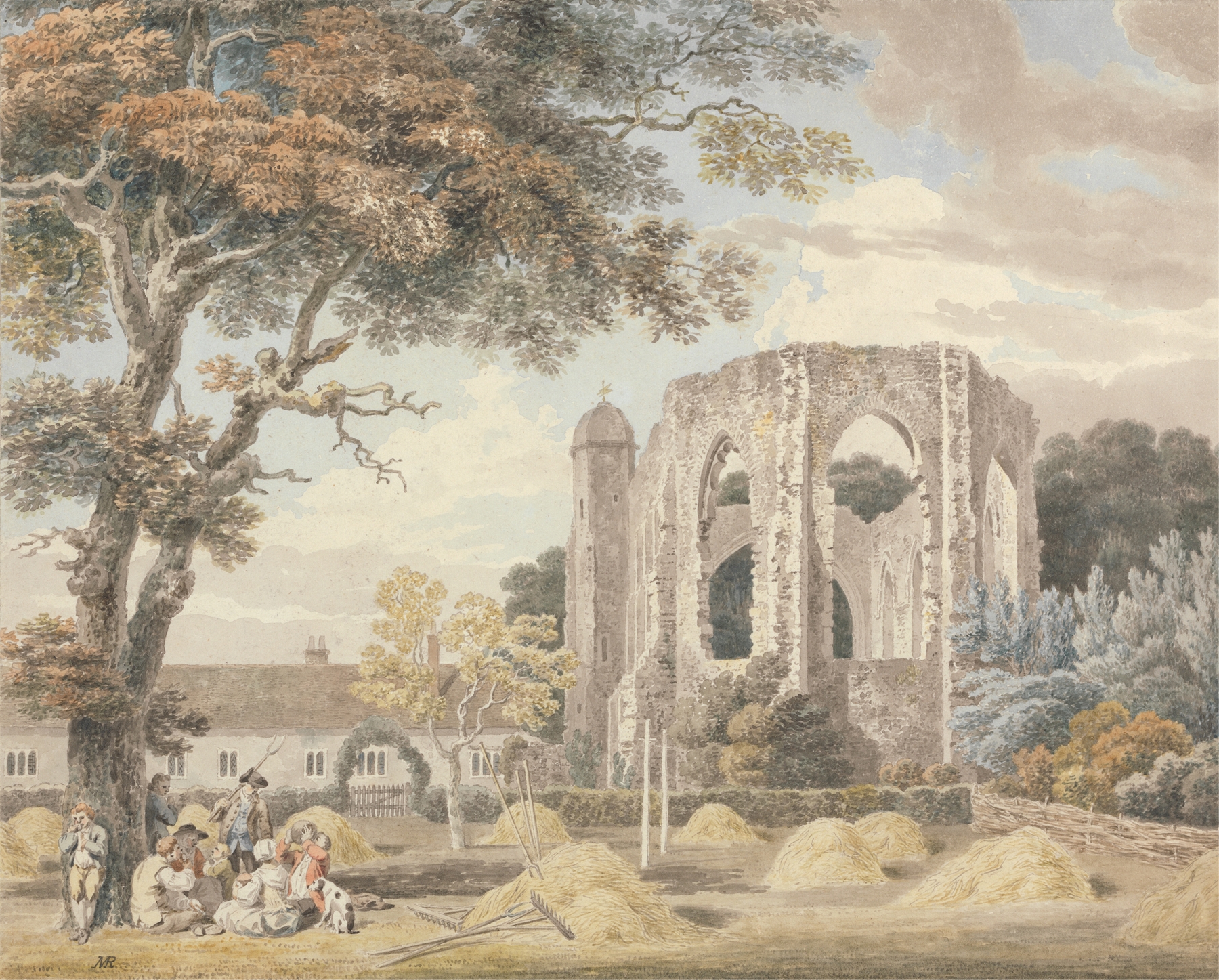
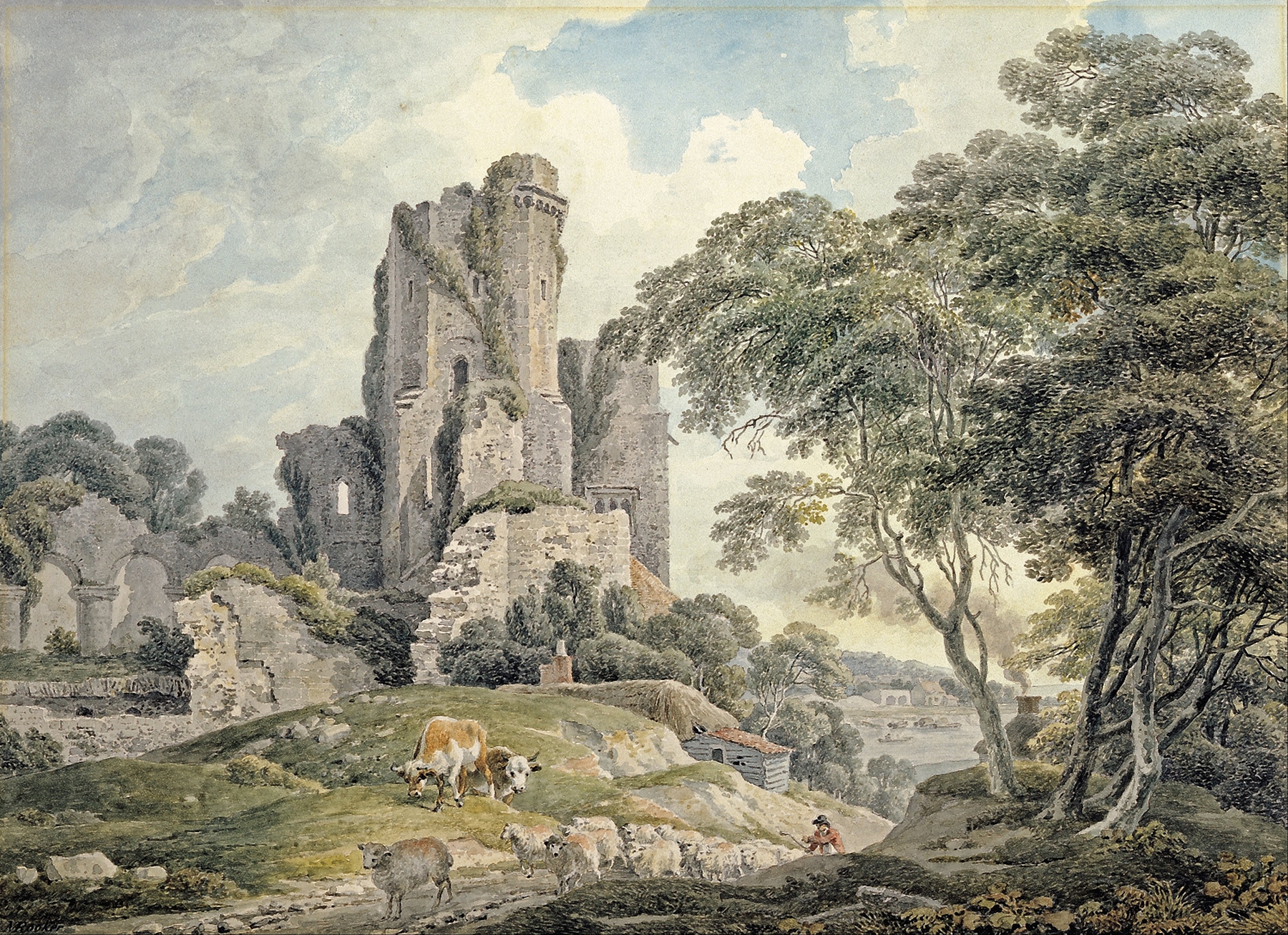
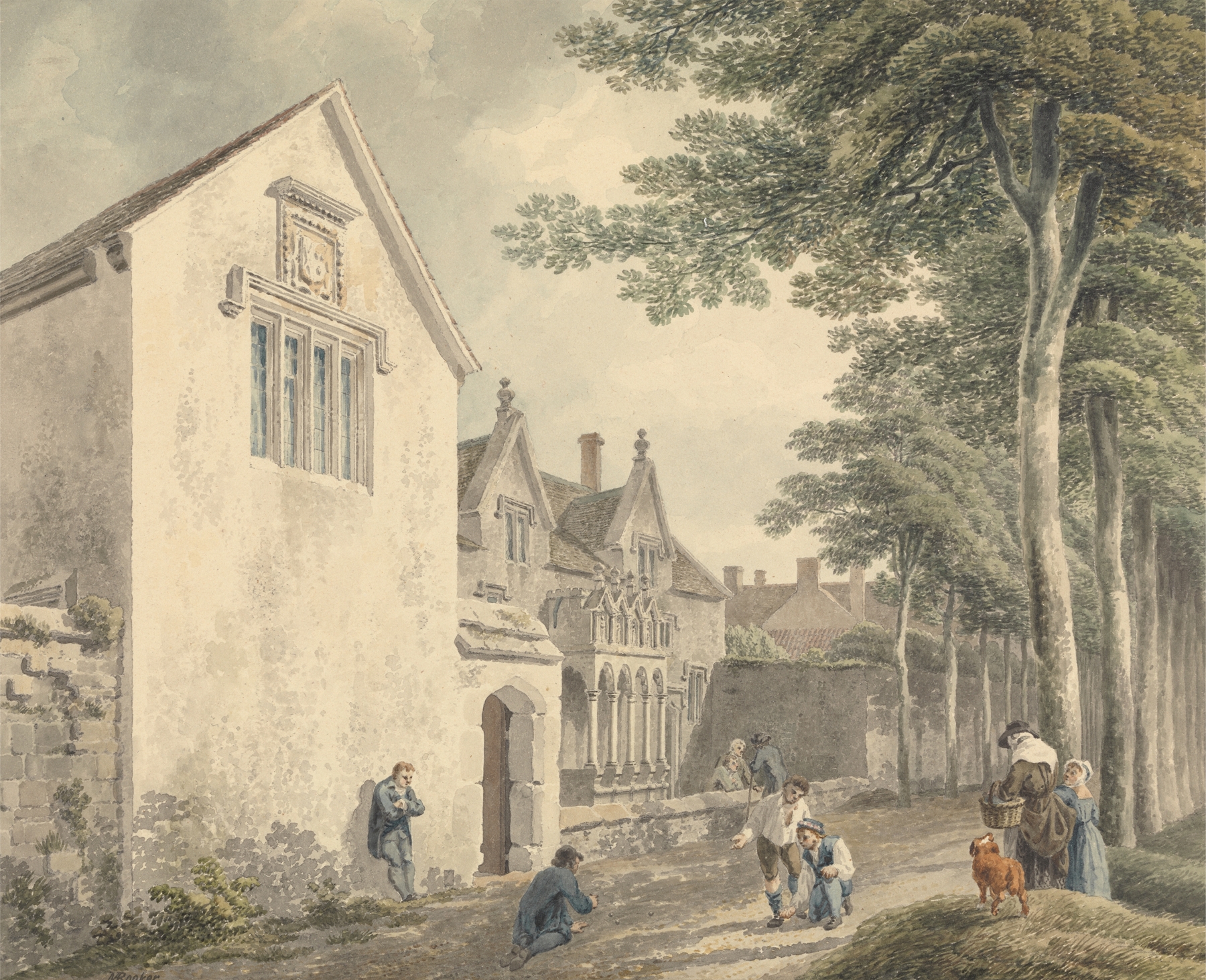
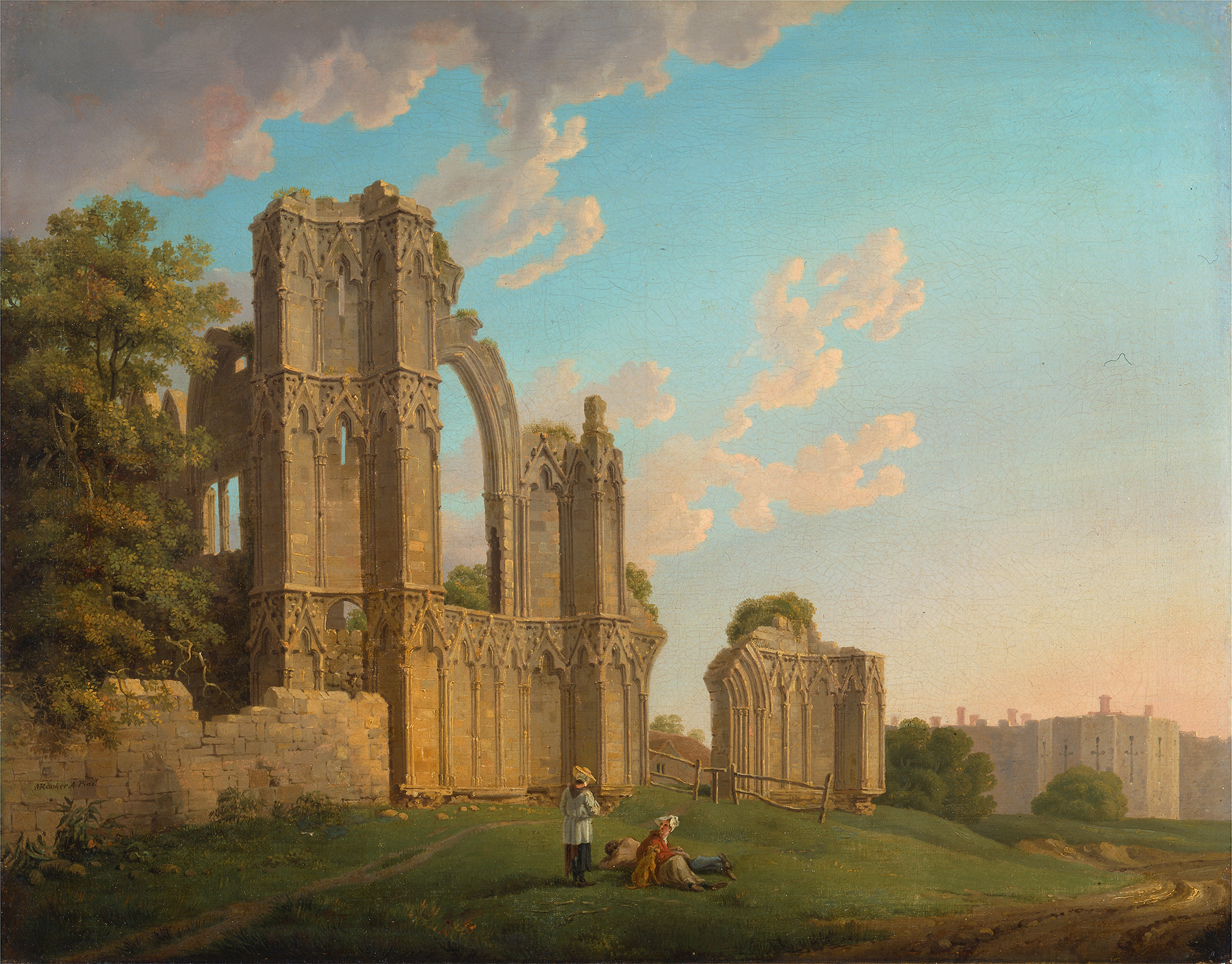
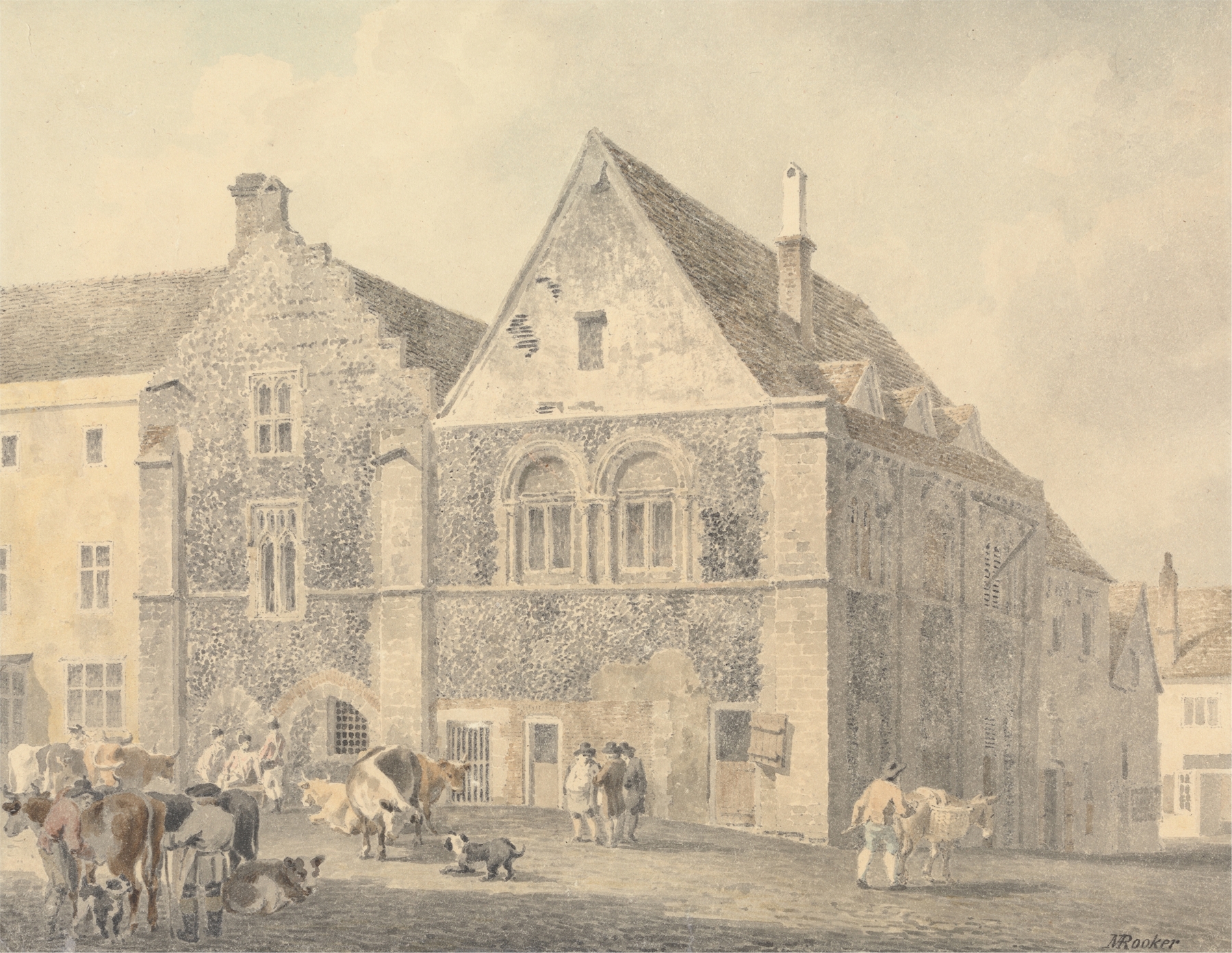
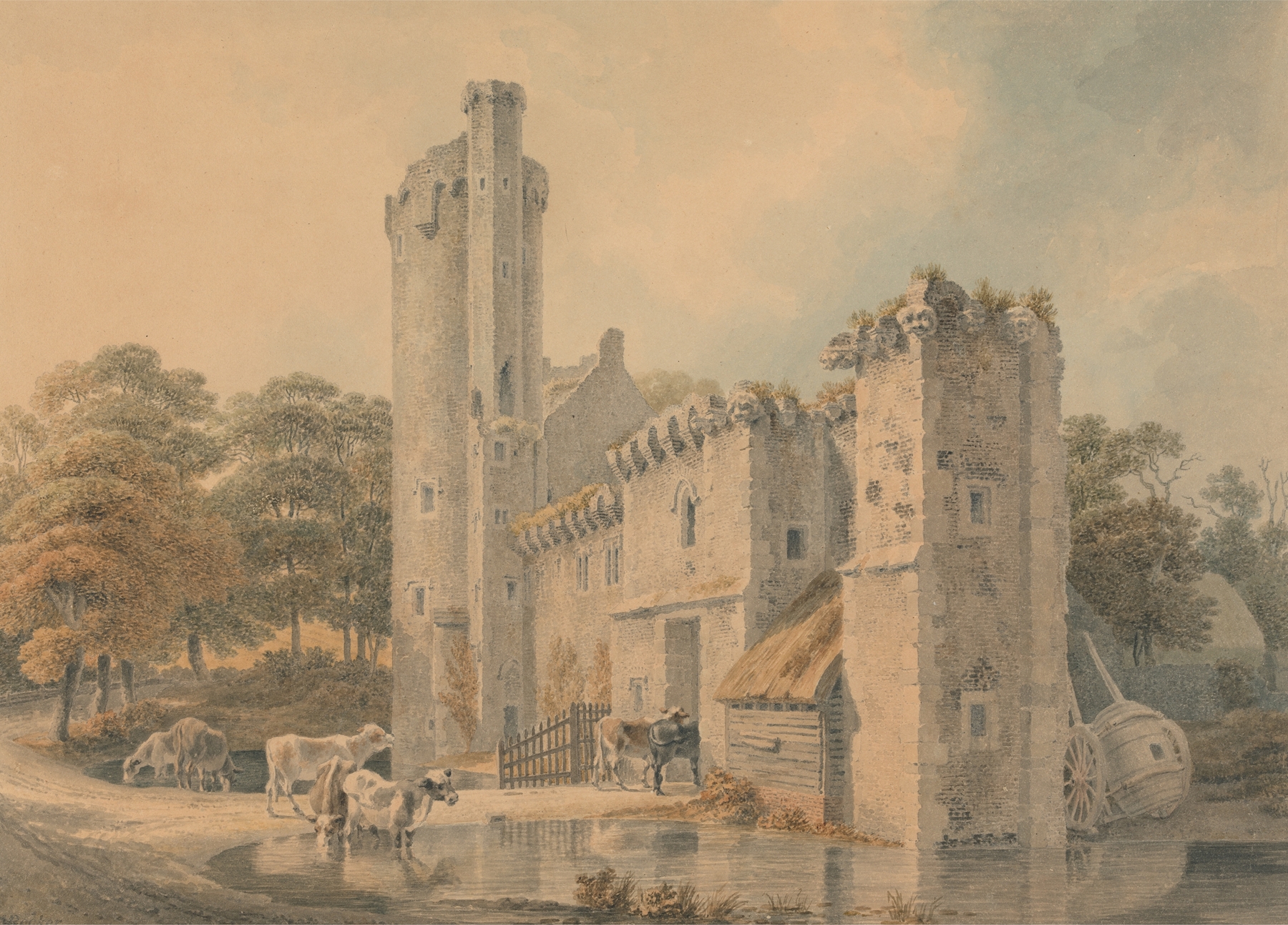
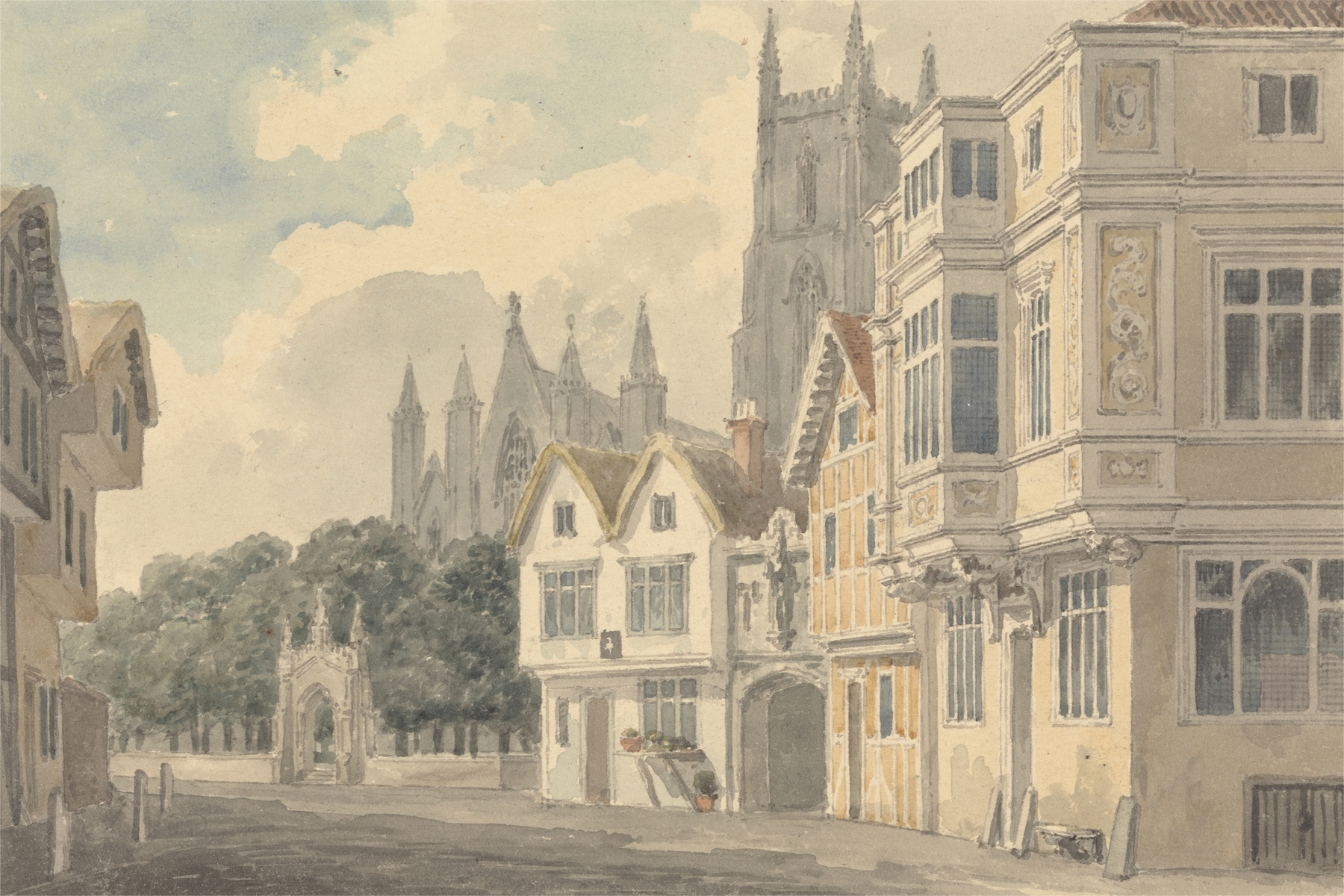
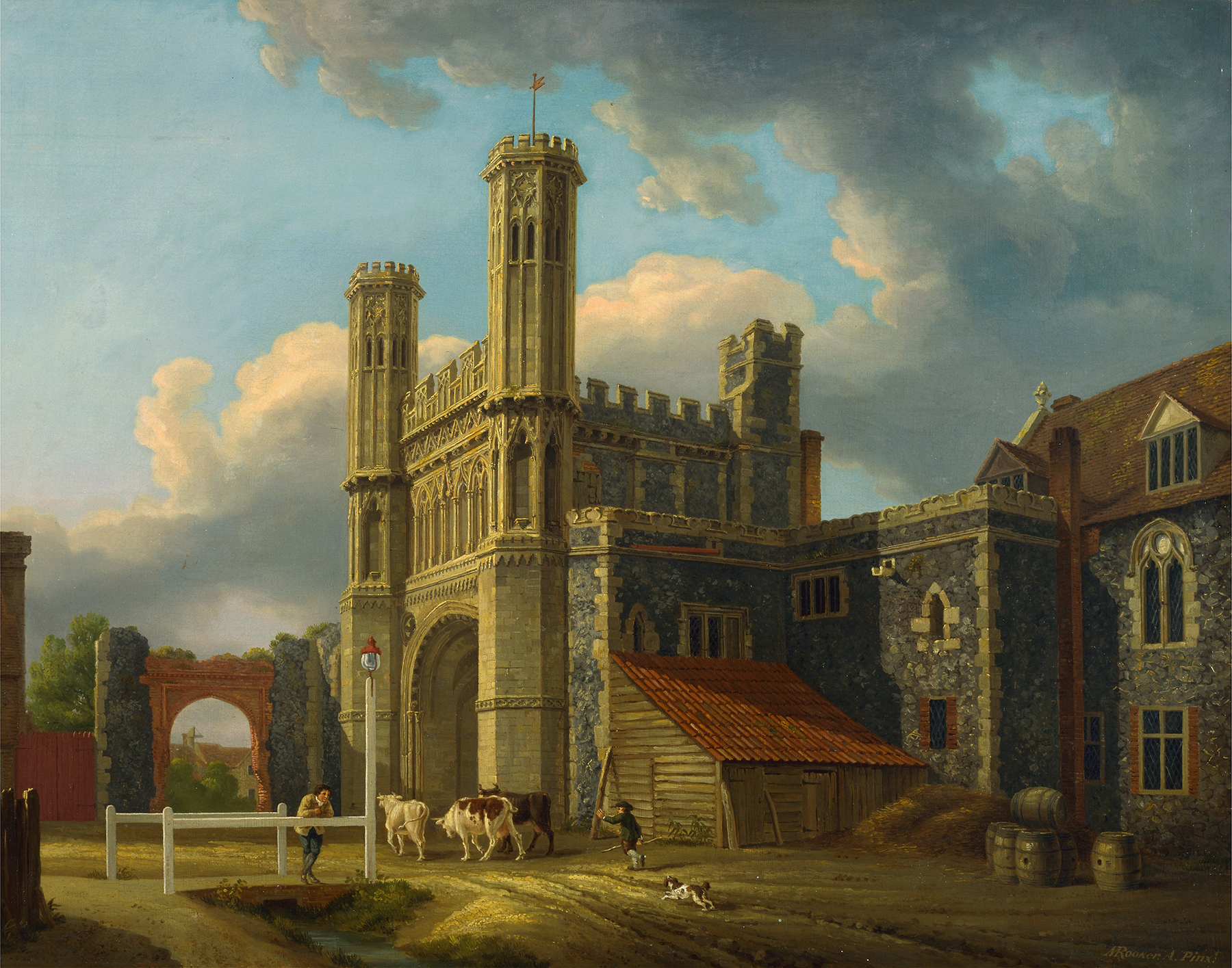
Where does light end, and longing begin? In the delicate interplay of shadow and illumination lies a world waiting to be discovered, a moment suspended between recollection and desire. Look closely at the archway in St. Augustine’s Gate, where the sturdy stone contrasts with the soft hues of the morning sky.
The artist's deft brushwork evokes the solid, ancient structure while inviting you to explore the subtle variations in color; warm tones of ochre and fading grays encapsulate a sense of nostalgia. Notice how the light bathes the stone, emphasizing its weathered texture, and draws your gaze along the cobblestone path that winds toward an unseen destination. Beneath the surface, the painting whispers stories of time and history. The juxtaposition of light and dark reveals not just physical distance but emotional journeys—perhaps the weight of past choices or the enduring spirit of the faithful.
The play of light across the arch speaks to hope, while the obscurity beyond it hints at the unknown, creating a tension that resonates with anyone who stands at the crossroads of their own life. In 1778, while painting this scene, the artist was navigating the complexities of a changing art world. Rooker found himself in England amidst the rising tides of Romanticism, where artists increasingly sought to express emotion and personal experience. His work reflects a longing for connection to the past, a theme prevalent in his time, as society began to grapple with its own narratives and identity in an evolving landscape.