The Market Square, Bury St. Edmunds — History & Analysis
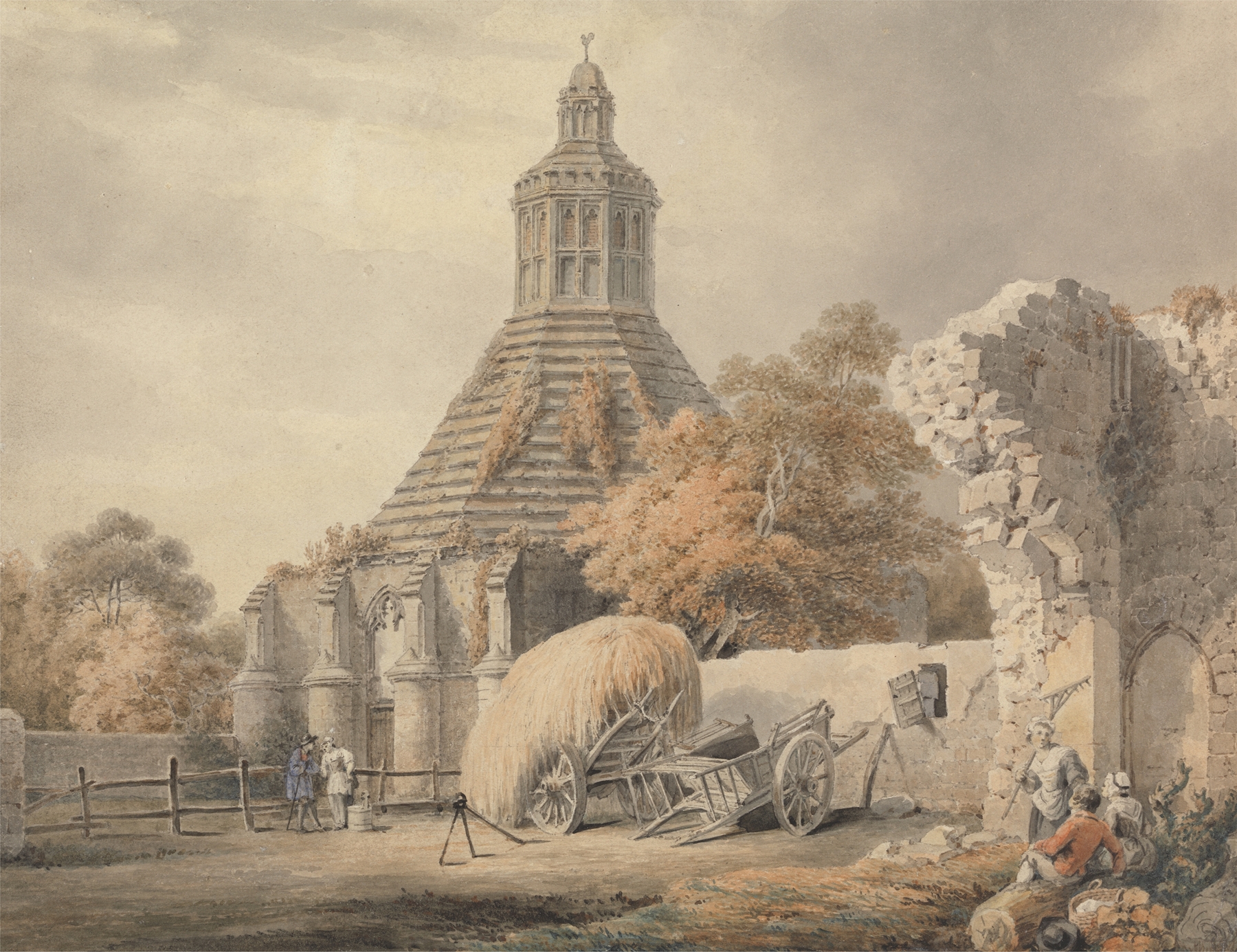
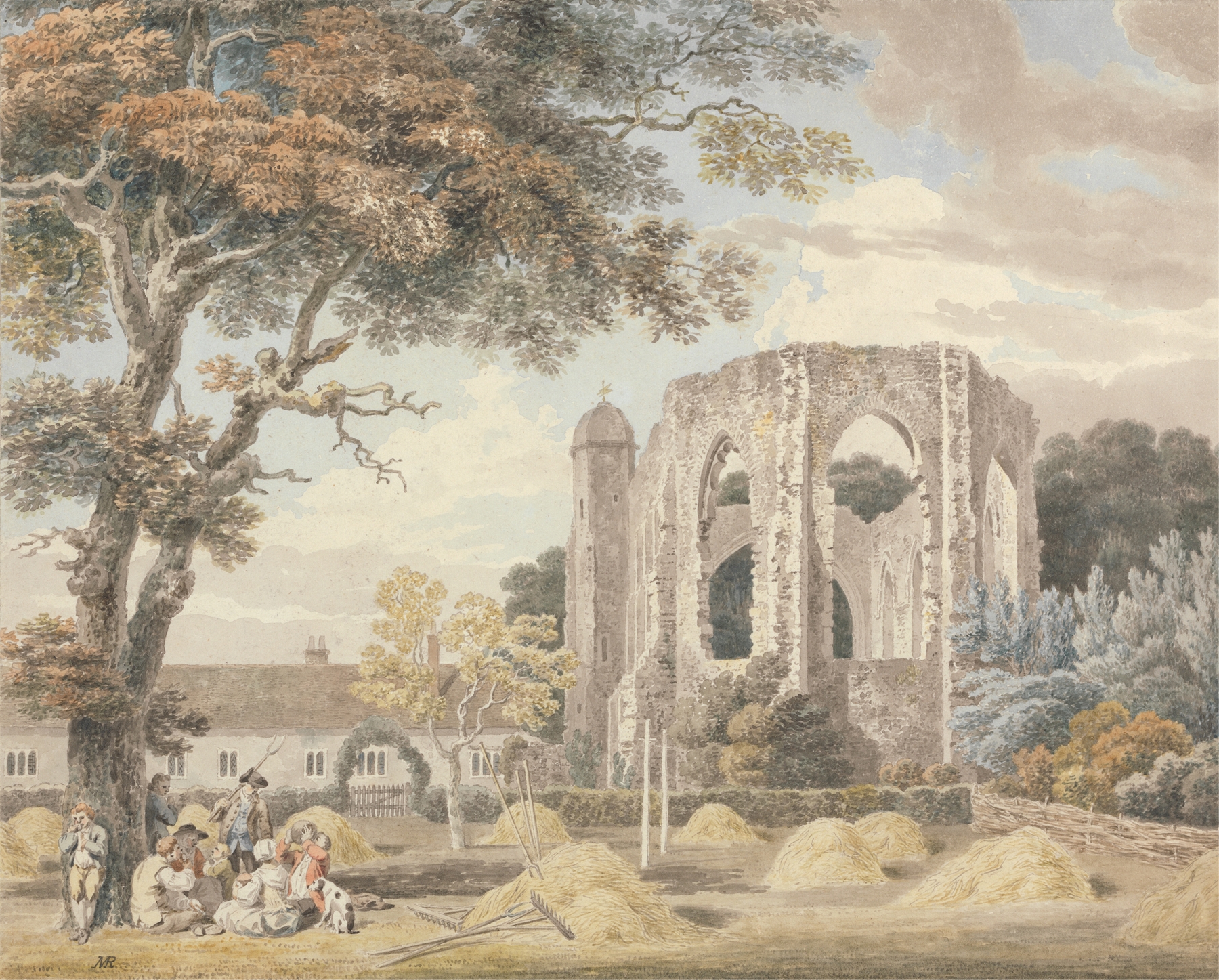
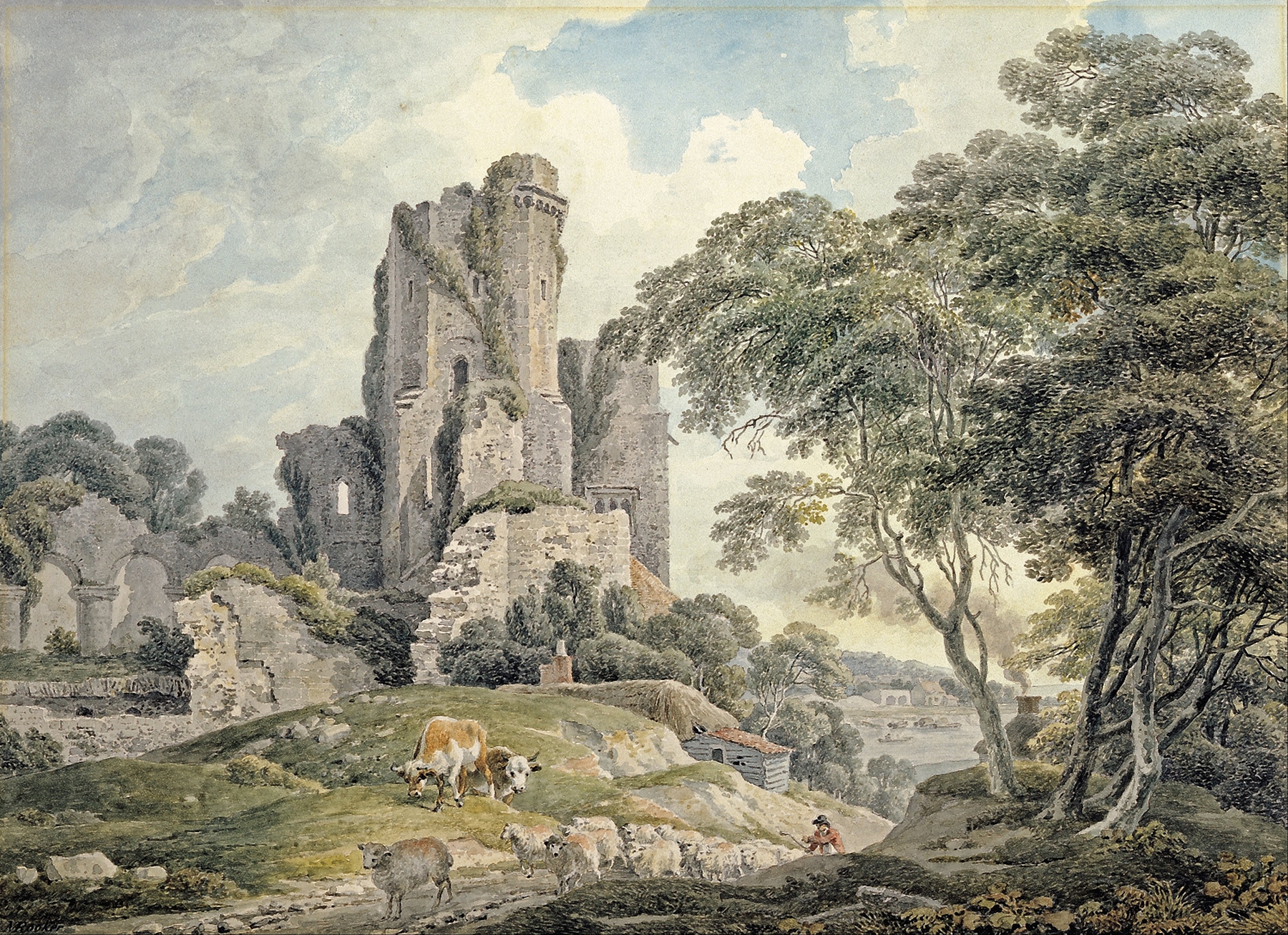
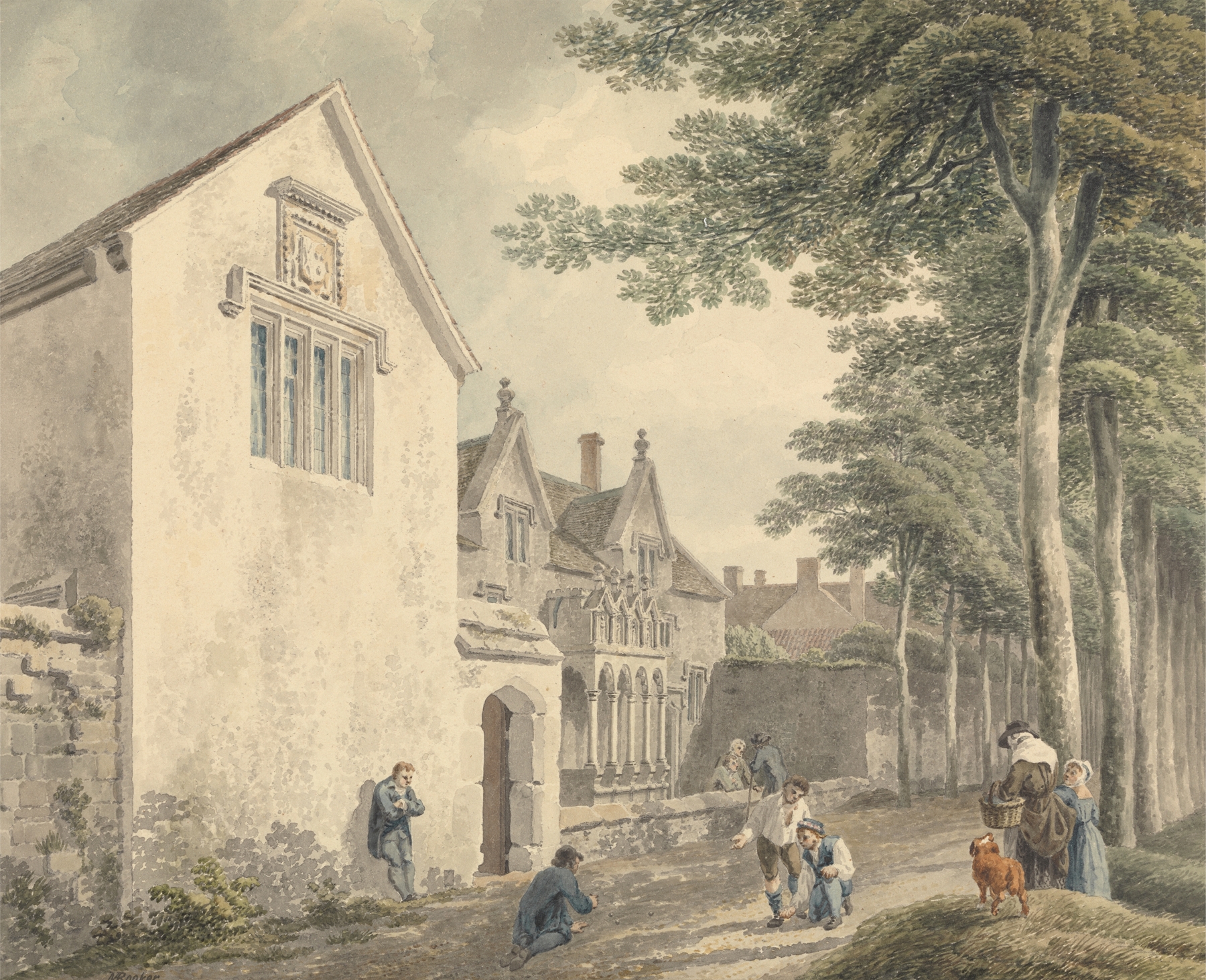
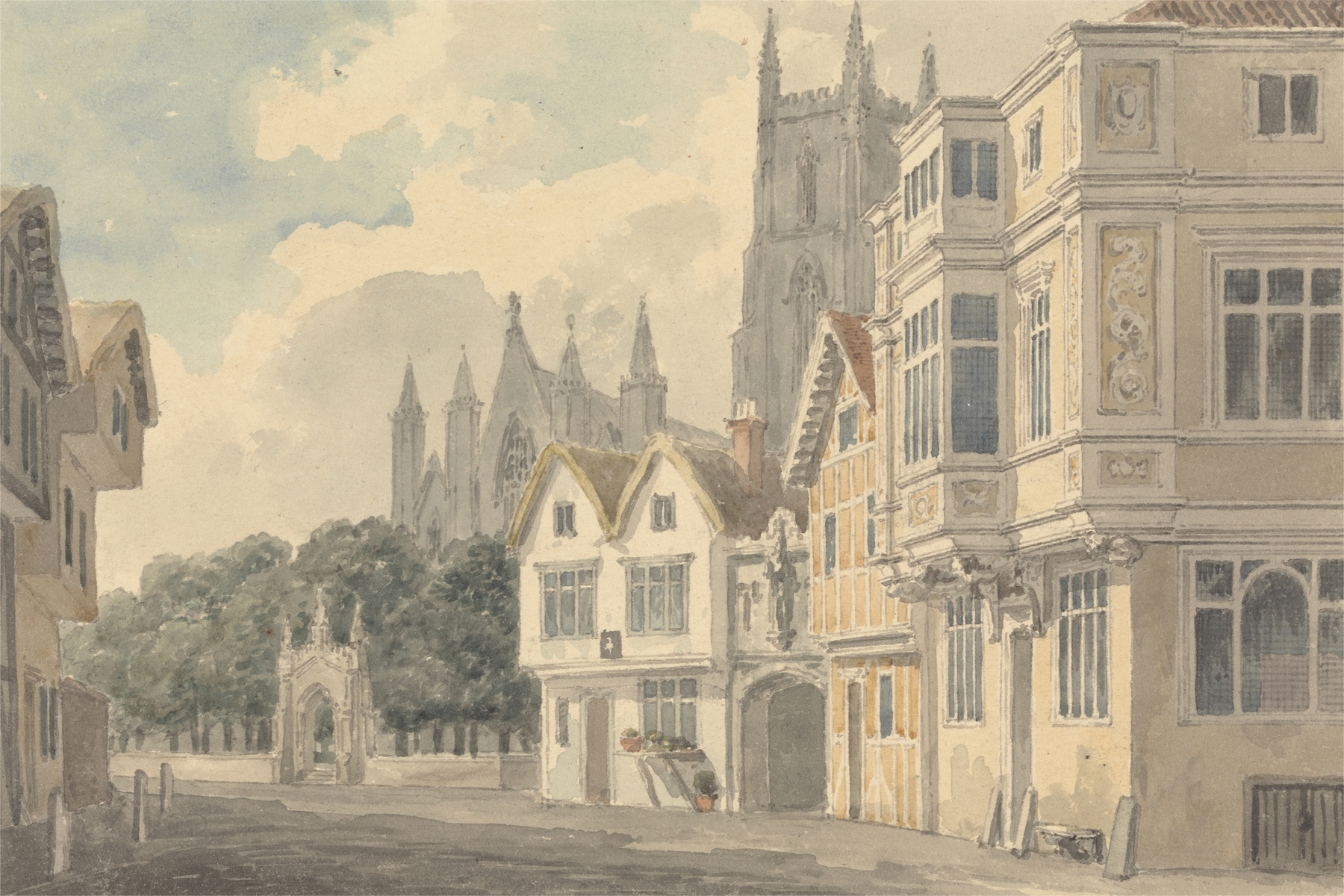
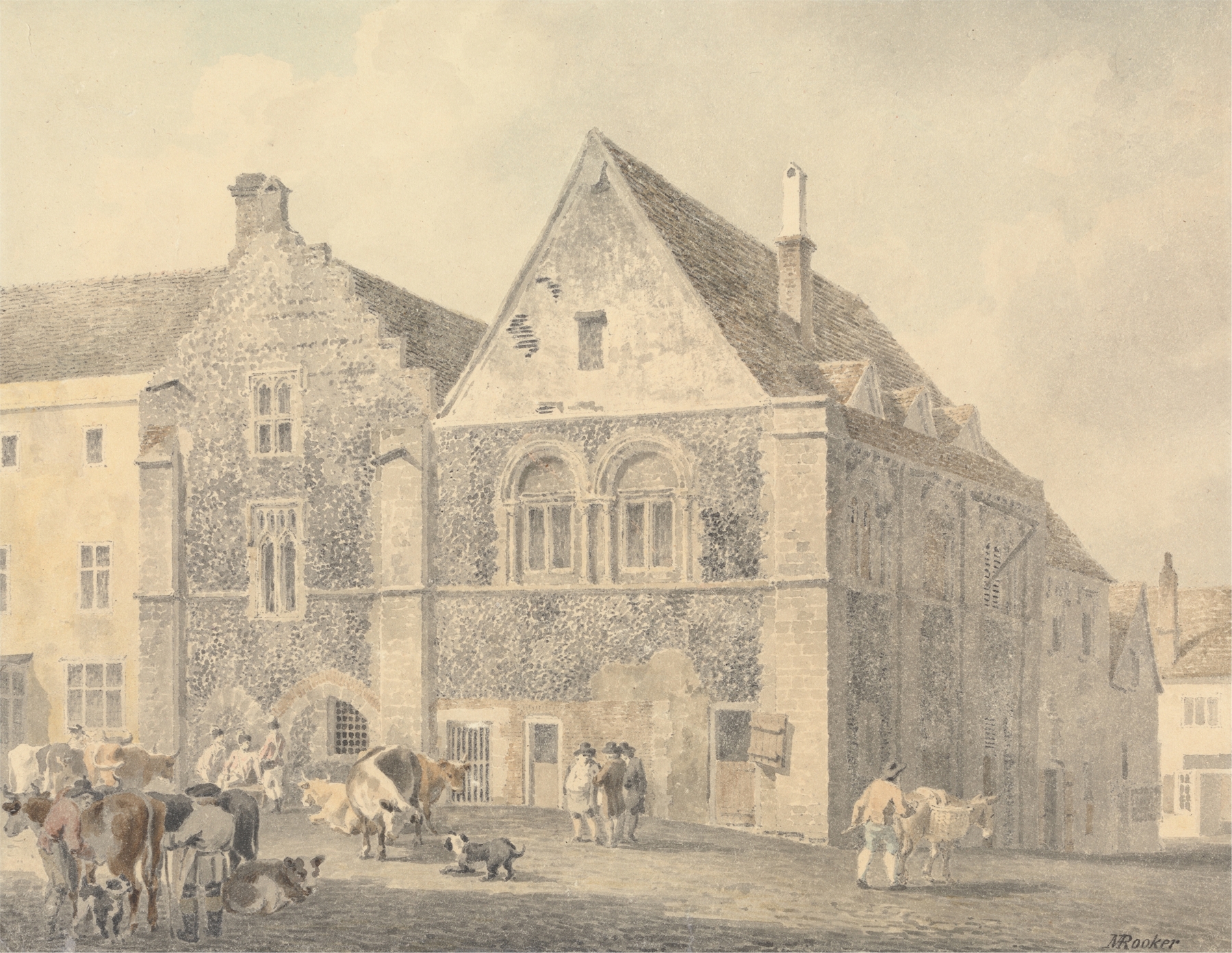
“The canvas doesn’t lie — it simply waits.” In The Market Square, Bury St. Edmunds, a palpable sense of loss lingers in the air, echoing the fleeting nature of life and memory. Here, Rooker captures a moment suspended in time, where shadows of the past whisper through the cobblestone streets, inviting contemplation on what has been left behind. Begin by looking towards the center of the composition, where the bustling square unfolds; vendors, townsfolk, and children seem to dance through the scene.
Notice how light spills softly across the figures, illuminating their faces with a gentle glow while casting long shadows that stretch toward the edges. The warm palette of ochres and browns imbues the moment with nostalgia, while the careful brushwork reveals textures of fabric and stone, grounding the viewer in a vivid yet transient reality. As you immerse yourself in the details, consider the juxtaposition of movement and stillness. The lively gestures of the market-goers contrast sharply with the stillness of the surrounding architecture, symbolizing the tension between life’s vibrancy and the inevitability of loss.
Each figure, engaged in their pursuits, seems unaware of the passage of time, evoking a poignant reflection on impermanence and the memories that linger long after the moment has passed. During the time Rooker painted this scene, he was entrenched in the classical revival of the late 18th century, a period marked by a focus on returning to the beauty of nature and everyday life. His dedication to capturing the charm of English landscapes and social interactions found its voice in this work, reflecting both personal and collective experiences amidst the evolving currents of art in his time.