Caister Castle, Norfolk — History & Analysis
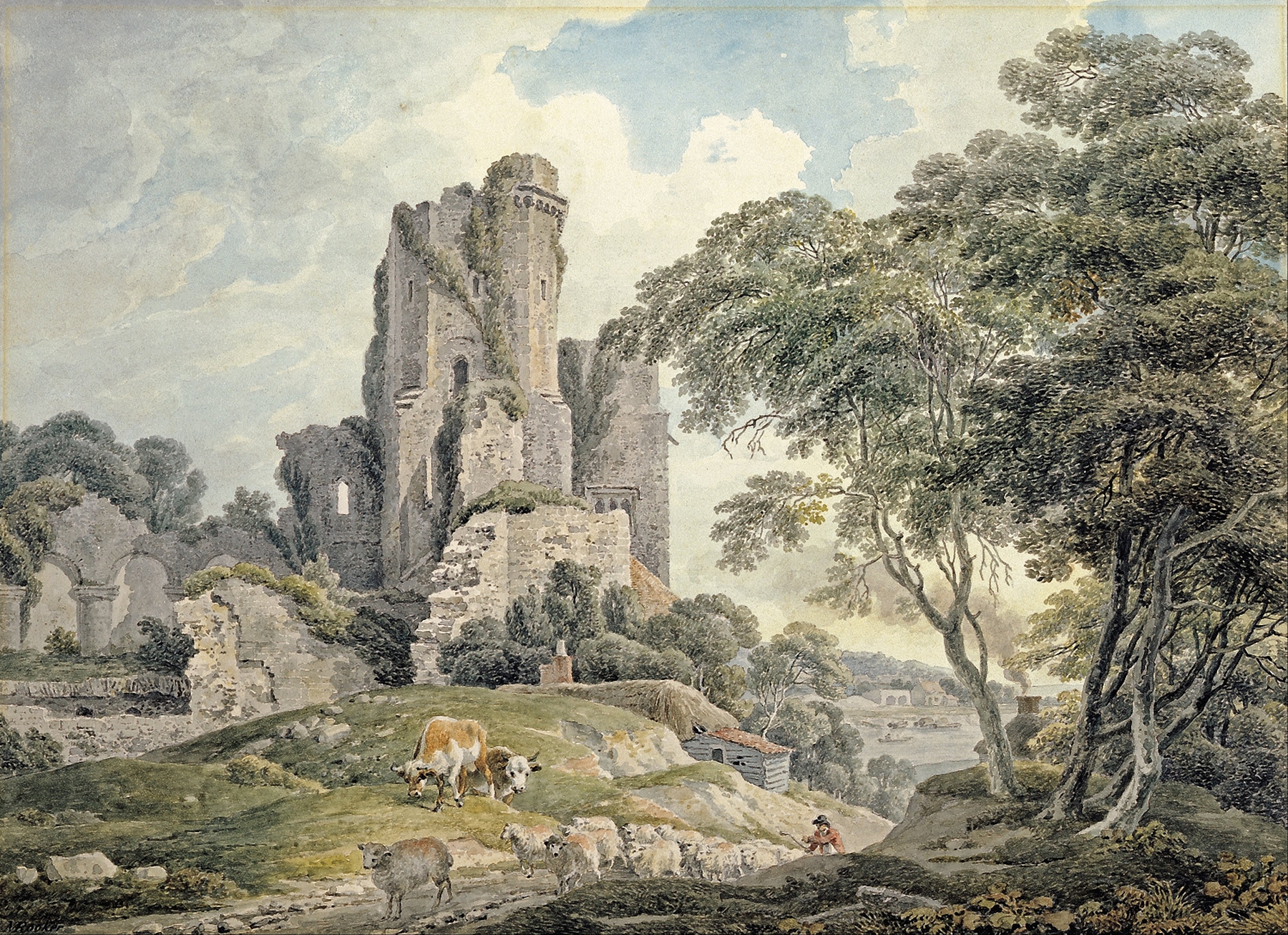
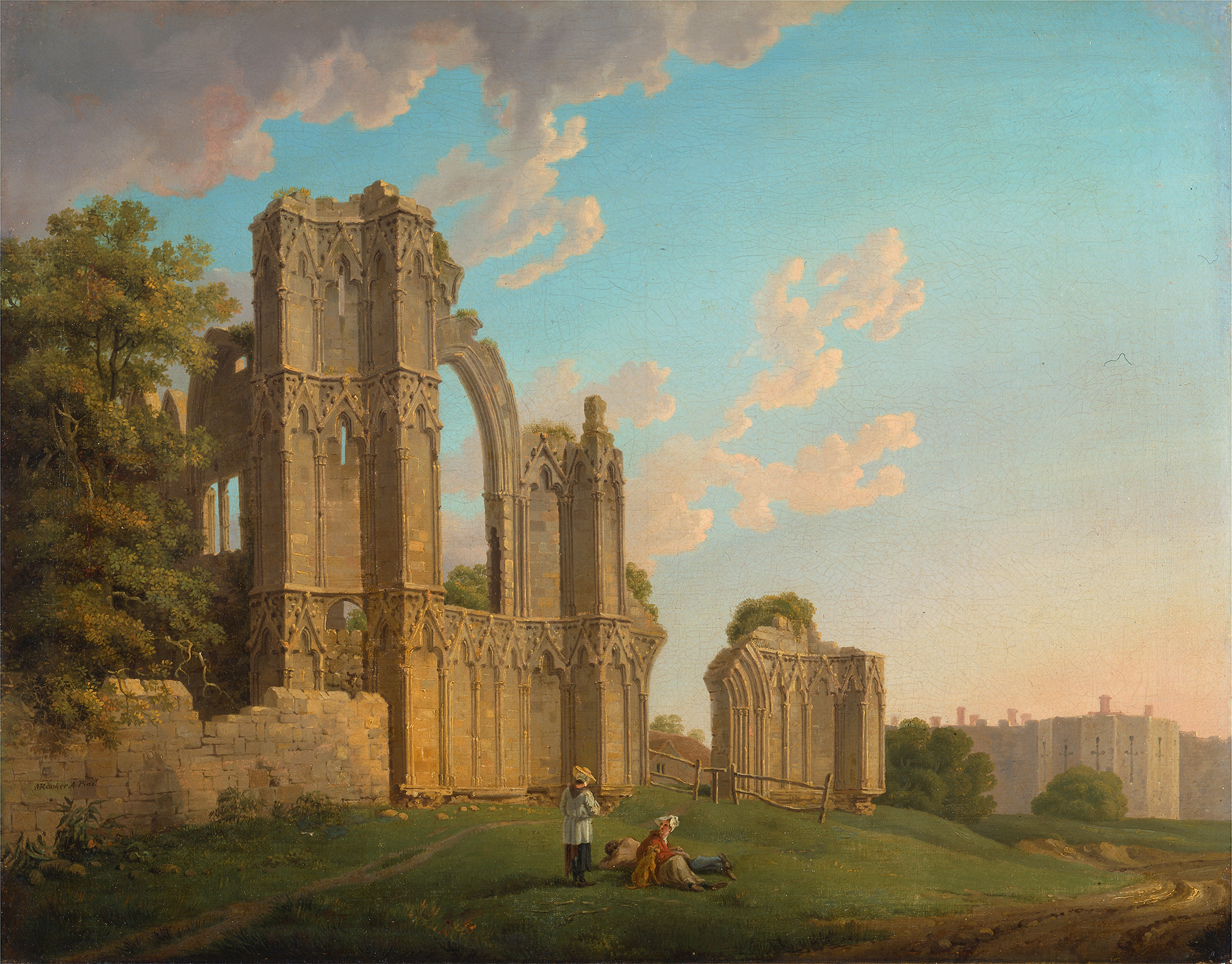
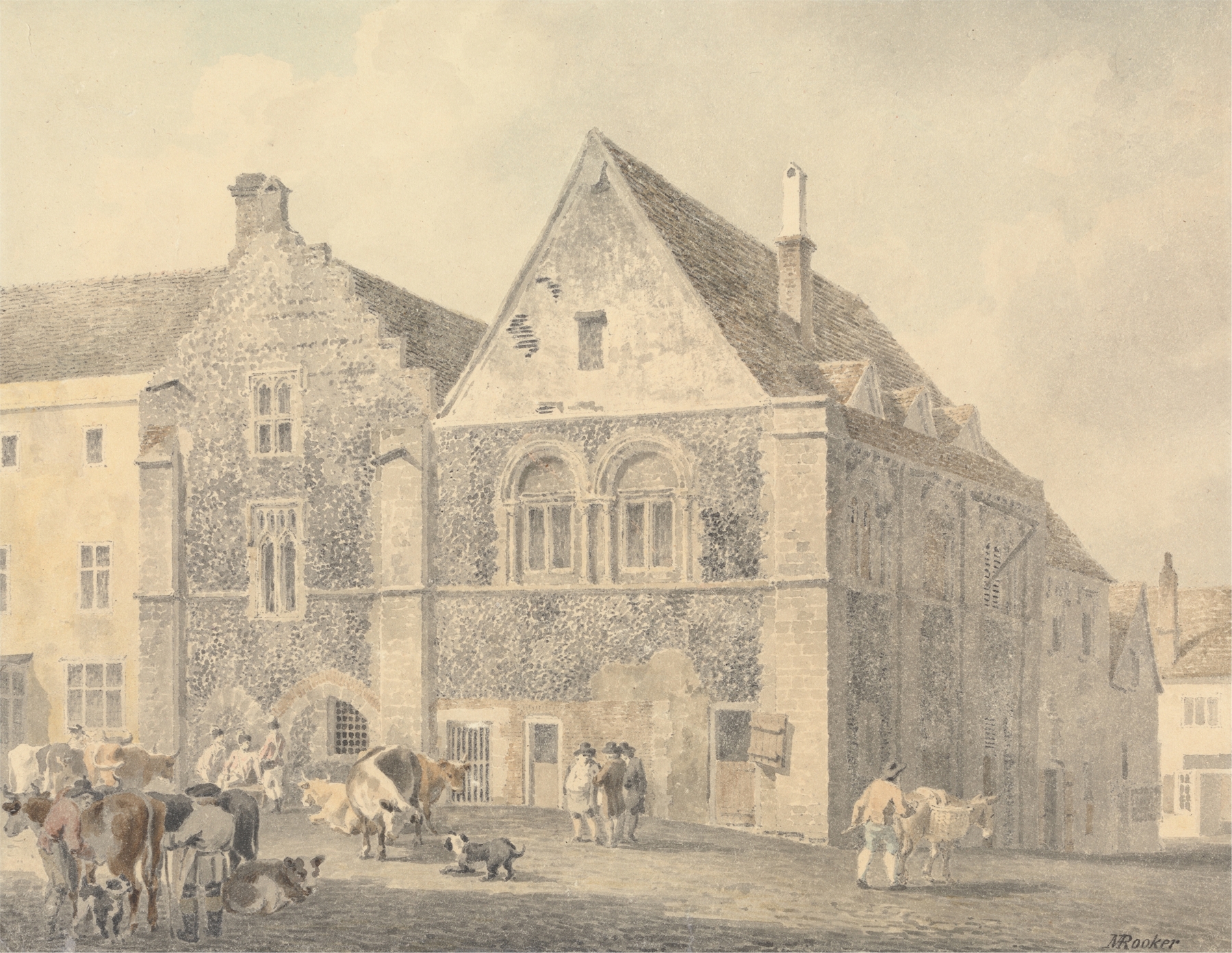
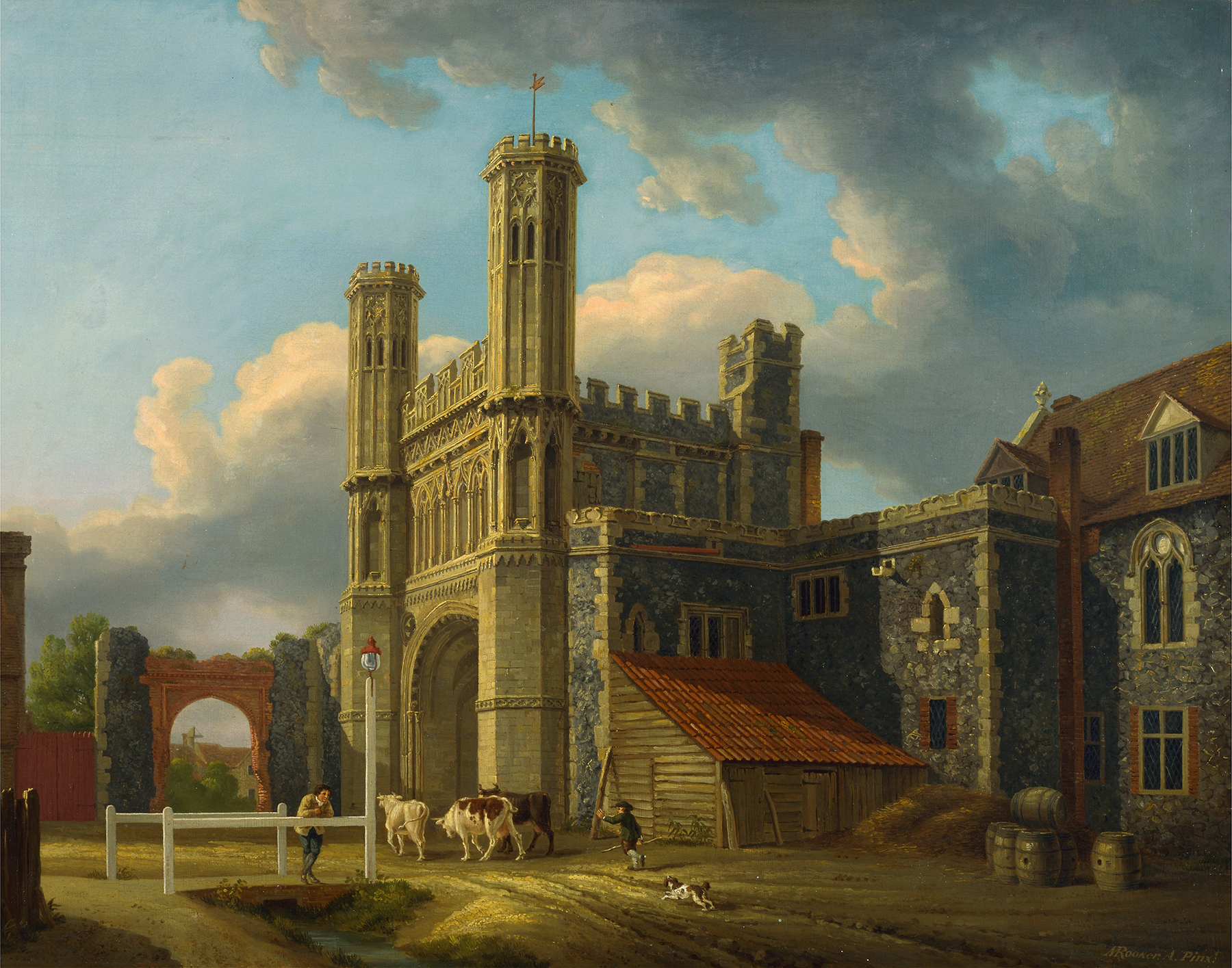
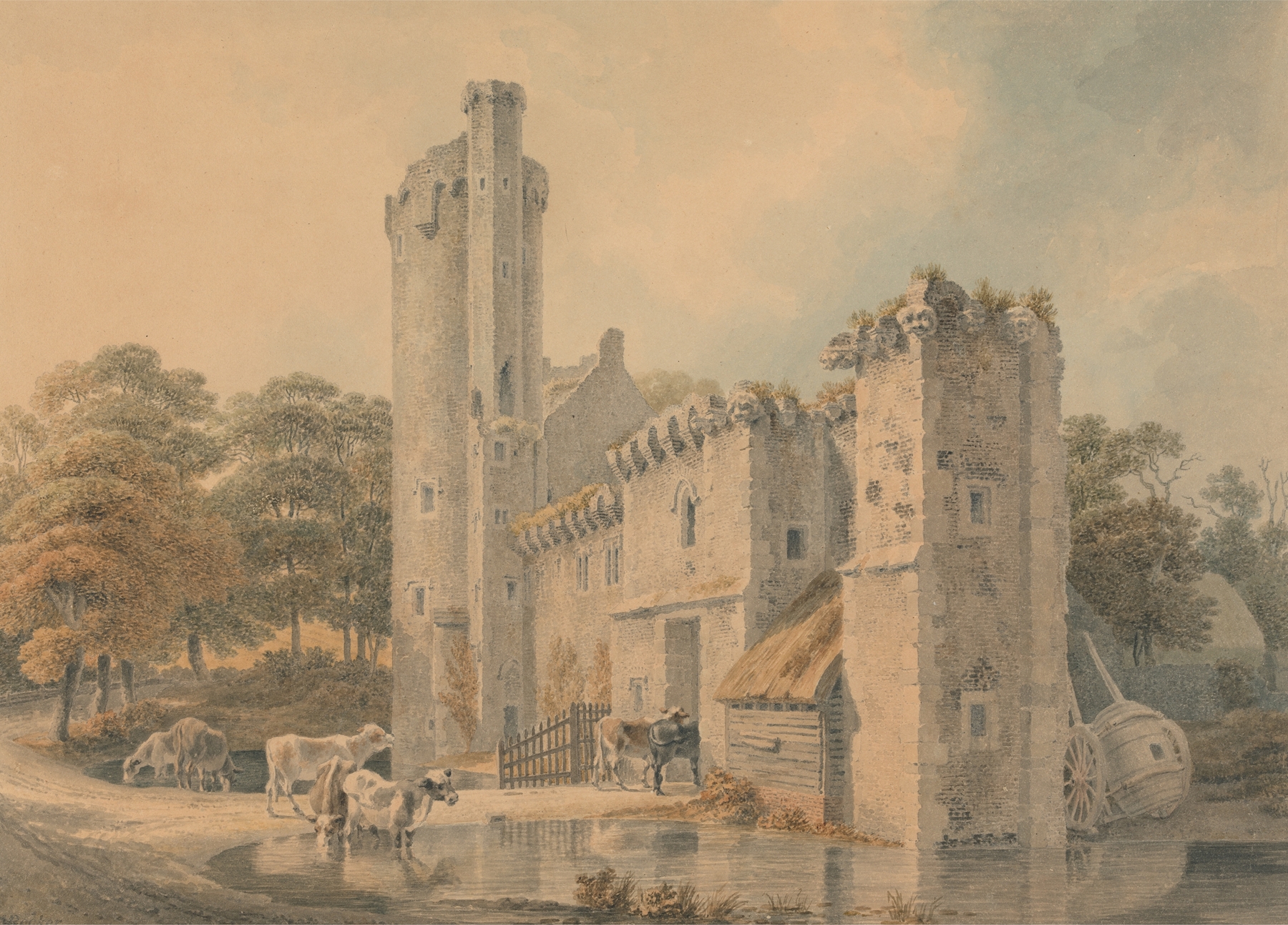
“Between color and silence, truth hides.” In the stillness of a moment, the essence of a place unfolds, rich in hues and history. Focus on the striking blues and greens that wash over the landscape, guiding your gaze toward the imposing structure at its center. The castle towers, painted with meticulous detail, rise against a backdrop of gentle hills, their shadows creating a delicate balance between light and form. Notice how the artist employs soft brush strokes to evoke a sense of tranquility, while vibrant patches of color enhance the lush surrounding meadows, suggesting life beneath the still surface.
Delve deeper into the layers of meaning within this composition. The juxtaposition of the sturdy castle against the fleeting beauty of nature hints at the transient nature of power and stability. The interplay of light across the scene may symbolize the passing of time, where moments of glory eventually give way to decay. The castle, a sentinel of the past, stands resilient, yet surrounded by the ephemeral, a poignant reminder of both human ambition and the inevitability of change.
Created during an era marked by shifting artistic ideals, the work emerged from the hands of an artist whose life was deeply intertwined with the natural world. Rooker painted this scene at an unspecified date, likely in the late 18th century, when romanticism began to flourish, and the appreciation for the sublime in nature was gaining momentum. His focus on color and its emotional resonance echoes the period's fascination with the landscape, capturing a moment where art and environment converge.