View in Oxford — History & Analysis
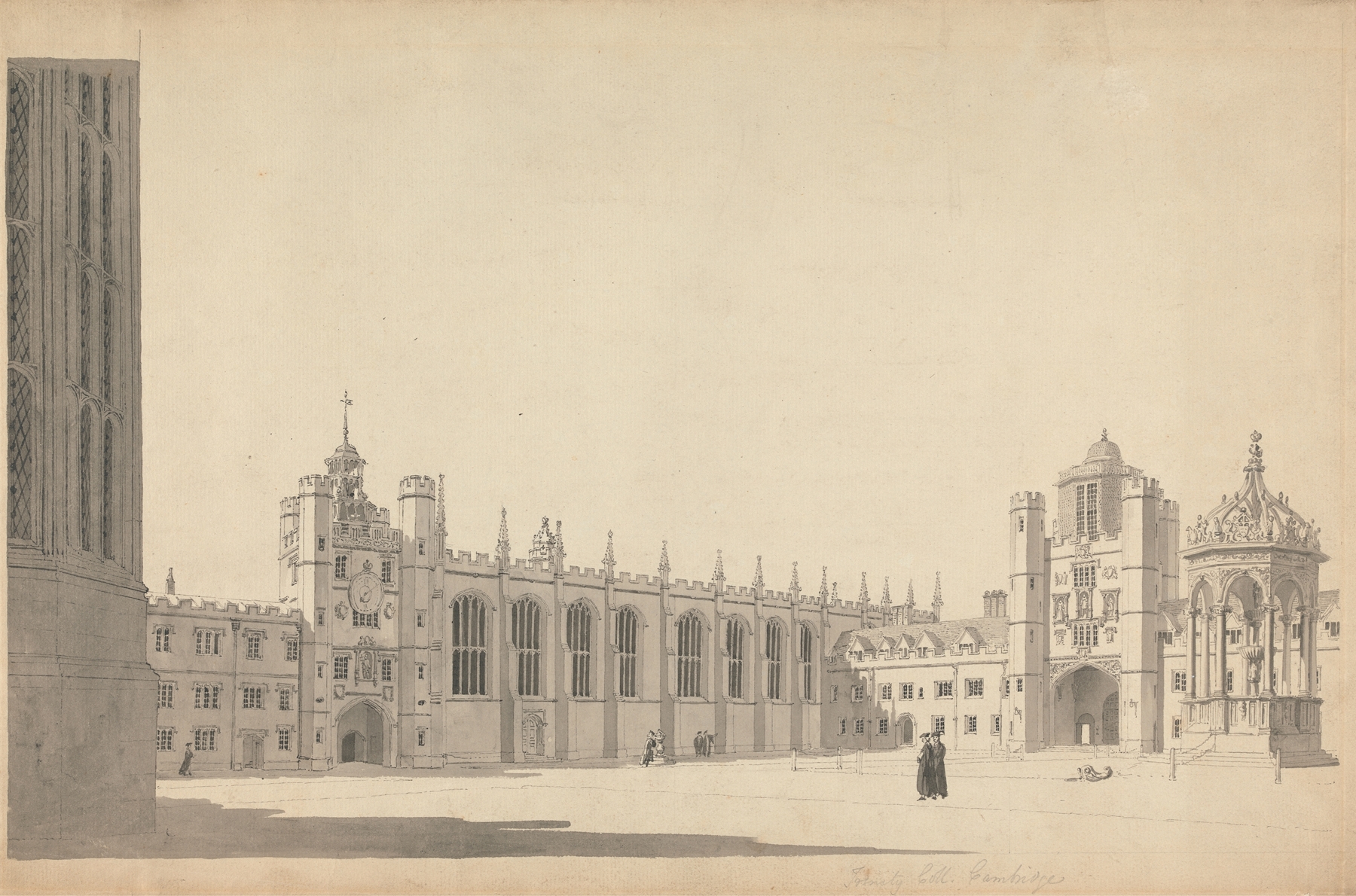
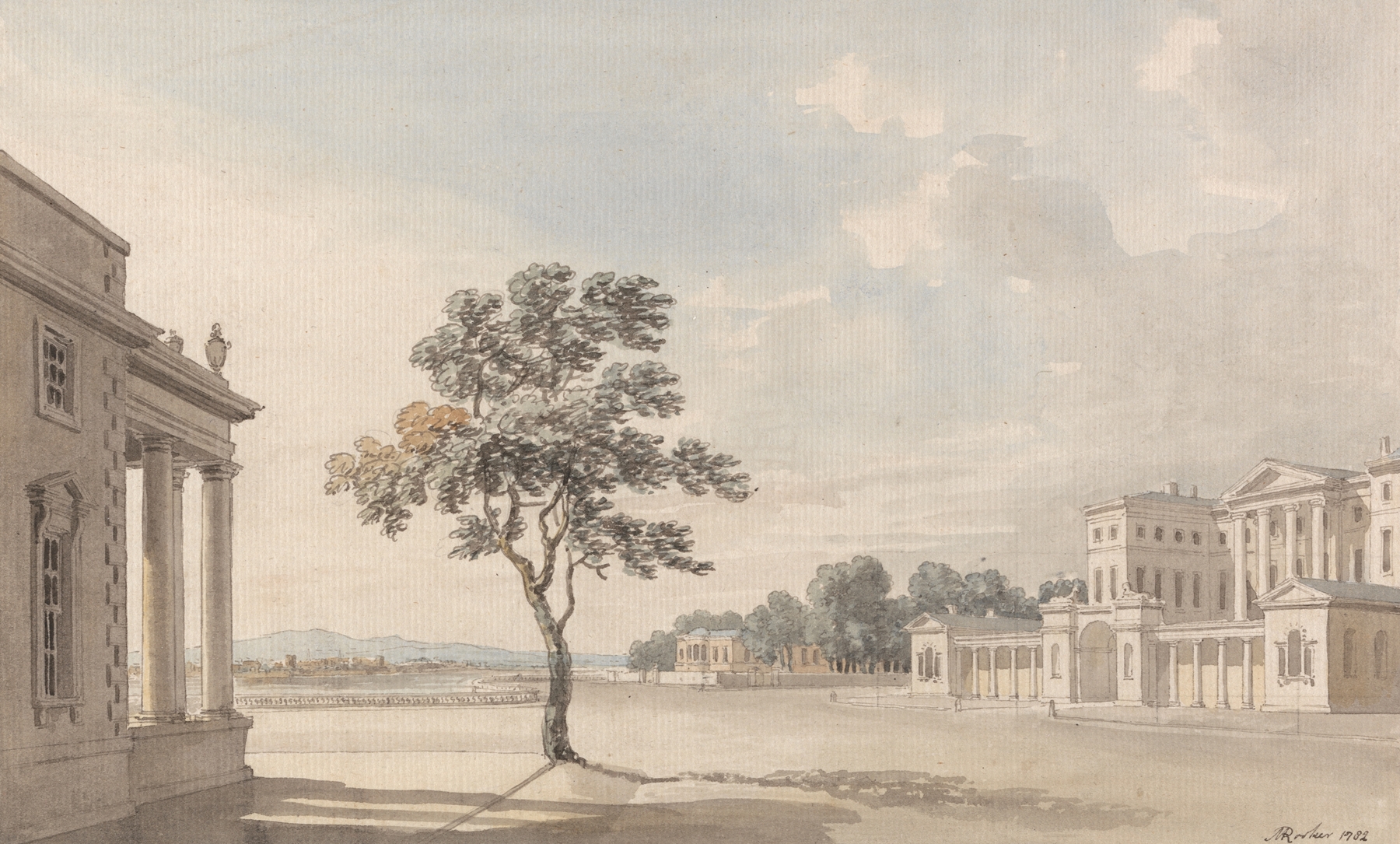
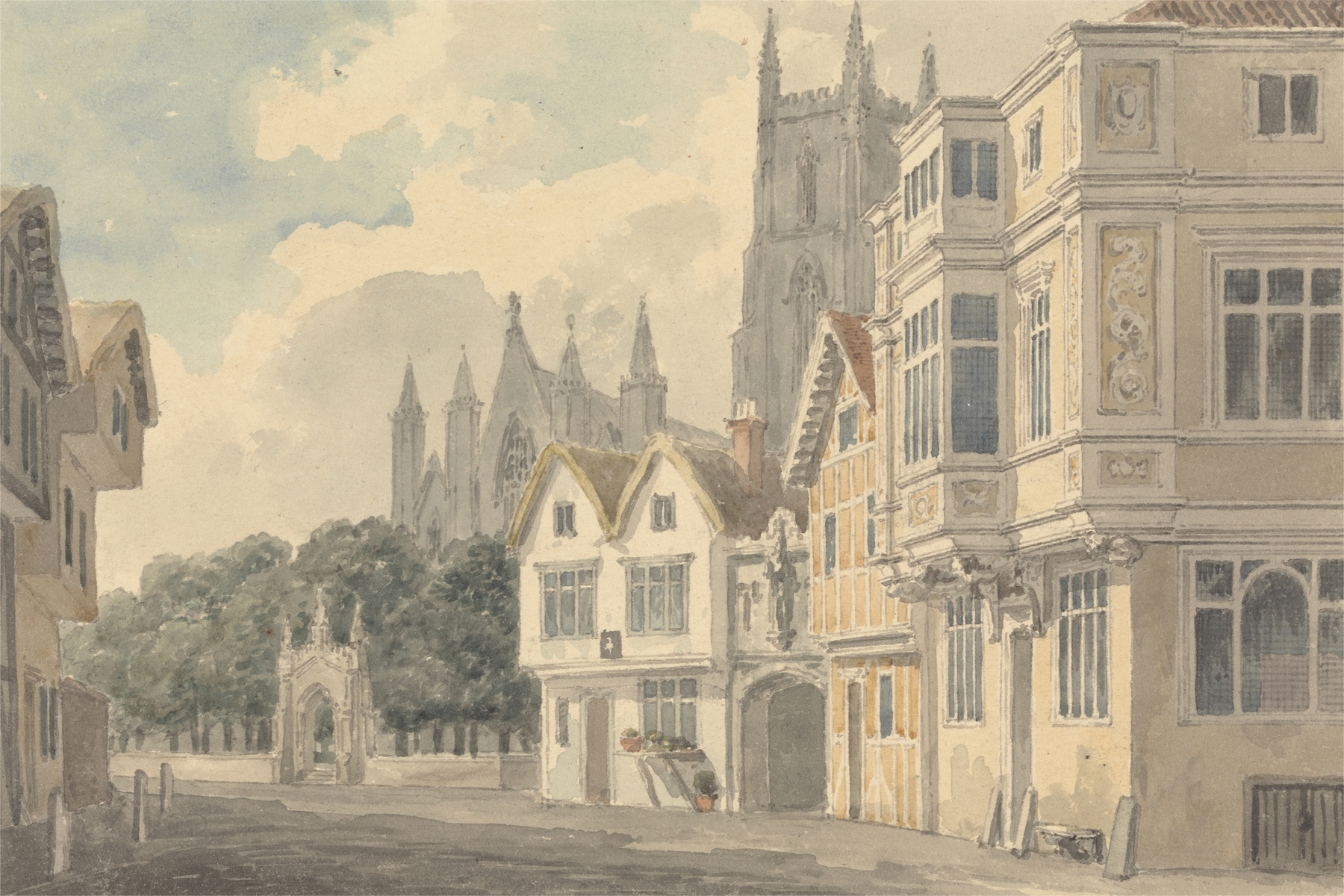
Is this a mirror — or a memory? The canvas captures the essence of a moment suspended in time, where the past and present intertwine, leaving the viewer to ponder the nature of remembrance. Look to the foreground, where a tranquil river winds its way through a serene landscape. Notice how the light dances off the water’s surface, creating a shimmering reflection of the lush trees and quaint buildings lining the bank. The gentle hues of green and blue evoke a sense of peace, while the soft strokes suggest a delicate harmony between nature and architecture.
The composition leads the eye along the river, drawing it toward a hidden depth that invites introspection. Yet, beneath this idyllic serenity lies a poignant contrast. The juxtaposition of the bright sky against the darker tones in the trees hints at the duality of memory — both luminous and shadowy. In the far distance, the architectural details of Oxford’s spires emerge, representing knowledge and history, yet they seem to fade into the mist, blurring the line between clarity and forgetfulness.
Each brushstroke whispers of stories untold, urging one to reflect on the passage of time and the fragility of recollection. Created during a period of artistic transition in England, this work emerged amidst the Romantic movement’s embrace of nature and emotional depth. Rooker, who painted this view, was deeply influenced by the beauty of his surroundings, seeking to capture the essence of the British landscape. As he worked, the world was evolving, moving toward a greater appreciation for the profound connections between art, memory, and identity.