A Wall, Nassau — History & Analysis
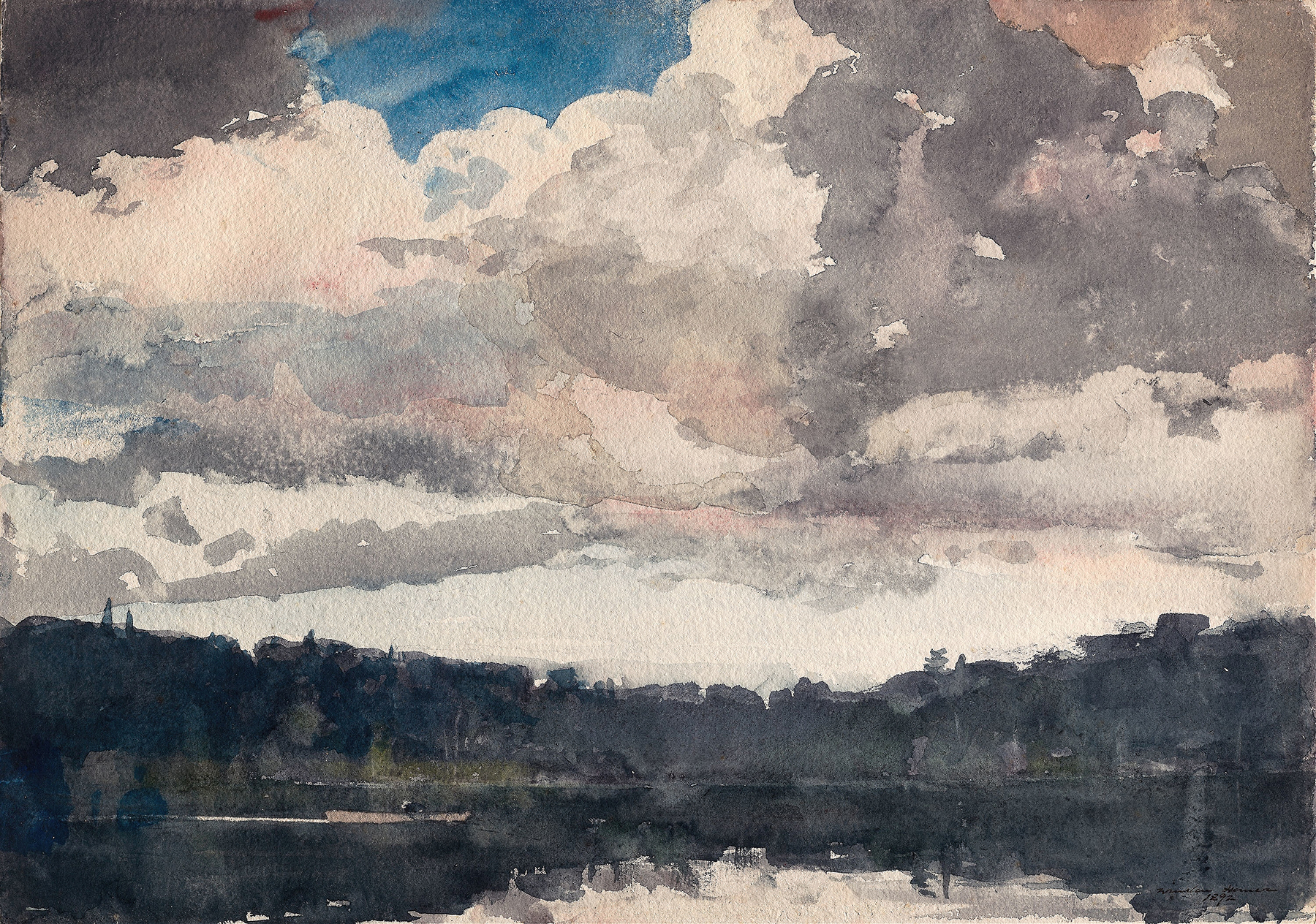
“Between color and silence, truth hides.” In the stillness of a moment, a boundary stands, hinting at both separation and connection. It begs the question of what lies beyond, teetering on the edge of the known and the unknown, whispering stories of transcendence and human experience. Look to the foreground where the textured wall meets the soft ground, each brushstroke revealing the artist’s hand. The muted earth tones meld seamlessly with patches of vibrant color, reflecting the lushness of the natural world beyond. Notice how the light plays on the surface, creating depth and a sense of weight.
The composition invites the viewer’s gaze upwards along the wall, creating a visual journey that draws us into the scene without revealing its secrets. Hidden within the surface are contrasts that pulse with emotional weight. The rough, natural texture of the wall suggests resilience, a barrier that defines space yet simultaneously offers a sense of permanence. In juxtaposition, the delicate play of light and shadow evokes a transient quality, hinting at fleeting moments of clarity amid the complexities of life.
This interplay prompts reflections on isolation and connection, urging viewers to consider what we build to separate ourselves from the world and what beckons us to transcend those boundaries. Winslow Homer created this work in 1898 during a period when he was immersing himself in the coastal landscapes of the Northeast. At this time, he was known for his depictions of nature and the human condition, capturing moments that resonate with emotional depth. The world of art was shifting, and he was carving his niche, blending realism with an almost poetic sensibility, seeking to express the profound in the everyday.