A Windjammer At Anchor — History & Analysis
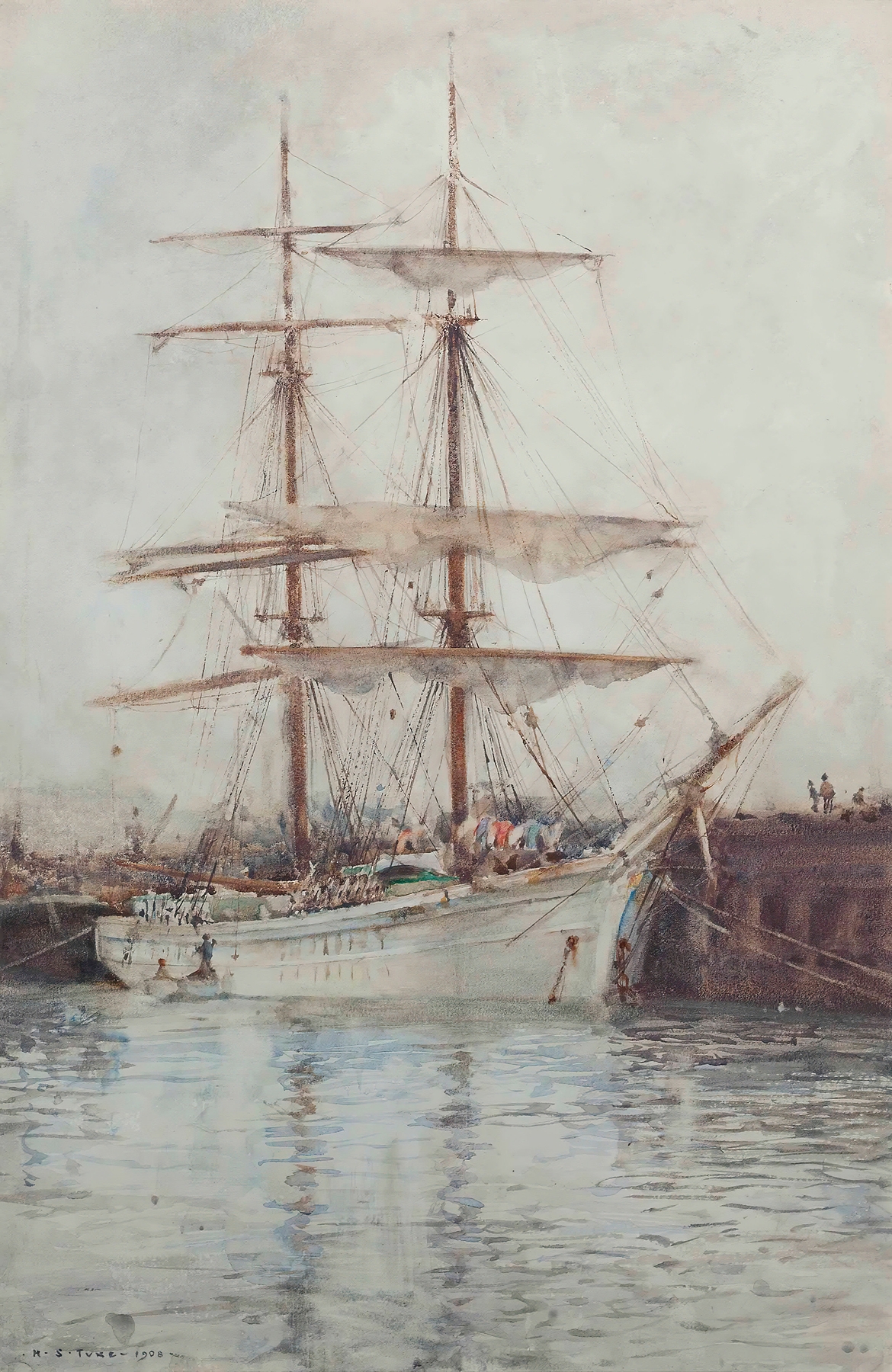
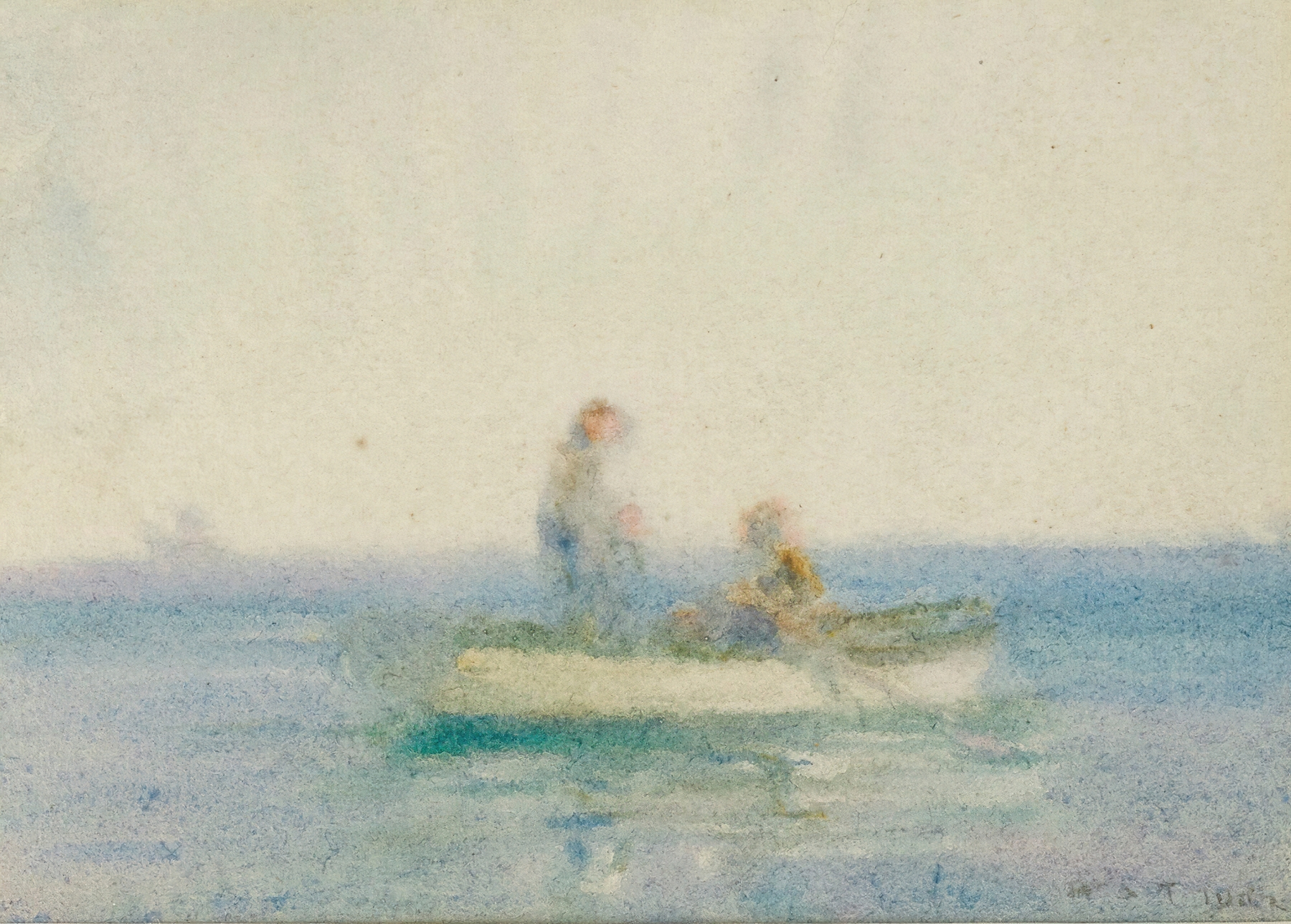
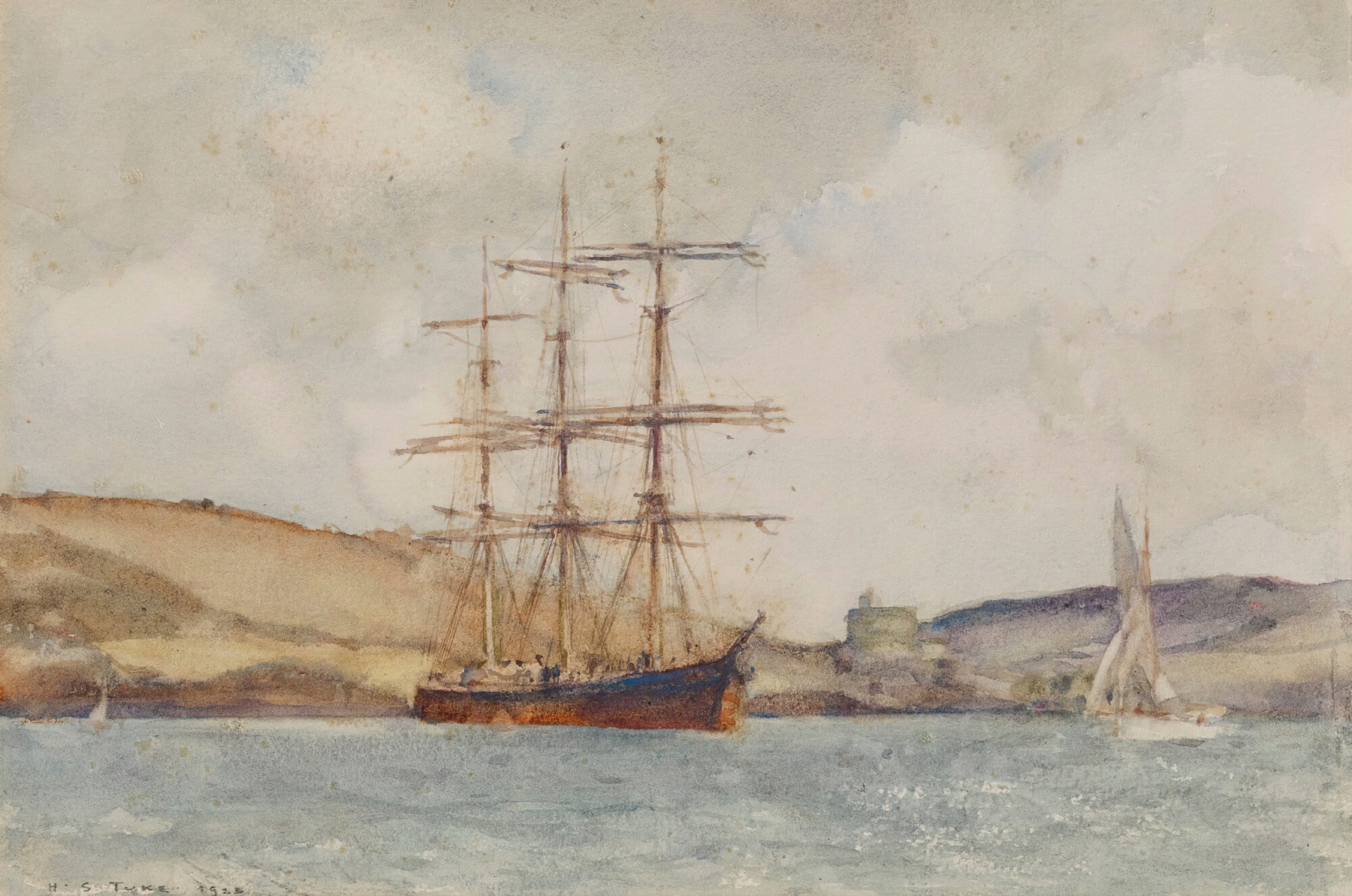
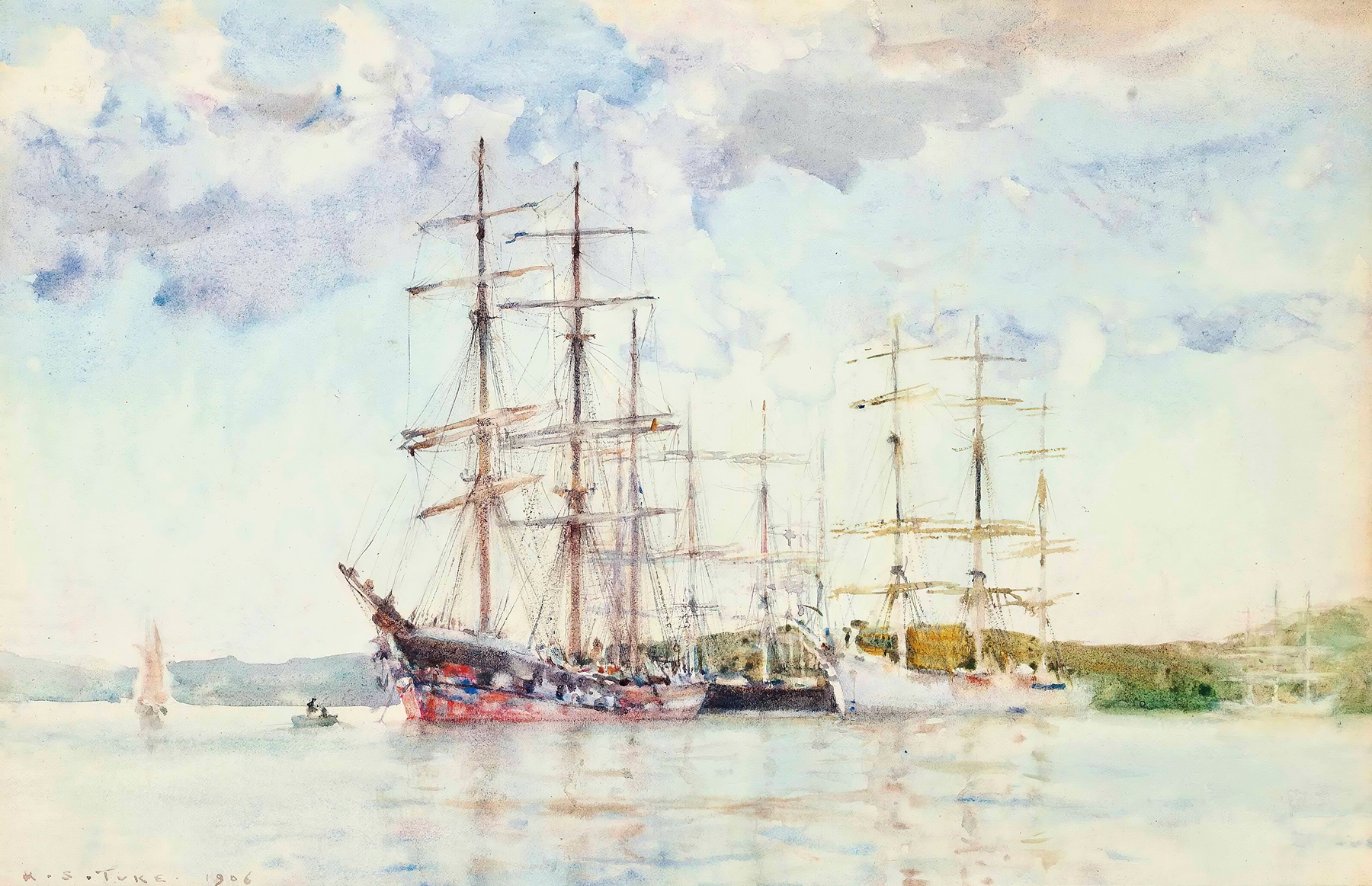
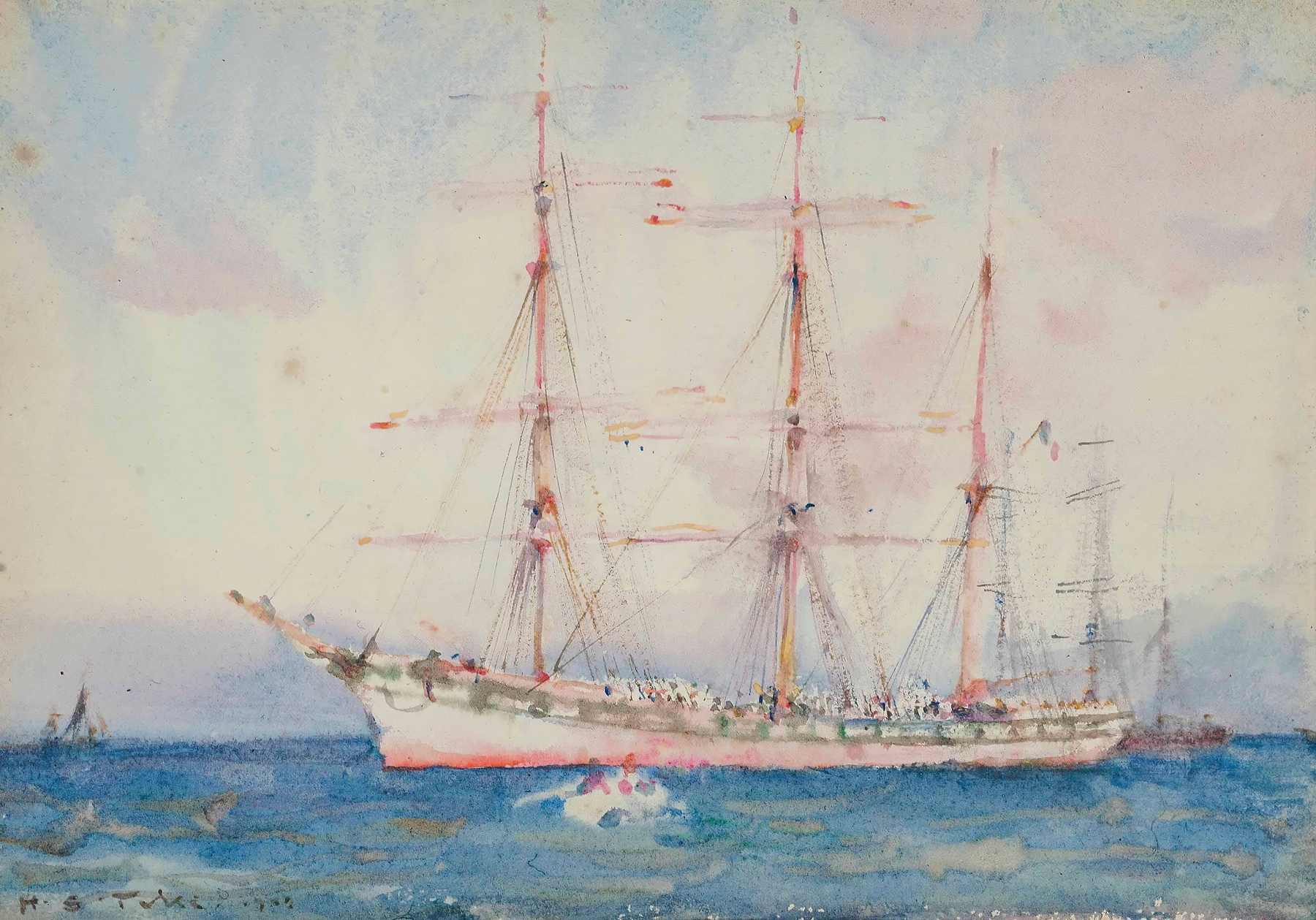
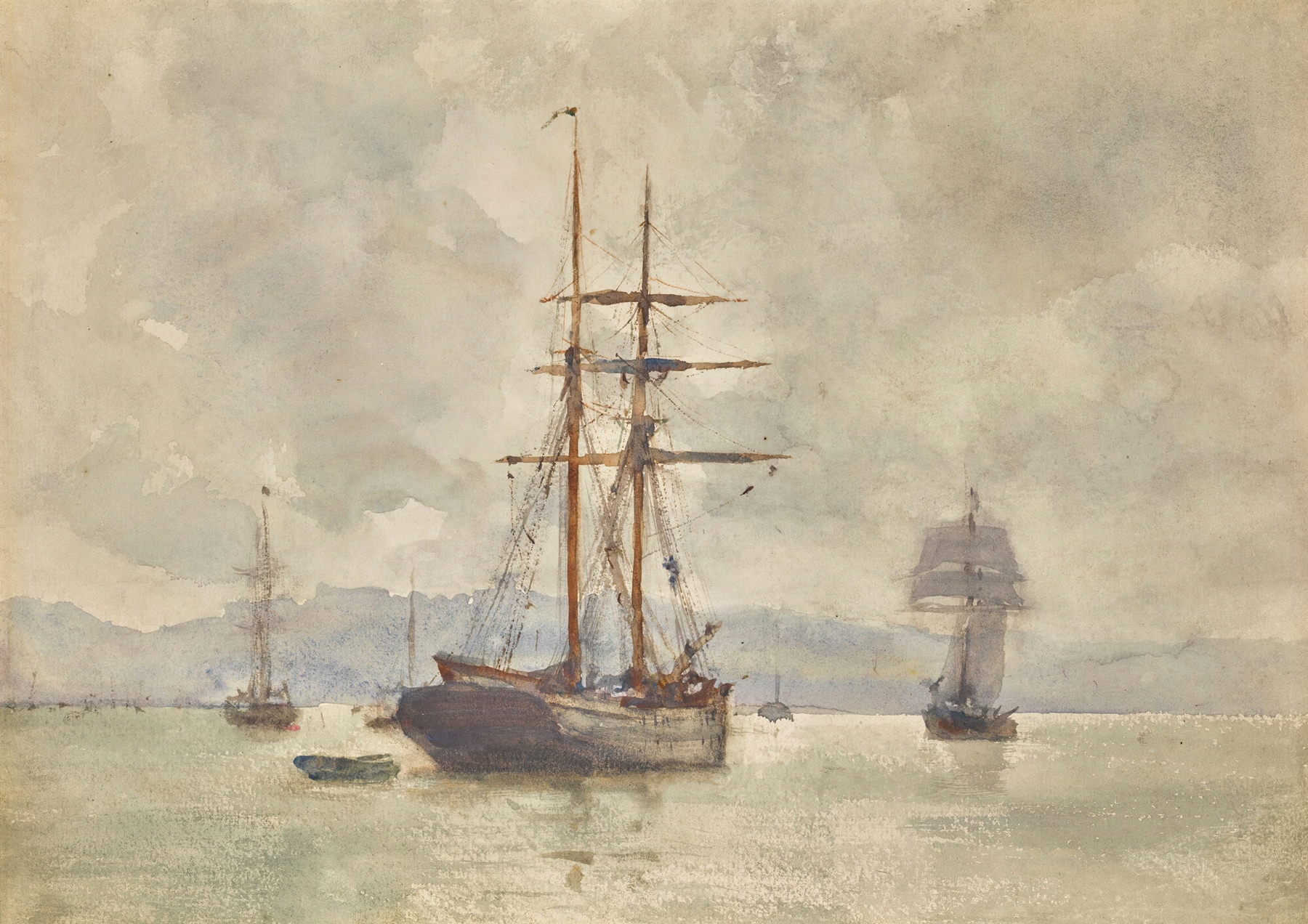
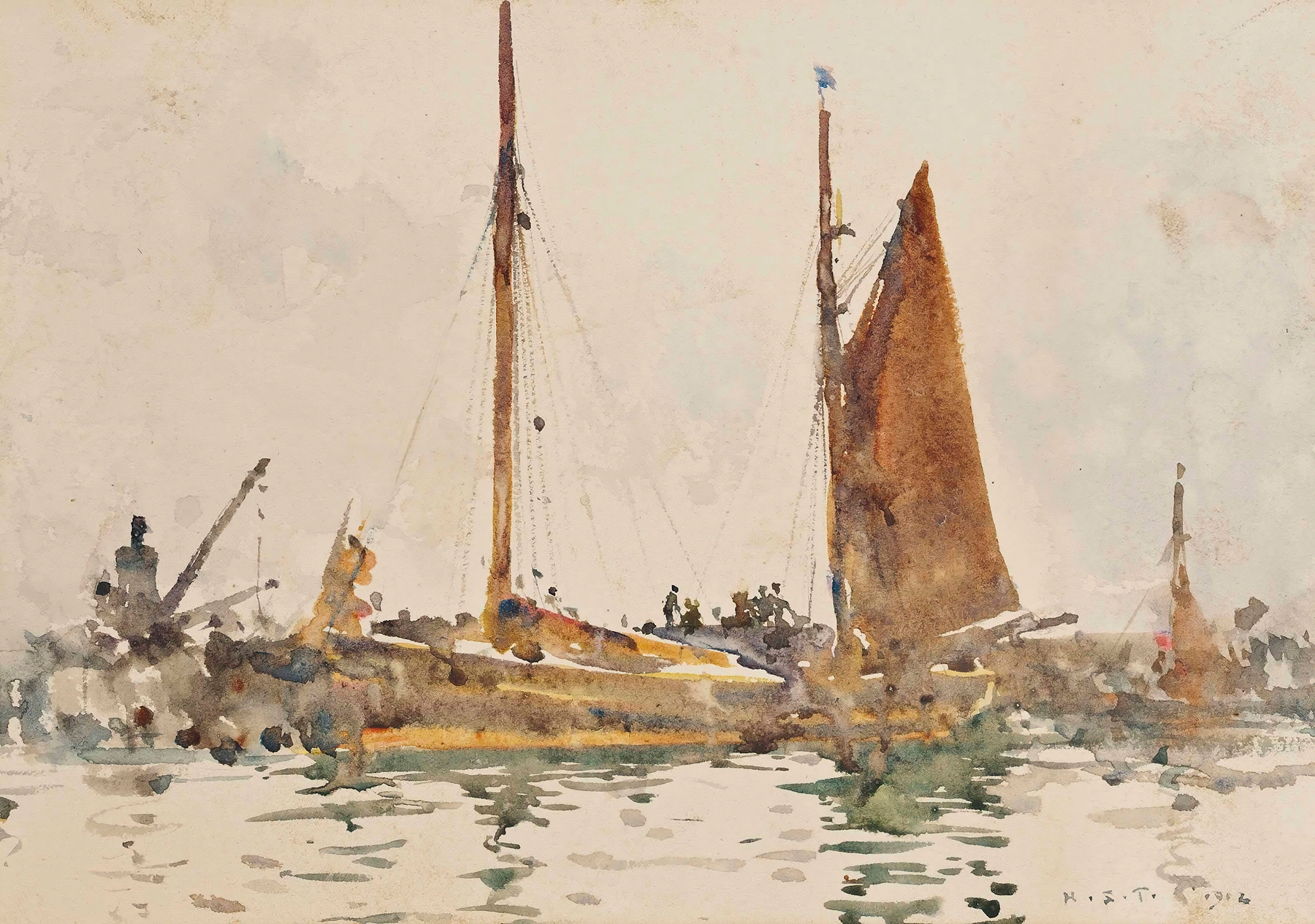
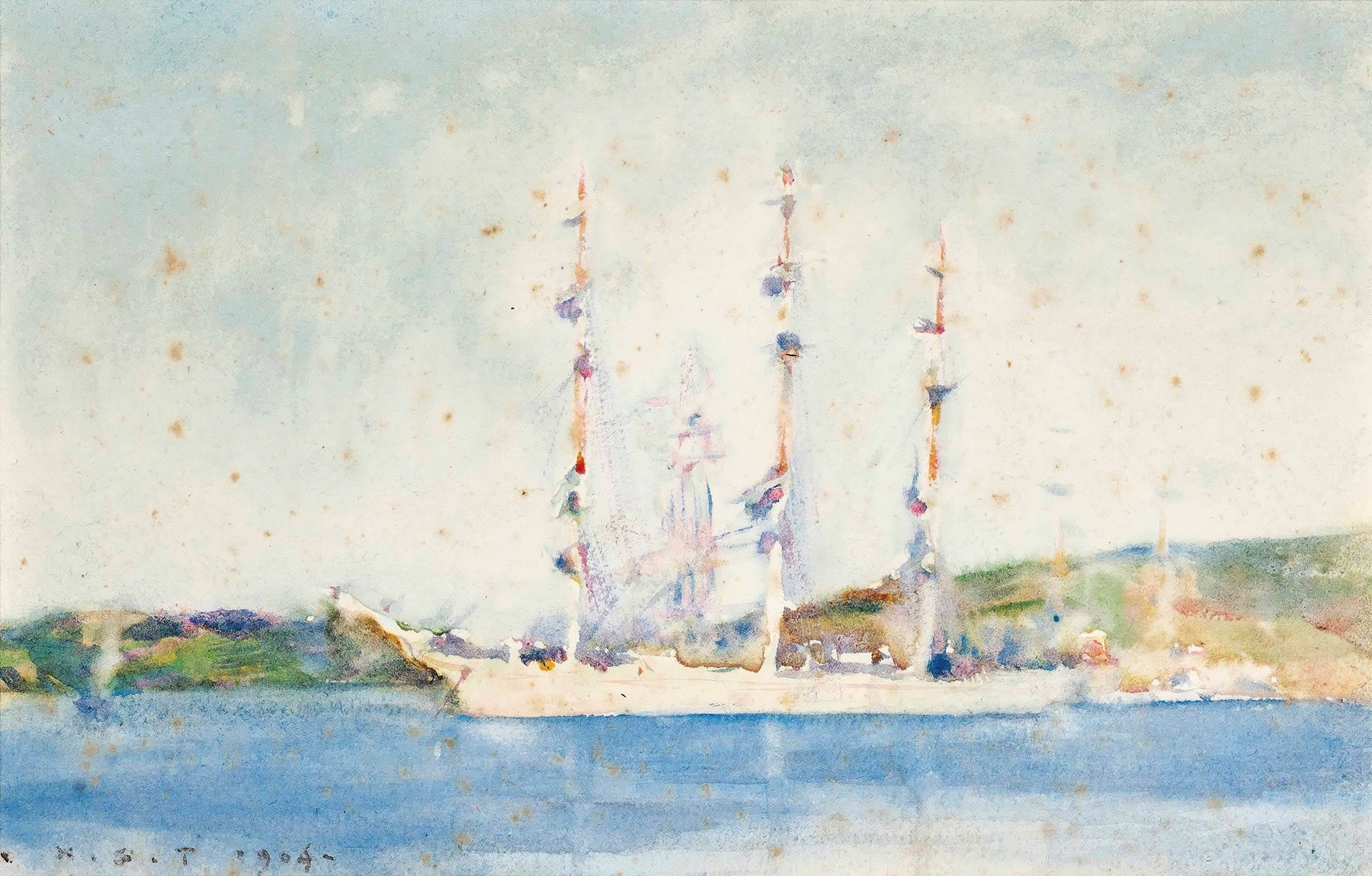
Who listens when art speaks of silence? In A Windjammer At Anchor, we find ourselves enveloped in a tranquil dreamscape that invites reflection and contemplation. Look to the horizon, where a majestic windjammer rests still against the shimmering blue of the sea. The ship’s sails, unfurled yet motionless, catch the golden light of the setting sun, casting an ethereal glow across the water's surface.
Notice the soft brushstrokes that define not only the vessel but also the gentle waves lapping against its hull, blurring the lines between reality and reverie. The warm palette of ochres and deep blues enhances the serenity of the scene, inviting the viewer to linger in this peaceful moment. Delve deeper into the subtle interplay of light and shadow, revealing the tension between stillness and the natural world. The contrast of the solid ship against the fluidity of the water suggests the fragility of human endeavors amidst nature's vastness.
Tiny details, like the reflections dancing on the water's surface or the wisps of clouds above, further evoke a sense of longing and tranquility, reminding us of the transient beauty of life itself. Henry Scott Tuke painted A Windjammer At Anchor in 1904 while living in Falmouth, England. During this period, Tuke was immersed in the artistic revival of marine painting, capturing the essence of maritime life through his unique blend of Impressionism and realism. His works often reflected both his deep love for the sea and his pursuit of capturing light in all its forms, a hallmark of his artistic evolution.