Windjammers At Anchor In Carrick Roads — History & Analysis
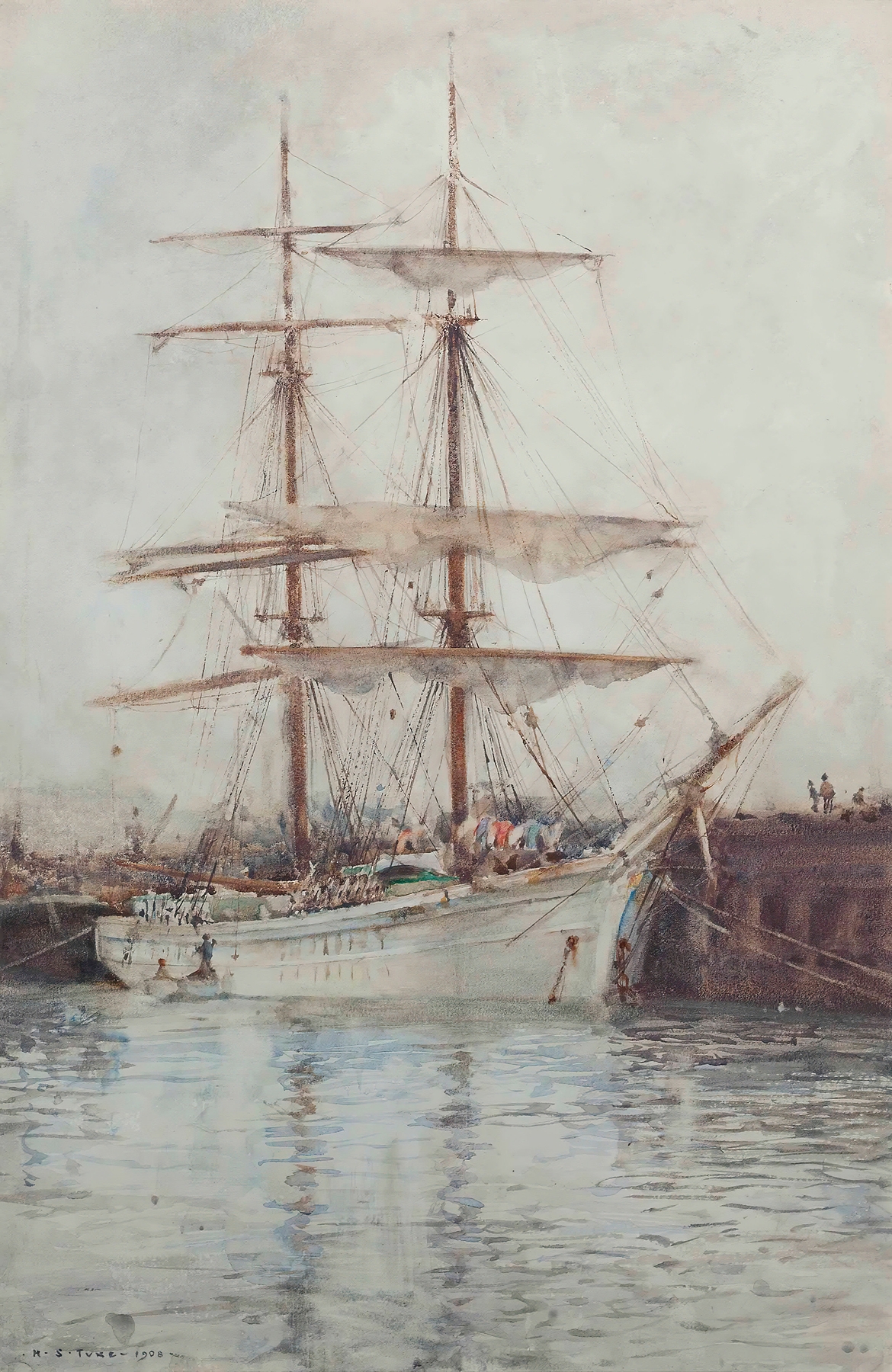
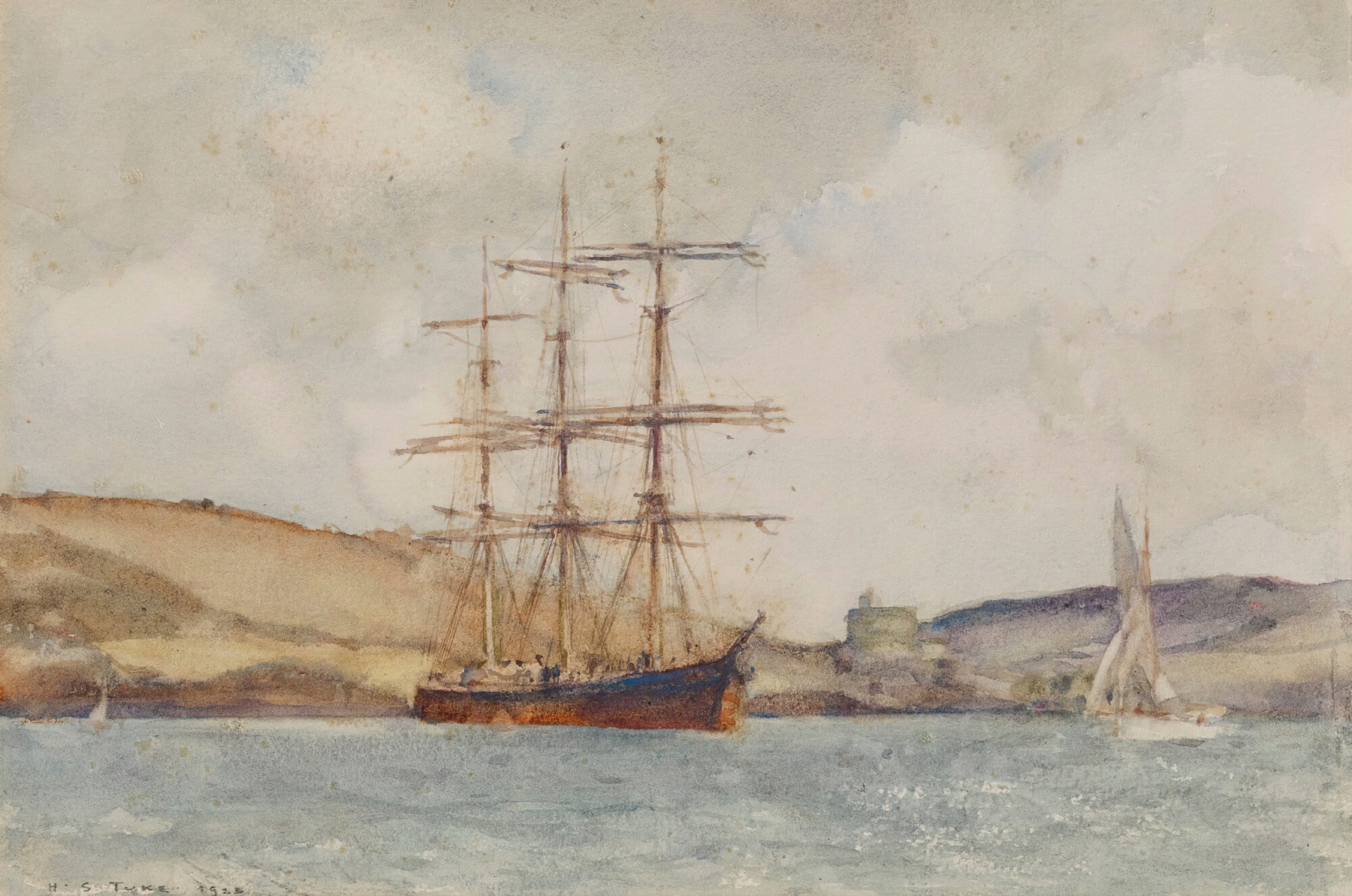
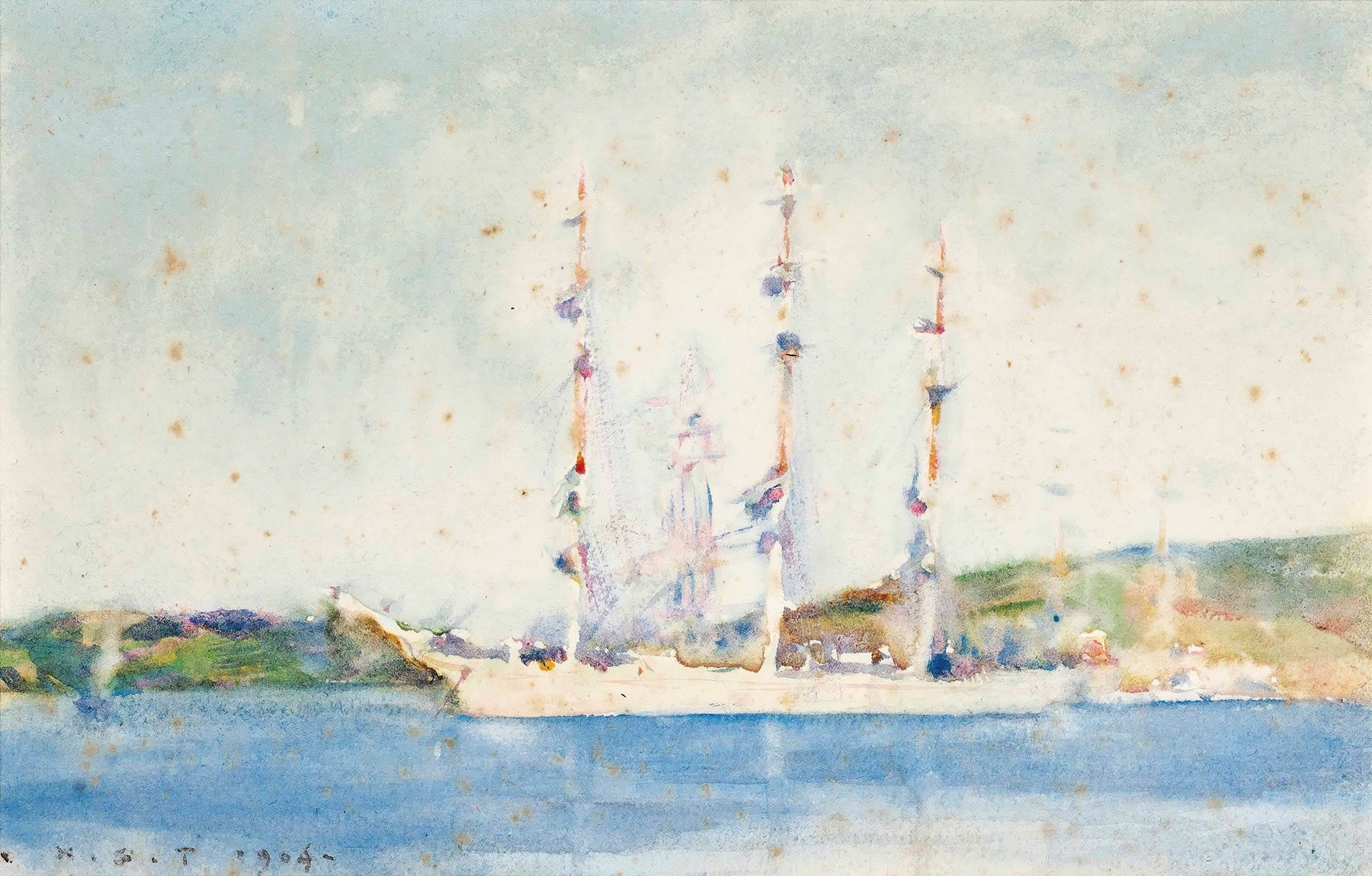
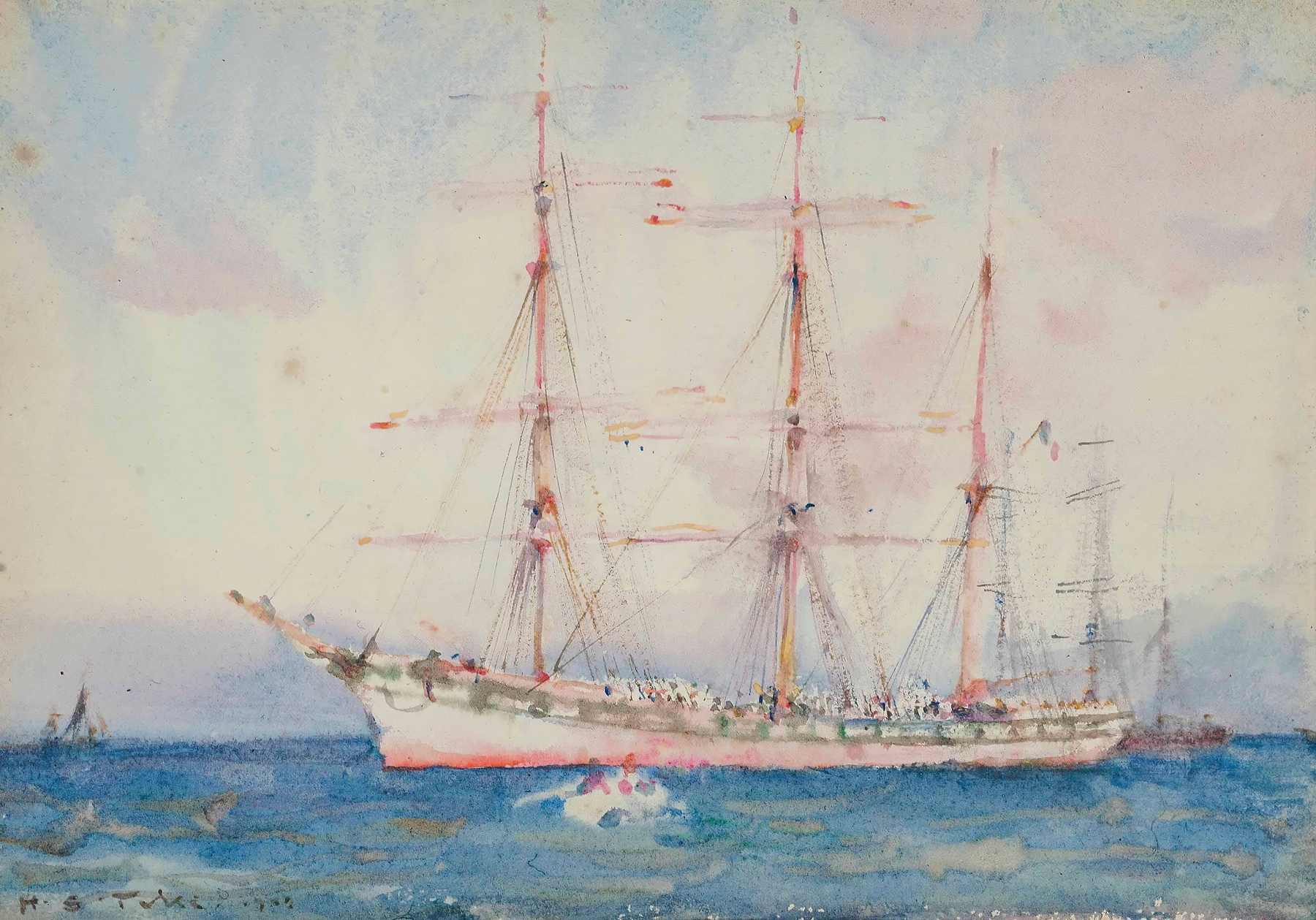
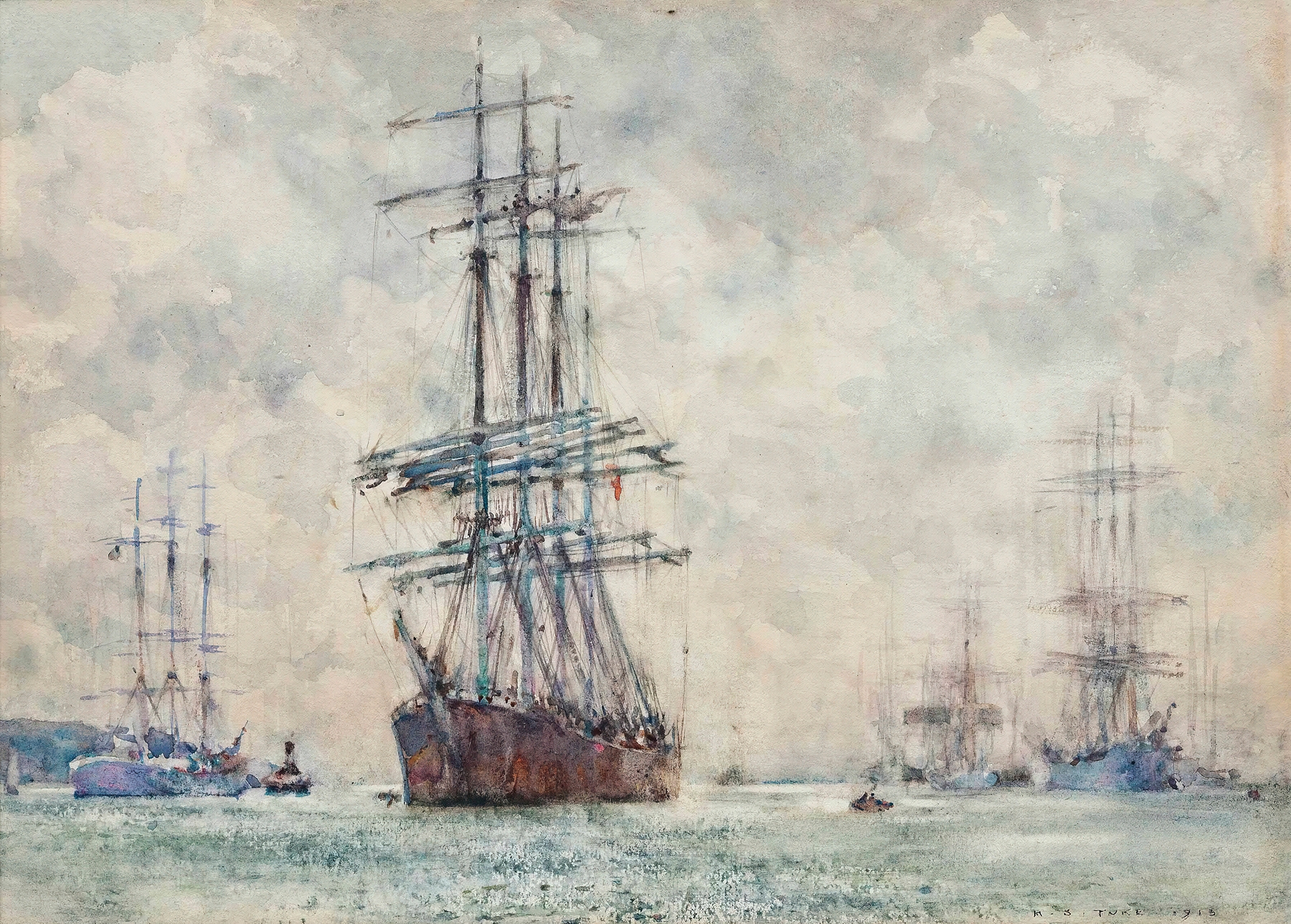
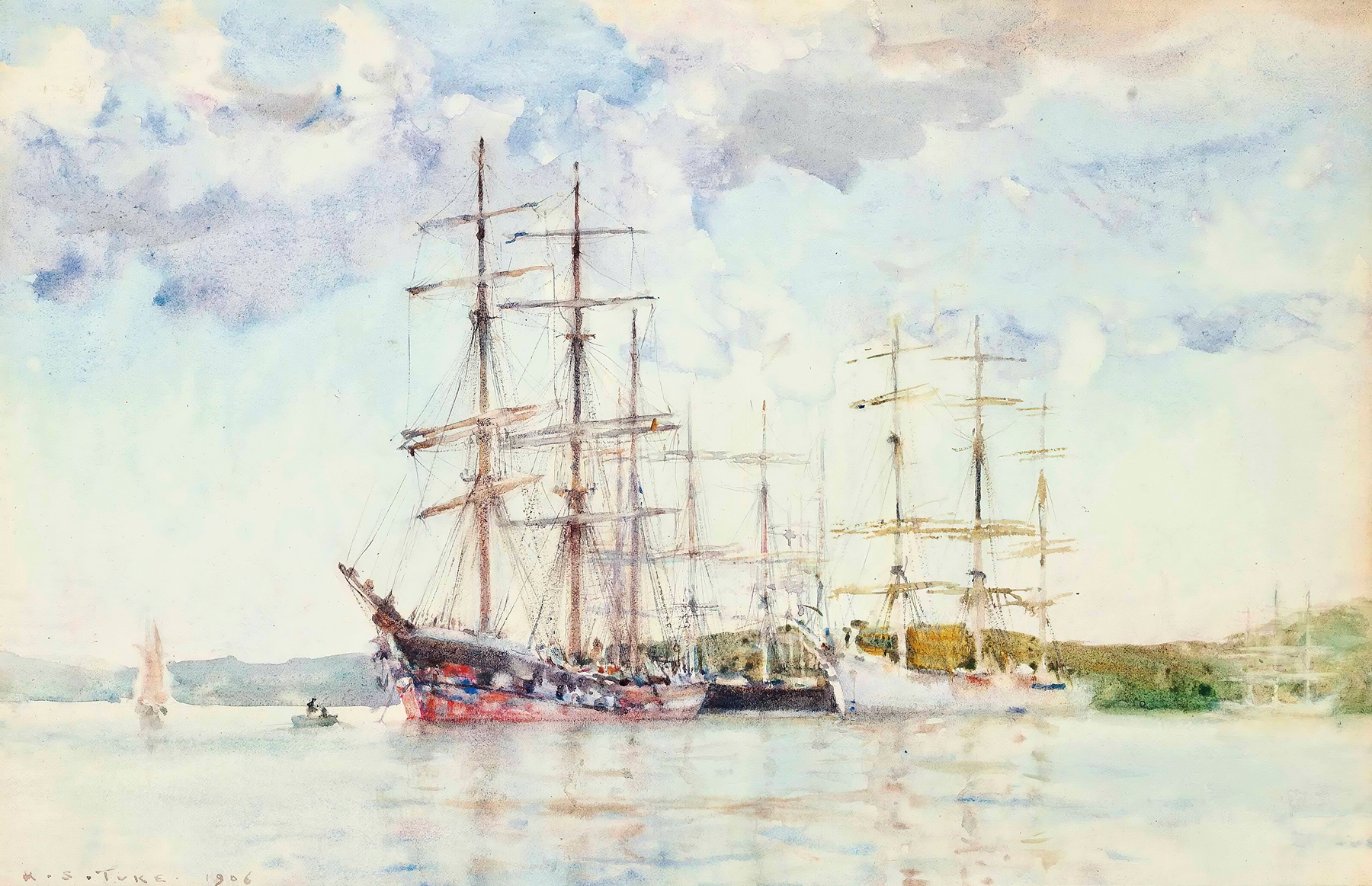
“Sometimes beauty is just pain, disguised in gold.” The shimmering sails of Windjammers At Anchor In Carrick Roads whisper a tale of fleeting moments and the aching stillness of desire. Look to the right at the vibrant hues, where windjammers, their sails billowing as if caught in a moment of breath, create a dynamic contrast against the serene backdrop of the water. The composition balances the boats’ elegant lines with the soft contours of the landscape, guiding your gaze across the canvas. Notice how the light dances upon the sea, each ripple catching the sun’s warmth, embodying a sense of hopeful movement even in their anchored state.
Tuke’s deft brushwork brings texture to the sails, almost inviting you to feel the gentle wind that once filled them. Delve deeper, and you’ll find the tension between vitality and stagnation woven into every detail. The stillness of the boats, moored yet yearning for adventure, reflects the broader human experience of longing and the magnetic pull of the open sea. The contrast between the vibrant colors of the vessels and the muted tones of the horizon suggests not only a moment frozen in time but also the bittersweet nature of aspirations left unfulfilled.
In the summer of 1906, while living in Cornwall, the artist captured this scene at a time when maritime culture was at its peak, and the golden age of sailing was waning. Tuke was deeply influenced by the interplay of light and movement in his surroundings, seeking to immortalize the essence of life at sea. This work showcases his desire to marry technical skill with emotional depth, a reflection of both his personal journey and the artistic currents of his era.