Lowestoft Fishing Boats Moored At Falmouth — History & Analysis
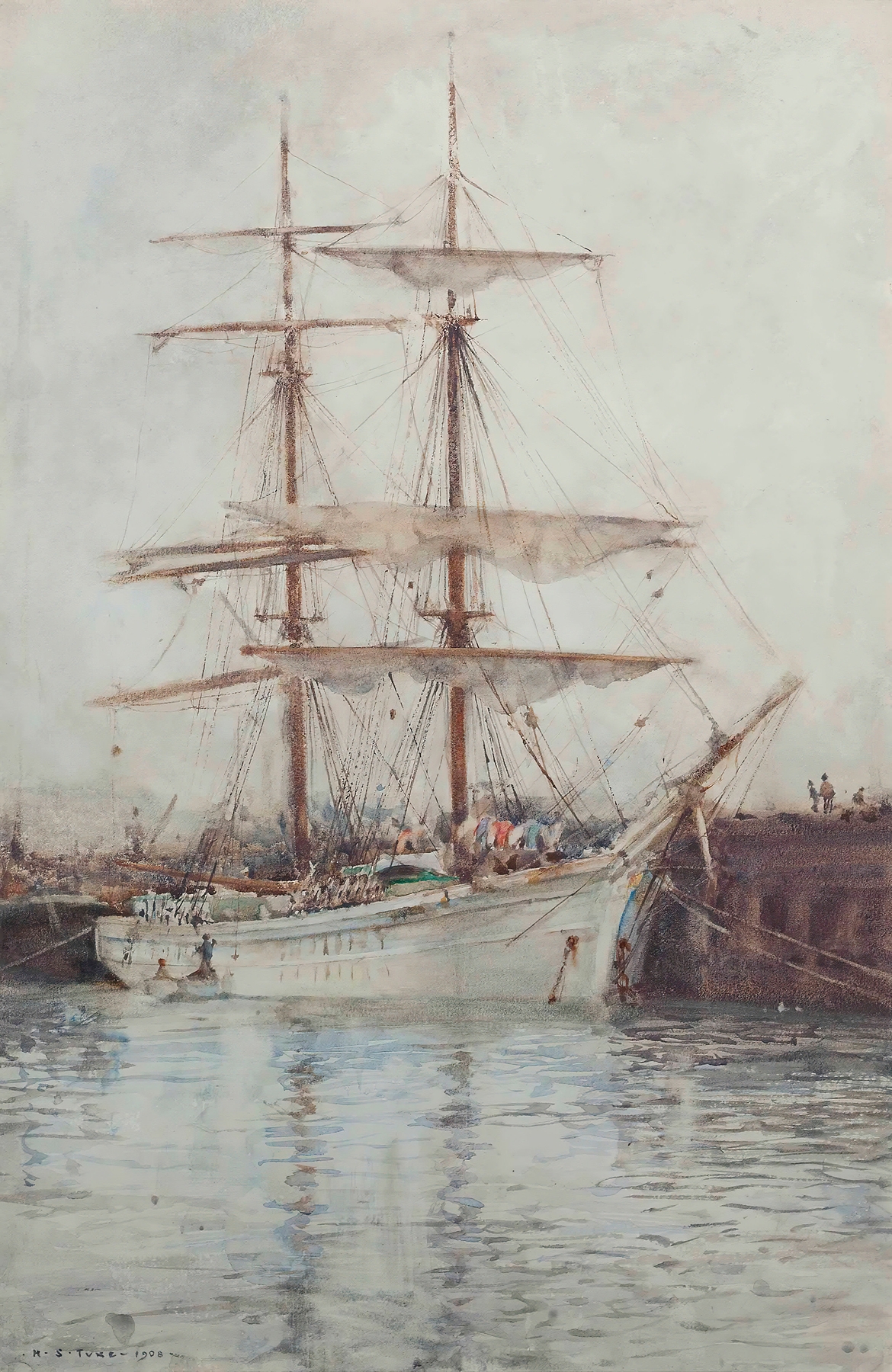
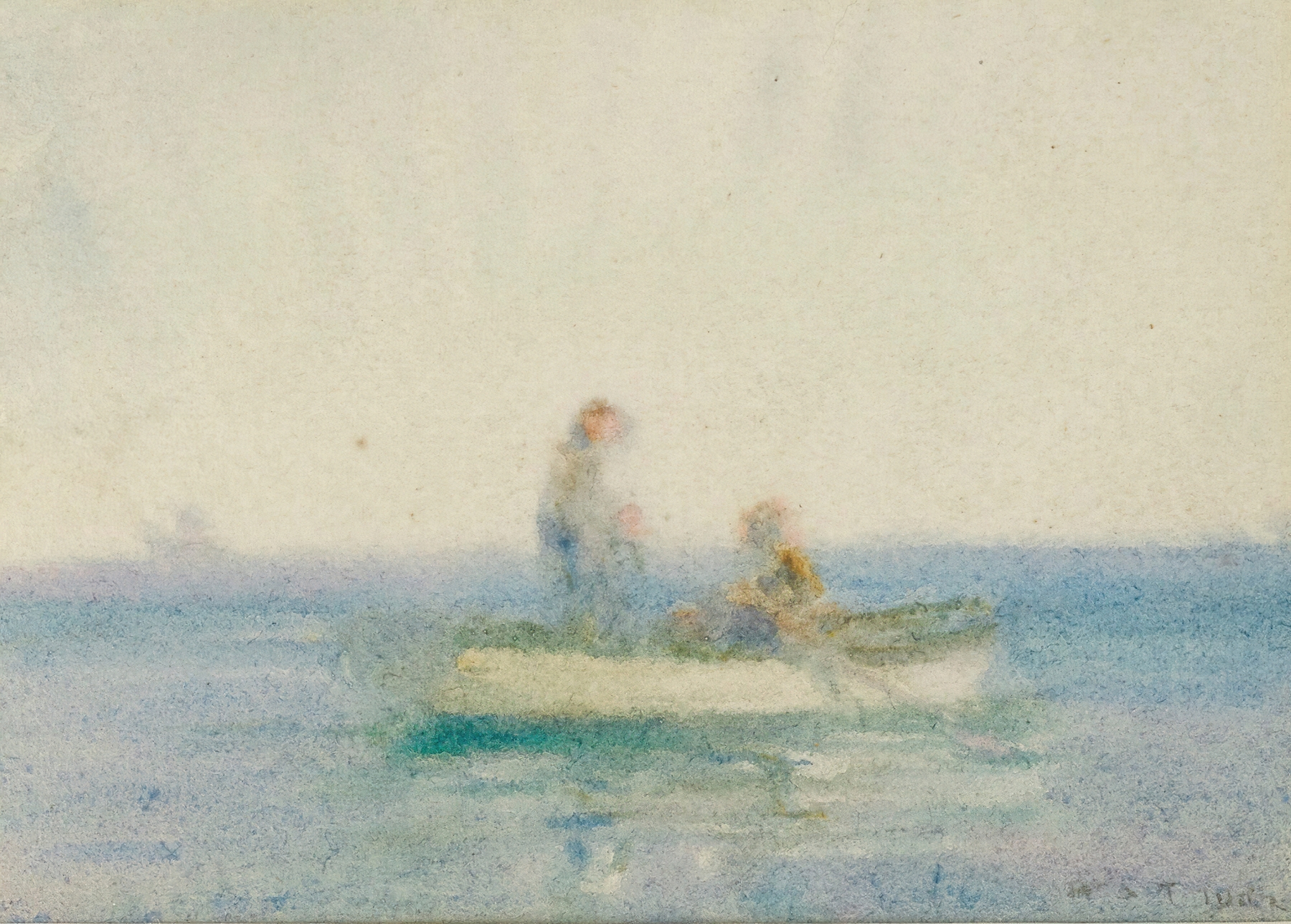
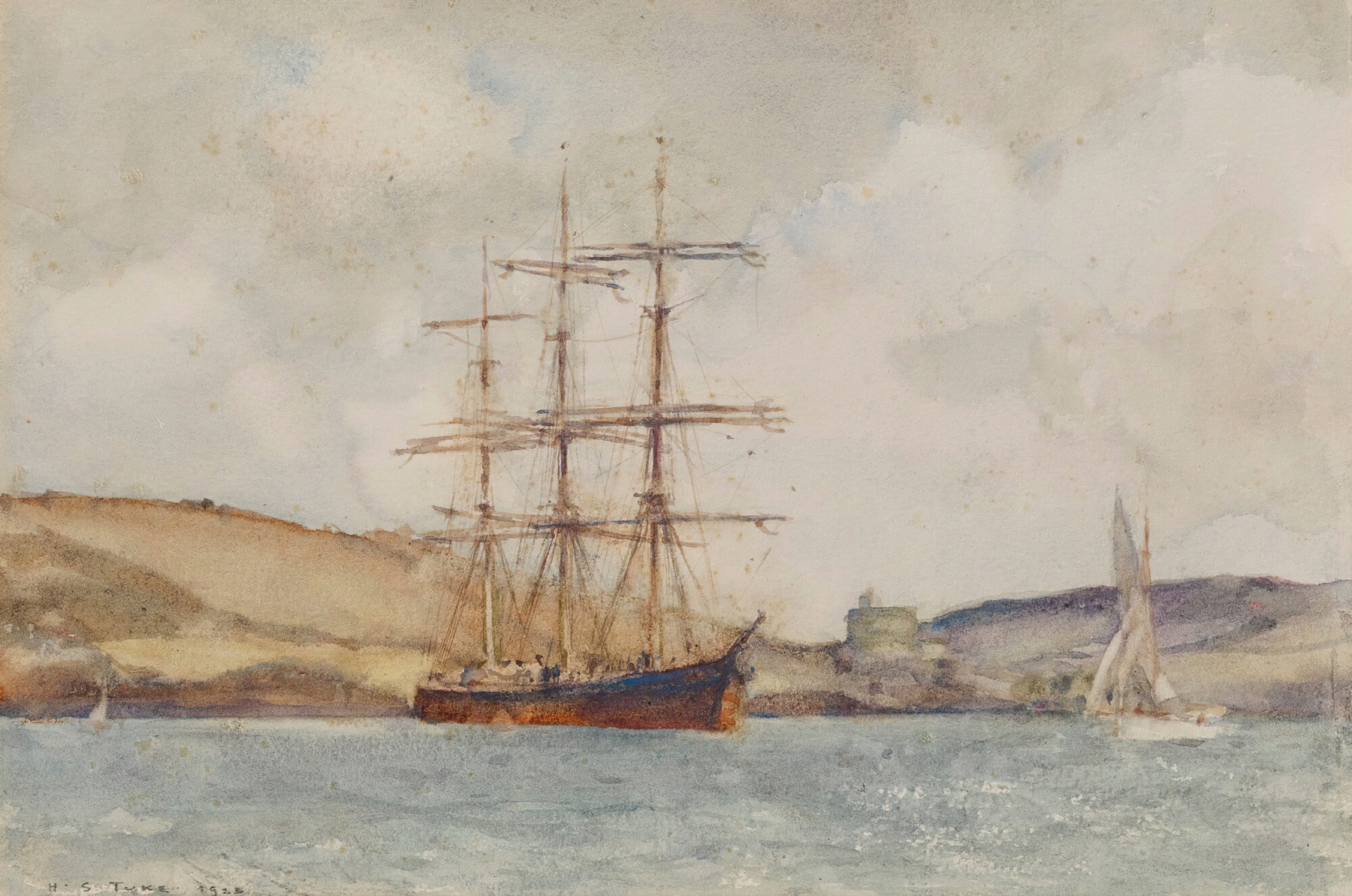
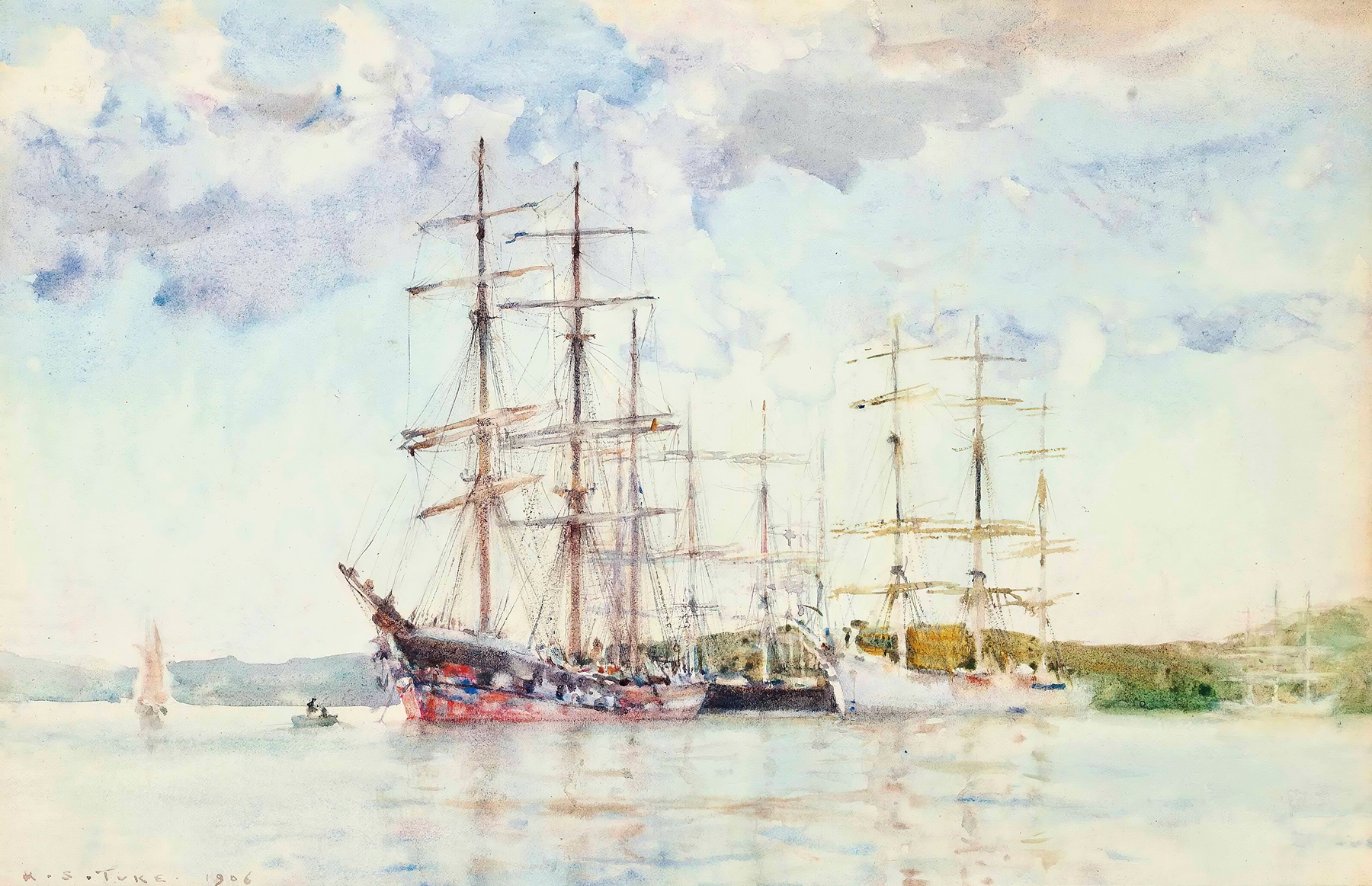
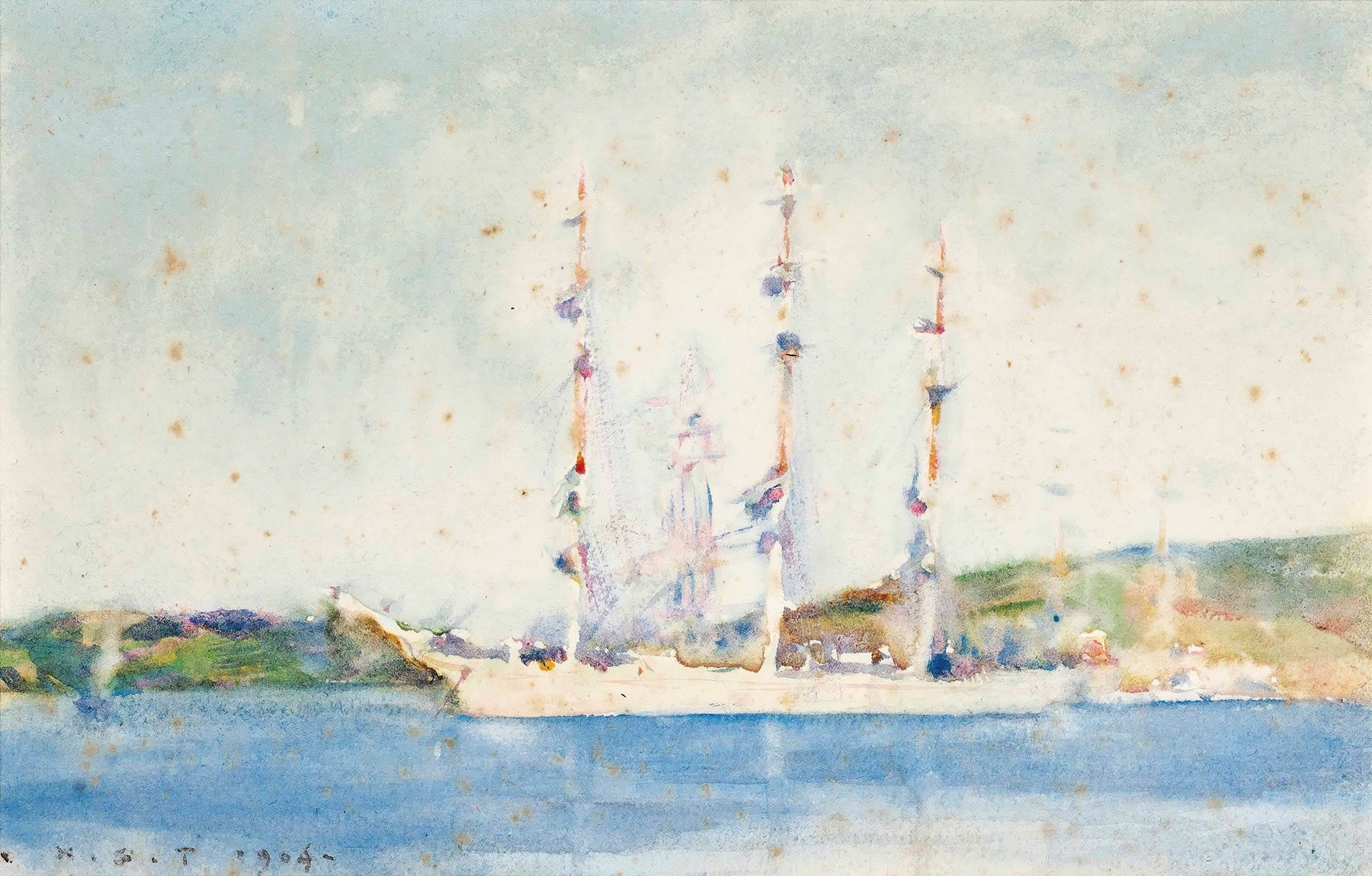
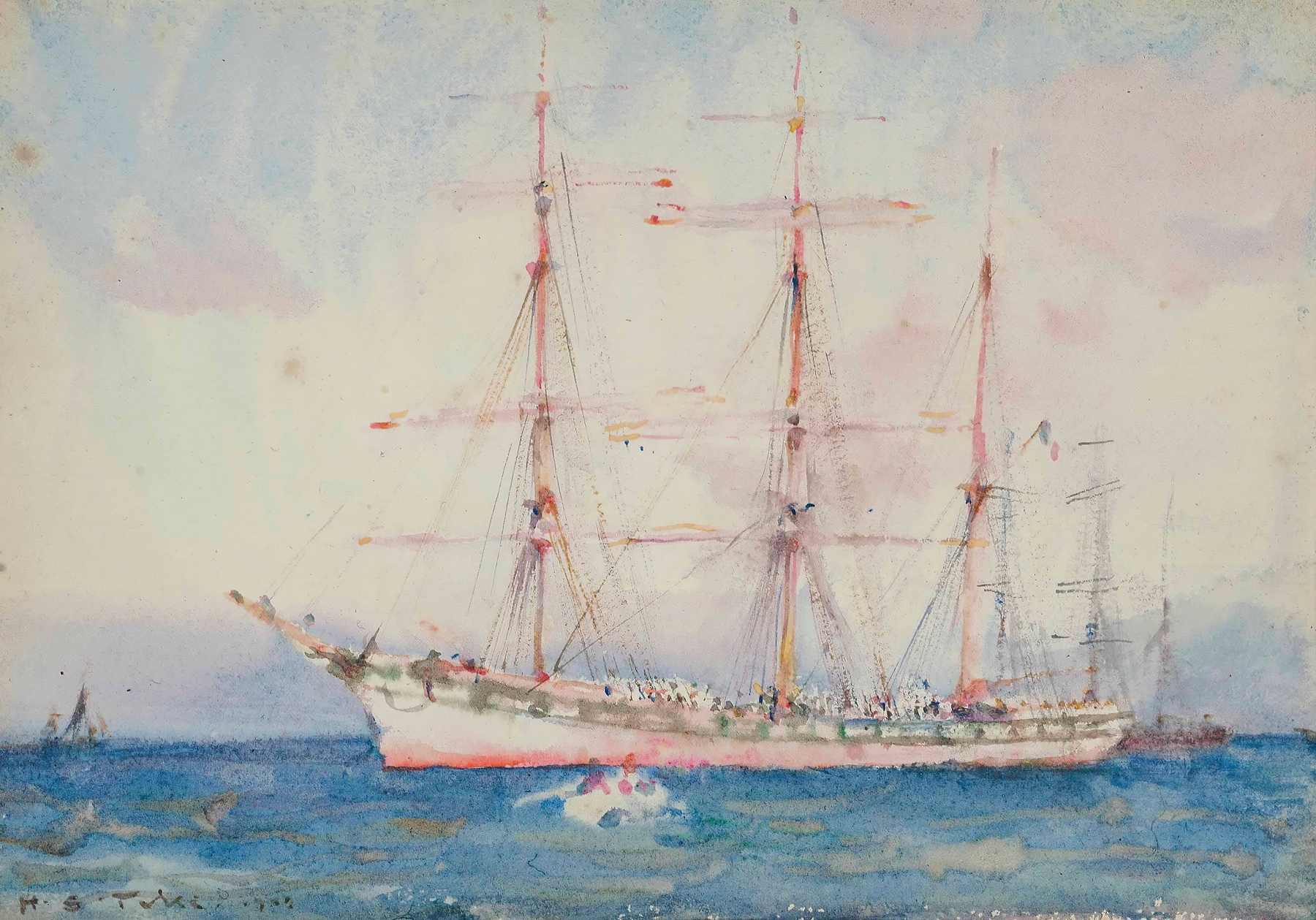
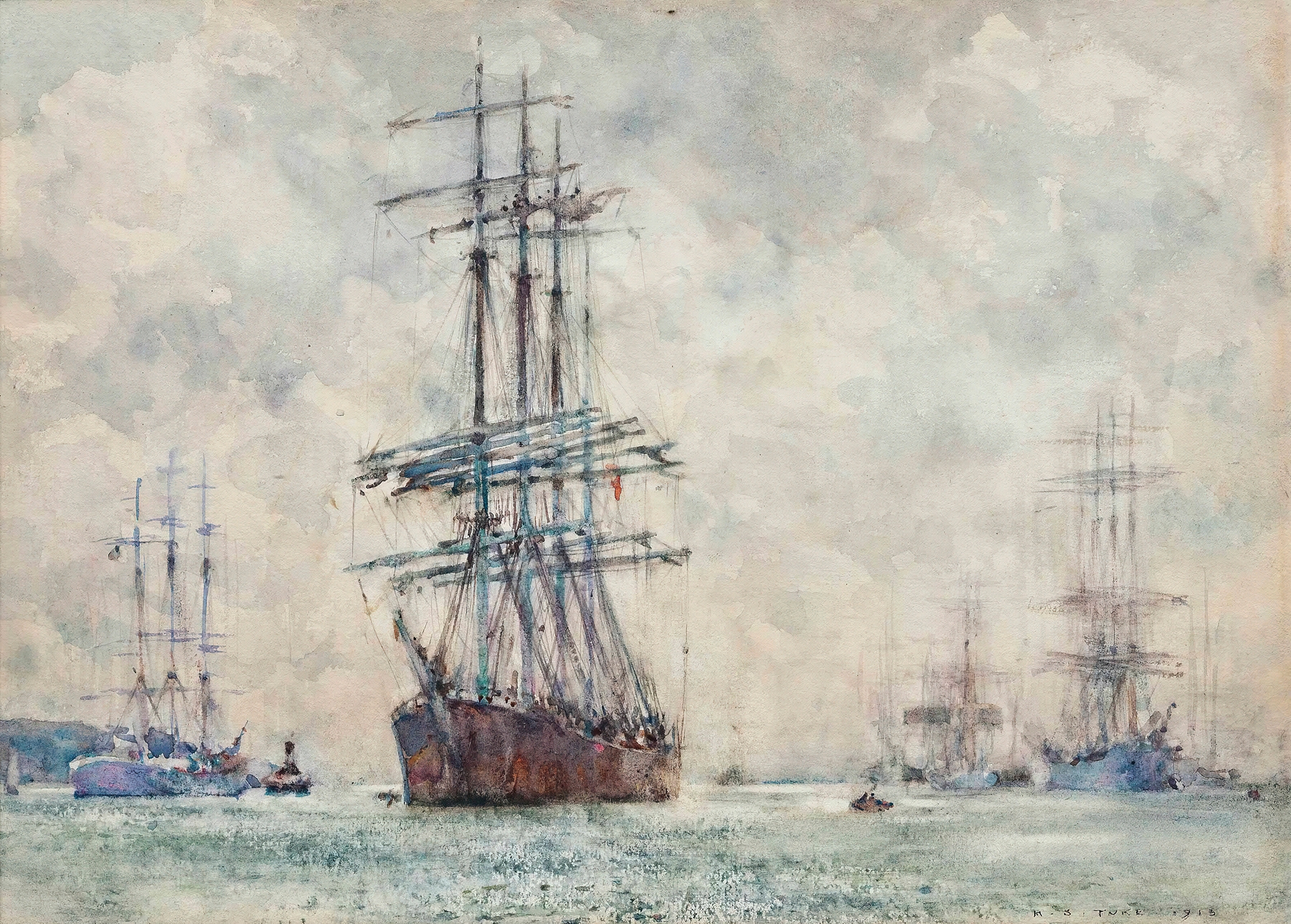
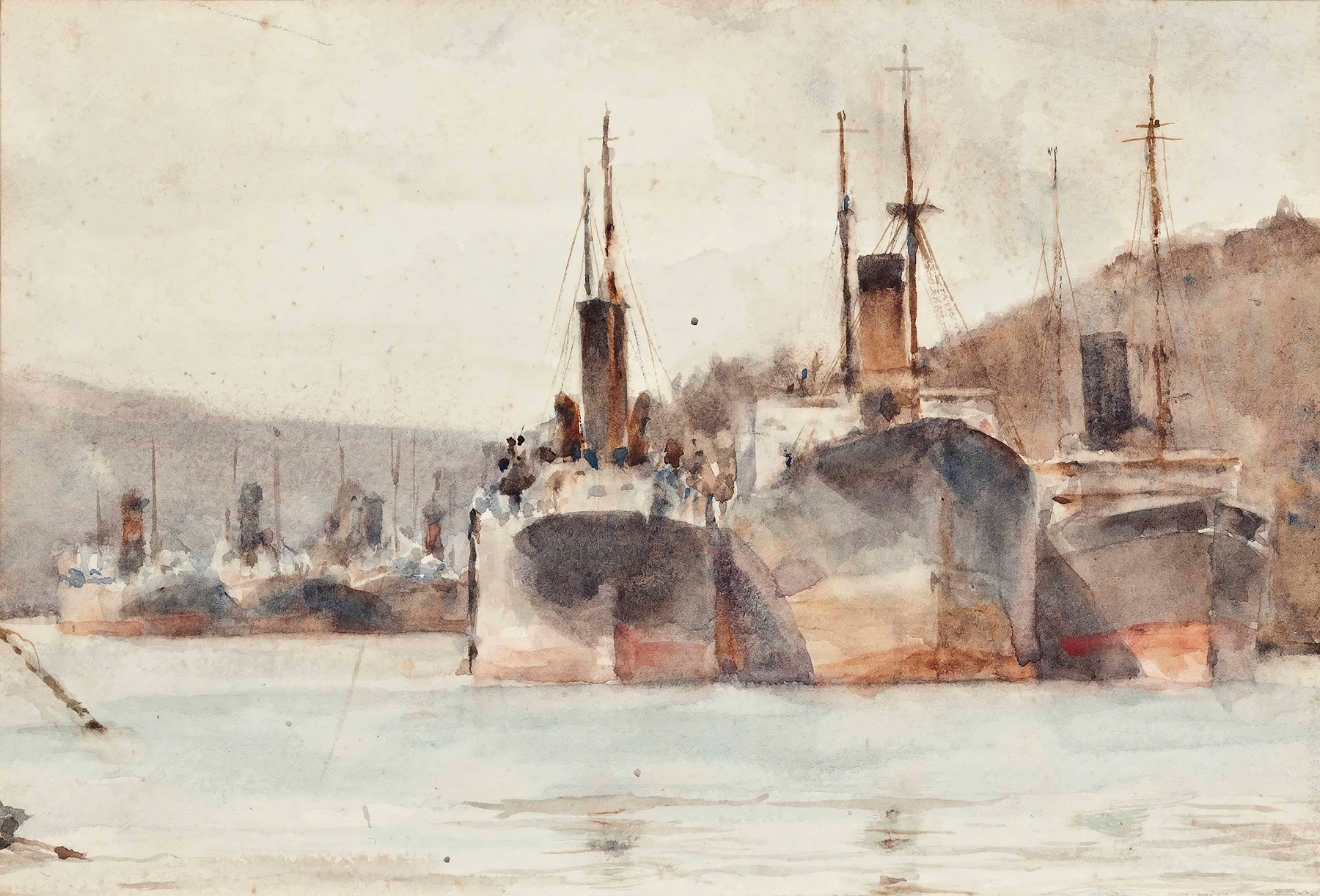
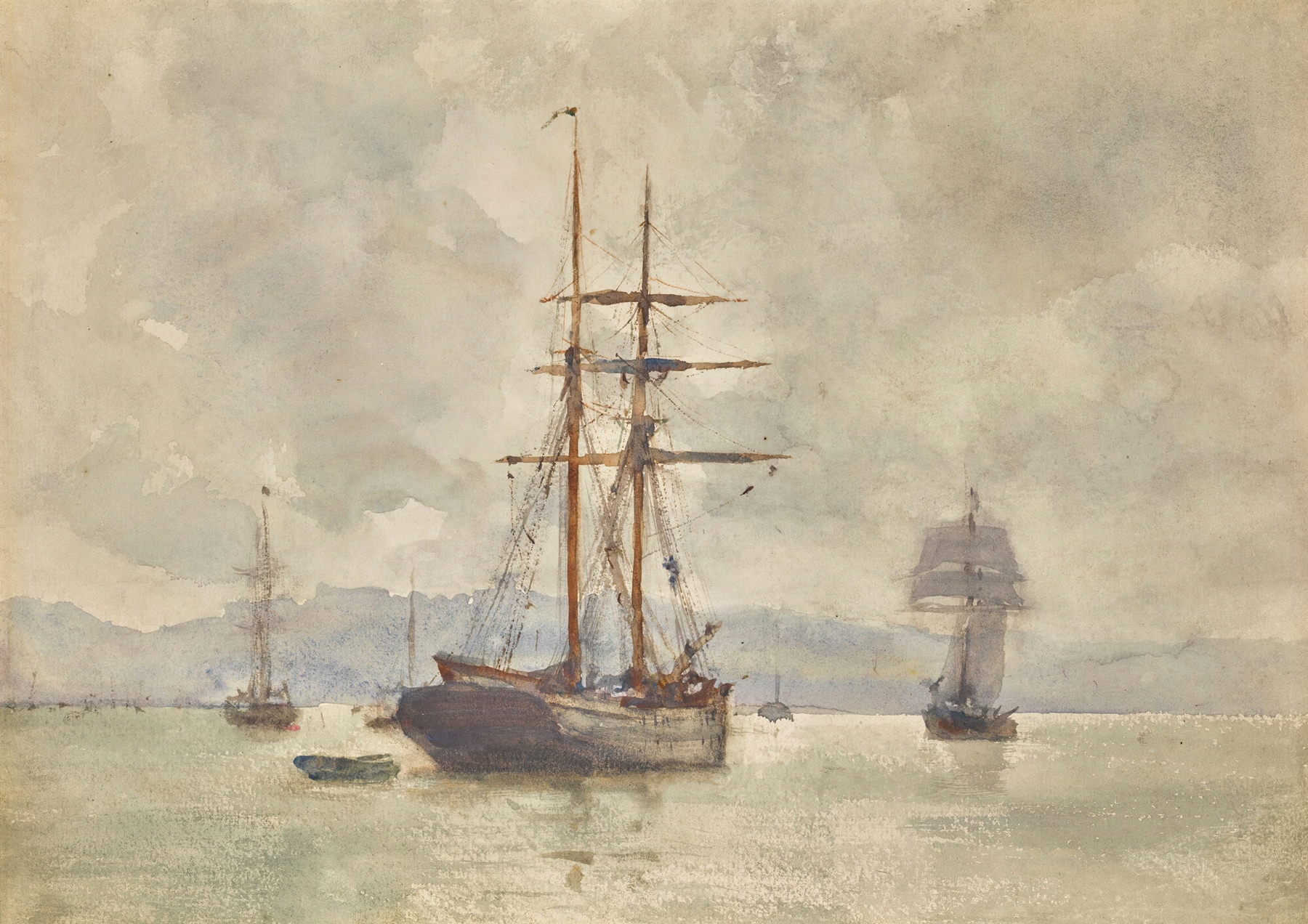
“The canvas doesn’t lie — it simply waits.” In the stillness of a harbor, boats lie softly anchored, whispering stories of adventure and the echoes of the sea. Their presence hints at journeys taken, yet they are marooned in a moment that feels both full and empty, a paradox of existence captured in paint. Look closely at the gentle curve of the boats in the foreground, their hulls kissed by the warm sunlight, reflecting hues of ochre and sapphire. Notice how Tuke’s delicate brushstrokes create a harmonious blend of color and light, emphasizing the smooth contours of the vessels against the textured backdrop of the water.
The composition draws your eye to the intricate details, from the wear on the wooden surfaces to the rippling reflections that dance across the harbor’s surface. Beneath the serene exterior lies a rich tapestry of meaning. The stillness of the moored boats contrasts with the vibrant life of the sea they once traversed, evoking a sense of longing and nostalgia. This emptiness resonates with the viewer, suggesting both the tranquility of nature and the solitude of human endeavors.
Tuke captures a fleeting moment, where time seems suspended, inviting us to reflect on our own connections to both the sea and to stillness. In 1914, as the world teetered on the brink of upheaval, Tuke painted this work in Falmouth, a coastal town rich in maritime culture. At this time, he was established as a leading figure in British Impressionism, focusing on the interplay of light and water, yet foreshadowing the turbulence that would soon follow. His choice of subject reflects a deep appreciation for the quiet beauty of everyday life, even as the world outside this tranquil scene prepared for drastic change.